FiberQ
FiberQ
FiberQ
High-compatibility optical modules designed for Indonesian ISP architectures, supporting long-distance backbone and FTTH aggregation systems.
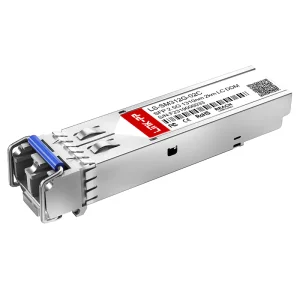
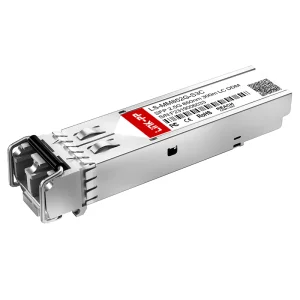
As Southeast Asia’s largest digital economy, Indonesia is undergoing an unprecedented expansion of its network infrastructure. Initiatives such as the Palapa Ring project, which connects the archipelago with thousands of kilometers of fiber-optic cabling, and the rapid deployment of 4G/5G networks by carriers like Telkomsel, Indosat Ooredoo Hutchison, XL Axiata, and Smartfren, have accelerated the demand for high-performance optical transceiver modules. In particular, the transition from legacy gigabit lines to 2.5G, 5G, and 6G (CPRI/eCPRI for wireless fronthaul) architectures is critical for handling high-density subscriber payloads in major metropolitan areas such as Jabodetabek (Jakarta, Bogor, Depok, Tangerang, Bekasi), Surabaya, and Bandung.
Operating optical links in Indonesia presents unique environmental and topological challenges. High relative humidity (often exceeding 90%), ambient tropical heat reaching over 38°C in non-air-conditioned enclosures, and the geographical isolation of over 17,000 islands require transceivers that offer not only high-speed signal integrity but also exceptional thermal stability and long-term durability. Standard commercial-grade modules frequently fail under these harsh conditions, causing micro-outages that degrade User Experience (UX) and SLA compliance for telecommunications providers.
"To meet the requirements of modern network deployment in Indonesia, optical modules must be optimized for power dissipation, industrial temperature range support (-40°C to +85°C), and tight optical wavelength management to mitigate dispersion penalty over aged fiber backbones."
FiberQ Photonics addresses these local needs by manufacturing industrial-grade 2.5G to 6G SFP transceivers equipped with Digital Diagnostic Monitoring (DDM/DOM), high-stability Distributed Feedback (DFB) lasers, and anti-corrosive gold-finger plating. These specifications ensure that network integrators across Java, Sumatra, Kalimantan, and Sulawesi can maintain stable connectivity, reducing operational maintenance overhead in remote areas where on-site technicians are costly to deploy.
Specifically engineered for remote cell site backhaul and extreme environments across Indonesia's developing regions.
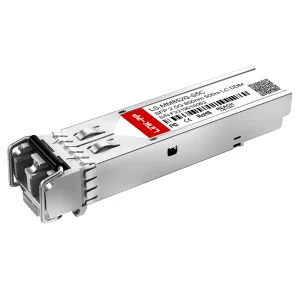
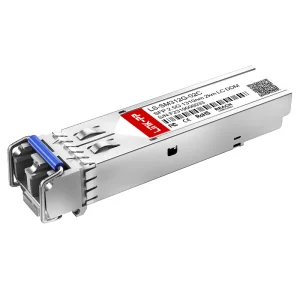
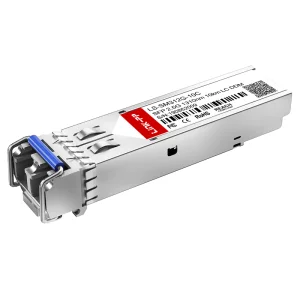
Unveiling the migration strategies for system integrators upgrading regional networks to 5G-ready infrastructure.
As Indonesian telecommunication networks scale up from GPON (Gigabit Passive Optical Network) to XGS-PON and LTE-Advanced backhauls, the sweet spot for intermediate transmission layers resides in the 2.5G to 6G frequency bands. In wireless deployment, 2.5Gbps, 3.07Gbps, 4.9Gbps, and 6.14Gbps line rates are standard for Common Public Radio Interface (CPRI) options 3, 4, 5, and 6. These rates connect Remote Radio Heads (RRH) to Baseband Units (BBU) over fiber optic cables, forming the foundation of high-capacity cellular fronthaul.
Furthermore, in metropolitan ring structures where 10G SFP+ might present budget constraints or unnecessary power overhead, 2.5G SFP modules provide an optimized solution. These transceivers offer dual benefits: they run cool (under 1W power consumption) and operate within tighter budget allocations, while still quadrupling the capacity of legacy Fast Ethernet / 1G access switches.
| Module Category | Common Wavelengths (nm) | Fiber Type & Connectors | Distance Reach | Optimal Application in Indonesia |
|---|---|---|---|---|
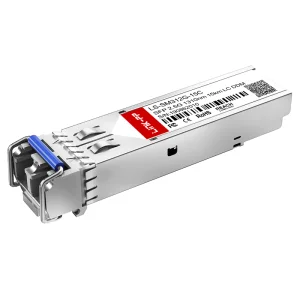
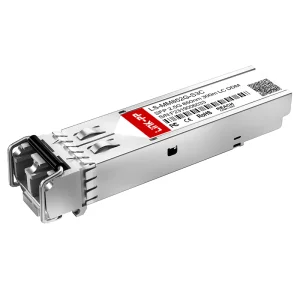
| 2.5G Duplex SFP | 1310nm / 850nm | SMF / MMF Duplex LC | 300m - 15km | FTTH aggregation nodes, Central Office connectivity in cities |
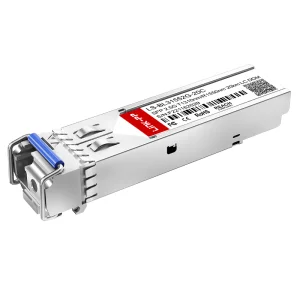
| 2.5G BiDi (Simplex) | 1310TX/1550RX, 1490TX/1550RX | SMF Simplex LC | 20km - 80km | Inter-island networks, optimizing existing single-strand fiber lines |
| 3G ~ 6G CPRI SFP | 1310nm, DFB Lasers | SMF Duplex / Simplex LC | 2km - 40km | LTE / 5G Mobile Fronthaul linking BBU to Remote Radio Units |
| Extended Reach 2.5G | 1550nm DFB / APD Receiver | SMF Duplex LC | 40km - 80km | Rural telecom extensions and remote mining/utility sites |
Why FiberQ Photonics is the chosen OEM/ODM partner for major Indonesian system integrators.
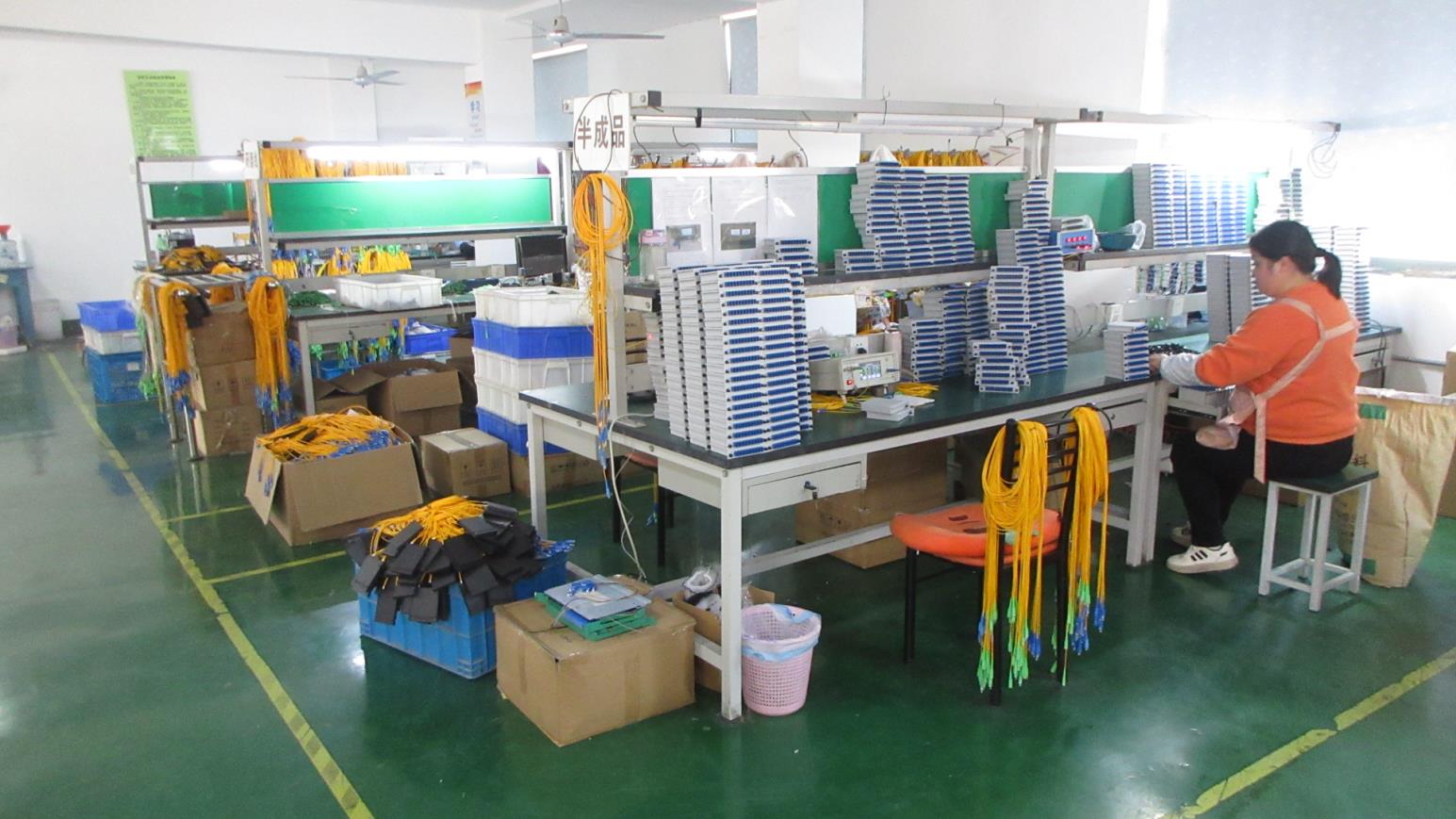
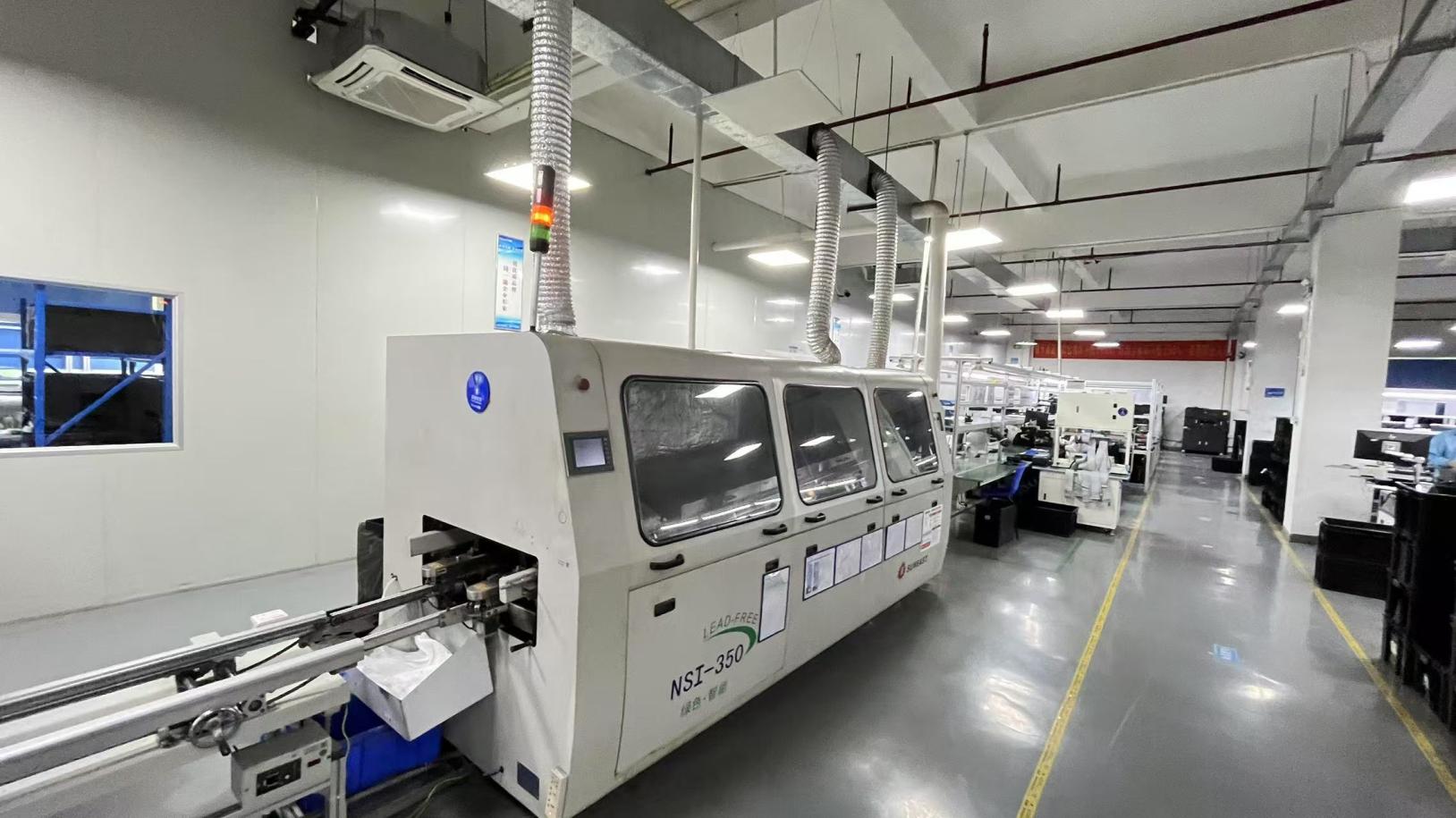
FiberQ Photonics Technology Co., Ltd. (founded in 2015) has established itself as an industry leader in manufacturing high-reliability transceivers. With an annual export volume reaching approximately USD 9.5 million and 6 years of focused export experience, the company operates optimized production pipelines that directly benefit partners in Southeast Asia. Our raw material procurement is backed by a resilient network of 1,450 partners, protecting production lines from chip shortages and ensuring short lead times for urgent infrastructure tenders.
For Indonesian buyers, importing communication equipment can face strict customs scrutiny and compliance checks under the Directorate General of Resources and Equipment for Post and Information Technology (SDPPI). FiberQ Photonics provides comprehensive compliance documentation, test reports, and Form E (ASEAN-China Free Trade Agreement) certificates. This certification enables local importers to benefit from zero or reduced import tariffs at major ports like Tanjung Priok in Jakarta or Soekarno-Hatta International Airport, speeding up the customs process.
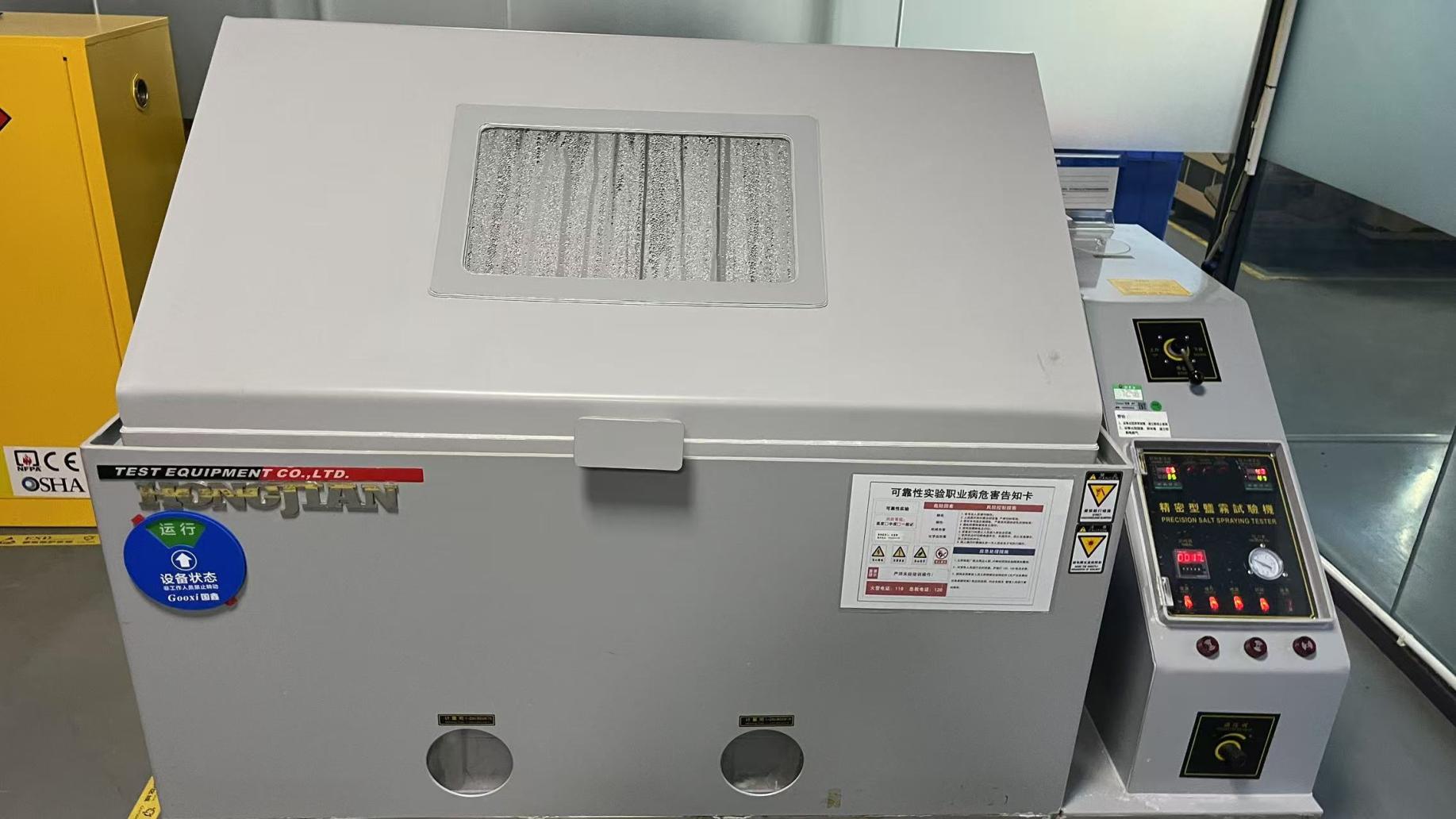
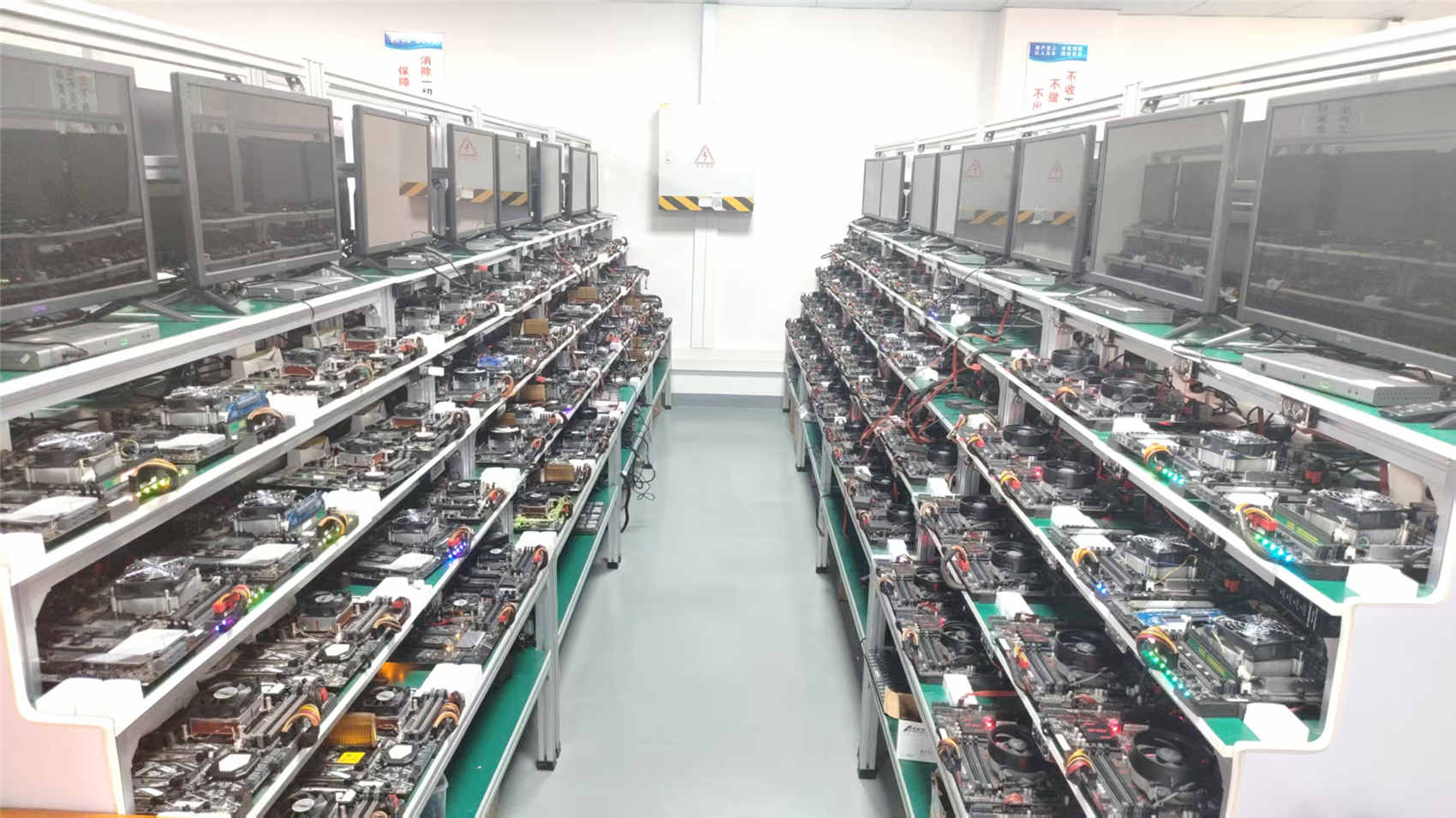
Our dedicated quality control team consists of 62 experienced inspectors. To ensure each SFP module withstands the humid, high-temperature environment of Indonesia, we subject our transceivers to:
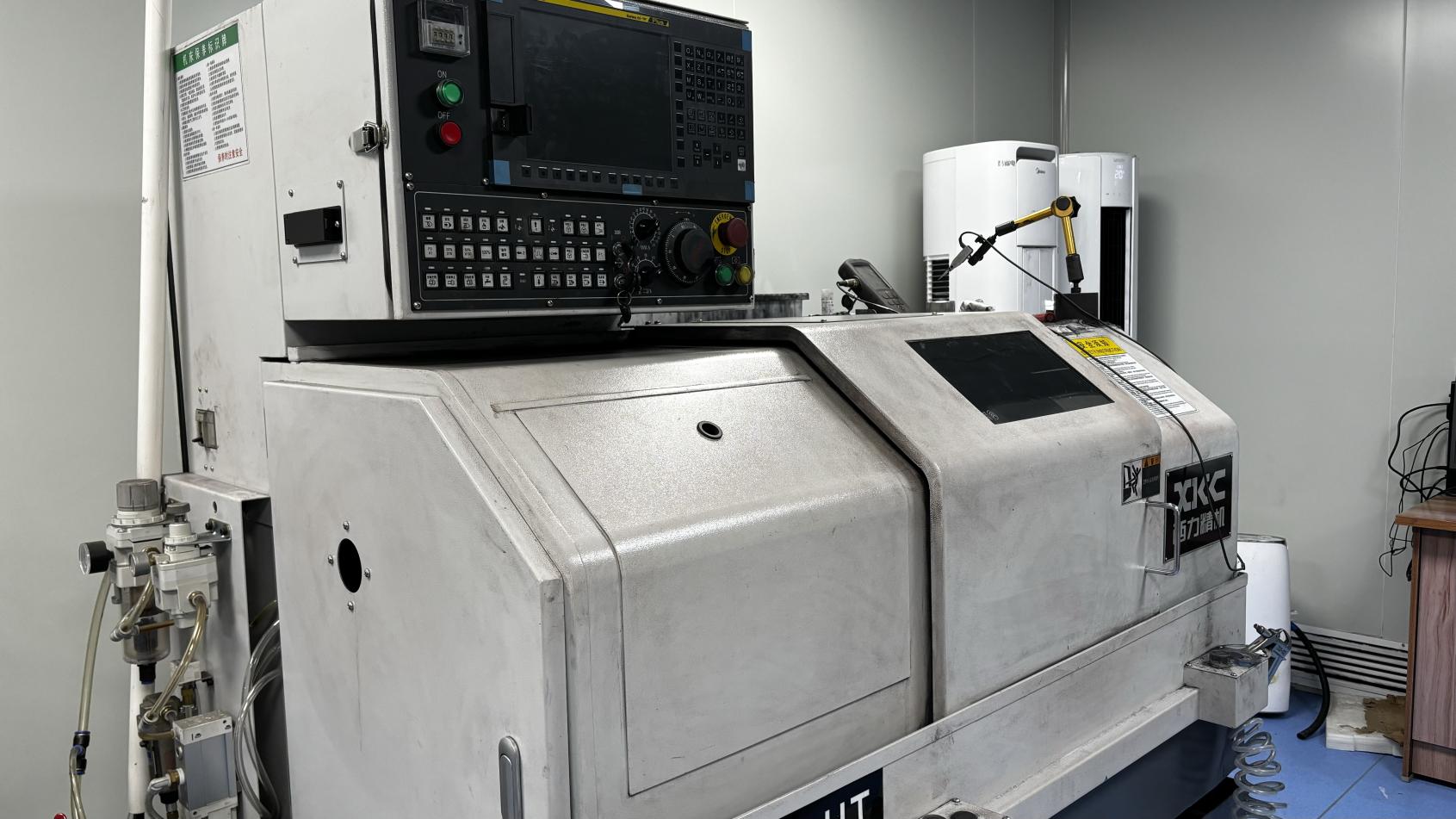
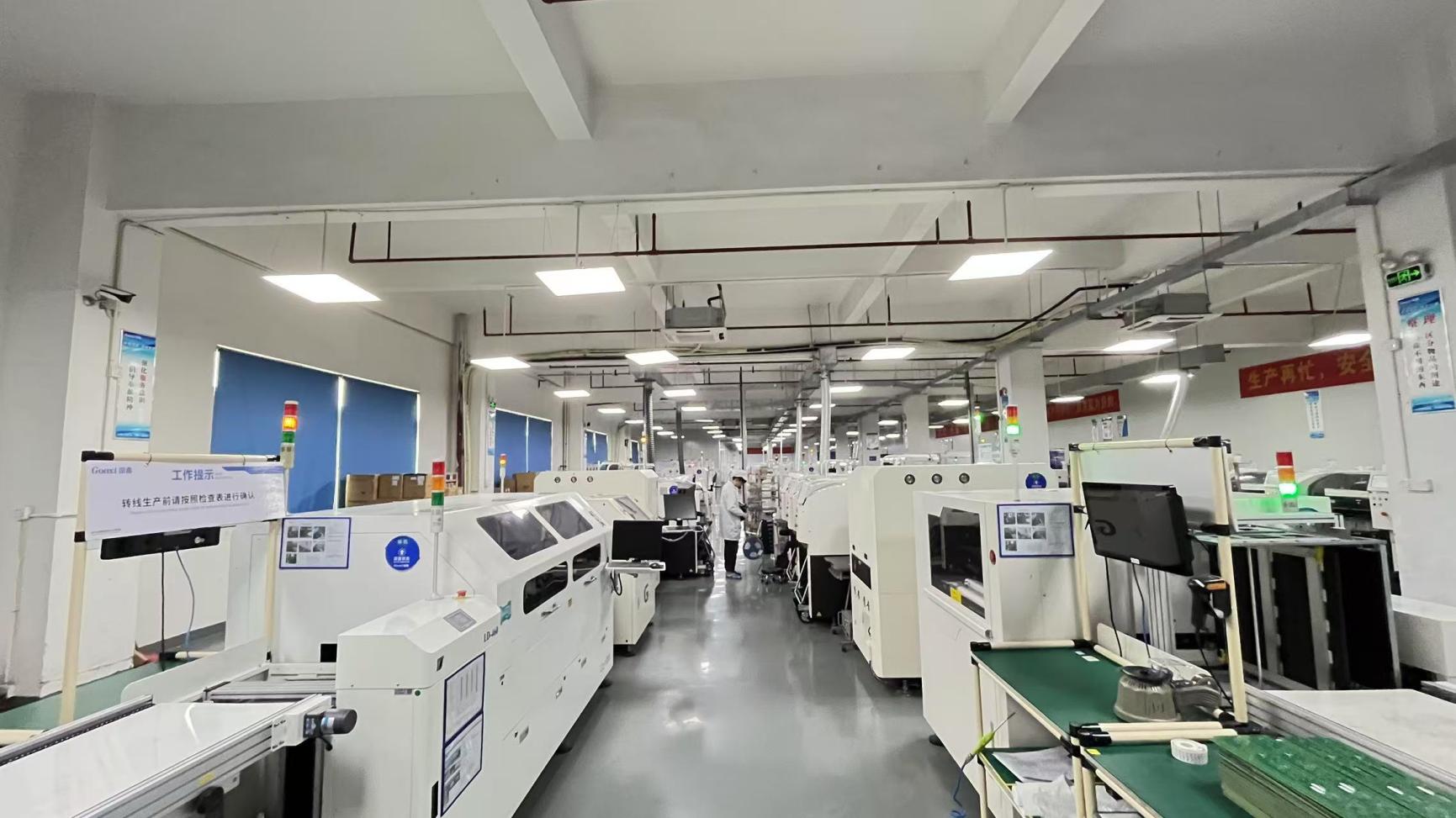
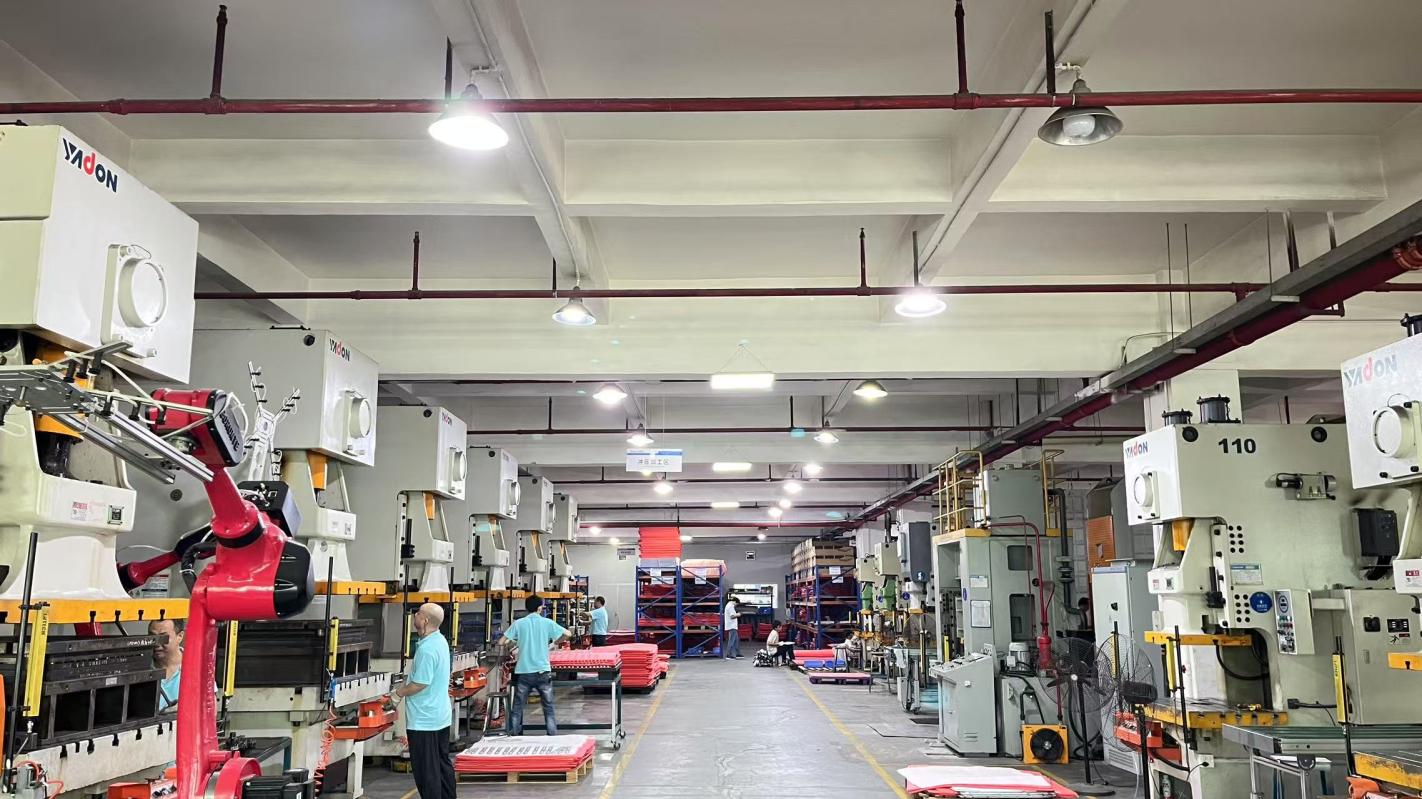
Explore our complete range of high-performance transceivers, optimized for various optical link budgets and transmission distances.
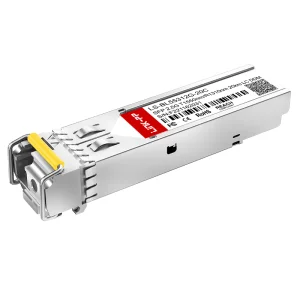
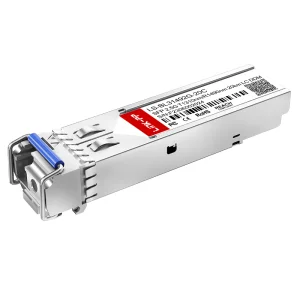
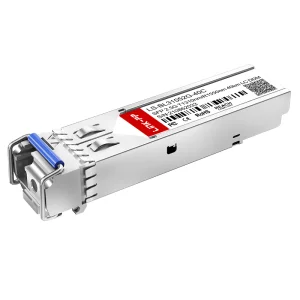
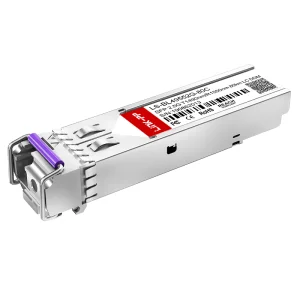
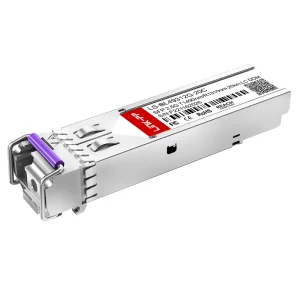
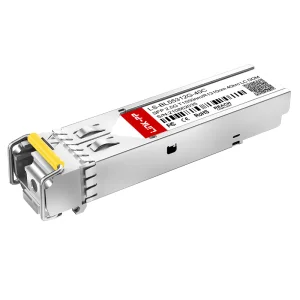
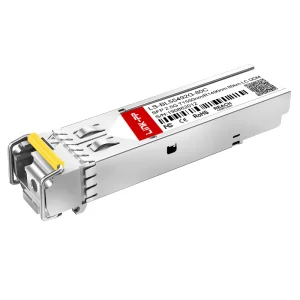
Tailoring optical parameters, firmware protocols, and thermal capabilities to fit your specific network deployment.
At FiberQ Photonics, our R&D roadmap is focused on next-generation architectures, including custom integrations up to 100G, 200G, 400G, and 800G. However, we continue to optimize legacy optical technologies like 2.5G and 6G. Last year alone, our engineering team launched approximately 180 new products, demonstrating our ability to rapidly adapt to market demands.
When deploying optical networks in Indonesia, system integrators often face compatibility issues with proprietary vendor systems. Our R&D team resolves these barriers through:
Key technical insights and logistics advice for Indonesian network operators and systems integrators.