FiberQ
FiberQ
FiberQ
Engineered for high density, multi-rate flexibility, and extreme reliability under demanding network environments.
Serbia is quickly emerging as the premier digital gateway in Southeastern Europe, driven by substantial foreign direct investments and national initiatives to digitize its industrial and municipal infrastructure. From Belgrade’s growing technology corridors to the manufacturing hubs in Novi Sad, Niš, and Kragujevac, high-speed networking components have become essential building blocks.
The roll-out of 5G cellular technologies, combined with the continuous expansion of the nation's Fiber-to-the-Home (FTTH) broadband infrastructure, requires optical transceivers capable of handling speeds in the 2.5G to 6G spectrum. In rural and urban industrial zones alike, Ethernet speeds are transitioning from legacy gigabit systems to highly scalable 2.5G and 5G networks, maximizing the productivity of industrial IoT gateways, edge servers, and smart factory nodes.
Moreover, modern public utilities and railway communication systems along the Belgrade-Budapest high-speed railway corridor demand highly robust, temperature-hardened optical devices. SFP modules capable of supporting 2.5G and 5G/6G (such as CPRI/eCPRI interfaces for wireless base stations) ensure seamless and low-latency data transport in critical environments across Serbia.
Understanding optical physics, wavelength parameters, and link budget optimization for reliable deployments.
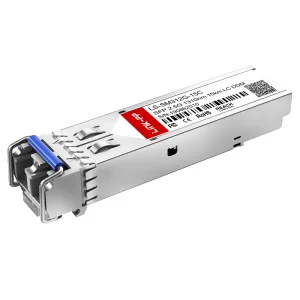
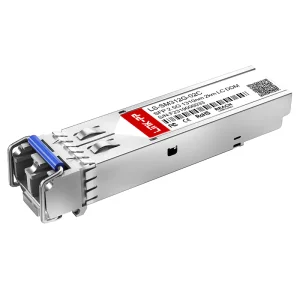
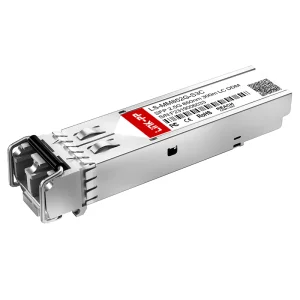
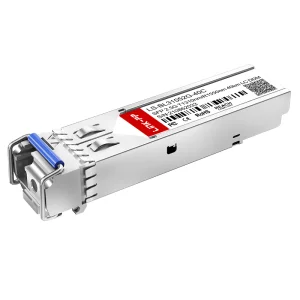
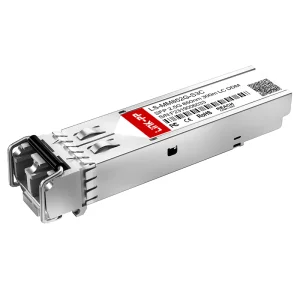
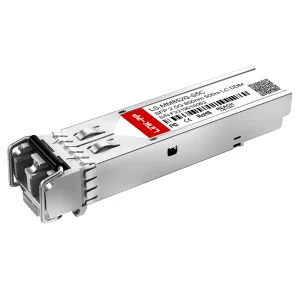
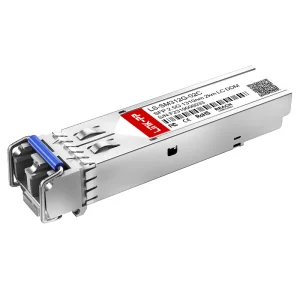
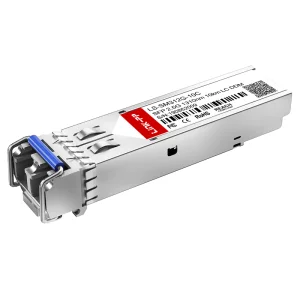
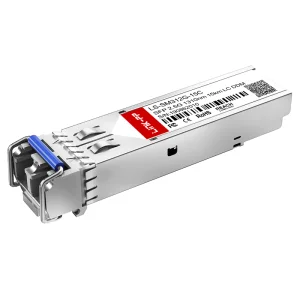
Typically operating at 1310nm (Single Mode) or 850nm (Multimode), 2.5G modules bridge the gap between traditional Fast Ethernet and high-speed fiber pipes. Perfect for high-density enterprise switching, GPON OLT/ONT devices, and medium-haul industrial campus networks.
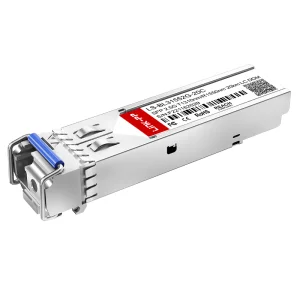
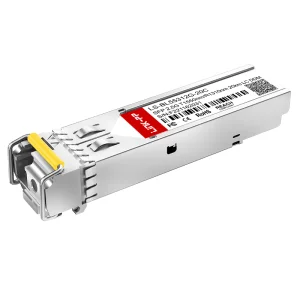
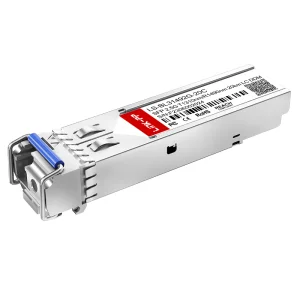
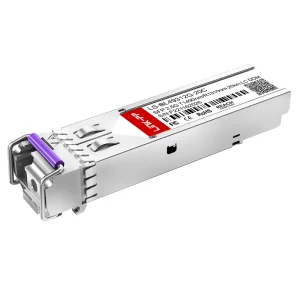
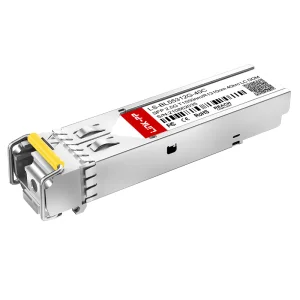
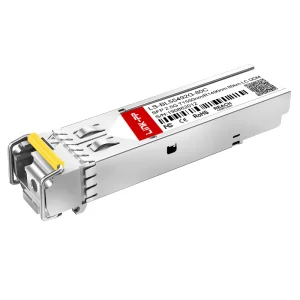
Using single-strand fiber technology, Bidi modules transmit on one wavelength (e.g., 1310nm-TX) and receive on another (e.g., 1550nm-RX). Double your fiber capacity instantly—highly popular for fiber-lean routes across municipal utility networks in Serbia.
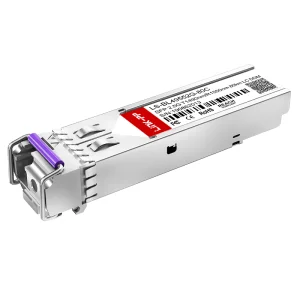
Supporting high-speed baseband communications, these modules withstand outdoor industrial temperatures (-40°C to 85°C). Excellent signal integrity is maintained over distances up to 80km to keep remote cell towers connected.
In modern telecommunication networks, remote maintenance and diagnostics are vital to reducing operating expenses (OPEX). Every SFP module engineered by premium factories features integrated Digital Diagnostics Monitoring (DDM) according to the SFF-8472 industry standard. This permits network engineers in Serbia to remotely monitor real-time operating parameters of the transceivers:
| Standard Module Type | Wavelength (TX/RX) | Fiber Type | Maximum Reach | Primary Application in Serbia |
|---|---|---|---|---|
| 2.5GBASE-SX | 850nm / 850nm | Multi Mode (MMF) | 300m / 550m | Intra-datacenter Belgrade, Local LAN Switches |
| 2.5GBASE-LX | 1310nm / 1310nm | Single Mode (SMF) | 2km / 15km | Enterprise WAN links, Novi Sad Smart City Node |
| 2.5G Bidi (20km) | 1310nm-TX / 1550nm-RX | Single Mode (SMF) | 20km | Fiber-lean FTTx networks, rural telecom distribution |
| 2.5G Bidi (80km) | 1490nm-TX / 1550nm-RX | Single Mode (SMF) | 80km | Inter-city backhaul networks, rugged rail communications |
A trusted professional manufacturer delivering advanced photonic communication solutions worldwide.
FiberQ Photonics Technology Co., Ltd. is a professional manufacturer specializing in high-performance fiber optic transceivers and advanced photonic communication solutions for data centers, telecom networks, and high-speed interconnect applications. Founded in 2015, the company has grown into a trusted global supplier with strong engineering and export capabilities.
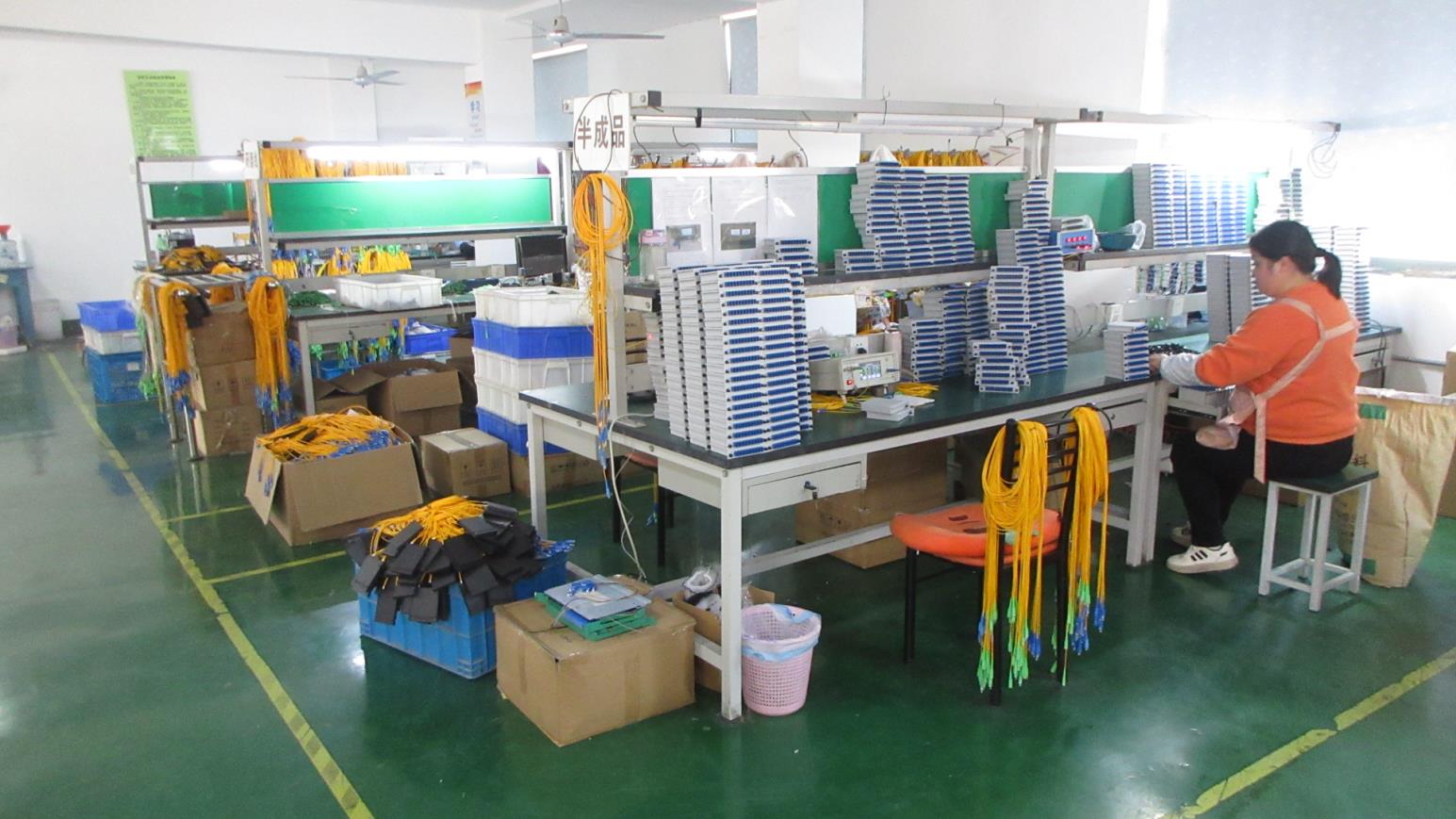
Operating a modern production facility covering approximately 12,600㎡, FiberQ ensures scalable manufacturing, precision assembly, and strict quality control processes. With annual export revenue reaching around USD 9.5 million, FiberQ has accumulated 6 years of export experience and 12 years of industry expertise in optical communication technologies.
The company maintains a strong trade background focused on OEM and ODM partnerships. Its primary markets include North America, Europe (with an expanding footprint in the Balkan countries including Serbia), Japan, and Southeast Asia, serving telecom operators, cloud service providers, and enterprise network integrators.
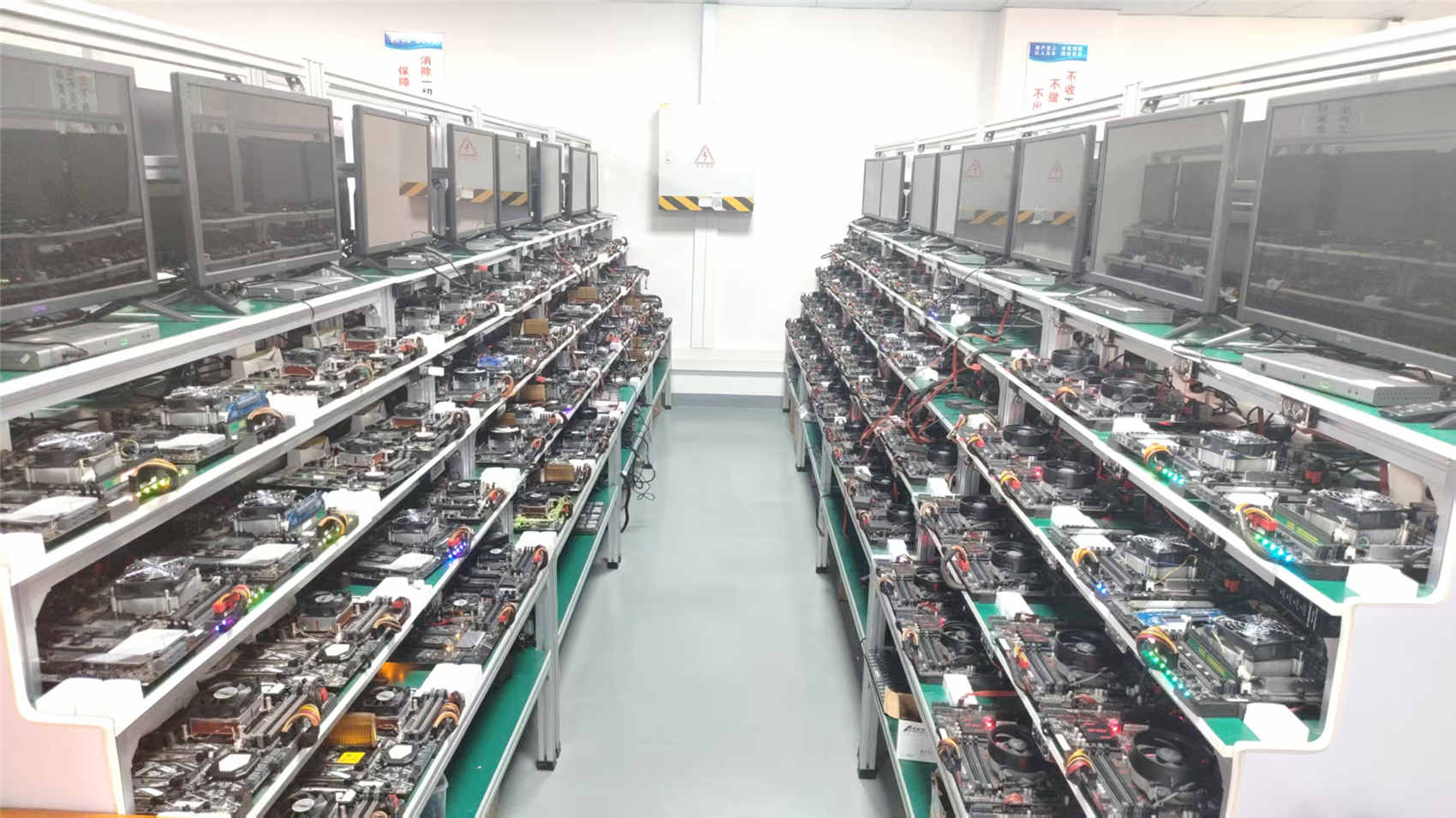
Quality assurance is ensured through a combination of automated optical performance testing, interferometric inspection, high-temperature aging tests, and manual quality checks. The quality control team consists of 62 experienced inspectors dedicated to maintaining product reliability and compliance with international standards such as CE, FCC, RoHS, and MSA agreements. Every single transceiver is validated on original brand switches (Cisco, Juniper, Huawei, Mikrotik, etc.) to guarantee 100% interoperability and zero-bit-error rate transmission.
The global ICT marketplace demands fast turnarounds and deep component customization. By leveraging FiberQ’s advanced Industry 4.0 manufacturing framework in China, clients in Serbia and across Central Europe secure access to a highly optimized optoelectronic assembly pipeline.
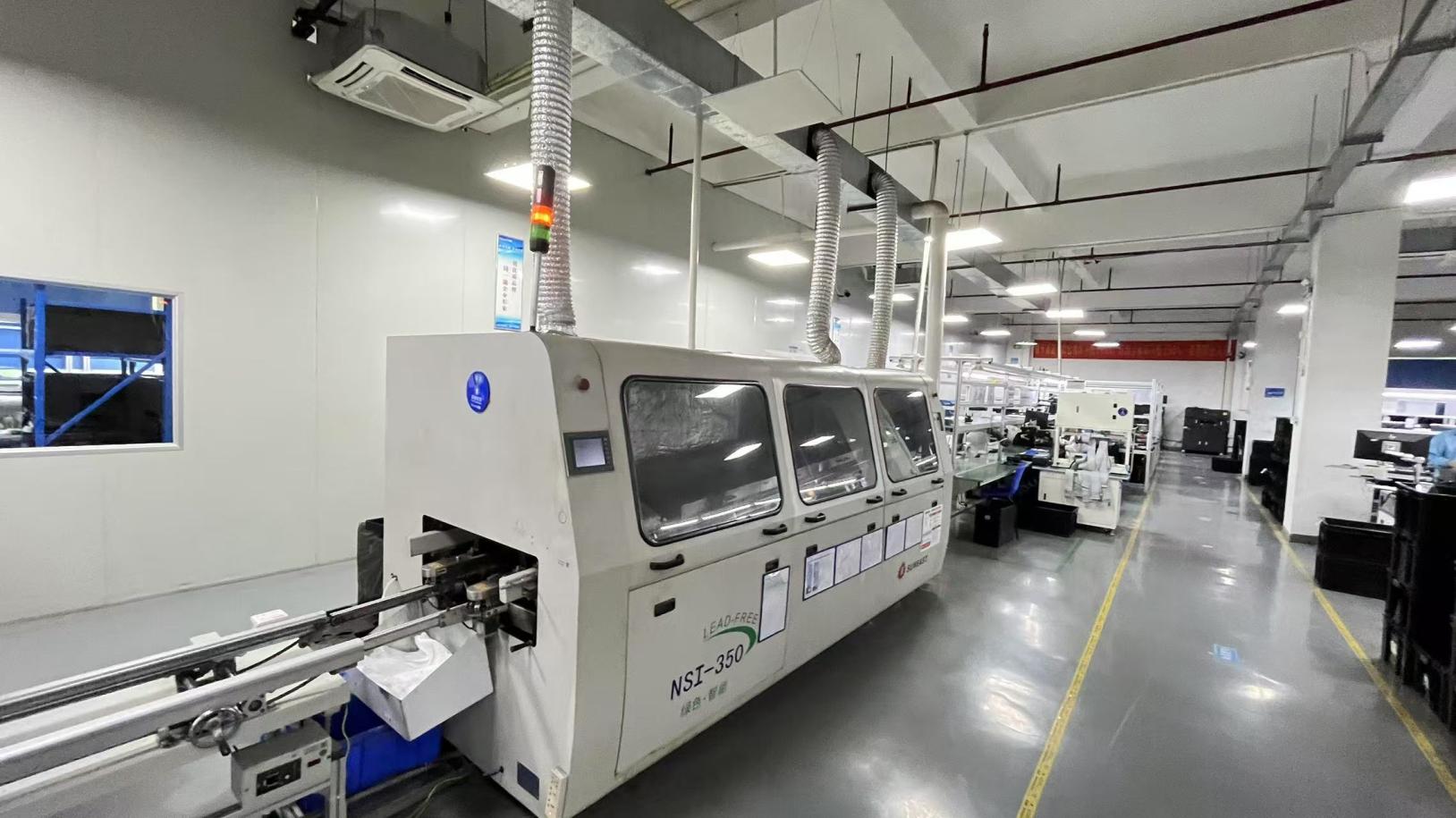
Our automation technology ensures high-precision placement of laser diodes (TOSA) and photodetectors (ROSA), drastically reducing batch deviation and component failure rates. Through our integration with over 1,450 trusted raw material suppliers, we hedge against raw chip market volatility, ensuring that our clients receive stable shipments of crucial SFP modules even during global semiconductor shortages.
For custom OEM/ODM requests, FiberQ's robust engineering core supports advanced customization including protocol compatibility configurations (covering 100G/200G/400G/800G next-generation frameworks), wavelength engineering, thermal dissipation optimization, and form-factor adaptation. This provides European customers with top-tier cost-to-performance ratios and bulletproof supply security.
Our shipping protocols are optimized for rapid customs clearances and secure transport into European transport hubs. We coordinate direct air-freight and rail deliveries to Belgrade, Novi Sad, and other key logistics nodes, keeping your network deployments on-schedule.
Proven field solutions addressing regional infrastructure needs, climate demands, and network design specs.
Deploying 2.5G SFP single-mode transceivers within high-density metropolitan distribution hubs to satisfy the rapid expansion of high-definition streaming, VoIP, and smart home IoT devices in urban residential complexes.
Using industrial-grade Bidi SFP transceivers to connect remote electrical substations. Industrial temperature tolerance ensures the fiber connection remains operational under freezing winter conditions and intense summer heat.
Deploying high-reliability 2.5G and 6G modules along transportation networks to transport live CCTV feeds and diagnostic sensor telemetry data back to centralized national control stations.
Explore our complete selection of MSA-compliant transceivers. Direct sourcing from our factory ensures competitive pricing and stable quality.
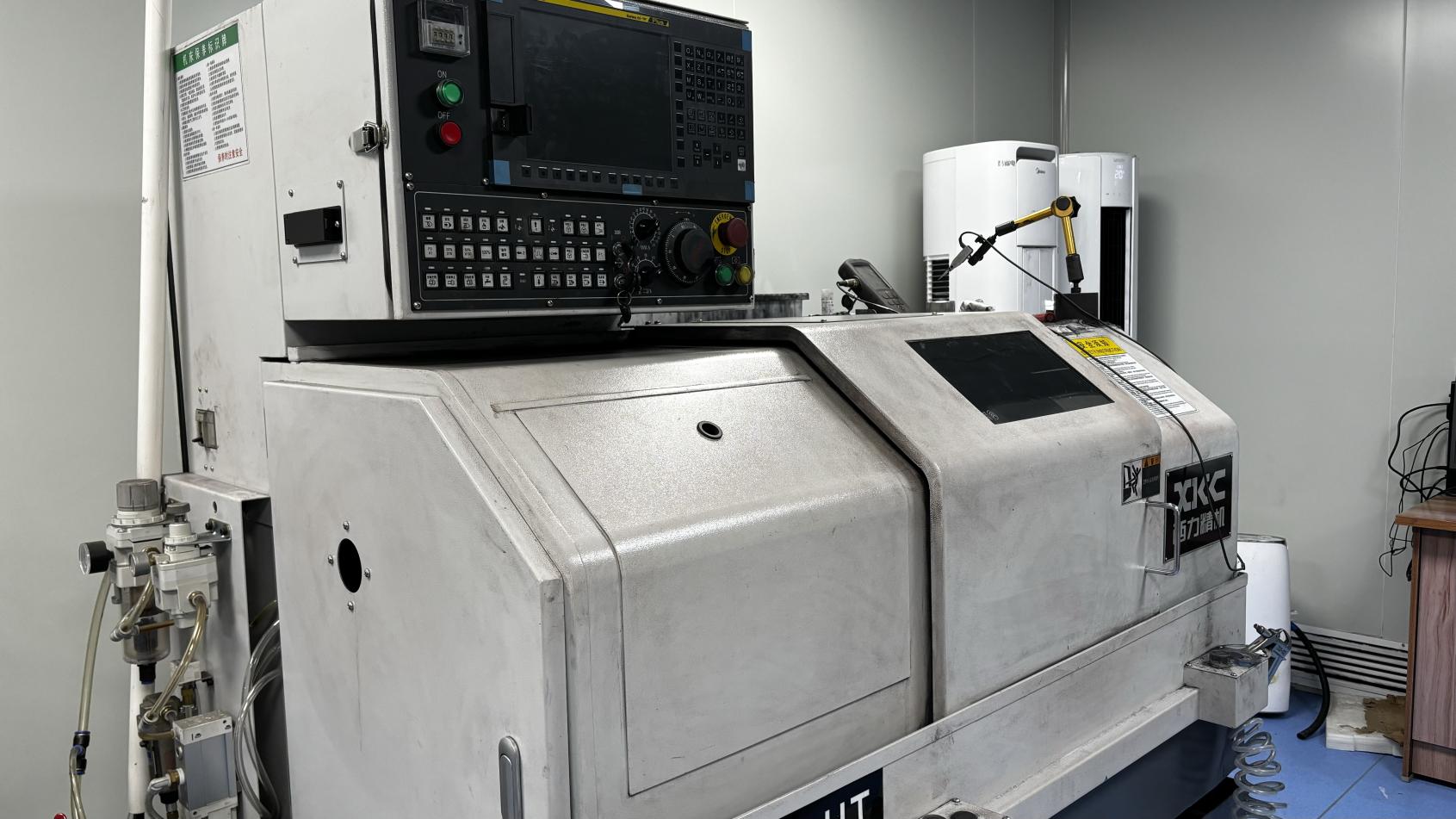
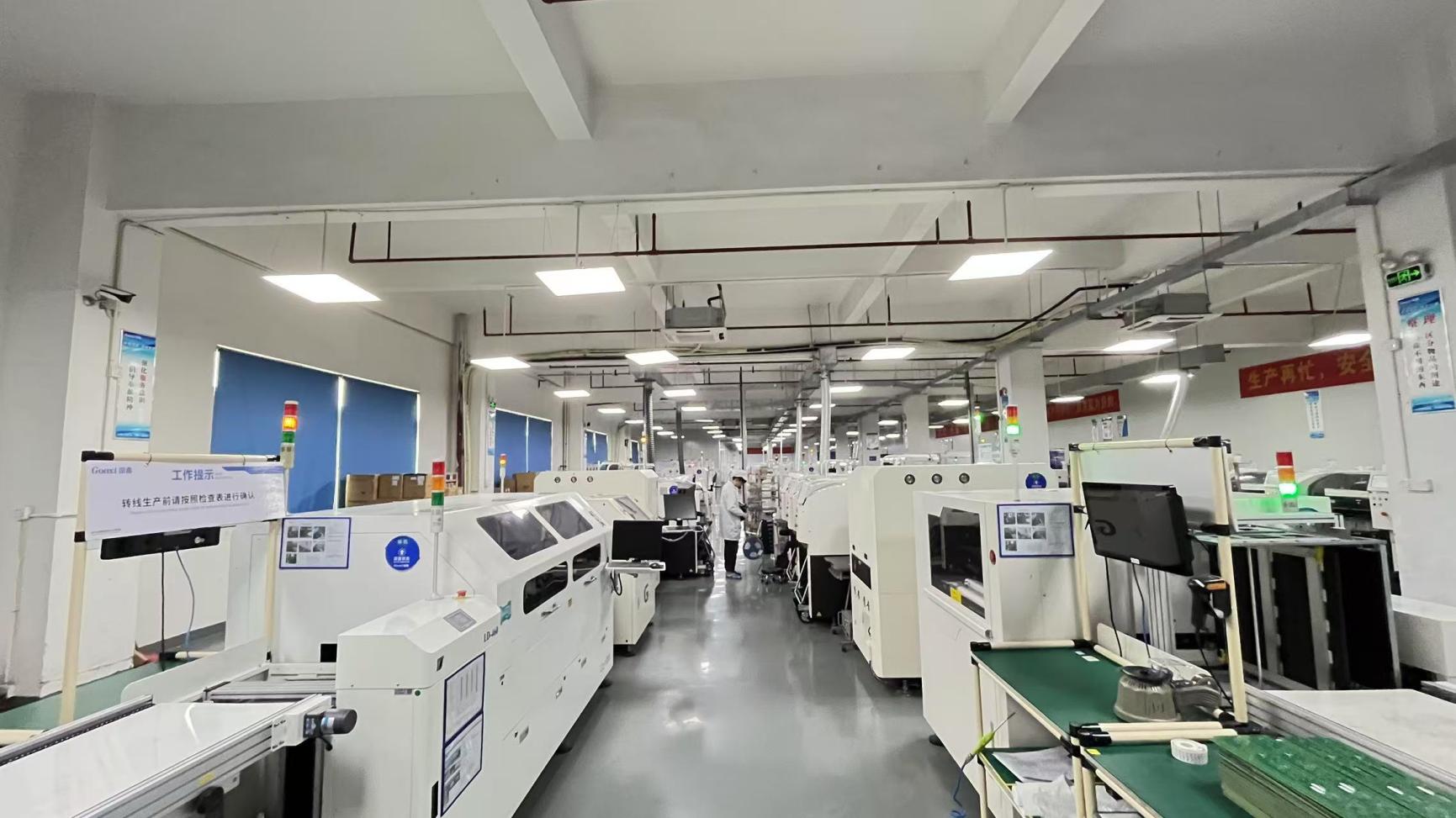
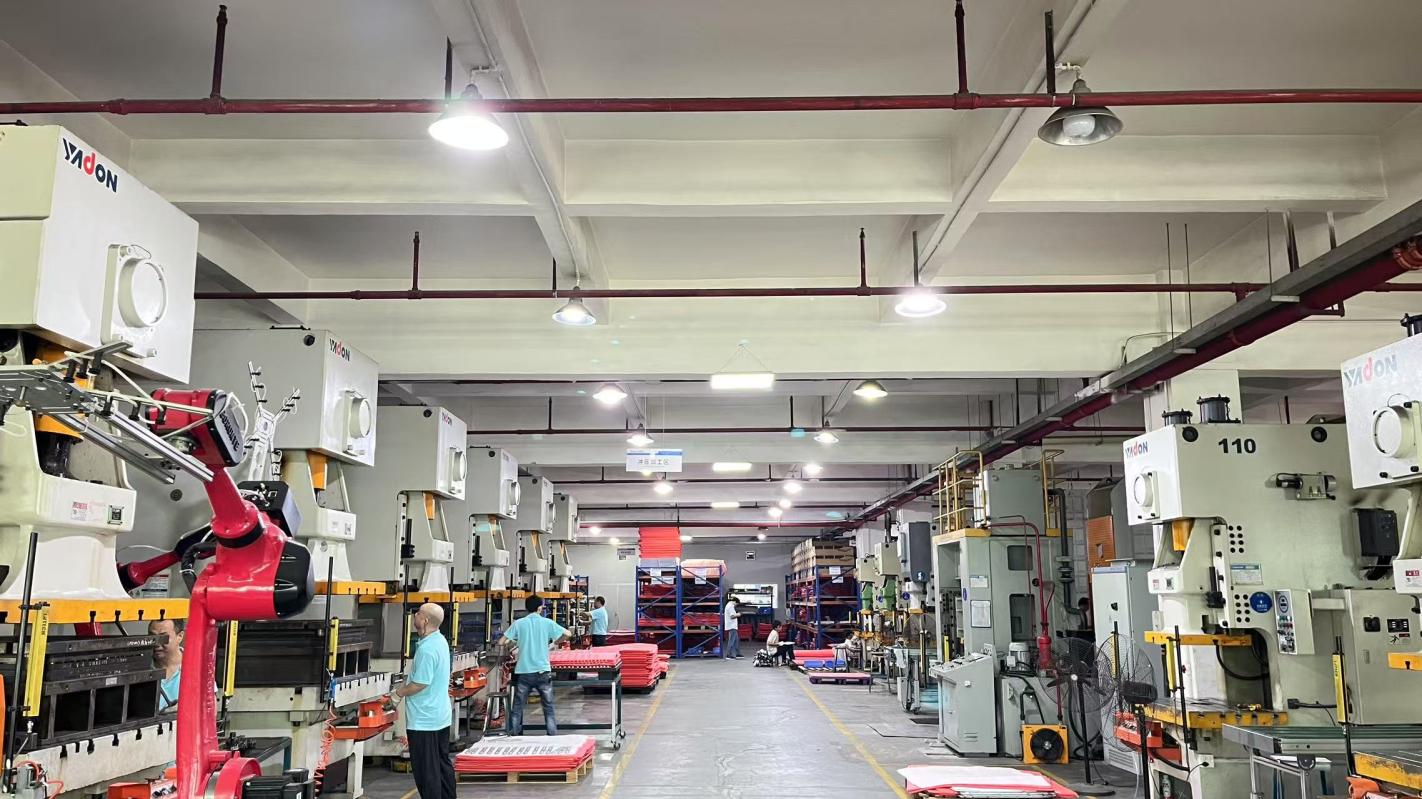
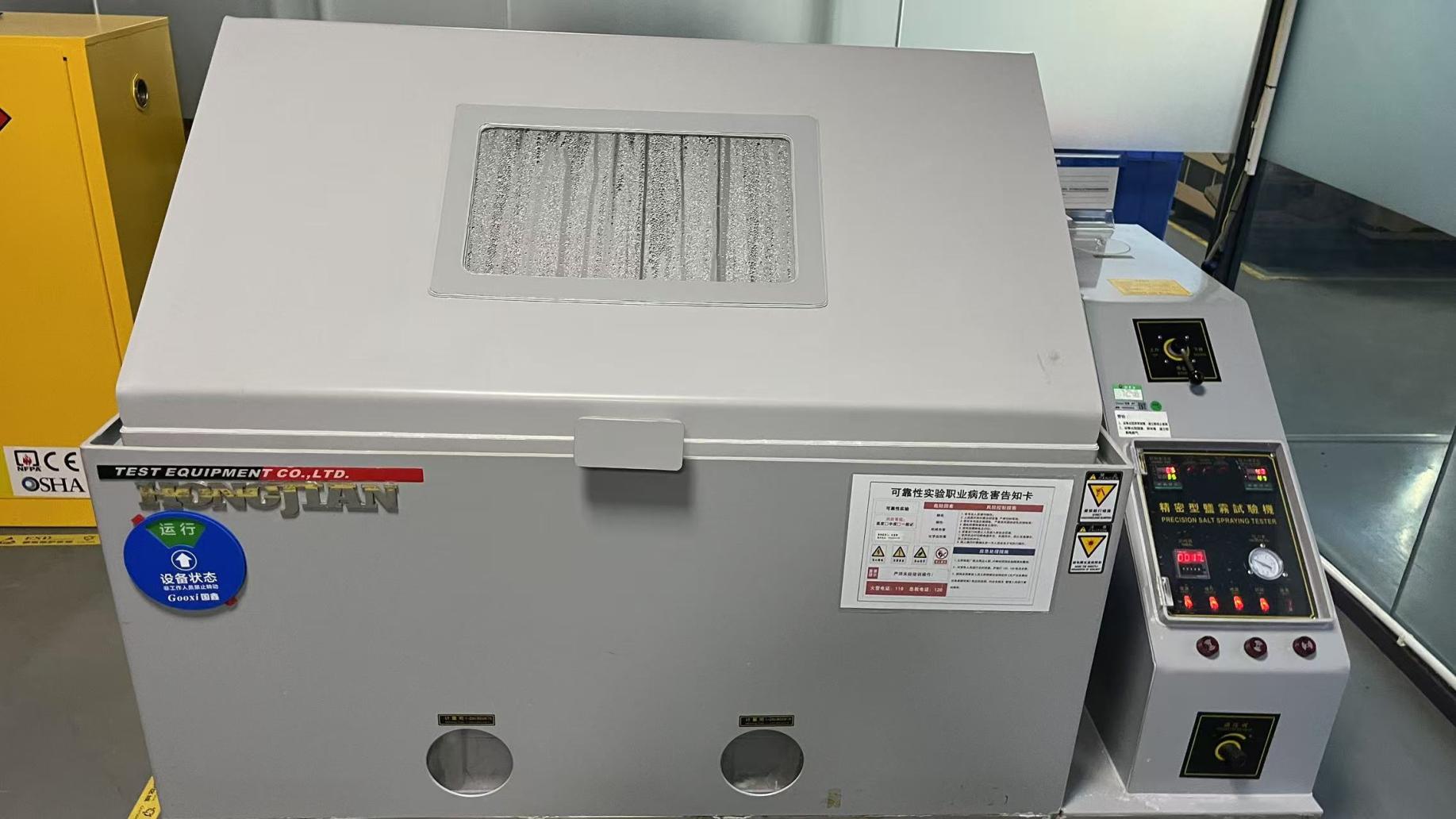
Inside our 12,600㎡ high-tech factory: Where high precision meets rigid ISO-certified processing.
Clear answers to complex technical queries from lead optical network architects and global system integrators.