FiberQ
FiberQ
FiberQ
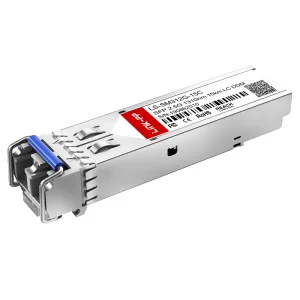
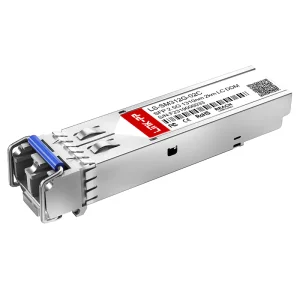
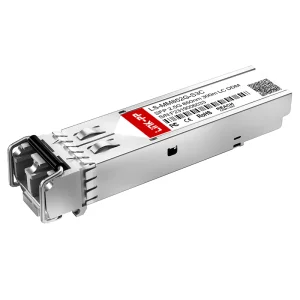
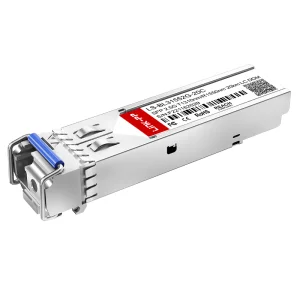
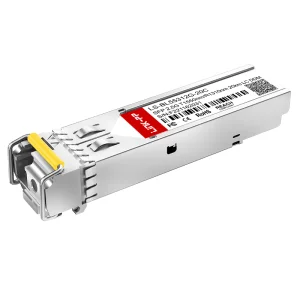
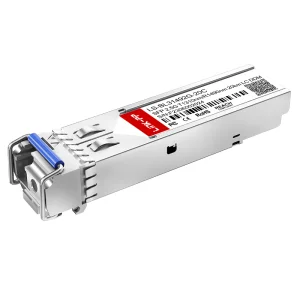
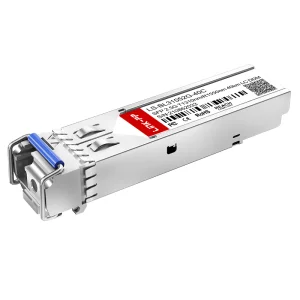
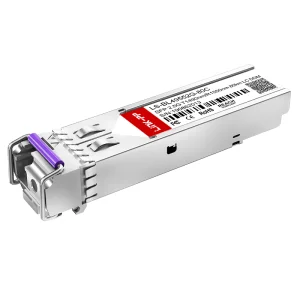
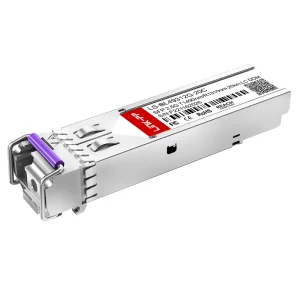
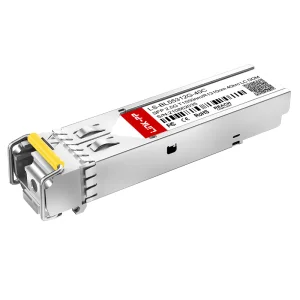
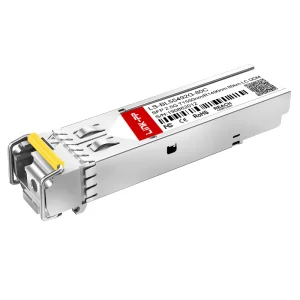
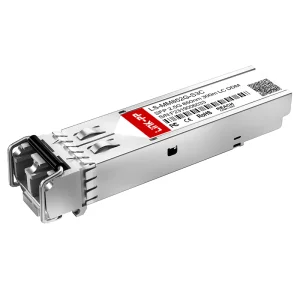
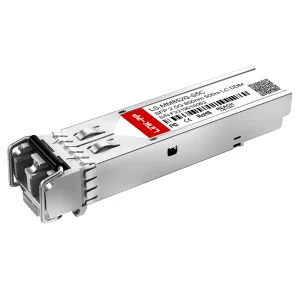
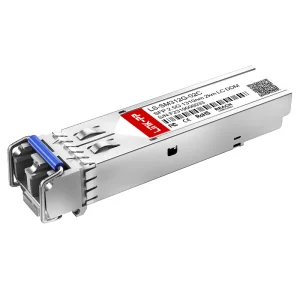
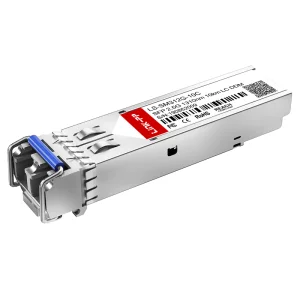
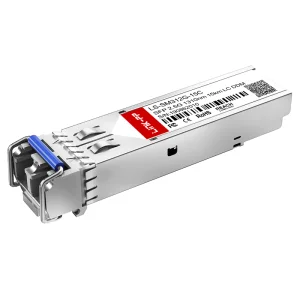
Selected high-speed 2.5G/5G/6G optical transceivers configured for immediate export deployment in Russian metropolitan fiber systems.
Moscow serves as the crucial nucleus of Eastern Europe's telecommunications infrastructure, undergoing rapid infrastructure upgrades driven by strict localized data security laws (such as Russian Federal Law FZ-152) and the aggressive deployment of private industrial networks. The city's massive hyperscale data centers, metropolitan transit networks (like the Moscow Metro's communications subsystems), and municipal enterprise grids require high-grade fiber optic links that guarantee consistent throughput, minimal jitter, and enhanced thermal performance.
As networks in Moscow transition from traditional 1G (Gigabit Ethernet) topologies to fractional rates, 2.5G to 6G SFP modules have emerged as the standard sweet spot. They deliver critical bandwidth scaling without requiring expensive fiber infrastructure overhauls. Key industries utilizing these speeds include Moscow's smart-grid automation, local industrial parks in the Zelenograd administrative okrug, and urban surveillance arrays that connect back to centralized security operation centers.
Procuring fiber optic equipment for Russian enterprises requires meeting strict compliance criteria, technical stability, and continuous component supply. High-speed transceivers are subject to stringent customs clearance procedures, requiring suppliers to possess certified test documentation, compliant customs declarations (EAC conformity mark), and robust logistical supply channels.
System integrators in Moscow face challenges with high-temperature failure rates and transceiver incompatibility with legacy switches (such as Juniper, Cisco, HP, and Russian-designed hardware from Eltex). High-quality exporters must provide advanced EEPROM coding to ensure plug-and-play operation, high optical power budgets to overcome high connector loss in legacy fiber patches, and operational readiness in extreme climates (-40°C to +85°C industrial temperature options).
FiberQ Photonics supports this market by using domestic supply chains, offering complete hardware customization, and maintaining a high inventory of core transceivers to ensure quick delivery.
Providing high-integrity optical integration for critical telecom interfaces across diverse metropolitan deployments.
Founded in 2015, FiberQ Photonics Technology Co., Ltd. has developed into a reliable global supplier of high-performance fiber optic transceivers and advanced photonic solutions. We serve data centers, telecom networks, and high-speed interconnect systems worldwide.
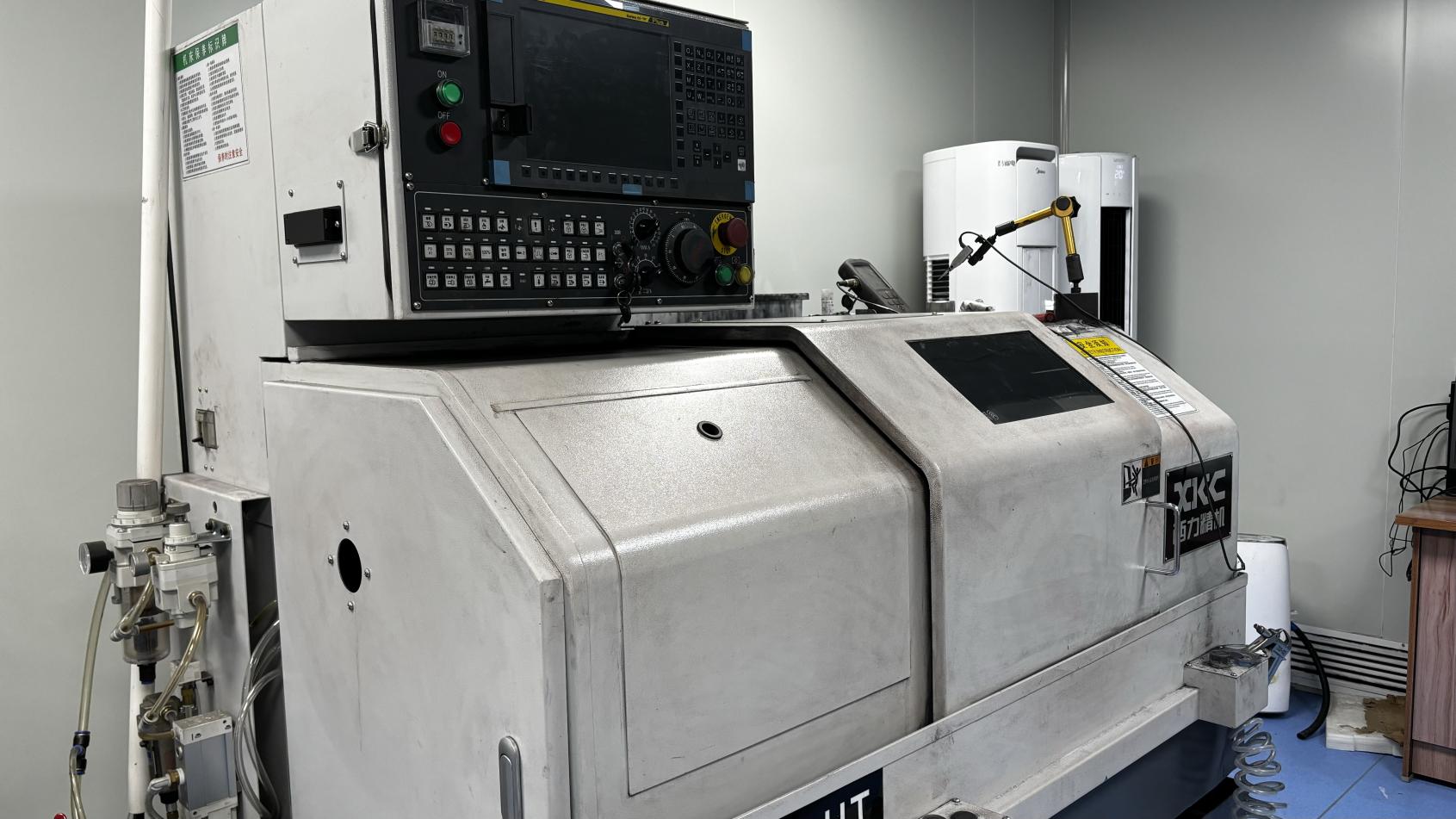
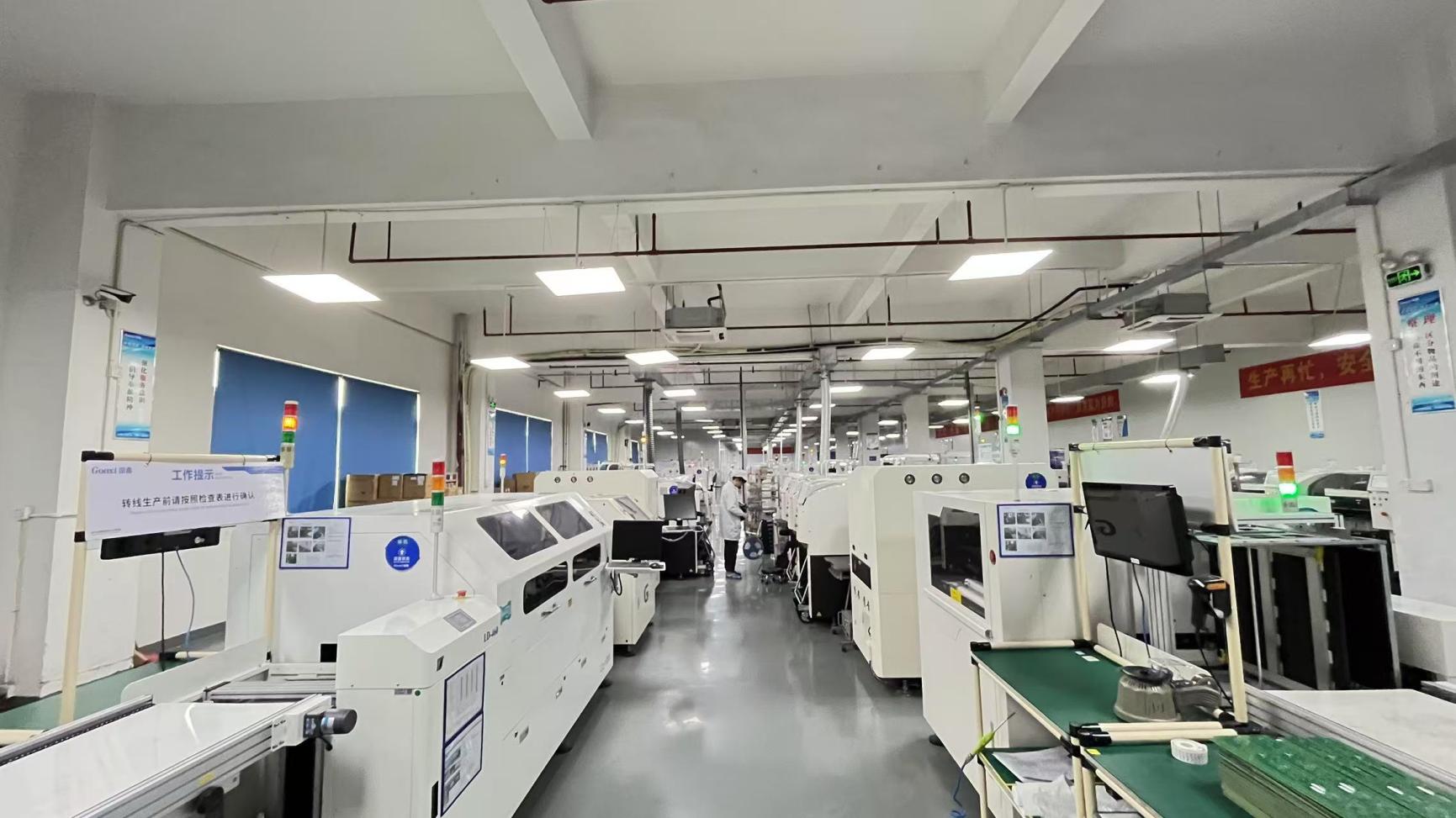
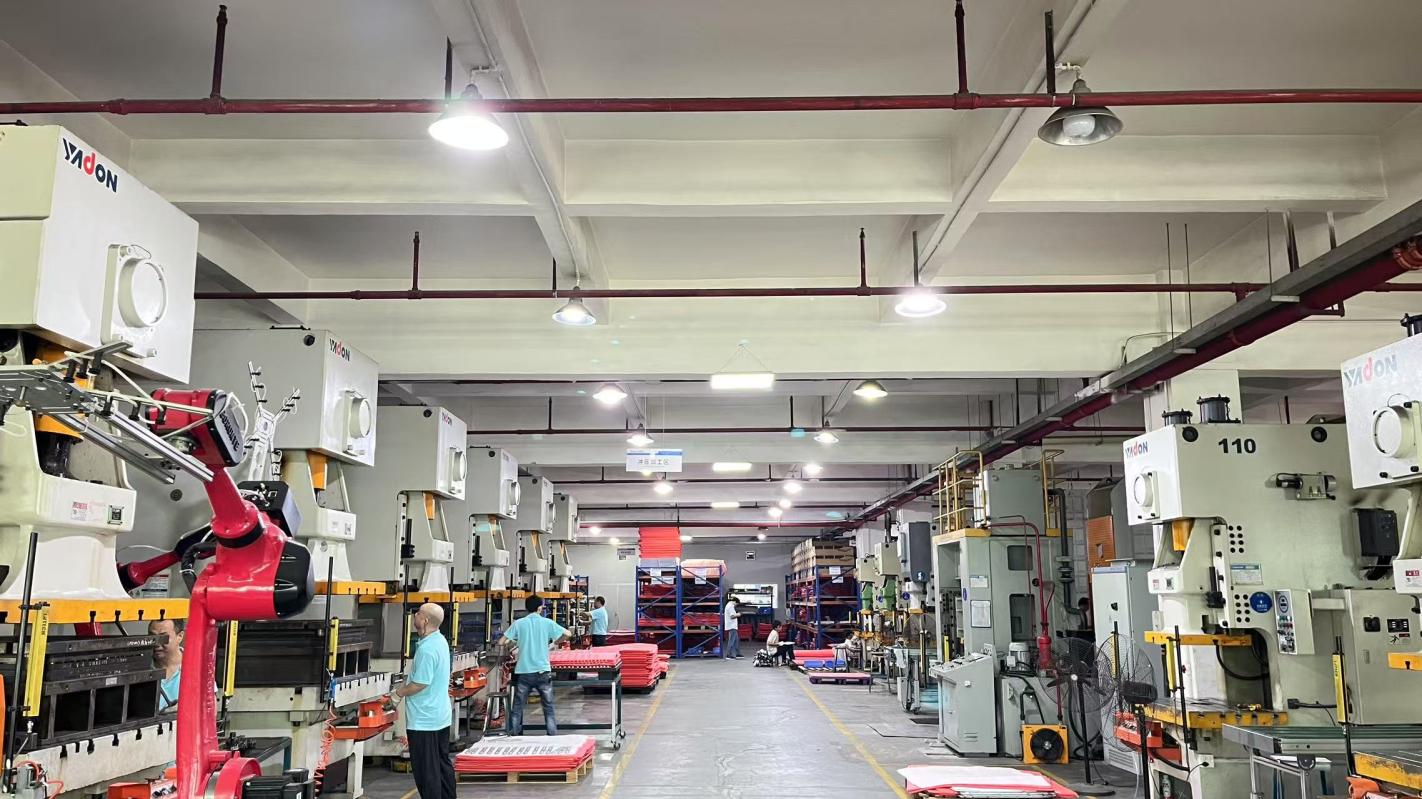
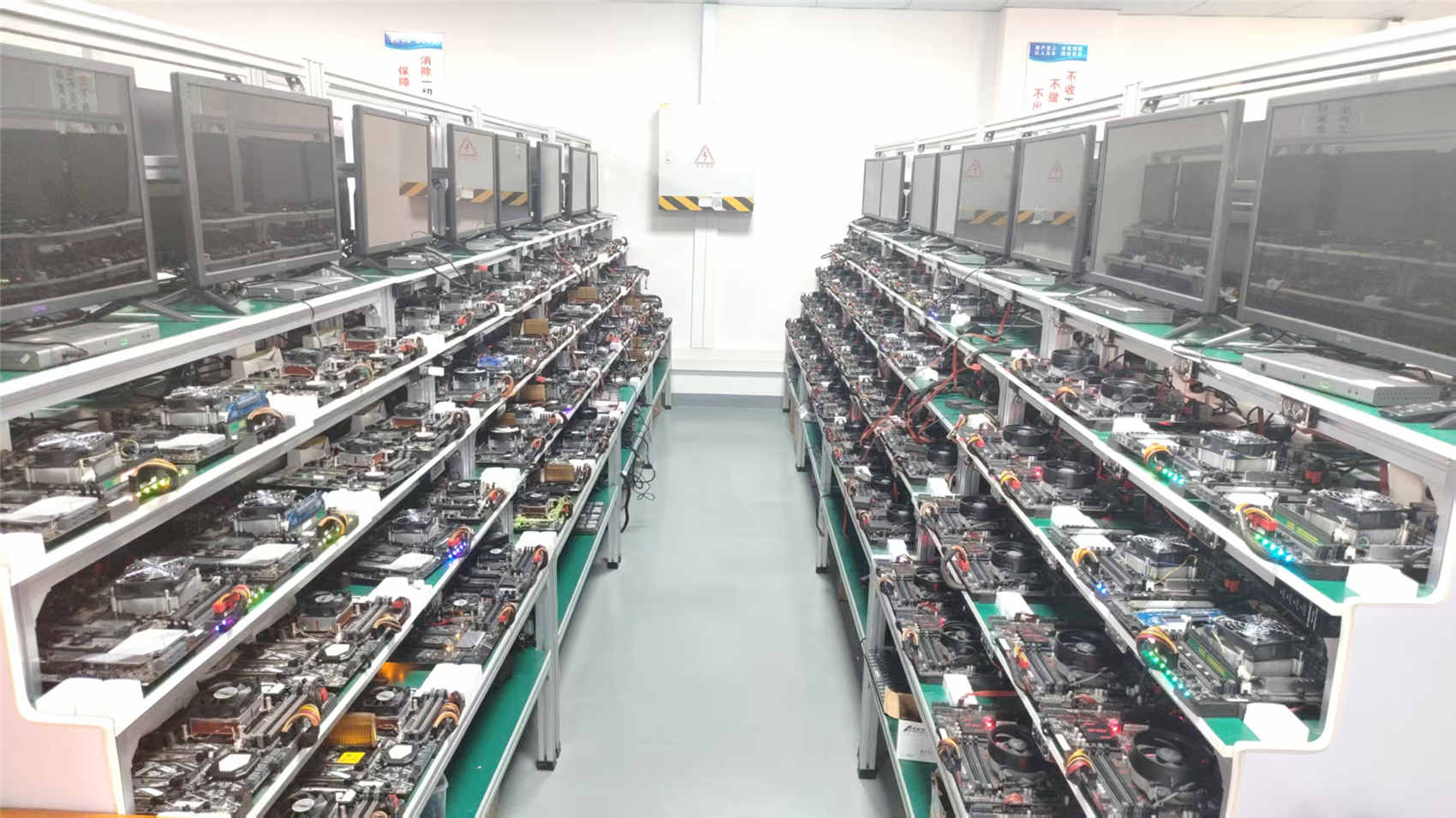
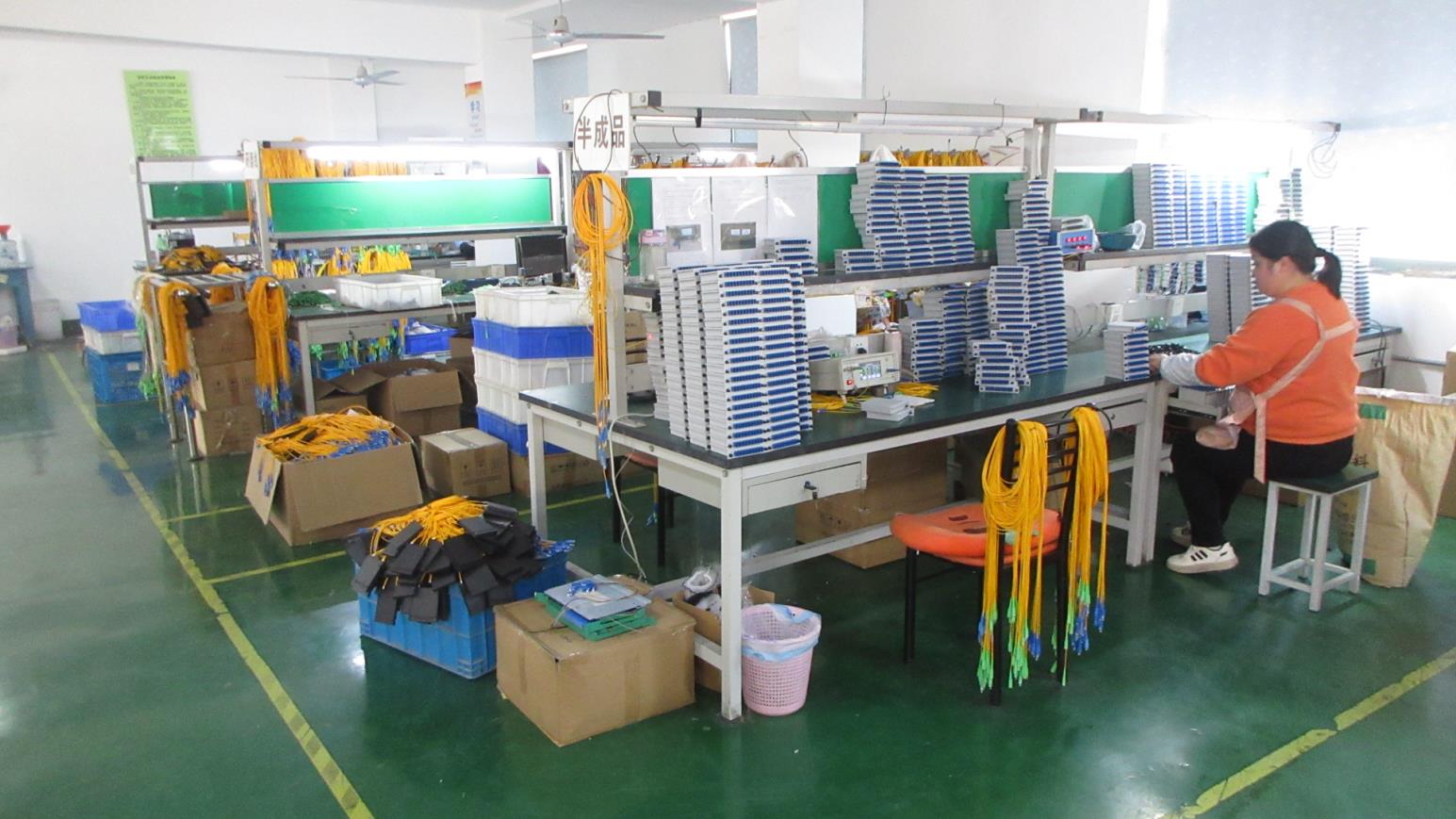
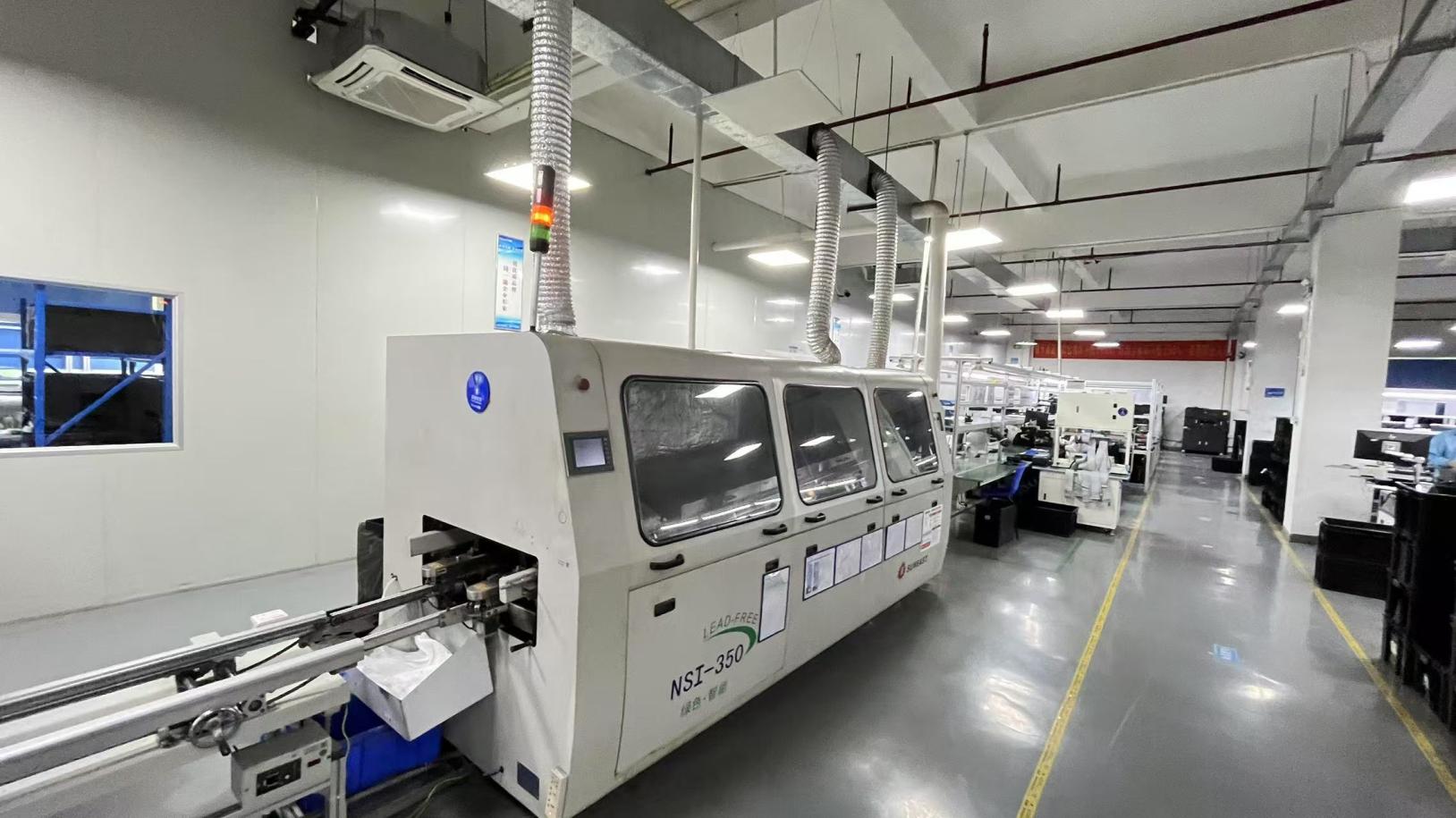
We operate a 12,600㎡ manufacturing facility configured for scalable production, precision automated alignment, and rigorous quality inspection. With an annual export value of USD 9.5 million, we combine 6 years of export compliance experience with 12 years of core industry knowledge.
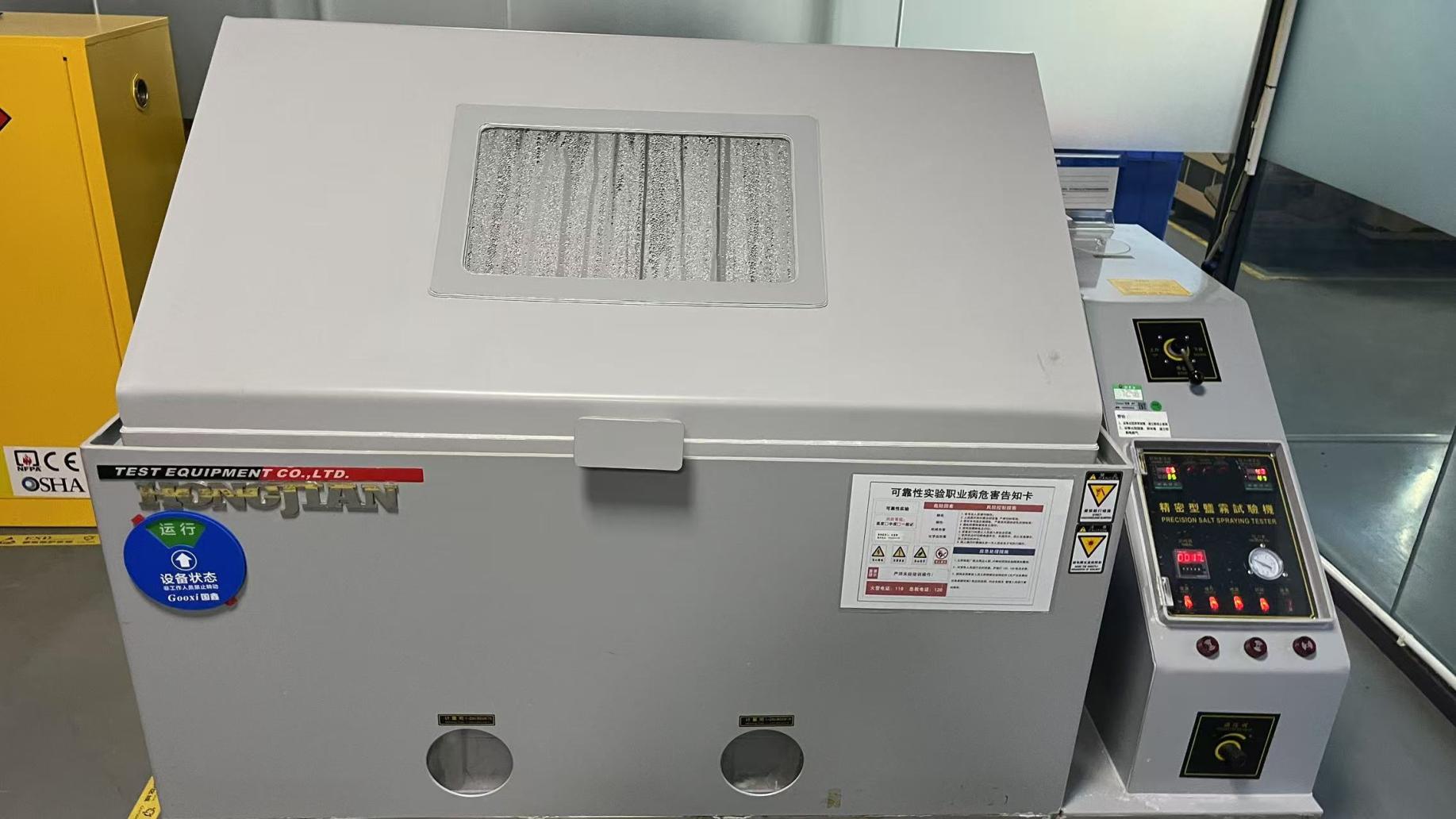
Quality assurance is maintained through a combination of automated optical performance testing, interferometric inspection, high-temperature aging tests, and manual quality checks. Our quality control team includes 62 experienced inspectors who ensure product reliability and compliance with international standards.
By collaborating with over 1,450 supply chain partners, we secure stable procurement of core components, including premium lasers (DFB, FP, VCSEL) and high-sensitivity optical receivers (PIN, APD).
FiberQ is a dedicated OEM and ODM partner for telecom operators, cloud providers, and network integrators in North America, Europe, Japan, Southeast Asia, and Eastern Europe (including the Moscow metro area).
Our 240 R&D engineers focus on high-speed optoelectronic designs, signal integrity, and thermal modeling. We support advanced customization, including:
In the past year alone, FiberQ introduced 180 new products, keeping our technology aligned with modern network demands.
Complete selection of single-mode and multi-mode BiDi, Duplex, and high-distance transceivers compliant with metropolitan standards.
Ensuring compliance and reliable long-term operation in challenging environmental and network conditions.
Our quality verification starts with automated optical performance tests. Every single-mode and multi-mode SFP transceiver is tested for eye diagram quality, extinction ratio, optical power levels, and receiver sensitivity.
Using advanced optical spectrum analyzers and bit error rate testers (BERT), we verify that our 2.5G and 6G modules operate with a bit error rate (BER) better than 10^-12. High-precision laser welding ensures optical alignment, minimizing insertion loss and return loss at LC fiber connections.
For import into the Russian Federation, our modules are manufactured in compliance with international telecom standards. This simplifies EAC (Eurasian Conformity) certification for local distributors.
Our SFP products conform to the Multi-Source Agreement (MSA) standards SFF-8431 and SFF-8472. This conformity ensures standard electrical pin configurations, mechanical form factors, and DDM command structure compatibility with host devices.
Additionally, all devices comply with Class 1 laser safety standards (IEC 60825-1) and carry CE, FCC, and RoHS certifications, confirming safety and environmental compliance.
Understanding the transition from 2.5G to high-speed interfaces in urban optical communication.
Modern networks require flexible transmission speeds. While 1G links are reaching capacity, 10G links can sometimes be over-engineered or cost-prohibitive for large-scale access networks. The 2.5G, 5G, and 6.1G SFP profiles offer a balanced intermediate step. They allow operators to triple fiber capacity without needing major hardware upgrades.
For wireless operators in Moscow, upgrading base stations to CPRI Option 5 (4.9G) or Option 6 (6.1G) is crucial for managing the higher bandwidth demand of modern mobile users.
Deploying bidirectional (BiDi) transceivers is key to optimizing single-strand fiber layouts in dense metropolitan areas. By transmitting and receiving on different wavelengths (such as 1310nm/1550nm or 1490nm/1550nm) over a single optical fiber, operators can double fiber capacity without installing new cables.
FiberQ provides advanced BiDi transceivers designed to handle high chromatic dispersion over distances up to 80km, supporting stable connection links across the Moscow Oblast.
Detailed answers regarding the configuration, compatibility, and logistics of our 2.5G~6G SFP modules.
Get in touch with our engineering and export team to request custom coding, sample modules for testing, or a detailed quotation for Moscow metropolitan area shipments.
Send Inquiry Now