FiberQ
FiberQ
FiberQ
Engineered to operate in high-density, vibration-prone telecommunication systems, railway signaling networks, and municipal monitoring grids across Istanbul and Kocaeli industrial zones.
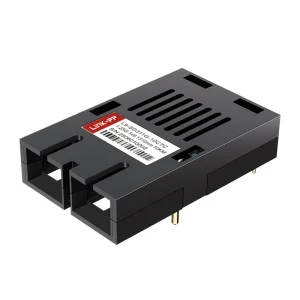
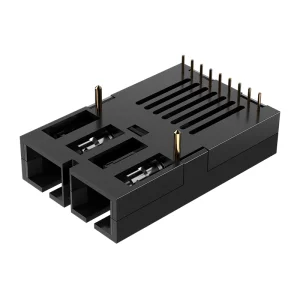
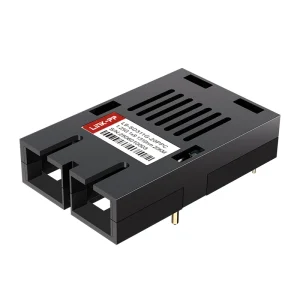
Istanbul, sitting strategically at the physical and digital crossroads of Europe and Asia, functions as a critical telecommunications hub. With massive infrastructure initiatives like the Marmaray subsea tunnel, the expanding Metro Istanbul transit lines, and the industrial manufacturing plants situated in the Gebze and Tuzla organized industrial zones (OSB), the demand for highly reliable, rugged, and legacy-stable fiber optic networks is at an all-time high.
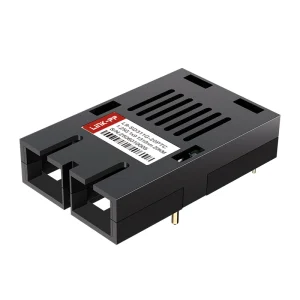
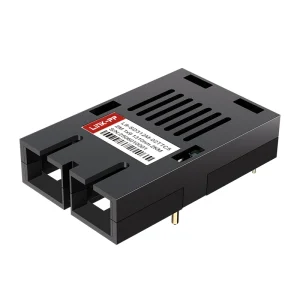
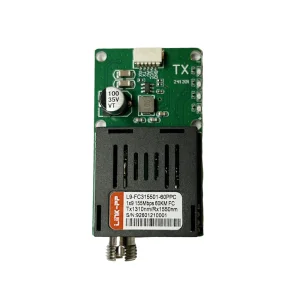
While high-speed transceivers (QSFP28, QSFP-DD) capture headlines for hyperscale cloud data centers, the foundational systems of modern society—railway signaling, smart power grids, oil/gas pipeline telemetry, industrial SCADA, and regional municipal surveillance networks—heavily rely on the proven durability of 1x9 optical transceivers. These legacy form-factors are favored for their secure solder-down design, high resistance to vibration and mechanical stress, and predictable thermal profiles in harsh operating environments.
The Turkish telecom sector, dominated by giants like Türk Telekom, Turkcell, and Vodafone Turkey, is constantly upgrading its backbones. Simultaneously, the manufacturing sectors in adjacent industrial centers demand low-latency, EMI-immune communication lines. Here, 1x9 transceivers act as the crucial interface converting copper electrical signaling (TTL or PECL) into high-speed fiber-optic data channels that run across physical spans up to 80km without signal regeneration.
Understanding the internal engineering of 1x9 transceivers helps system integrators select optimal configurations for harsh urban and industrial environments in Turkey.
Modern pluggable form factors (SFP, SFP+, XFP) rely on friction-fit metal contacts that can oxidize or wiggle loose due to traffic vibration (e.g., inside the Marmaray or Metro tunnels). 1x9 transceivers feature 9 physical pins soldered directly to the host PCB. This provides unmatched structural integrity, making them the standard choice for locomotive, marine, and heavy industrial settings.
Depending on the required reach, these modules utilize 850nm for short-range Multimode Fiber (MMF) connections up to 500m, 1310nm for medium-reach Single Mode Fiber (SMF) up to 20km, and 1550nm for long-range links up to 80km. Advanced BiDi (Bidirectional) options utilize Wavelength Division Multiplexing (WDM) to transmit and receive over a single fiber core, cutting deployment costs in half.
Historically operating on TTL or PECL signaling protocols, these modules directly match the bus architectures of legacy serial hubs, industrial Ethernet switches, and SCADA endpoints. This eliminates the need for expensive media converters, ensuring a low failure-rate architecture suited for utilities and municipal control stations.
Laying fiber optic cables across the Bosphorus Strait is an extremely expensive and logistically complex project, involving strict maritime permissions and specialized subsea deployment vessels. Consequently, telecommunications engineers in Istanbul are highly focused on maximizing the capacity of existing fiber infrastructure. BiDi (Bidirectional) 1x9 optical modules allow for duplex communication over a single fiber thread by separating the transmission and reception wavelengths (e.g., 1310nm Tx / 1550nm Rx vs 1550nm Tx / 1310nm Rx). This optimization practically doubles the traffic capacity of the underwater links connecting the European side (Beşiktaş, Fatih) to the Asian side (Üsküdar, Kadıköy) without the need to lay additional subsea cables.
These optical devices target localized enterprise data networks, university backbones (e.g., Istanbul Technical University, Boğaziçi University), and municipal traffic telemetry.
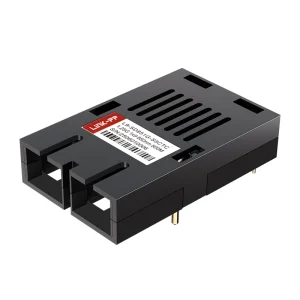
Founded in 2015, FiberQ Photonics Technology Co., Ltd. has developed into a trusted global supplier specializing in high-performance fiber optic transceivers and advanced photonic communication systems. Our engineering capabilities enable us to serve telecom carriers, network integrators, and industrial automation clients across the globe.
We maintain a strong trade background focused on OEM/ODM partnerships, backed by extensive design customization capabilities to suit unique environmental demands, including custom wavelengths, temperature ranges, and protocol compatibilities.
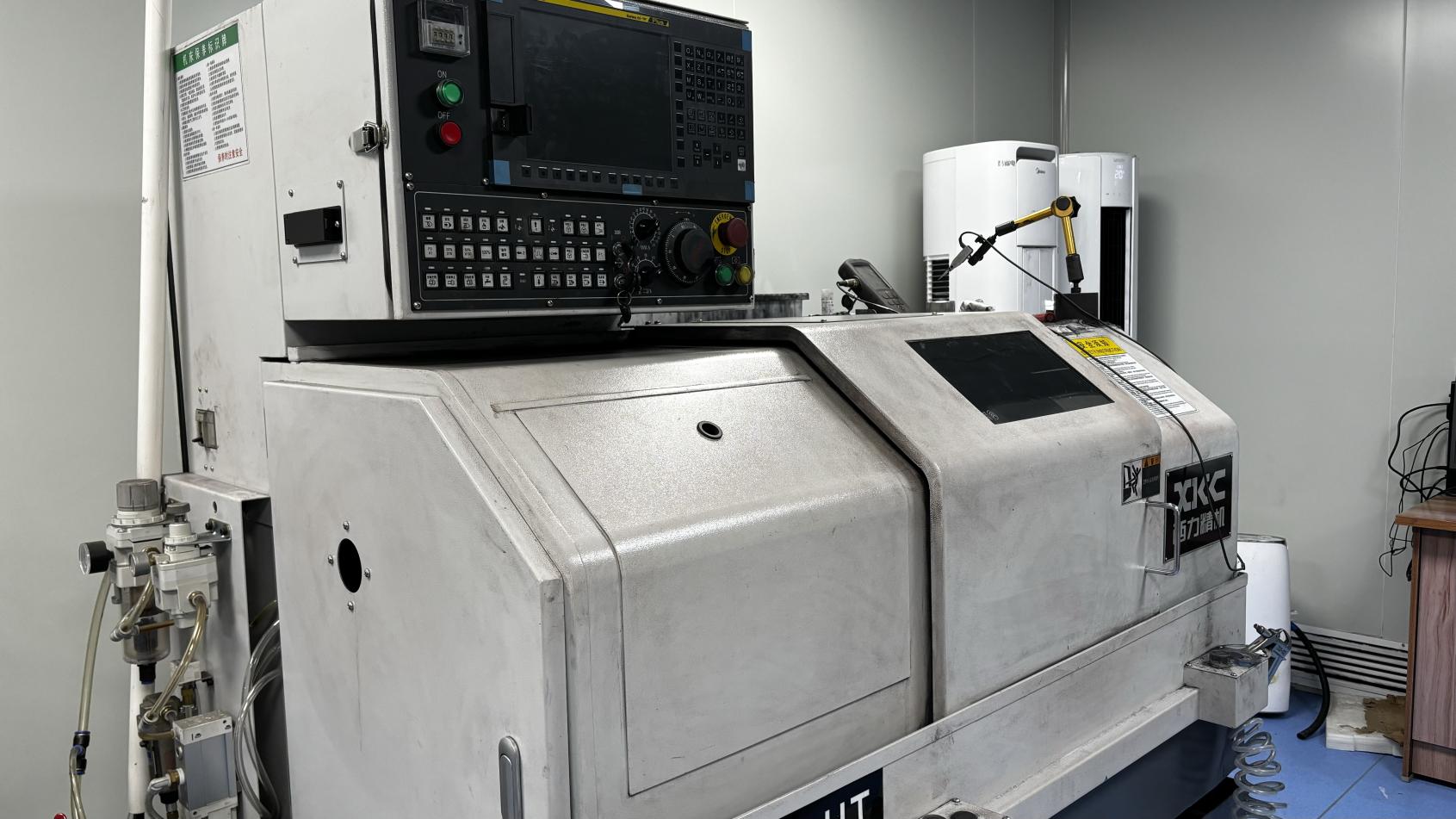
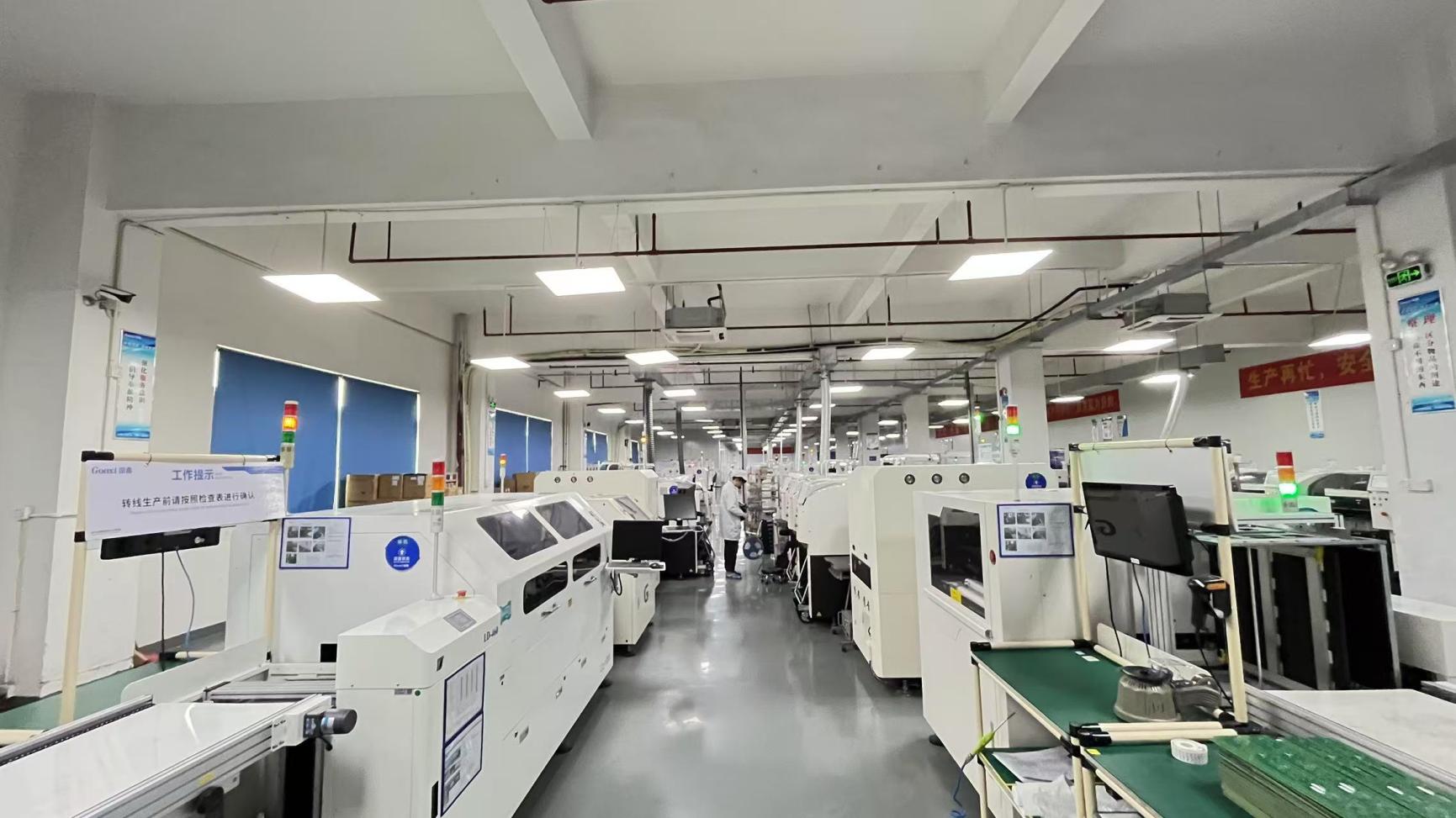
To support high-reliability environments such as Istanbul's transit tunnels and high-vibration manufacturing plants, every unit we ship undergoes multi-phase quality inspections, including automated optical testing, high-temperature aging chambers, and manual physical checkups. Our dedicated quality assurance team consists of 62 experienced inspectors who oversee the compliance of all modules with international standards.
Last year alone, our R&D group launched approximately 180 new products, keeping pace with global transitions toward next-generation high-speed platforms (up to 400G and 800G) while maintaining strong production lines for reliable legacy components.

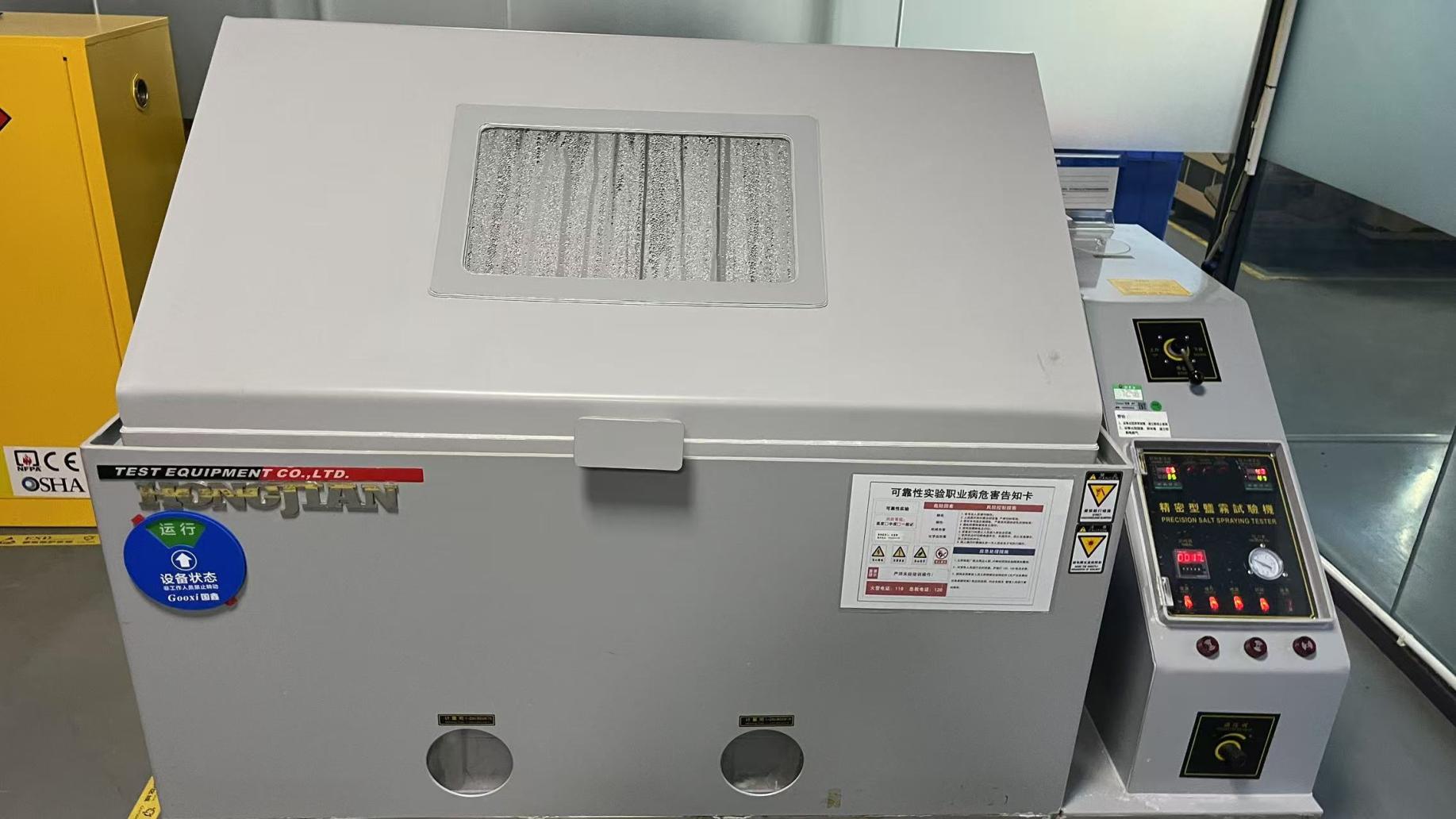
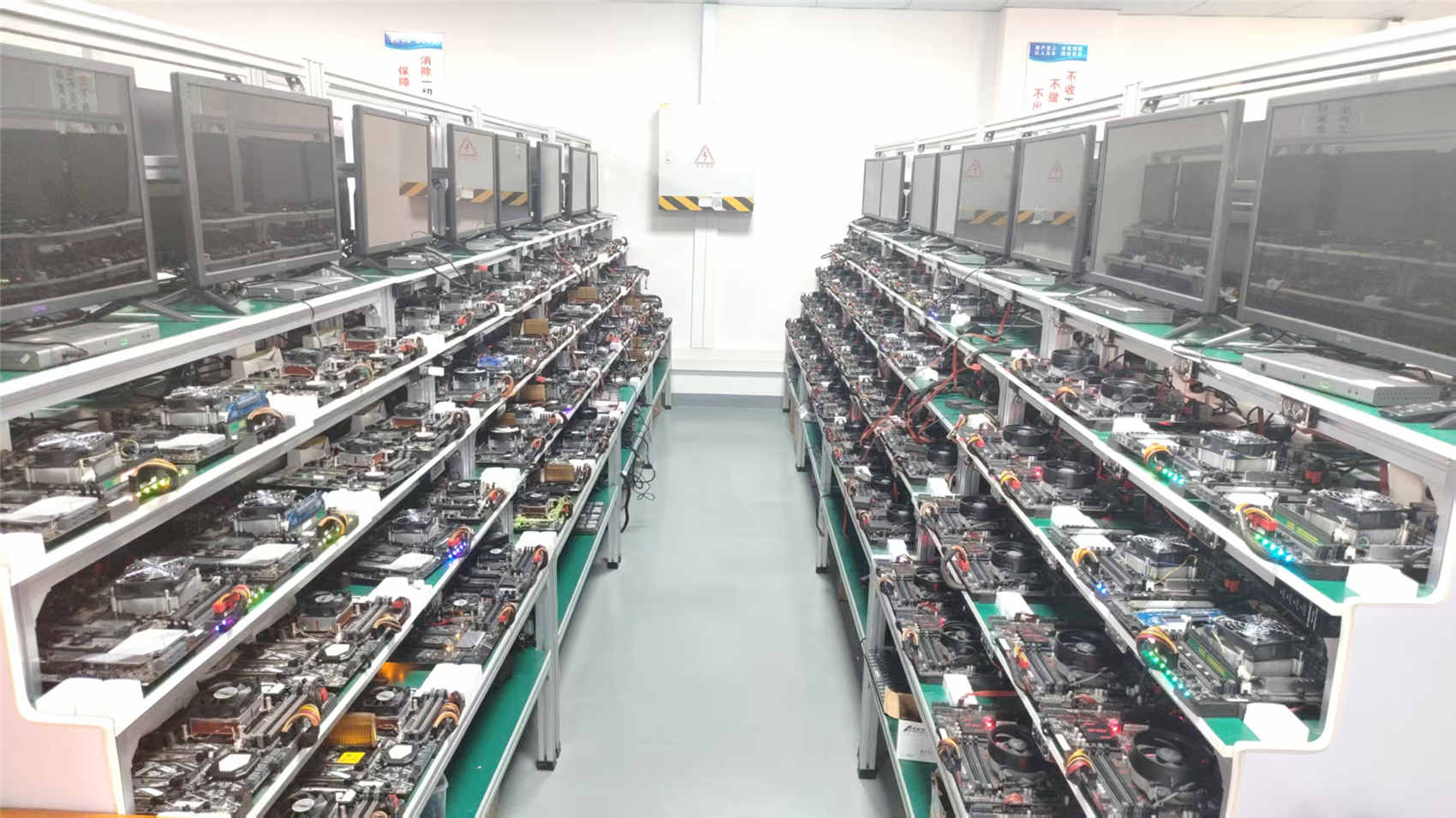
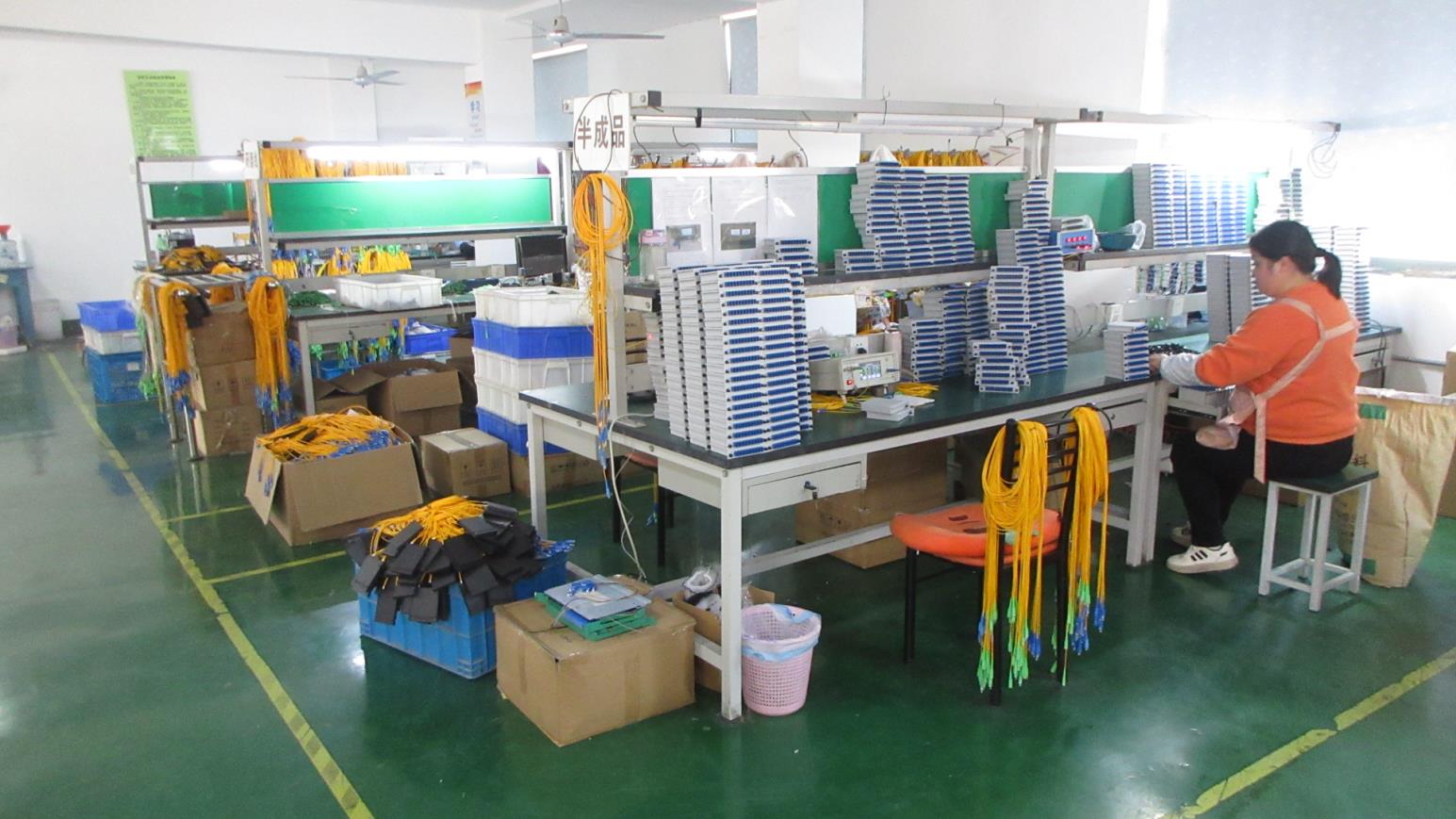
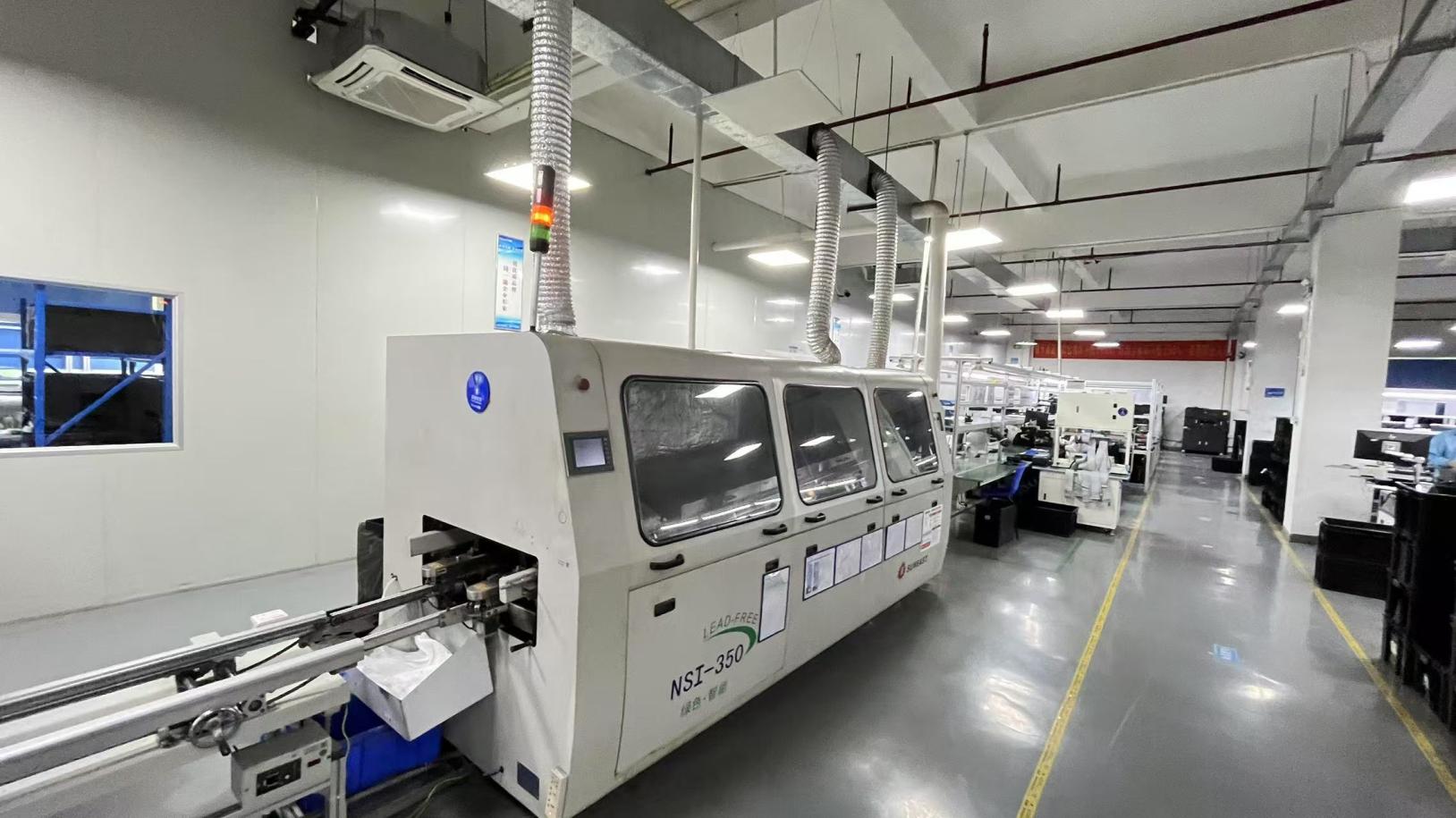
Different physical terrains and industrial environments require tailored optical transceiver specifications. Below are typical use-cases where FiberQ's 1x9 transceivers deliver robust performance.
Istanbul’s transit network (including M1, M2, M4, M8, and M11 Airport lines) operates automated signaling and train control (CBTC) systems. Constant physical movement and vibration mean normal SFPs risk physical fatigue. Our direct solder 1x9 optical modules provide zero-interruption signal transmission between trackside equipment and central routing hubs.
High-voltage substations operated by TEİAŞ in the Marmara region generate substantial electromagnetic interference (EMI). Fiber optic links are immune to EMI, making them ideal for monitoring voltage levels and system health. 1x9 TTL transceivers link legacy RTUs directly to modern optical nodes over single-mode fiber.
Tuzla and Ambarlı Ports rely on extensive, long-range optical CCTV surveillance systems to secure marine borders and monitor shipping activity. Standard ethernet lines fail past 100 meters. FiberQ 1x9 20km single-mode transceivers enable high-definition real-time video transmission back to the control center, operating reliably in corrosive marine air.
Compare standard speeds, wavelengths, optical budgets, and fiber compatibility to choose the right module for your network expansion.
| Wavelength (nm) | Data Rate | Fiber Type | Distance (km) | Interface / Connector | Target Application |
|---|---|---|---|---|---|
| 1310nm Single Mode | 1.25 Gbps | SMF (9/125 µm) | 10 - 20 km | Duplex SC | Metro signalling, suburban network backbones |
| 850nm Multimode | 1.25 Gbps | MMF (50/125 µm) | 0.5 km | Duplex SC | Enterprise data closets, local factory floors |
| 1310nm Multimode | 1.25 Gbps | MMF (62.5/125 µm) | 2 km | Duplex SC | Intra-campus links, legacy switch conversions |
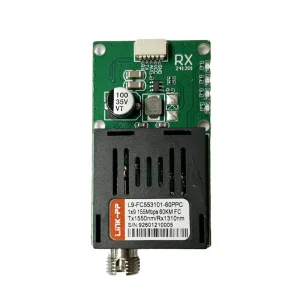
| 1310nm-Tx/1550nm-Rx | 155 Mbps | SMF (Single Core) | 60 - 80 km | Single FC (BiDi) | Long-range telecom backhaul, Bosphorus crossings |
| 1550nm-Tx/1490nm-Rx | 155 Mbps | SMF (Single Core) | 80 km | Single FC (BiDi) | Regional telemetry, utility substations |
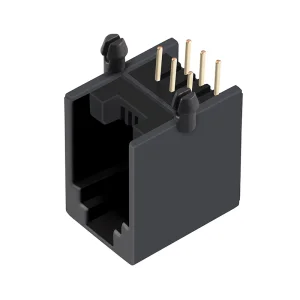
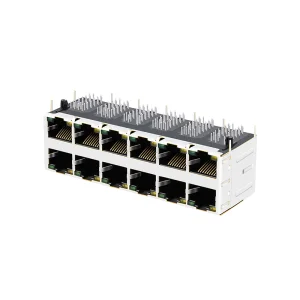
A comprehensive inventory designed to satisfy all infrastructure requirements, including high-speed optical transceivers and robust physical RJ45 connectors.
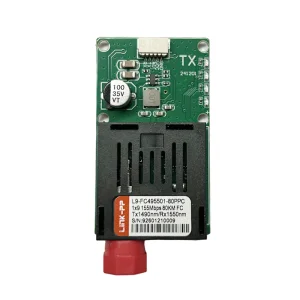
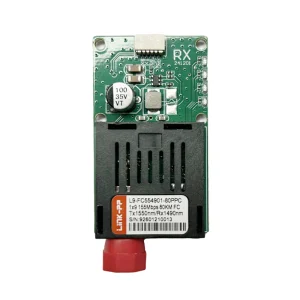
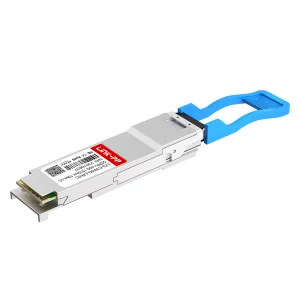
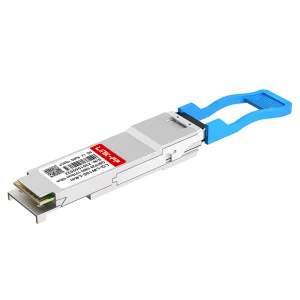
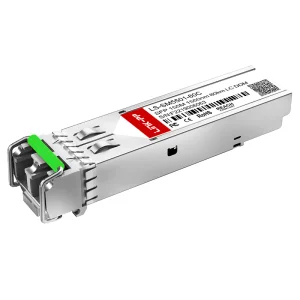
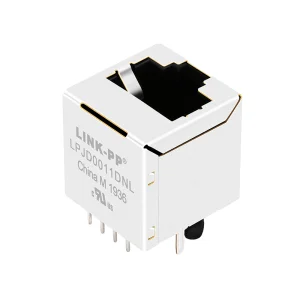
How Turkey's strategic digital master plans are shaping hardware upgrades across metro-scale networks.
As Istanbul continues to grow as an international tech hub, enterprise and government organizations face the challenge of upgrading transmission capacity while protecting their existing hardware investments. Re-wiring thousands of kilometers of fiber infrastructure or replacing fully functional SCADA switches is financially impractical. The most common solution is a hybrid architecture, where robust 1x9 transceivers continue to manage localized industrial signaling and legacy communication interfaces, while high-performance SFP, QSFP+, and QSFP28 modules handle traffic aggregation and data center uplinks.
At FiberQ Photonics, we support this transition by offering customized optical transceivers. We specialize in configuring 1x9 modules that match legacy host systems but feature updated optical components to operate over modern, high-density fiber networks.
Technical guidance and purchasing advice for system engineers and procurement directors sourcing optical components in the Turkish market.
1x9 transceivers provide superior physical stability. Modern pluggable modules (like SFPs) are designed for easy replacement, but their spring-loaded connections can become unstable over time under constant mechanical stress or high vibration (such as on railway signaling equipment, subway tunnels, or heavy factory machinery). Because 1x9 modules are soldered directly to the host PCB and feature mechanical locking tabs, they ensure consistent, long-term physical connection in challenging environments.
Yes, provided that both transceivers run at the same speed (e.g., 1.25 Gbps), operate on compatible wavelengths (e.g., both utilizing 1310nm Single Mode), and utilize the same coding standard. A fiber patch cable with a duplex SC connector at the 1x9 end and a duplex LC connector at the SFP end is required to bridge the physical interface mismatch.
BiDi (Bidirectional) transceivers utilize Wavelength Division Multiplexing (WDM) to transmit and receive data over a single fiber core. In regions like Istanbul, where laying new fiber optic cables under the Bosphorus Strait is highly restricted and expensive, BiDi modules double the capacity of existing fiber infrastructure, helping network operators reduce physical deployment costs.
For outdoor cabinets, roadside toll booths, and unconditioned subway tunnels, we recommend using Industrial Temperature rated modules, which operate reliably between -40°C and +85°C. For climate-controlled indoor data centers and enterprise switches, Commercial Temperature rated modules (0°C to +70°C) are typically sufficient.
Our R&D team uses advanced compatibility testing software and host systems to pre-program modules, ensuring they align with the electrical interfaces of major networking brands. We support PECL and TTL signaling configurations, allowing our transceivers to function seamlessly as drop-in replacements for older industrial systems.
For standard configurations, shipping from our 12,600㎡ facility generally takes between 3 to 7 business days, depending on inventory levels. For custom wavelengths, special connectors, or high-volume OEM orders, production and testing typically require 2 to 3 weeks, followed by express air transport directly to Istanbul.