FiberQ
FiberQ
FiberQ
As a critical North American transportation, logistics, and manufacturing hub, the Greater Chicago area—extending from the Loop to O'Hare and out to the industrial corridors of Elgin and Joliet—relies heavily on robust, legacy-compatible communication systems. In high-interference environments such as heavy manufacturing plants, power substations, smart grid systems, and urban transport networks, the 1x9 optical transceiver remains an indispensable component.
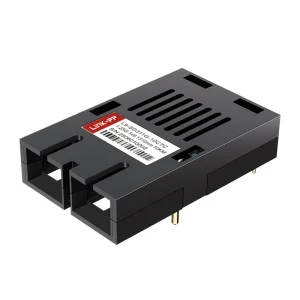
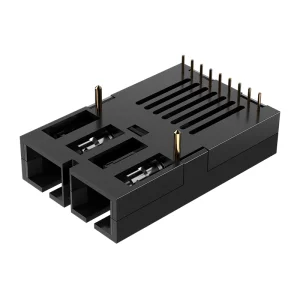
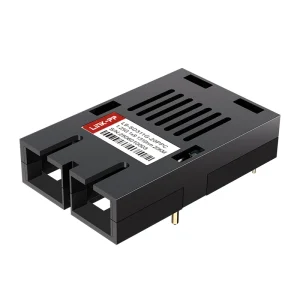
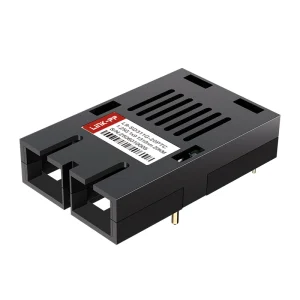
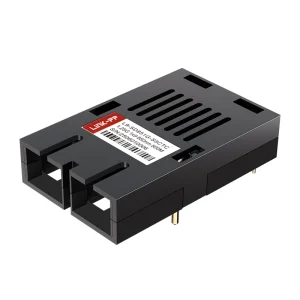
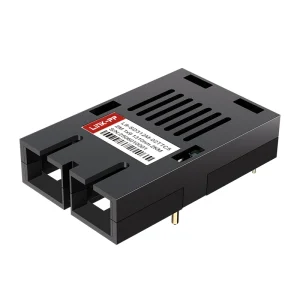
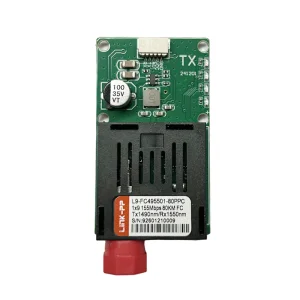
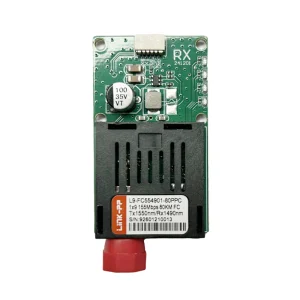
Unlike modern hot-swappable transceivers, 1x9 modules feature a secure, soldered pin structure. This design provides maximum resilience against physical vibration, extreme temperatures, and electromagnetic interference (EMI). These attributes are vital for Chicago's steel refineries, manufacturing automation plants, and municipal transit systems.
Chicago's utility networks (such as ComEd substations) and municipal signaling networks require equipment with a lifespan of 15 to 20 years. 1x9 transceivers provide long-term connection stability, avoiding the contact-wear failure modes of SFP slots in environments prone to heavy vibration and humidity fluctuations.
Engineered for long-distance utility backhauls, metro Ethernet switching, and industrial automation networks across Illinois.
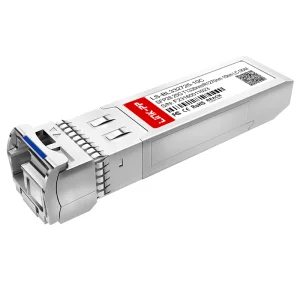
In the evolution of optical communications, form factors like SFP, SFP+, and QSFP have become standard for commercial data centers due to their hot-swappable convenience. However, in heavy-duty industrial systems, the reliability profile of 1x9 transceivers remains unmatched.
A major failure point in hot-pluggable systems is the physical interface between the gold finger connector and the cage socket. In manufacturing plants, railways, and utilities, constant mechanical vibrations (such as those from heavy machinery or locomotives) can cause micro-fretting corrosion and transient connection loss.
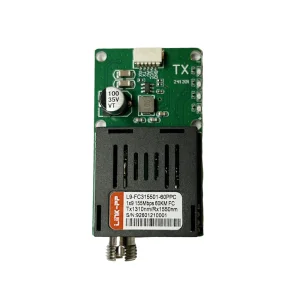
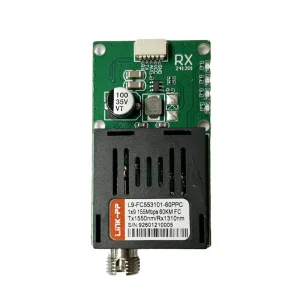
The 1x9 transceiver resolves this via nine solid, direct-solder pins that connect directly to the system motherboard. This mechanical bonding provides high resistance to shock and vibration, maintaining network uptime under harsh physical conditions.
High-voltage environments generate high levels of electromagnetic interference (EMI). Industrial-grade 1x9 modules are housed in metal, or specialized polymer, enclosures that offer robust EMI shielding.
Additionally, direct board mounting facilitates efficient heat dissipation into the host PCB, which acts as a built-in heatsink. This design prevents thermal runaway, ensuring stable operation across extended industrial temperature ranges (-40°C to +85°C).
Our 1x9 transceivers utilize standard Pseudo-Emitter Coupled Logic (PECL) interfaces for high-speed data transmission lines, combined with Transistor-Transistor Logic (TTL) for diagnostic flags, such as Signal Detect (SD). This configuration allows straightforward integration with legacy microcontrollers and legacy Ethernet-to-Fiber media converters commonly used in Chicago municipal automation systems.
FiberQ Photonics Technology Co., Ltd. is a specialized manufacturer of high-performance fiber optic transceivers and advanced photonic communication solutions. Serving data centers, telecom networks, and high-speed interconnect applications, we combine flexible production capacity with strict quality control.
Founded in 2015, FiberQ has grown into a global supplier. We leverage an established supply network of approximately 1,450 partners to secure reliable optical sub-assemblies (TOSA/ROSA), laser diodes, and high-speed integrated circuits. This helps cushion local Chicago clients from supply shortages and pricing volatility.
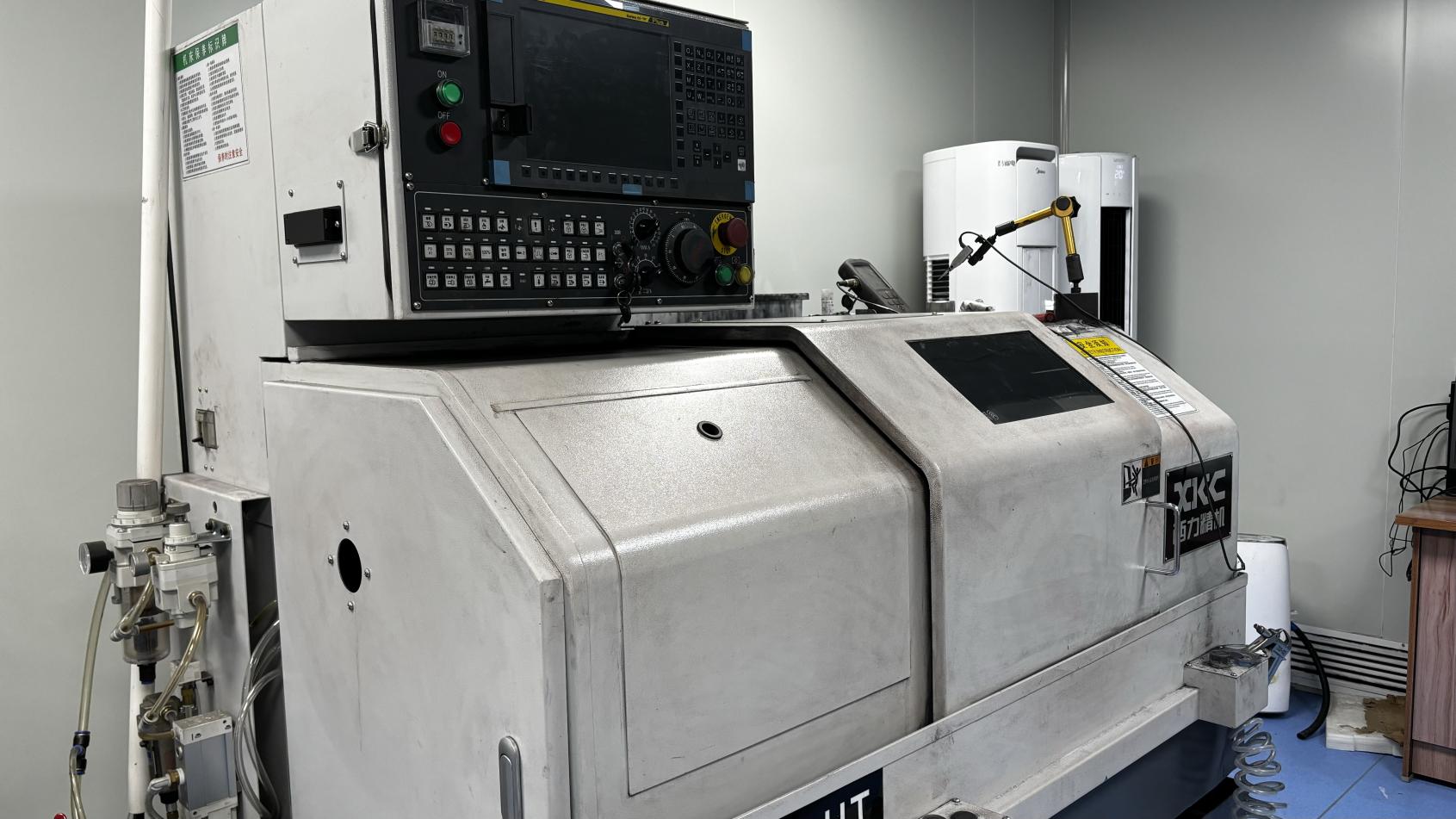
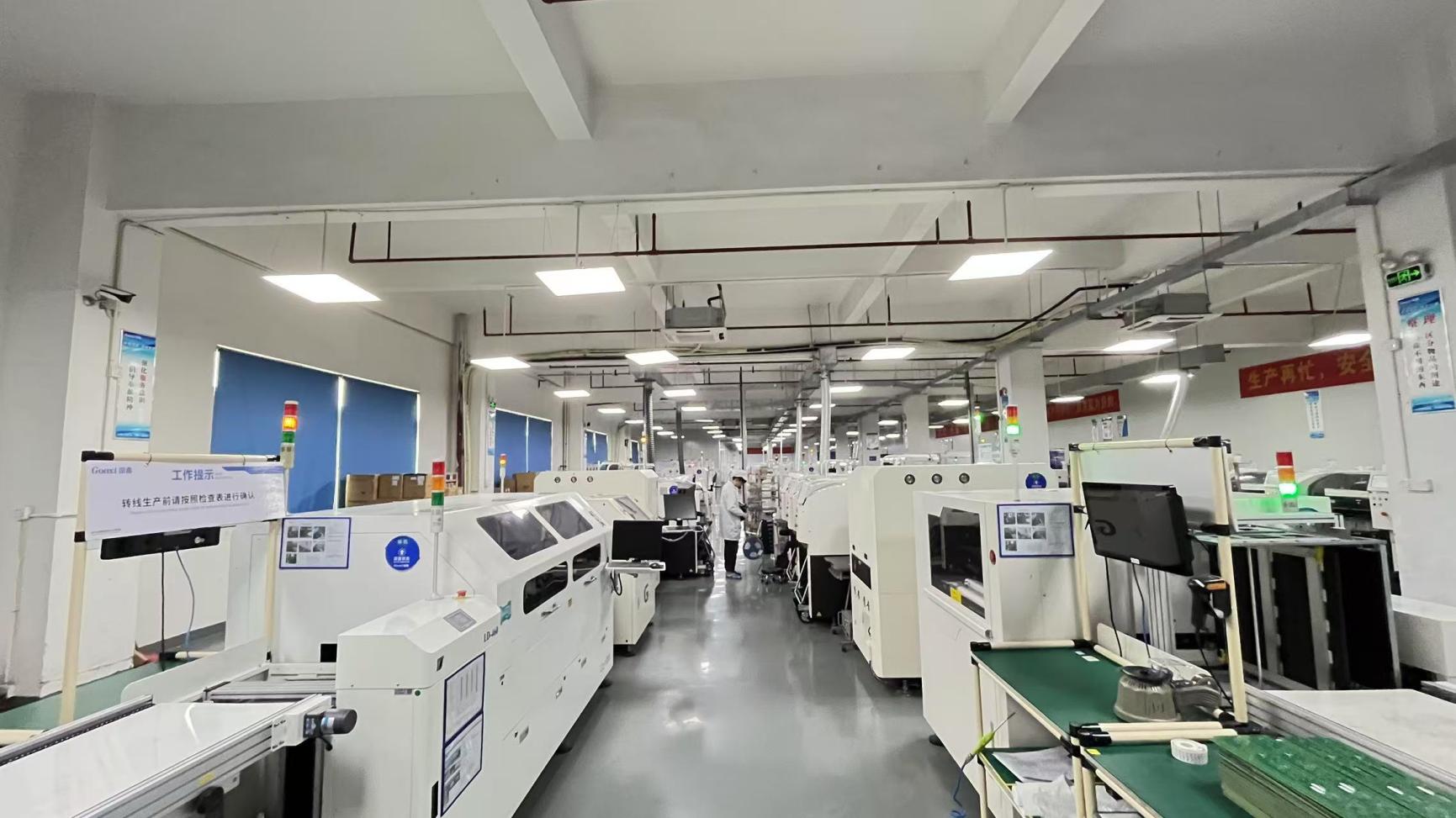
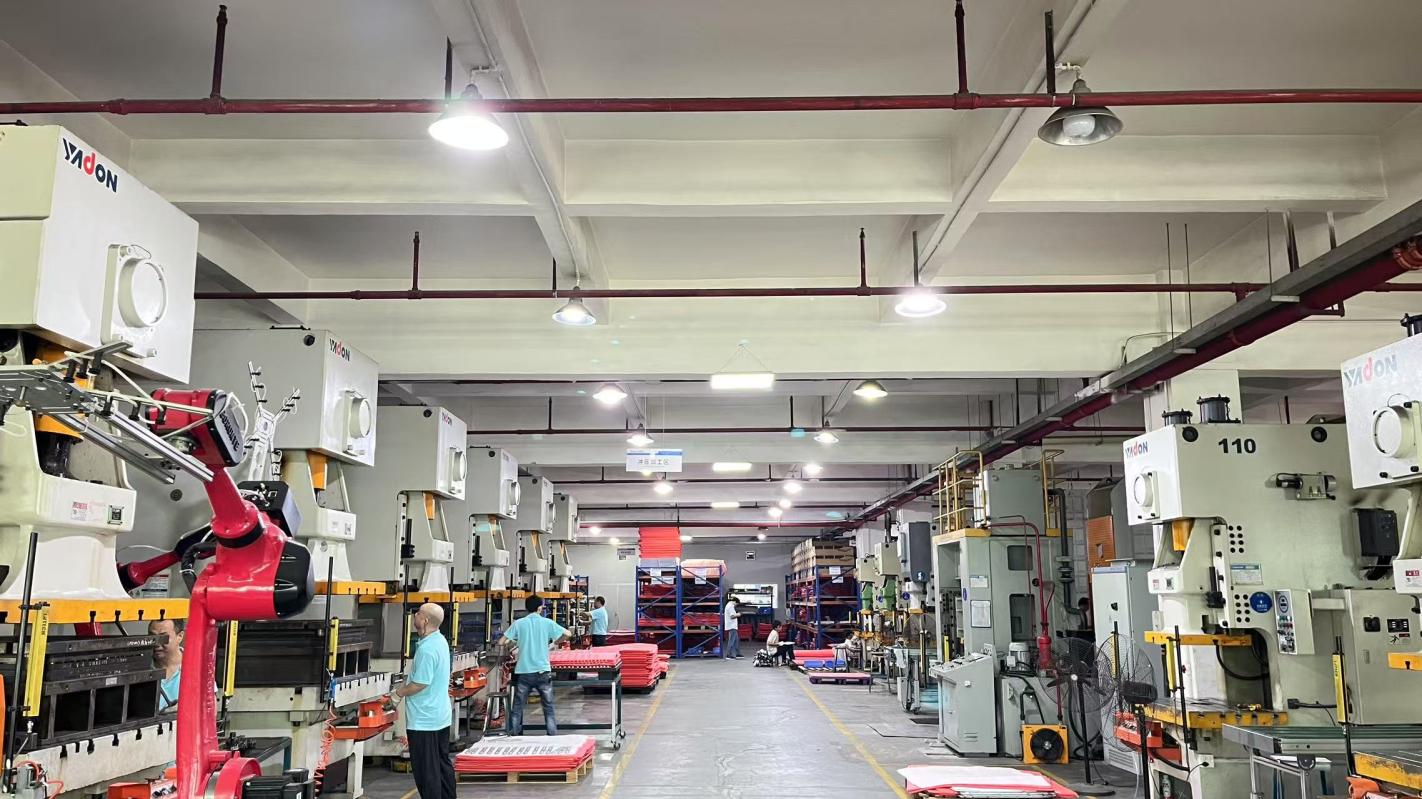
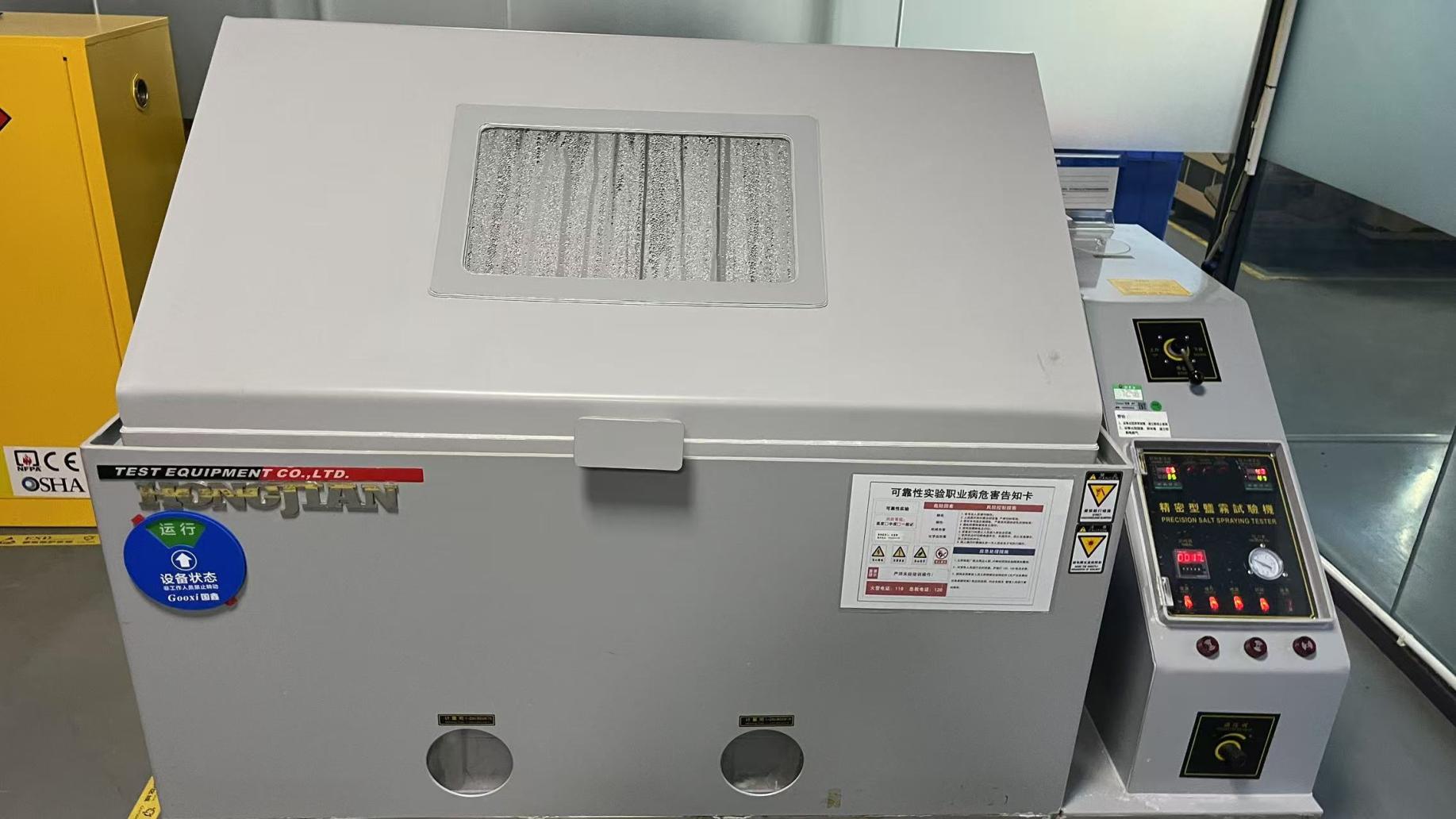
Procuring networking components for municipal and critical utility infrastructure requires compliance with strict technical and regulatory standards. All our 1x9 transceivers and RJ45 modules are manufactured and tested to meet international standards:
With O'Hare International Airport serving as a primary US customs and logistics gateway, our supply chain ensures reliable transit times. We collaborate with international logistics partners to offer direct air cargo options, custom clearance documentation assistance, and warehousing solutions. This setup helps Chicago system integrators maintain project schedules without shipping delays.
How our optical modules are deployed in real-world Midwestern municipal and industrial network topologies.
Substations throughout Illinois use fiber optics to isolate control systems from electromagnetic pulses and high voltages. Our Single Mode Duplex SC 20km modules connect Remote Terminal Units (RTUs) to master controllers, preventing ground loops.
Wastewater treatment plants in Cook and DuPage Counties rely on legacy PLC rings that require SC fiber connections. Our Multimode 1.25G 1310nm 2km modules link pump telemetry units with central monitoring rooms over older fiber backbones.
Heavy rail signaling systems depend on highly reliable components. Single Mode 155M BiDi (Bi-Directional) transceivers enable single-strand fiber rings, optimizing bandwidth along rail rights-of-way while protecting signal integrity from locomotive interference.
As Chicago-based data centers and enterprise networks upgrade to high-speed optics (including SFP28 25G, 100G, and 200G/400G architectures), legacy monitoring interfaces still rely on 1x9 structures. Upgrading everything at once is costly.
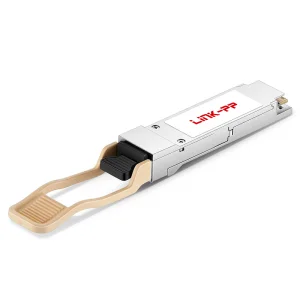
We provide components to bridge this gap. Our product lineup includes industrial 1x9 transceivers for control layers, and advanced 200G QSFP56 modules for backbone data pipes. This single-source support simplifies integration, testing, and lifecycle management for enterprise IT buyers.
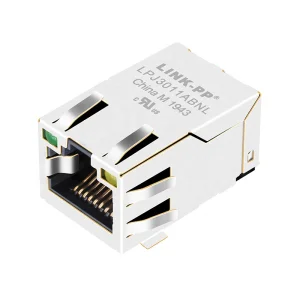
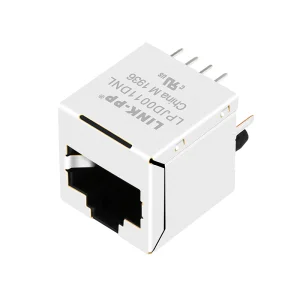
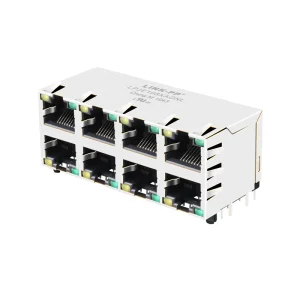
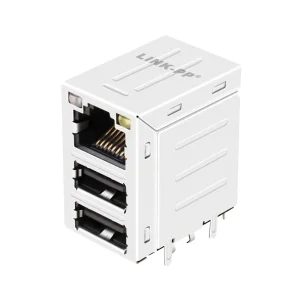
Below is our complete line of commercial and industrial transceivers, RJ45 ports, and high-bandwidth interconnects.
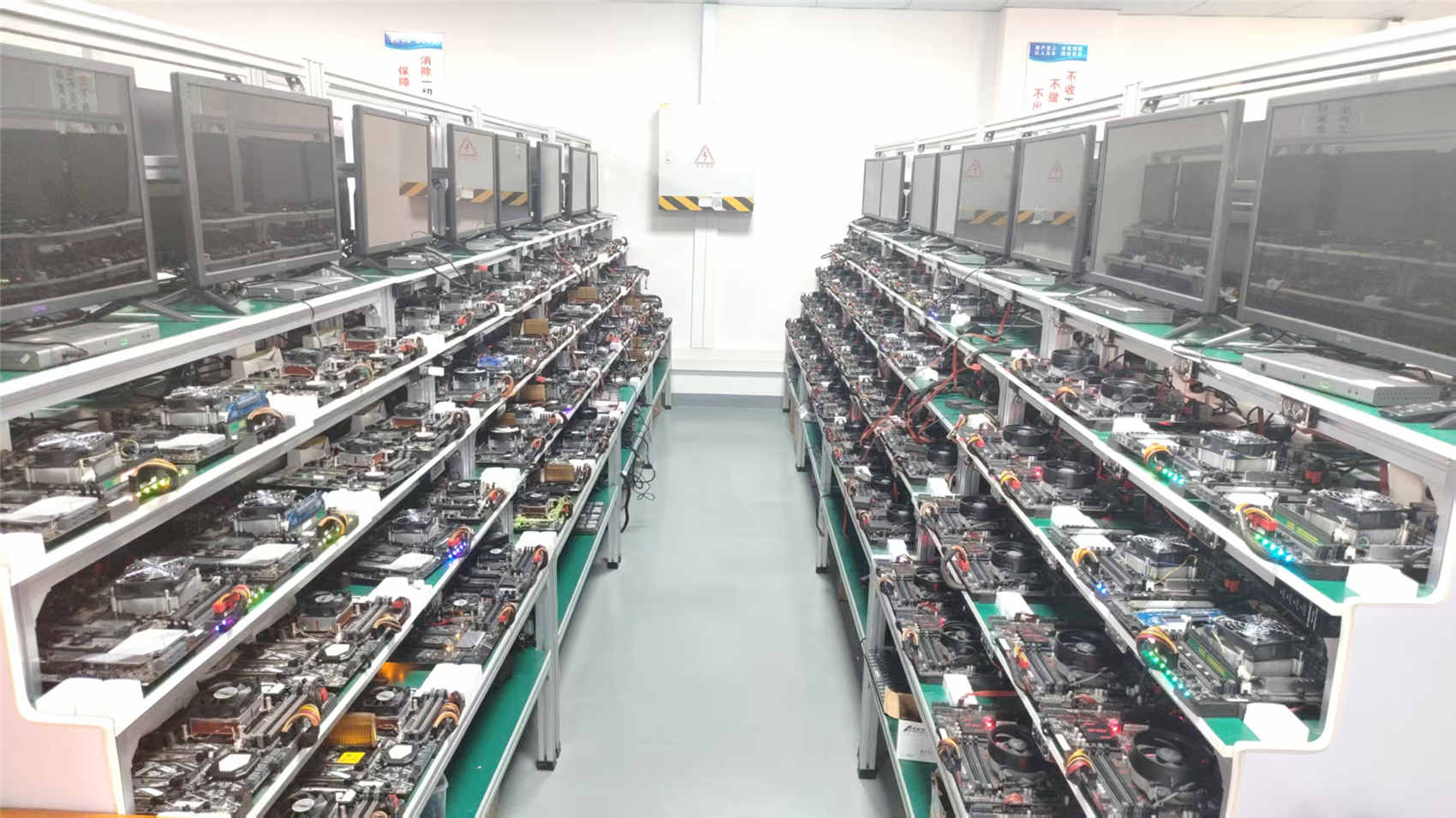
At FiberQ Photonics, our quality control process is designed to ensure component reliability. Each transceiver undergoes structured testing steps to verify optical stability and performance under stress:
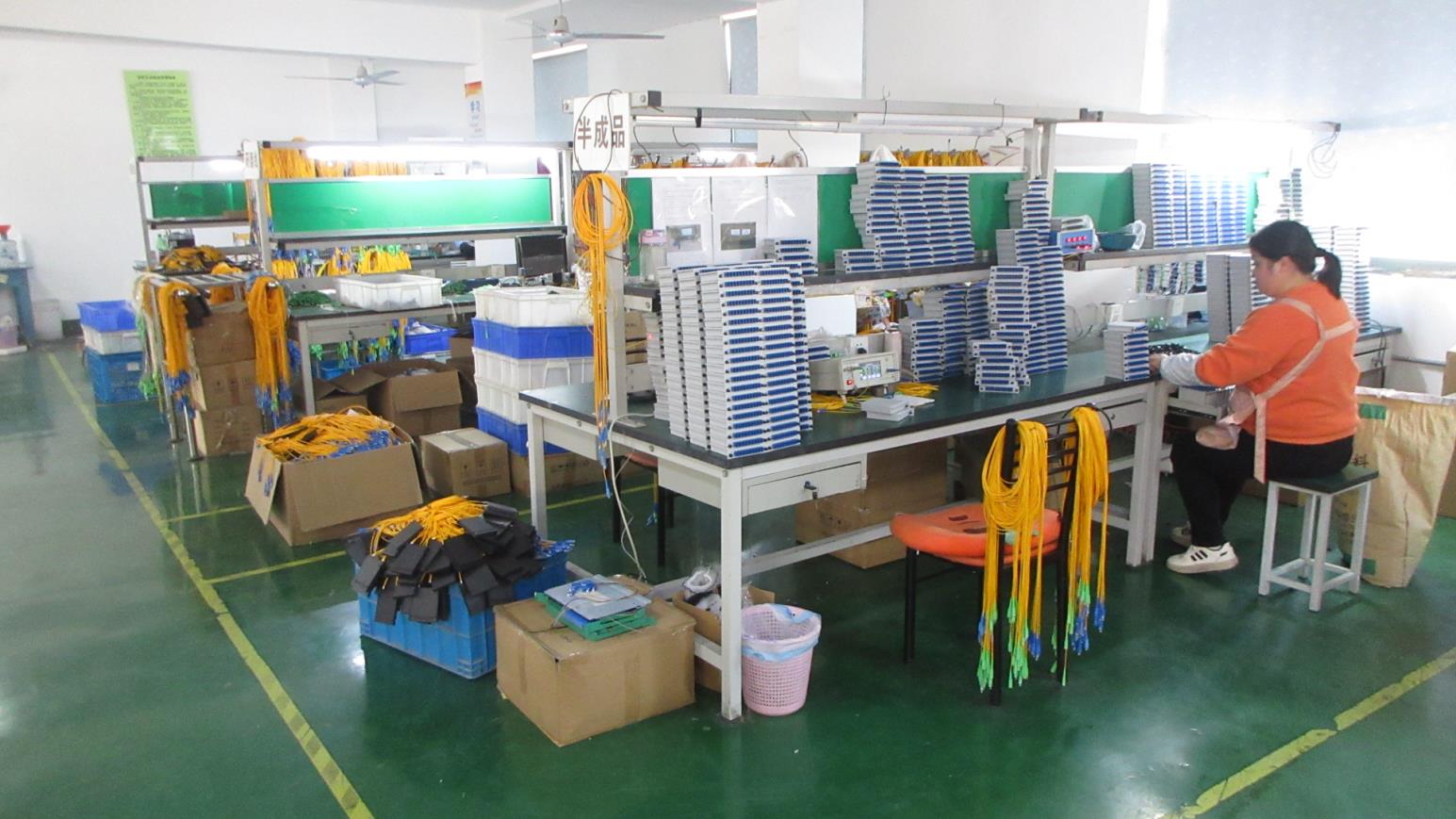
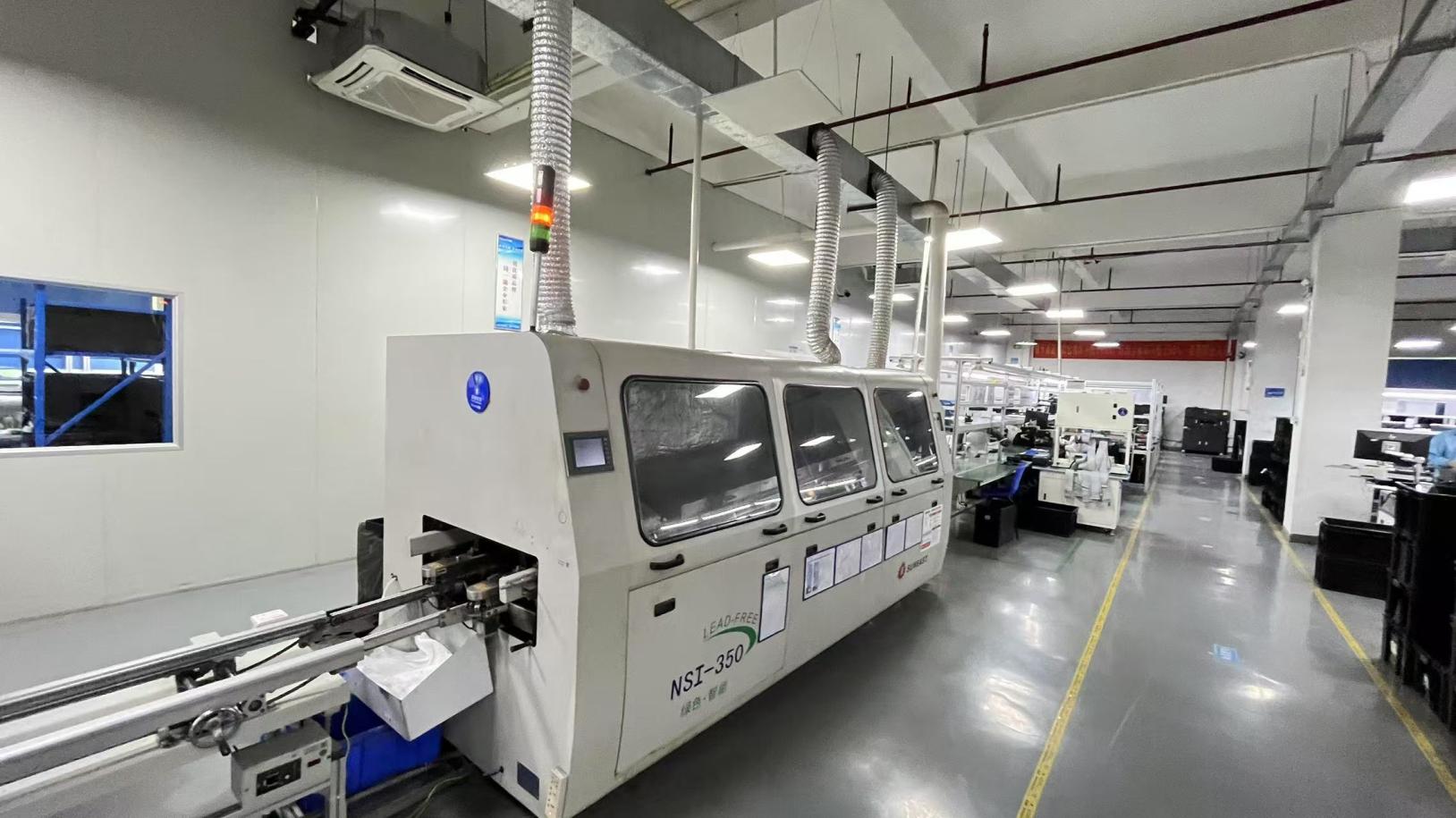
In addition to standard products, FiberQ provides OEM and ODM design services to address complex engineering requirements:
Our engineering team supports custom pin configurations, non-standard wavelengths (such as specific CWDM bands), and unique power budgets for long-distance runs. In the past year, we introduced approximately 180 new products, helping our clients keep pace with evolving industry demands.
Common technical inquiries regarding 1x9 transceivers and supply chain logistics for the Chicago industrial market.
1x9 transceivers feature a soldered pin design that provides robust resistance to vibration and mechanical stress, making them ideal for heavy machinery, locomotives, and power grid substations. Hot-pluggable SFPs can experience connection drops in these environments due to wear on the contact fingers.
Yes, our 1x9 modules are designed with standard Pseudo-Emitter Coupled Logic (PECL) interfaces for fast data pathways, alongside Transistor-Transistor Logic (TTL) for diagnostic flags like Signal Detect (SD). This ensures compatibility with legacy media converters and PLC controllers.
Through our partnerships with international air freight carriers, transit times to O'Hare International Airport (ORD) typically range from 5 to 7 business days, depending on batch volume and customs clearance procedures. We offer expediting options for urgent requirements.
Yes. Our R&D team can customize transceivers for specific wavelengths (e.g., custom CWDM/DWDM channels) and specialized optical budgets. Please contact our support team with your project specifications.
Get in touch with our applications engineering and export team today. Receive a prompt quote, technical data sheet, or request customized samples tailored to your Chicago deployment environment.