FiberQ
FiberQ
FiberQ
Optimized optical modules engineered for high compatibility with Greek industrial network nodes, metro systems, and island telecommunications.
Strategic analysis of legacy transition, geographical topology challenges, and industrial deployment of optical transceivers.
Greece is rapidly evolving into a pivotal digital transit gateway for Southern Europe and the Mediterranean. Backed by submarine cable projects linking Crete to the Middle East, East Africa, and Western Europe, the domestic digital spine requires absolute robustness. Simultaneously, older municipal grids, maritime communication terminals, and transport infrastructures continue to utilize legacy network nodes reliant on 155M (Fast Ethernet / STM-1) and 622M (STM-4 / OC-12) optical modules.
Unlike standard enterprise networks, industrial environments in Greece—such as the Piraeus Port, the Athens Metro line controls, and the Public Power Corporation (PPC) SCADA lines—confront harsh operating circumstances, notably extreme summer temperatures, marine salinity, and high electromagnetic interference. Deploying specialized, reliable legacy components is not a sign of stagnation but of optimized resilience; low-speed, deterministic optical networks minimize latency variance and ensure 100% transmission availability over complex terrains.
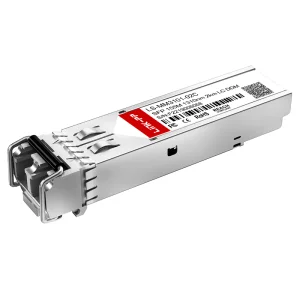
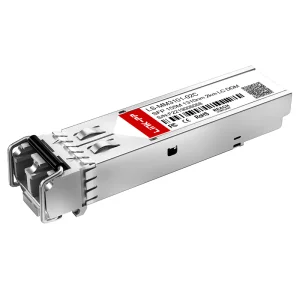
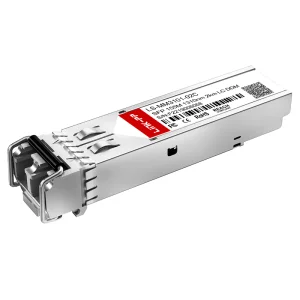
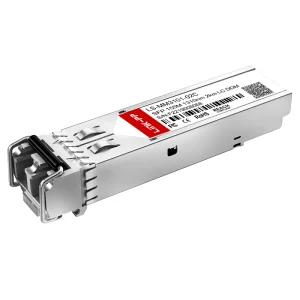
High-voltage distribution lines and metropolitan transit controls do not require gigabit data streams. Instead, they require microsecond latency guarantees, high thermal tolerance, and decades of uninterrupted service life. Our 155M/622M SFP transceivers support legacy SDH/SONET systems and Fast Ethernet controllers, guaranteeing seamless backward compatibility with older Hirschmann, Moxa, and Cisco switches deployed along public utilities.
How tier-1 manufacturers’ EOL announcements create critical supply gaps, and how FiberQ Photonics bridges the void.
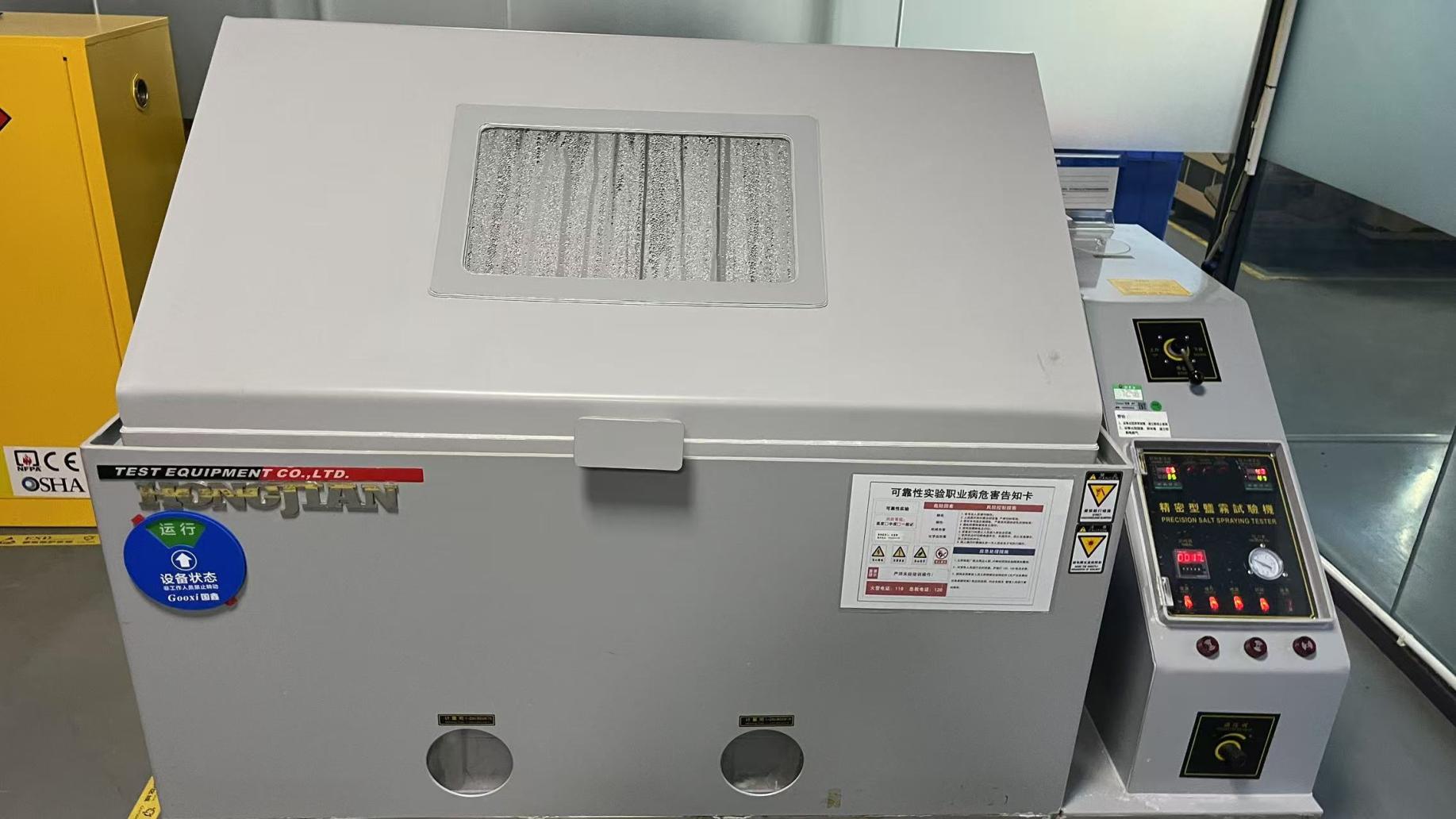
Every transceiver is programmed and tested under simulated system topologies in our testing labs. We verify EEPROM values, wavelength performance, and optical budgets to match the original equipment manufacturer profile exactly.
While tier-1 manufacturers push for upgrades, we maintain production pipelines for 155M and 622M legacy transceivers, helping Greek companies avoid expensive, premature hardware upgrades.
Built under MSA standard frameworks, our 155M/622M transceivers are fully compatible with Moxa, Hirschmann, Cisco, Juniper, Siemens, and other global industrial automation and telecom hardware.
Global optical transceiver sourcing has shifted heavily toward high-speed hyperscale data center components (400G, 800G, and now 1.6T). This leaves standard infrastructure systems (such as water utilities, municipal railways, and remote radar nodes) stranded. Many system integrators find it difficult to procure industrial-grade 155M/622M SFP modules. As a specialized manufacturer, FiberQ Photonics ensures continuous manufacturing capability, offering Greek exporters and utility buyers a reliable source of supply with high-level technical support.
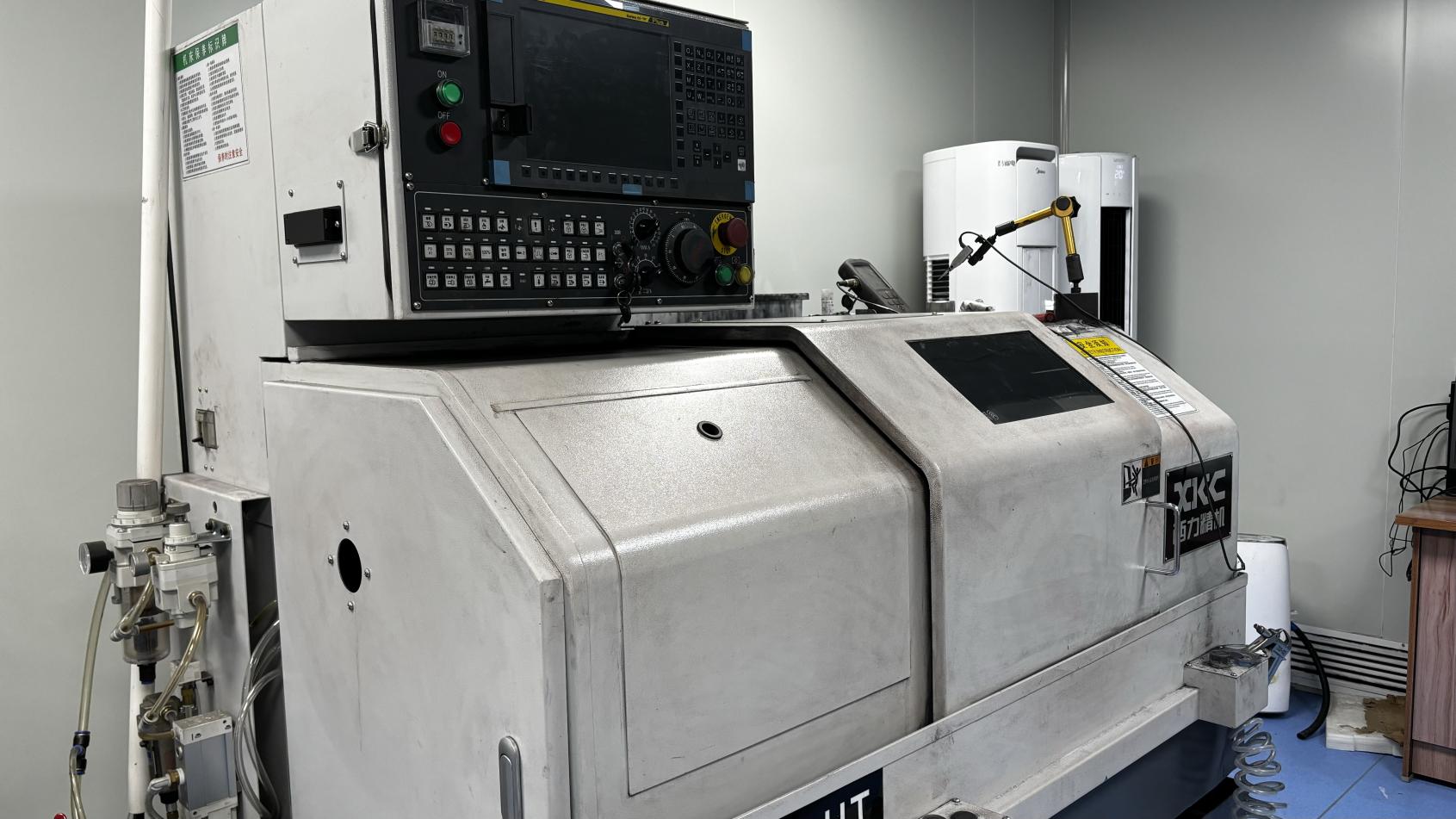
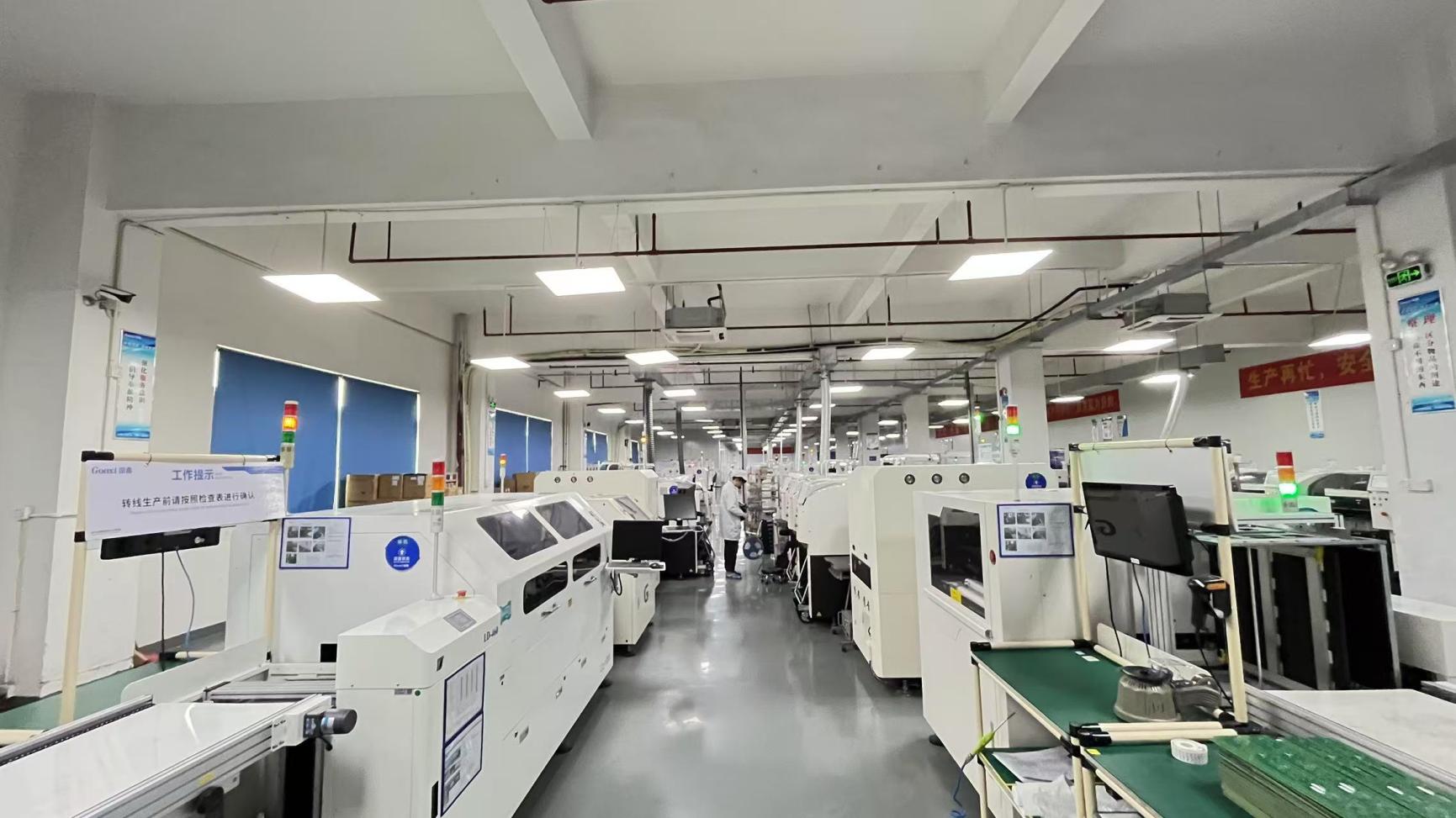
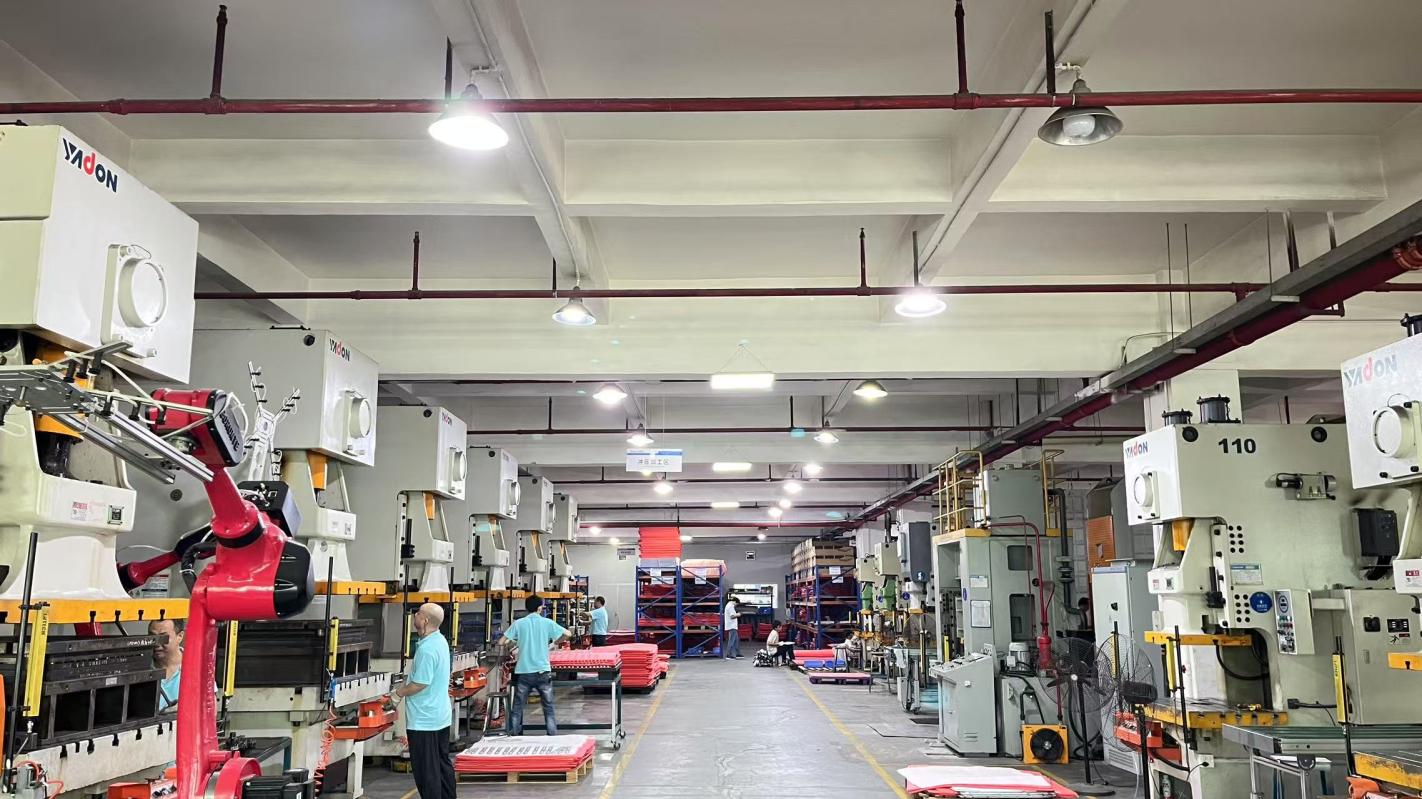
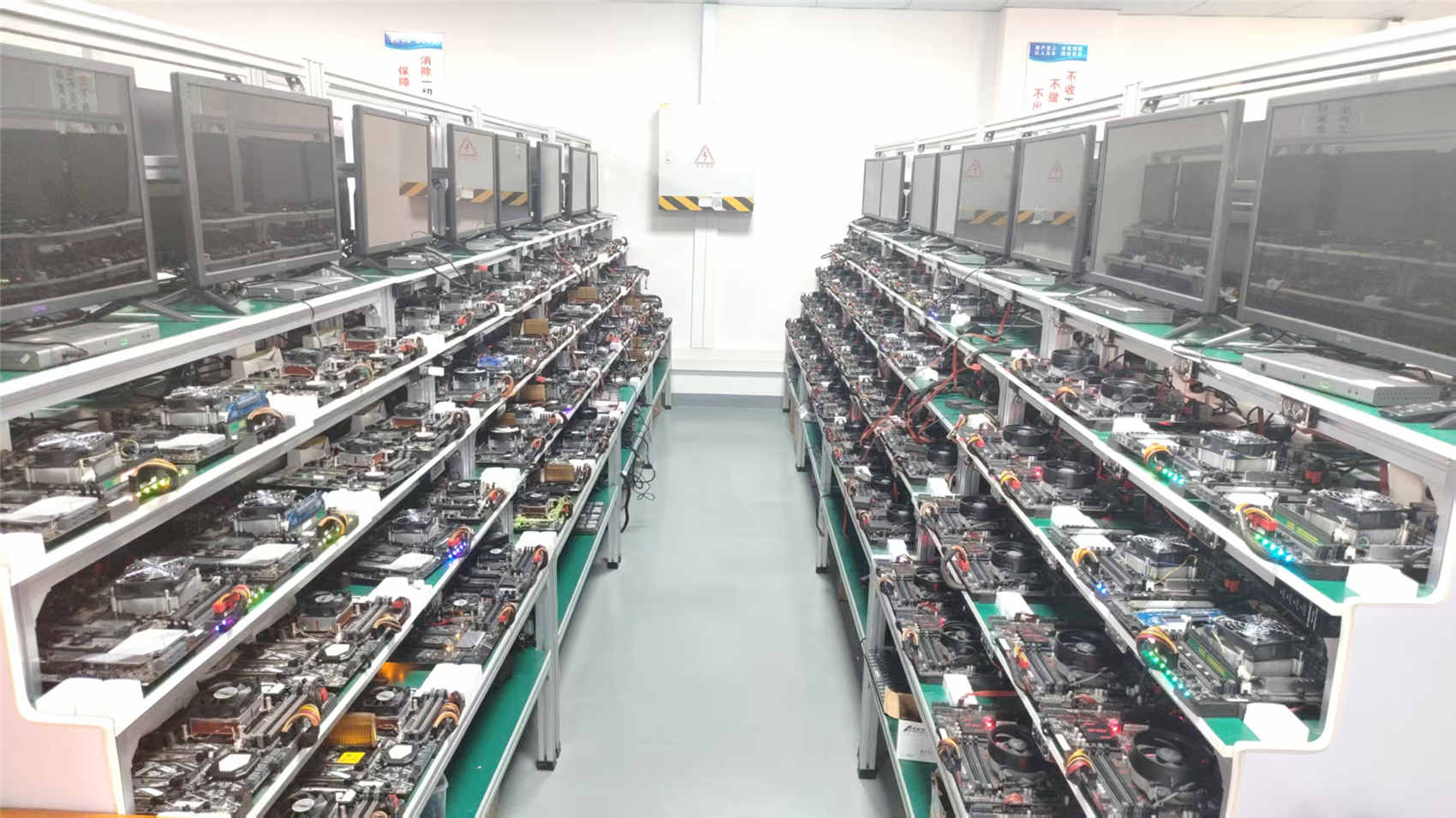
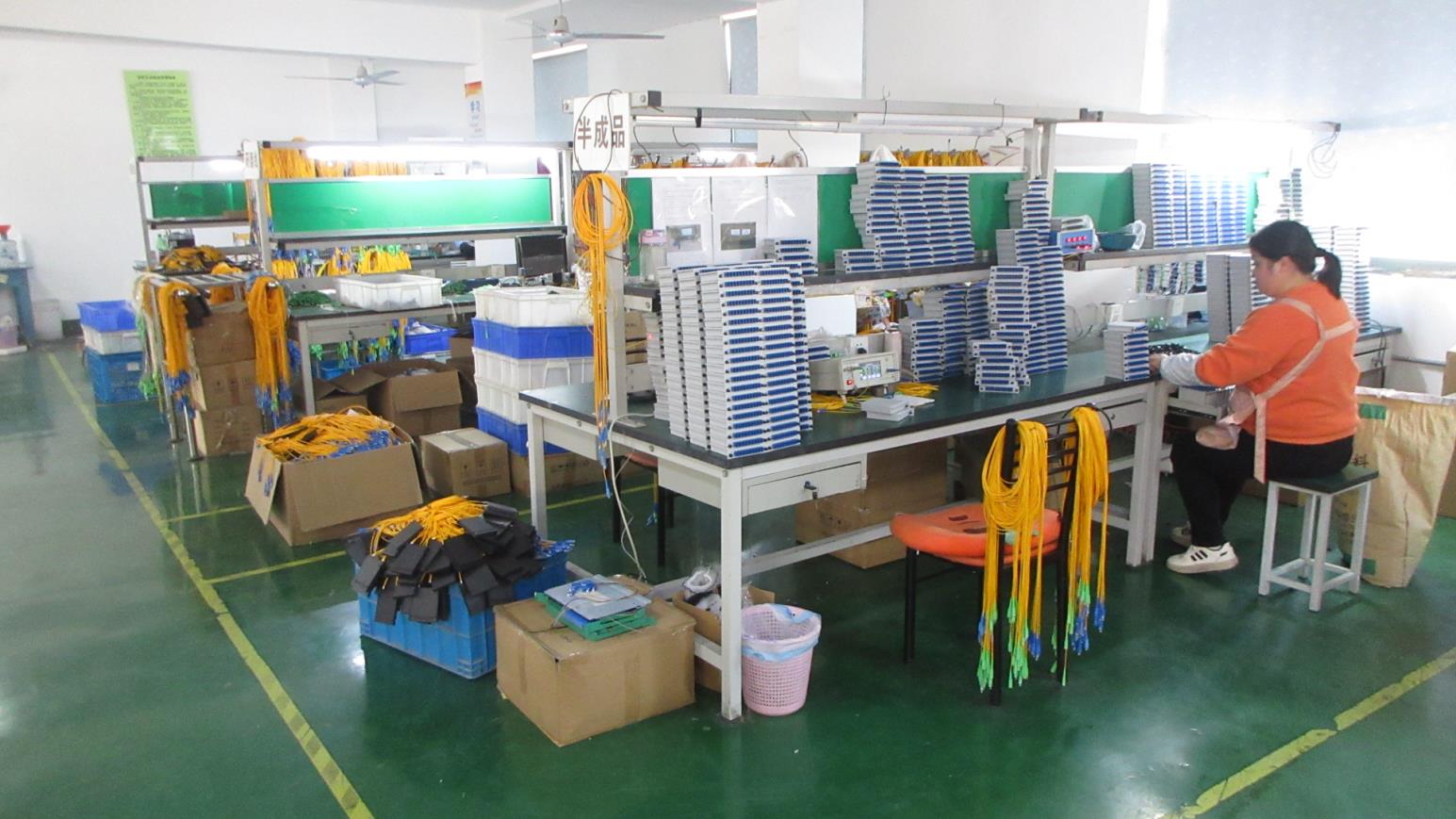
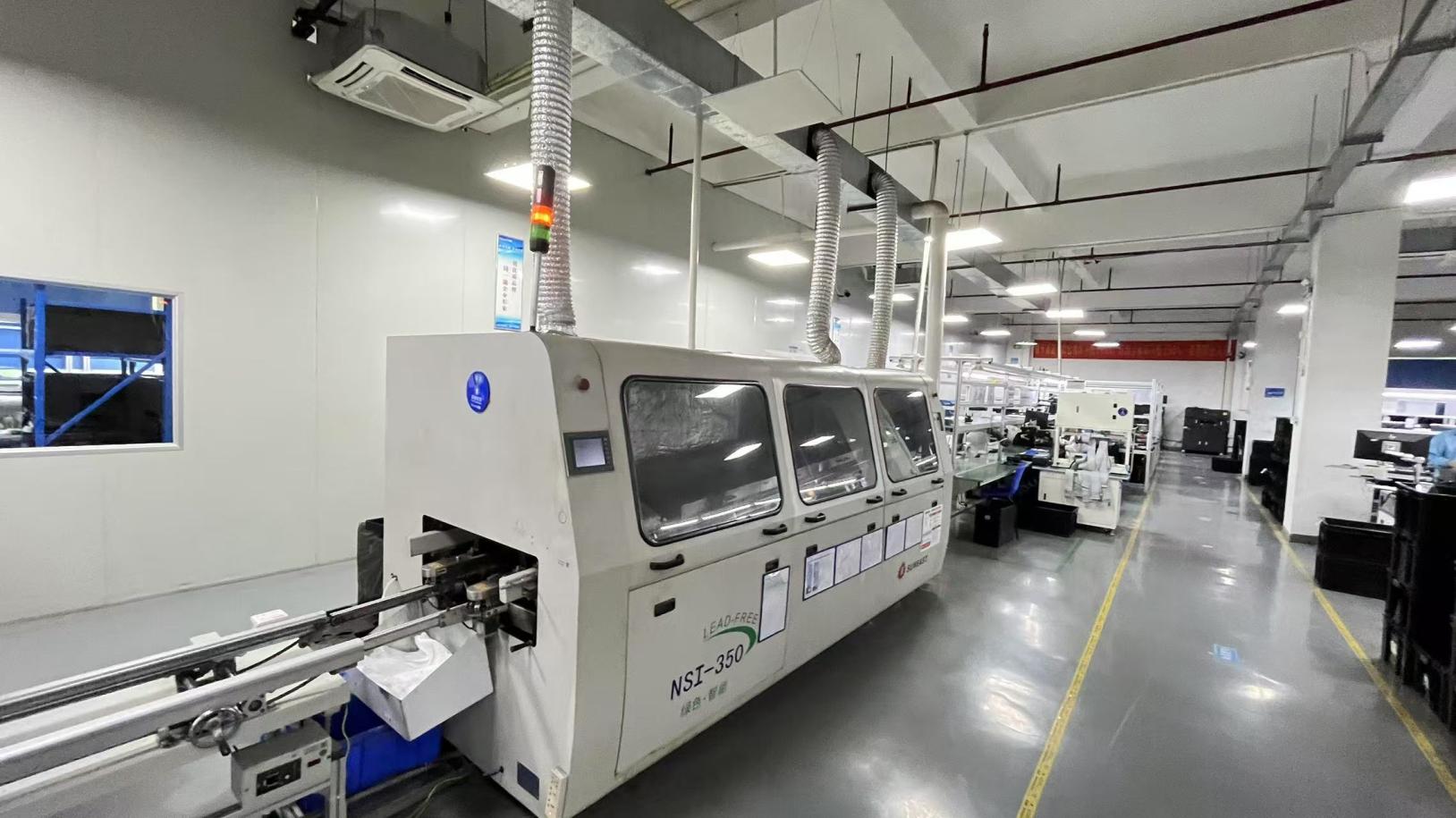
Leveraging China Factory 4.0 automation, extreme testing, and direct export pipelines to Greece and European hubs.
Production Facility
Industry Expertise
R&D Engineers
Annual Export Value
Quality assurance at FiberQ is ensured through a combination of automated optical performance testing, interferometric inspection, high-temperature aging tests, and manual quality checks. The quality control team consists of 62 experienced inspectors dedicated to maintaining product reliability and compliance with international standards.
Our collaboration with approximately 1,450 supply chain partners ensures stable procurement of core components and efficient production scheduling. This ecosystem allows us to support advanced customization including protocol compatibility, wavelength engineering, thermal optimization, and form-factor adaptation. In the past year alone, we launched approximately 180 new products, keeping pace with contemporary optical innovations.
Understanding the engineering demand in regional telecom, transit, and electrical power generation networks.
Lines 2 and 3 operate automatic train control systems linked by fiber backbones. Industrial 155M SFP transceivers with wide temperature range tolerance are deployed in wayside electronics boxes to transmit signals back to the operation center, ensuring 100% electromagnetic noise immunity.
The Public Power Corporation of Greece implements optical teleprotection relays. These networks require deterministic 155M/622M optical connections to isolate network segments within milliseconds when faults are detected. FiberQ modules provide the necessary low-latency and jitter metrics.
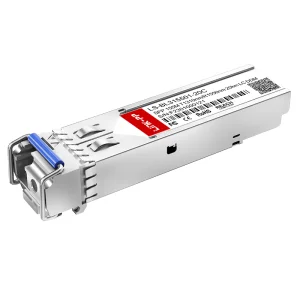
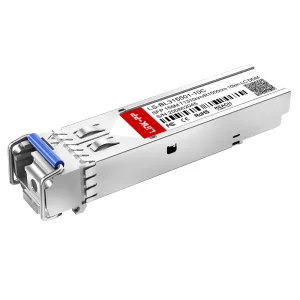
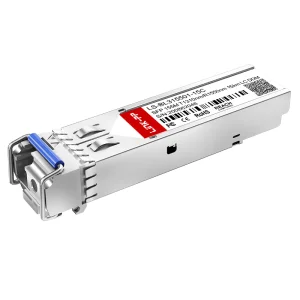
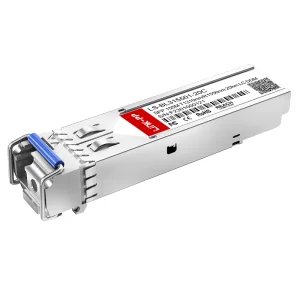
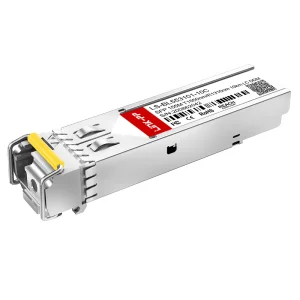
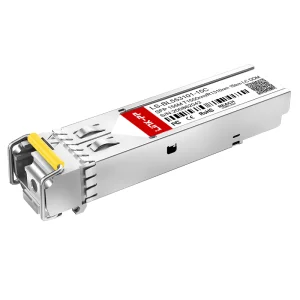
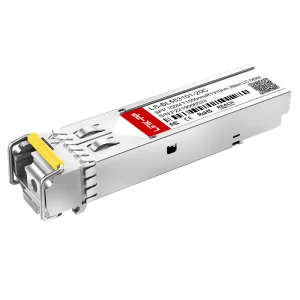
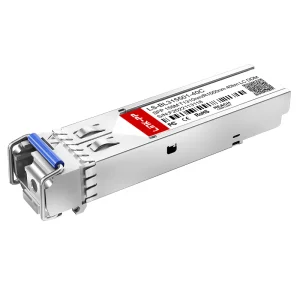
Island-to-island and offshore wind farm networks utilize single-mode BiDi (Bidirectional) SFP modules. Overcoming fiber path shortages, BiDi transceivers use different wavelengths on a single strand of fiber (1310nm/1550nm) to transmit SCADA data over 20km to 40km distances across the sea.
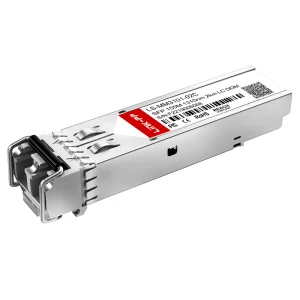
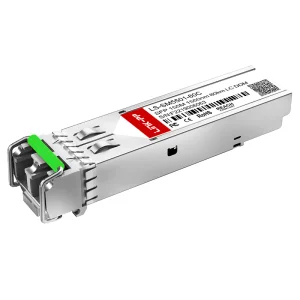
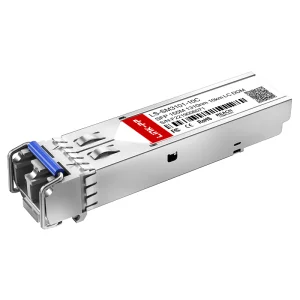
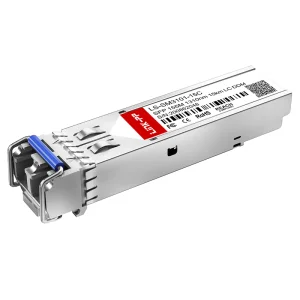
Select from our wide range of industry-standard optical interfaces. Built for durability, tested for performance.
Answers to critical questions regarding 155M/622M optical module selection, compatibility, and compliance.