FiberQ
FiberQ
FiberQ
Pre-configured, low-latency 155M/622M SFP transceivers fully tested for operational resilience under harsh climatic and industrial environments.
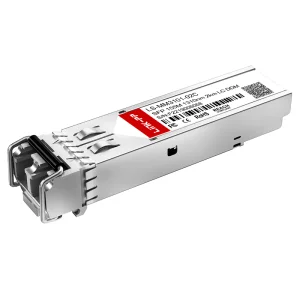
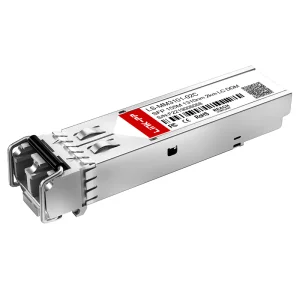
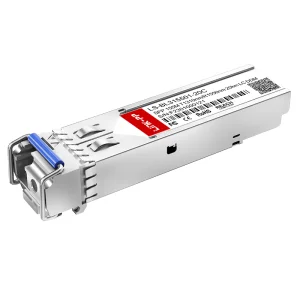
The industrial and telecommunications ecosystem of Austria is characterized by highly sophisticated, safety-critical network infrastructures. From hydroelectric power generation plants operated by Verbund in the Alps, to the municipal power distribution loops controlled by Wiener Netze, the demand for resilient communication is absolute. Industrial Ethernet protocols, particularly those utilized by automation systems in Upper Austria (Linz, Wels) and Styria (Graz), require transceivers that resist electromagnetic interference and perform continuously under wide temperature variations (-40°C to +85°C).
Despite the global migration towards multi-gigabit technology, legacy architectures utilizing 155M (Fast Ethernet) and 622M (OC-12/STM-4) fiber links remain a vital backbone. These bandwidth thresholds are highly optimized for telemetry, railway interlocking signals (ÖBB), substation automation (IEC 61850), and municipal optical ring configurations. Over-provisioning to 10G or 100G in these scenarios introduces unnecessary power dissipation, higher hardware costs, and shorter transceiver life cycles due to thermal stress.
They provide robust deterministic latency, low-power operation, and high compatibility with legacy SDH/SONET multiplexers and rugged industrial switches. They are the ideal fit for SCADA systems, remote terminal units (RTUs), and substation control networks.
Our modules feature Digital Diagnostic Monitoring (DDM/DOM), allowing power system administrators in Vienna, Linz, or Graz to monitor optical power, temperature, and voltage dynamically from a central control room, averting unplanned downtimes.
How low-speed transceivers are integrated into modern heterogeneous networks without sacrificing link budget or reliability.
Our full range of 155M/622M transceivers are compliant with the industry SFP MSA. This ensures plug-and-play compatibility across a diverse range of hardware platforms, including Cisco, Moxa, Hirschmann, Juniper, and Huawei equipment installed in Austrian telecom rings.
Leveraging high-sensitivity PIN and APD receivers combined with high-quality DFB or FP lasers, our transceivers maintain clean optical eye diagrams and extremely low bit error rates (BER), even across complex fiber patches spanning 80km to 120km.
For installations in mountain telecommunication cabins or alpine railways, standard commercial grade transceivers fail. FiberQ offers true industrial temperature rating (-40°C to +85°C) featuring reinforced gold-plated pins and optimized heat dissipation casings.
FiberQ Photonics Technology Co., Ltd. (established in 2015) stands at the forefront of advanced optoelectronics production. Serving international markets including Western Europe and Japan, we address the critical supply chain needs of Austria's industrial distributors and telecom system integrators.
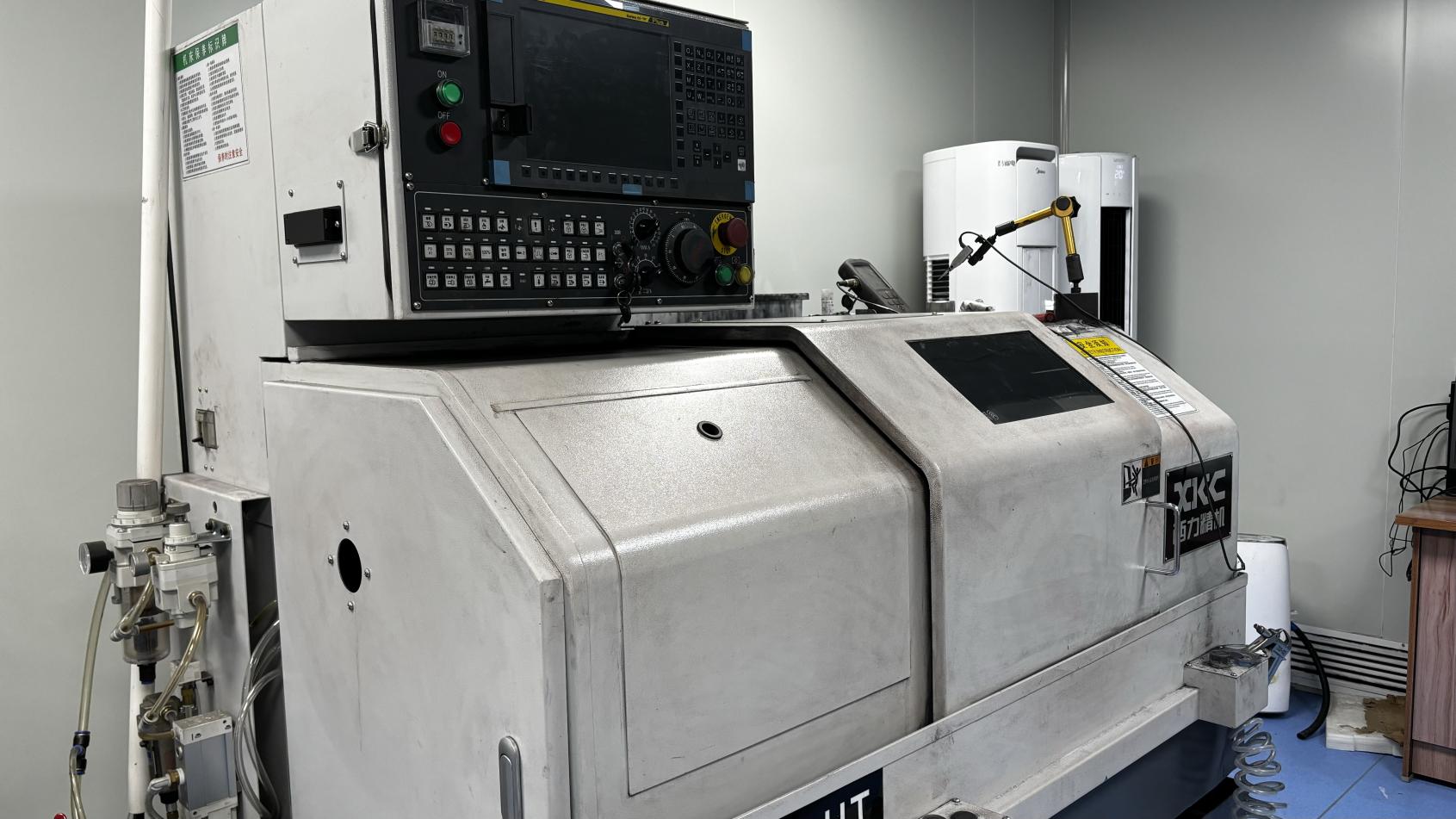
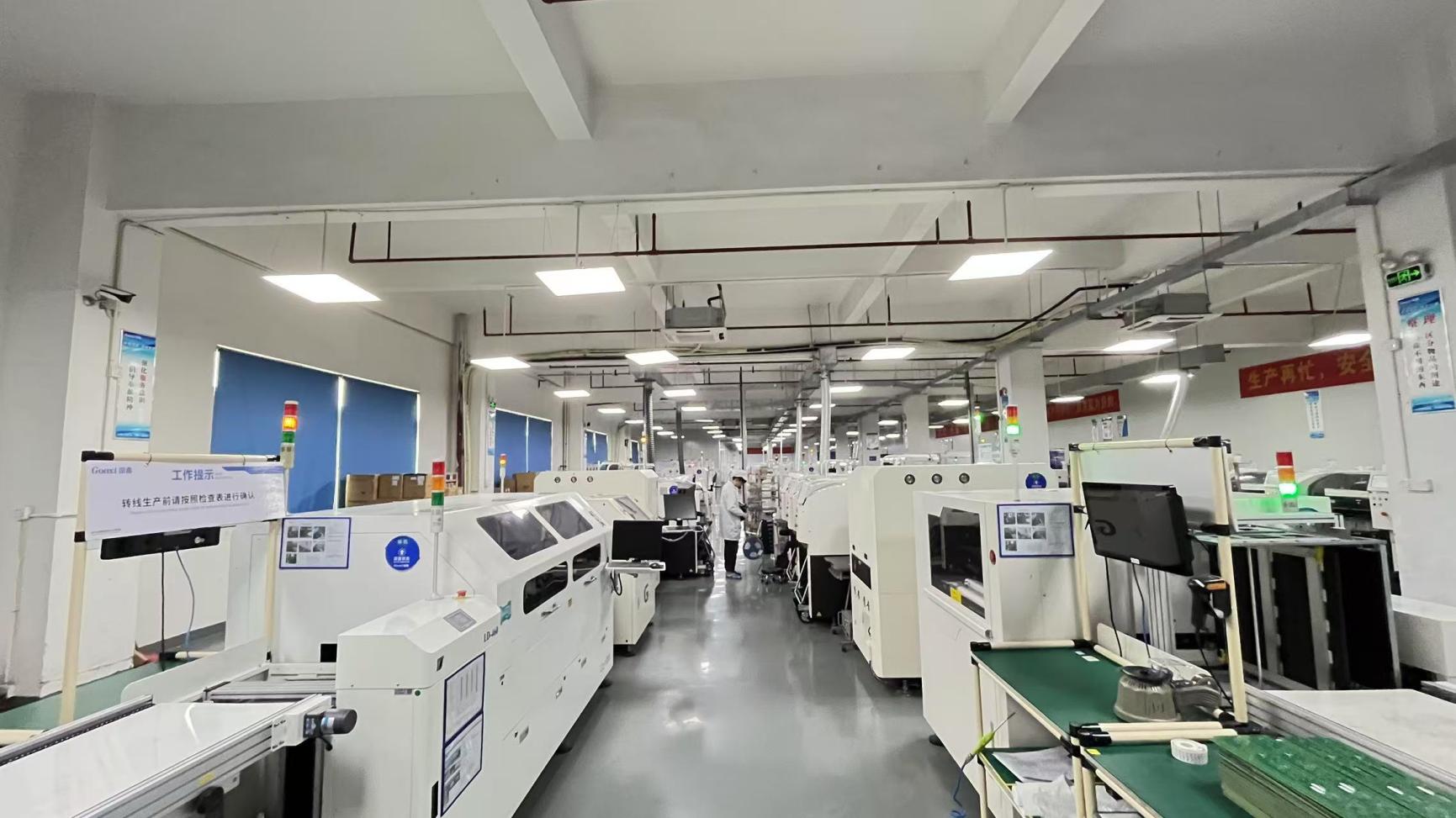
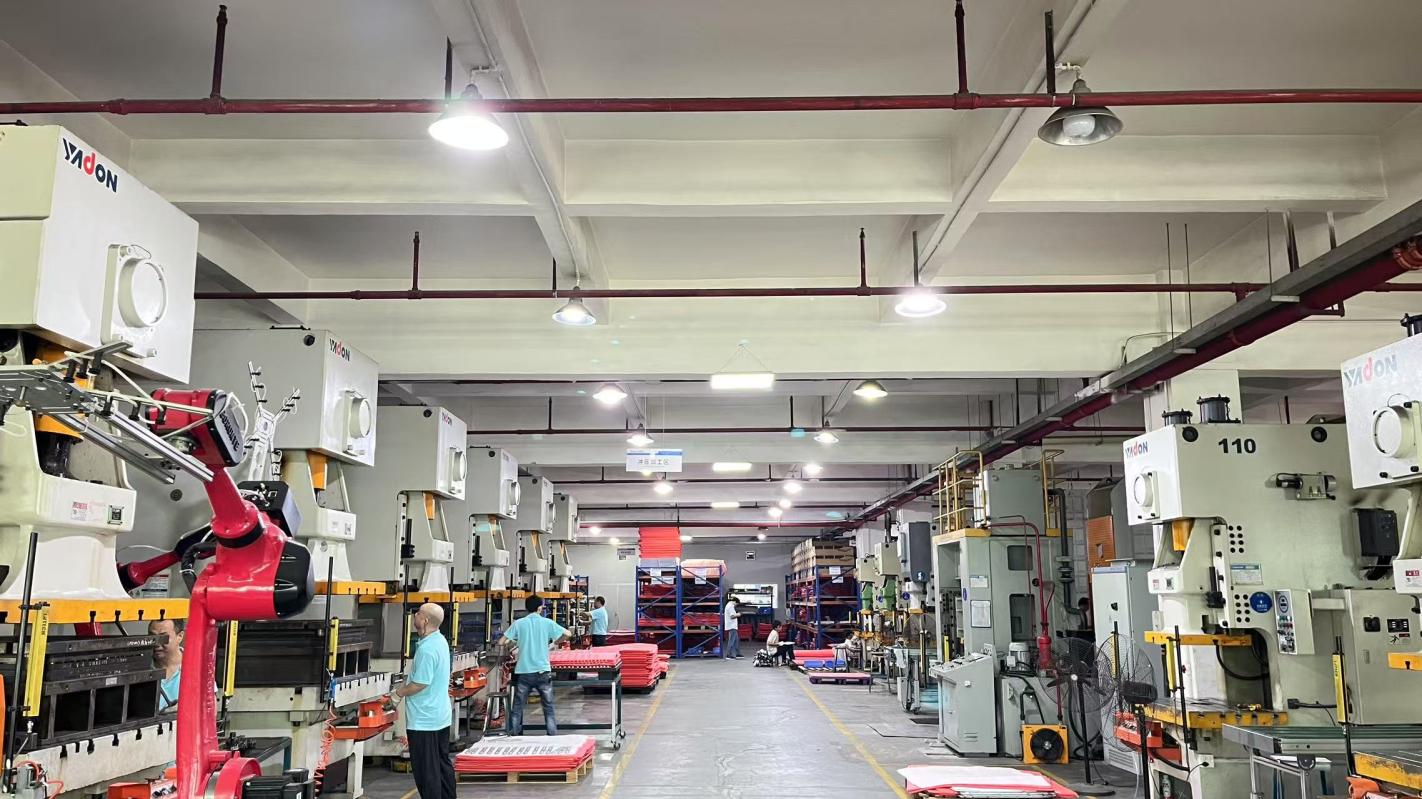
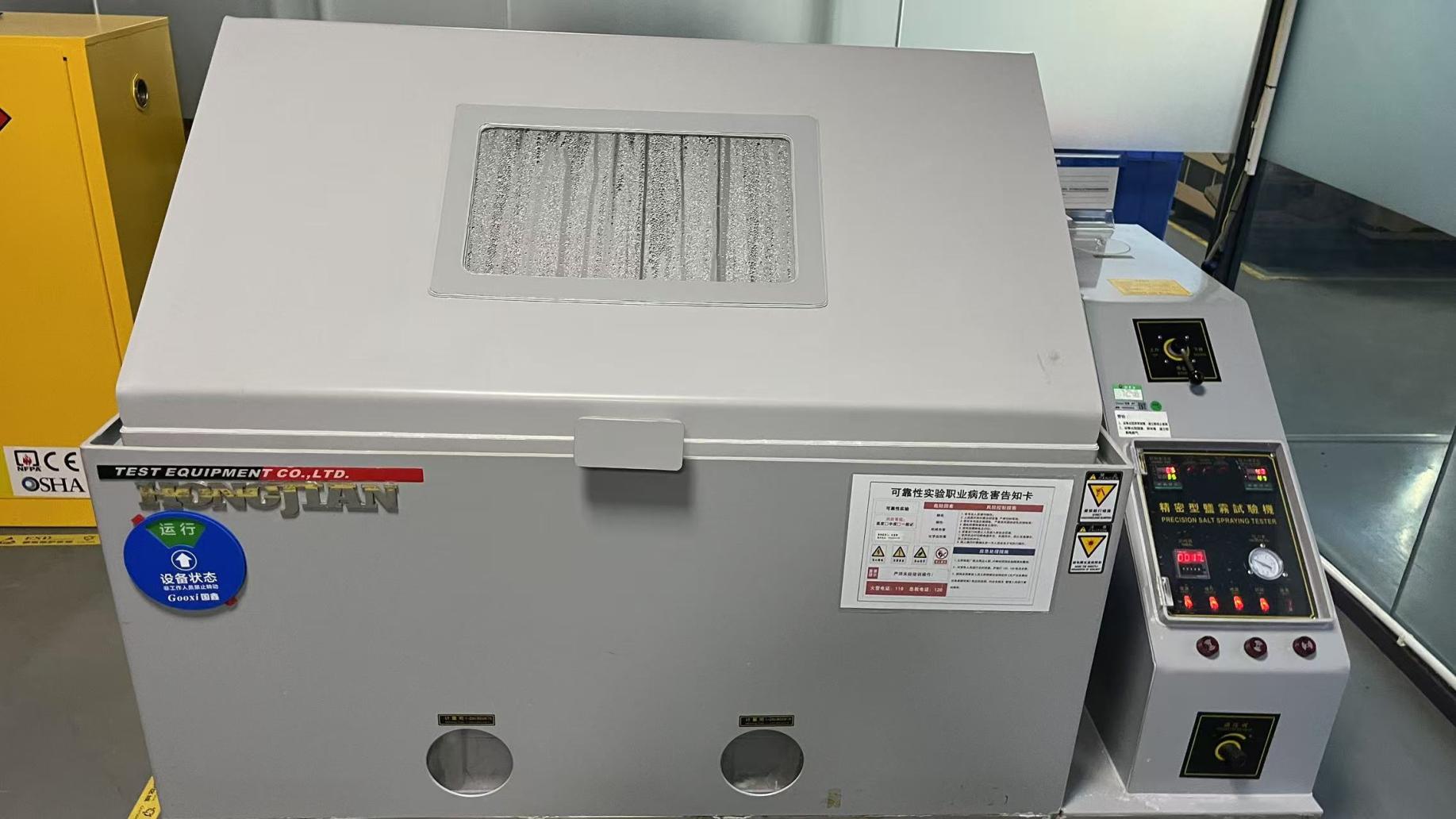
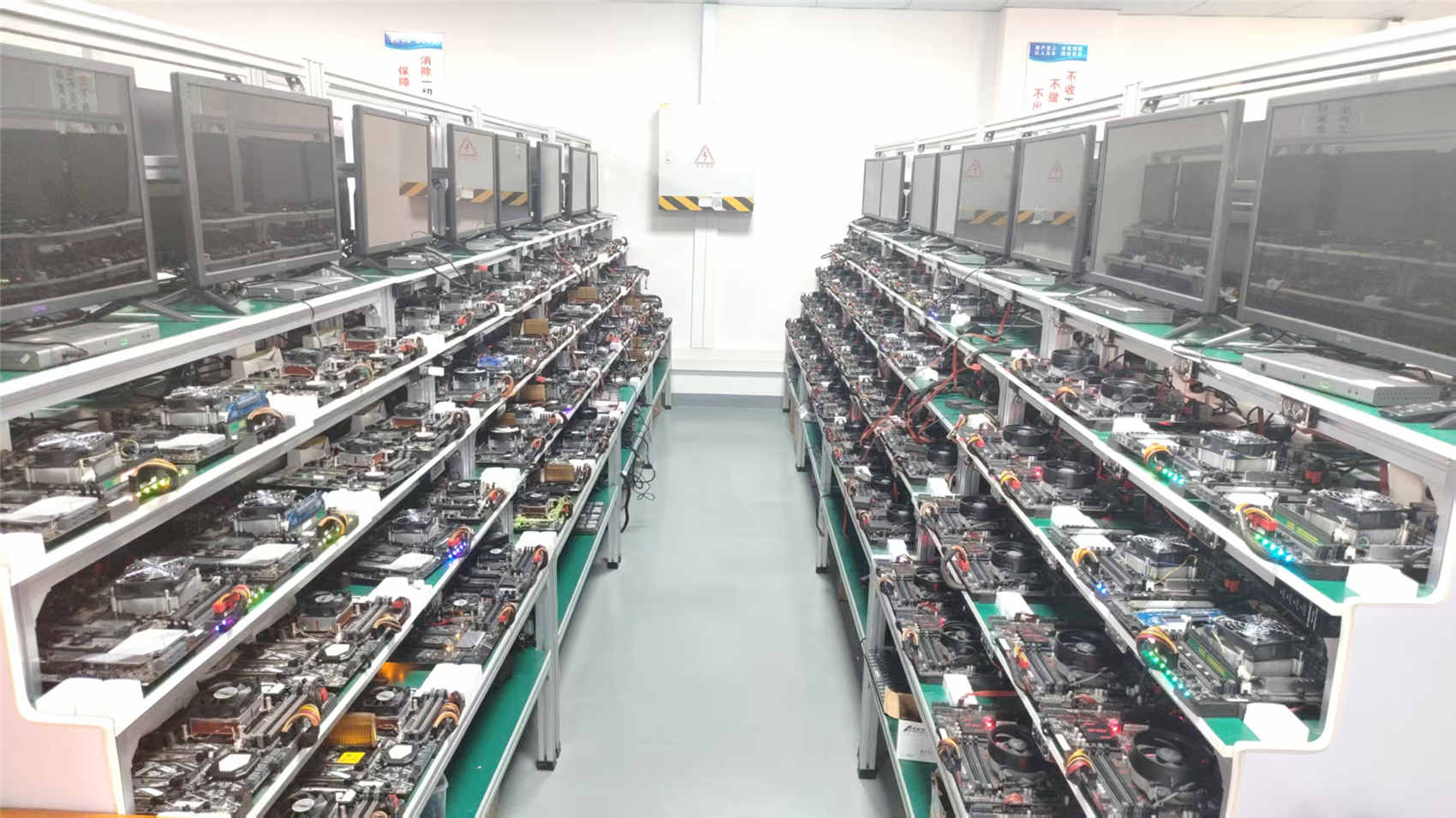
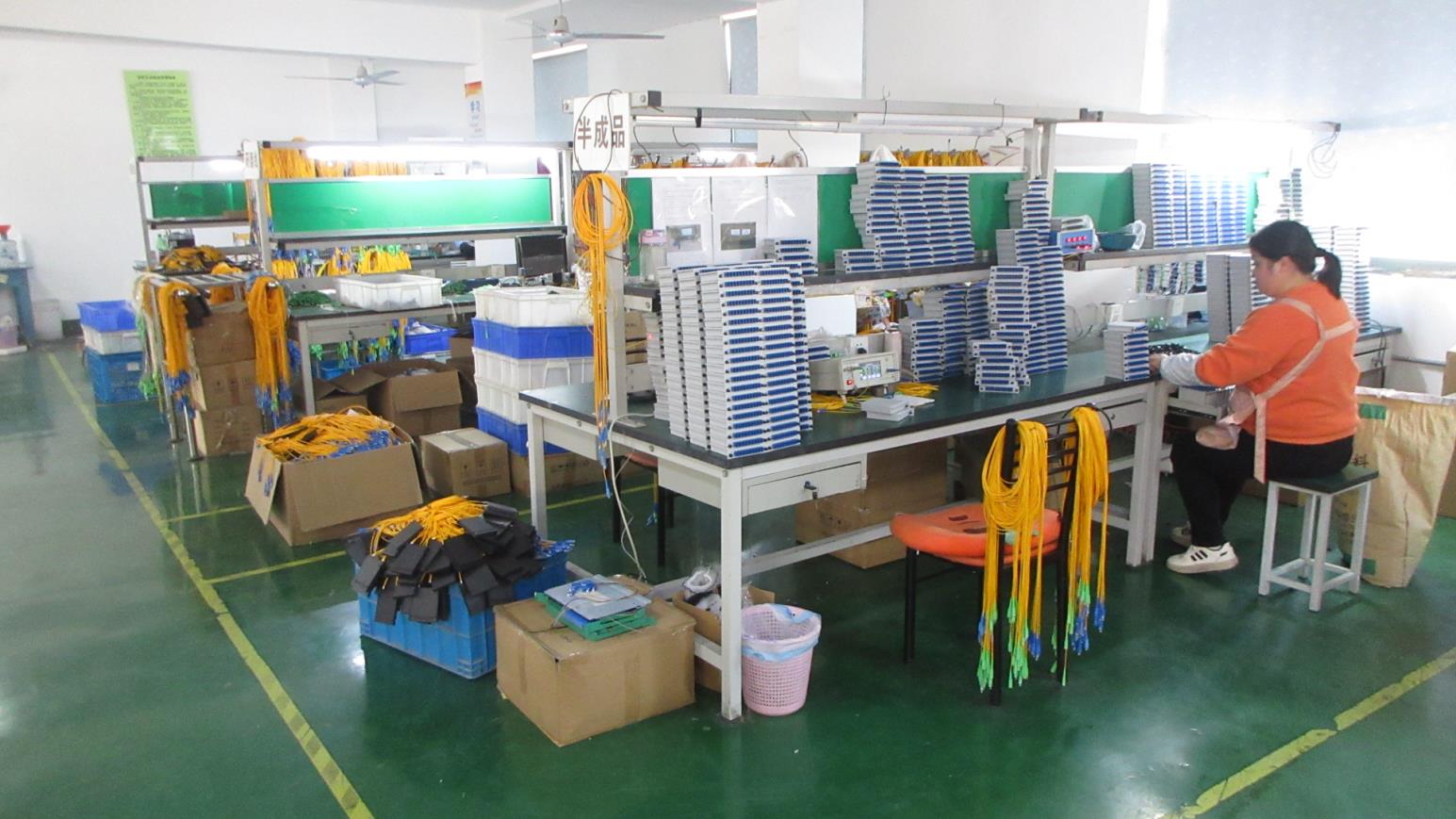
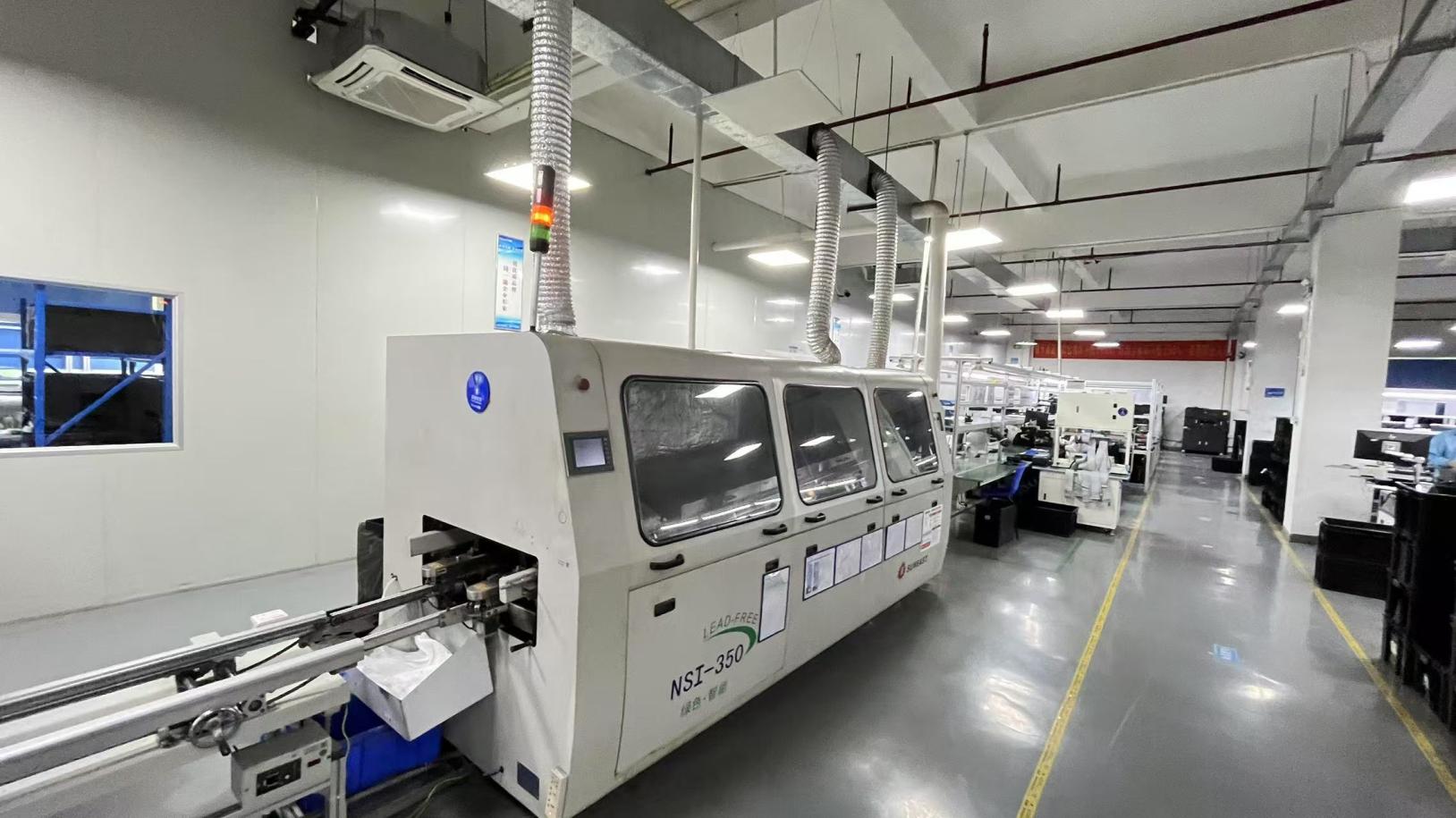
Operating a state-of-the-art 12,600㎡ production facility, we deploy automated optical testing, automated silicon photonics alignment, and rigorous environmental stress screening (ESS) for every batch. Our quality team consists of 62 dedicated inspectors conducting pre-shipment inspections, interoperability tests, and long-term aging simulations.
With a comprehensive supply network of 1,450 partners, we secure critical optical sub-assemblies (TOSA/ROSA) and high-quality chipsets, guaranteeing consistent delivery times even during global component shortages. Over the past year, we have introduced approximately 180 new products, highlighting our continuous drive toward optical innovation.
All transceivers shipped to Austria comply fully with the European Union's CE directives, RoHS (Restriction of Hazardous Substances), and REACH. We provide full declarations of conformity with every order to simplify local customs clearance.
As a sustainable manufacturing partner, FiberQ assists Austrian importers in fulfilling registration requirements under the local Waste Electrical and Electronic Equipment (WEEE) regulations, aligning with national circular economy strategies.
Navigating network deployments in Central Europe requires reliable logistics channels. We provide end-to-end shipping solutions directly to logistics hubs in Vienna, Graz, and Linz. Our custom coding service guarantees out-of-the-box compatibility with the active equipment utilized by local telecom providers such as Magenta, Drei, and A1.
Should any system integration issues arise, our European field application engineers provide remote diagnostics, firmware customization, and standard 3-year warranties. In the event of a critical network update, replacement units are processed rapidly through our expedited RMA pipeline.
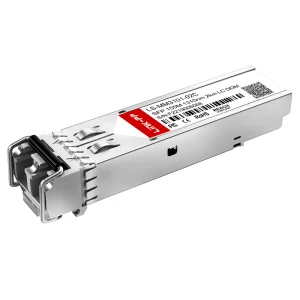
Review our extended range of standard duplex and bidirectional (BiDi) transceivers, designed for long-span links, high optical density, and low maintenance overheads.
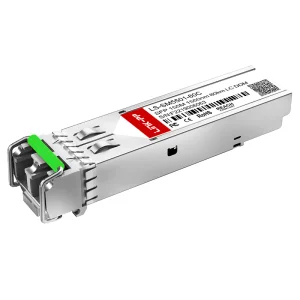
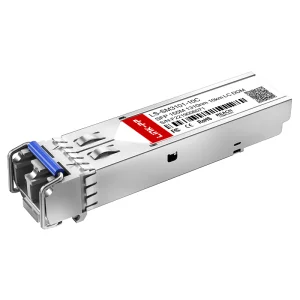
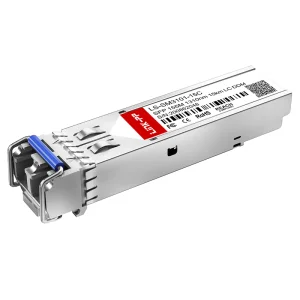
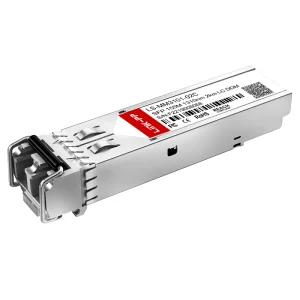
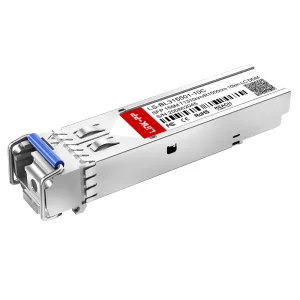
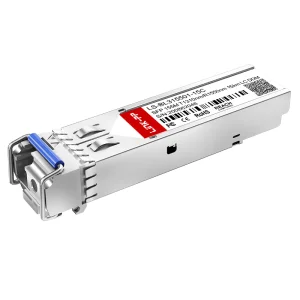
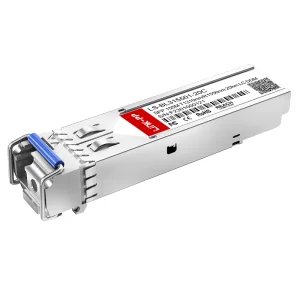
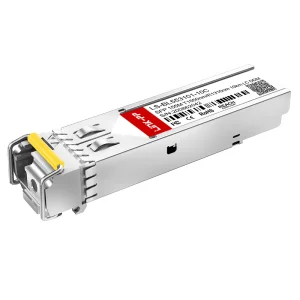
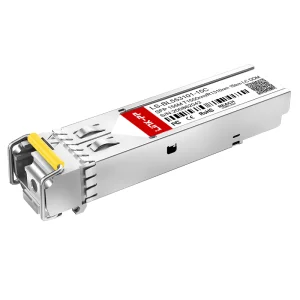
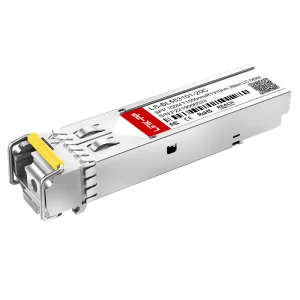
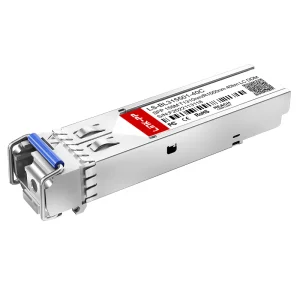
Our engineering team answers common technical questions from optical network architects and procurement leads regarding 155M/622M SFP operations.
Get expert technical support, robust supply security, and customized product options tailored for the Austria market.