FiberQ
FiberQ
FiberQ
Strictly engineered to match Hirschmann, Moxa, and Cisco compatibility standards in municipal fiber configurations.
As a critical gateway linking Europe and Africa, Morocco is undergoing a rapid digital transformation spearheaded by national initiatives like the Plan National Haut Débit (PNHD) and the upcoming Maroc Digital 2030 strategy. Industrial giants such as the OCP Group (Office Chérifien des Phosphates), ONEE (Office National de l'Électricité et de l'Eau Potable), and the national railway system (ONCF) are rapidly migrating legacy networks to highly robust fiber-optic architectures.
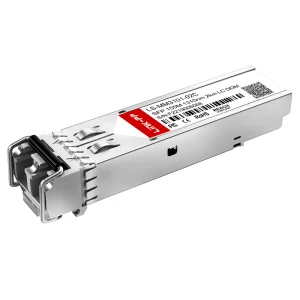
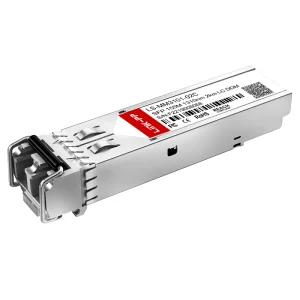
Within this shifting landscape, the demand for 155M (Fast Ethernet / STM-1) and 622M (STM-4 / OC-12) SFP transceiver modules remains remarkably strong. Unlike hyper-scale data centers which deploy 400G and 800G optics, heavy industrial sites, solar generation facilities like Noor Ouarzazate, and rural telecommunications nodes require resilient, low-power, and legacy-compatible optical interfaces. These modules form the backbone of SCADA telemetry, substation communication, railway signaling networks, and long-range industrial automation grids across varying physical environments, from coastal ports like Tangier Med to remote desert installations.
Engineering optical interfaces to withstand rapid ambient shifts and heavy dust attenuation.
Industrial deployments in Moroccan solar complexes (Noor I, II, and III) and phosphatier operations present severe physical challenges. High ambient operating environments inside outdoor cabinets require transceivers to support industrial temperature ranges (-40°C to 85°C), compared to standard commercial ranges (0°C to 70°C). Furthermore, single-fiber Bidirectional (BiDi) SFP transceivers must manage insertion loss dynamically to maintain data transmission fidelity across large transport spans.
| Module Category | Transmission Medium | Wavelength (TX/RX) | Reach Capacity | Receiver Sensitivity | Target Local Application |
|---|---|---|---|---|---|
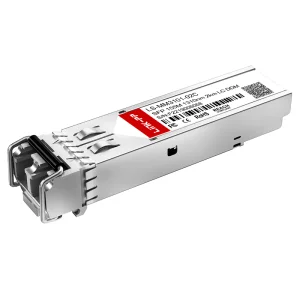
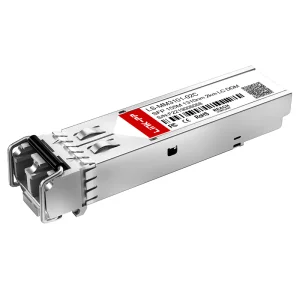
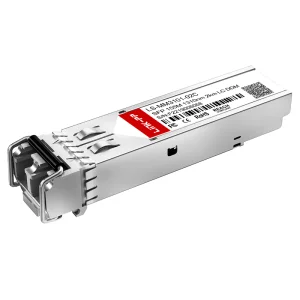
| 155M Multimode SFP | Multi-mode (MMF) OM1/OM2 | 1310 nm | 2 km | ≥ -32 dBm | Substation LANs, Kenitra Industrial Substations |
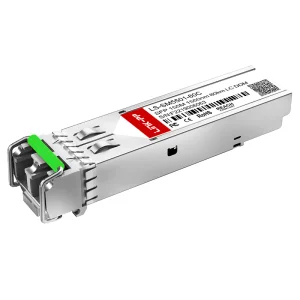
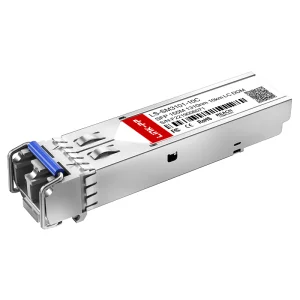
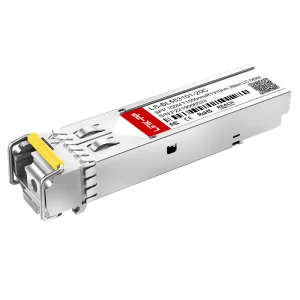
| 155M Duplex SMF SFP | Single-mode (SMF) G.652 | 1310 nm / 1550 nm | 10 km - 80 km | ≥ -34 to -38 dBm | ONCF Signaling, Inter-city telemetry trunking |
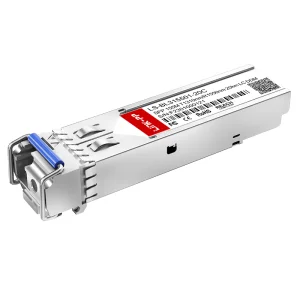
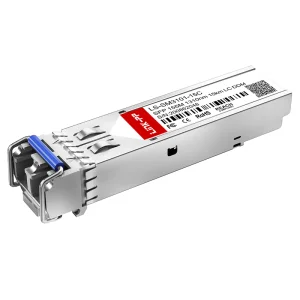
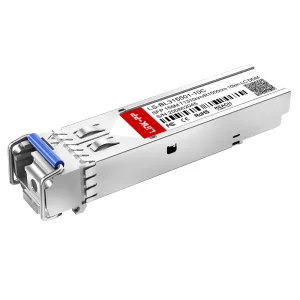
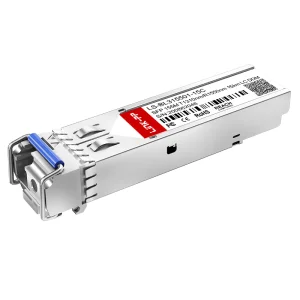
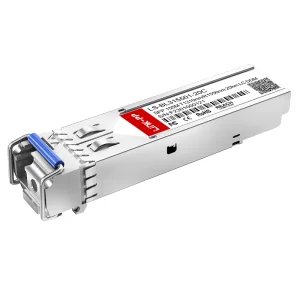
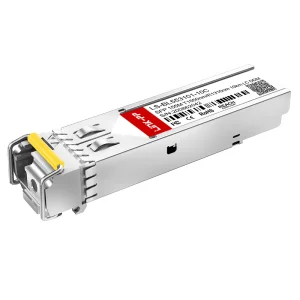
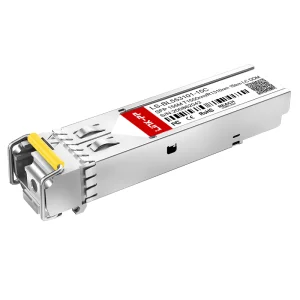
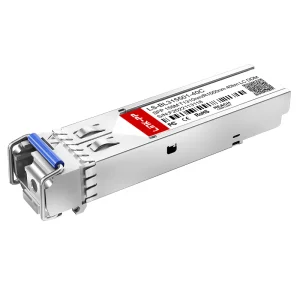
| 155M Single-Fiber BiDi SFP | Single-mode (SMF) G.652 | 1310nm-TX / 1550nm-RX (Simplex) | 10 km - 40 km | ≥ -32 dBm | Metro Distribution, Municipal fiber loops (Casablanca/Rabat) |
| 622M Duplex SMF SFP | Single-mode (SMF) G.652 | 1310 nm / 1550 nm | 10 km - 80 km | ≥ -28 to -34 dBm | Medium-haul regional SDH/SONET access,ONE backhaul |
FiberQ Photonics designs these modules with high-grade components featuring Digital Diagnostic Monitoring (DDM/DOM). This allows network administrators in Morocco's control rooms to monitor real-time parameters such as optical output power, receiver sensitivity, operating temperature, and transceiver supply voltage. This capability ensures predictive maintenance, preventing unexpected network downtime in critical industrial processes.
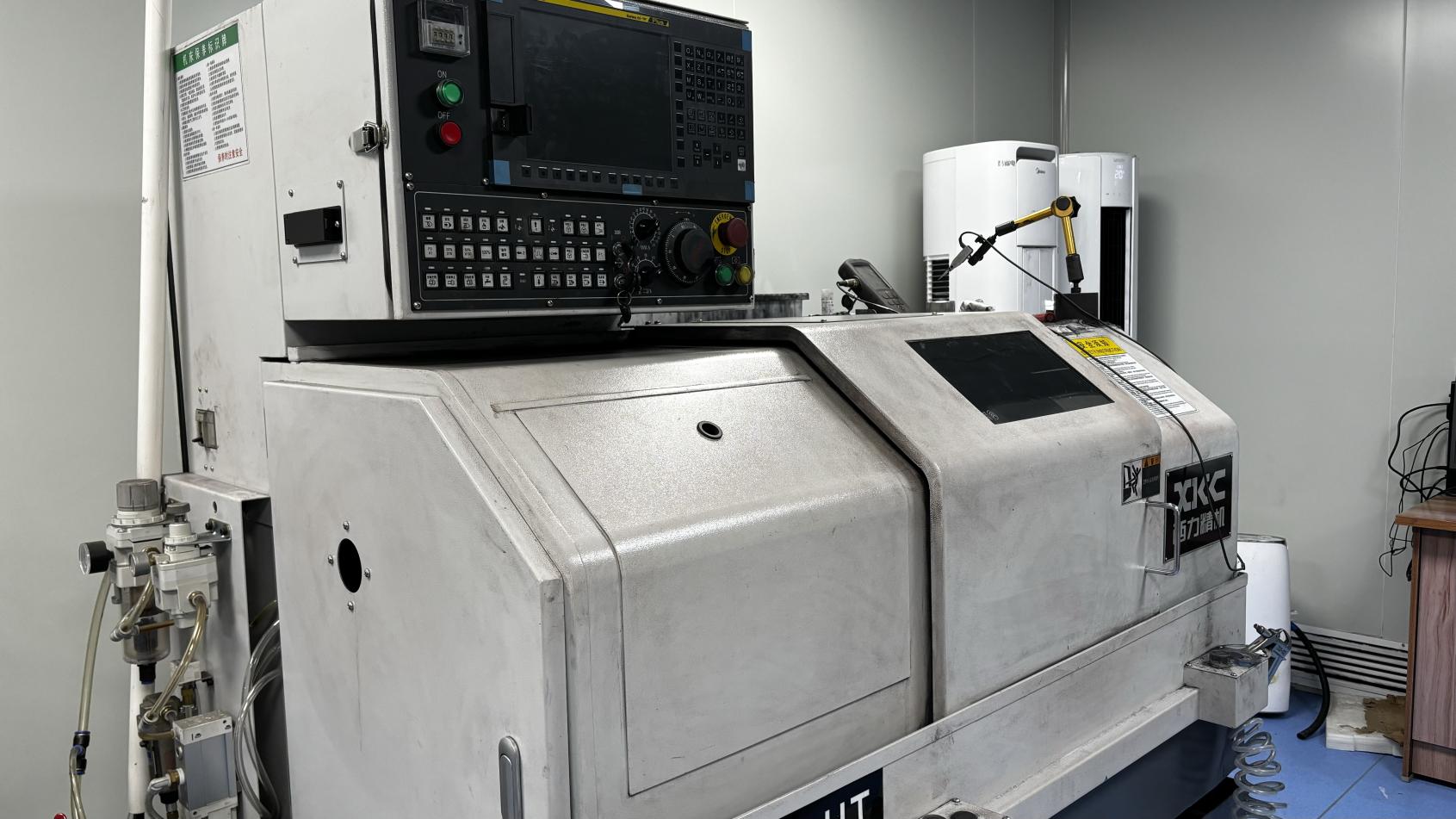
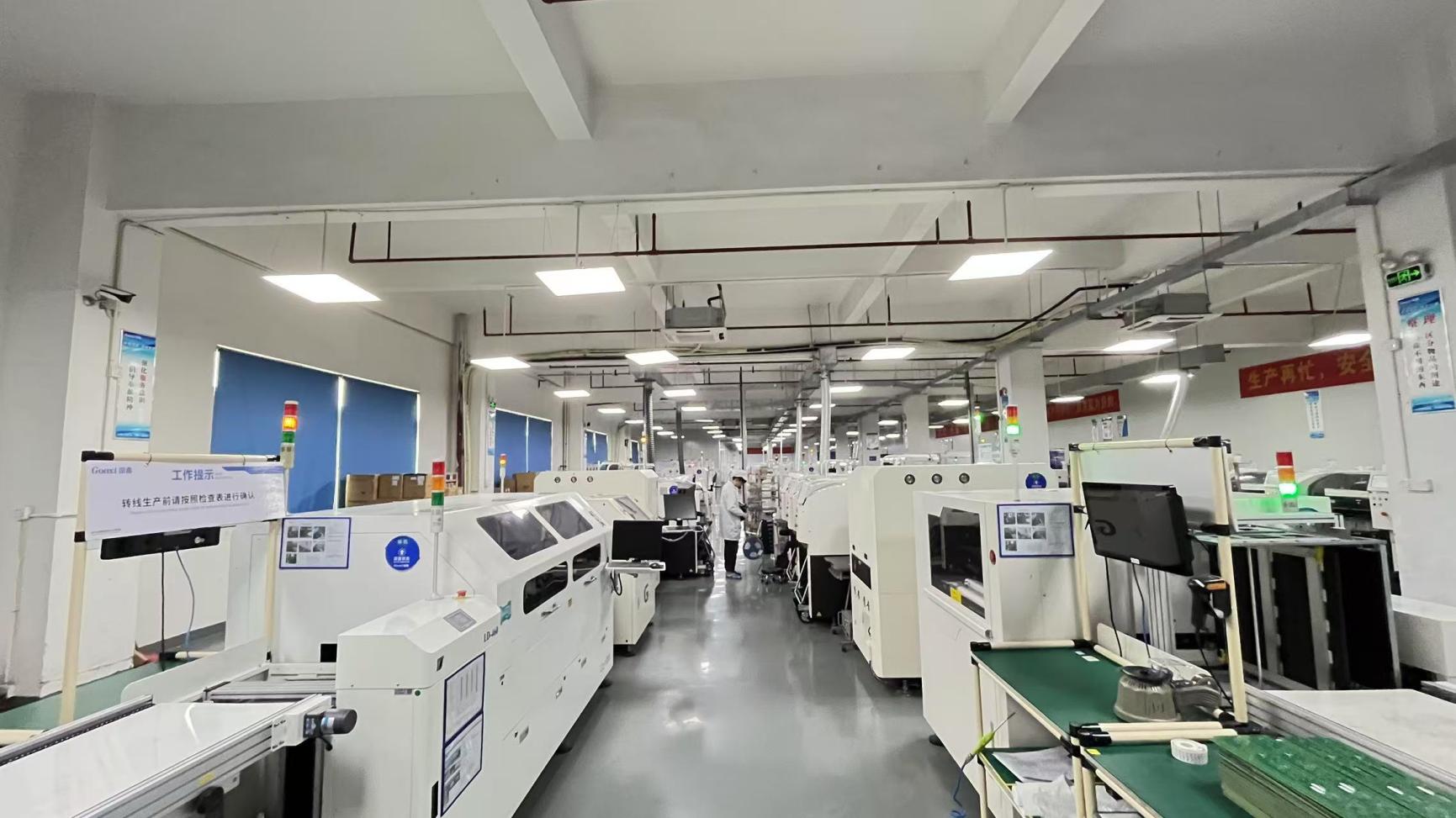
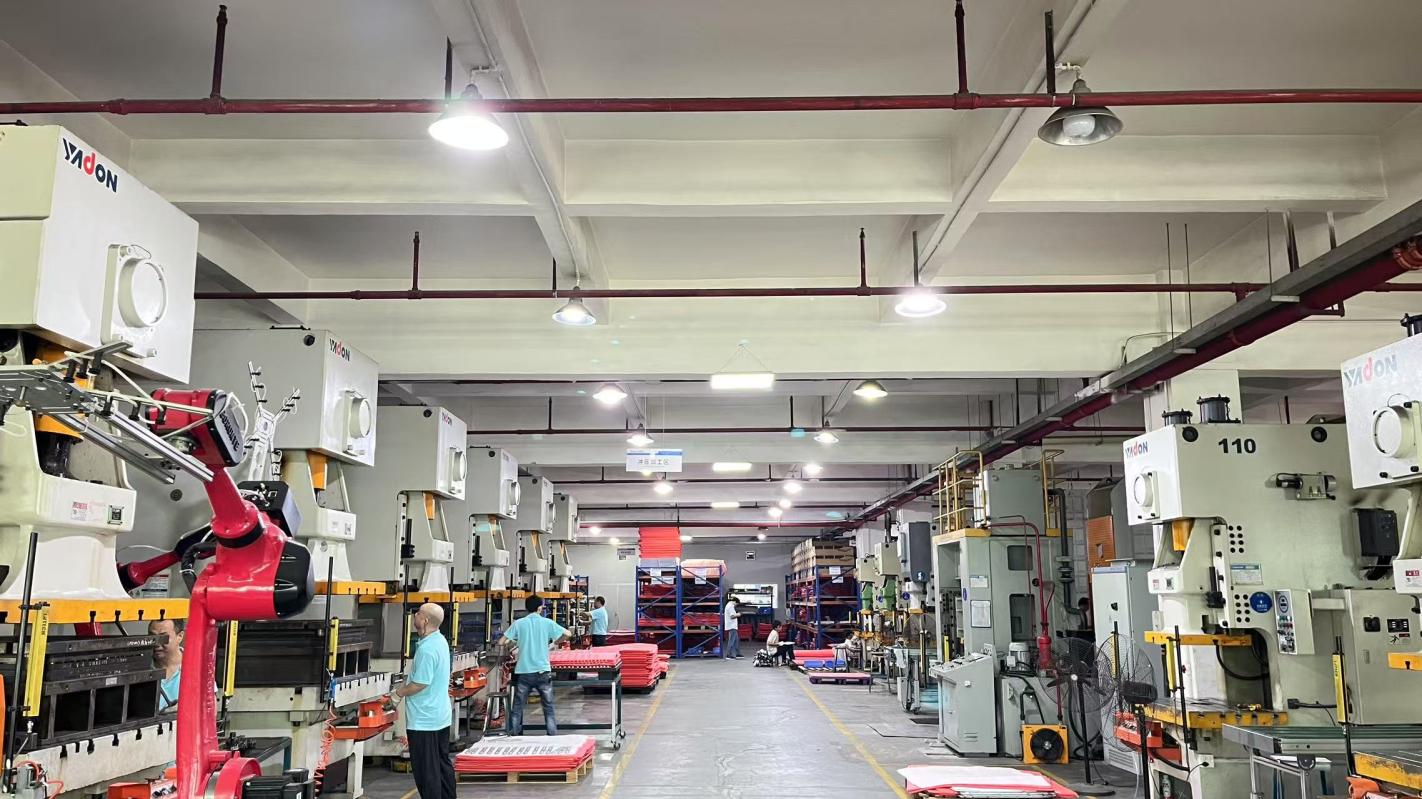
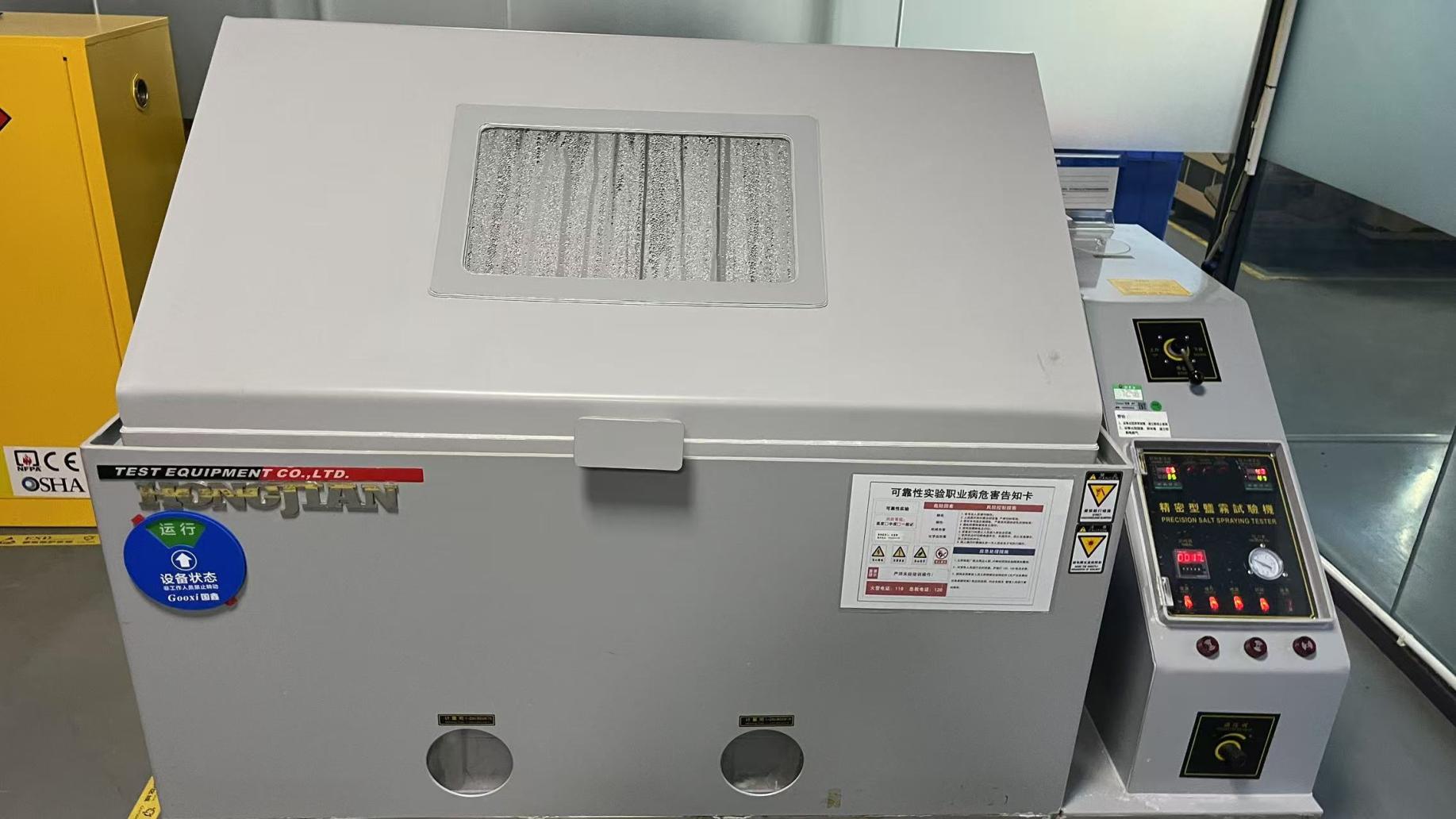
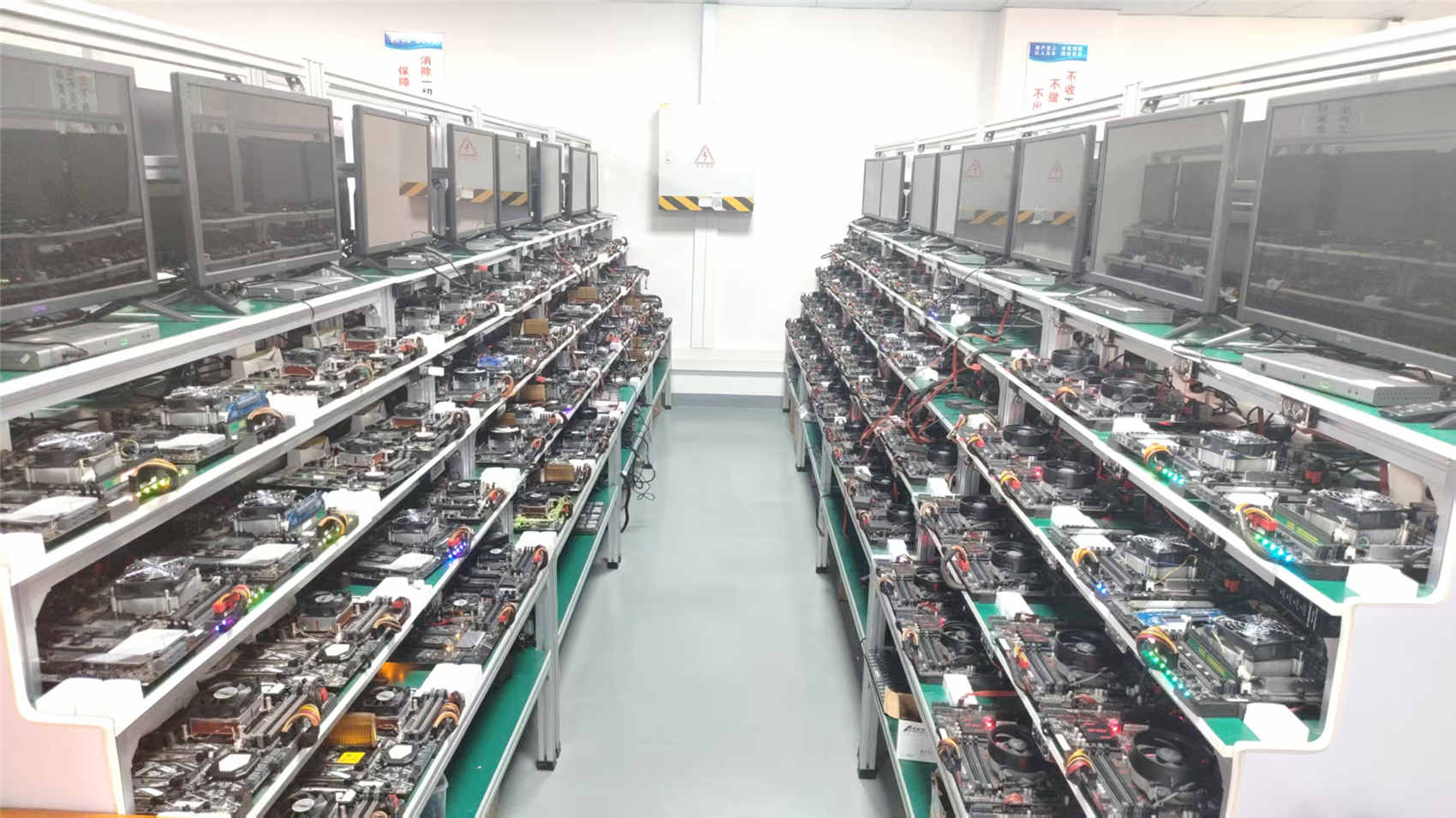
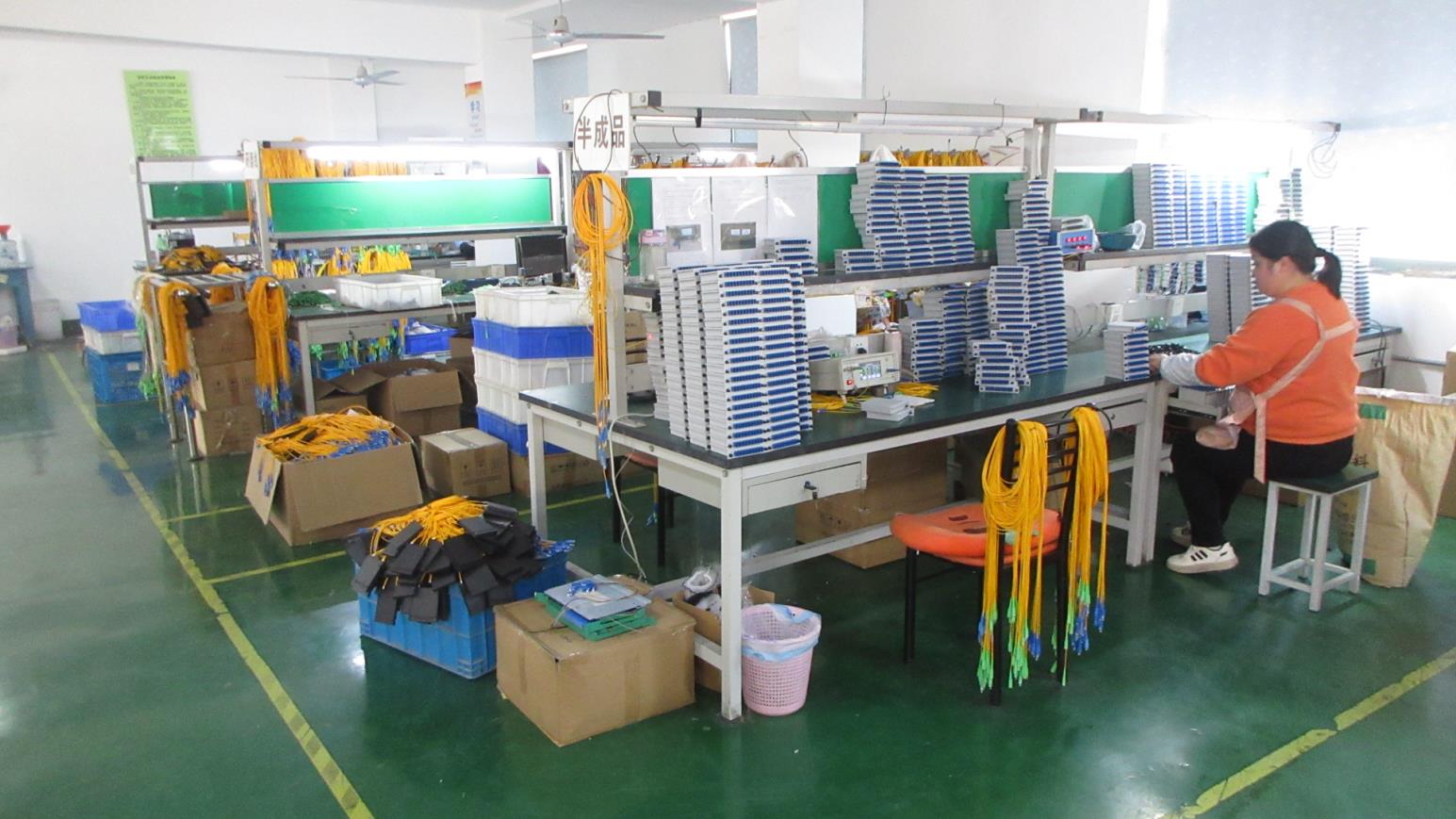
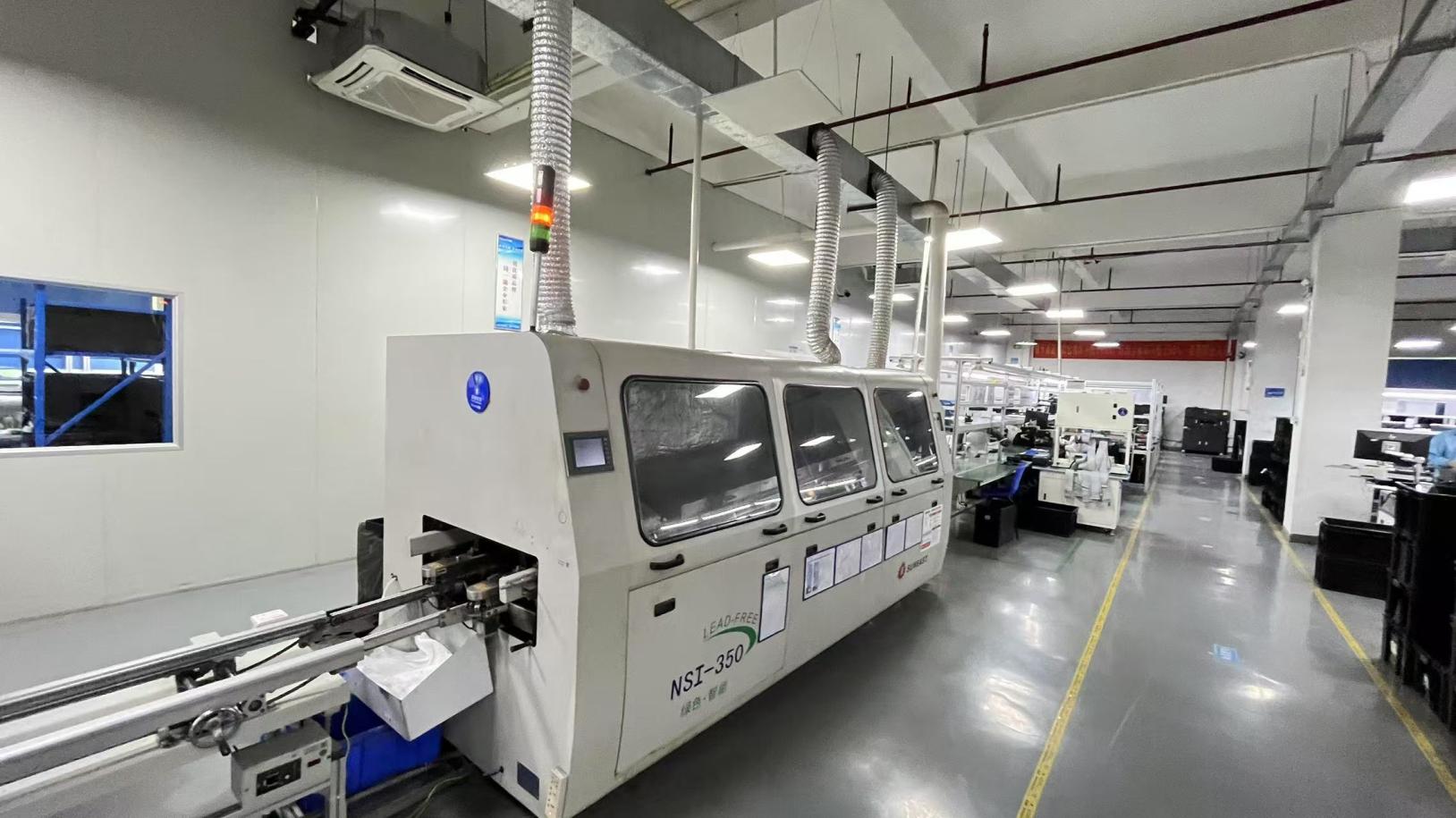
Our 12,600㎡ manufacturing hub guarantees standard-compliant, zero-defect optical transceivers.
To meet strict international standards and high-reliability specifications for the Morocco telecommunication and industrial markets, FiberQ Photonics operates with advanced structural infrastructure. Our factory integrates automated optical validation, high-temperature aging chambers, and manual inspection protocols overseen by 62 specialized quality inspectors.
With 240+ R&D engineers, we customize hardware and firmware to achieve multi-vendor compatibility. Whether your Moroccan field switches are manufactured by Hirschmann, Moxa, Cisco, Huawei, or Juniper, our SFP modules feature correctly programmed EEPROMs to prevent "unsupported transceiver" faults. Over the past year, we have introduced 180 new products, keeping pace with hardware revisions across global network vendors.
Our manufacturing processes leverage automated laser welding and precision coupling algorithms, keeping average fiber coupling insertion loss under 0.2dB. This engineering standard guarantees that our 155M and 622M transceivers maintain long operational lifetimes (MTBF > 100,000 hours), even under harsh physical and thermal conditions.
Bridging the gap between modern fiber transport networks and industrial field devices.
Our industrial-range 155M MM/SM SFPs interface directly with Hirschmann and Moxa switches deployed in high-voltage ONEE distribution centers. Robust EMI shielding prevents electrical interference from degrading the optical signal.
Phosphate transport corridors rely on long-haul optical trunks to link remote extraction points to central data hubs. Our 100BASE-ZX 80km SFP modules provide single-mode connectivity across vast distances without intermediate regenerators.
CCTV cameras and access control loops use 155M BiDi SFP transceivers to optimize fiber layouts. Deploying single-fiber bidirectional modules reduces the fiber cabling footprint by 50% across terminal networks.
Full range of standard duplex and simplex bidirectional (BiDi) transceivers with localized support for Casablanca, Rabat, Tangier, and Marrakech projects.
Navigating import processes through ANRT, Customs clearance at Tangier Med, and compliance standards.
Deploying telecommunication hardware in Morocco requires strict adherence to national import regulations and engineering guidelines. The Agence Nationale de Réglementation des Télécommunications (ANRT) regulates all terminal equipment entering the country. FiberQ Photonics provides comprehensive technical datasheets, CE declarations, RoHS certifications, and test reports to support the import process.
Our logistics support ensures correct HS Code classification (typically 8517.70.90 for optical modules) and detailed origin documentation. This reduces import processing delays at Morocco's major industrial ports of entry.
We supply complete technical parameters, transmitter power limits, and center wavelengths to help system integrators secure ANRT import authorizations for telecom and government network contracts.
We accommodate custom labeling, specific compatibility configurations, and serialized firmware programming, allowing regional distributors and system integrators to configure hardware for specific municipal and industrial environments.
To ensure supply chain reliability, FiberQ collaborates with over 1,450 upstream component partners, maintaining consistent production schedules and protecting customer orders from global semiconductor and laser diode supply fluctuations.
Expert technical advice for engineers and purchasing managers in the Moroccan telecom sector.
Connect with our engineering support team to discuss compatibility requirements, request customized wavelengths, or secure high-volume factory pricing.
Send Inquiry Now