FiberQ
FiberQ
FiberQ
Empowering Turkish regional data centers and telecom backbones with optimized 100G configurations. High-efficiency physical layers engineered for reliable multi-vendor integration.
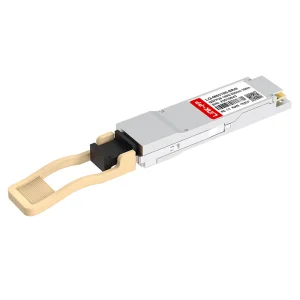
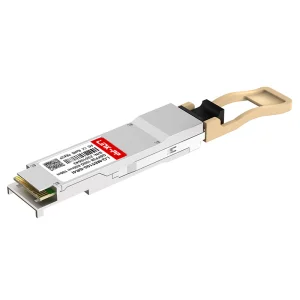
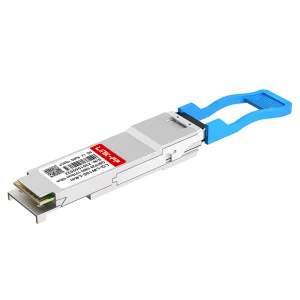
Strategically situated at the intersection of Europe, Western Asia, and the Middle East, Turkey has evolved into one of the fastest-growing regional hubs for optical networking. The rapid expansion of carrier networks such as Türk Telekom, Turkcell, and Vodafone Turkey, coupled with the establishment of large-scale greenfield data centers in the Marmara and Aegean regions, has sparked an exponential surge in demand for ultra-high-speed transceivers.
As the country accelerates its 5G network rollouts and upgrades local cloud architectures to support regional data sovereignty laws, legacy 10G/40G backbones are rapidly transitioning to 100G, 200G, and 400G physical layers. The deployment of QSFP28, QSFP56, and QSFP-DD form factors has become critical for local internet service providers (ISPs), metropolitan area networks (MANs), and enterprise WANs designed to mitigate latency across the Bosphorus.

Hardware engineering is reaching the thermodynamic limits of silicon. Optical transceiver architectures are rapidly shifting toward PAM4 modulation and Co-Packaged Optics to maintain efficiency.
Cloud service providers require aggressive reductions in power-per-gigabit metrics. The migration from NRZ (Non-Return-to-Zero) to PAM4 (Pulse Amplitude Modulation 4-level) allows twice the transmission capacity over equivalent optical lanes, reducing operating expenses at scale.
Modern data centers run hot. Incorporating Digital Diagnostic Monitoring (DDM/DOM) allows network administrators to monitor real-time laser bias, internal temperature, voltage, and receiver optical power, preventing network outages due to thermal runaways.
Proprietary locks are fading. MSA (Multi-Source Agreement) compliant modules enable Turkish systems integrators to plug FiberQ transceivers directly into switches from Cisco, Juniper, Arista, and Huawei, ensuring open ecosystem compatibility.
Since 2015, FiberQ has engineered advanced photonic communication solutions for telecom operators, cloud providers, and enterprise system integrators globally.
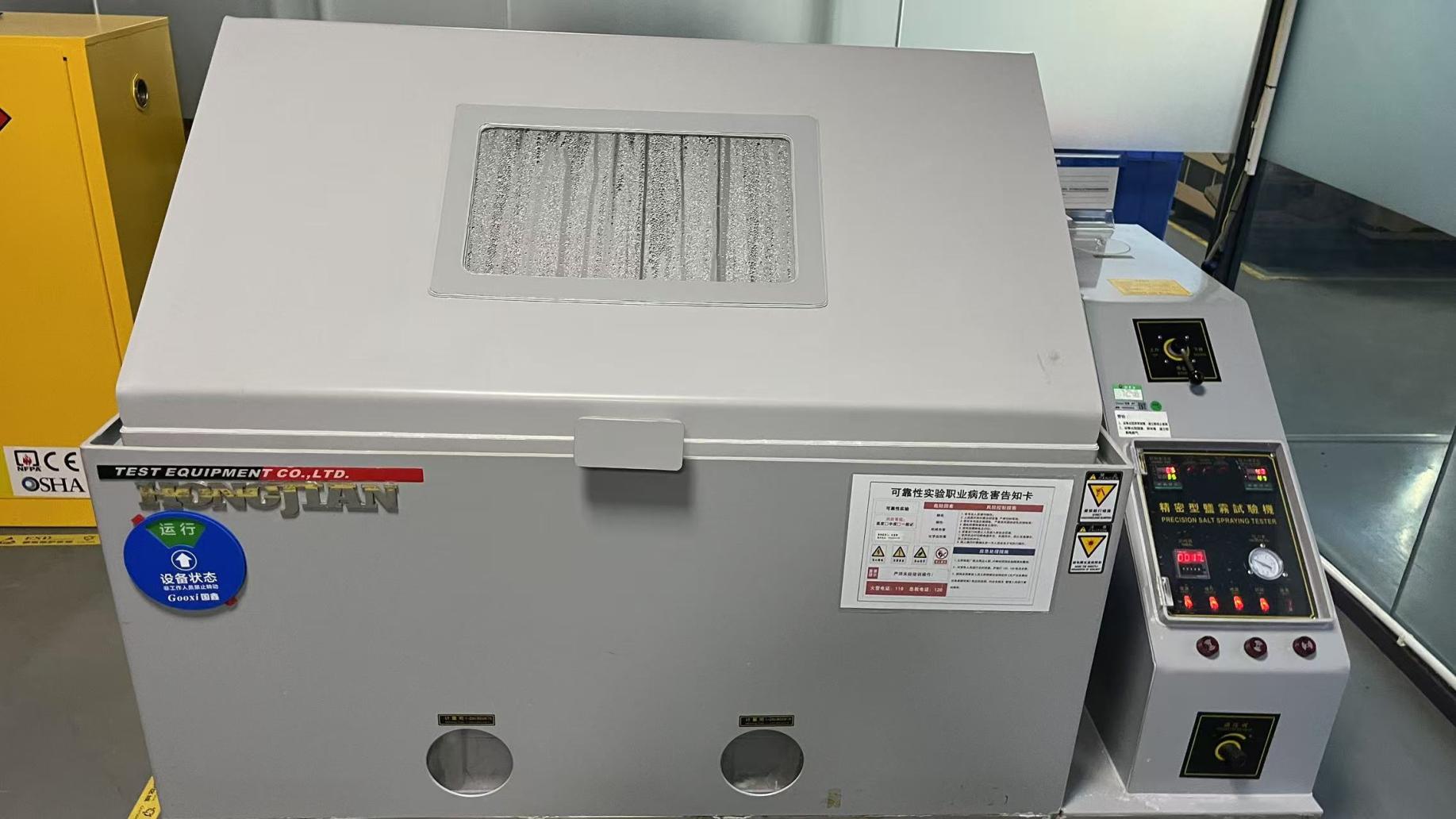
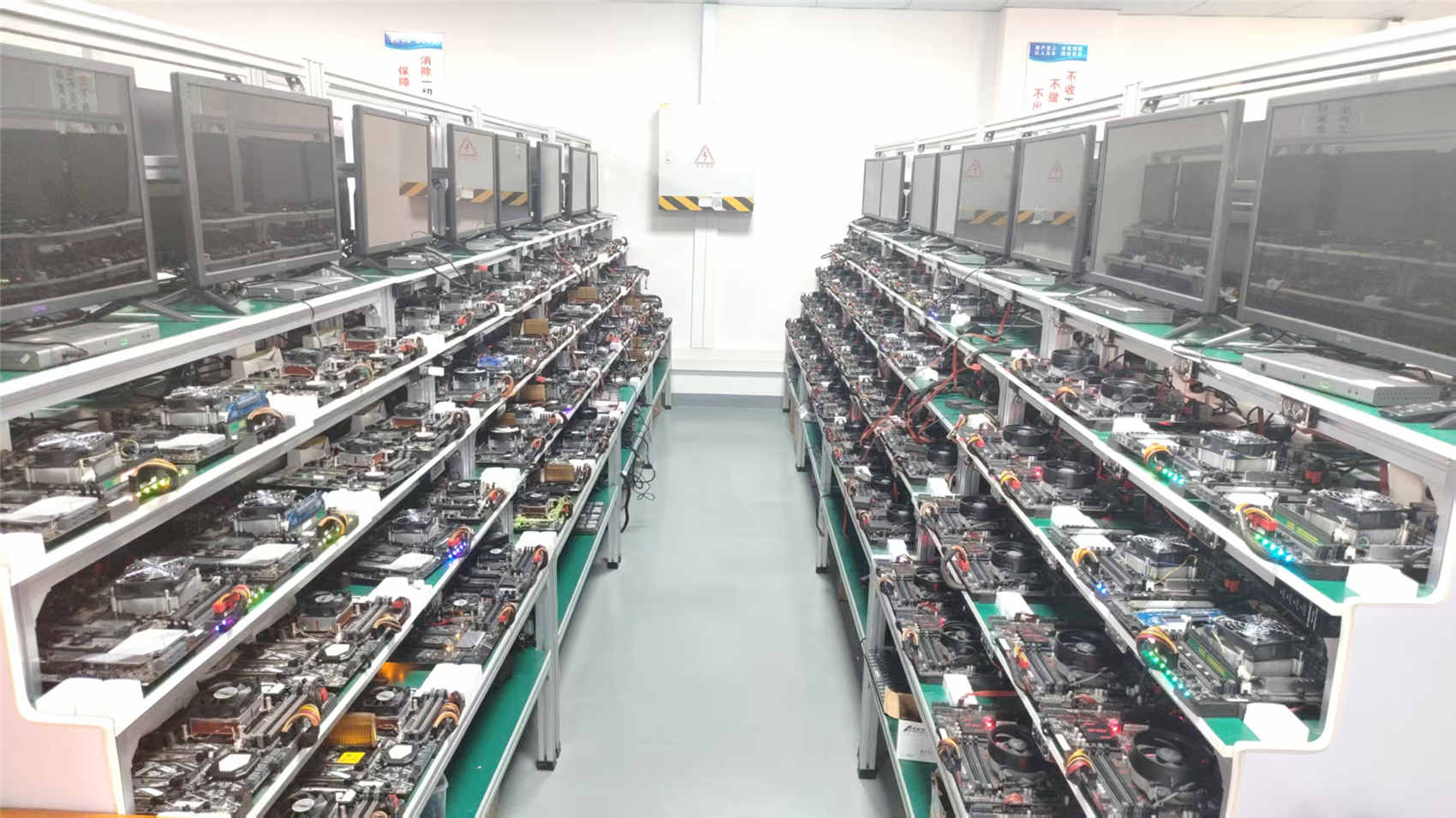
At FiberQ, quality is a non-negotiable metric. Every transceiver module undergoes a strict automated test sequence designed to verify optical performance, physical layer integrity, and environmental resilience.
Our quality assurance workflow incorporates automated optical performance testing, high-resolution interferometric inspection for fiber end-faces, extended high-temperature aging chambers to simulate real-world data center stress, and manual quality checks. Our QC department consists of 62 experienced inspectors dedicated to ensuring full compliance with international standards.
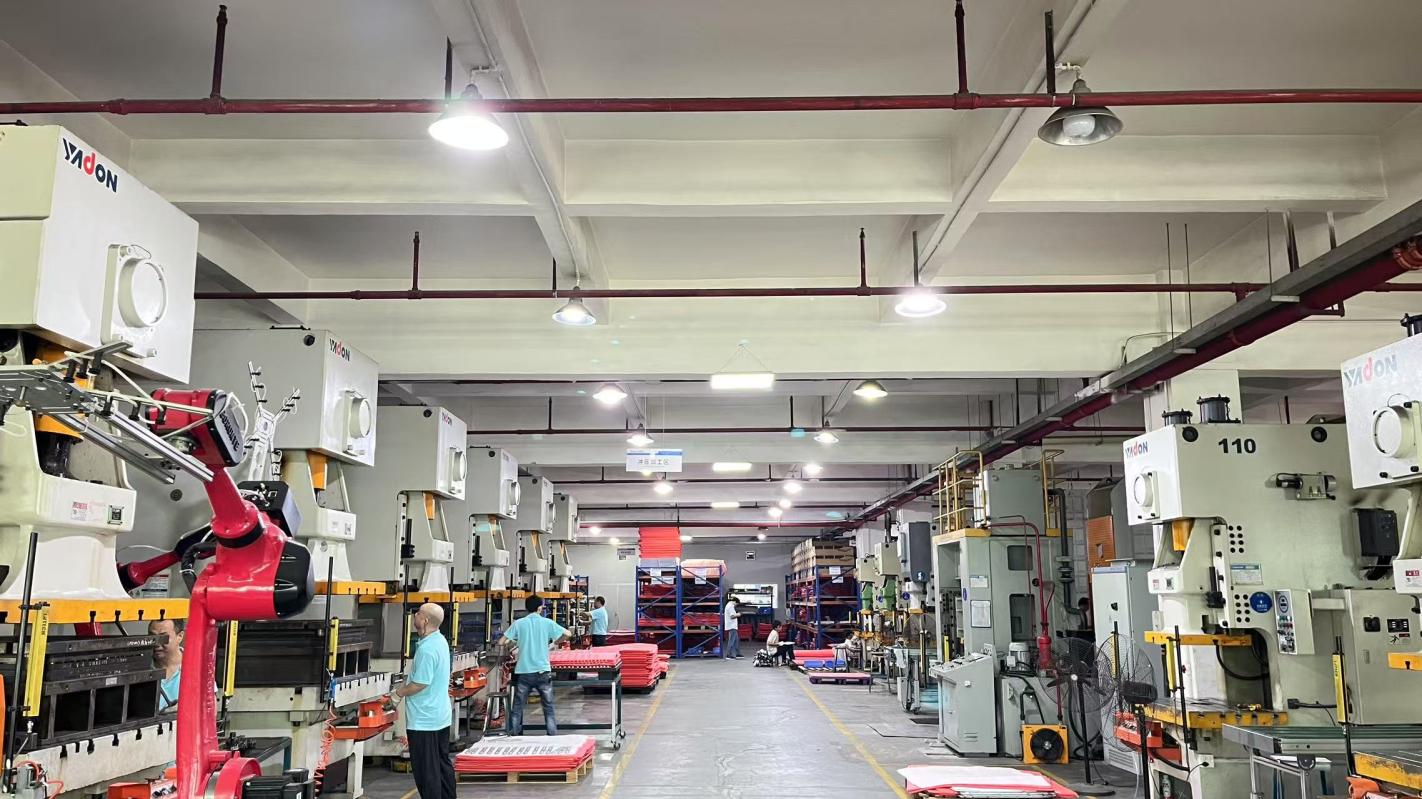
The global optical component market is prone to bottlenecks in semiconductor fabrication and optical sub-assembly (OSA) packaging. FiberQ addresses this vulnerability by deploying a fully automated "Factory 4.0" manufacturing architecture in our Chinese headquarters.
By leveraging deep vertical integration and holding strategic alliances with approximately 1,450 trusted component suppliers, we secure a consistent, high-yield supply of laser diodes (DFB, EML, VCSEL), photodetectors (PIN, APD), and DSP microchips. This level of supply chain robustness guarantees stable delivery timeframes, even during periods of global microchip shortages, giving Turkish network engineers peace of mind.
Optical networks are not one-size-fits-all. Different industries require distinct physical characteristics, ranges, and protocol capabilities to achieve optimal cost-performance ratios.
Low-latency, ultra-dense trading systems rely on short-reach multi-mode configurations (SR4, SR8) to minimize signal travel time within collocated financial data facilities, supporting microsecond trading speeds.
Connecting production facilities in Bursa, Kocaeli, and Ankara demands high-sensitivity long-reach single-mode solutions (ER4, ZR4, ER8) capable of crossing up to 40km or 80km without intermediate optical amplifiers.
Deploying 400G DR4 and FR4 modules within large-scale hyperscale facilities allows efficient leaf-spine scaling, ensuring high-speed data access for emerging local cloud availability zones.
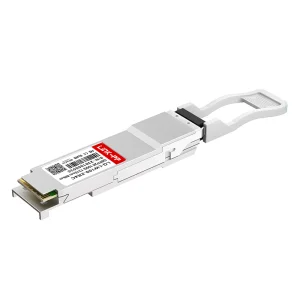
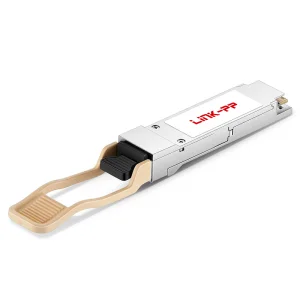
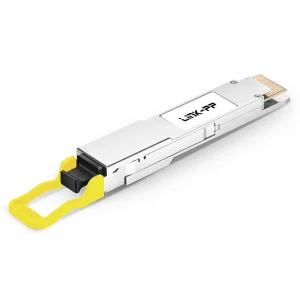
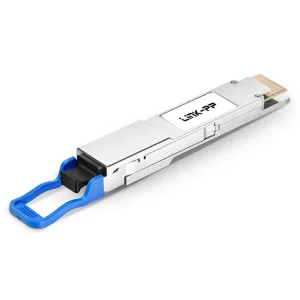
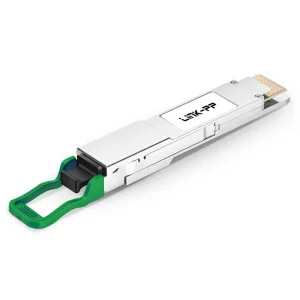
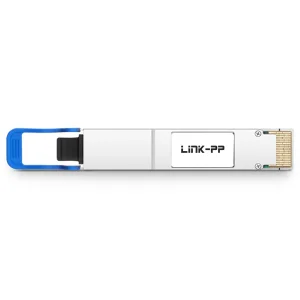
Browse our complete selection of MSA-compliant, high-performance optical transceiver modules. Designed for high reliability, low power consumption, and seamless multi-vendor integration.
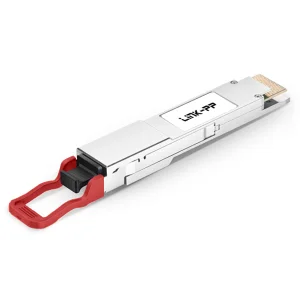
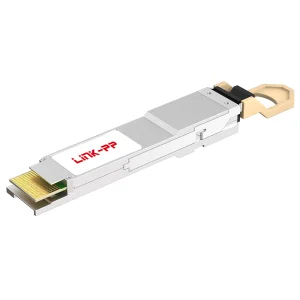
Maintaining signal integrity over high-frequency channels requires rigorous hardware design and adherence to global standards.
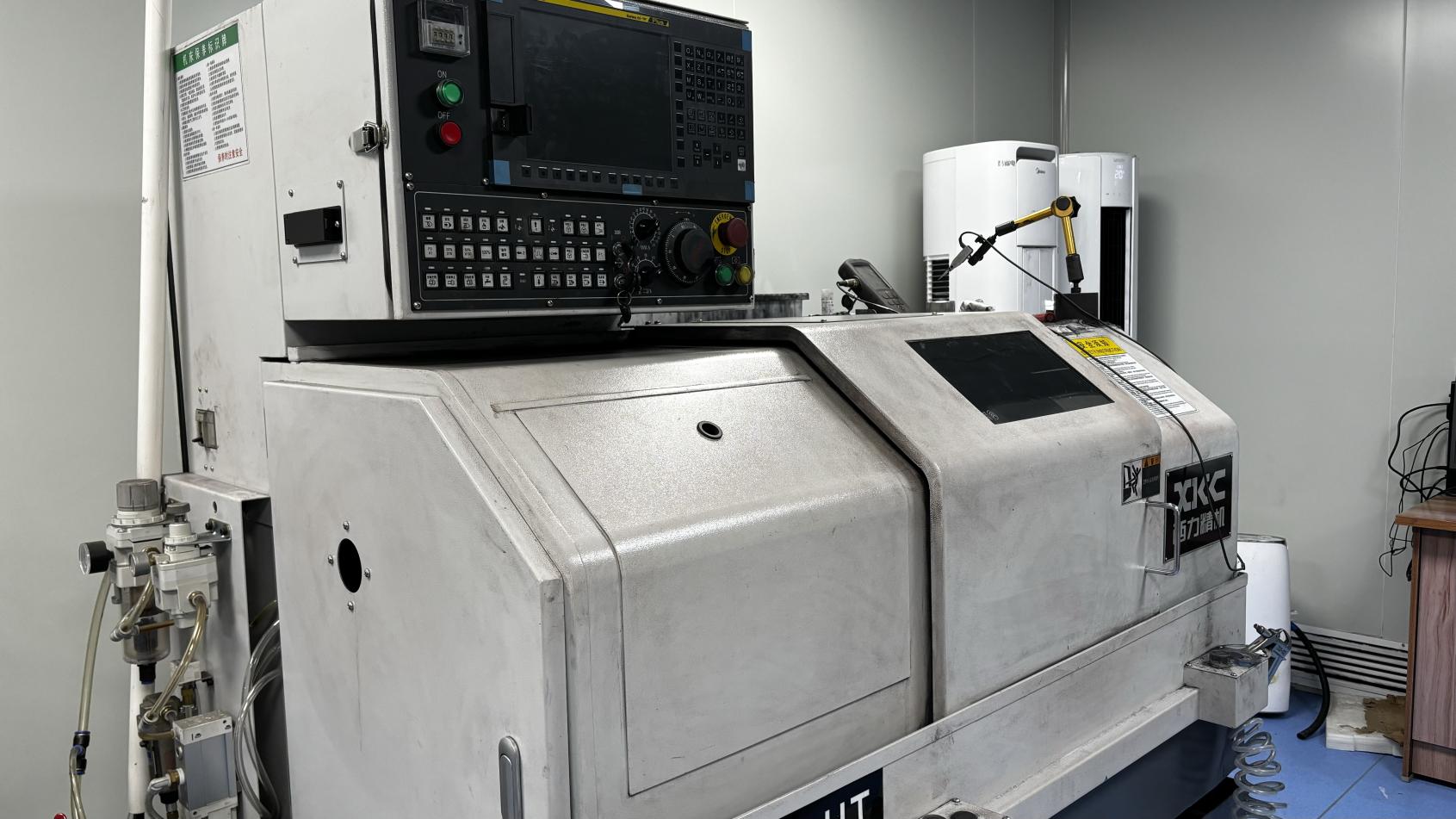
Even tiny dust particles on a sub-micron scale can block optical channels, causing high insertion loss and signal degradation. At FiberQ, we verify the mechanical specifications of every single patch cord receptacle and transceiver optical sub-assembly using 3D non-contact fiber end-face interferometers.
We test parameters such as fiber height, radius of curvature, and apex offset against stringent IEC requirements. This level of quality control ensures clean, reliable connections and minimal signal reflections, which is crucial for high-speed coherent networks operating at 400G and beyond.
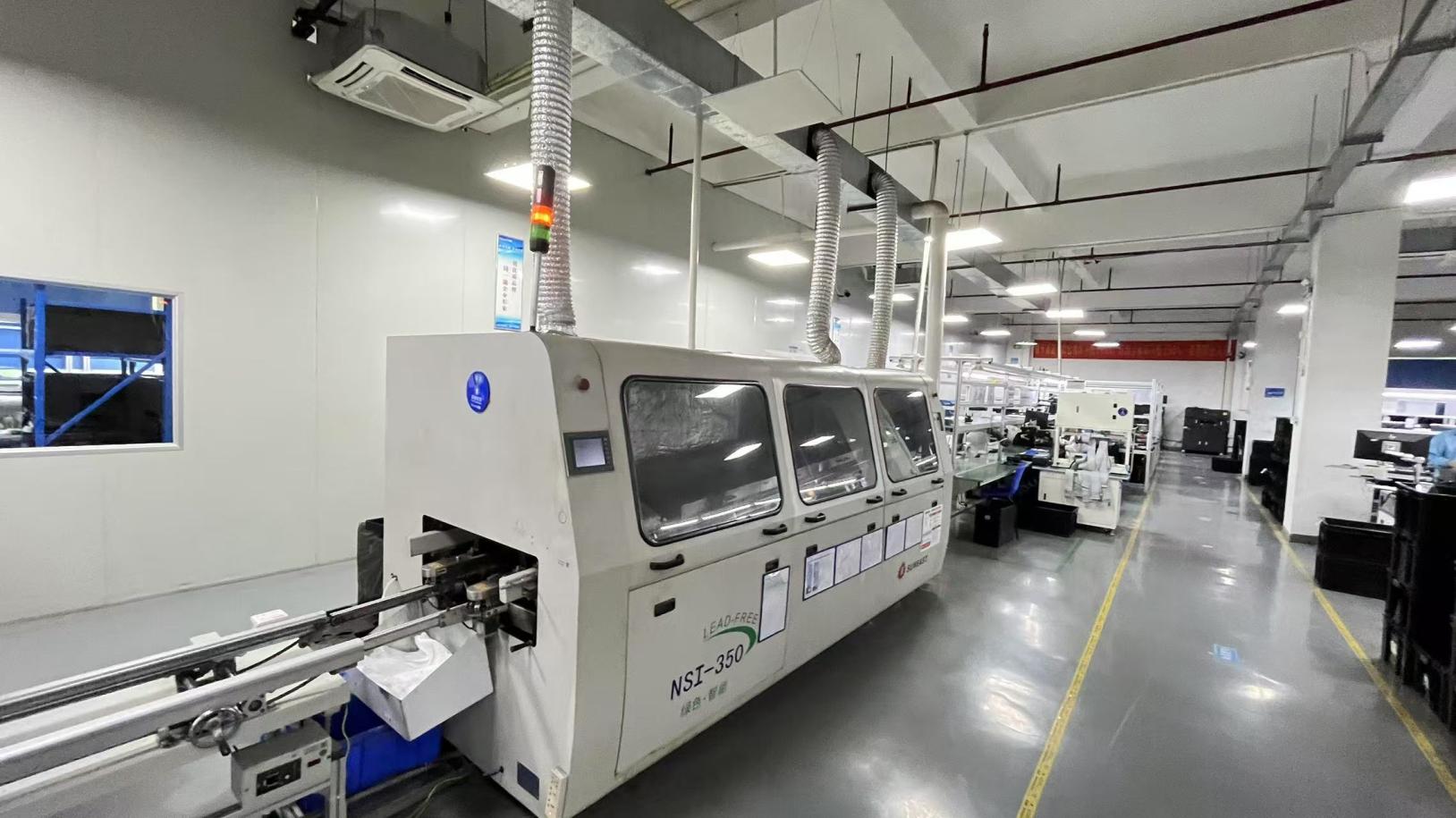
Explore our advanced manufacturing center. Modern cleanroom environments, automated testing arrays, and extensive reliability testing stations are the foundation of our production floor.

Addressing key technical, compliance, and logistics questions commonly asked by optical network engineers and purchasing managers in Turkey.
Partner with FiberQ to access carrier-grade optical modules designed for long-term reliability. Request technical documentation, evaluation samples, or a custom price quote tailored to your project.