FiberQ
FiberQ
FiberQ
As one of the core members of Europe's premier FLAP market (Frankfurt, London, Amsterdam, Paris), the Netherlands serves as the physical backbone for Western European internet traffic. The Amsterdam metropolitan area, including hubs like Science Park, Eemshaven, and the Haarlemmermeer, houses hundreds of hyperscale, colocation, and enterprise datacenters. However, strict environmental regulations and regional power grid limitations require network operators to prioritize optical modules that offer the lowest power consumption per gigabit (W/Gbps).
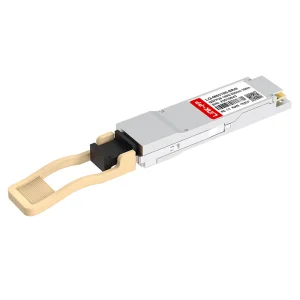
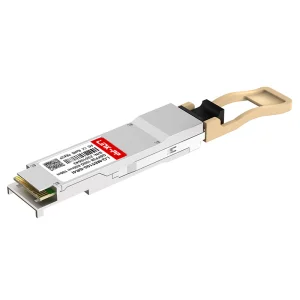
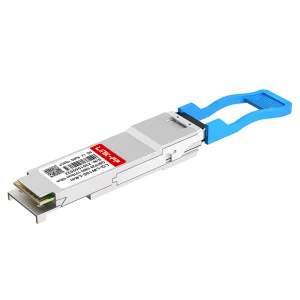
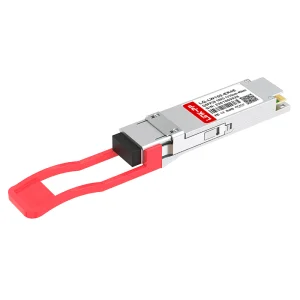
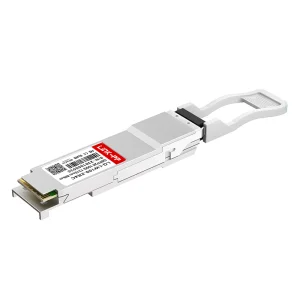
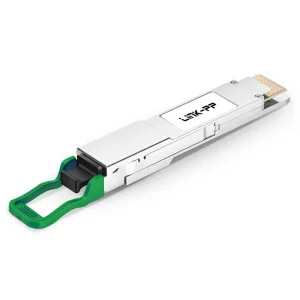
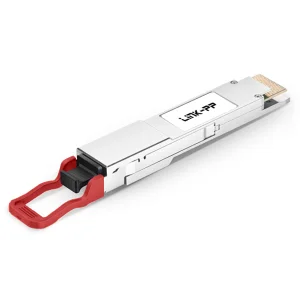
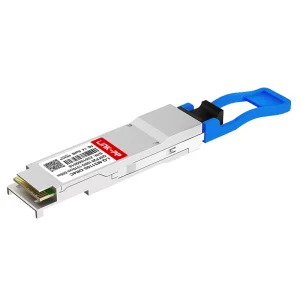
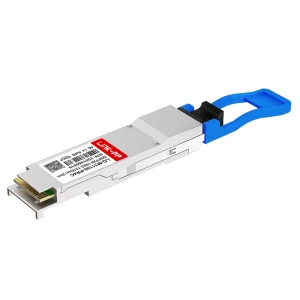
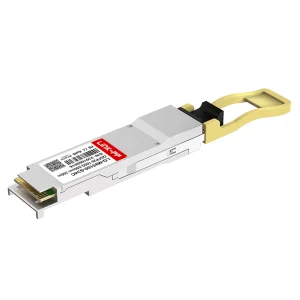
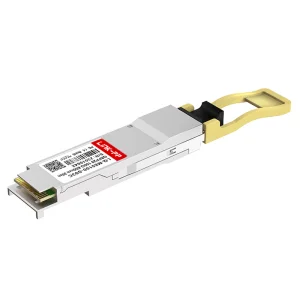
FiberQ Photonics designs 100G, 200G, and 400G transceivers using advanced Silicon Photonics (SiPh) technology and low-power digital signal processors (DSPs), ensuring optimal operation inside high-density switches without exceeding the thermal limits of modern containment systems.
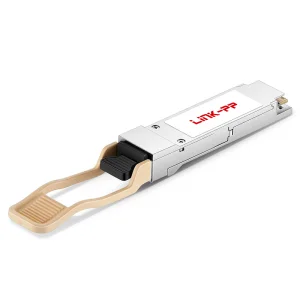
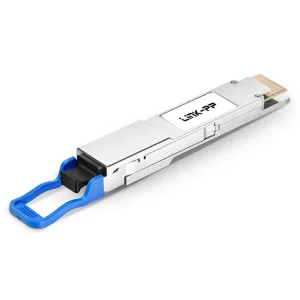
The Amsterdam Internet Exchange (AMS-IX) is globally renowned for handling massive traffic peaks, often exceeding 11 Terabits per second. To keep packet loss near zero and minimize latency, ISP networks, CDN providers, and telcos are rapidly migrating their interconnect architectures from legacy 10G and 40G ports to 100G QSFP28, 200G QSFP56, and 400G QSFP-DD channels.
Our transceivers undergo rigorous compliance testing for multi-source agreements (MSAs) and are encoded to be seamlessly compatible with enterprise routing platforms deployed across the Netherlands. This ensures quick provisioning, minimal downtime, and reliable long-term performance during peak traffic surges.
For standard metro connections and legacy leaf-spine deployments, the 100G QSFP28 utilizing 4x25G Non-Return-to-Zero (NRZ) modulation remains a highly cost-effective and low-latency solution. It provides a simple, mature architecture ideal for enterprise Dutch corporations aiming to upgrade local private clouds without costly replacements of existing single-mode or multi-mode fiber runs.
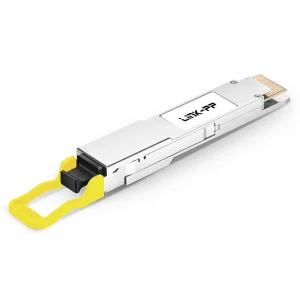
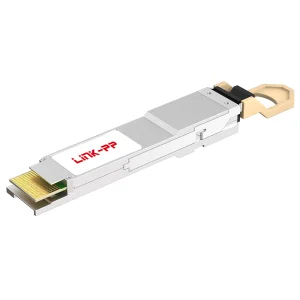
Transitioning to 200G and 400G requires 4-Level Pulse Amplitude Modulation (PAM4). By encoding two bits per baud, PAM4 doubles the transmission capacity compared to NRZ without doubling the baud rate. This makes the QSFP-DD (Double Density) form factor the optimal choice for high-throughput modern switches, providing 8 lanes of 50G PAM4 interfaces to support dense AI and ML model workloads.
To reduce power dissipation and costs, the optical communication industry is shifting from traditional discrete laser packages to integrated Silicon Photonics. By placing laser diodes, modulators, and photodetectors onto a single silicon chip, we achieve smaller form factors, lower power profiles, and much higher yields, enabling sustainable growth for European datacenters.
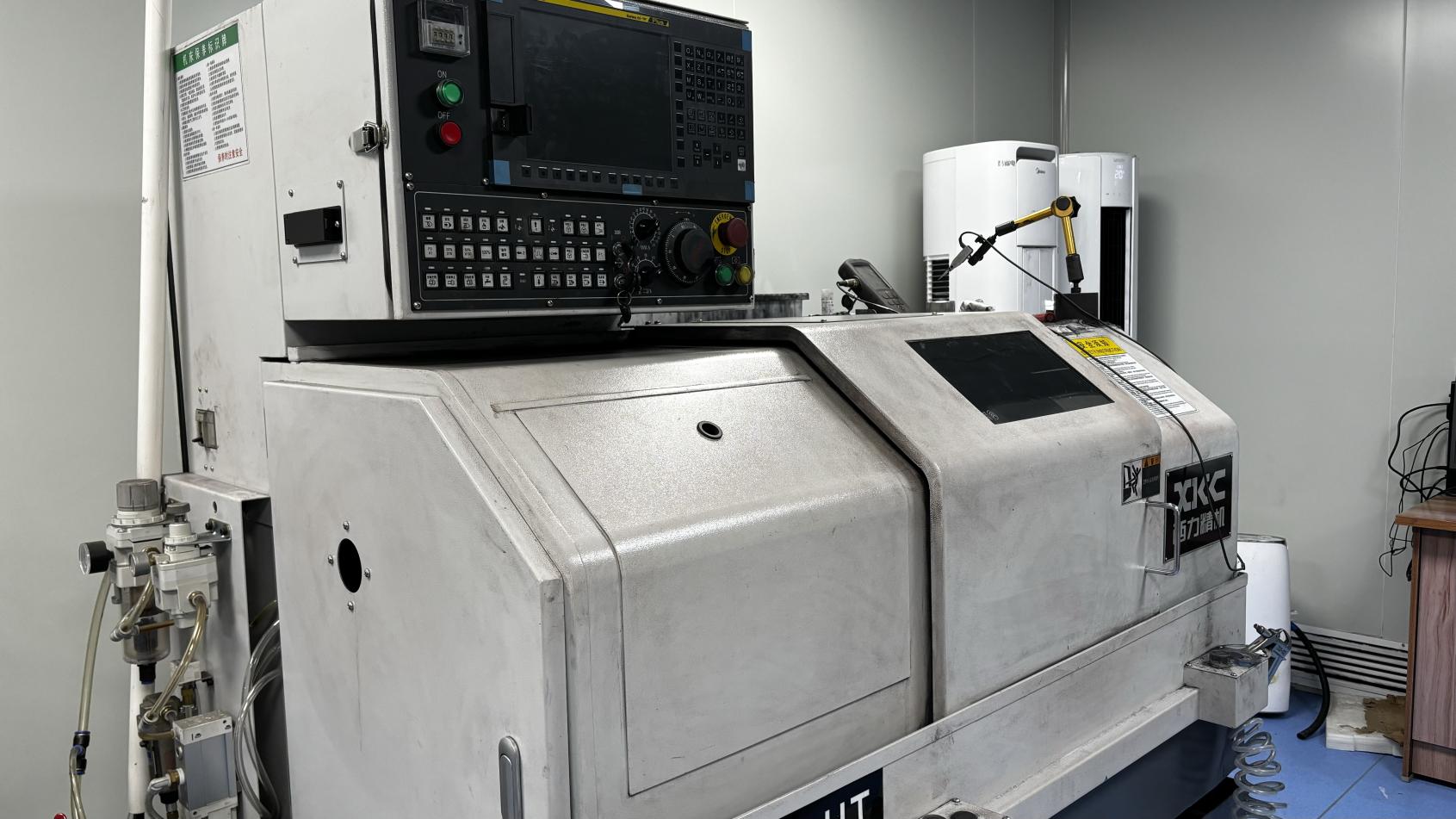
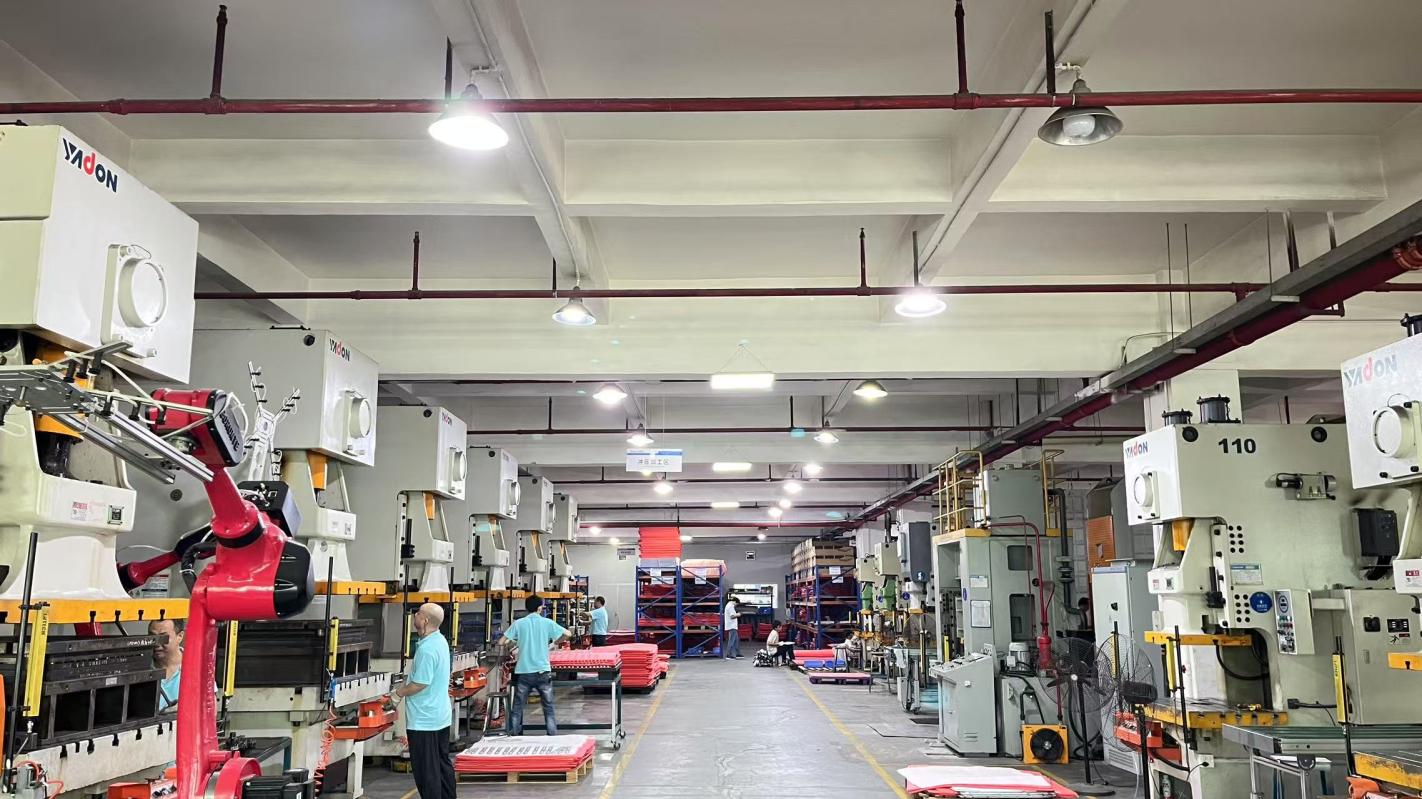
Founded in 2015, FiberQ Photonics Technology Co., Ltd. has established itself as an authoritative manufacturer and global supplier of high-performance fiber optic transceivers. Operating a state-of-the-art facility spanning 12,600 square meters, we run highly automated production lines capable of supporting the global demand for optical network solutions.
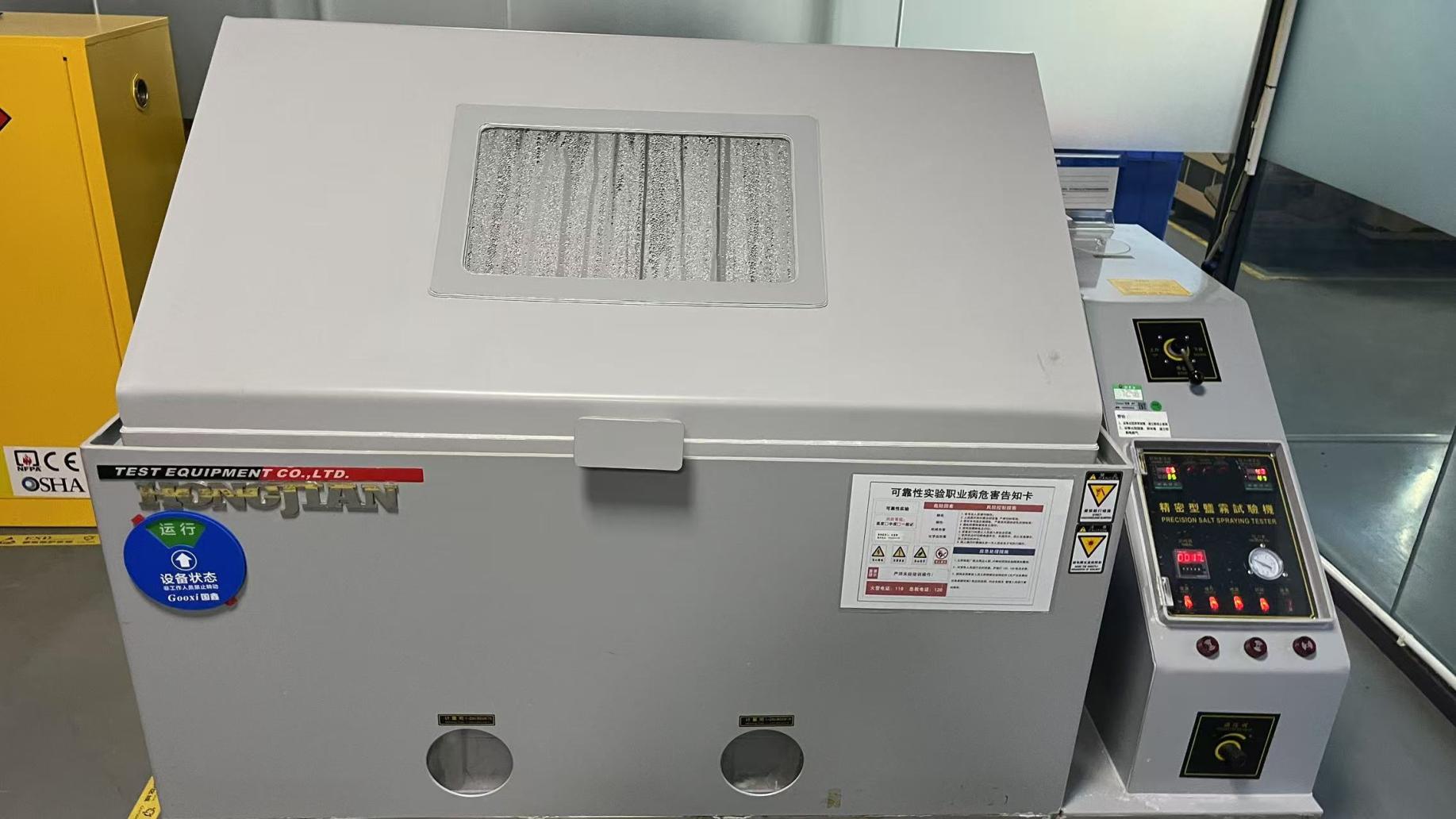
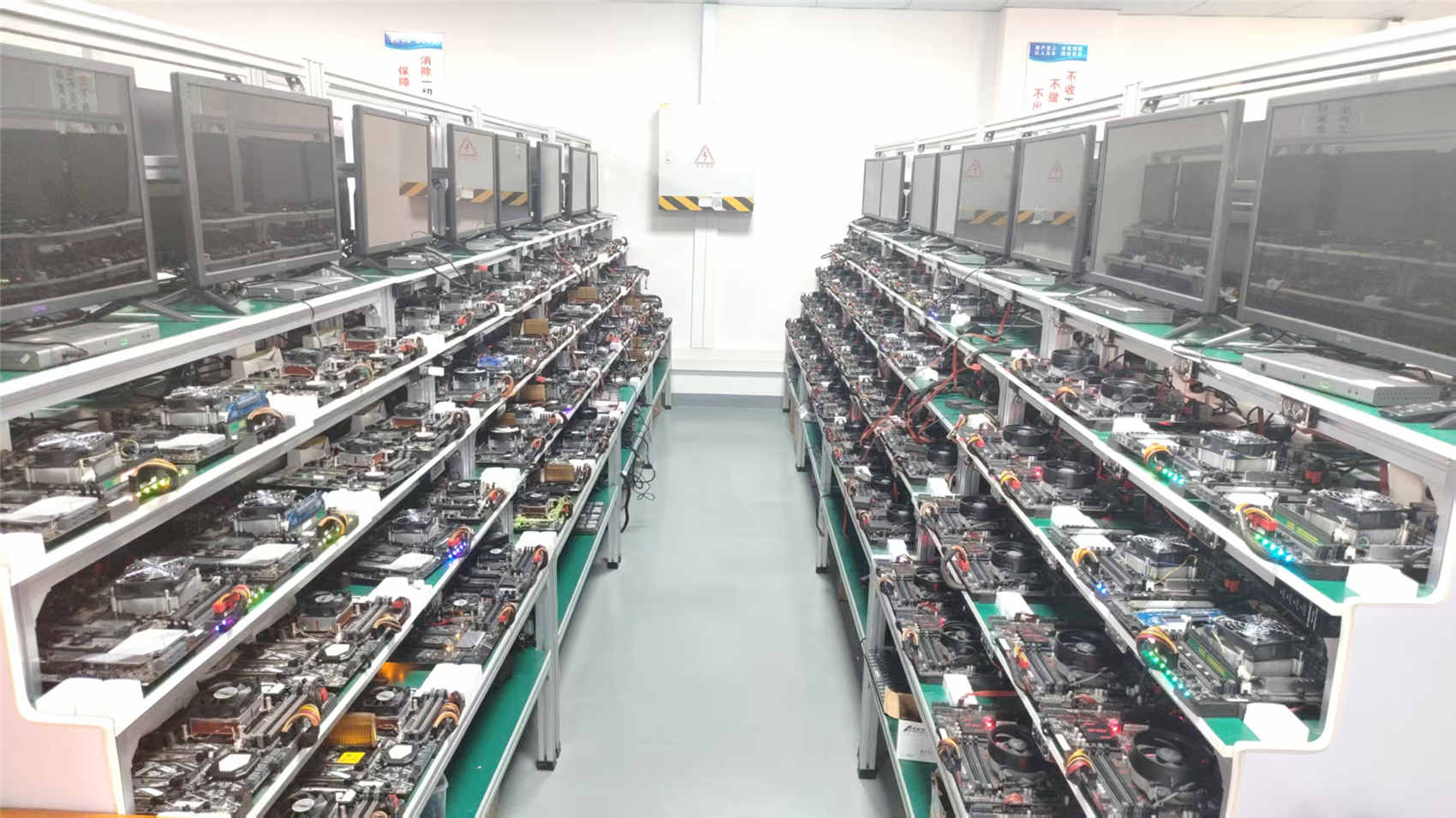
Our quality control infrastructure is comprised of 62 professional inspectors and engineers who run extensive evaluations, including automated optical performance testing, high-temperature aging chambers, and interferometric inspections. Every single transceiver is tested inside multi-brand switch chassis environments to verify code validation and signal integrity before shipping.
To sustain technical innovation, FiberQ maintains a dedicated department of 240 R&D engineers focused on optimizing signal-to-noise ratios, thermal dissipation interfaces, and firmware programming. In the past year alone, our teams have brought 180 new products to market, covering specialized wavelengths and customized EEPROM structures.
We work closely with 1,450 supply chain partners globally to guarantee component availability, mitigating risk and ensuring stable pricing for long-term contract procurement.


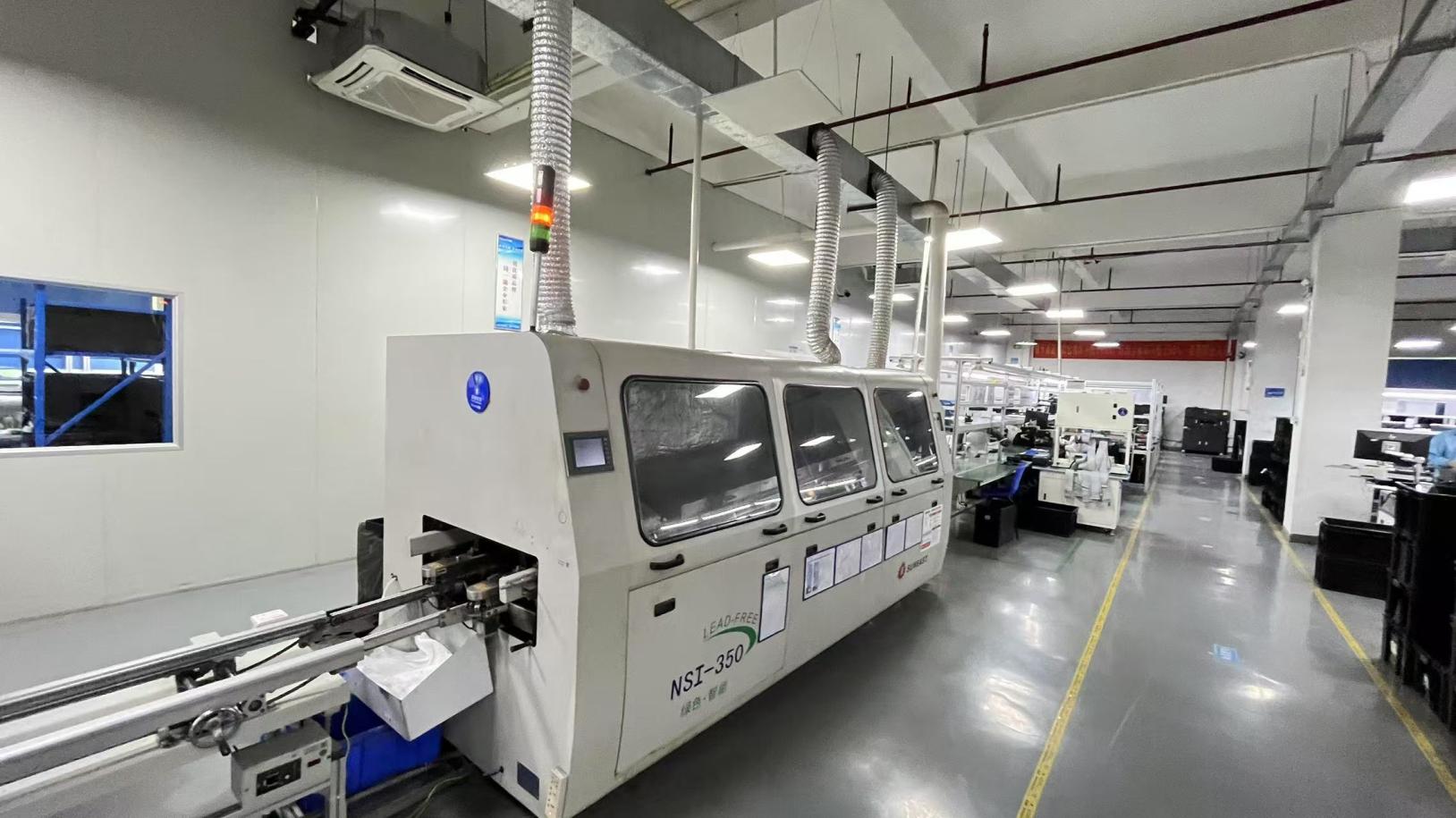
For deployment in the Netherlands and the broader European Union, compliance with environmental and physical safety directives is mandatory. FiberQ Photonics transceivers conform to the latest CE markings, RoHS (Restriction of Hazardous Substances), and WEEE (Waste Electrical and Electronic Equipment) directives. Our manufacturing process ensures that hazardous materials are omitted, facilitating smooth customs clearance and compliance audits for Dutch operators.
We provide localized import support for major technology parks in Amsterdam, Rotterdam, Utrecht, and Eindhoven. Working with top-tier international couriers and freight forwarders, we offer DDP (Delivered Duty Paid) shipping to minimize administration. Every shipment is accompanied by detailed testing reports, spectral graphs, and compatibility certifications.
Seeking custom optical configurations, bulk enterprise pricing, or compatibility testing reports? Get in touch with FiberQ's technical support team today.
Send Inquiry Now