FiberQ
FiberQ
FiberQ
Optimized for high-density switches in Riyadh core networks, our top-tier transceiver line matches industrial-grade criteria with SASO compliance.
Under the ambitious Saudi Vision 2030 program led by the Ministry of Communications and Information Technology (MCIT), Riyadh is quickly becoming the digital core of the Middle East. Tech giants like Google Cloud, Microsoft Azure, and Oracle are launching local cloud regions here. Combined with huge smart city initiatives like NEOM, the Red Sea Project, and the expansion of the King Abdullah Financial District (KAFD), there is an unprecedented demand for reliable network bandwidth.
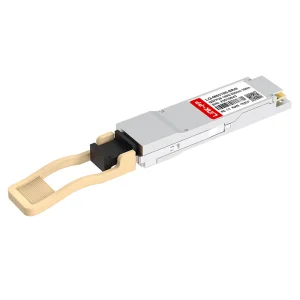
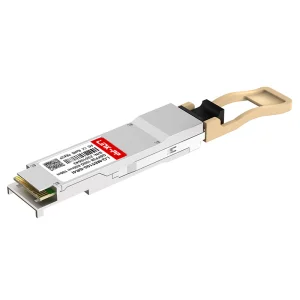
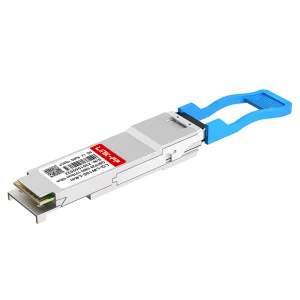
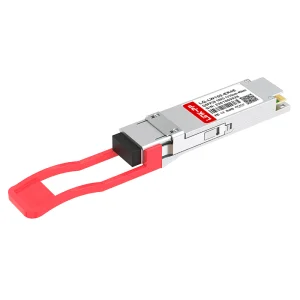
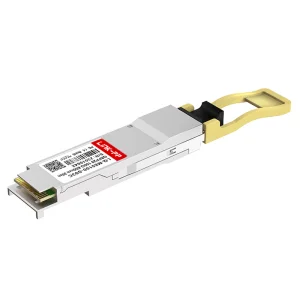
Within this expanding network, 100G, 200G, and 400G optical transceiver modules act as the essential bridge for high-speed data. They connect high-performance computing clusters and edge data centers across the Kingdom. However, Riyadh's unique environment presents serious challenges: extreme summer temperatures reaching 50°C put intense pressure on active cooling systems in data centers. Procurement officers must look beyond simple cost-per-port metrics and select optical solutions engineered for thermal resilience, low power consumption, and long-term reliability.
Datacenter optics deployed in Saudi Arabia must operate within strict thermal budgets. Industrial-grade temperature ranges (from -40°C to +85°C) and advanced heat-sink designs are vital to prevent thermal runaway in high-density computing chassis.
Unscheduled network downtime in major financial centers like KAFD can cost millions of Riyals per minute. This highlights the need for reliable local supply chains and strict manufacturing standards. Relying on untested, cheap transceivers increases optical dispersion and failure rates under heavy use.
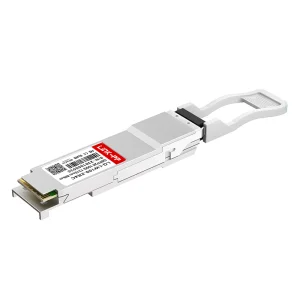
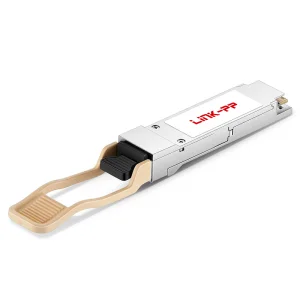
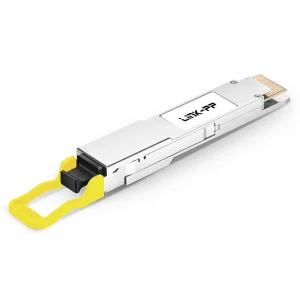
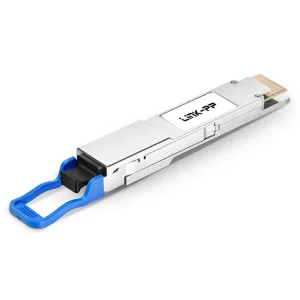
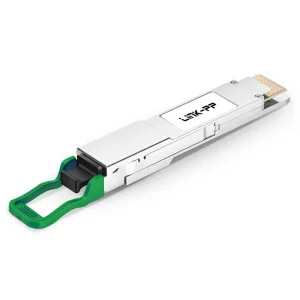
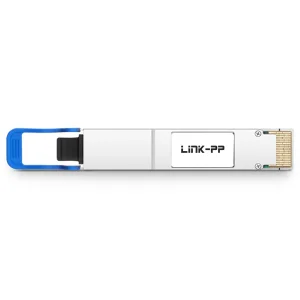
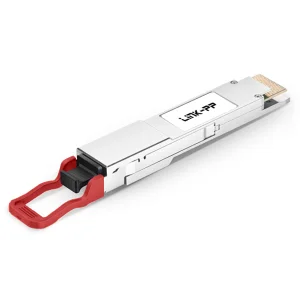
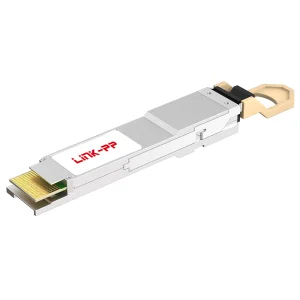
Engineered for next-generation leaf-spine switch architectures, these modules support high-speed interconnects across AI and cloud data centers in Saudi Arabia.
An analysis of PAM4 signal modulation, silicon photonics integration, and high-temperature optical path stability.
As traffic demands scale, networks are moving from traditional NRZ (Non-Return-to-Zero) signals to PAM4 (Pulse Amplitude Modulation 4-Level) and coherent transmission technology. This change is crucial for 400G and 800G links. However, PAM4 reduces the signal-to-noise ratio, making system margin and Forward Error Correction (FEC) critical elements in the network design.
Additionally, silicon photonics is changing how optical engines are designed. By integrating optical modulators and detectors directly onto silicon substrates, these chips run cooler, consume less power, and deliver higher reliability than traditional discrete components. For data centers in Riyadh, using transceivers with silicon photonics technology helps lower power bills and simplifies thermal management.
| Parameter | 100G QSFP28 (LR4) | 400G QSFP-DD (FR4) | 800G OSFP/QSFP-DD |
|---|---|---|---|
| Modulation | NRZ (4x25G) | PAM4 (4x100G) | PAM4 (8x100G) |
| Connector Type | Duplex LC | Duplex LC | MPO-16 / Dual LC |
| Max Power Consumption | < 3.5W | < 10W | < 16W |
| Riyadh Ambient Tol. | 0-70°C (Standard) | Enhanced Heat Sink | Liquid Cooling Ready |
1. Strict Compliance with SABER & SASO: Every batch of imported transceivers must have a valid SABER Certificate of Conformity to pass through customs without delay.
2. OEM/ODM EEPROM Coding: Compatibility is essential. FiberQ's coding center tests and configures transceivers on over 50 different switch vendor platforms to prevent port lockout issues in the field.
3. Advanced Thermal Design: Heat sinks must be customized based on your network equipment's airflow path (front-to-back or back-to-front).
By partnering with a manufacturer that has vertically integrated R&D and supply chain resources, operators in the Riyadh market can secure custom optical solutions with short lead times, stable pricing, and reliable quality.
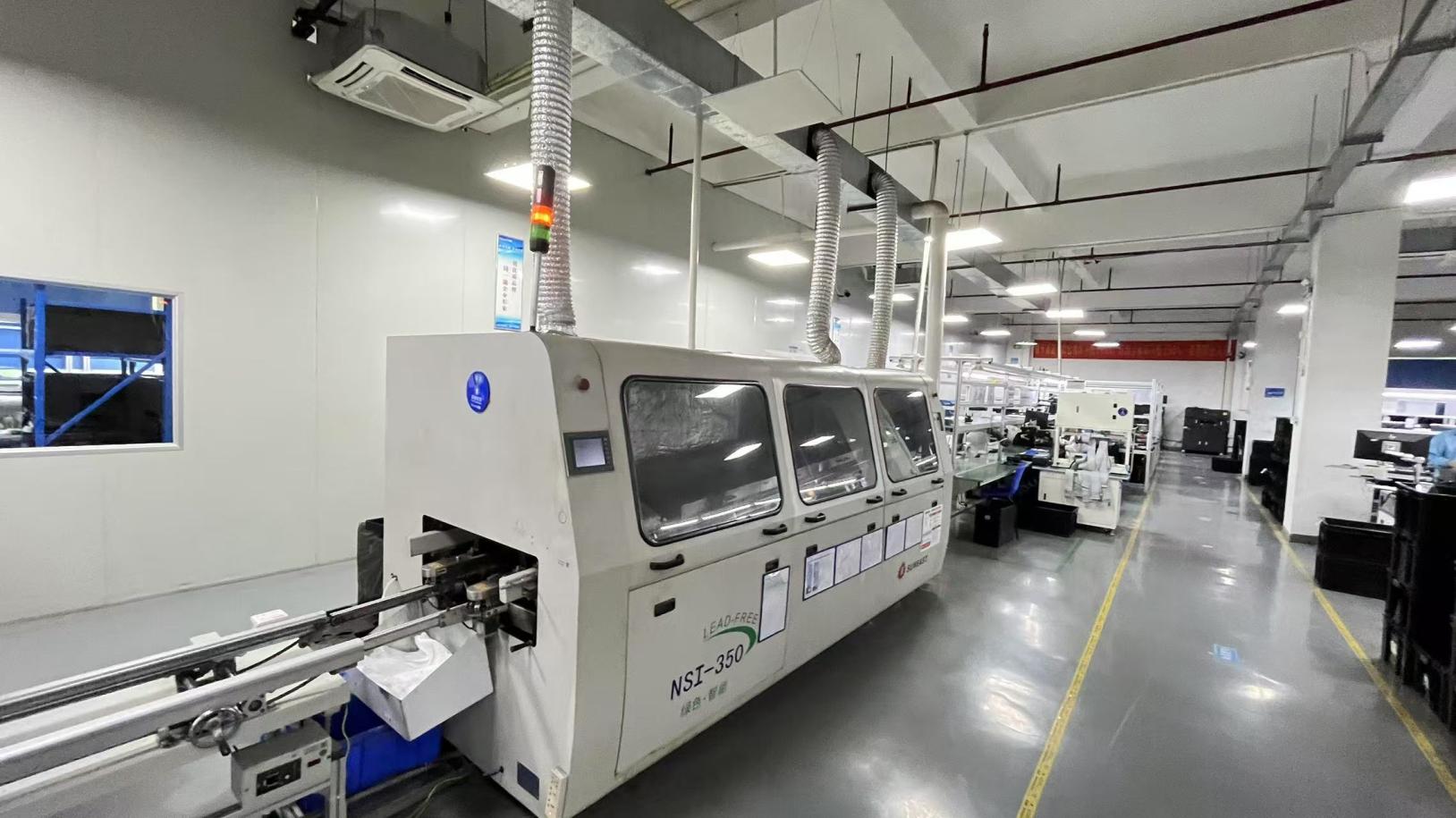
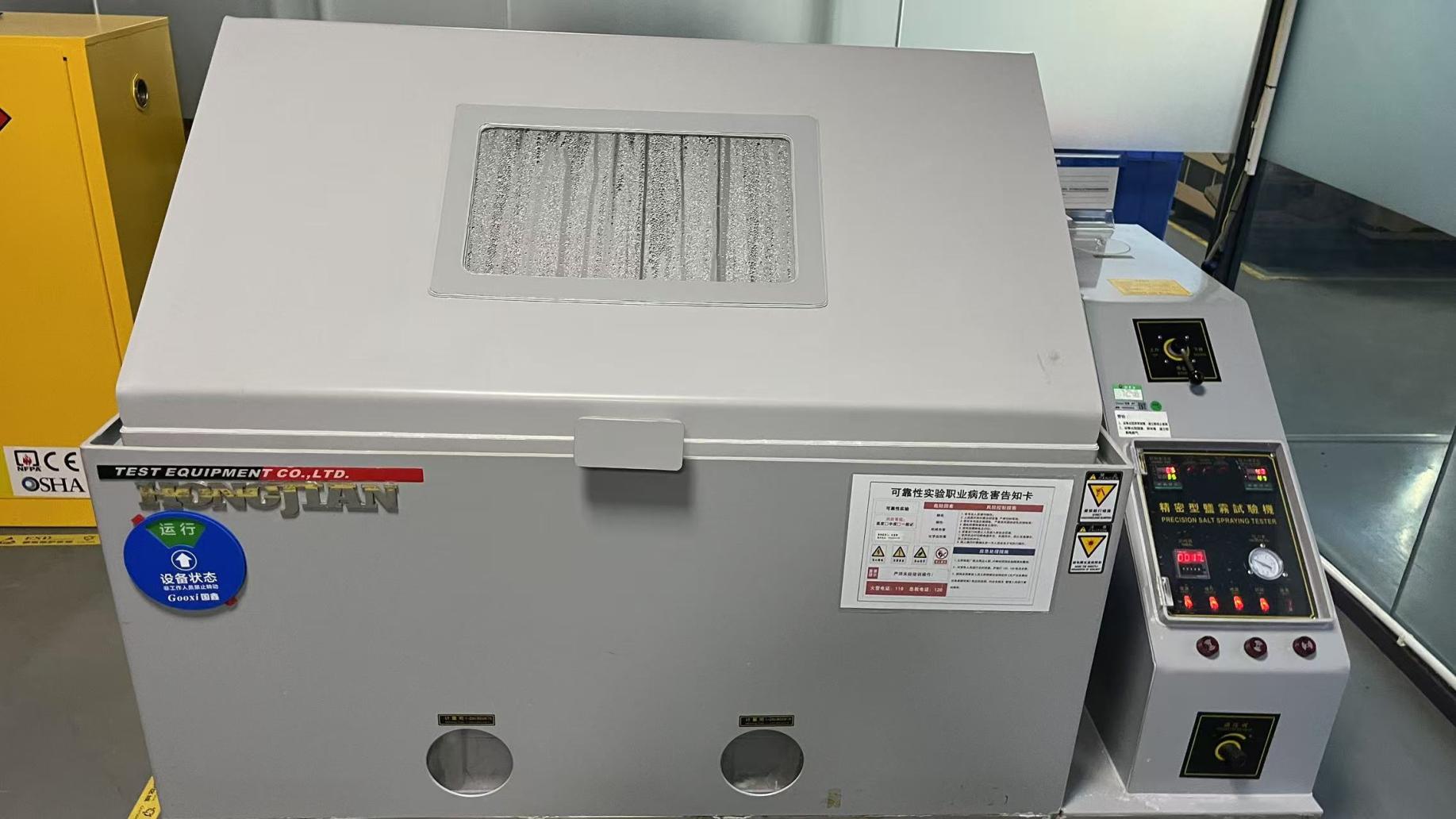
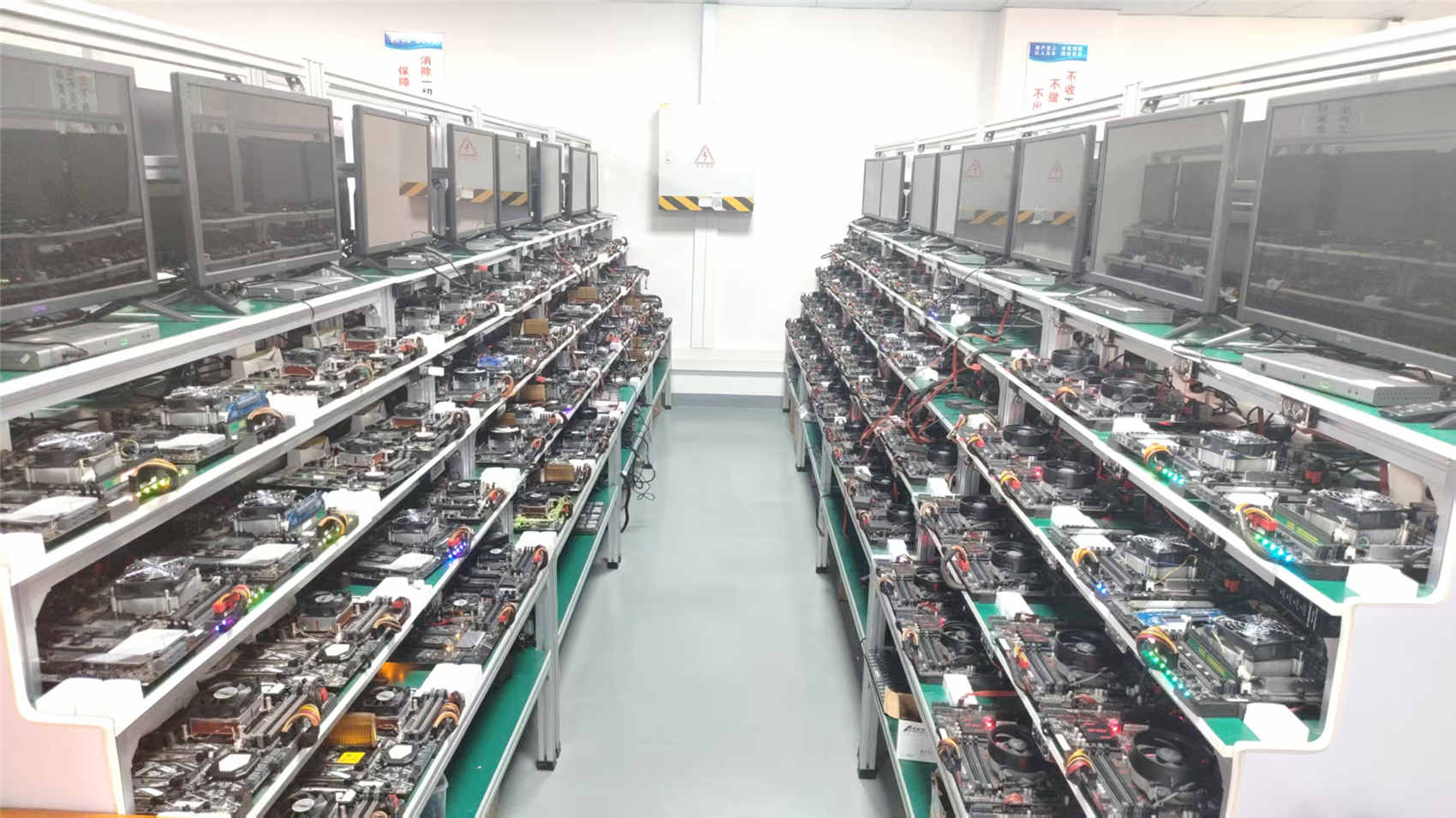
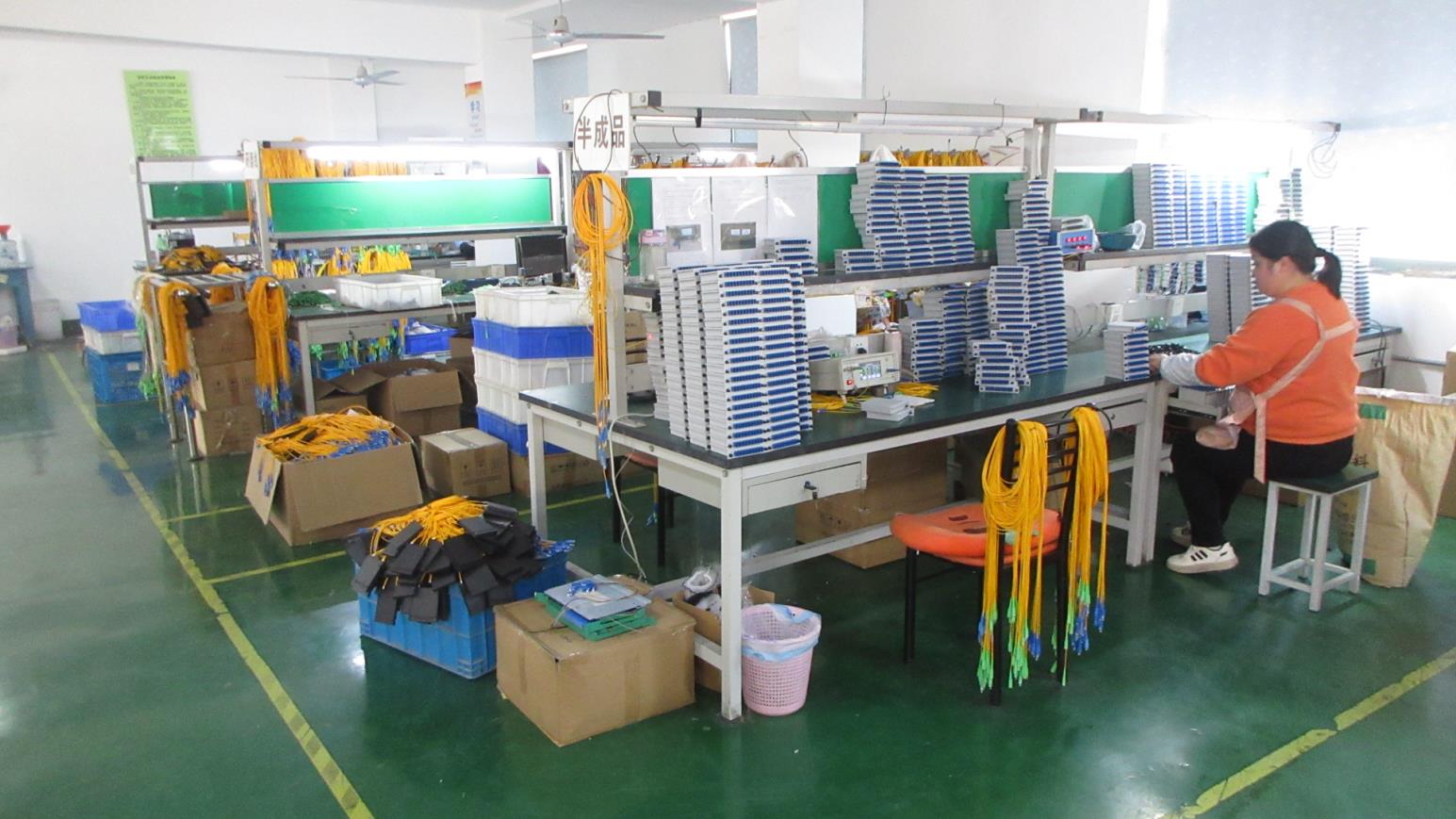
Take an inside look at FiberQ Photonics Technology Co., Ltd.’s 12,600㎡ modern production facility and advanced cleanrooms.
Founded in 2015, FiberQ Photonics Technology Co., Ltd. has grown into a trusted global manufacturer of high-performance optical transceivers and advanced fiber communication solutions. Our products serve hyperscale data centers, telecom networks, and high-speed interconnect applications worldwide.
With 12 years of industry experience and 6 years of international export expertise, we maintain an annual export revenue of approximately USD 9.5 million. Our modern 12,600㎡ facility supports large-scale, automated production and precise optical assembly under strict cleanroom conditions.
Quality control is at the heart of our operations. We run automated optical performance tests, interferometric inspections, and high-temperature aging tests to ensure every module meets international standards. Our QC team of 62 dedicated inspectors ensures that every transceiver is fully reliable before it leaves the factory.
We work with around 1,450 trusted supply chain partners to secure top-tier raw materials and keep production schedules stable, even during global component shortages. With an experienced R&D team of approximately 240 engineers, we offer deep customization options. We can customize protocols (100G/200G/400G/800G), optimize operating wavelengths, design custom heat sinks, and adapt different form factors.
Driven by continuous innovation, FiberQ launched about 180 new products last year, helping our global partners deploy next-generation network infrastructures quickly and efficiently.
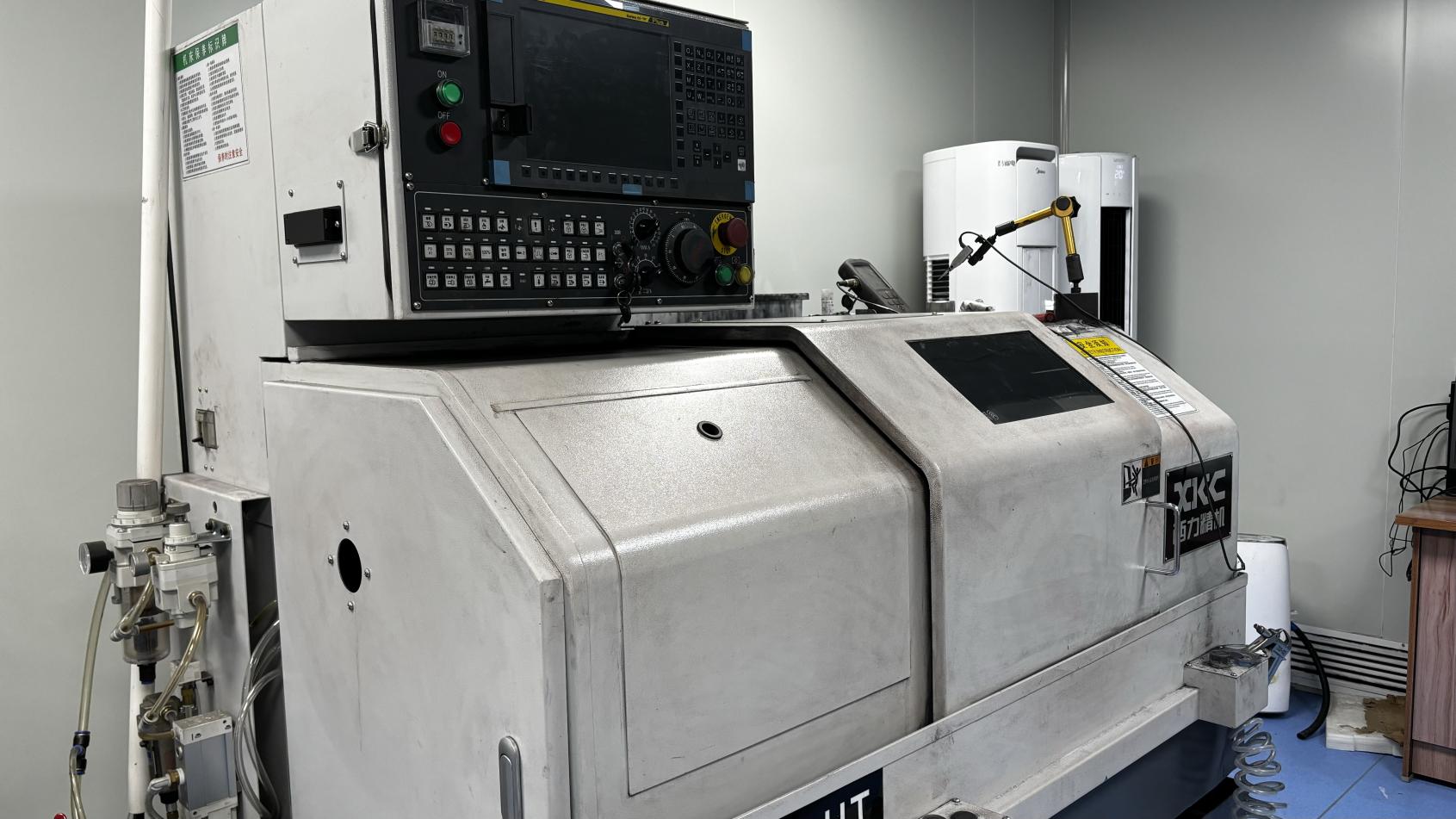
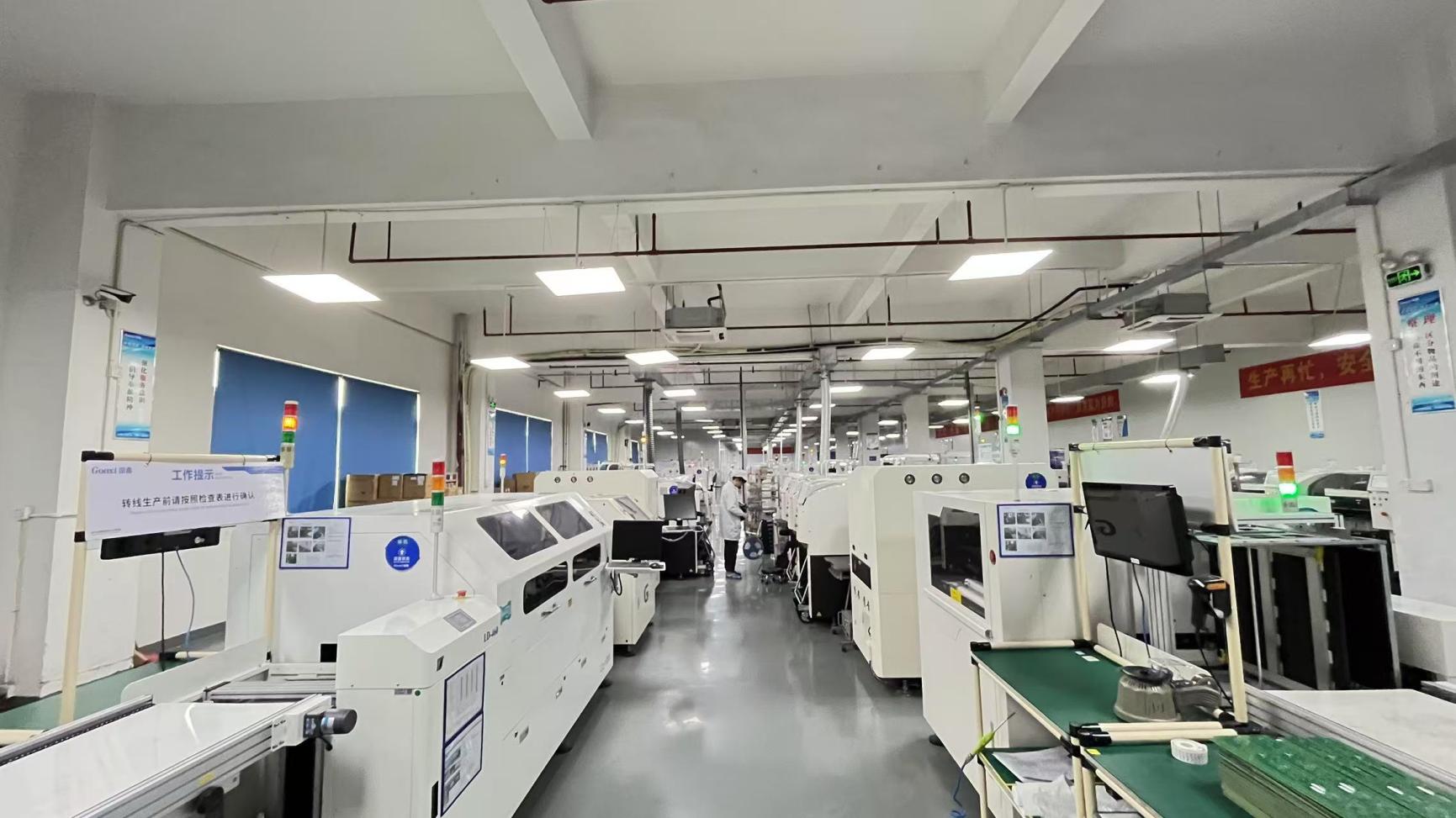
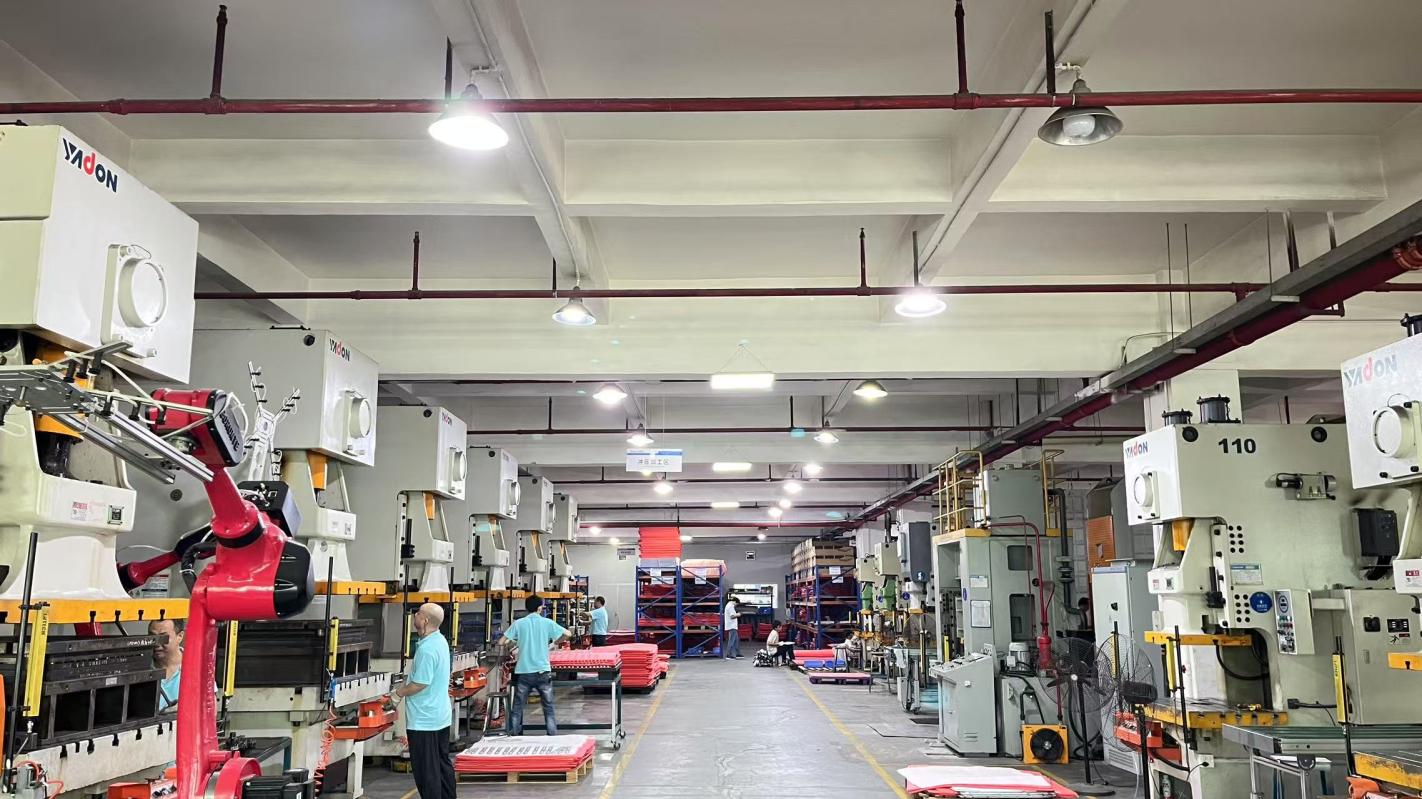
Let our 240+ R&D team design, validate, and manufacture transceivers to your exact specifications.
Contact OEM/ODM DeskExplore our complete range of high-performance optical modules, built to meet the rigorous demands of Riyadh's growing telecommunication infrastructure.
Clear, expert answers to key technical, regulatory, and logistics questions for importing and deploying transceivers in Saudi Arabia.
Get in touch with FiberQ’s sales and engineering teams today to discuss your project requirements, request test samples, or get a custom quote.