FiberQ
FiberQ
FiberQ
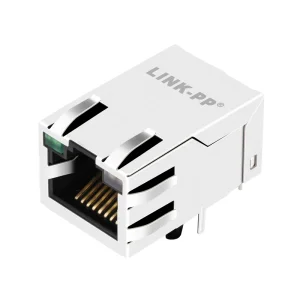
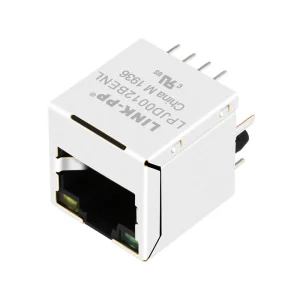
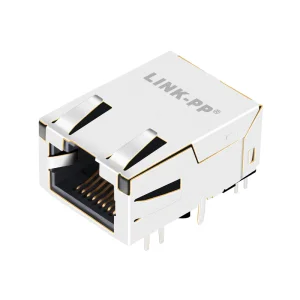
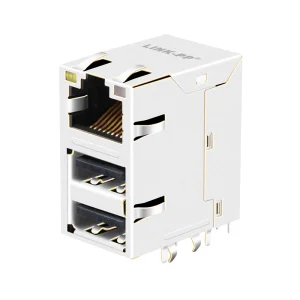
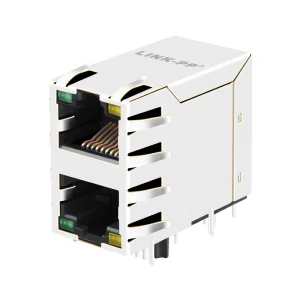
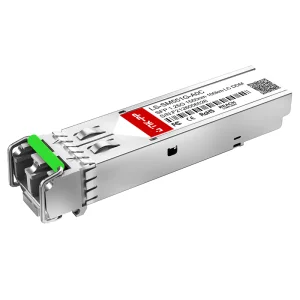
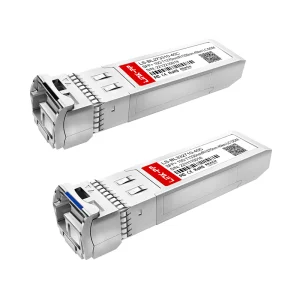
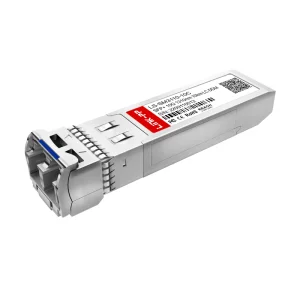
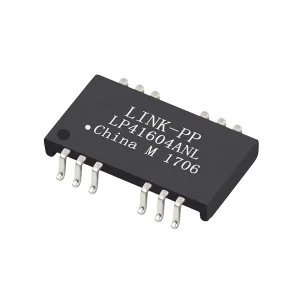
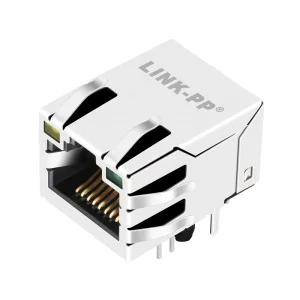
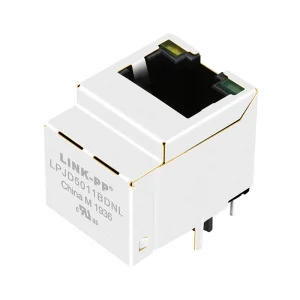
Explore our primary array of low-profile Ethernet jacks, vertical RJ45 modules, and optical transceivers engineered for tight dimensional restrictions.
A Deep-Dive Whitepaper on Signal Integrity, Spatial Optimization, and Electrical Performance in Next-Gen Compute Infrastructures.
In modern networking hardware architectures, spatial constraints represent a primary bottleneck for system integration. As data centers, industrial IoT gateways, and telecom hubs transition toward high-density configurations, printed circuit board (PCB) real estate has become highly restricted. System designers are continuously pushed to pack more computational capabilities, thermal dissipation elements, and input/output (I/O) interfaces into increasingly compact rack units (RUs) or embedded chassis. This design requirement has driven the transition from standard-height connectors to advanced low-profile Ethernet connectors.
At FiberQ Photonics Technology Co., Ltd., we understand that reducing the vertical height of an Ethernet port involves more than just shrinking the plastic housing. It requires a comprehensive redesign of the connector's internal contact configuration, grounding pathways, and magnetic coupling elements. Our products, backed by 12 years of optical and copper communication expertise, are engineered to deliver reliable signal transmission while keeping vertical profiles below standard thresholds. This allows systems to maximize airflow, optimize shield integrity, and reduce insertion loss across operating frequencies.
“Information Gain for Hardware Engineers: Standard RJ45 jacks typically present a physical height profile ranging from 13.5mm to 16.5mm off the PCB plane. FiberQ's low-profile modular jacks compress this dimension to under 11.5mm, and in specialized designs, down to 9.9mm, yielding up to a 40% vertical clearance reduction without compromising dielectric withstand voltage or contact retention forces.”
Reducing the height of an RJ45 jack or SFP cage changes the electrical characteristics of the internal signal paths. When pins are shortened and positioned closer to the PCB ground plane, capacitive coupling and differential impedance can be altered. If not correctly engineered, these changes can lead to Near-End Crosstalk (NEXT), Far-End Crosstalk (FEXT), and degradation of Return Loss (RL).
To mitigate these issues, FiberQ's R&D division utilizes advanced 3D electromagnetic field solvers (such as Ansys HFSS) to model pin layouts and impedance profiles. We employ several design strategies to ensure performance:
| Parametric Attribute | Standard RJ45 Connector | FiberQ Low-Profile RJ45 (e.g., L829-1J1T-43) | Engineering Significance |
|---|---|---|---|
| Component Height | 14.5 mm – 16.8 mm | 9.9 mm – 11.5 mm | Enables ultra-thin blade servers and 1U stackable configurations. |
| Internal Lead Length | 12.5 mm | 8.2 mm | Reduces parasitic inductance and improves signal transit times. |
| Return Loss (at 100MHz) | -12 dB (minimum) | -16 dB (typical) | Improves signal margins and reduces bit error rates (BER). |
| Contact Plating | 15µ" to 30µ" Gold over Nickel | 50µ" Gold over Nickel (Hard Plating) | Ensures reliable connection over 750+ mating cycles under corrosive conditions. |
FiberQ Photonics is a certified OEM/ODM manufacturing partner supporting telecommunications infrastructure worldwide since 2015.
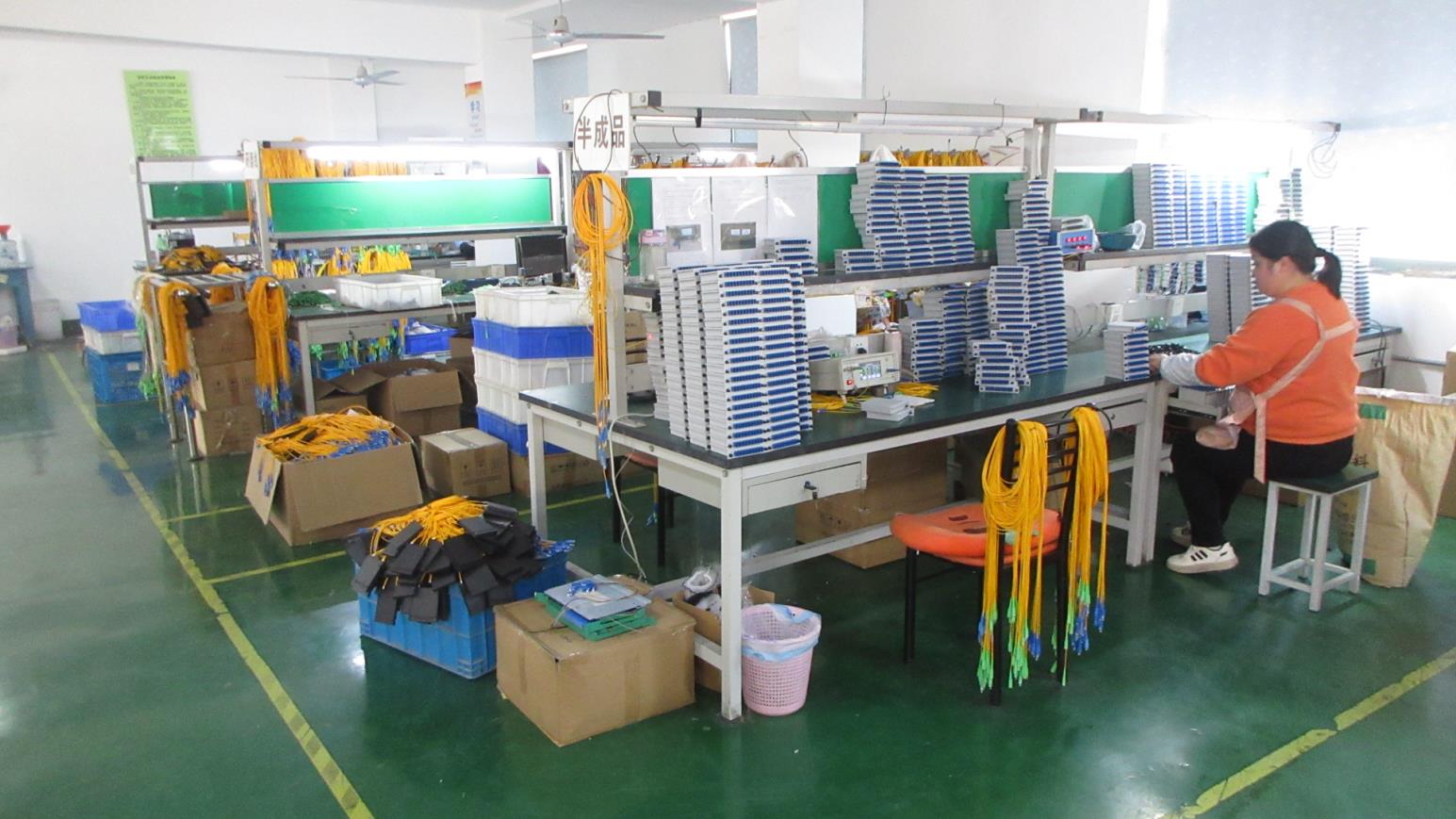
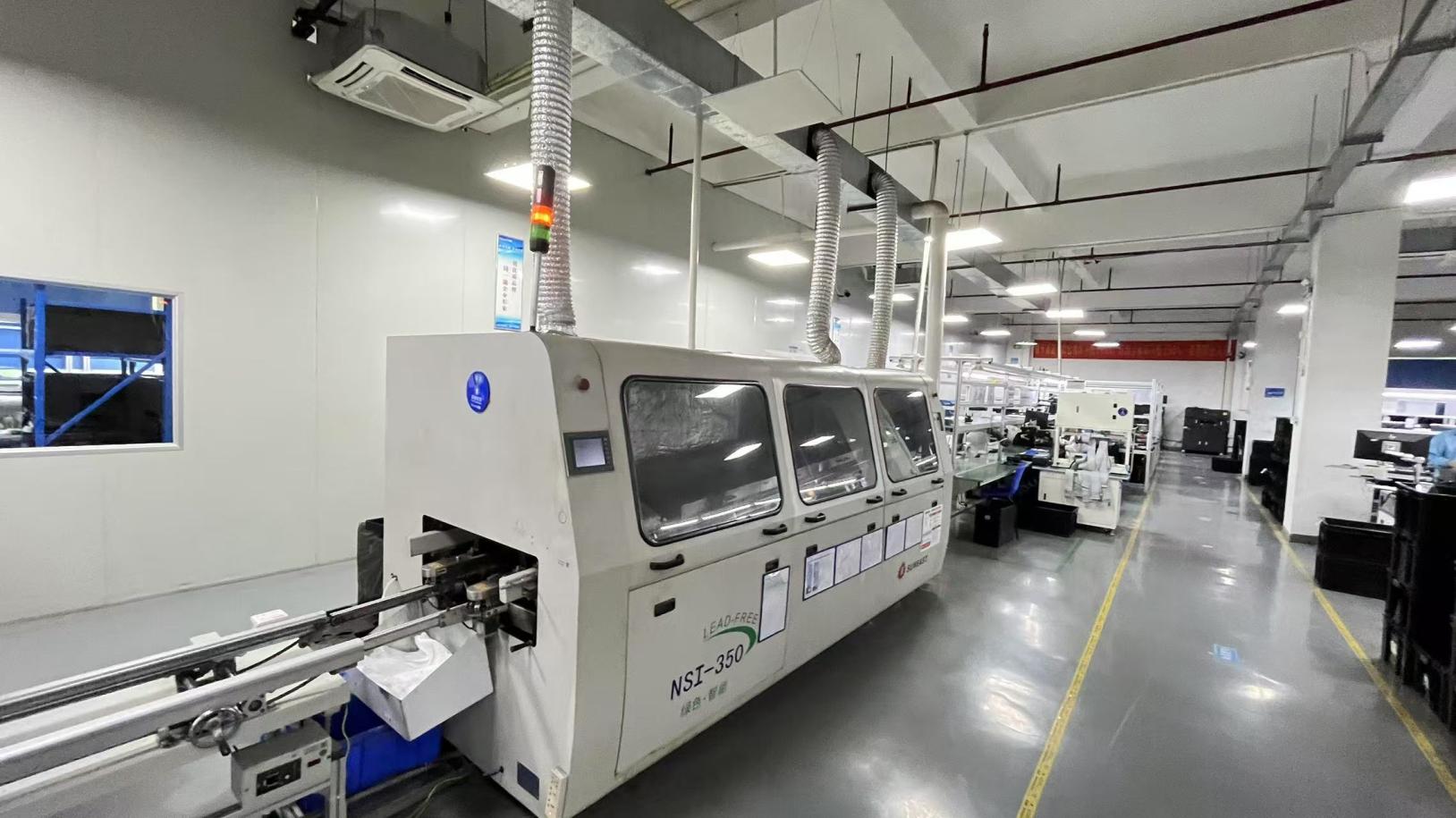
Our modern manufacturing facility covers approximately 12,600㎡. It integrates automated assembly, optical alignment, and mechanical packaging technologies. Our production environment complies with ISO 9001:2015 and ISO 14001:2015 standards, maintaining cleanroom classifications down to Class 10,000 (ISO 7) for optical sub-assemblies.
We work with a network of approximately 1,450 vetted supply chain partners to secure raw components, including high-frequency magnetic cores from top-tier brands and premium liquid crystal polymers (LCP) for high-temperature reflow soldering. This robust supply chain helps protect our production schedules from material shortages, allowing us to maintain stable lead times even during market fluctuations.
Adapting physical interconnect topologies to critical vertical sectors.
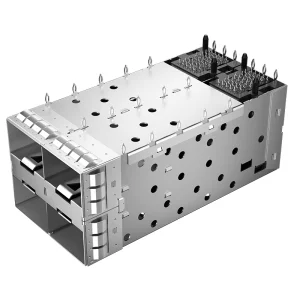
In high-density blade servers, 1U top-of-rack switches, and micro-servers, space is highly limited. Our low-profile RJ45 jacks and high-density SFP+ cages allow for multi-layer PCB designs with vertical clearances that support optimized system airflow and cooling.
For carrier-grade telecom racks, space optimization is key to operational efficiency. Our components provide dense port layouts that help operators maximize throughput per square foot while maintaining high signal integrity.
Embedded systems on factory floors require rugged, compact physical interfaces. Our low-profile magnetic jacks are designed to withstand high operating temperatures, mechanical vibration, and electromagnetic noise in demanding environments.
As industry speeds trend past 400G and 800G toward 1.6T and beyond, standard pluggable transceiver form factors face performance limitations in thermal dissipation and electrical channel reach. The industry is responding with a shift toward Co-Packaged Optics (CPO). This architecture places the optical engine close to the host ASIC on a shared substrate, reducing electrical path lengths and signal loss.
FiberQ is actively developing technologies for this transition. Our roadmap includes high-density optical interfaces, customized multi-fiber push-on (MPO) solutions, and low-profile board-to-board connectors designed to support next-generation CPO systems. In the past year alone, our R&D team has launched approximately 180 new products, expanding our portfolio of high-speed interconnects.
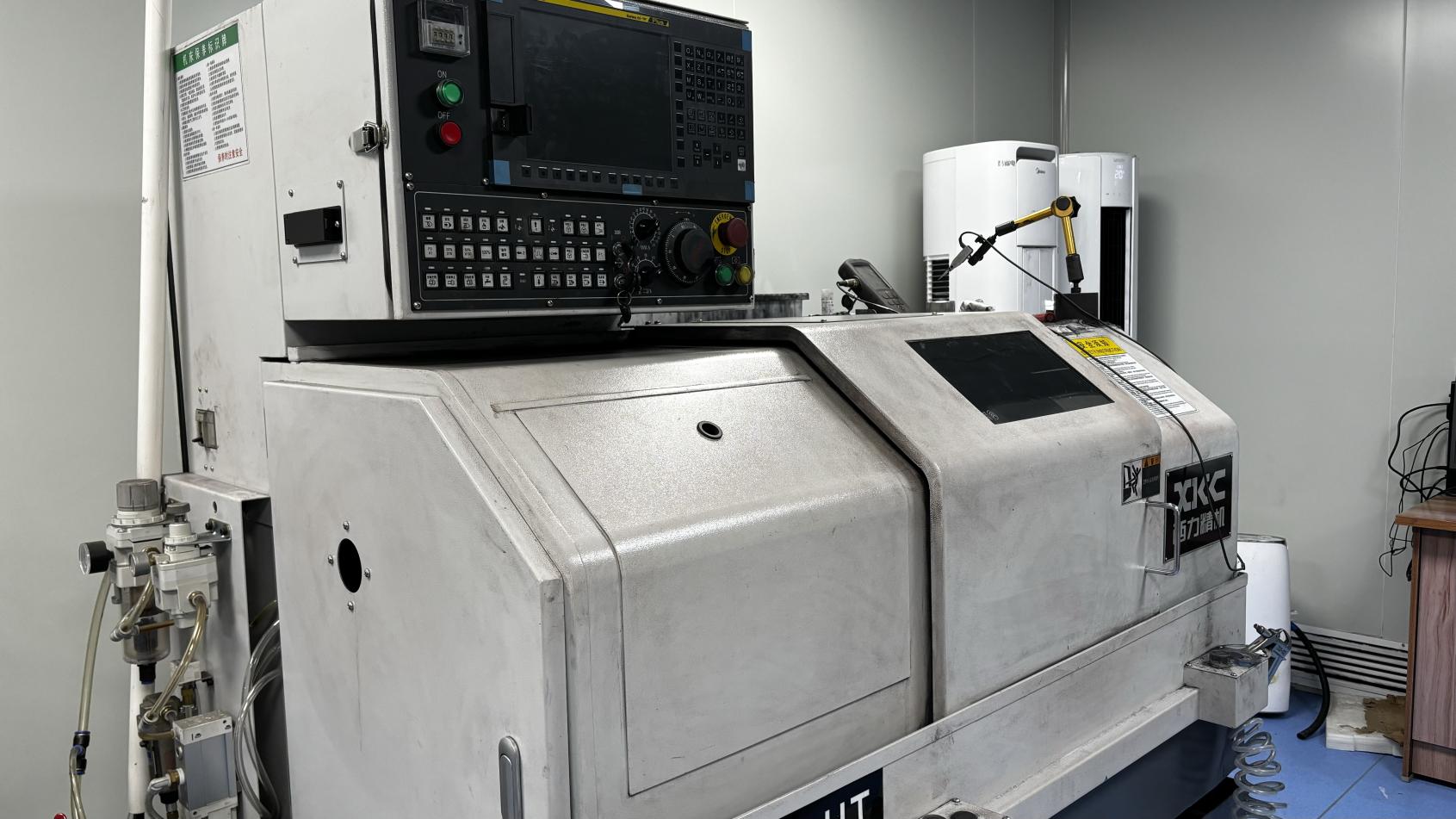


FiberQ provides comprehensive OEM and ODM services. Supported by 240 R&D engineers, we offer customization options across several key areas:
Every component is tested for performance and reliability before shipment.
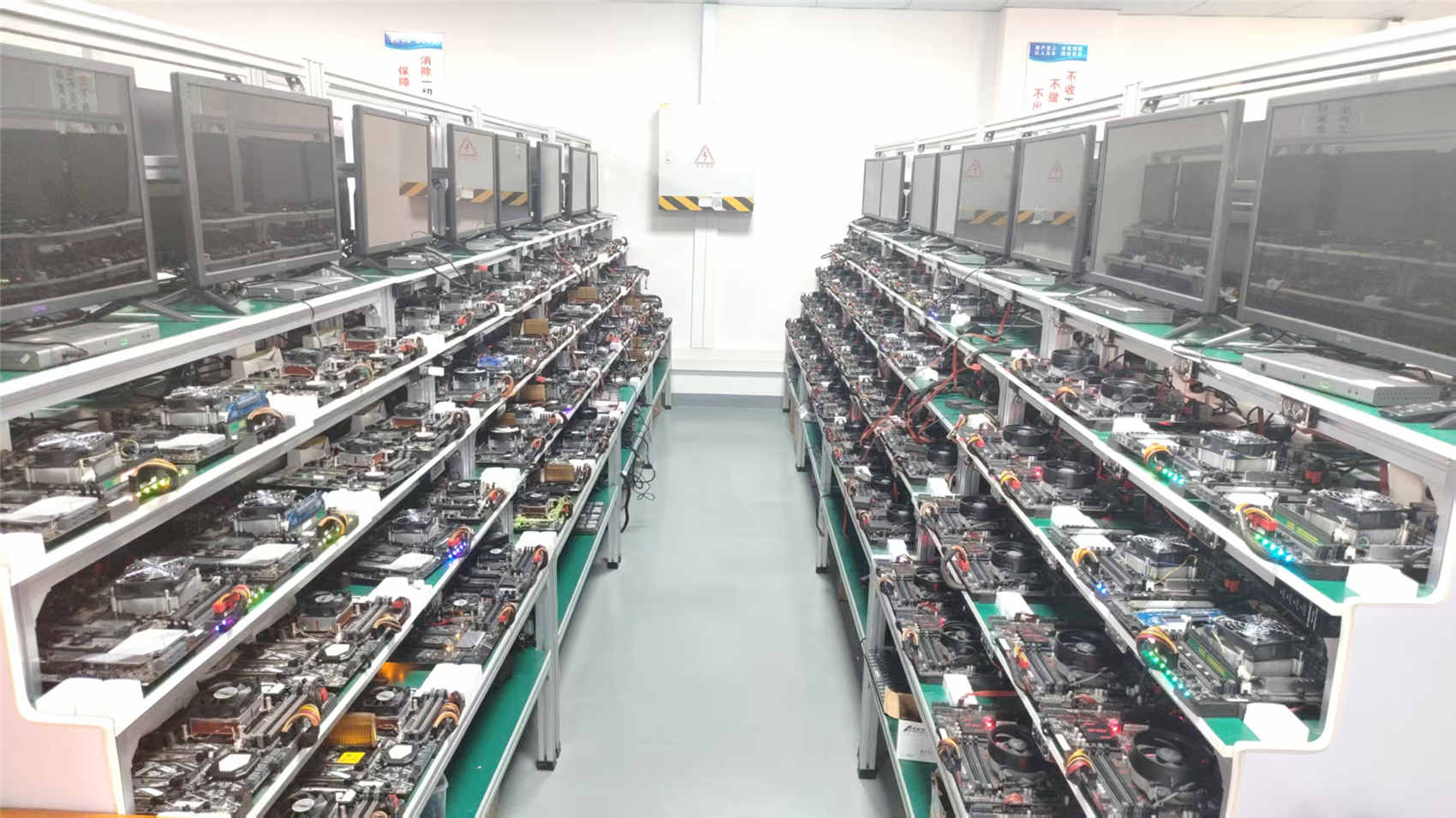
At FiberQ, we follow strict quality control protocols across our manufacturing workflows. Our quality assurance team of 62 experienced inspectors monitors every phase of production, from raw material inspection to final packaging. Our testing protocol includes:
We use automated systems to measure insertion loss, return loss, and eye diagram metrics on high-speed lines, minimizing human error.
We perform 3D interferometric testing on fiber end-faces to verify critical geometries like radius of curvature, apex offset, and fiber undercut.
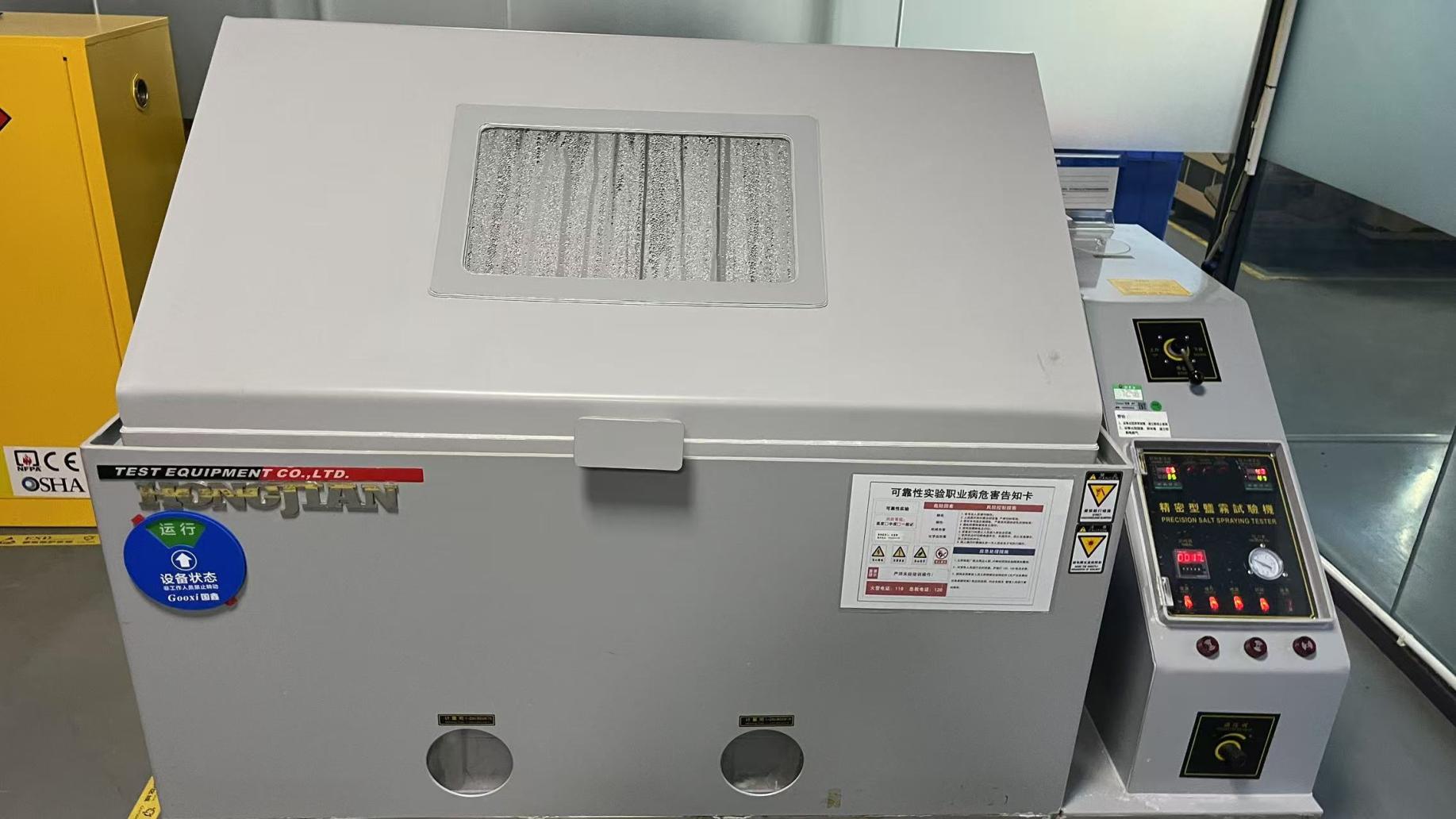
Our components undergo high-temperature aging tests, thermal cycling (-40°C to +85°C), and humidity exposure to ensure reliability in harsh environments.
Our products are exported to North America, Europe, Japan, and Southeast Asia. We maintain compliance with key international standards, including RoHS, REACH, CE, FCC, UL, and WEEE. We also provide full documentation to support fast customs clearance and regulatory compliance for our global customers.
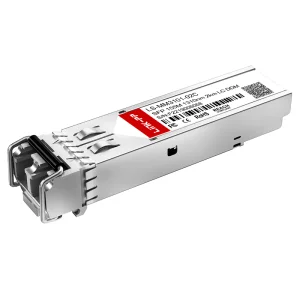
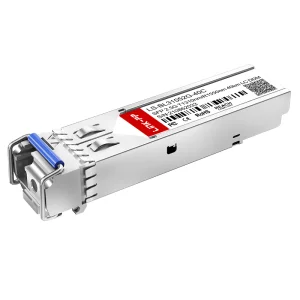
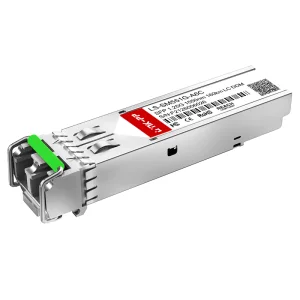
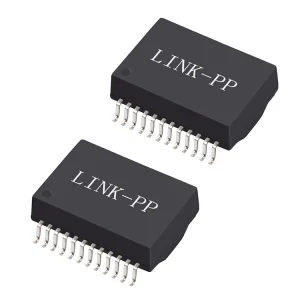
Explore our line of SMD LAN filter modules, SFP fiber transceivers, and high-performance cages.
Providing clear answers to common questions about low-profile interconnect design and procurement.