FiberQ
FiberQ
FiberQ
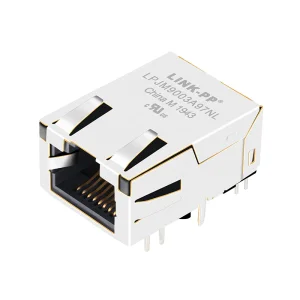
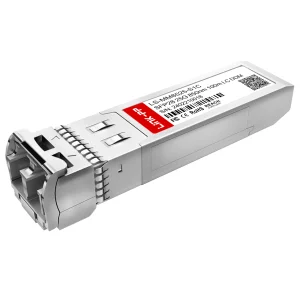
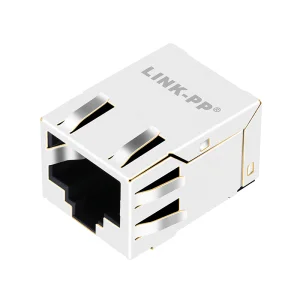
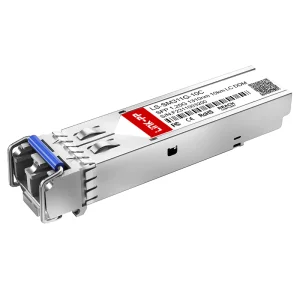
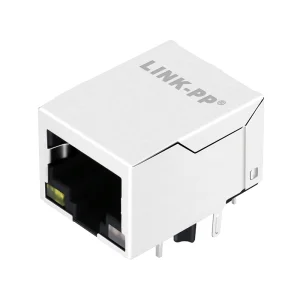
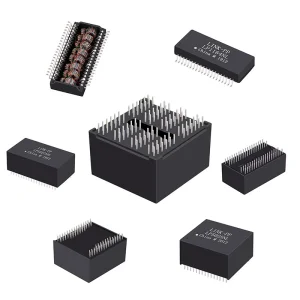
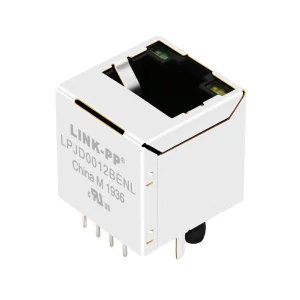
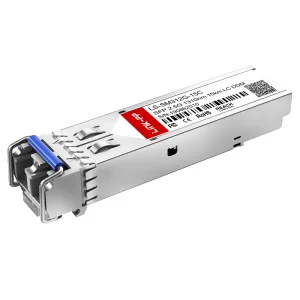
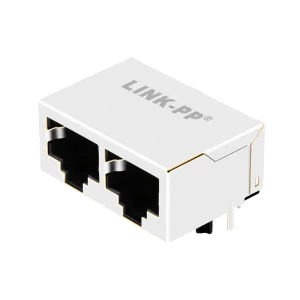
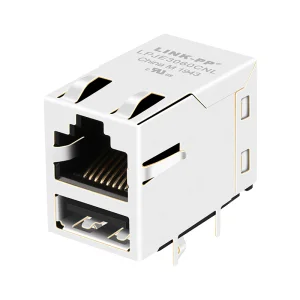
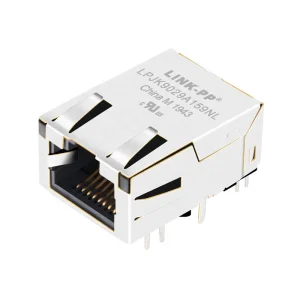
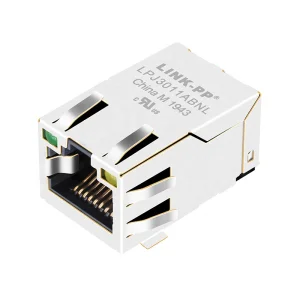
Explore our first selection of high-reliability transceivers, shielded jacks, and magnetic connector interfaces designed for modern network deployments.
Delivering precision engineering, comprehensive customization, and rigorous quality assurance on a global scale since 2015.
FiberQ Photonics Technology Co., Ltd. is a recognized market leader specializing in the development, manufacture, and distribution of high-performance fiber optic transceivers and advanced photonic components. Engineered for the most demanding environments—including enterprise data centers, carrier core networks, and metropolitan transmission hubs—our product lineup enables the seamless migration to higher bandwidth architectures.
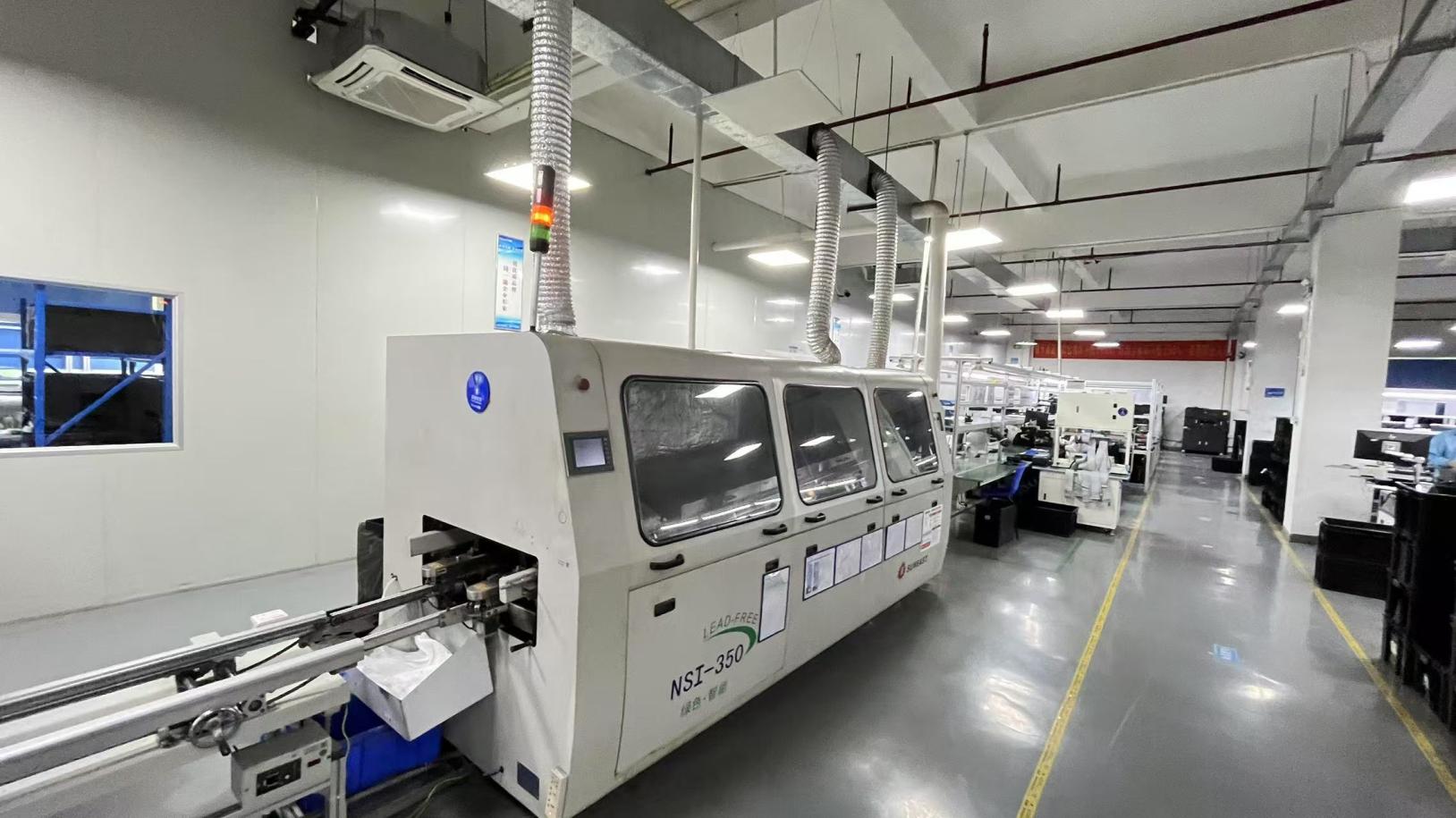
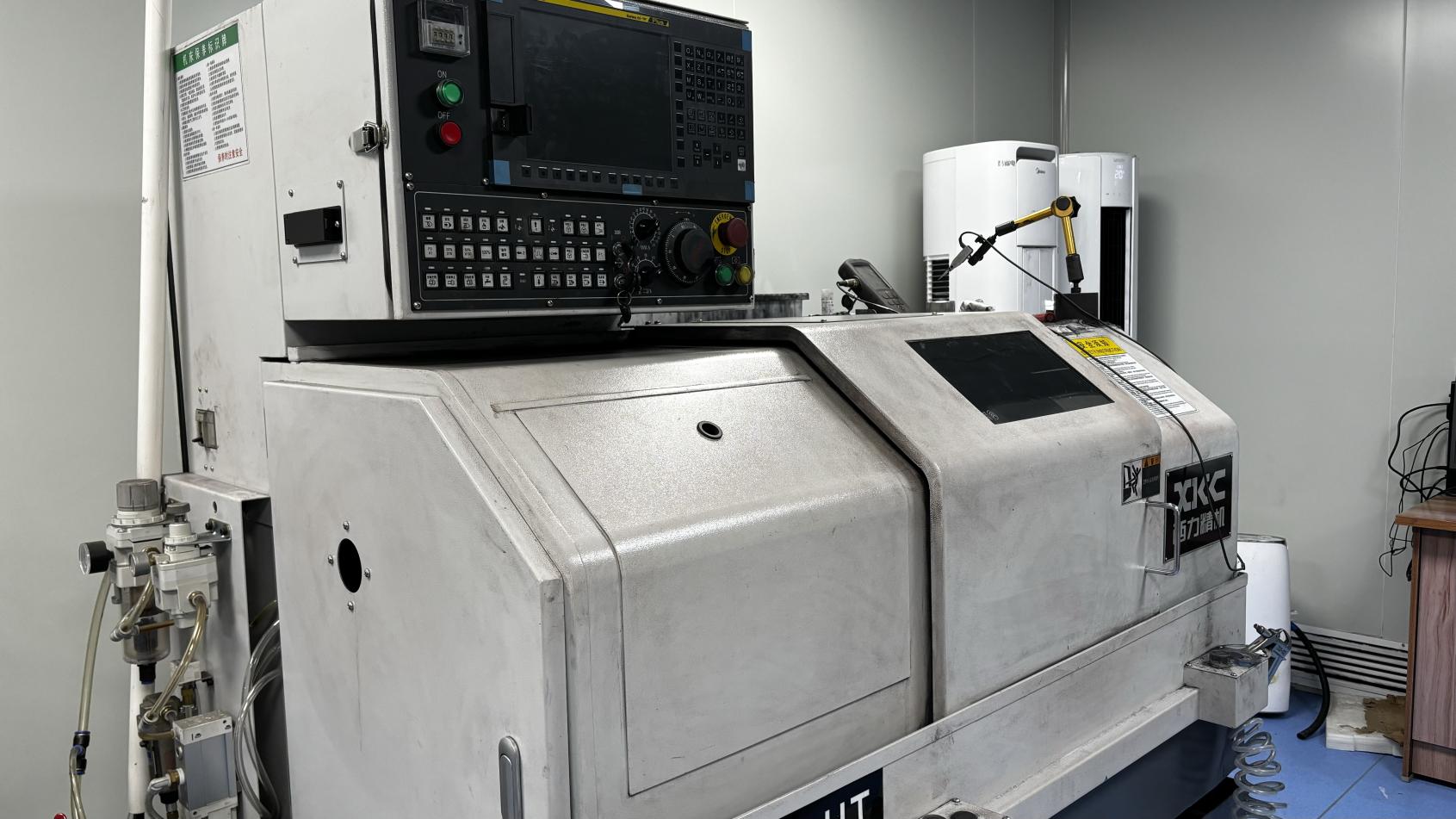
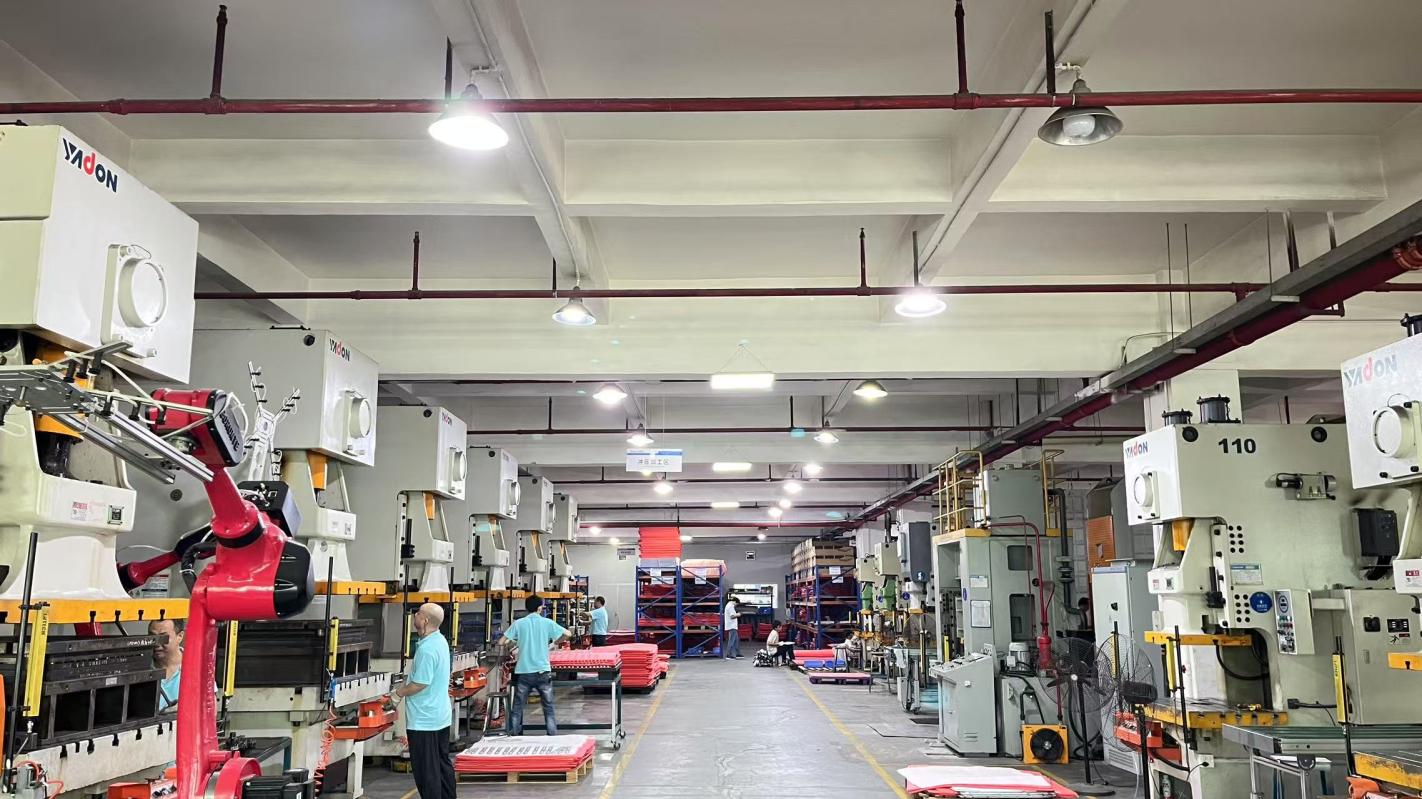
Our massive 12,600㎡ modern manufacturing plant utilizes state-of-the-art automated alignment systems and real-time digital diagnostic testing. By vertical integration of components, we ensure unmatched reliability while keeping lead times short, even when servicing large-scale telecom deployment contracts.
Addressing hardware scaling limitations, thermal dissipation challenges, and multi-vendor compatibility concerns in carrier-grade deployments.
As telecom networks expand edge nodes and FTTH deployments, central office space is at a premium. CSFP (Compact Small Form-Factor Pluggable) connectors enable two independent channels in a single physical slot, effectively doubling port density without requiring redesigns of main switch backplanes.
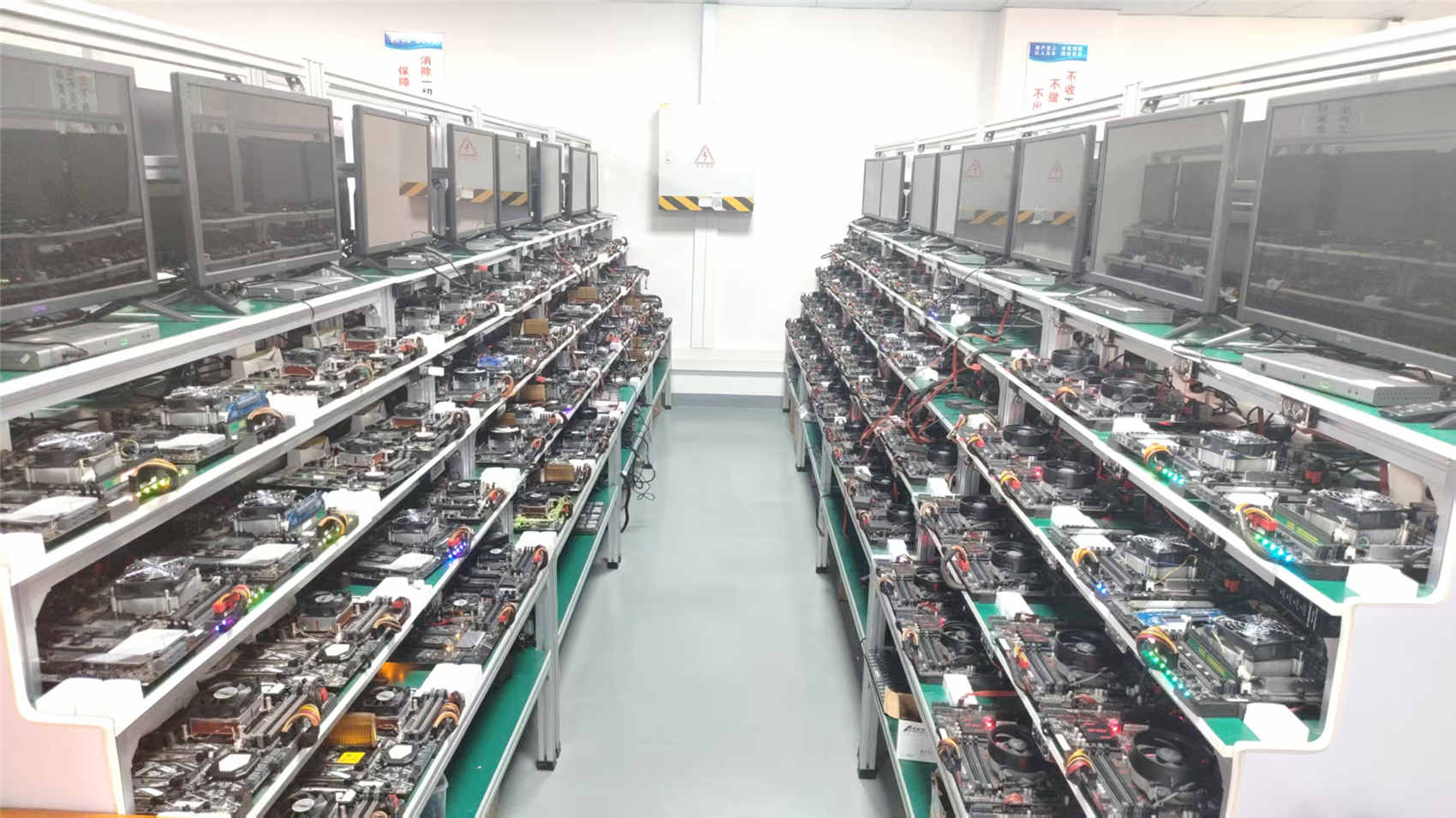
Operating high-density line cards introduces intense thermal stress. Our transceivers undergo extensive high-temperature aging chambers and are engineered with custom thermal interface materials. This keeps power consumption below 1.0W per channel, lowering overall HVAC operating costs.
Avoiding vendor lock-in is a primary procurement objective. FiberQ implements sophisticated software EEPROM mapping processes. This allows our CSFP connectors and optical modules to operate seamlessly across Cisco, HP, Aruba, Juniper, and other major hardware ecosystems.
How optical architecture is evolving from 10G/25G CSFP to Silicon Photonics and Co-Packaged Optics (CPO).
The CSFP Multi-Source Agreement (MSA) established the framework for integrating two bidirectional optical channels into the footprint of a traditional SFP. Currently, the market is migrating from standard 1.25G/2.5G CSFP modules to 10G and 25G options per channel. FiberQ's R&D division is actively developing 50G-PAM4 CSFP designs to facilitate the deployment of 5G Advanced networks, reducing cabling complexity at base stations and simplifying fronthaul routing.
As transmission speeds reach 400G and 800G, standard discrete laser assemblies experience physical limits regarding signal degradation. FiberQ is investing heavily in Silicon Photonics (SiPh). By integrating optical waveguides, modulators, and photodetectors directly onto silicon substrate chips, we reduce component size, lower fabrication costs, and enhance structural durability in harsh operational environments.
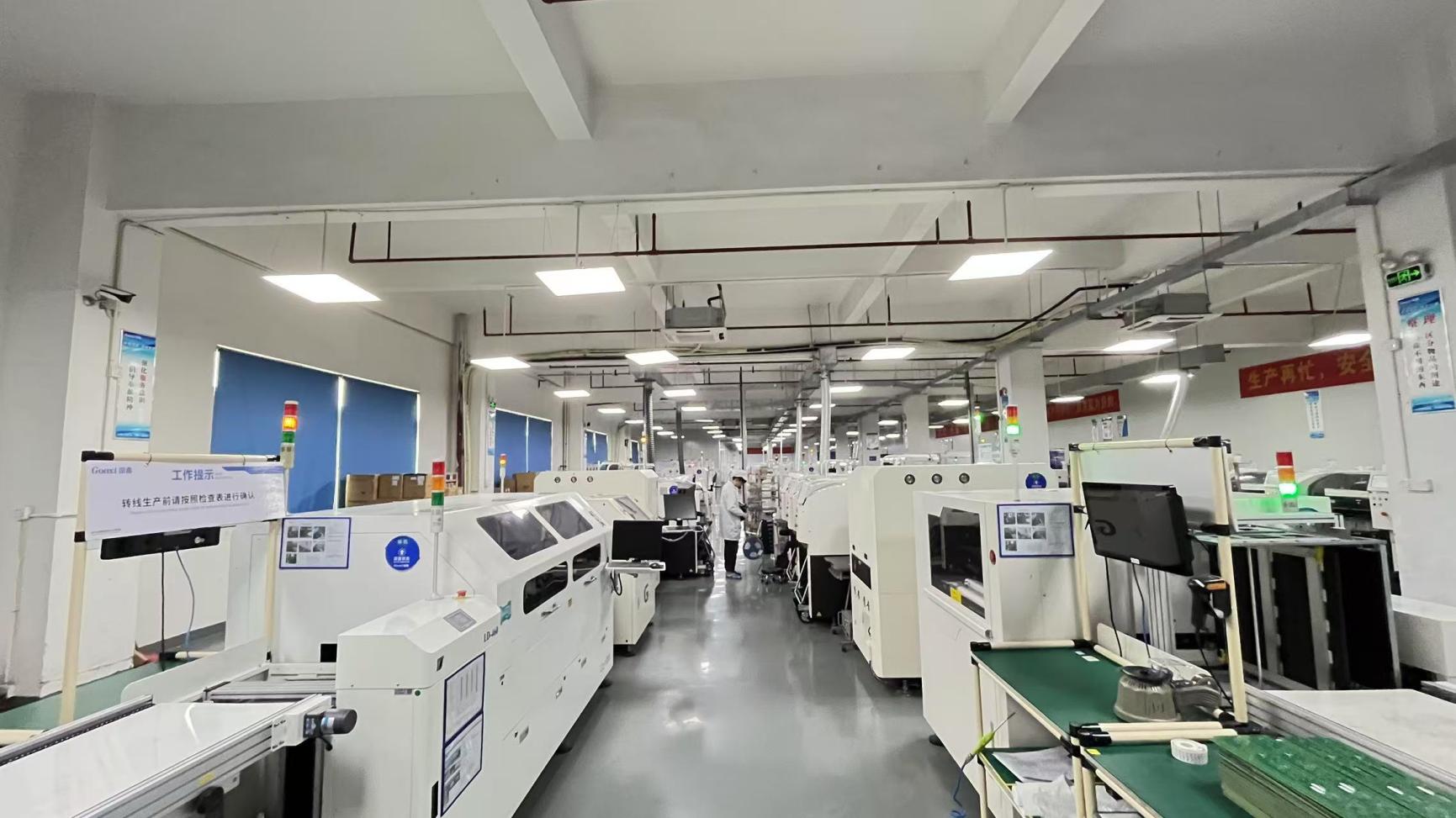
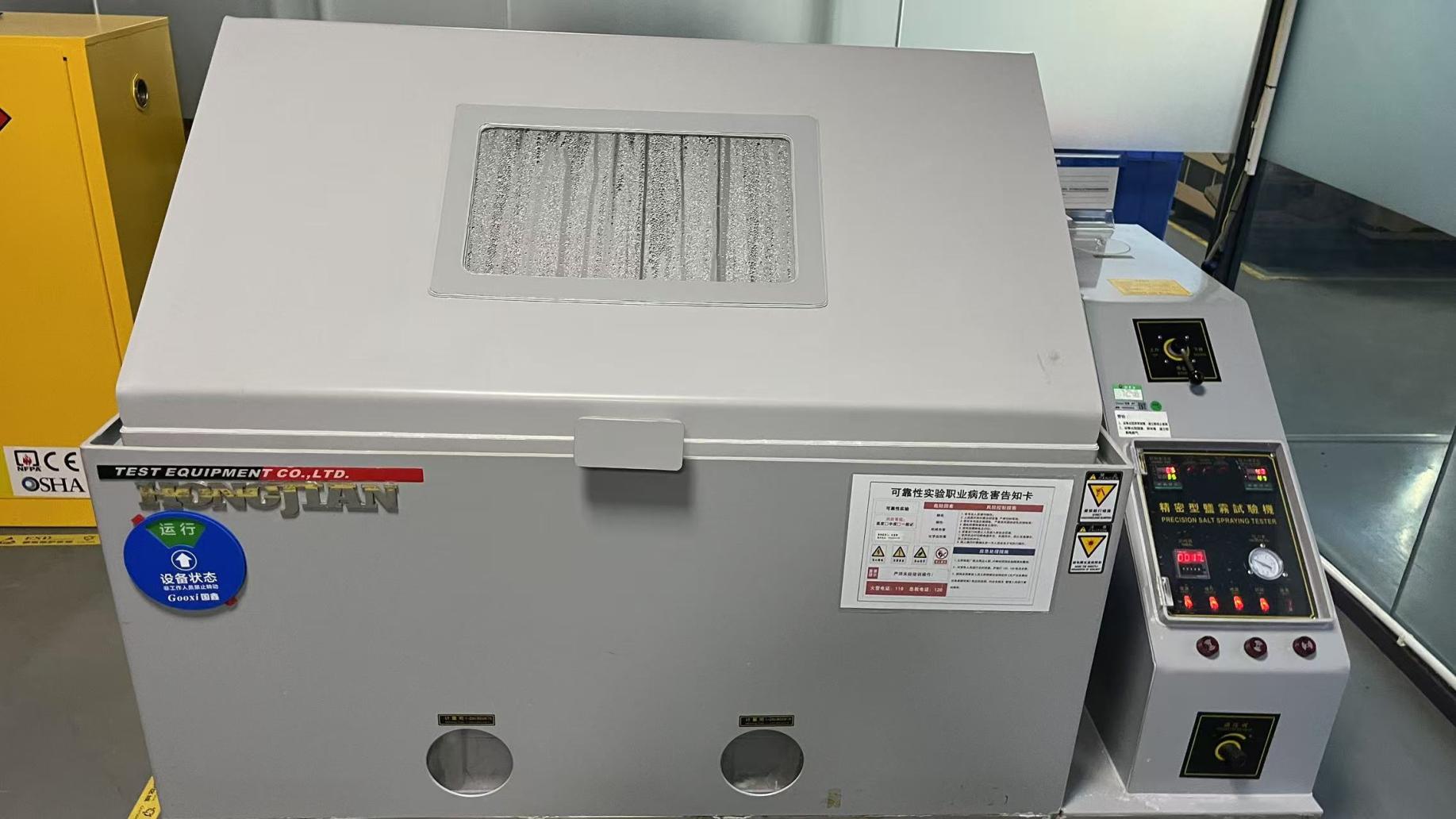
Our quality control program consists of 62 dedicated, certified test engineers who supervise every phase of assembly. Testing begins at the sub-component level with comprehensive wafer probing, optical lens alignment checking, and fiber ferrule inspection using 3D automated interferometers.
Once assembled, each transceiver module undergoes multi-rate bit error rate (BER) checks, eye diagram analysis, and physical thermal cycling from -40°C to +85°C. This ensures absolute stability in commercial, industrial, and outdoor telecommunication nodes.
Exporting to key regions including North America, Europe, Japan, and Southeast Asia requires meticulous adherence to national and international regulatory frameworks. FiberQ maintains full certification status, ensuring smooth customs clearances and deployment approvals for tier-1 telecommunication operators.
Find immediate answers to essential engineering, compatibility, and implementation questions regarding Compact SFP connectors.
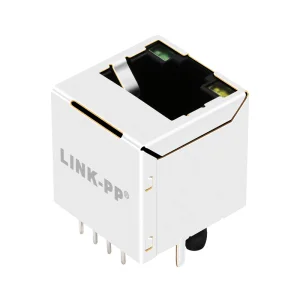
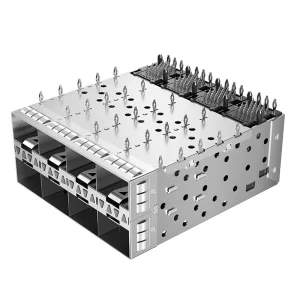
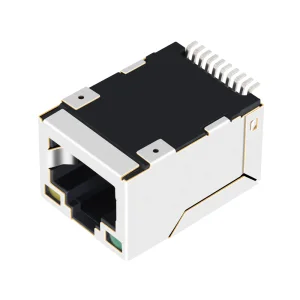
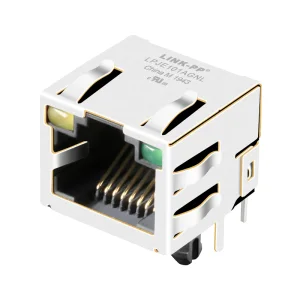
Complementary high-speed networking accessories, press-fit cages, and vertical RJ45 jacks for custom telecommunication PCB designs.
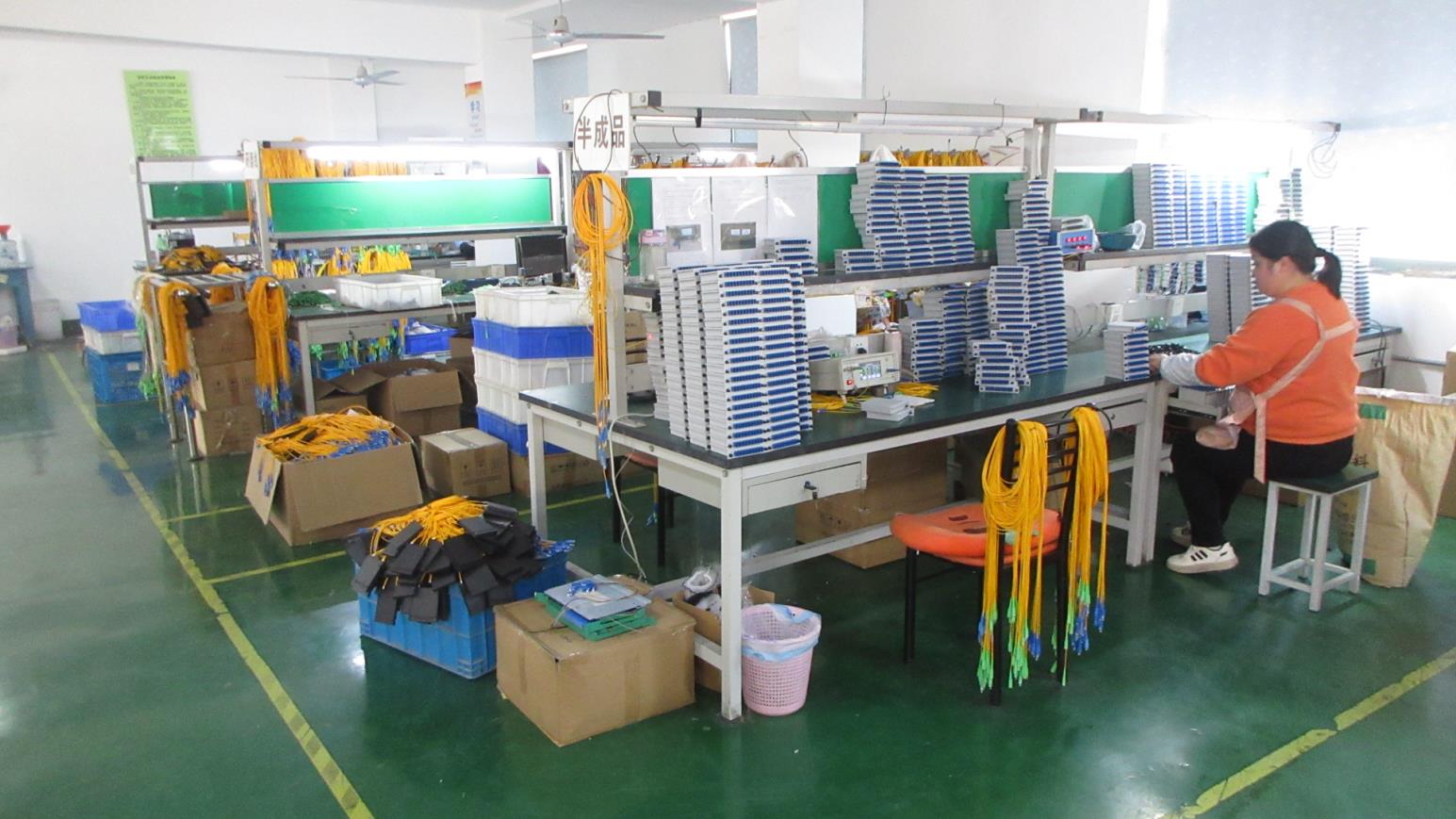
A transparent look inside our production facilities, cleanrooms, advanced warehousing systems, and logistics centers.