FiberQ
FiberQ
FiberQ
Engineered for signal integrity, EMI attenuation, and high-density performance in modern networks.
Analyzing the Convergence of Copper RJ45 and Optical Interconnects in High-Density Environments.
In an era dominated by co-packaged optics (CPO) and multigigabit Ethernet architectures, selecting the correct RJ45 connector or SFP cage design is no longer just a mechanical decision; it is a critical component of signal integrity engineering. High-performance RJ45 sockets, particularly those integrating magnetics (Magjacks), serve as the vital interface that filters electromagnetic interference (EMI), prevents high-voltage surges, and maintains clean differential pair signaling. As we migrate from 1G and 10G architectures toward next-generation speeds, manufacturers must push the boundaries of materials science to deliver products that meet strict insertion loss, return loss, and crosstalk budgets.
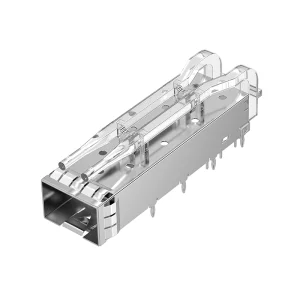
Concurrently, the manufacturing of SFP, SFP+, and SFP28 cages has evolved. These structures must provide superior mechanical housing, thermal dissipation paths, and multi-point EMI spring fingers to ensure that high-speed optical modules operate within nominal thermal envelopes. This whitepaper details how specialized manufacturers, through rigorous OEM/ODM development, serve this complex global market by offering high-precision, compliant, and cost-effective interconnect structures.
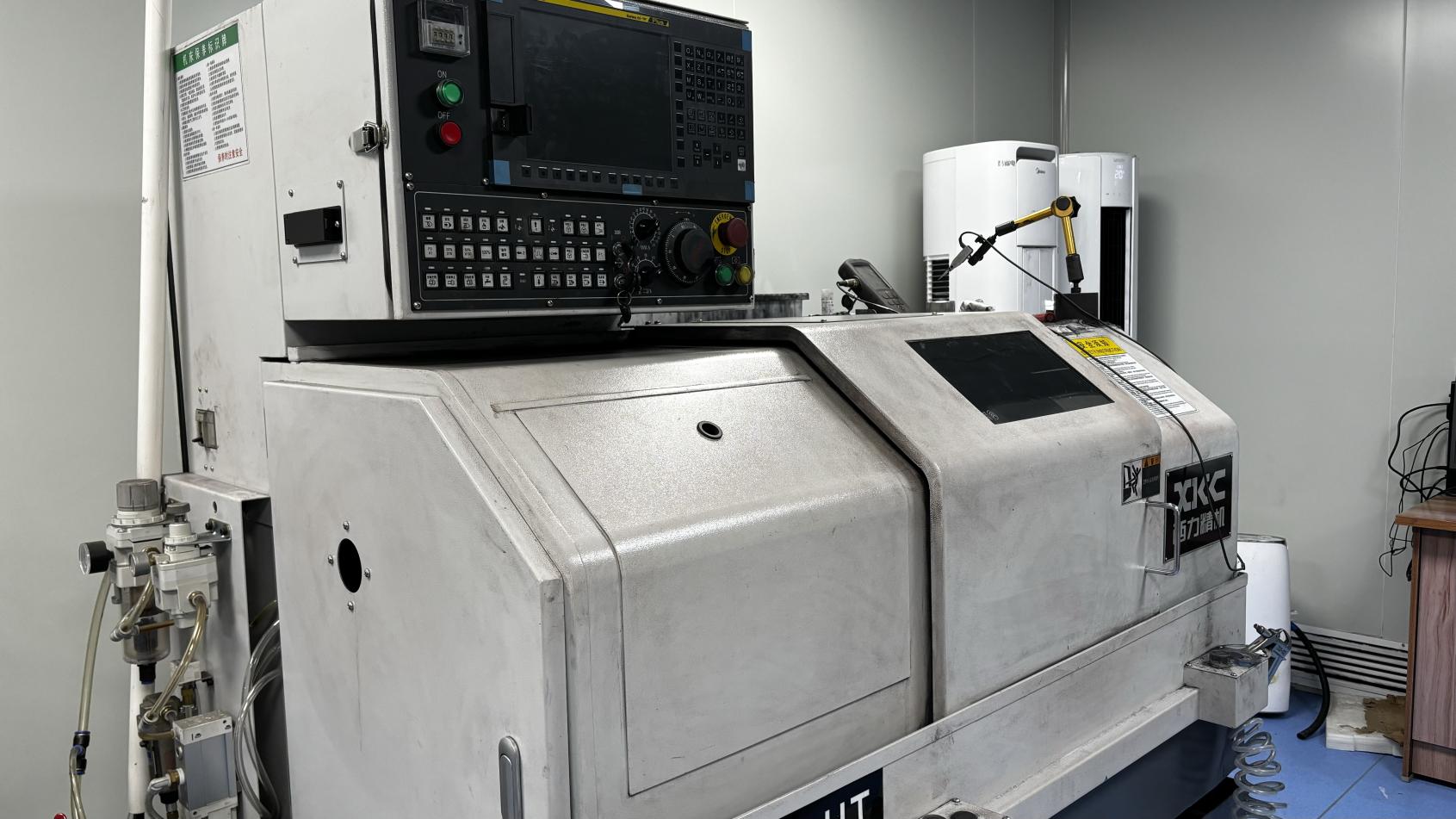
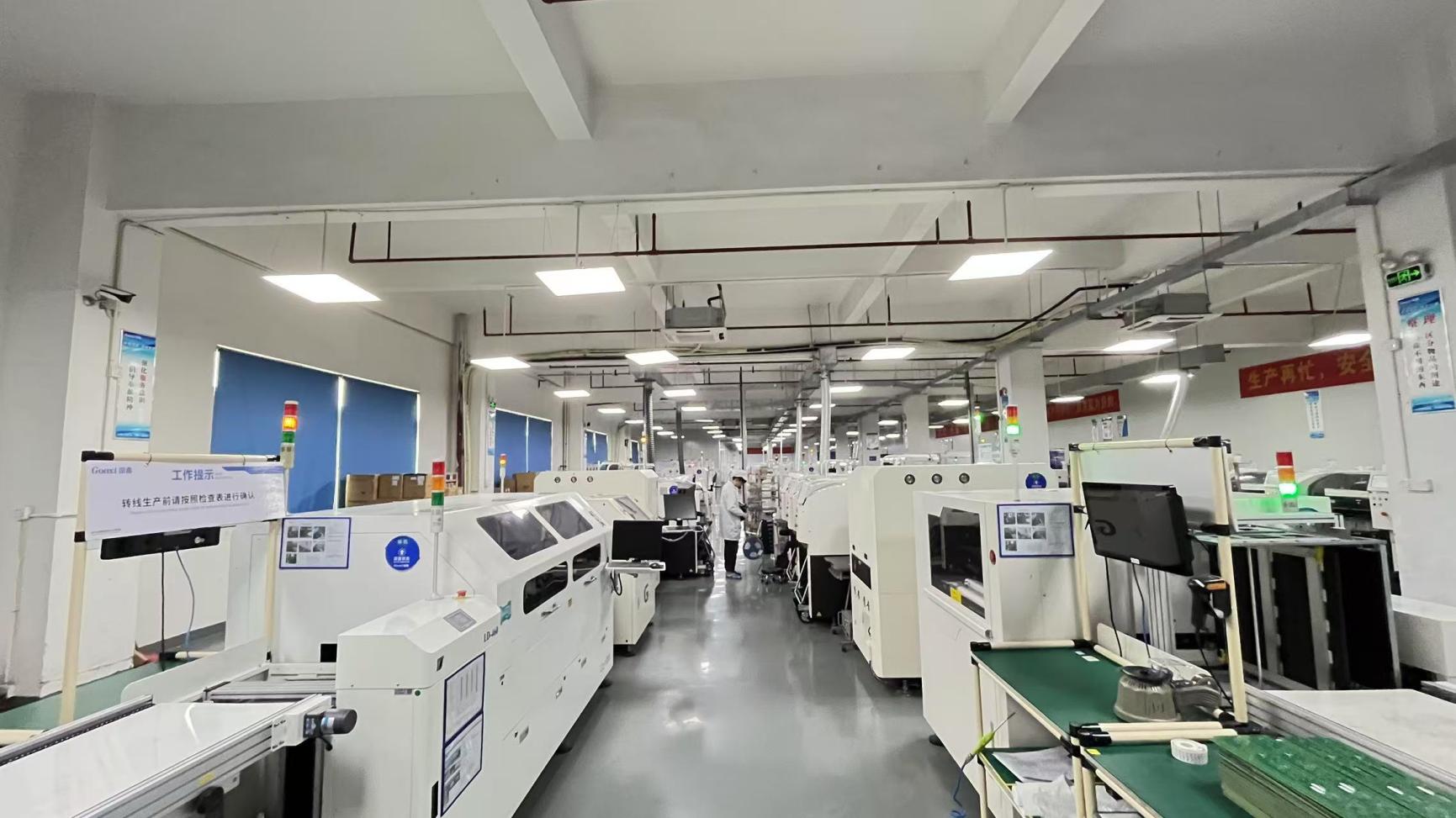
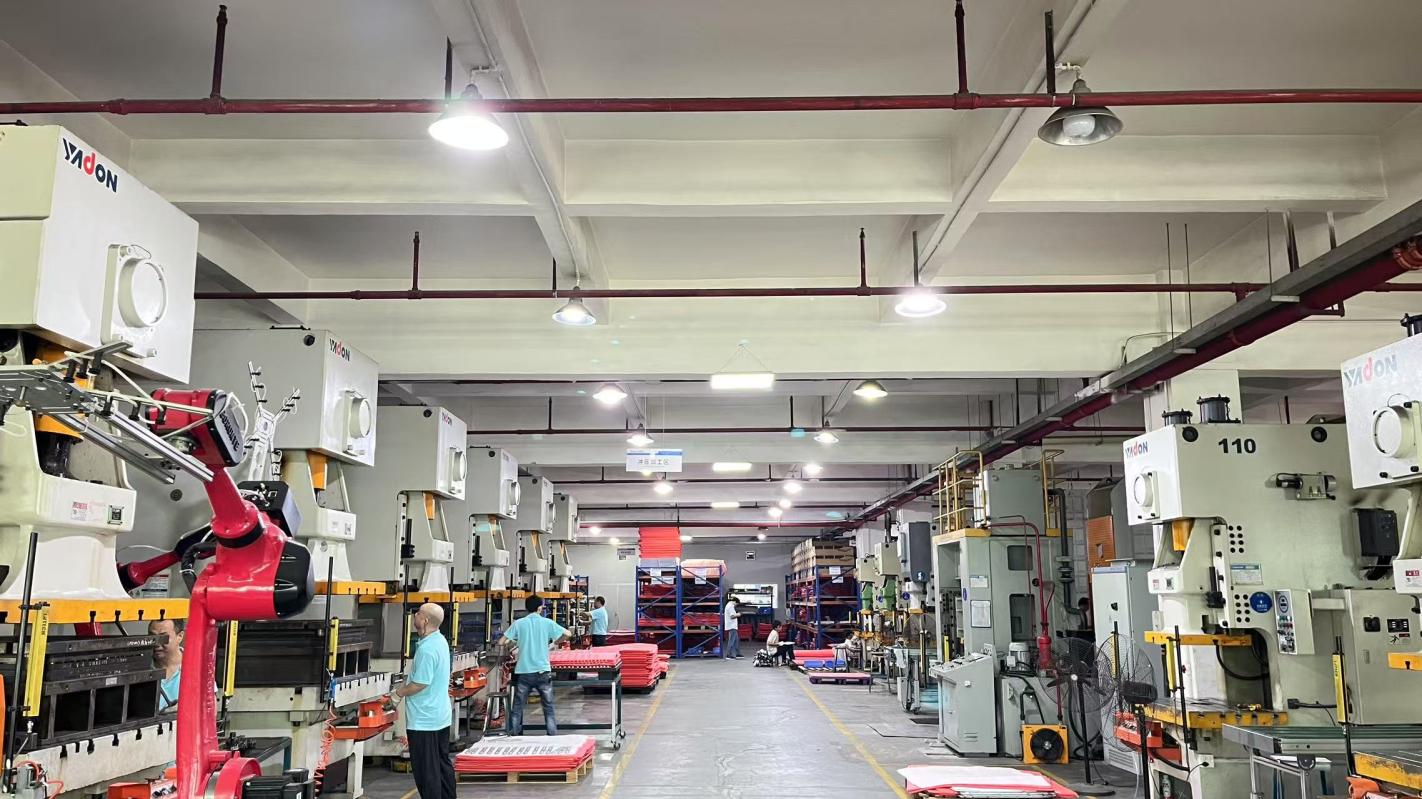
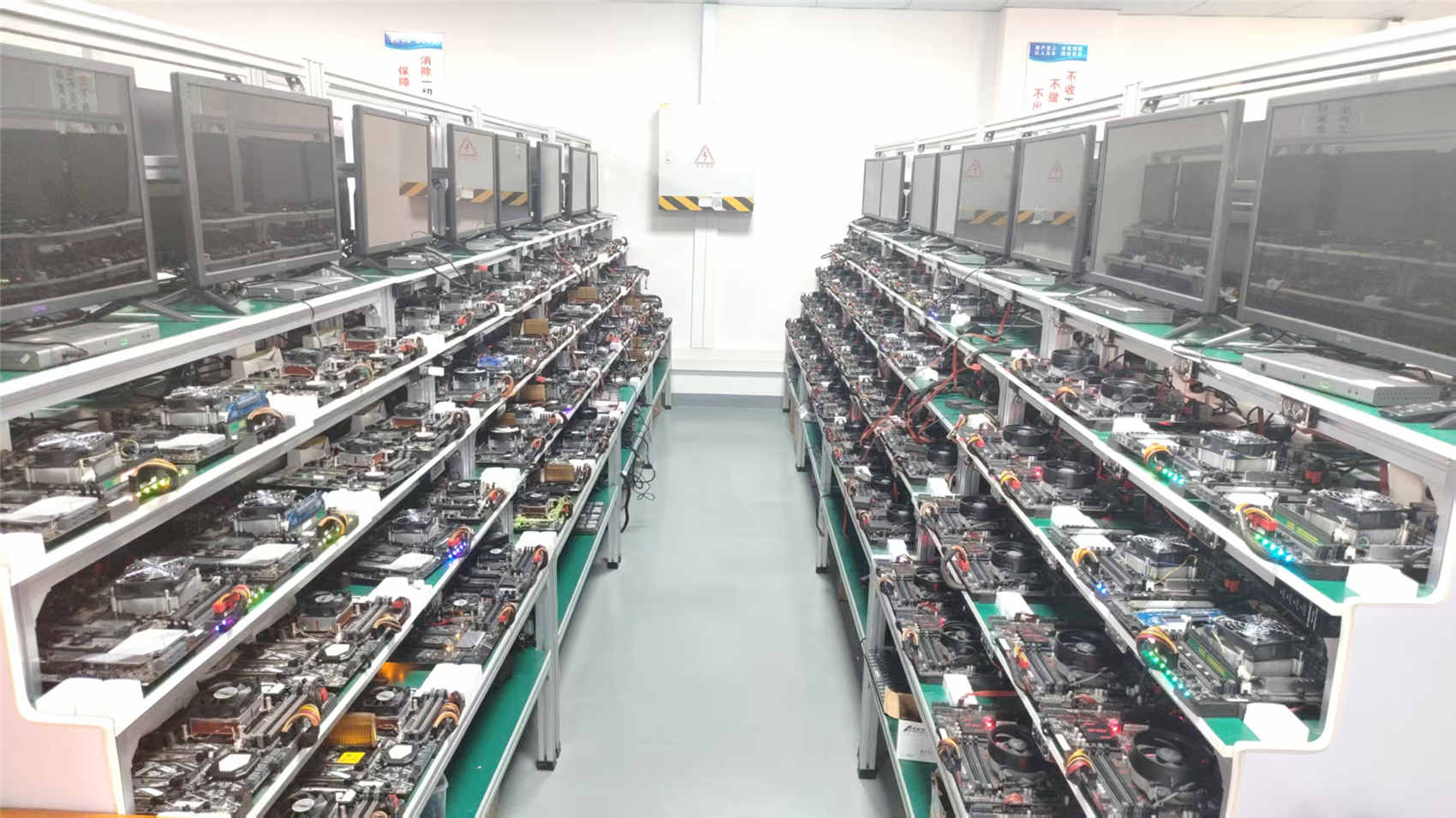
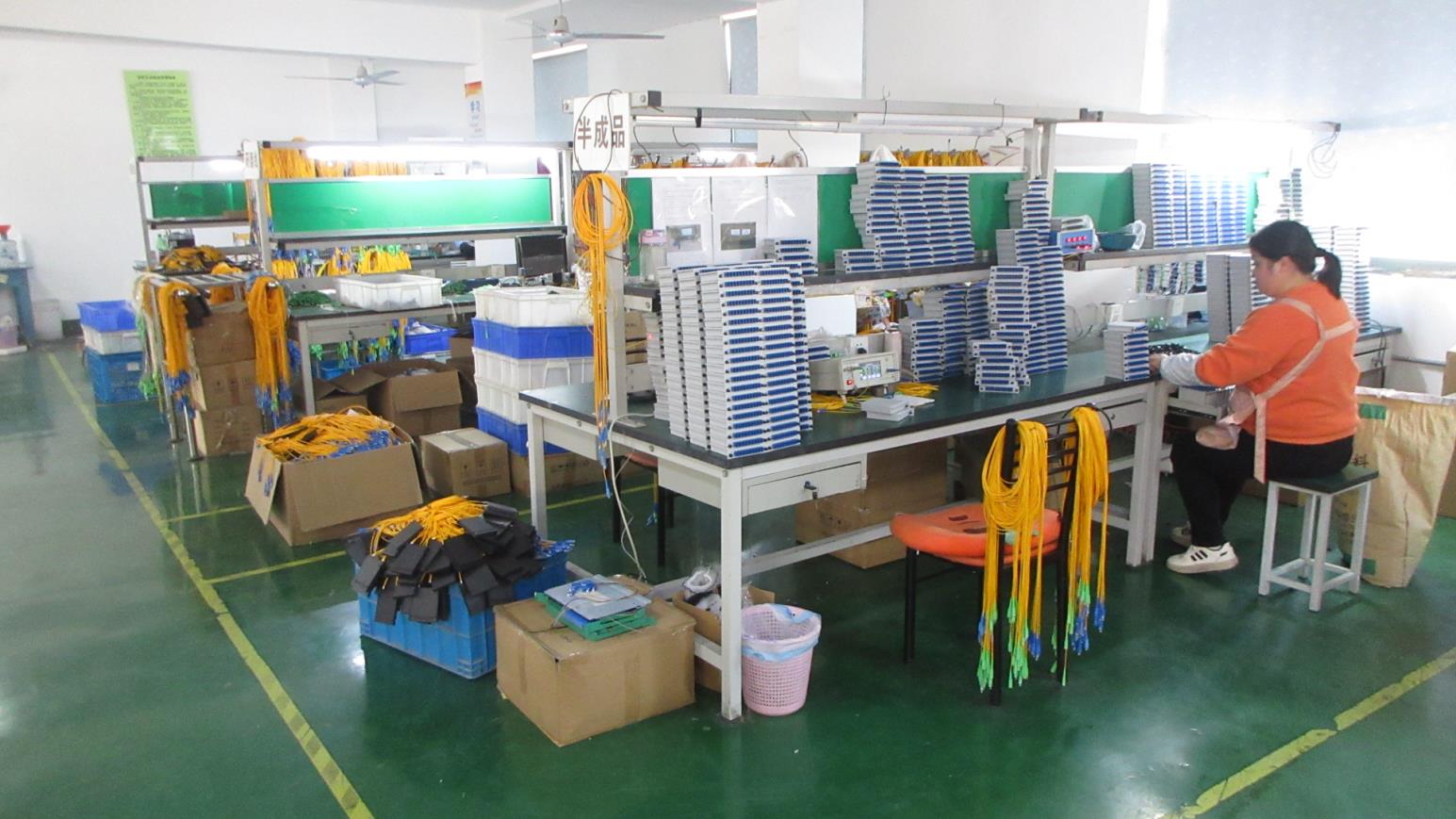
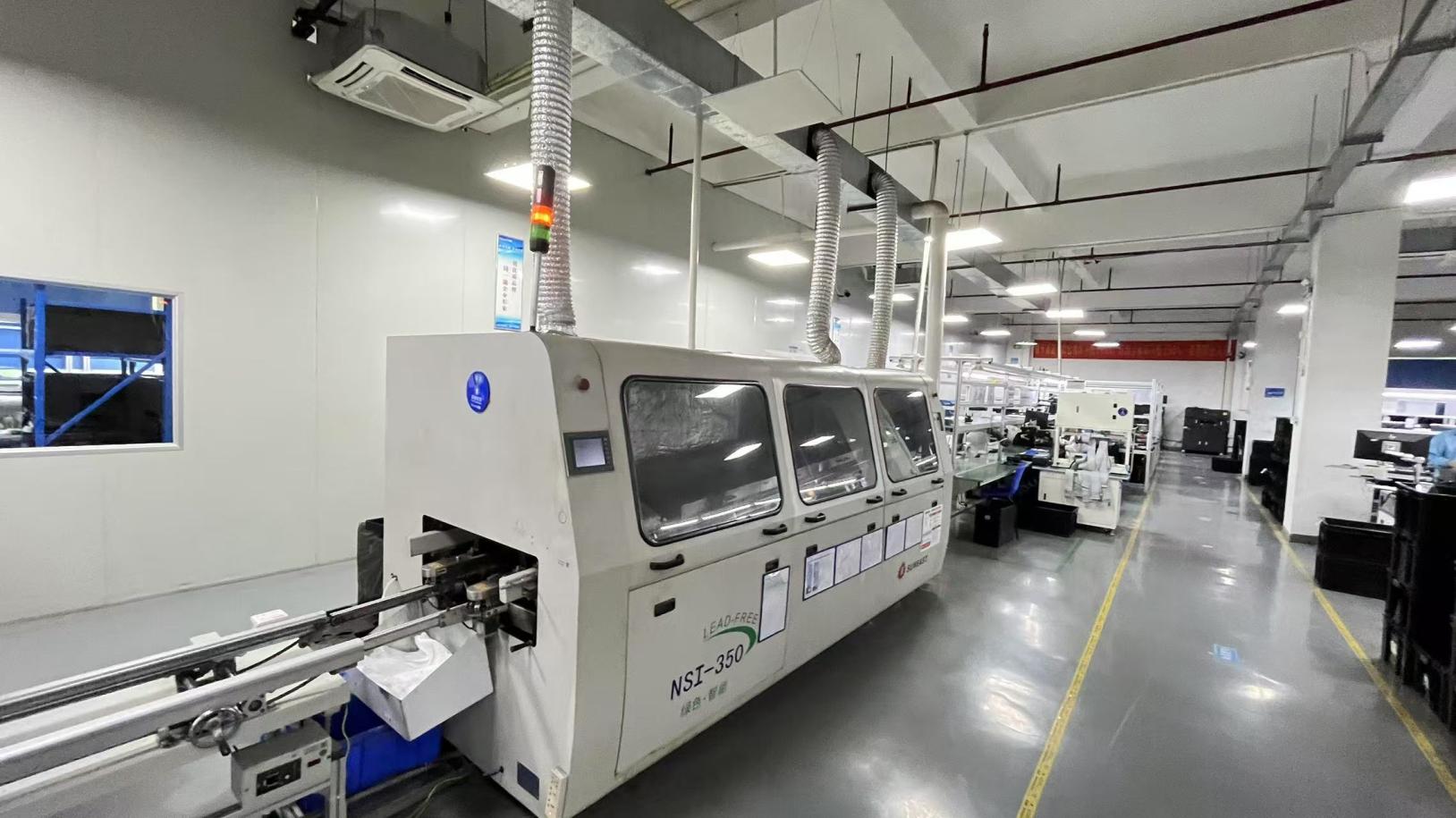
Founded in 2015, FiberQ Photonics Technology Co., Ltd. has established itself as an industry-leading manufacturer specializing in high-performance fiber optic transceivers, SFP cages, and advanced copper-based interconnect solutions. Headquartered in China's high-tech manufacturing hub, FiberQ operates a state-of-the-art production facility spanning approximately 12,600㎡. This facility supports end-to-end processing, from precision injection molding and stamping to automated optical performance validation and high-frequency signal integrity testing.
With 12 years of industry expertise in optical communication and Ethernet hardware design, FiberQ bridges the gap between copper interconnects (such as vertical and horizontal RJ45 Sockets) and high-speed fiber transceivers (ranging from 1G BiDi SFP up to customized 400G/800G form factors). The organization serves a global client base across North America, Europe, Japan, and Southeast Asia, logging an annual export revenue of approximately USD 9.5 million and carrying 6 years of dedicated global export experience.
FiberQ's core differentiator lies in its robust research and development engine. A team of approximately 240 R&D engineers focuses on optical design, high-speed circuit simulation, thermal dynamics, and electromagnetic compliance. This technical foundation allows FiberQ to execute complex OEM/ODM projects, supporting customizations like protocol compatibility, custom wavelength engineering, thermal optimization, and form-factor adaptation.
In the past fiscal year alone, FiberQ launched approximately 180 new products, representing its agility and response to emerging market standards. Backed by a supply chain of 1,450 vetted partners, the company ensures a continuous supply of premium raw materials, including high-grade engineering plastics (LCP, Nylon), phosphor bronze contacts with heavy-gold plating (up to 50u"), and premium magnetic cores.
How specialized RJ45 sockets and SFP interfaces secure network continuity in harsh commercial environments.
Modern data centers employ a leaf-spine architecture. FiberQ provides high-frequency SFP+ cages and high-performance optical transceivers for uplink connections, alongside multi-port RJ45 modular jacks for out-of-band management switches. The combination of EMI-shielded SFP+ cages and low-profile RJ45 sockets allows for extreme panel density, maximizing rack space and optimizing cold-aisle air circulation patterns.
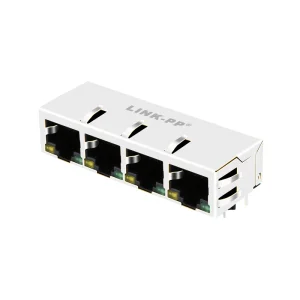
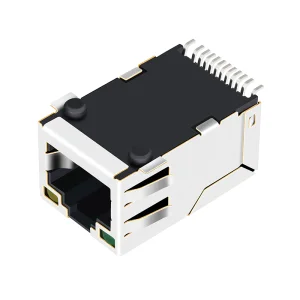
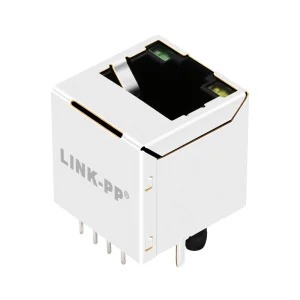
Factory floors are notorious for high levels of EMI and mechanical vibrations. FiberQ’s SMT magnetic RJ45 connectors with integrated LEDs and robust shielding jackets protect delicate Ethernet signals from high-frequency industrial noise. By utilizing Tab-up designs and SMT mounting, these sockets resist physical extraction and thermal cycles common in CNC machinery and PLC controllers.
For outdoor telecom cabinets and remote radio heads (RRH), components must withstand extreme temperatures. FiberQ's industrial-grade SFP transceivers (operating from -40°C to +85°C) and vertical RJ45 jacks with TVS diode protection guard the physical layer against lighting strikes and electrostatic discharge (ESD), ensuring uninterrupted service in metropolitan communication rings.
Evaluating the raw material metrics and tolerances required for standard-compliant network installations.
| Component Group | Key Technical Specification | Material Engineering Standard | Application Target & Compliance |
|---|---|---|---|
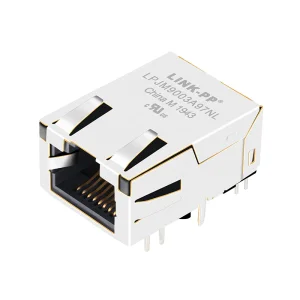
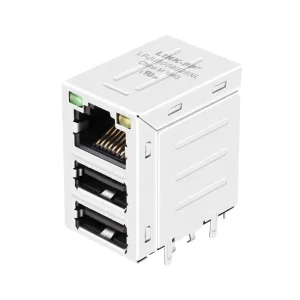
| Magnetic RJ45 Jacks | 10/100/1000 Base-T, 2.5G/5G/10G speed support; Hi-pot: 1500VAC min | Phosphor Bronze contacts, 50u" gold plating; Thermoplastic LCP UL94V-0 | IEEE 802.3 compliance; reduced return loss (-12dB min at 100MHz) |
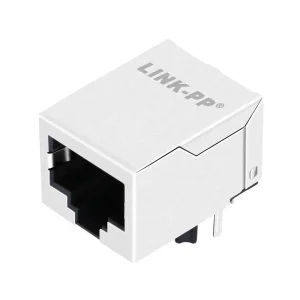
| Non-Magnetic RJ45 Sockets | Multiple port layouts (1x1, 2x4, 2x6); low profile tab-up/tab-down options | Brass shielding shell with nickel plating; high-temperature nylon housing | Cost-effective LAN interfaces for consumer electronics and hub routers |
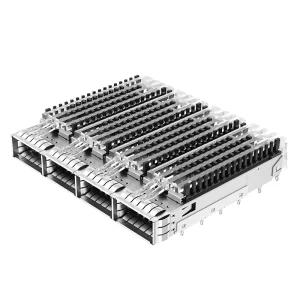
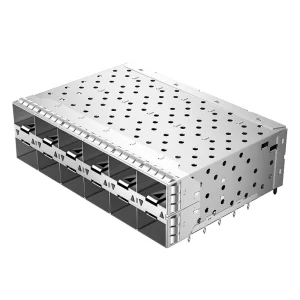
| SFP+ Cage Systems | Press-fit or through-hole pins; EMI shielding gaskets; integrated light pipes | Copper Alloy base metal with tin plating over nickel barrier layers | SFF-8432 and SFF-8431 specs; low-profile high-density fiber switches |
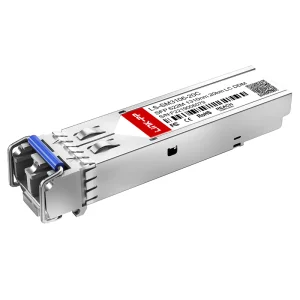
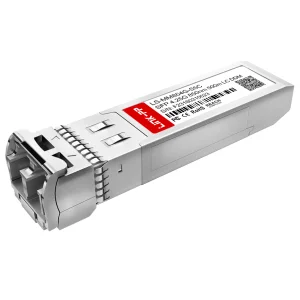
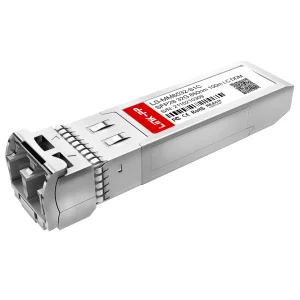
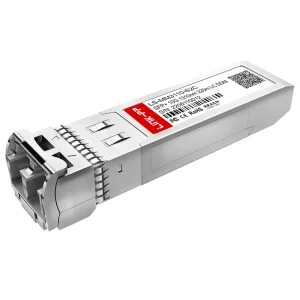
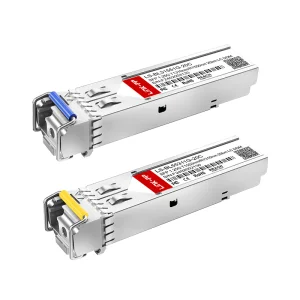
| Optical Transceivers | 1G to 10G speeds, distance variants from 220m MMF to 80km SMF (BiDi) | Zinc alloy die-cast housing for optimal thermal and EMI performance | MSA (Multi-Source Agreement) compliant; DDM digital monitoring support |
Anticipating bandwidth constraints, thermal challenges, and high-frequency shielding standards.
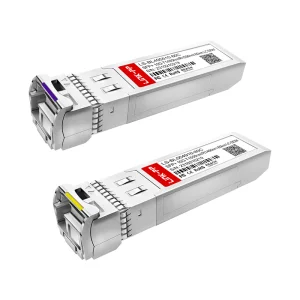
As telecom networks transition to edge 5G infrastructure, FiberQ is refining its single-mode bidirectional transceivers to support longer links (up to 80km) on single-fiber runs. Concurrently, RJ45 sockets are migrating to 2.5G and 5G Base-T architectures, requiring tighter tolerances in internal transformer designs to handle PoE++ (up to 90W) without saturation.
High-power SFP cages require optimized heat dissipation designs. FiberQ's R&D roadmap focuses on developing integrated micro-fin heat sinks and dual-conduit light pipes directly on the metal cages. This minimizes assembly heights while keeping transceiver temperatures below critical thresholds in high-density 100G/200G SFP56 platforms.
In anticipation of 800G and 1.6T transceiver speeds, the boundary between optical engines and silicon chips is dissolving. FiberQ is designing specialized shielding connectors and press-fit cages to accommodate hybrid board layouts, featuring less than 0.1dB insertion loss and robust EMI isolation up to 40GHz.
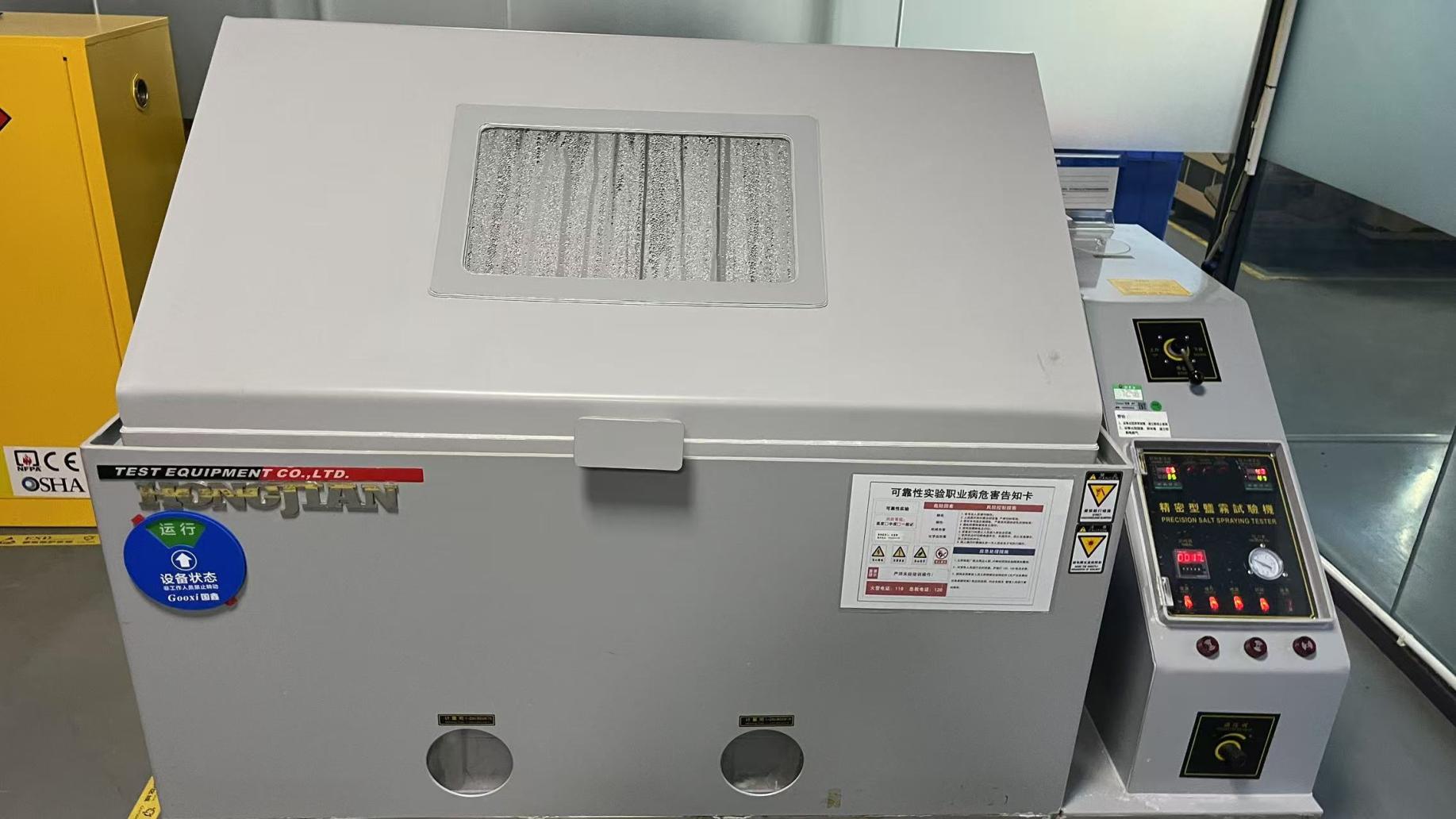
A rigid testing methodology ensuring our clients receive zero-defect interconnect products.
Expert answers to common engineering, procurement, and integration questions.
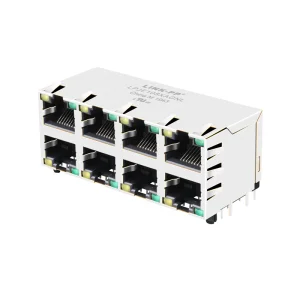
High-fidelity components configured for enterprise networks and industrial equipment.
Inside FiberQ's modern production facilities and testing laboratories.