 FiberQ
FiberQ
FiberQ
Exemplifying precision SMT design, electromagnetic noise isolation, and robust mechanical structures engineered for critical data integrity.
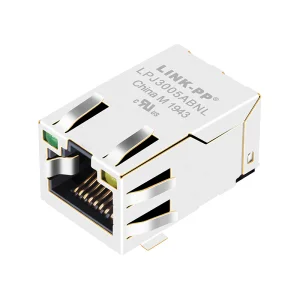
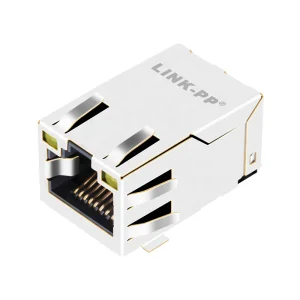
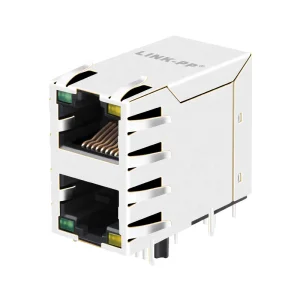
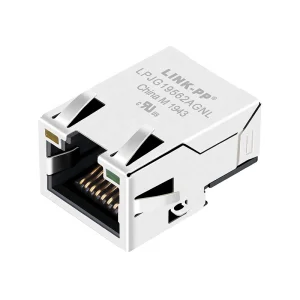
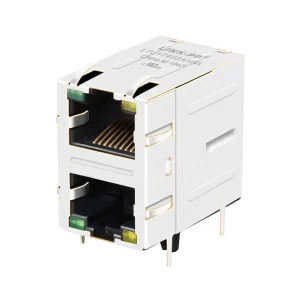
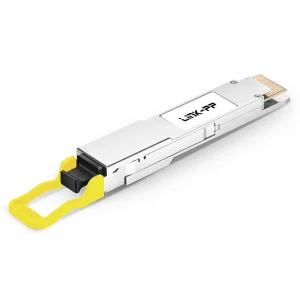
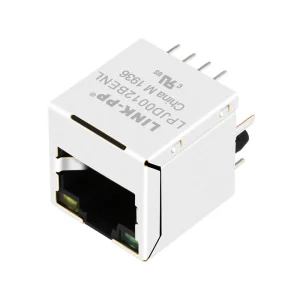
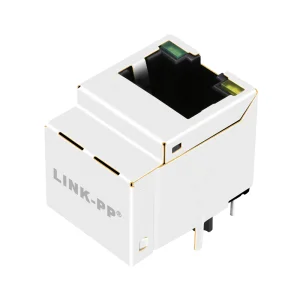
In high-speed data communications, physical layer reliability is paramount. The RJ45 connectivity module remains the bedrock of Ethernet transmission, evolving far beyond standard modular jacks. Today's architectures require integrated magnetics, advanced EMI shielding, and thermal resilience to accommodate high-frequency data and Power over Ethernet (PoE) demands.
At FiberQ Photonics Technology Co., Ltd., we fuse twelve years of optoelectronic innovation with deep precision manufacturing expertise. Recognizing the convergence of high-capacity copper interfaces and fiber-optic networks, our engineering division develops components that bridges copper access nodes with fiber backhauls. From single-port SMT connectors with integrated magnetic components to high-bandwidth optical transceiver modules, our designs conform strictly to IEEE standards, securing packet transmission and minimizing return loss across massive deployments.
Our collaborative ecosystem leverages deep localized manufacturing supply chains to deliver OEM and ODM services, scaling quickly to support high-density configurations, custom pin footprints, and advanced thermal requirements.
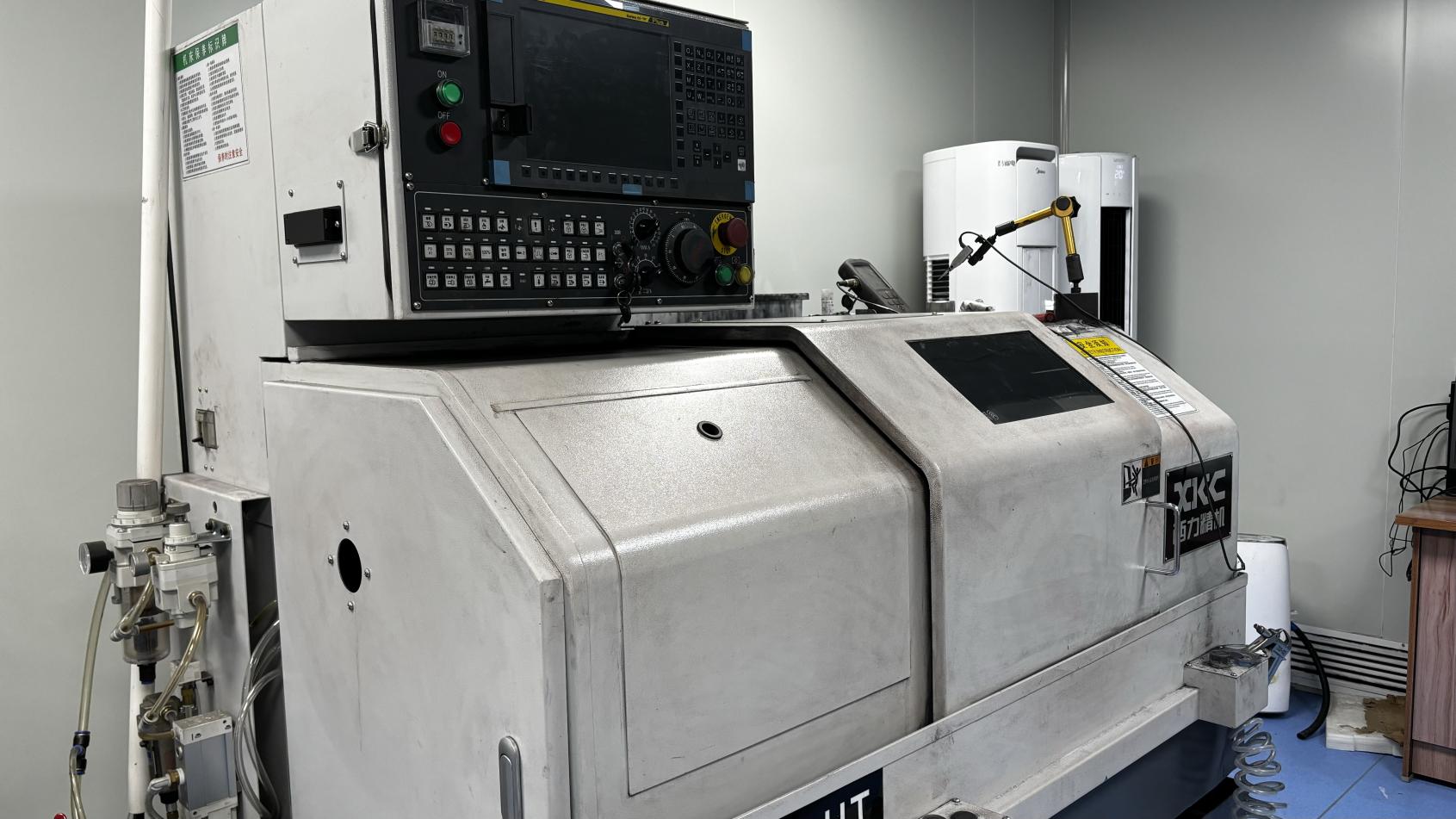
Founded in 2015, FiberQ Photonics Technology Co., Ltd. has established itself as an authoritative global developer of advanced networking components. Our operations balance structural precision with high-frequency electronic innovation.
A comprehensive engineering analysis of modern Ethernet copper connections, transceiver adaptation, and the shifting dynamics of global data center hardware deployment.
The rise of edge computing, 5G base stations, and multi-gigabit LAN networks has pushed copper-based RJ45 connectivity modules to handle 2.5GBASE-T, 5GBASE-T, and 10GBASE-T frequencies. This shift demands integrated magnetic modules (ICMs) that deliver high return-loss rejection, precise common-mode noise filtering, and isolation voltages exceeding 1500Vrms to preserve signal integrity over maximum distances.
High-density PCB configurations leave minimal margin for noise interference. Advanced Surface Mount Technology (SMT) RJ45 connectors feature integrated shielding shells, internal planar inductors, and specialized mechanical pins that minimize parasitic capacitance. Automated testing with precise 3D coplanarity inspections guarantees optimal solder joint integrity on high-speed SMT assembly lines.
Delivering high-power currents (PoE, PoE+, and PoE++ up to 90W) alongside high-speed data poses thermal and materials challenges. Current-induced heat dissipation inside copper windings requires high-curie temperature ferrites. Precision gold plating on contacts (up to 50 micro-inches) prevents physical contact degradation caused by electrical arcing during mating and unmating under load.

FiberQ Photonics implements a zero-defect quality control framework across our 12,600㎡ modern manufacturing center. We believe in proactive defect prevention, integrating automated optical testing and high-frequency parameter characterization directly into the production line.
Our quality assurance division relies on 62 professional quality inspectors who oversee compliance with ISO 9001 and international telecom industry standards (IEC, Telcordia, and IPC).
Data center networks, telecom operators, and enterprise hardware integrators in North America, Europe, Japan, and Southeast Asia demand rapid delivery cycles, long-term component availability, and compliance guarantees. Aligning manufacturing with these global sourcing requirements involves structured supply chain orchestration and strong R&D responsiveness.
To guard against raw material price spikes and semiconductor component bottlenecks, FiberQ collaborates with over 1,450 verified material and component vendors. This deep vendor network ensures steady access to core materials—such as high-permeability magnetic cores, precision connector housings, and optoelectronic chipsets.
Supported by 240 R&D engineers, we customize physical housings, change pin lengths, add specific LED indicators, and program custom EEPROMs. This engineering resource allows us to match OEM footprints or meet complex multi-protocol compatibility requirements (100G/200G/400G/800G) within compressed design timelines.
Global integration requires adherence to international environmental and safety standards. Our entire product line carries RoHS and REACH certifications. We guarantee clean electrical safety compliance, facilitating smooth import clearance and seamless integration into larger network devices.
Direct look into our cleanroom assembly floors, optical measurement laboratories, and modern manufacturing infrastructure.

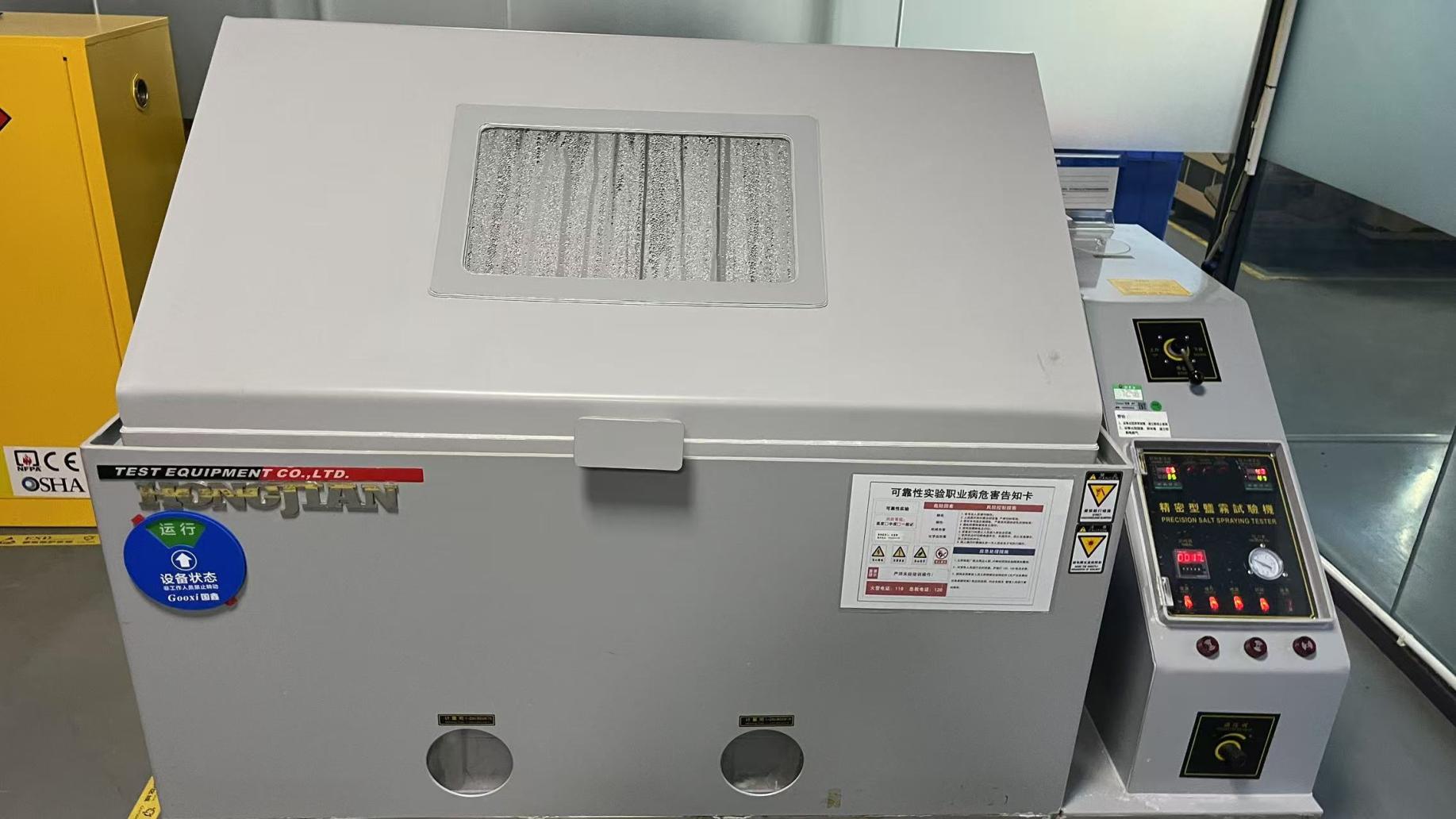
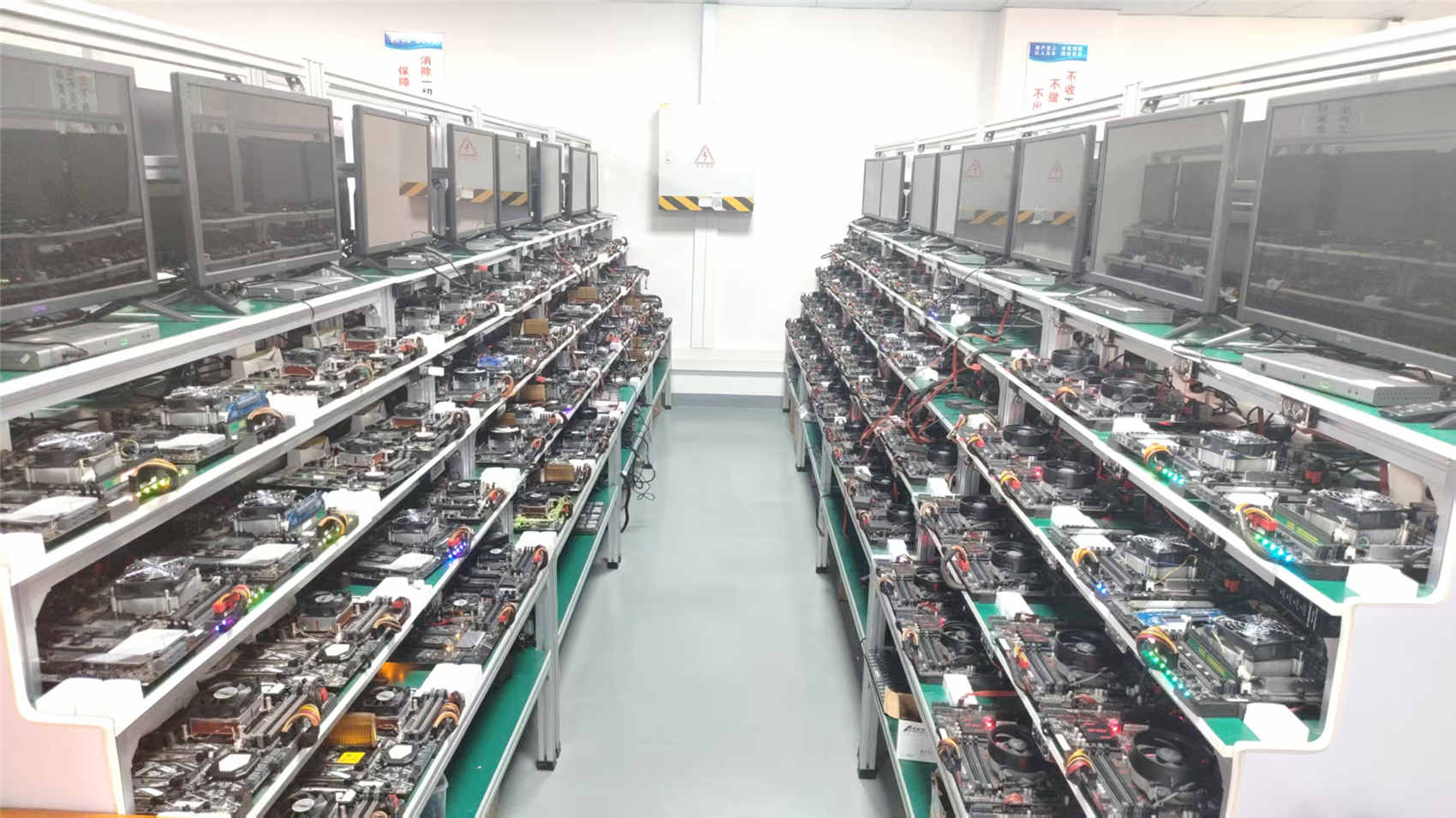
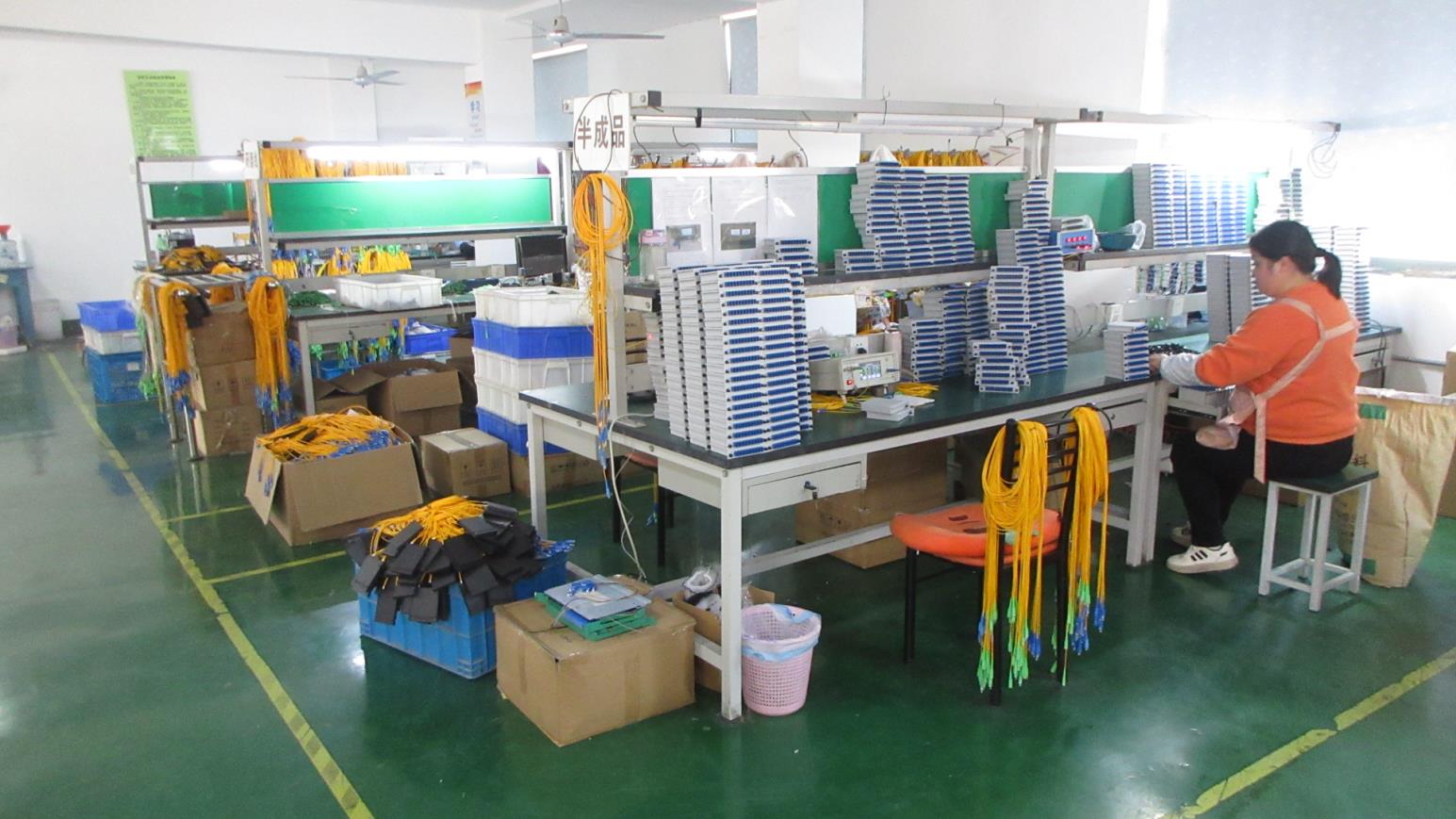
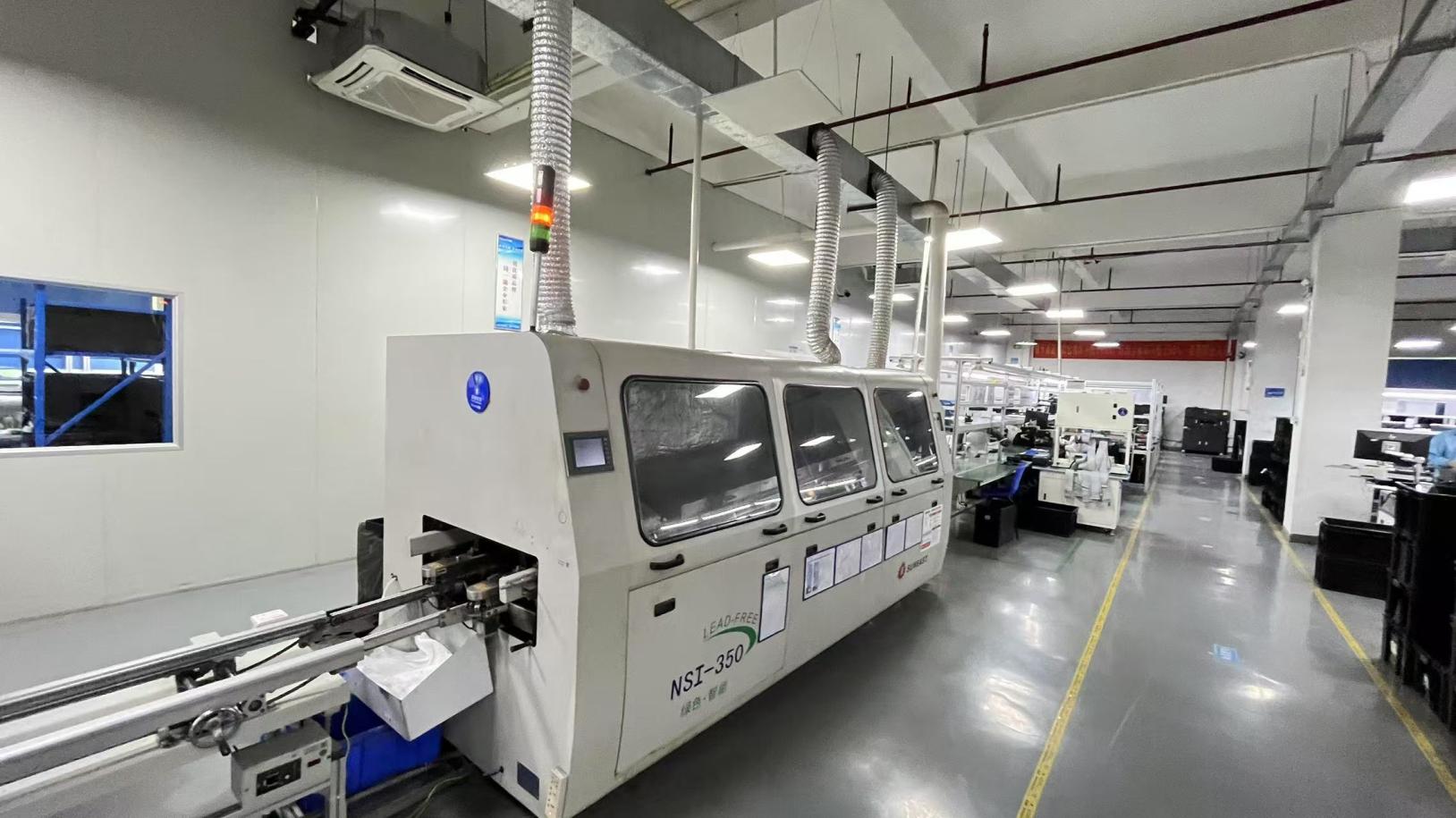
The networking ecosystem is undergoing a major evolution. While fiber optical transceiver technologies are scaling to 400G and 800G, the copper access layer is developing new standards. We design with a forward-looking perspective, keeping our modules ready for future architectures.
We focus on Single Pair Ethernet (SPE) systems, which deliver data and power over a single pair of copper wires. This technology is optimized for industrial IoT and smart building automation, where space is limited and cabling weight must be minimized.
Additionally, we work closely with optical networks using Co-Packaged Optics (CPO). This technology integrates optical engines directly alongside high-speed silicon switch fabrics, reducing energy consumption and latency. Our research helps link optical lines with multi-gigabit copper terminations, ensuring reliable connectivity throughout the entire system.
Integrating fiber transceiver engines with processing silicons, achieving high density and saving up to 30% of typical routing power budgets.
Redesigning transformer winding topologies to minimize resistive heat loss and prevent magnetic core saturation under high continuous current loads.
High-bandwidth optoelectronic modules designed for high-density switches, core routers, and long-range telecommunications networks.
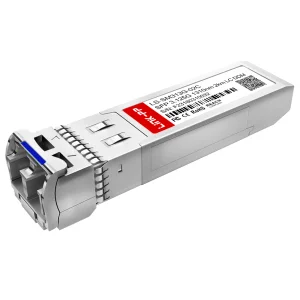
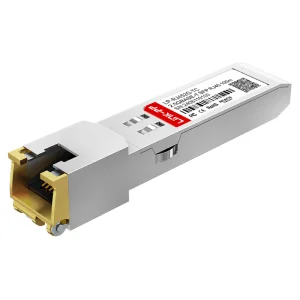
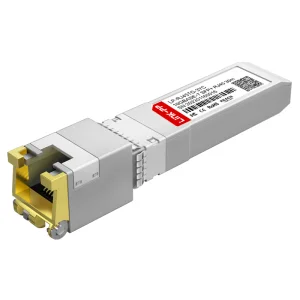
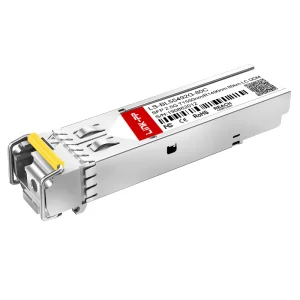
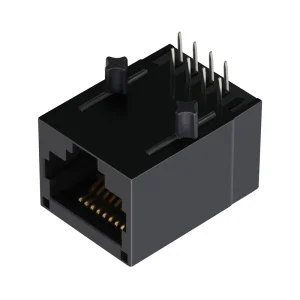
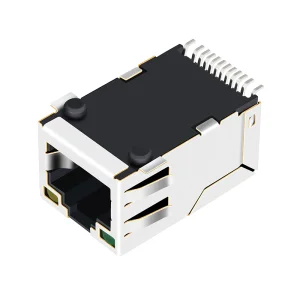
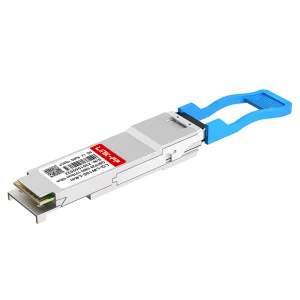
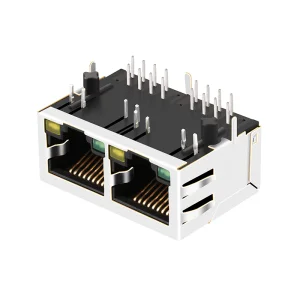
Deep technological clarifications regarding interface integration, signal performance, and customization support.
Integrated Connector Modules (ICMs) merge the physical RJ45 modular jack with isolation transformers, common-mode chokes, and decoupling capacitors into a single shielded housing. This integration is vital for three reasons:
PoE configurations (especially IEEE 802.3bt Class 8 delivering up to 90W) inject DC currents over active signal lines, causing two key engineering challenges:
Different networking switch vendors enforce software-based lockouts on transceiver ports using internal EEPROM signature codes. FiberQ Photonics features an R&D compatibility lab equipped with over 200 mainstream vendor switches (including Cisco, Juniper, Arista, and HPE). We customize EEPROM configuration files to match target platform profiles, ensuring plug-and-play identification, reliable telemetry readings, and stable link performance.
Surface Mount Technology (SMT) allows for automated Pick-and-Place mounting, reducing manual assembly steps and improving consistency. SMT designs minimize the length of terminal pins extending through the board, reducing parasitic inductance and stabilizing signal transmission above 250 MHz—which is critical for 5G and 10G Ethernet applications.