FiberQ
FiberQ
FiberQ
Engineered to support high-speed data transmission, robust electromagnetic interference shielding, and industrial reliability.
The standard RJ45 (Registered Jack 45) Ethernet modular connector remains the backbone of enterprise networking, data center infrastructure, industrial automation, and smart grids. Despite the massive shift toward wireless protocols, physical layer reliability is paramount in maintaining steady, high-bandwidth networks resistant to external electromagnetic interference (EMI). Modern applications require RJ45 solutions to perform under aggressive mechanical thermal parameters while supporting higher frequencies up to Cat8 standards (2 GHz).
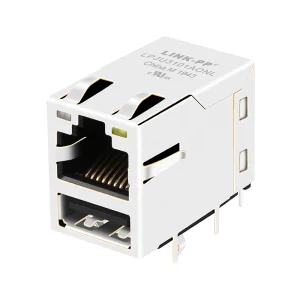
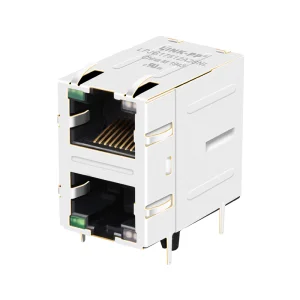
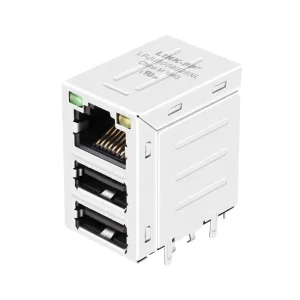
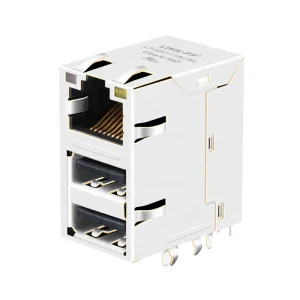
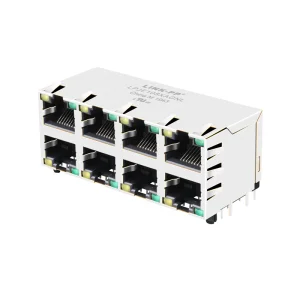
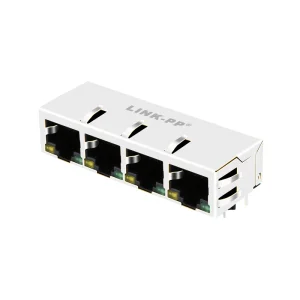
Globally, manufacturers are transitioning from simple passive receptacles to active integrated connectors (Integrated Connector Modules - ICMs or "Magjacks"). These advanced RJ45 Ethernet jacks package internal magnetic filters, capacitors, and resistors into a single shielded housing, protecting critical PHY silicon chips from ESD surges, common-mode noise, and signal degradation.
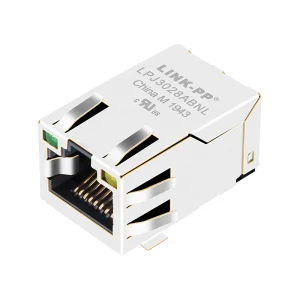
According to industrial hardware data, more than 85% of active industrial IoT and factory floors depend on shielded RJ45 female connectors with integrated LEDs to handle heavy vibration and extreme chemical environments while providing immediate visual feedback for local diagnostic engineers.
Analyzing technical developments, electrical specifications, and the convergence of copper and optical hardware pathways.
The standard IEEE 802.3bt (PoE++) is redefining power delivery, transferring up to 90W-100W of DC electricity alongside Gbps connection signals. Standard connectors suffer from thermal failure and contact damage during mating cycle arcs, forcing designers to deploy advanced alloy plating architectures and proprietary thermal ventilation channels.
In high-density server environments, electromagnetic interference (EMI) degrades network throughput. Shielded RJ45 female connectors utilize 360-degree brass or phosphor bronze plating options with multi-point grounding tabs to suppress high-frequency noise and ensure continuous, zero-loss transmission.
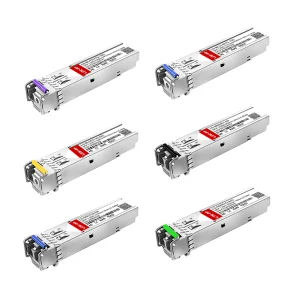
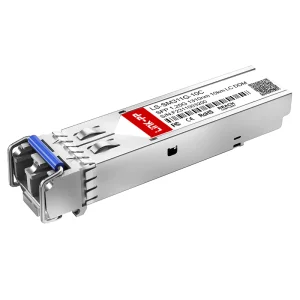
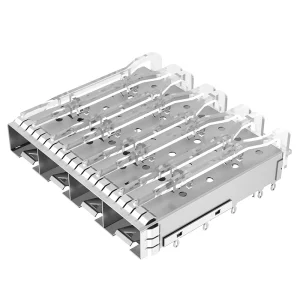
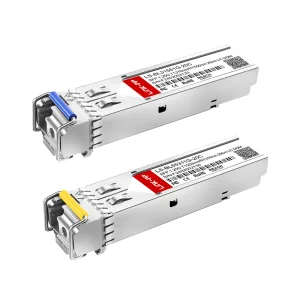
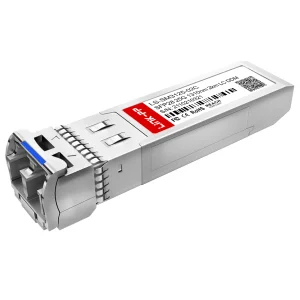
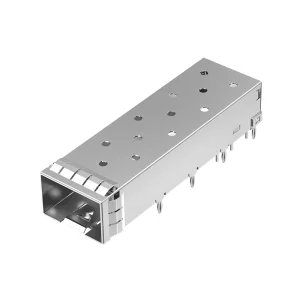
Next-generation telecom switch infrastructures deploy hybrid architectures where PCB boards manage optical SFP/SFP+ cage assemblies next to high-speed modular RJ45 jacks, facilitating seamless local loops and broad enterprise uplink capability.
FiberQ Photonics Technology Co., Ltd. is a professional manufacturer specializing in high-performance fiber optic transceivers and advanced photonic communication solutions for data centers, telecom networks, and high-speed interconnect applications. Founded in 2015, the company has grown into a trusted global supplier with strong engineering and export capabilities.
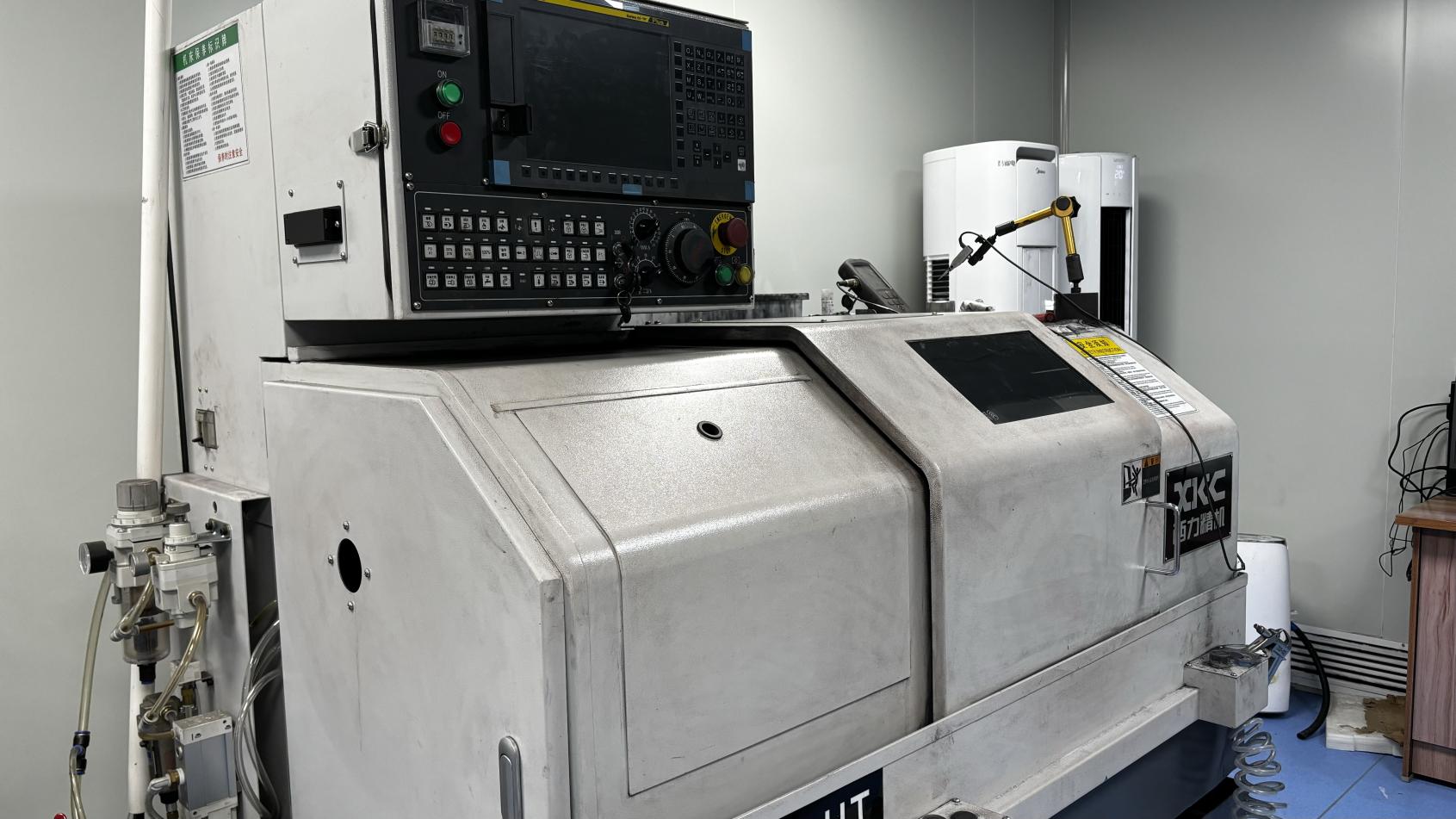
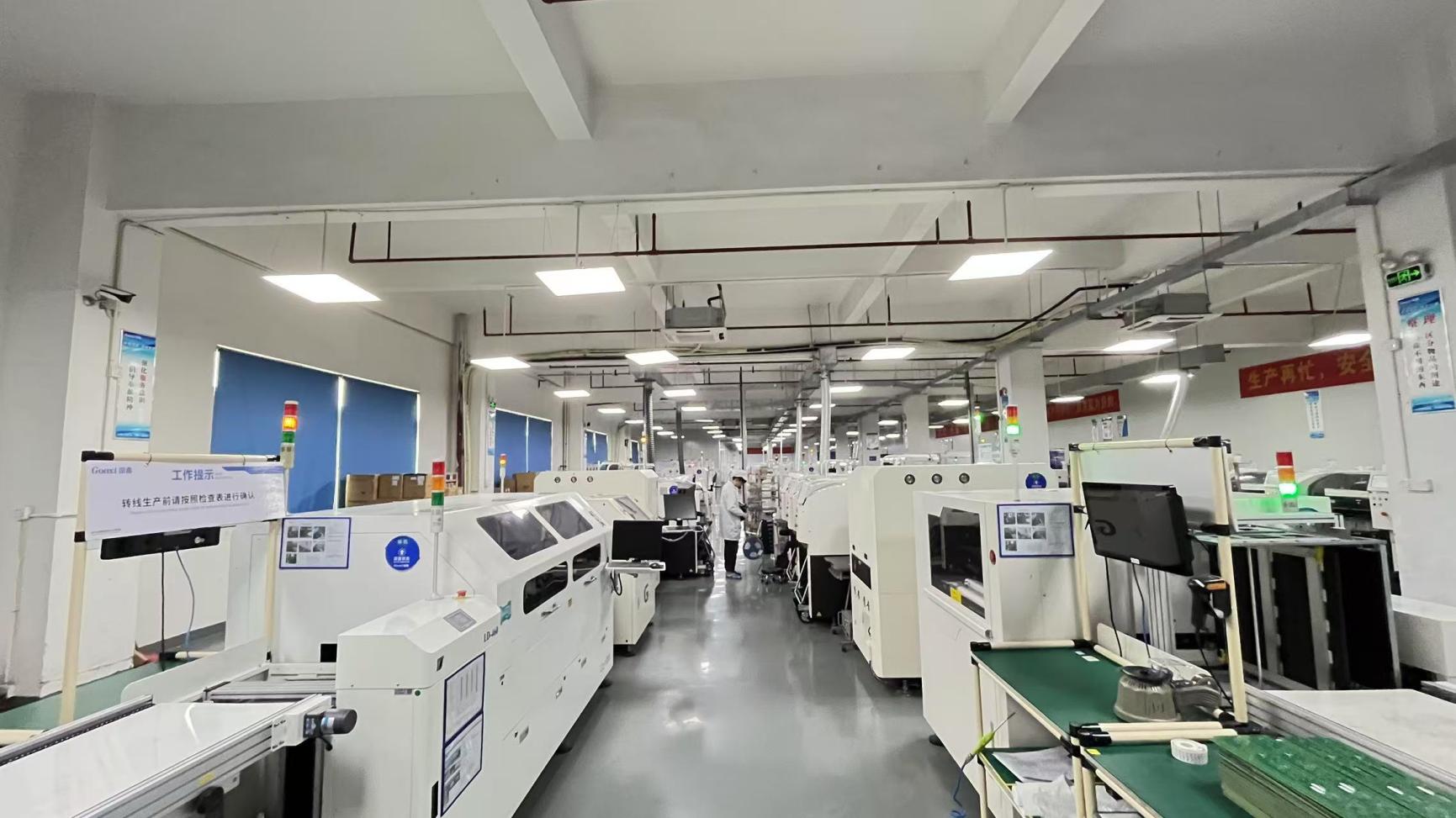
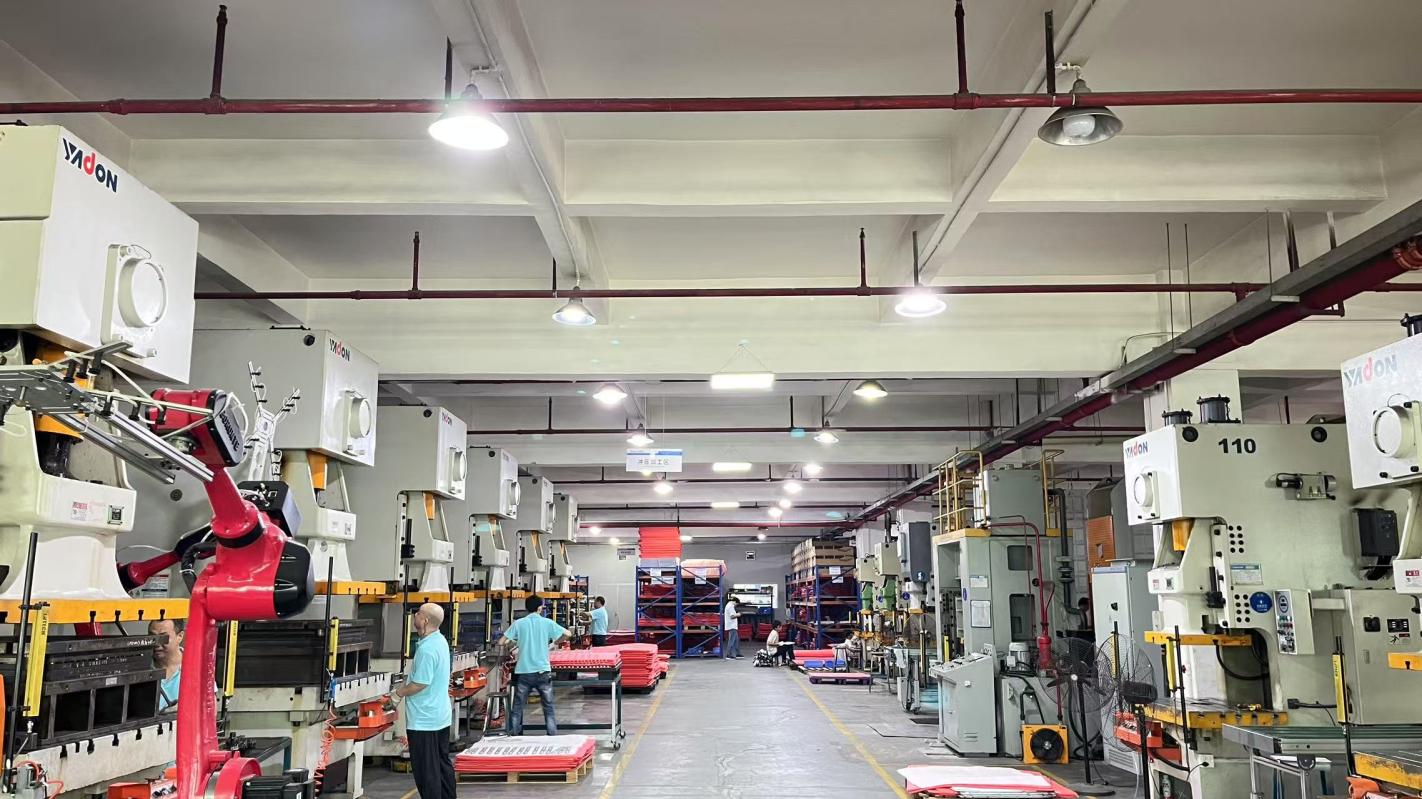
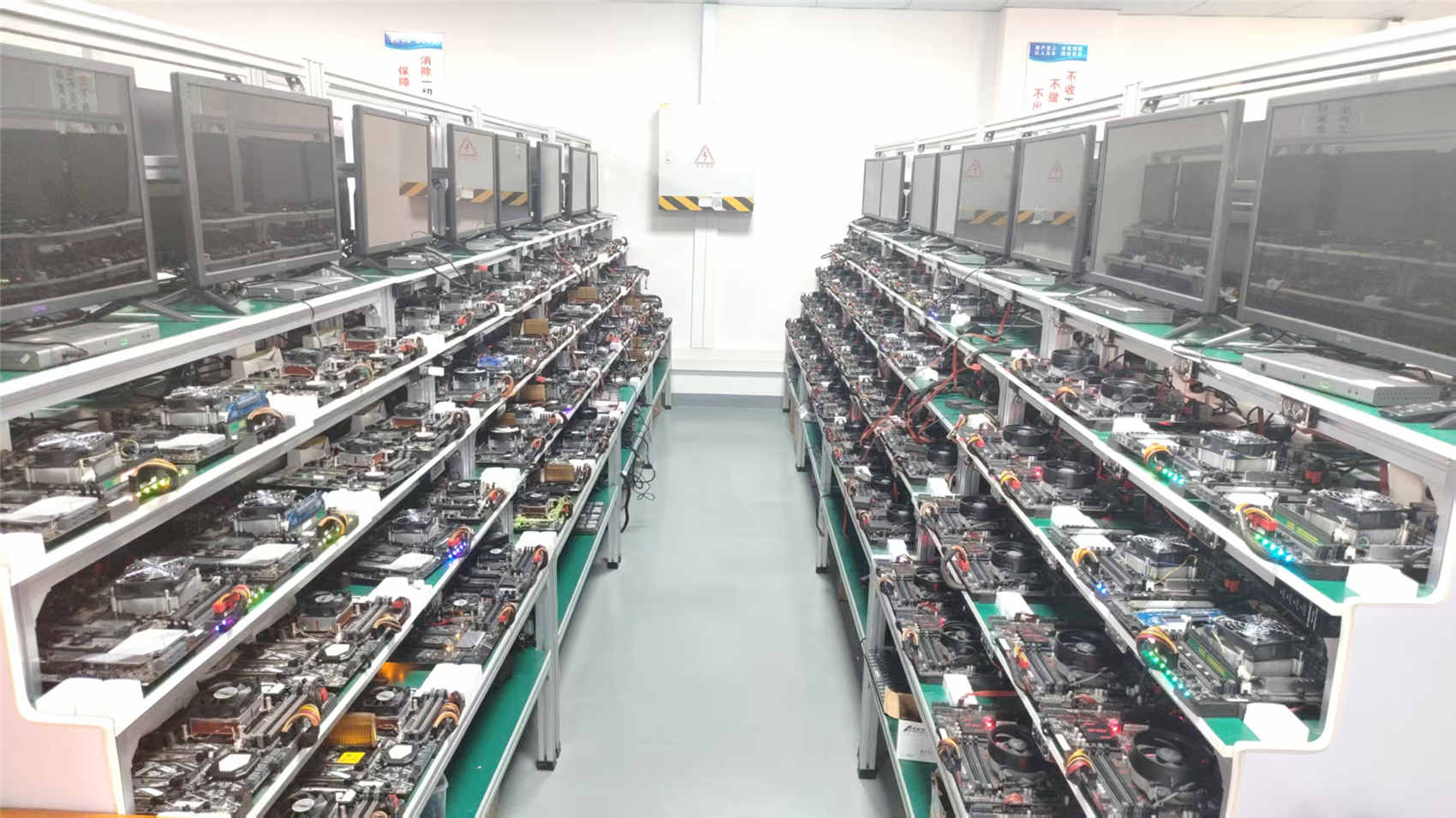
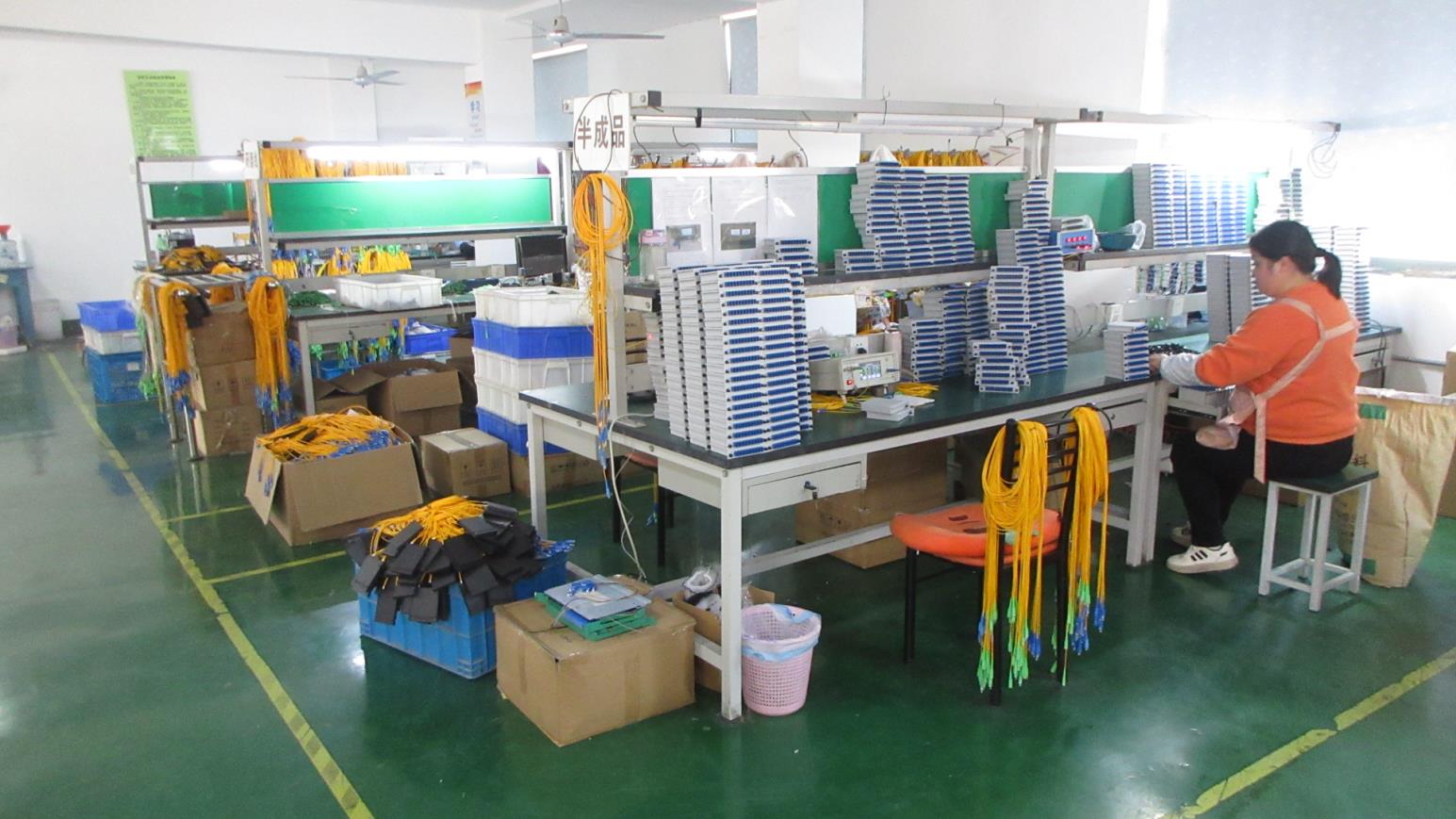
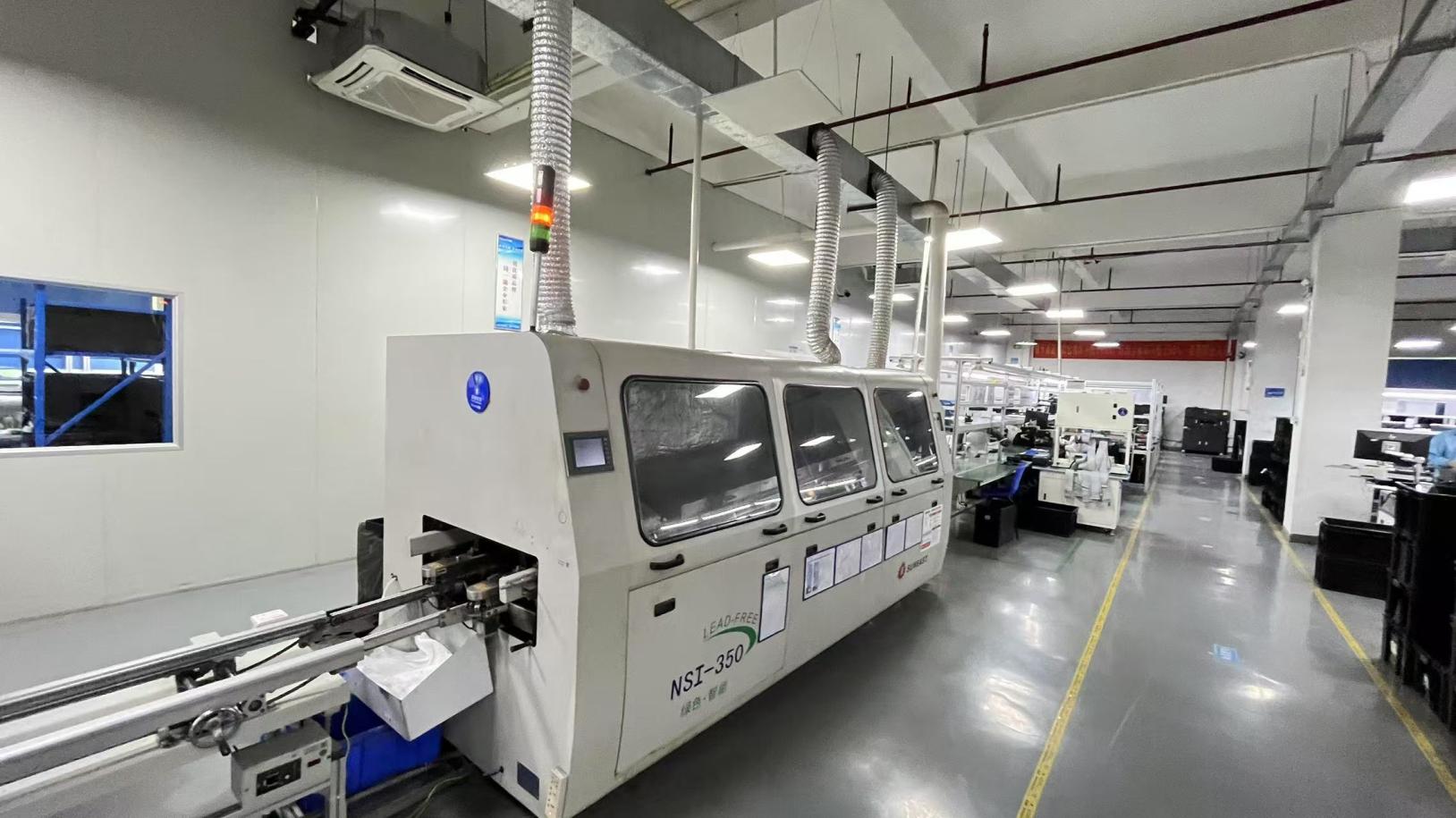
Our state-of-the-art production system is tailored to global standards of interconnect performance, combining modern machinery with a massive R&D team to support major network structures globally.
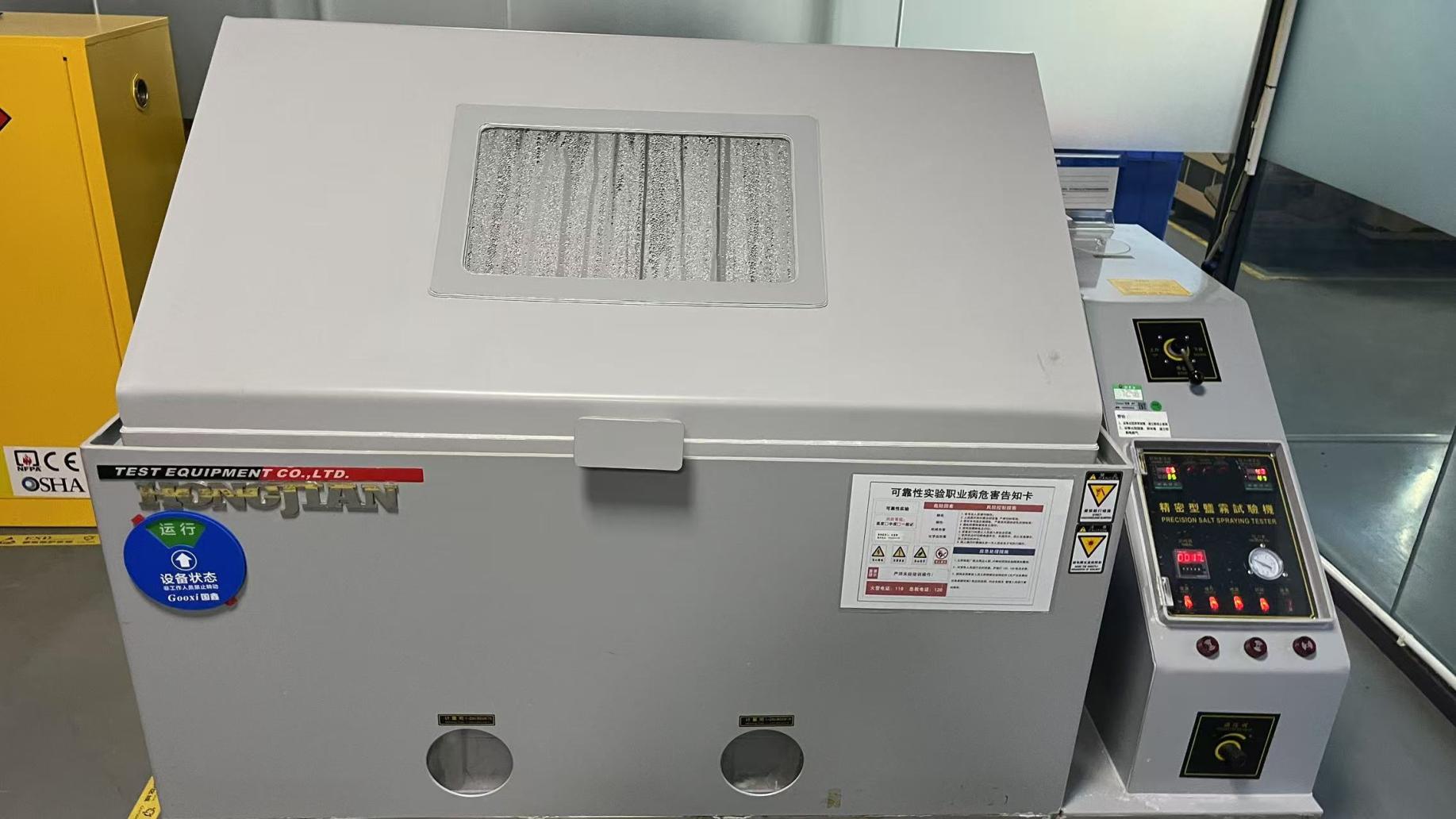
Quality control is maintained through automated optical performance testing, interferometric inspections, high-temperature aging tests, and rigorous manual quality inspections by 62 experienced quality control specialists.
Over 180 new products launched in the past year to maintain edge-to-edge engineering innovation.
From hyper-scale cloud data centers to rugged factory automation, our components serve the world's most demanding physical layers.
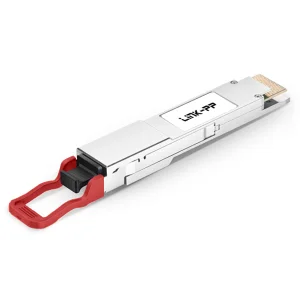
Managing high bandwidth and low latency in modern high-density server racks requires high-speed optical transceivers alongside robust, low-crosstalk RJ45 copper management ports. SFP+ cage assemblies with integrated light pipes help engineers immediately identify active/inactive nodes during live maintenance cycles, preventing unexpected network down-time.
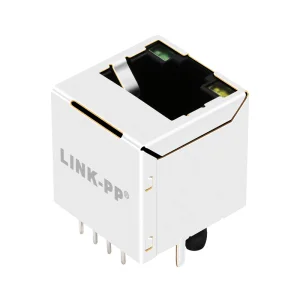
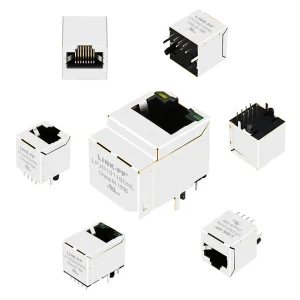
Factory floors present hazardous conditions including vibration, chemical fumes, and heavy electromagnetic interference from heavy-duty machinery. Industrial RJ45 female jacks and modular connectors must be built with robust mechanical shielding and vertical/bottom-entry configurations to fit compact PLC (Programmable Logic Controller) boxes.
Telecommunications operators deploy complex outdoor transceivers and fiber distribution nodes. Utilizing premium materials like gold-plated pins, high-temperature resistant plastics, and weather-proof casing interfaces, our interconnect solutions withstand severe weather conditions, reducing field service call-outs and maintenance overhead.
Compare mechanical frequency thresholds, maximum transfer rates, and specific design targets for proper structural configuration.
| Standard Category | Maximum Frequency | Data Rate Limit | Shielding Requirements | Primary Deployment Arena |
|---|---|---|---|---|
| Cat5 / Cat5e | 100 MHz | 1 Gbps | UTP (Unshielded) or STP | SOHO Networks, Basic IP Cameras |
| Cat6 / Cat6a | 250 / 500 MHz | 10 Gbps | Required (Cat6a STP) | Enterprise LAN, Workstations, PoE Devices |
| Cat7 / Cat7a | 600 / 1000 MHz | 10 Gbps | Fully Shielded (S/FTP) | Broadcast Studios, Industrial Control Systems |
| Cat8 | 2000 MHz | 40 Gbps | Shielded (S/FTP) Only | Switch-to-Switch Data Center Server Links |
As edge computing and Artificial Intelligence (AI) algorithms continue to expand, physical hardware components must scale rapidly. The development of Single Pair Ethernet (SPE) is a key trend to watch, reducing copper usage while maintaining 1 Gbps performance levels. Simultaneously, Co-Packaged Optics (CPO) and high-density copper sockets are converging directly onto internal processing boards.
Our R&D department continues to innovate new copper and optical structures, including high-frequency multi-port RJ45 configurations, ultra-compact press-fit cages, and eco-friendly raw materials to comply with future environmental regulations globally.
Sustaining uninterrupted product supply cycles for major networking operations requires an organized logistical framework. FiberQ partners with over 1,450 suppliers worldwide to secure access to premium core components like high-grade phosphor bronze alloys, high-performance LED diodes, and precision-engineered optical sub-assemblies (TOSA/ROSA).
Serving major distribution channels in North America, Europe, Japan, and Southeast Asia, our team works closely with telecom service providers, cloud infrastructure operators, and network equipment manufacturers to ensure timely delivery and localized engineering support.
Direct answers to crucial design, compatibility, and integration questions frequently asked by network engineers.
A standard RJ45 jack is a simple physical interface. An Integrated Connector Module (ICM), often called a "Magjack", contains internal magnetic isolation components (transformers, common-mode chokes, resistors, and capacitors) within the metal shield. This integration saves PCB space, improves EMI suppression, and provides superior signal integrity and ESD protection for the physical layer (PHY) transceiver chip.
Hybrid switches deploy SFP/SFP+ cage assemblies to allow fiber-optic uplinks for long-distance connectivity (up to 10km-40km using single-mode fiber modules) while using RJ45 copper ports for local equipment connections within 100 meters. This gives network integrators the flexibility to scale bandwidth and reach within a single piece of hardware.
PoE++ (IEEE 802.3bt) delivers up to 90W-100W of power over standard ethernet cabling. Under these loads, electrical arcing can damage contact pins during connector mating/unmating. Industrial-grade RJ45 connectors use specialized contact geometries and high-grade plating to ensure reliable power transfer and heat dissipation without signal degradation.
Reliable optical performance depends on precise fiber core alignment (inspected using automatic interferometers), thermal chamber aging to ensure operational stability from -40°C to +85°C, and bit-error-rate testing (BERT) to verify error-free transmission across the entire fiber link budget.
Explore our full line of magnetic modular jacks, SFP/zSFP+ cages, and high-bandwidth optical transceiver modules.
A glimpse inside our ISO-certified cleanrooms, automated assembly systems, and advanced optoelectronic testing labs.