FiberQ
FiberQ
FiberQ
Precision engineered connectors designed for high-density, low-latency applications across telecom and industrial networks.
Unveiling physical modifications and electromechanical requirements for modern multi-gigabit setups.
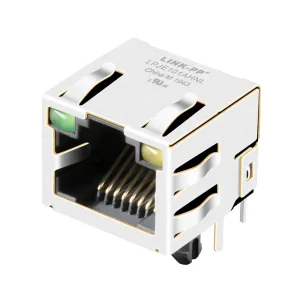
In the domain of high-speed data transmission, physical connection stability remains the ultimate bottleneck. While optical systems handle long-distance backhaul, copper interconnects powered by RJ45 clip connectors dominate local area networks (LANs), data center cabinets, and edge computing terminals. The classic RJ45 connector, standardized under IEC 60603-7, has evolved from a simple telephone modular plug into a complex piece of precision engineering capable of supporting 10G and 40G Ethernet over twisted-pair copper cables.
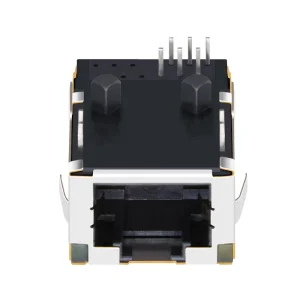
A primary structural improvement is the modernization of the locking mechanism—the RJ45 clip or latch. Traditional plastics often degraded after repeated insertion cycles, leading to latch snapping, structural fatigue, and "loose-port dropouts," which cause packet loss in mission-critical hardware. Today's global manufacturers utilize engineered polycarbonates and specialized polymers that permit thousands of bending cycles without degradation. Snagless designs, featuring integrated boots or flexible ramps, prevent the clip from catching on adjacent cables in congested cable trays.
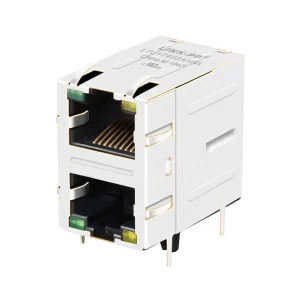
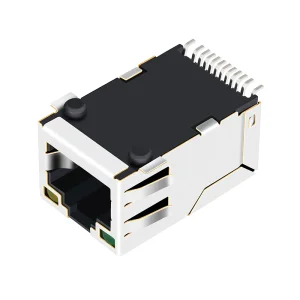
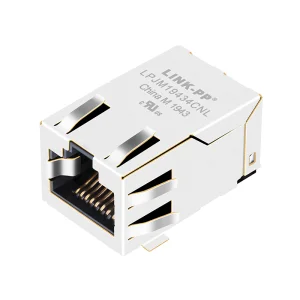
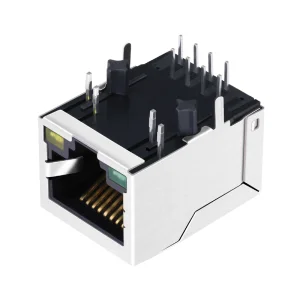
Moreover, the integration of magnetic shielding directly within the connector assembly (the so-called Integrated Connector Module, or ICM) has shifted the RJ45 clip connector from a passive termination plug to an active electromagnetic interference (EMI) barrier. Shielded RJ45 clip connectors feature metal-clad housings, internal isolation components, and dedicated ground pins that anchor the shield directly to the PCB chassis, successfully suppressing Near-End Crosstalk (NEXT) and Far-End Crosstalk (FEXT) in crowded environments.
Utilizing high-tensile shape-memory polymers that sustain upwards of 2,500 mating cycles without snapping, minimizing physical layer disconnections.
Full 360-degree metallic cages enclosing the plastic core block high-frequency electromagnetic interference and crosstalk in dense rack systems.
Internal layout optimizations support bandwidth demands for Category 6A, Category 7, and Category 8 networks, reaching speeds up to 40Gbps.
Analyzing critical risk vectors, engineering standards, and total cost of ownership in high-speed hardware acquisition.
Procuring network components at a global scale requires balancing performance verification, cost structure, and supply reliability. Purchasing officers must look beyond simple per-unit costs to analyze the total cost of ownership (TCO). In massive installations, such as automated manufacturing facilities or high-density server environments, a single connector failure can trigger downtime costing thousands of dollars per minute. Therefore, reliable procurement strategies center on strict quality indicators and verified test reports.
The selection of an RJ45 clip connector supplier involves verifying adherence to major international standards: UL 1863 (standard for communications-circuit accessories), RoHS & REACH compliance (chemical and environmental safety), and IEEE 802.3bt compatibility (ensuring the connector safely supports high-power PoE++ up to 90W/100W without contact thermal degradation).
Key checkpoints during supplier audits include checking the thickness of the gold plating on the contact mating surface (preferably 50 micro-inches for enterprise-grade hardware to prevent oxidation), the quality of the solder tail finish, and the reliability of the housing plastic. Furthermore, lead-time predictability and robust container shipping options are crucial for global builders who cannot afford construction delays.
Combining automation, raw material access, and advanced logistics to secure global supplies.
China's component manufacturing industry has advanced past basic manual assembly into the era of Factory 4.0, characterized by high automation, integrated vertical supply chains, and data-driven quality systems. This shift provides global buyers with stable pricing, reliable quality, and scalable production capacity.
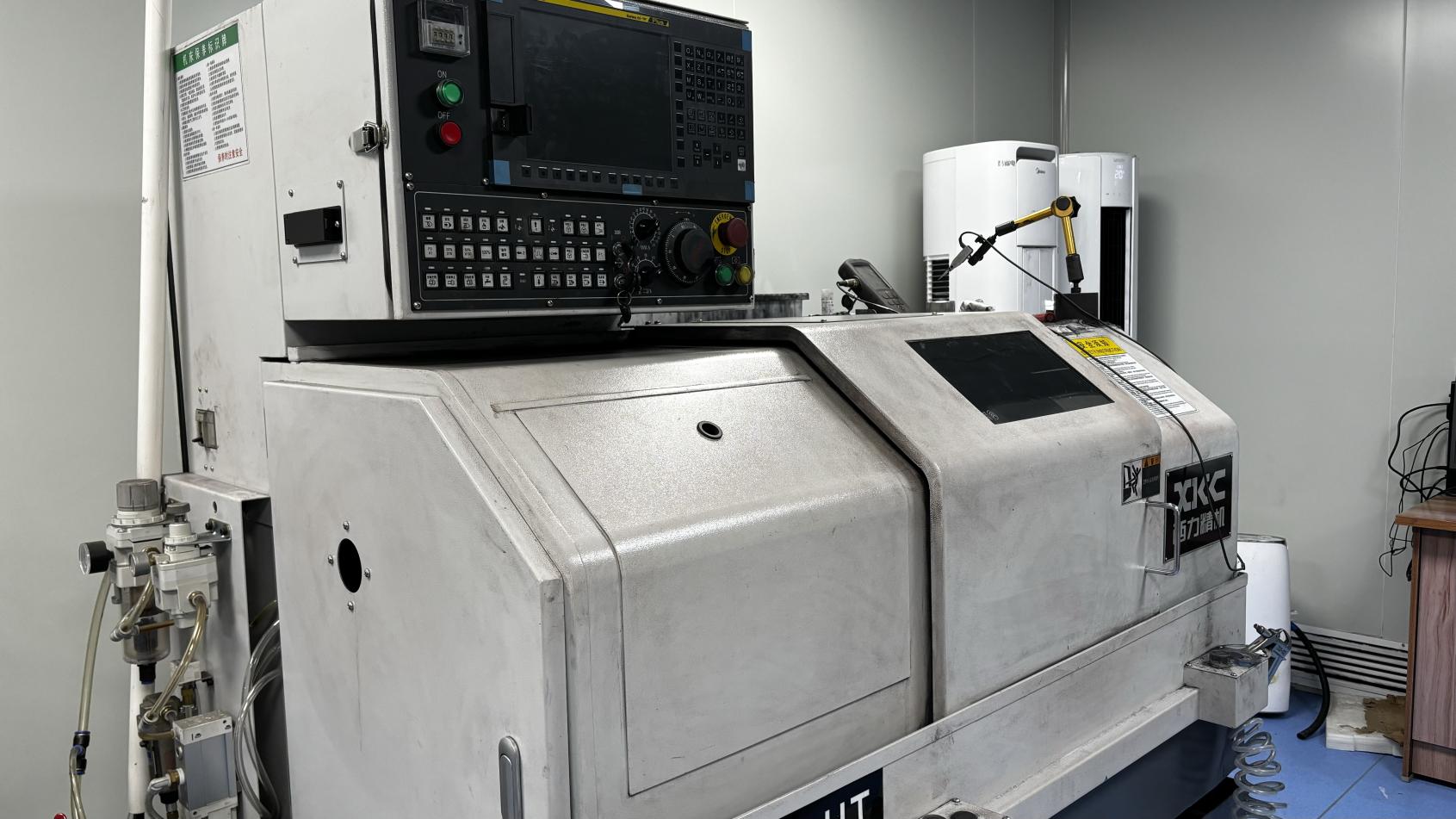
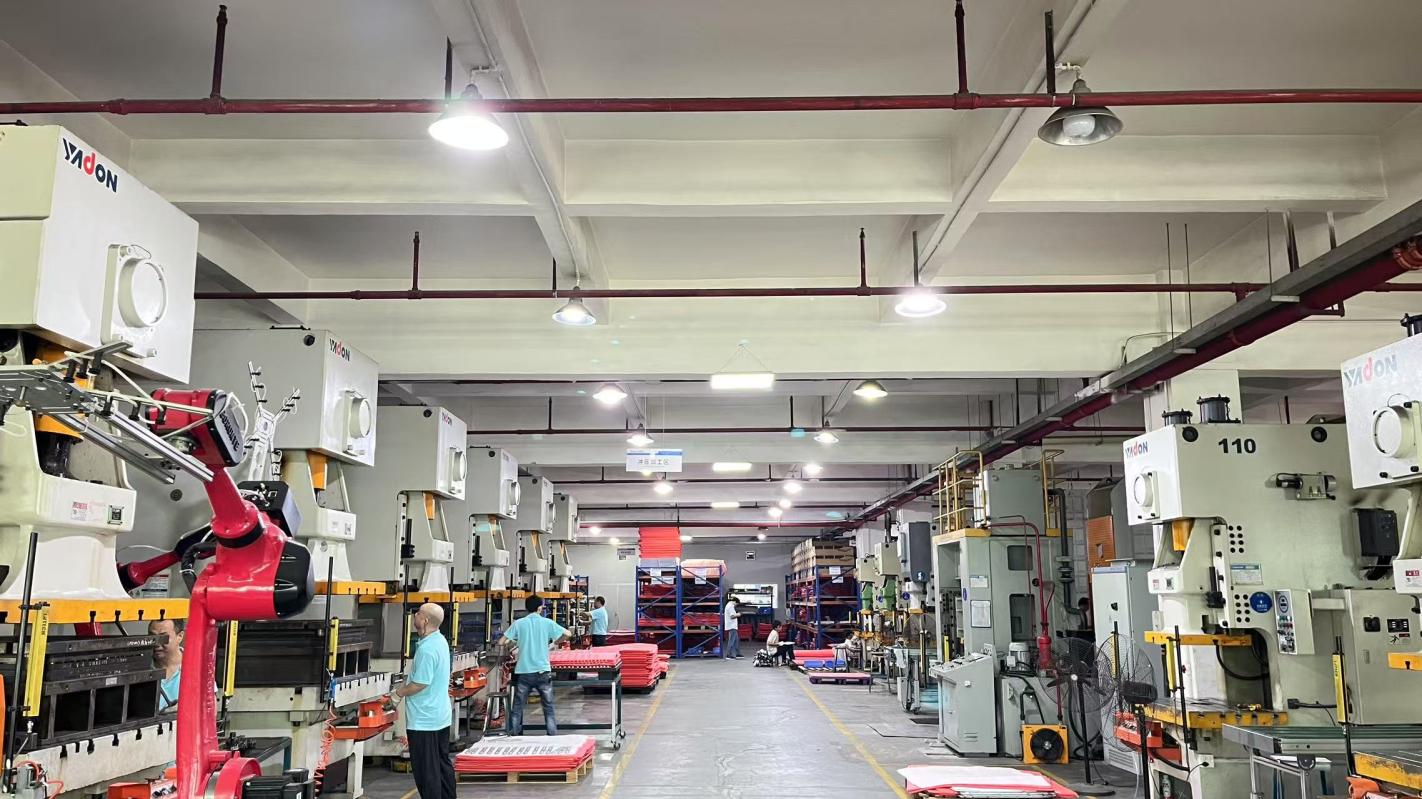
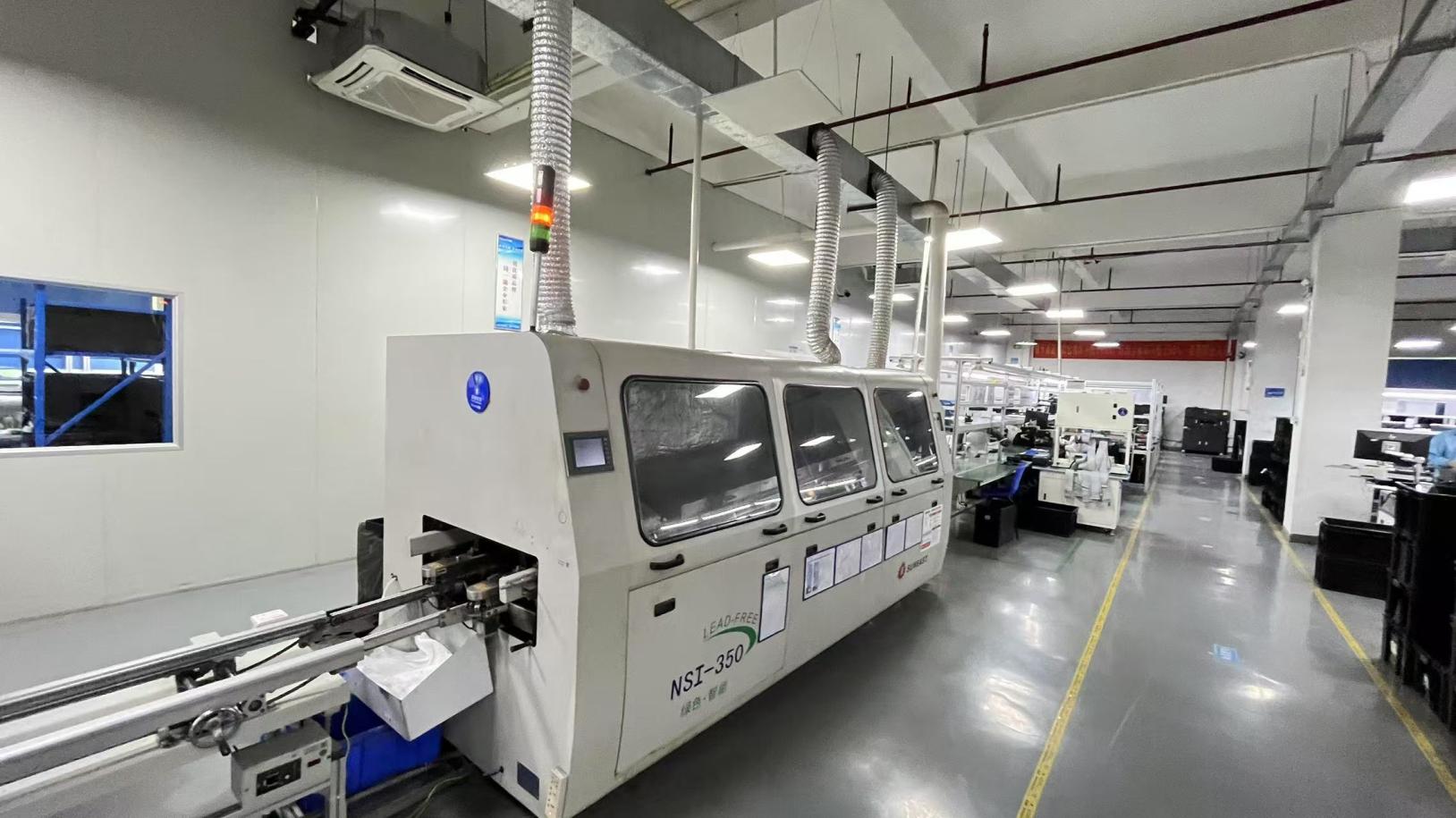
Chinese component suppliers benefit from an extensive regional industrial ecosystem. Raw materials (such as phosphorus bronze, polycarbonate resins, and specialized shielding metals) are sourced locally, insulating factories from international supply chain disruptions. By using automated high-speed stamp presses and precision injection-molding systems, factories can produce components with tolerances down to the micrometer level. This automation minimizes human error and guarantees consistency across millions of units.
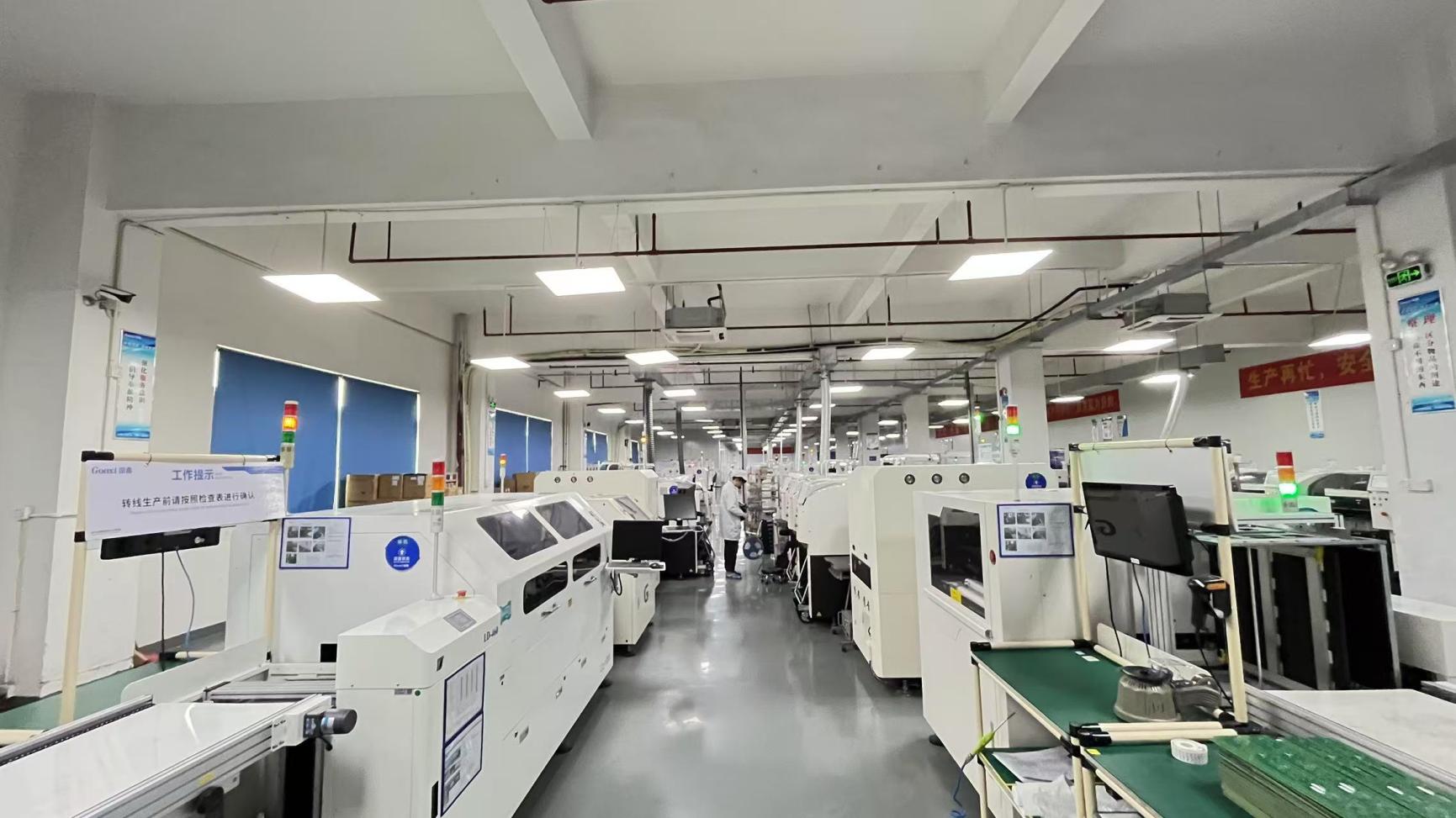
Additionally, modern Chinese manufacturing hubs utilize automated optical inspection (AOI) systems and advanced network analysis tools to verify electrical performance in real-time. By testing variables like insertion loss, return loss, and insulation resistance directly on the assembly line, suppliers identify anomalies before products are packaged for shipment. This integrated process ensures that shipments to international ports comply with target technical standards.
Where RJ45 clip connectors and optical systems meet demands for robust connectivity.
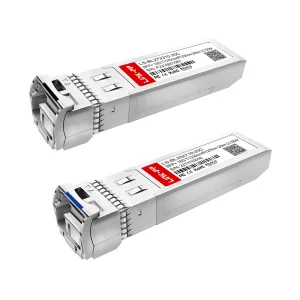
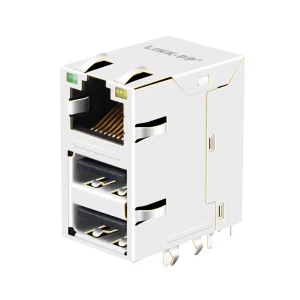
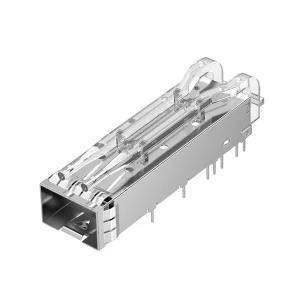
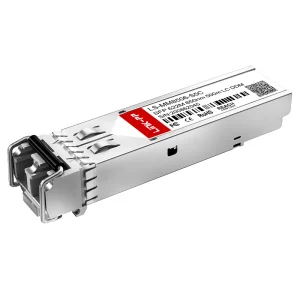
In modern hyperscale data centers, space optimization is critical. Top-of-Rack (ToR) switches demand RJ45 and SFP+ cages placed side-by-side. Shielded RJ45 clip connectors with low-profile housings permit maximum port density while keeping electromagnetic interference within acceptable thresholds, assuring continuous data flow.
Factory floors are harsh environments subject to continuous vibration, high humidity, and temperature variations. Heavy machinery generates electrical noise that can disrupt data signals. Ruggedized, IP67-rated RJ45 clip connectors with secure mechanical locks maintain electrical contact despite persistent mechanical stress.
The functional demands on RJ45 clip connectors depend heavily on their operating environments. In a corporate smart-office environment, modularity and aesthetic integration are key; connectors are often housed inside wall plates or under-desk cable management trays. Ease of insertion and reliable clip retention prevent accidental disconnections when office furniture is rearranged.
Conversely, in outdoor telecommunications enclosures and cellular base stations, weatherproof enclosures are necessary. In these setups, specialized RJ45 connectors featuring integrated liquid barriers and weather-resistant clips maintain signal pathways during severe weather. By matching the mechanical specification of the connector to the environmental challenges of the site, network operators minimize maintenance overhead and protect key network links.
A deep dive into manufacturing excellence, testing protocols, and design customization capabilities.
FiberQ Photonics Technology Co., Ltd. is a professional manufacturer specializing in high-performance fiber optic transceivers and advanced photonic communication solutions for data centers, telecom networks, and high-speed interconnect applications. Founded in 2015, the company has grown into a trusted global supplier with strong engineering and export capabilities.
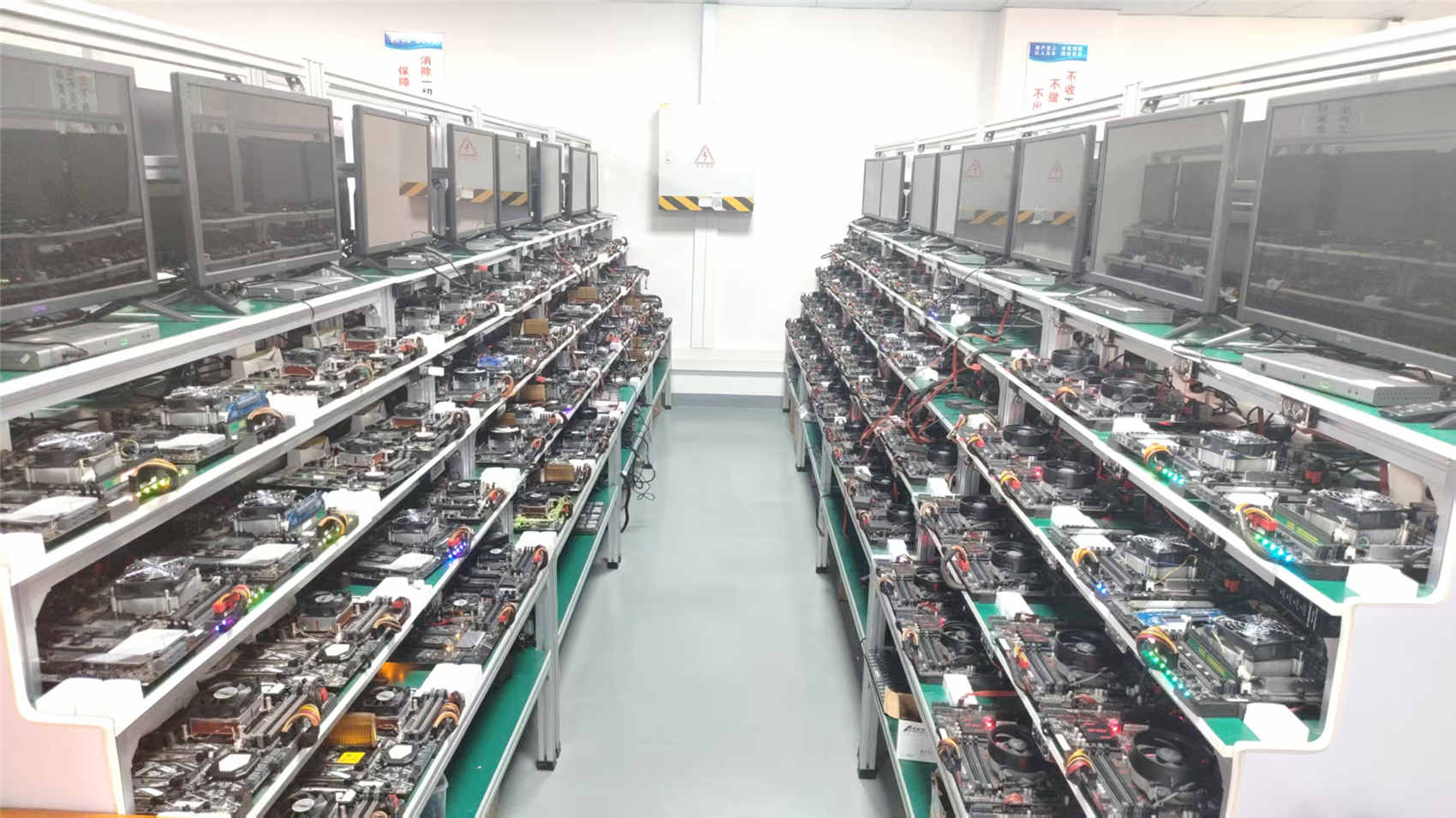
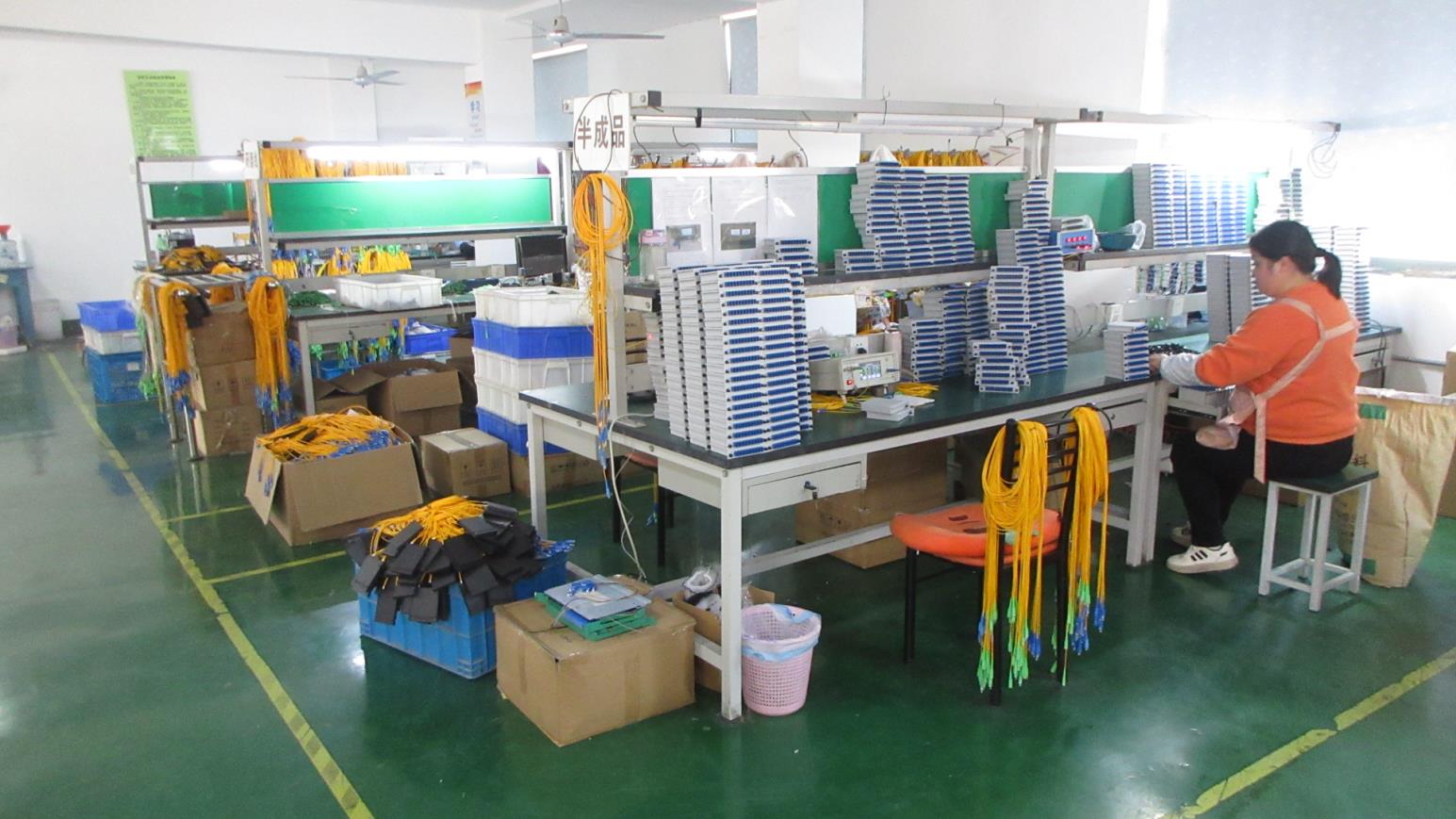
Operating a modern production facility covering approximately 12,600㎡, FiberQ achieves scalable manufacturing, precision assembly, and strict quality control. With annual export revenue reaching around USD 9.5 million, FiberQ has accumulated 6 years of export experience and 12 years of industry expertise in optical communication technologies.
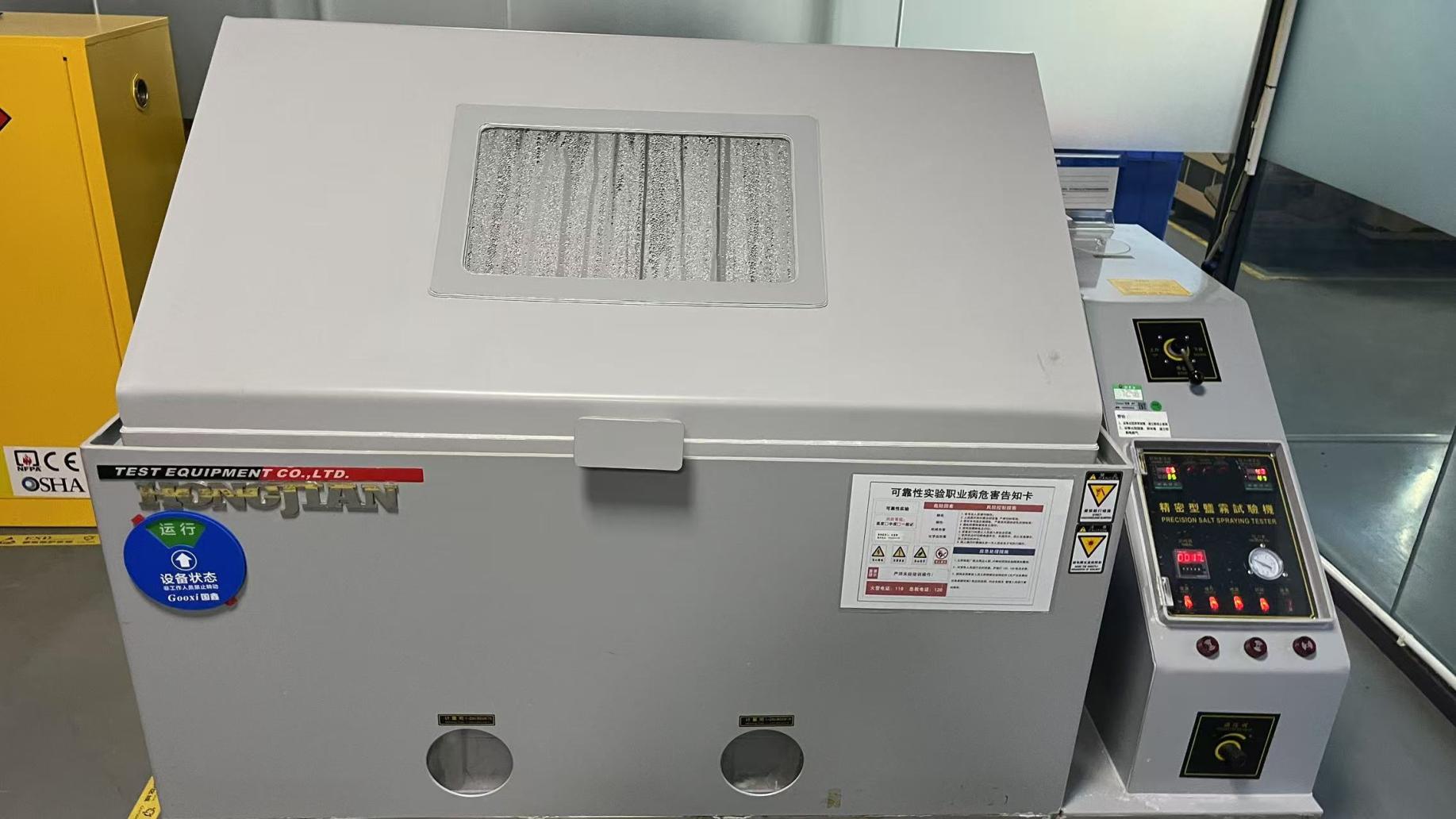
Quality assurance is maintained through automated optical performance testing, interferometric inspection, high-temperature aging tests, and manual quality checks. The quality control team consists of 62 experienced inspectors dedicated to maintaining product reliability and compliance with international standards.
FiberQ focuses on OEM and ODM partnerships, serving telecom operators, cloud service providers, and enterprise network integrators in North America, Europe, Japan, and Southeast Asia. The company collaborates with approximately 1,450 supply chain partners to secure stable component sourcing and production scheduling.
Supported by 240 R&D engineers specializing in optical design, signal integrity, and high-speed hardware development, FiberQ offers custom solutions including protocol compatibility (100G/200G/400G/800G), wavelength engineering, thermal optimization, and form-factor adaptation. In the past year alone, FiberQ launched approximately 180 new products, reflecting its commitment to technical advancement.
Clear answers to complex technical questions encountered during component evaluations.
Explore our line of shielded RJ45 modules, SFP+ cages, and high-speed optical transceivers.
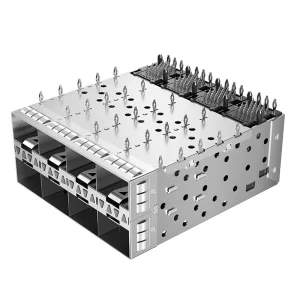
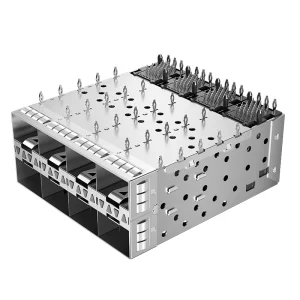
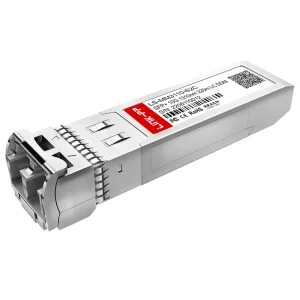
Take a virtual tour of our 12,600㎡ manufacturing floor, class-100 cleanrooms, and automated verification lines.