 FiberQ
FiberQ
FiberQ
High-reliability optical components optimized for critical network applications.
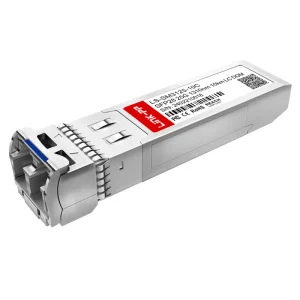
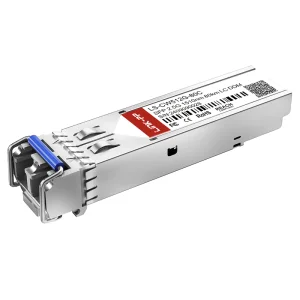
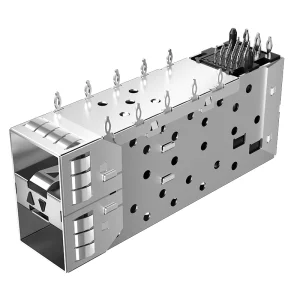
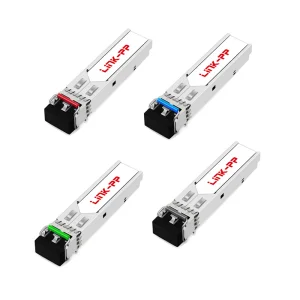
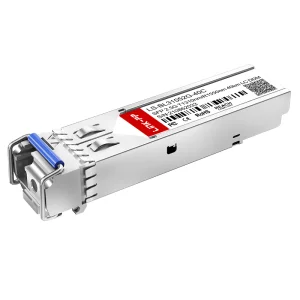
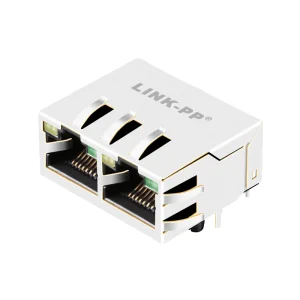
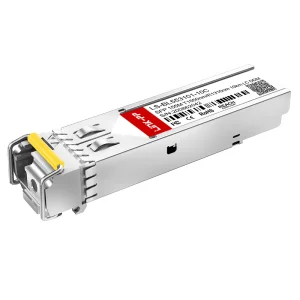
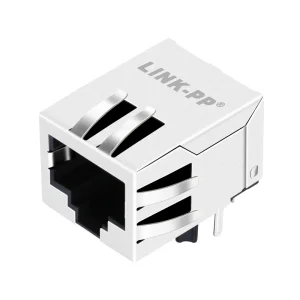
In the modern era of edge computing, smart factories (Industry 4.0), and 5G telecommunication networks, industrial-grade module transceivers serve as the vital sensory and communicative channels of digital infrastructure. Unlike commercial devices designed for temperature-controlled office environments, industrial-grade transceivers are engineered to function under extreme thermal stresses, electromagnetic interference, and structural vibrations.
The global market is witnessing an unprecedented transition from standard copper Gigabit Ethernet architectures to multi-gigabit optical fiber networks. This migration is driven by the demand for zero-latency control loops, real-time data ingestion, and long-distance transmission over single-mode fibers (SMF) or multi-mode fibers (MMF). From 25G SFP28 interfaces to ultra-high-speed 100G QSFP28 modules, industrial transceivers play a core role in establishing stable, physical-layer optical interconnects across various industries.
In choosing an OEM or ODM manufacturing partner, enterprise-level network integrators must look past simple price sheets. Technical success relies on evaluating factory testing rigors, engineering capability in wavelength allocation (such as CWDM and DWDM configurations), and quality control workflows. This guide breaks down the essential criteria for choosing top-tier suppliers and showcases how specialized innovators like FiberQ Photonics are leading the industry in hardware design.
Translating advanced optoelectronic R&D into a highly scalable manufacturing reality.
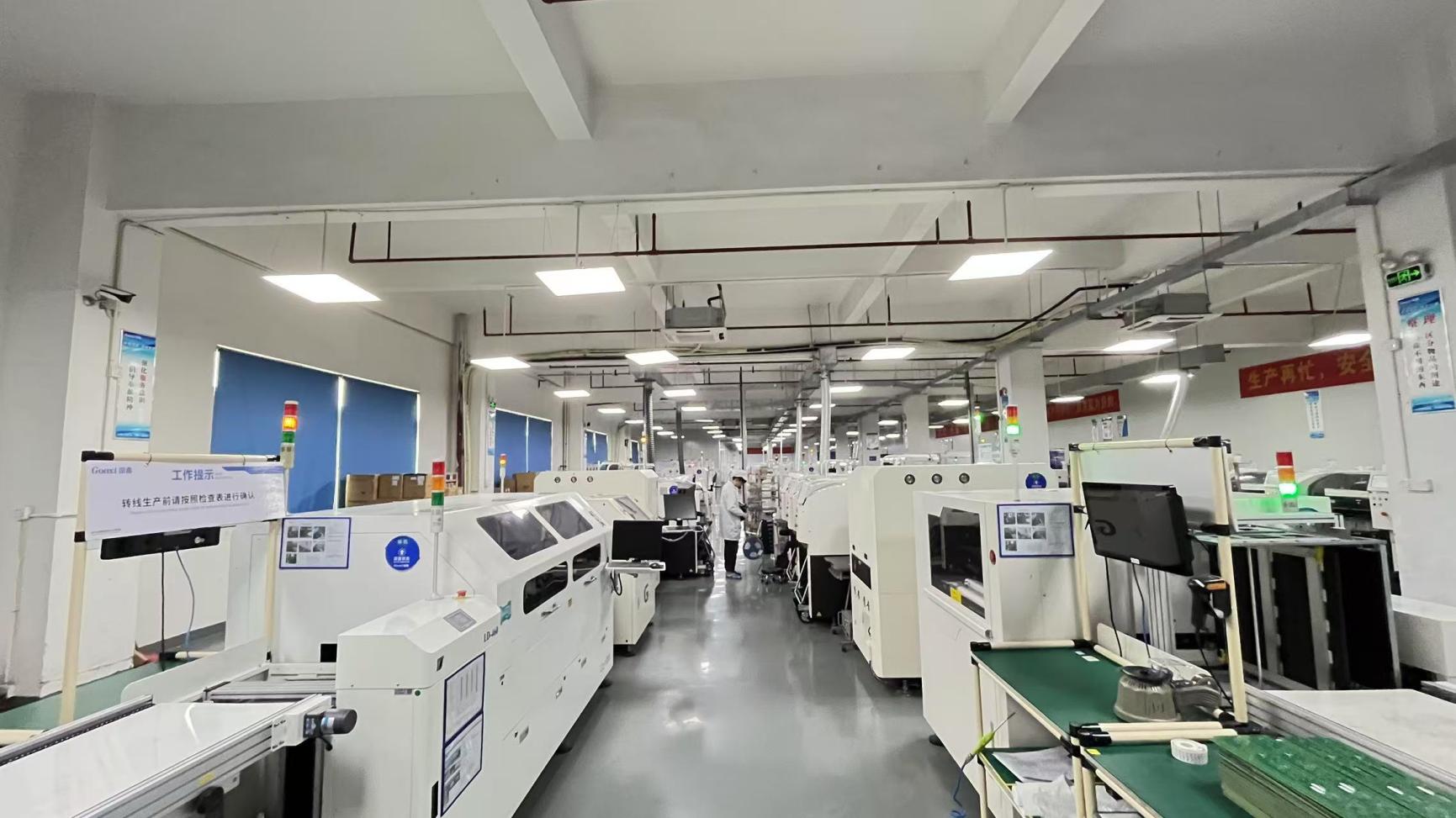
Founded in 2015, FiberQ Photonics has integrated 12 years of industry expertise into a precision assembly flow. Our facilities feature cleanroom manufacturing lines that prevent dust-induced optical interface degradation. These systems are supported by a rigorous quality department of 62 experienced inspectors.
With an annual export revenue of approximately USD 9.5 million and 6 years of direct export experience, FiberQ satisfies the requirements of network integrators and telecom carriers across North America, Europe, Japan, and Southeast Asia.
Understanding why standard components fail in rugged environments and how industrial design mitigates risk.
| Feature Parameter | Commercial Grade (COM) | Industrial Grade (IND) | Technical Impact & Mitigation |
|---|---|---|---|
| Operating Temperature | 0°C to +70°C | -40°C to +85°C | Prevents optical power decay and wavelength drift under severe temperature fluctuations. |
| Laser Diode Selection | Standard FP / DFB Lasers | Hermetically Sealed TO-Can (DFB/EML) | Guarantees longer life cycles and keeps optical coupling efficiency high in environments with extreme humidity. |
| PCB & Passives | Standard Multi-Layer FR4 | High-Tg FR4 / Polyimide | Resists thermal expansion stress and structural cracking in high-vibration applications. |
| EMI & Shielding | Standard Plastic/Zinc Alloy | Enhanced Shielded Housing with BeCu Gaskets | Suppresses electromagnetic radiation and interference in dense switch cabinets (e.g. 1-2007492-6 EMI cages). |
| Failure Rates (FIT) | Typical < 200 FIT | Ultra-Low < 10 FIT | Minimizes network downtime and expensive field maintenance inside remote infrastructure sites. |
Industrial sites like wind farms, electrical substations, and manufacturing floors lack HVAC systems. When standard commercial transceivers operate in extreme cold (-20°C or below), the threshold current of the laser diode increases significantly, resulting in weak optical output. Conversely, high heat (over 70°C) accelerates optical chip aging, causing wavelength shifts. This can break links on long single-mode runs (such as 25G CWDM 30km or CWDM 80km paths).
To combat these limitations, top manufacturers employ Wavelength Engineering and Thermal Simulation Models. They design integrated heat sinks and use high-performance thermal gels directly on the TOSA (Transmitter Optical Sub-Assembly). The transceiver's internal microcontroller continuously adjusts bias currents dynamically using lookup tables configured during factory calibration. This ensures stable optical performance across the entire -40°C to +85°C temperature range.
Exploring how high-performance optoelectronic modules operate across industrial environments.
Electrical substations present strong electromagnetic interference (EMI) fields. By deploying fiber optic modules inside SFP cages, like the 1-2007492-6 Through Hole EMI Shielded Cage, systems isolate network traffic from electromagnetic noise. This ensures real-time control data travels over optical fibers safely without copper-based surge risks.
Train control networks rely on long distances and constant vibrations. Dual-fiber and BiDi single-mode transceivers (like the 1310nm-TX/1550nm-RX 2.5G BiDi 40km) allow railway systems to run telemetry networks along tracks. This setup keeps signal latency low and reduces total fiber cable usage.
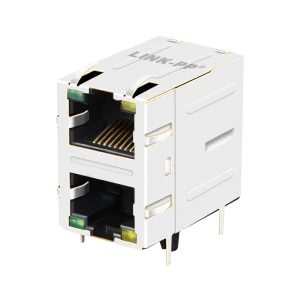
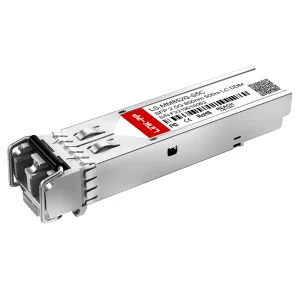
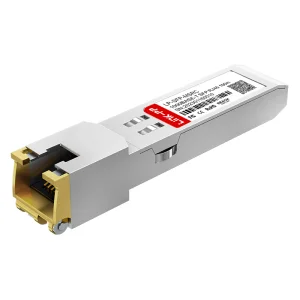
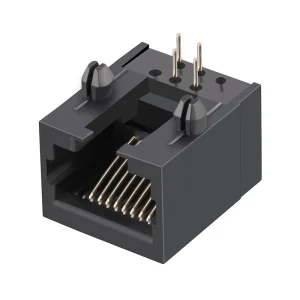
Modern assembly lines generate huge volumes of sensor data. Combining rugged RJ45 connectors with 1000Base-T copper SFP modules links standard factory machines directly to switch-level systems. This design handles local electro-magnetic noise fields while keeping packet losses at zero.
Strategic shift from traditional discrete optoelectronics to Silicon Photonics and Integrated Co-Packaged Optics.
With high-density AI clustering, IoT nodes, and smart cities growing rapidly, networks face constant data bottlenecks. Consequently, industrial transceivers are scaling beyond traditional 10G/25G SFP interfaces. Manufacturers are focusing on 100G QSFP28, 400G QSFP-DD, and 800G form factors, using PAM4 (4-Level Pulse Amplitude Modulation) to pack more data into single optical wavelengths.
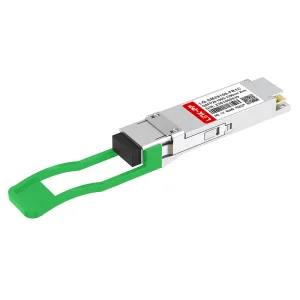
For industrial installations, this speed transition requires robust thermal engineering. Industrial 100G modules, like the Single Mode QSFP28 100G 1290nm 2km DDM Duplex LC, require advanced driver chip architectures that use less power. Minimizing heat generation inside the module is crucial to preventing thermal failures on compact switch faceplates.
Traditional optical sub-assemblies are constructed from discrete, manually aligned optical components. The next shift in manufacturing relies on Silicon Photonics. By etching lasers, modulators, and photodetectors directly onto silicon wafers, suppliers achieve higher scale, lower costs, and improved durability.
Ultimately, Co-Packaged Optics (CPO) will mount the optical engine directly onto the main switch ASIC. This step eliminates high-frequency PCB trace loss, simplifies thermal management, and yields highly reliable network systems that operate cleanly in harsh industrial settings.
China remains a core hub for the global optical communication supply chain. The concentration of component producers in areas like Shenzhen, Wuhan, and Suzhou simplifies sourcing for critical parts. This ecosystem includes specialty micro-optic lenses, laser diodes, plastic molding, and EMI shield components.
For international buyers, this concentrated supply chain yields major advantages:
Verifying optical power budgets, receiver sensitivity curves, and laser emission stability automatically.
Checking fiber end-faces for micro-scratches and alignment errors down to the sub-micron scale.
Running modules at extreme temperatures (+85°C) to identify and weed out early hardware failures.
| CE & FCC Class B | Verified EMI / EMC limits |
| RoHS & REACH | Lead-free, eco-safe materials |
| FDA CDRH Class 1 | Laser radiation eye safety compliance |
| MSA Compliant | Guarantees physical and electrical fit |
Using optical communication modules internationally requires matching strict standards and safety policies. Enterprise networks need products that comply with MSA (Multi-Source Agreement) definitions. This compatibility guarantees that modules fit into standard slots on any network switch without physical or electrical mismatches.
Furthermore, safety guidelines like the FDA Laser Class 1 specification ensure that emission levels from high-power transmitters remain within safe boundaries under normal operation. For industrial equipment, strict FCC and CE Class B certifications verify that the transceiver won't release disruptive electromagnetic waves or experience interference from neighboring machinery.
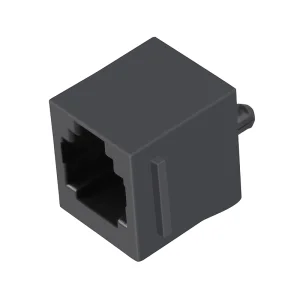
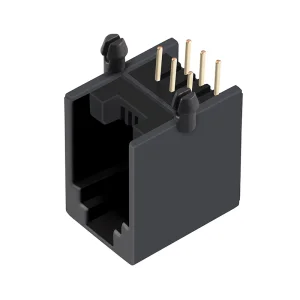
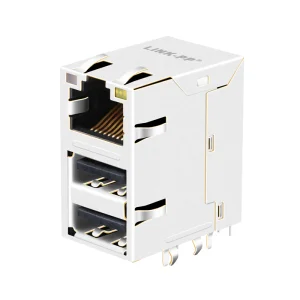
Reliable interfaces for networks, high-density patch systems, and specialized equipment connections.
Verifying manufacturing steps, component quality audits, and custom design processes.
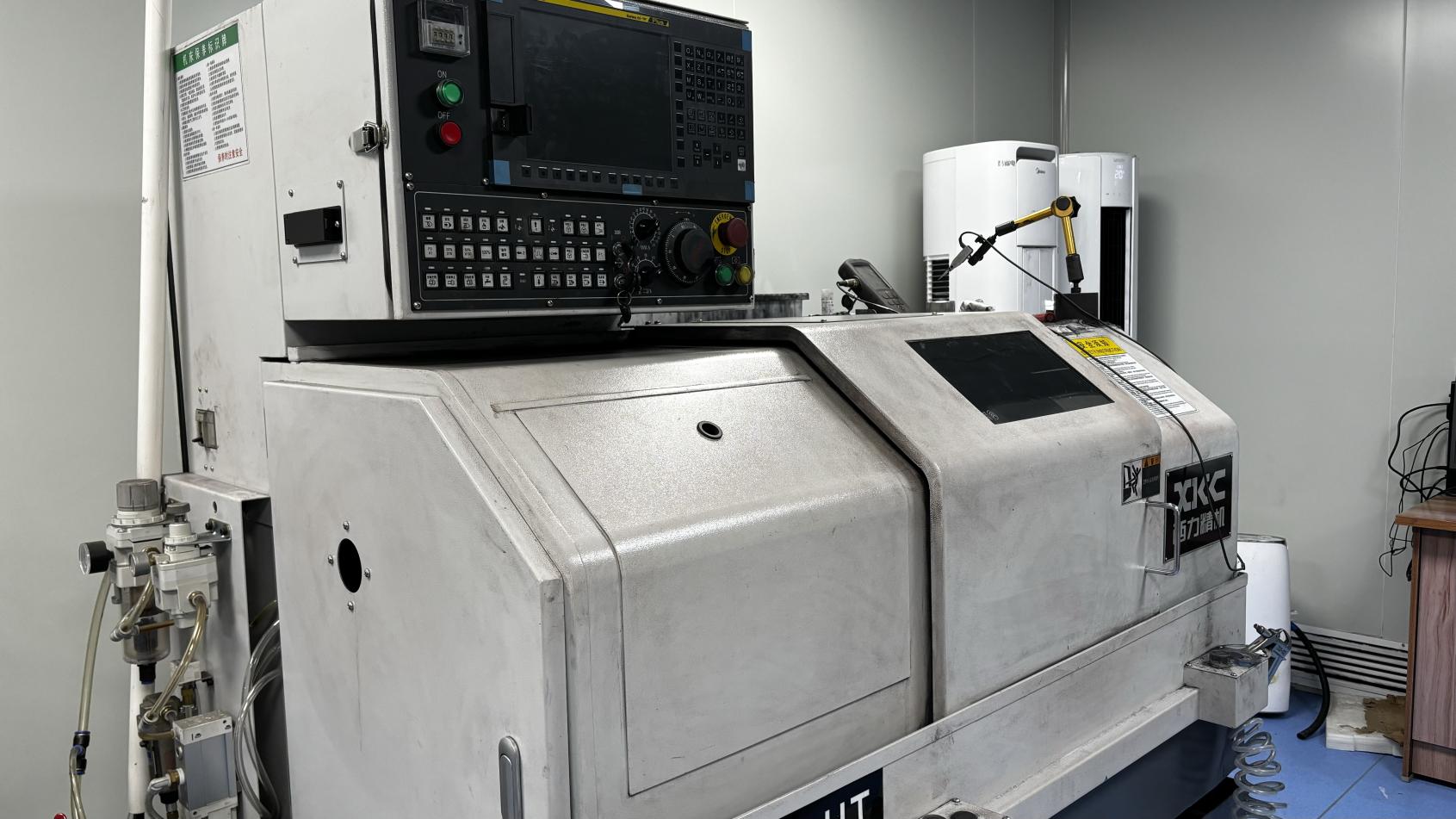
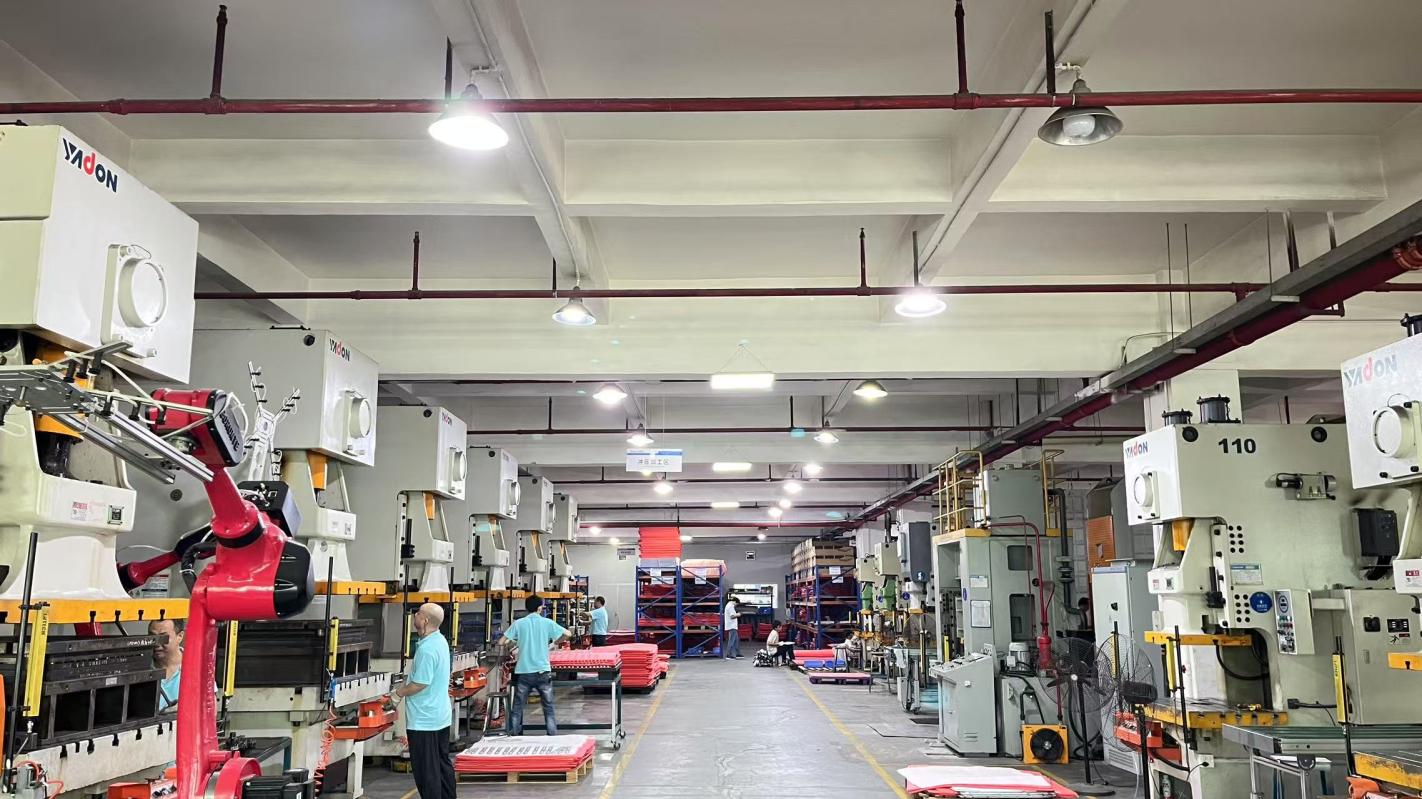
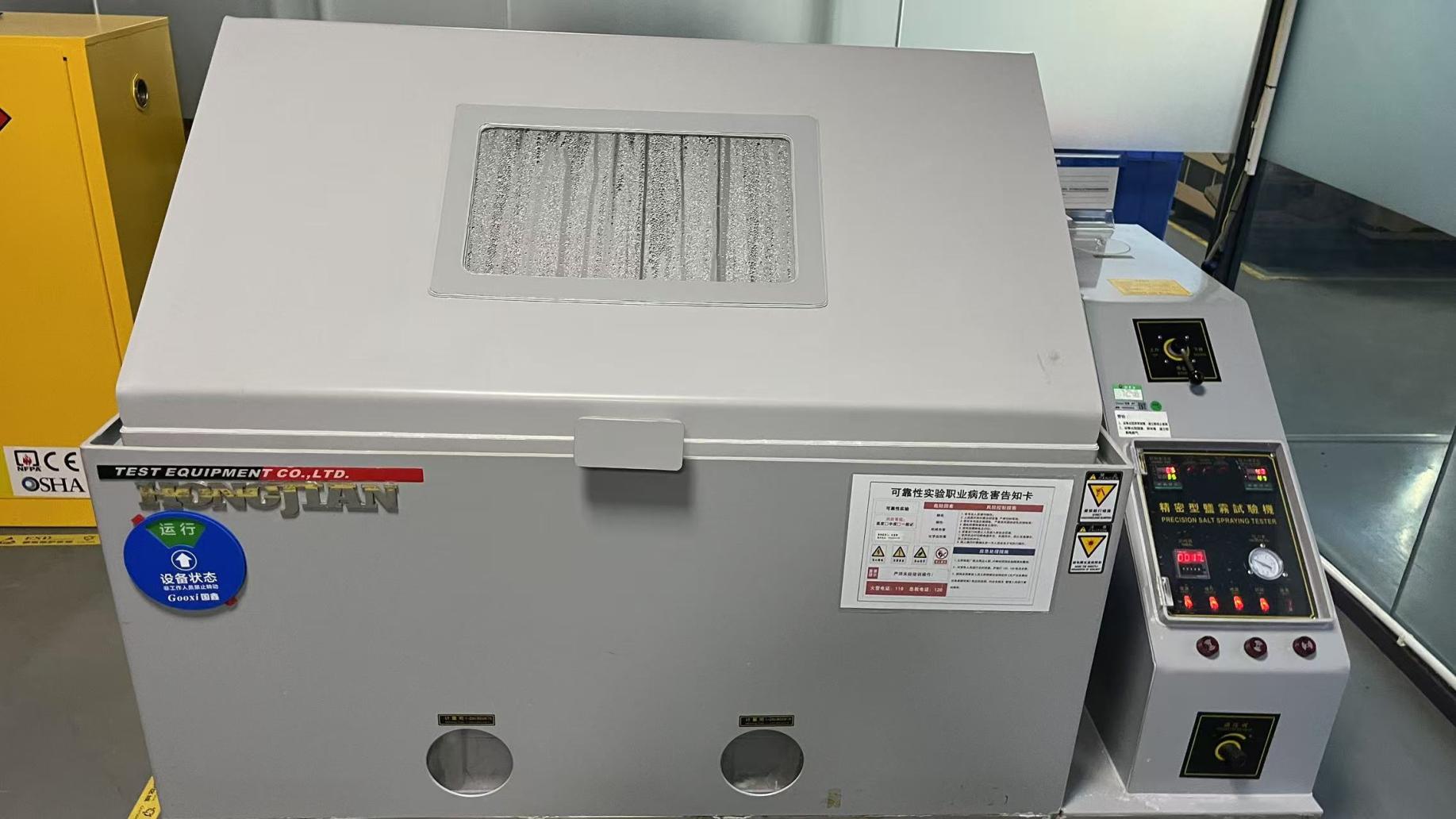
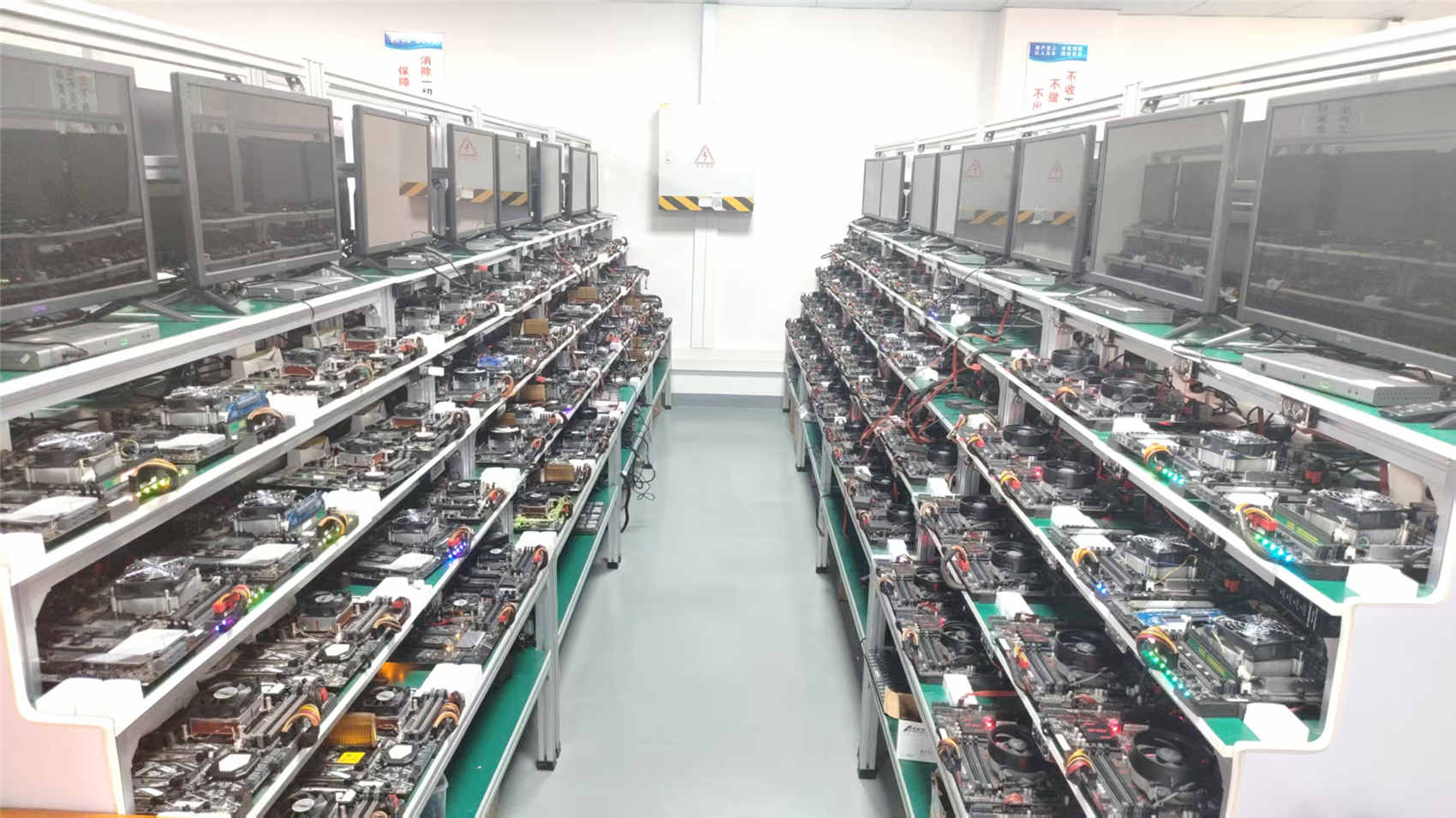
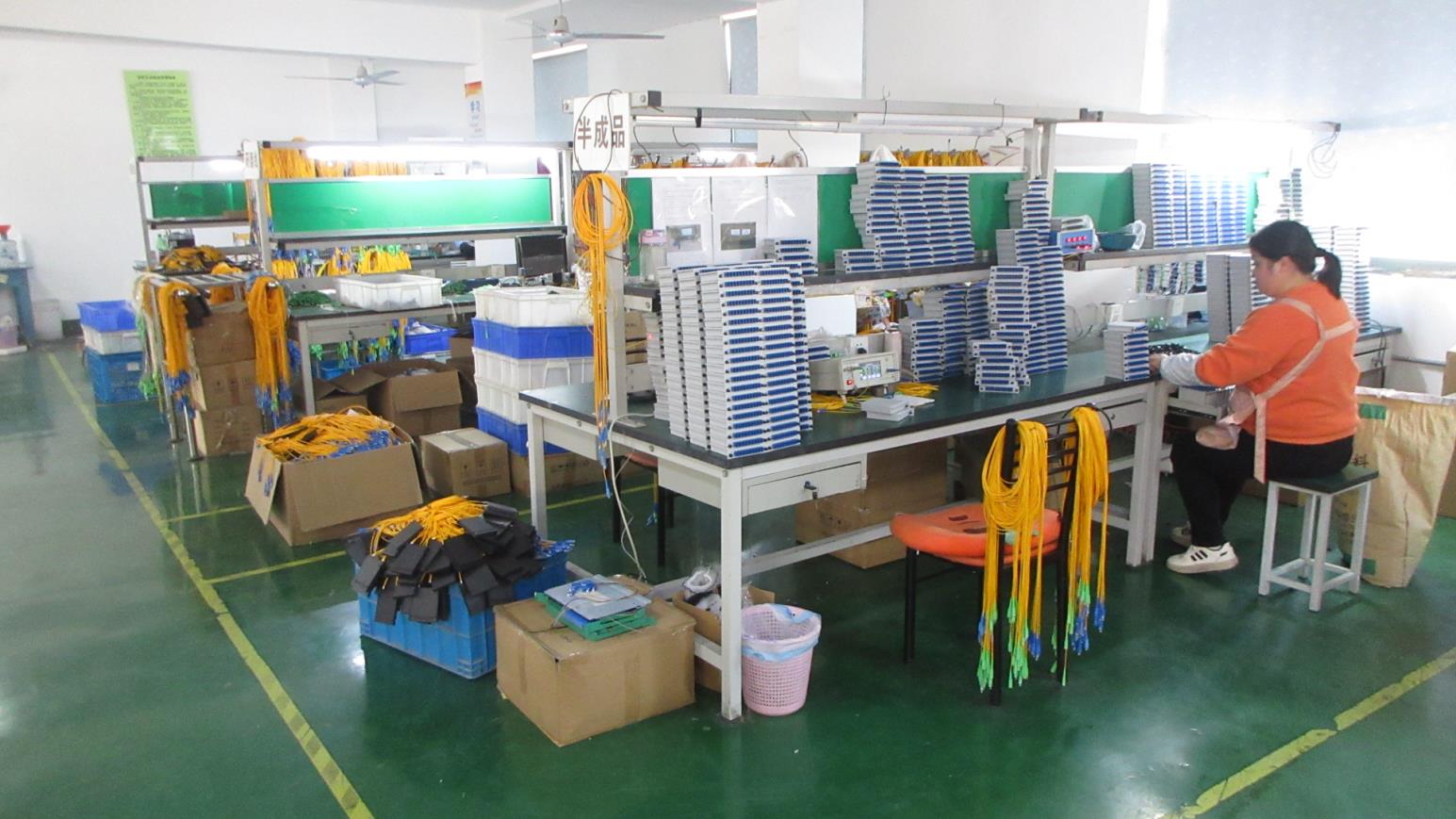
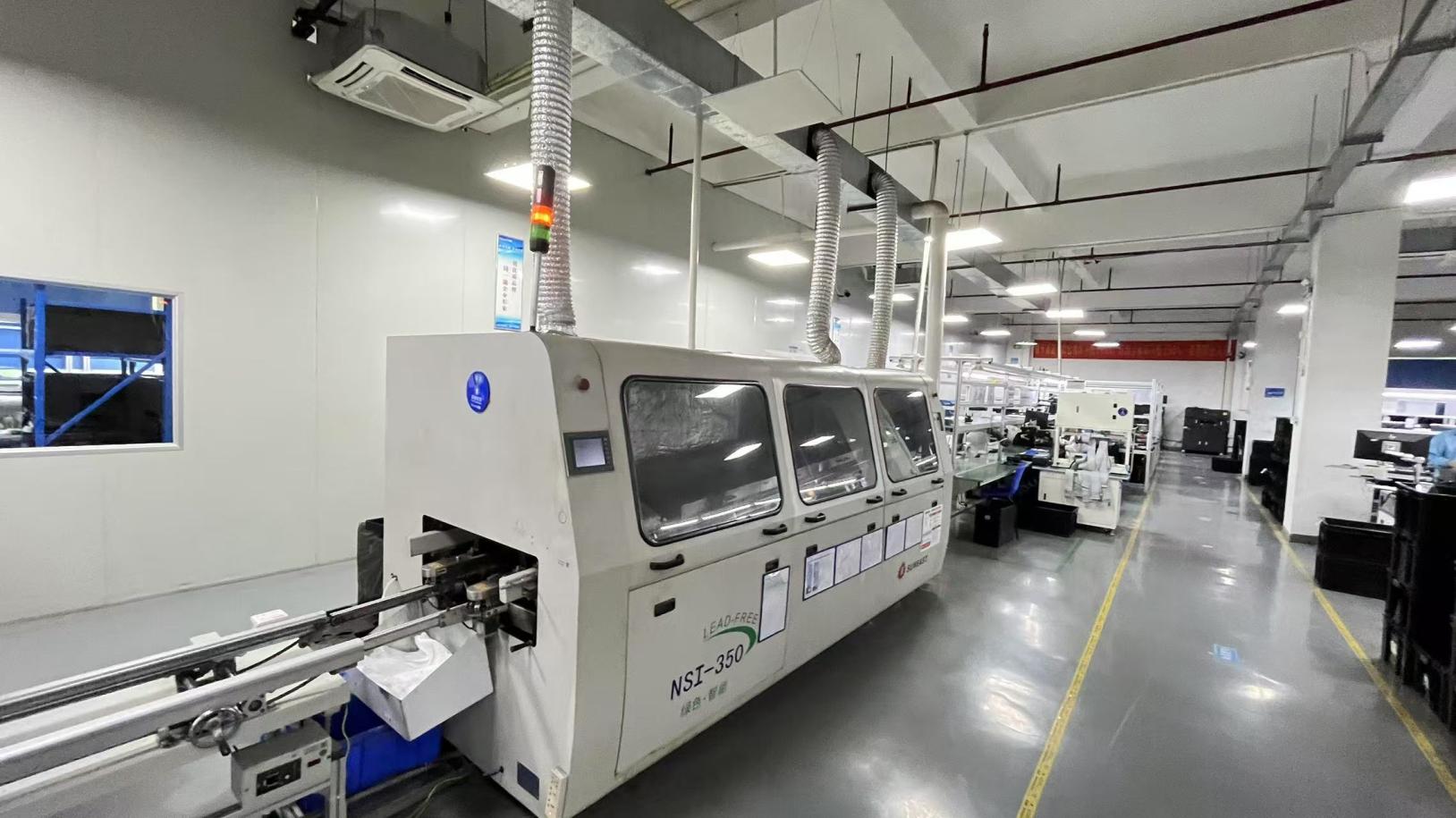
A reliable optical link requires precise assembly and clean production environments. FiberQ's modern facility handles precision mechanical assembly and electrical verification. This setup allows technicians to carry out automated testing, optical spectrum evaluations, and physical testing. Below is an inside look at the production spaces and validation tools used in the factory:
Expert analysis on standard industrial transceiver parameters and integration issues.