FiberQ FiberQ

Top 10 Gigabit Ethernet Connector Factory & Supplier

Industry-Leading Optical Transceivers, High-Speed Interconnects, and Advanced Photonic Solutions for Enterprise Networking and Hyperscale Data Centers

Whitepaper: Engineering Gigabit Ethernet Connectivity for Next-Gen Infrastructure

In an era dominated by cloud computing, machine learning, and exponential IoT scale, physical Layer connectivity serves as the bedrock of data center reliability and telecom bandwidth expansion. Selecting the right Gigabit Ethernet connectors and optical transceiver modules is no longer just a procurement task; it is a critical engineering decision that dictates signal integrity, thermal dissipation, and long-term operating costs.

1. Executive Overview & E-E-A-T Authority Profile

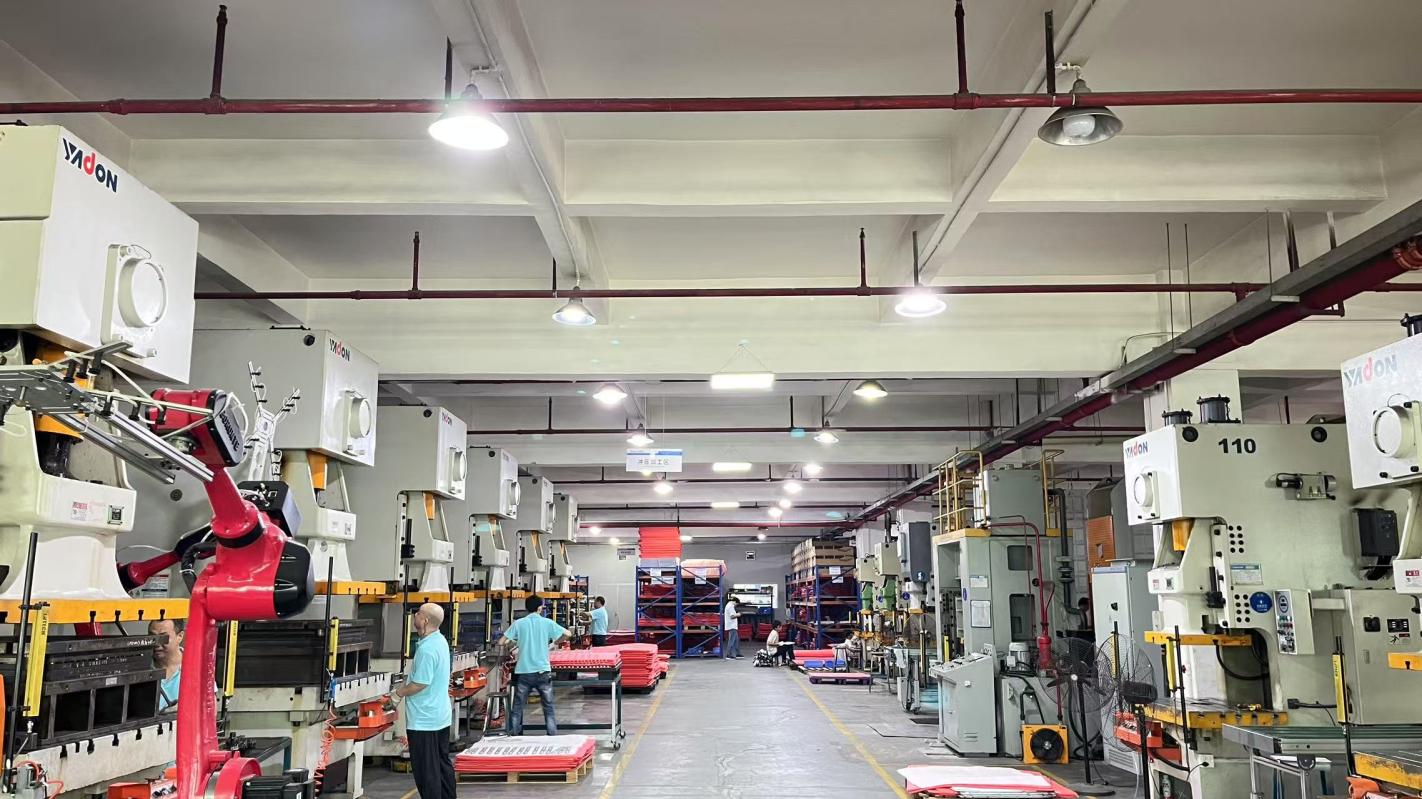
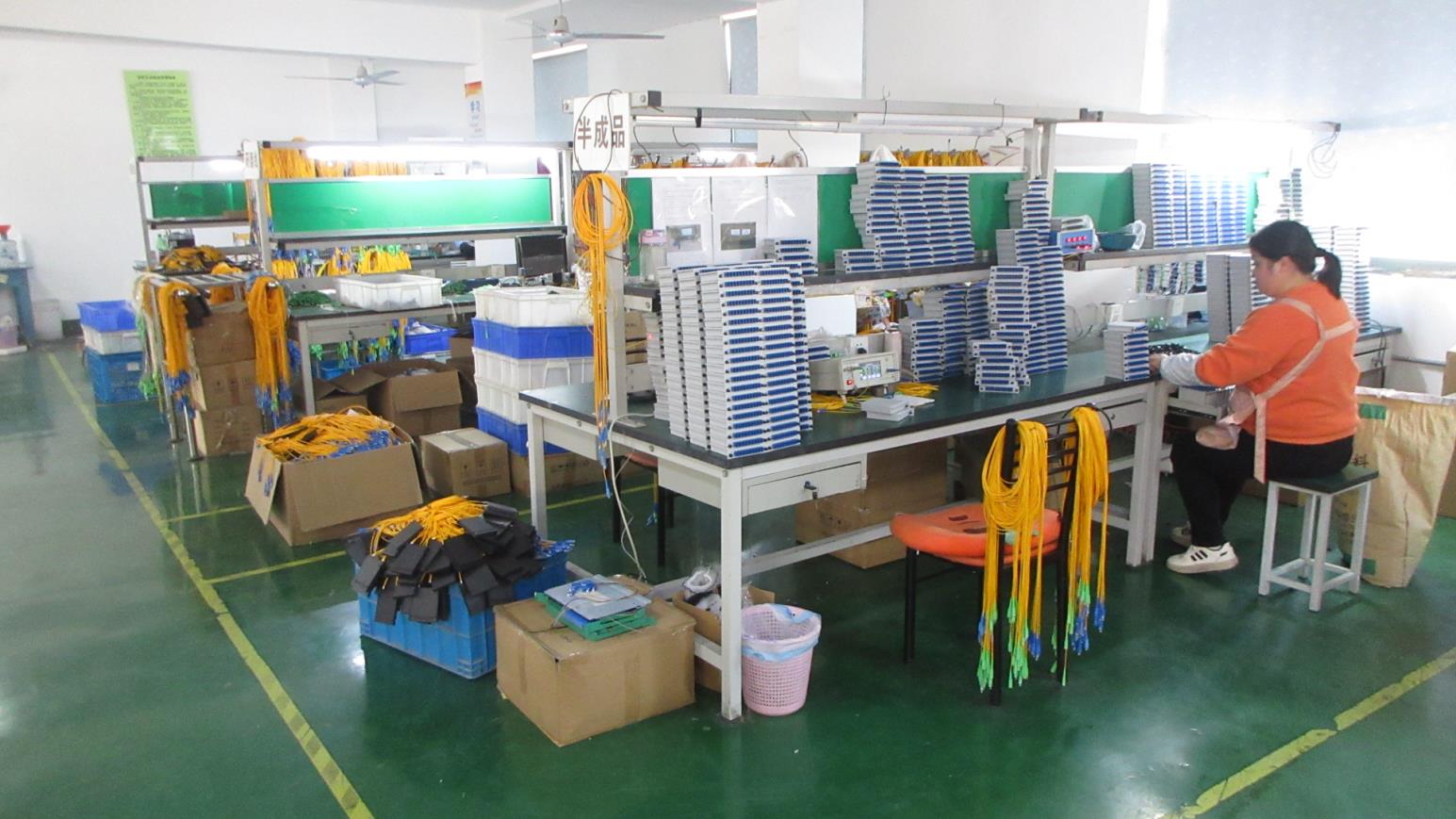
FiberQ Photonics Technology Co., Ltd. is a leading manufacturer specializing in high-performance fiber optic transceivers and advanced photonic communication solutions. Established in 2015, FiberQ has evolved into a key partner for global Tier-1 telecom operators, hyperscale cloud services, and complex industrial networks. With over 12 years of industry expertise and a modern 12,600㎑ production facility, FiberQ combines precision engineering with large-scale capacity.

Key highlights of the organization's manufacturing and engineering capabilities include:

  • Advanced R&D Group: Around 240 R&D engineers specializing in optical physics, microwave signal integrity, mechanical assembly, and firmware optimization.
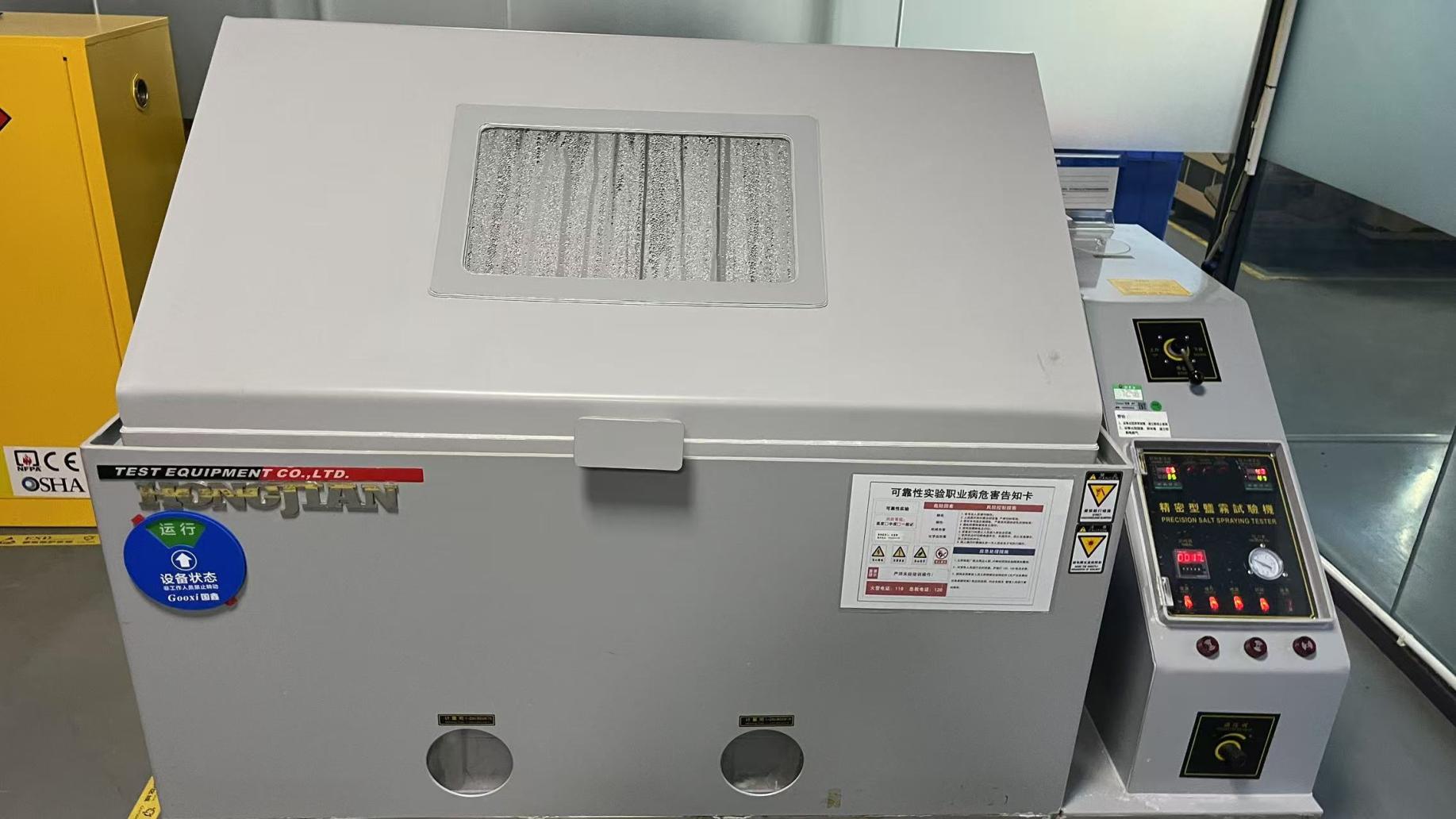
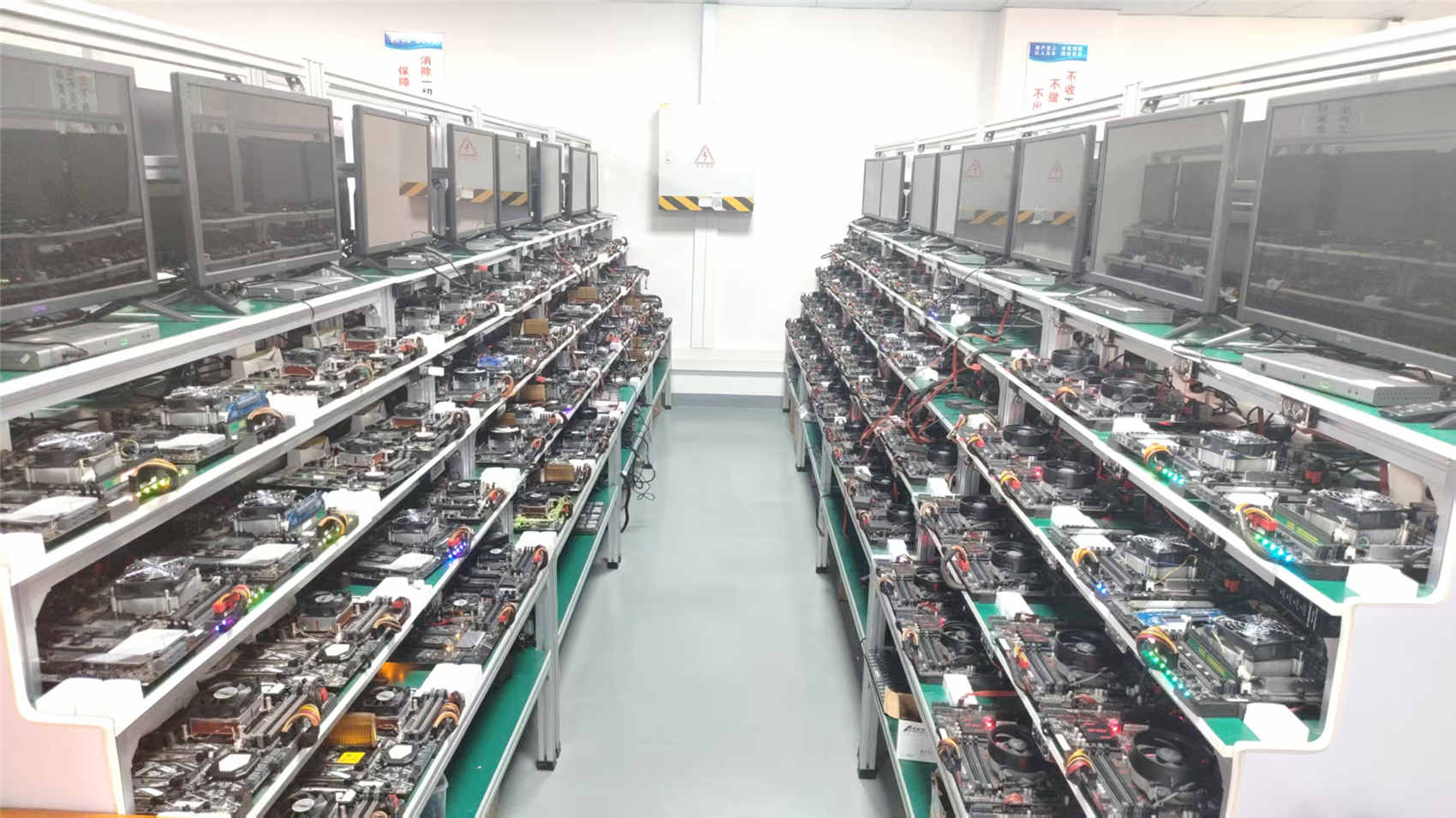
  • Rigorous Quality Assurance: A dedicated team of 62 quality inspectors utilizing high-precision automated optical testing, interferometric fiber testing, and continuous high-temperature aging chambers.
  • Global Ecosystem: Active long-term supply chain partnerships with approximately 1,450 material and component suppliers, ensuring supply resilience.
  • Proven Export Scale: Over USD 9.5 million in annual export sales, providing reliable OEM/ODM project delivery to North America, Europe, Japan, and Southeast Asia.

2. Gigabit Ethernet Technology Roadmap & Future Outlook

The networking ecosystem is undergoing a major paradigm shift. While traditional RJ45 copper interfaces remain the standard for enterprise LAN, edge computing, and Power over Ethernet (PoE) applications, optical fibers are dominating backbones and high-density environments. The technology roadmap points towards higher modulation rates, lower energy consumption, and smaller form factors:

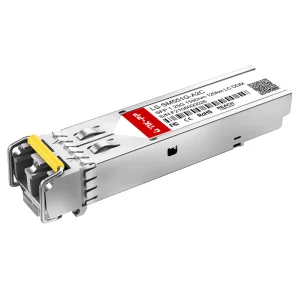
  • High-Speed Transceiver Progression: Transitioning from legacy 1G/10G architectures to 25G (SFP28), 40G (QSFP+), and ultimately 100G, 400G, and 800G pathways using PAM4 technology.
  • Silicon Photonics Integration: Integrating active optical components directly onto silicon substrates to minimize signal attenuation and drastically lower manufacturing costs at volume.
  • Co-Packaged Optics (CPO): Bringing optical interfaces directly onto the network switch ASIC substrate, eliminating trace losses between the switch chip and transceiver socket.
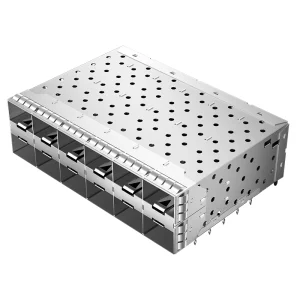
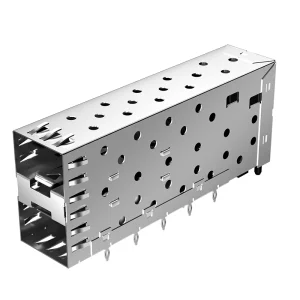
  • Active & Passive Modular Cages: Standardizing SFP/QSFP stacked designs with integrated EMI shielding, thermal dissipation fins, and press-fit assembly for modular hot-pluggable flexibility.

3. Macro-Industry Solutions & Implementations

Modern networks demand application-specific component selection. FiberQ provides tailormade optical and copper interfaces for critical business applications:

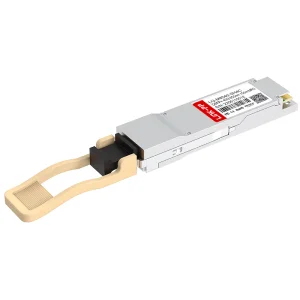
  • Enterprise & Cloud Data Centers: Low-latency high-speed transceivers (such as the 40GBASE-SR4 or 100G QSFP) paired with dense press-fit cage assemblies to maximize port density in standard rack units.
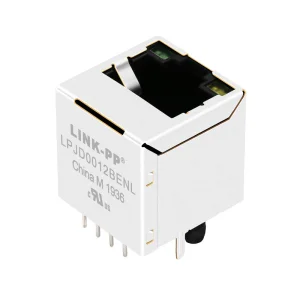
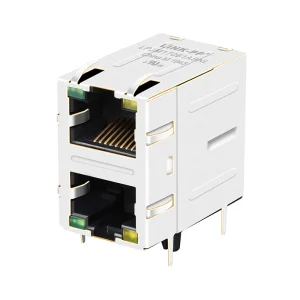
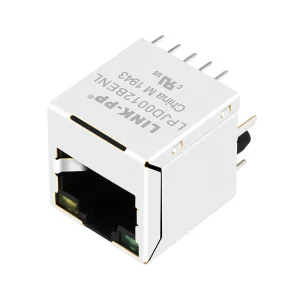
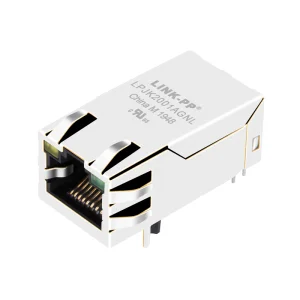
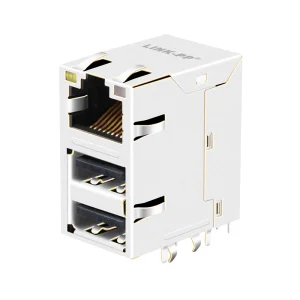
  • PoE & IoT Networks: RJ45 connectors with integrated magnetics and PoE capabilities (supporting up to IEEE 802.3bt Type 4) to supply clean power and high-speed data simultaneously to PTZ security systems and smart building control nodes.
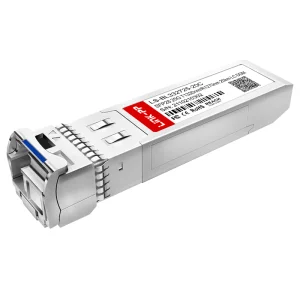
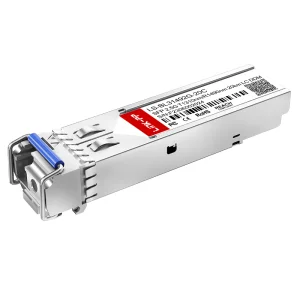
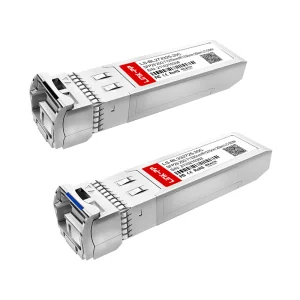
  • Telecom & 5G Backhaul: Bidirectional (BiDi) transceivers that double the data carrying capacity of single-strand optical fibers, reducing utility right-of-way leasing and installation costs.
Manufacturer Profile
πŸ’‘
Established: 2015 (12+ years technology experience)
πŸ“
Production Area: 12,600 Square Meters (ISO 9001/14001)
πŸ‘₯
Engineering Staff: ~240 R&D and design engineers
πŸ”
Quality Control: 62 inspectors, 100% optical/electrical simulation tests
πŸ“¦
Supply Chain Network: 1,450 vetted component vendors
🌍
Export Capacity: Annual export value of USD 9.5 Million

FiberQ at a Glance

Key metrics highlighting our manufacturing scale and commitment to excellence.

12,600㎑
Production Facility
240+
R&D Engineers
1,450
Supply Chain Partners
180+
New Products Annually

4. China Industry 4.0: Supply Chain Resilience & Manufacturing Excellence

Developing high-density interconnect solutions requires more than just cleanrooms; it demands structural vertical integration. By leveraging China’s mature electronics ecosystems, FiberQ provides a combination of cost efficiency, reliability, and custom engineering capabilities:

βš™οΈ
Automated Precision Assembly

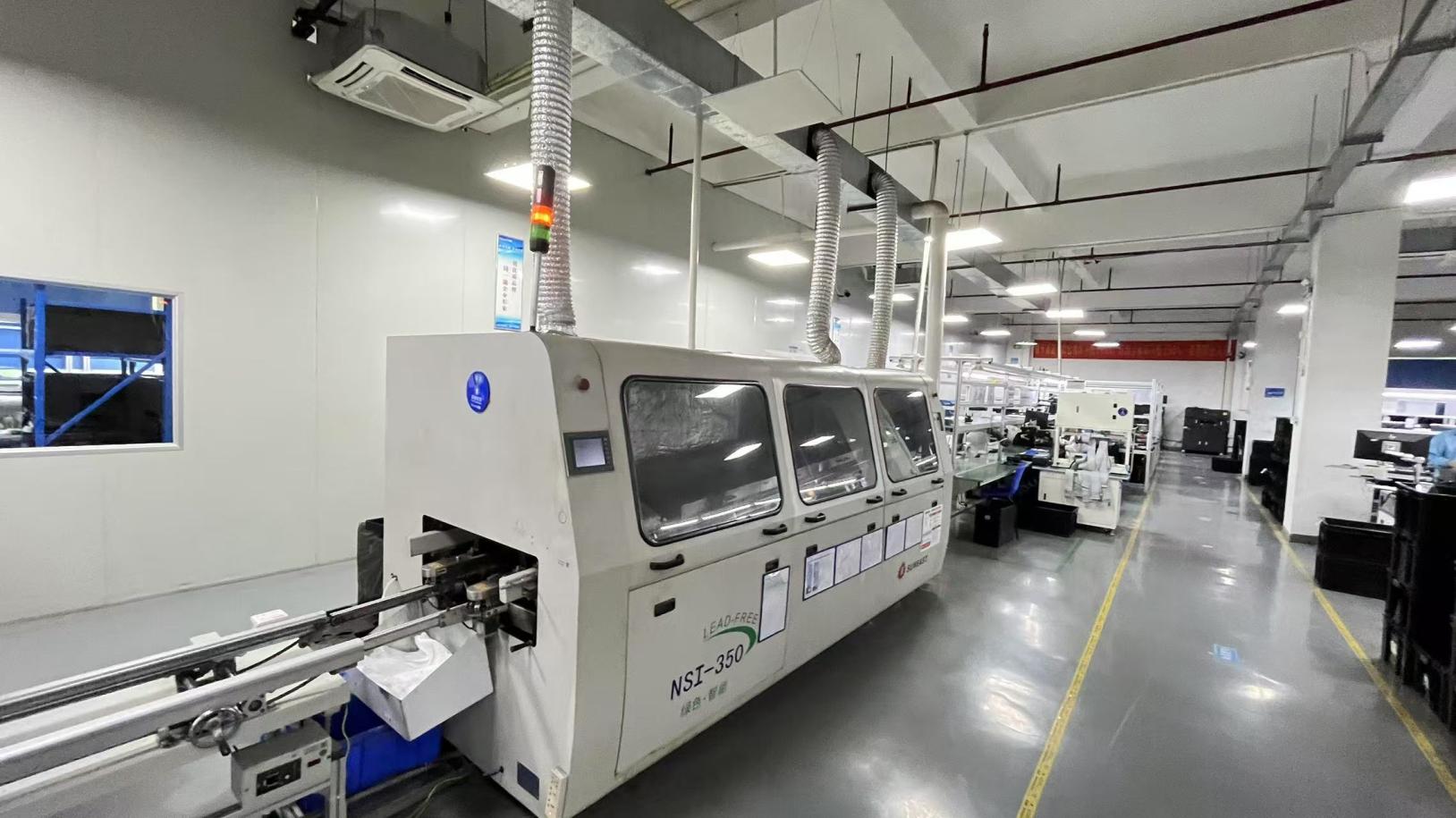
Our facility utilizes high-speed automated placement, optical alignment machines, and advanced laser-welding equipment, reducing human handling and lowering component defects.

πŸ›‘οΈ
Advanced Quality Control

Every transceiver and connector undergoes multi-stage inspections, including high-speed signal analyzer testing, eye-diagram evaluations, and environmental thermal cycling.

πŸ“ˆ
Scalable OEM/ODM Production

With an extensive network of raw material partners and in-house component fabrication, we can rapidly scale production to meet sudden increases in global demand.

5. Global Procurement Demands & Deep Customization

Procurement teams require components that match their specific systems. FiberQ offers a wide range of hardware customization options to ensure perfect compatibility:

  • Protocol Compatibility: Our transceivers are configured to work seamlessly with devices from Cisco, Juniper, Arista, Huawei, and other major network equipment manufacturers.
  • Wavelength Customization: Supporting standard DWDM, CWDM, and single-mode BiDi configurations to optimize fiber usage across different link budgets.
  • Thermal Optimization: Specialized metal alloy enclosures, thermal interface materials, and custom structural heat sinks for stable operation in dense rack configurations.

6. Regulatory Compliance & Quality Support

FiberQ is committed to safety, environmental sustainability, and regulatory compliance. Our complete product catalog complies with international industry standards:

  • Environmental Standards: Full compliance with RoHS (Restriction of Hazardous Substances) and REACH regulations.
  • Safety Certifications: Certified to meet CE, FCC, and TUV standards, ensuring electrical and optical safety.
  • Testing Transparency: Every shipment includes detailed test reports showing insertion loss, return loss, and eye-diagram metrics to guarantee component quality.

Technical Frequently Asked Questions

Expert answers to common engineering and procurement questions regarding Gigabit Ethernet hardware.

What is the difference between active and passive SFP cages with integrated connectors?
Passive cages serve as physical enclosures for SFP modules, while cages with integrated connectors include press-fit electrical interfaces that connect directly to the system PCB. Active versions may also include thermal design enhancements and EMI shielding gaskets to support high-density configurations.
How do integrated magnetic RJ45 connectors improve signal integrity?
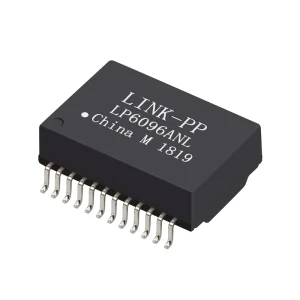
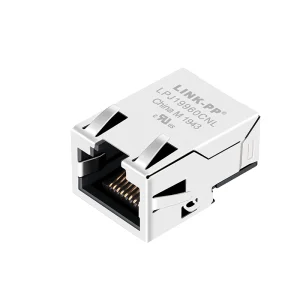
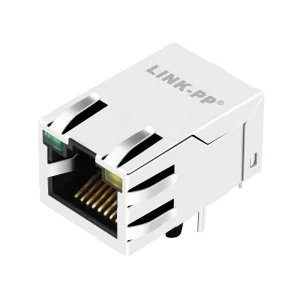
Integrated magnetics (often called MagJacks) combine isolation transformers and common-mode chokes inside the RJ45 housing. This design provides electrical isolation, filters out electromagnetic interference (EMI), and helps prevent common-mode noise from affecting signal quality.
Can PoE connectors support standard Gigabit Ethernet speeds?
Yes. Modern Gigabit PoE connectors are designed to carry high-frequency data signals alongside DC power. They use balanced transformers to prevent power delivery from interfering with high-speed data transmission.
Why choose BiDi (Bidirectional) optical transceivers over dual-fiber modules?
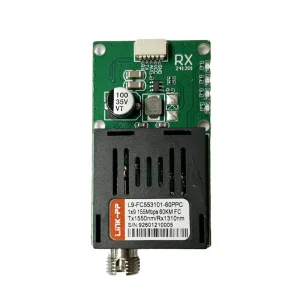
BiDi transceivers transmit and receive signals at different wavelengths (e.g., 1310nm and 1550nm) over a single optical fiber. This allows network operators to double their capacity without installing or leasing additional fiber lines.
What quality checks does FiberQ perform on its high-speed optical transceivers?
Every module undergoes comprehensive testing, including eye-diagram analysis, bit error rate (BER) checks, wavelength verification, and thermal burn-in testing. These steps help ensure stable performance in real-world data center and telecom deployments.

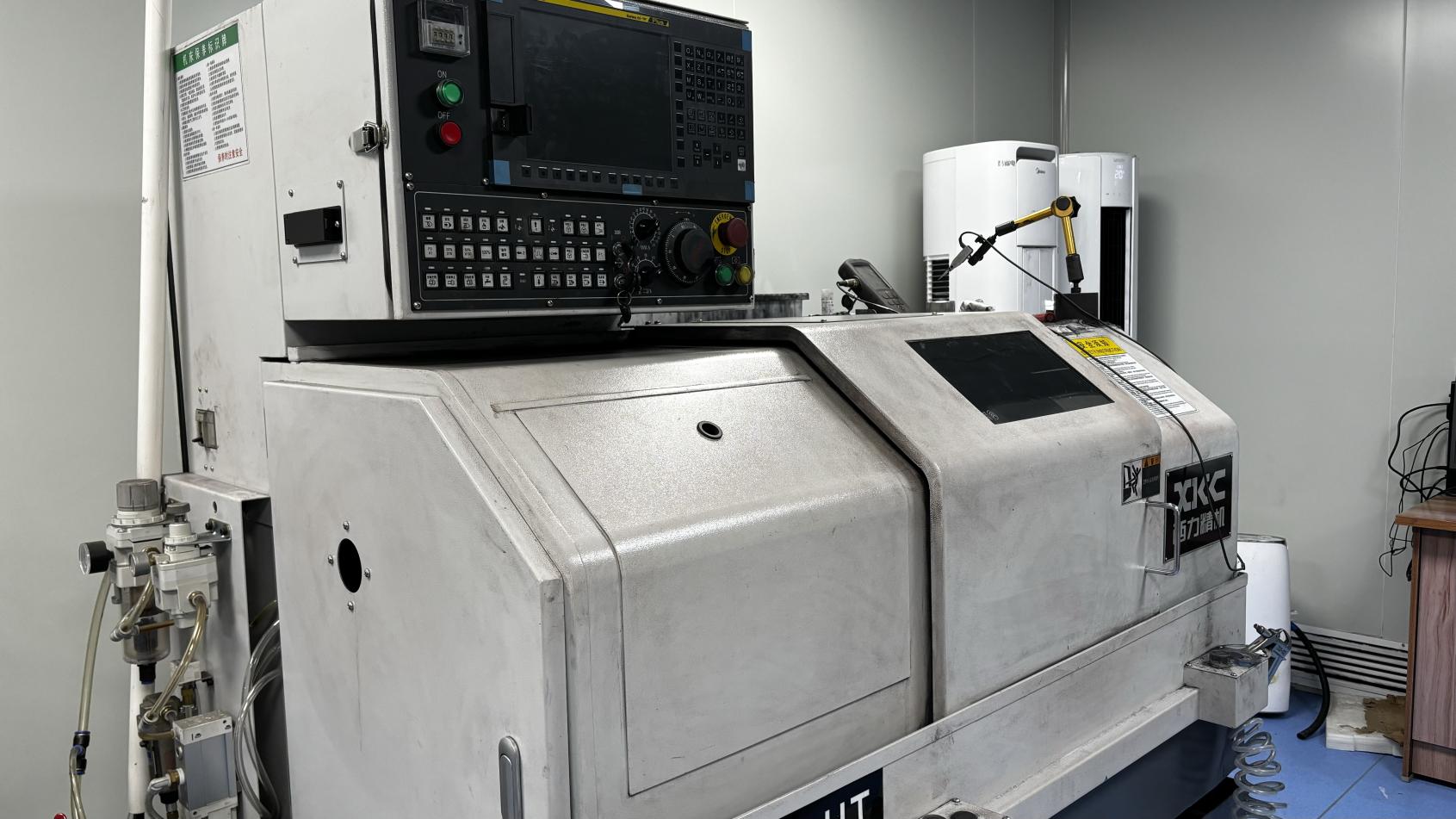
Factory & Production Environment

Our manufacturing facility features automated production and strict quality control systems.