FiberQ
FiberQ
FiberQ
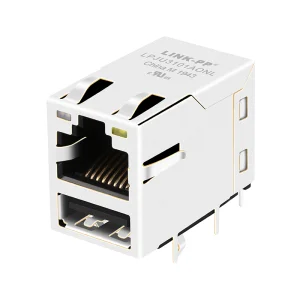
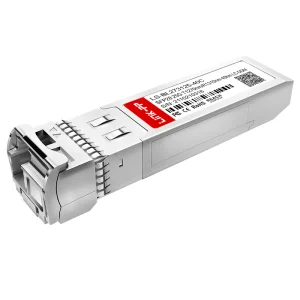
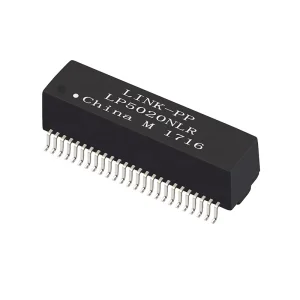
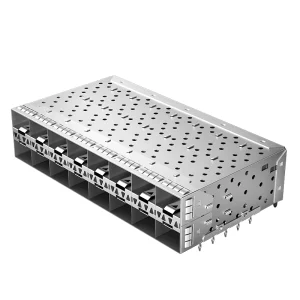
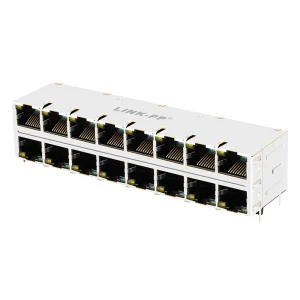
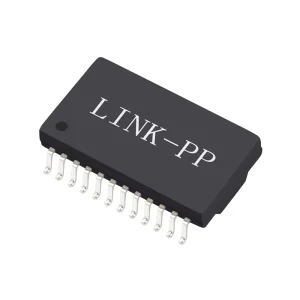
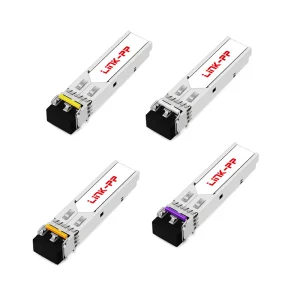
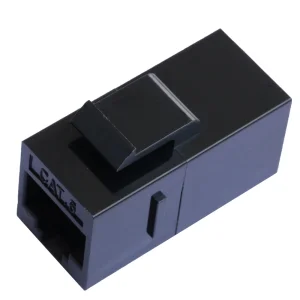
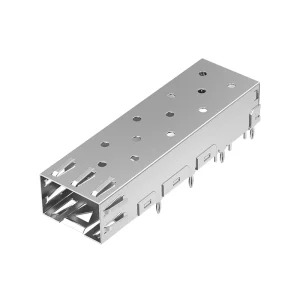
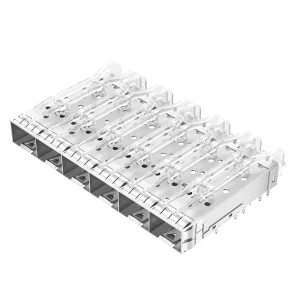
Explore our flagship high-performance networking modules engineered for high speed, minimal latency, and industrial-grade reliability.
In the era of hyper-scale data centers, automated manufacturing, and smart building infrastructures, the demand for stable physical layer interconnects has scaled exponentially. The Category 6 (Cat6) RJ45 connector, operating at frequencies up to 250 MHz and supporting 10GBASE-T networks over limited distances, remains the cornerstone of modern corporate and industrial Ethernet local area networks (LANs).
Global enterprise procurement processes for Cat6 RJ45 components are no longer based merely on unit costs; instead, they focus heavily on signal integrity, mechanical life cycles, and electrical safety standards. Buyers from sectors such as telecommunications, government data hubs, smart grid operations, and aerospace demand components designed to resist electromagnetic interference (EMI), mitigate Near-End Crosstalk (NEXT), and support high-wattage Power over Ethernet (PoE/PoE+/PoE++) applications.
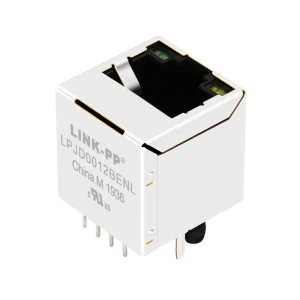
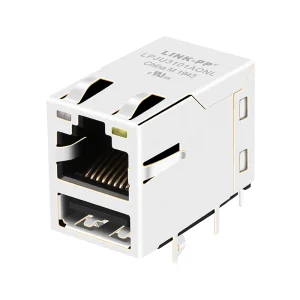
For systems integrators handling complex, high-density topologies, purchasing standardized RJ45 modular jacks and keystone connectors from audited factories ensures compatibility with global patch panels, transceiver modules, and structural cabling. It reduces packet drops and maintains channel performance according to ANSI/TIA-568.2-D and ISO/IEC 11801 standards.
How enterprise network topologies optimize latency, transmission range, and capital expenditure through hybrid deployments.
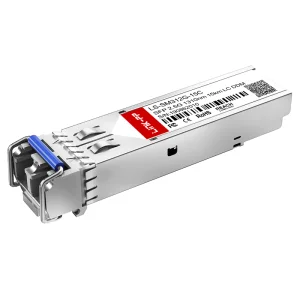
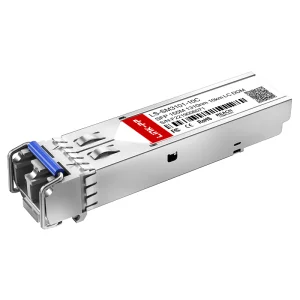
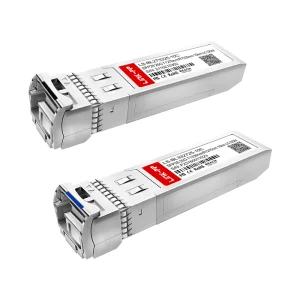
Modern centers use single-mode and multi-mode optical fiber transceivers (such as 25G SFP28 and DWDM modules) for the core distribution spine. They interface directly with high-performance Cat6 copper patches at the Top-of-Rack (ToR) and Management levels for out-of-band diagnostics, server IPMI interfaces, and localized storage networks.
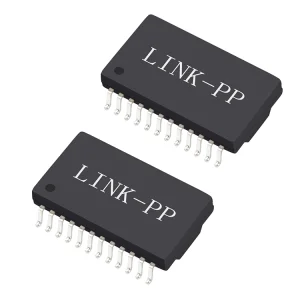
In automated environments, EMI from heavy machinery can disrupt signals. Industrial Ethernet implementations rely on shielded Cat6 RJ45 connectors featuring 360-degree brass shielding wraps, coupled with LAN transformer modules that provide high-voltage isolation (up to 1500V AC) to shield crucial control circuits.
Telecommunications operators utilize robust, weather-resistant Cat6 keystones and plugs to link external 5G small cells and surveillance hardware to optical media converters. This guarantees high power delivery (PoE+) and dependable data links even under severe weather conditions.
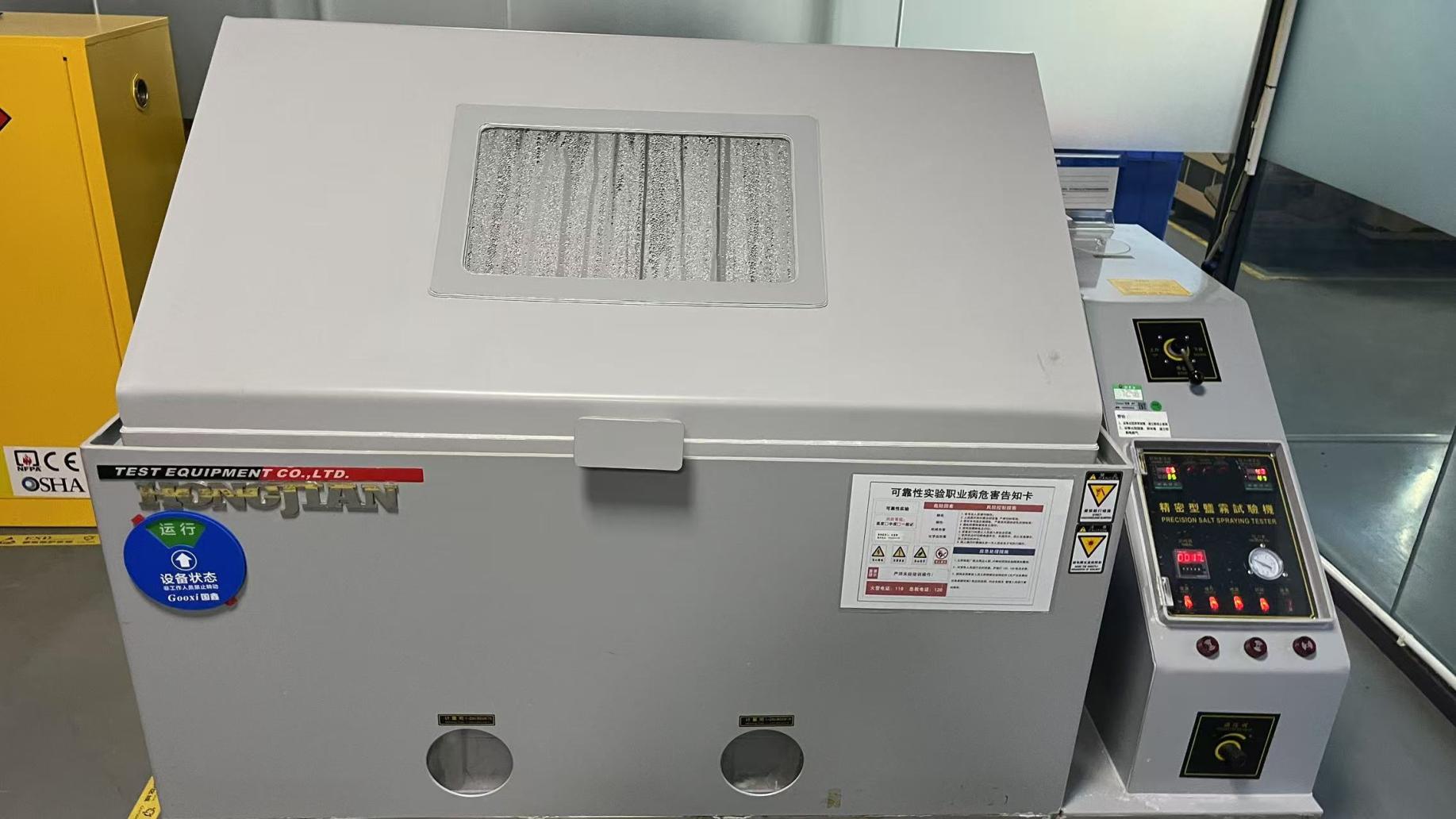
When selecting a factory supplier for bulk RJ45 connectors, keystone jacks, or magnetic connectors, procurement executives must evaluate manufacturers using a strict, multi-tiered checklist. A high-quality manufacturer should not only provide a low price-point but must also demonstrate robust production facilities and verifiable electrical testing capabilities.
The top-tier global suppliers typically maintain the following production parameters:
Founded in 2015, FiberQ Photonics Technology Co., Ltd. is a professional manufacturer specializing in high-performance fiber optic transceivers and advanced photonic communication solutions for data centers, telecom networks, and high-speed interconnect applications. Over years of development, the company has grown into a trusted global supplier with strong engineering, manufacturing, and export capabilities.
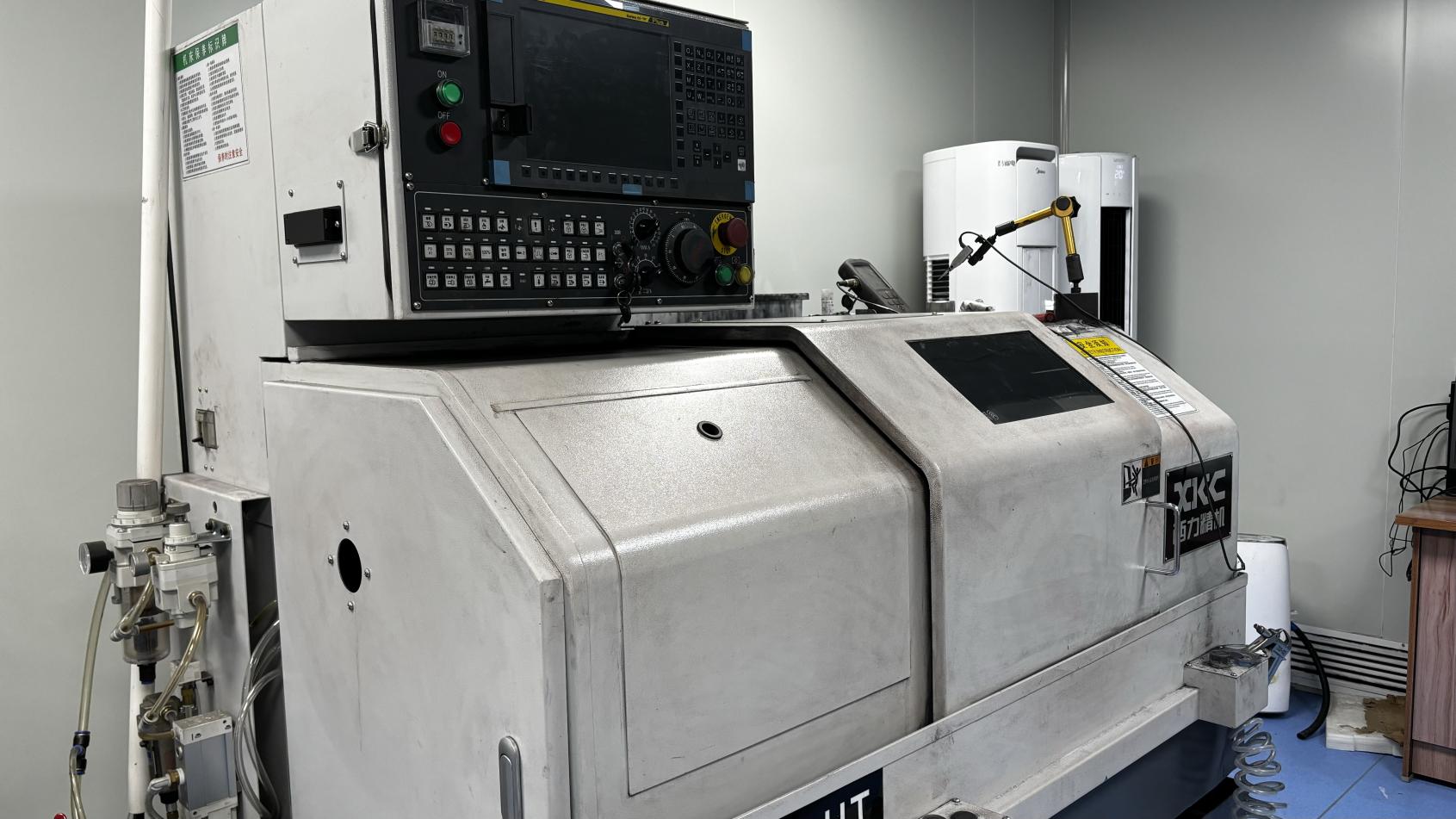
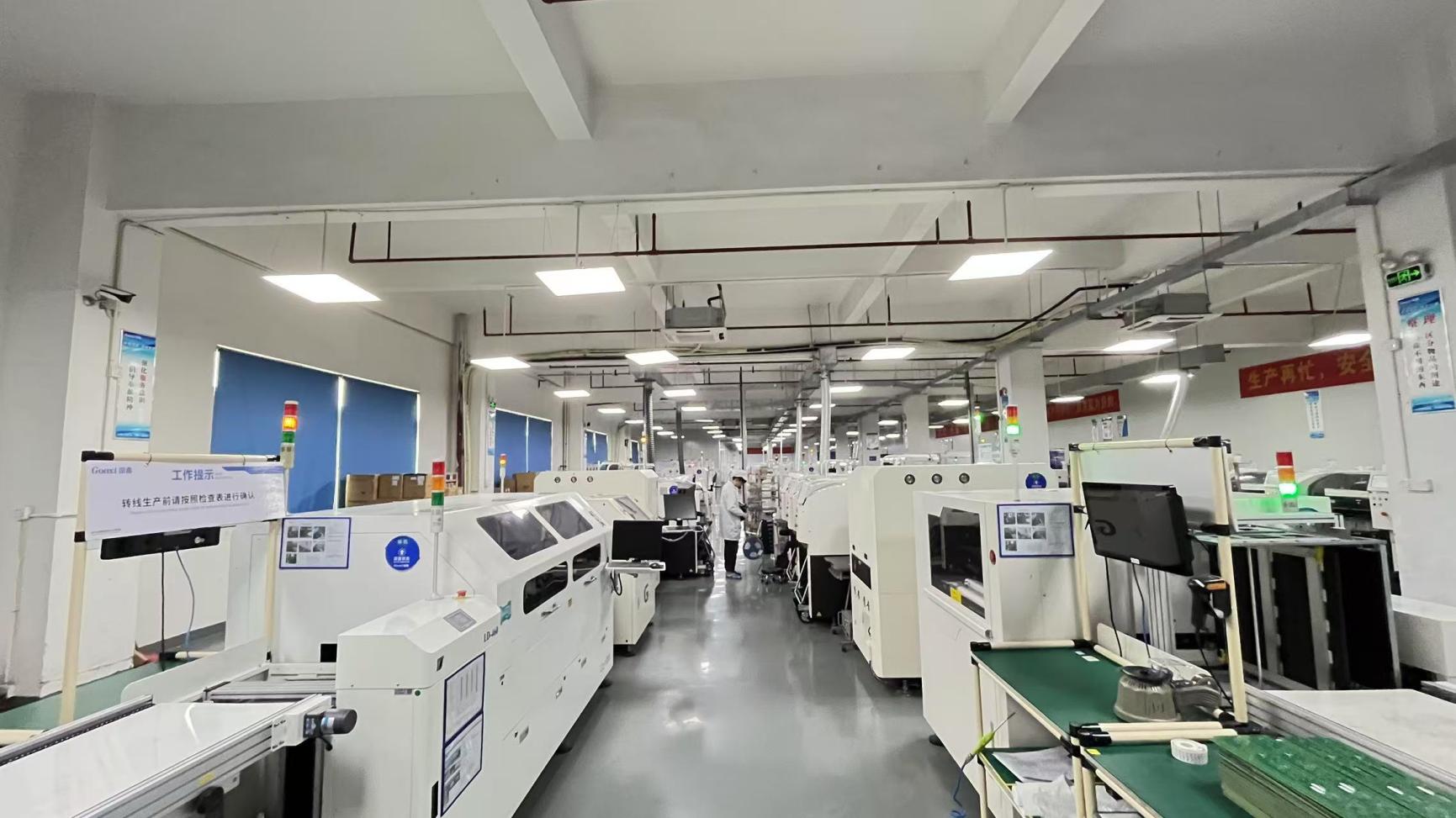
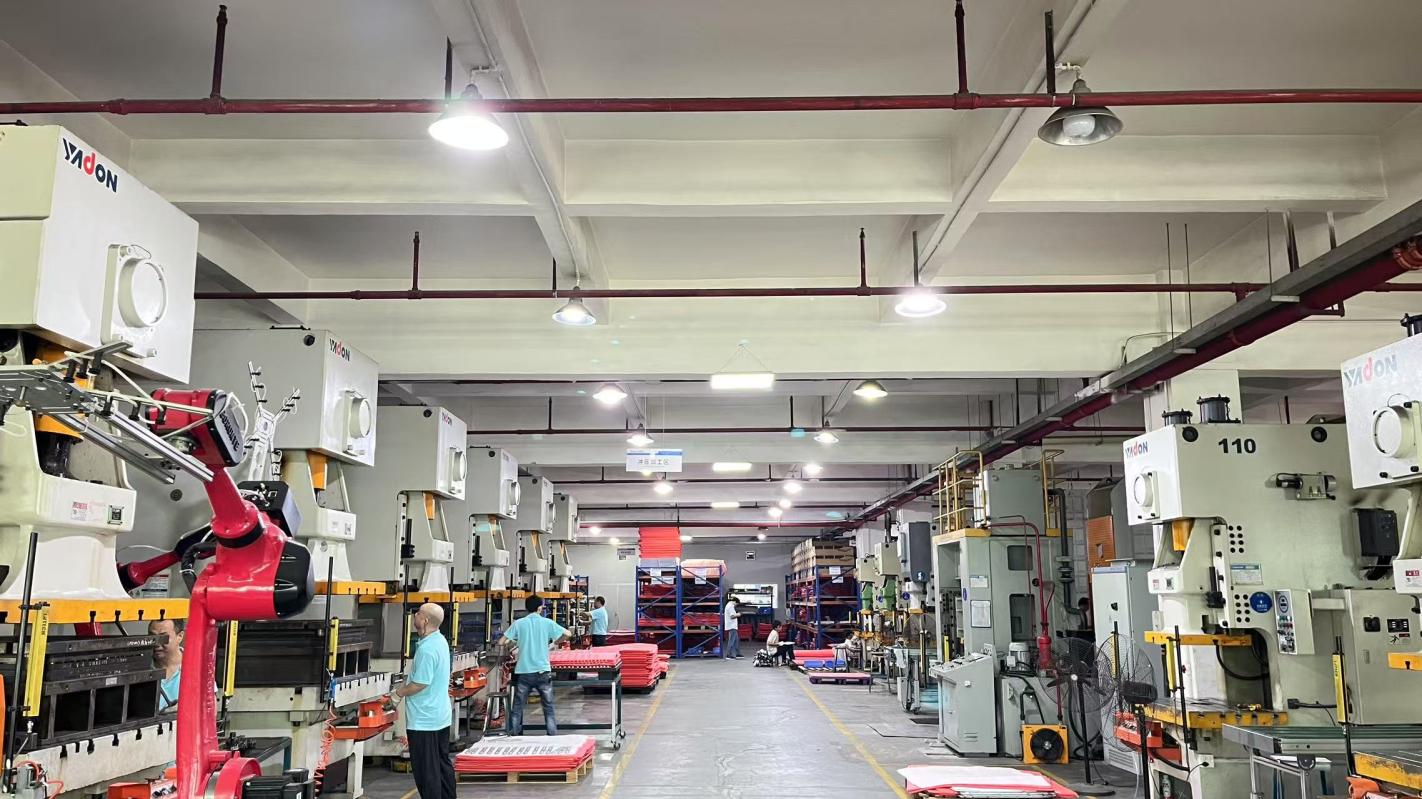
The company operates a modern production facility covering approximately 12,600㎡, enabling scalable manufacturing, precision assembly, and strict quality control processes. With annual export revenue reaching around USD 9.5 million, FiberQ has accumulated 6 years of export experience and 12 years of industry expertise in optical communication and physical layer technologies.
FiberQ maintains a strong trade background focused on OEM and ODM partnerships. Its primary markets include North America, Europe, Japan, and Southeast Asia, serving telecom operators, cloud service providers, and enterprise network integrators. The company collaborates with approximately 1,450 supply chain partners to ensure stable procurement of core components and efficient production scheduling. Its main customer base includes data center operators, telecom carriers, network equipment vendors, and system integrators.
With strong R&D capabilities, FiberQ supports advanced customization including protocol compatibility (100G/200G/400G/800G), wavelength engineering, thermal optimization, and form-factor adaptation. The company employs around 240 R&D engineers focused on optical design, signal integrity, and high-speed hardware development. Reflecting its continuous innovation, FiberQ launched approximately 180 new products in the past year alone.
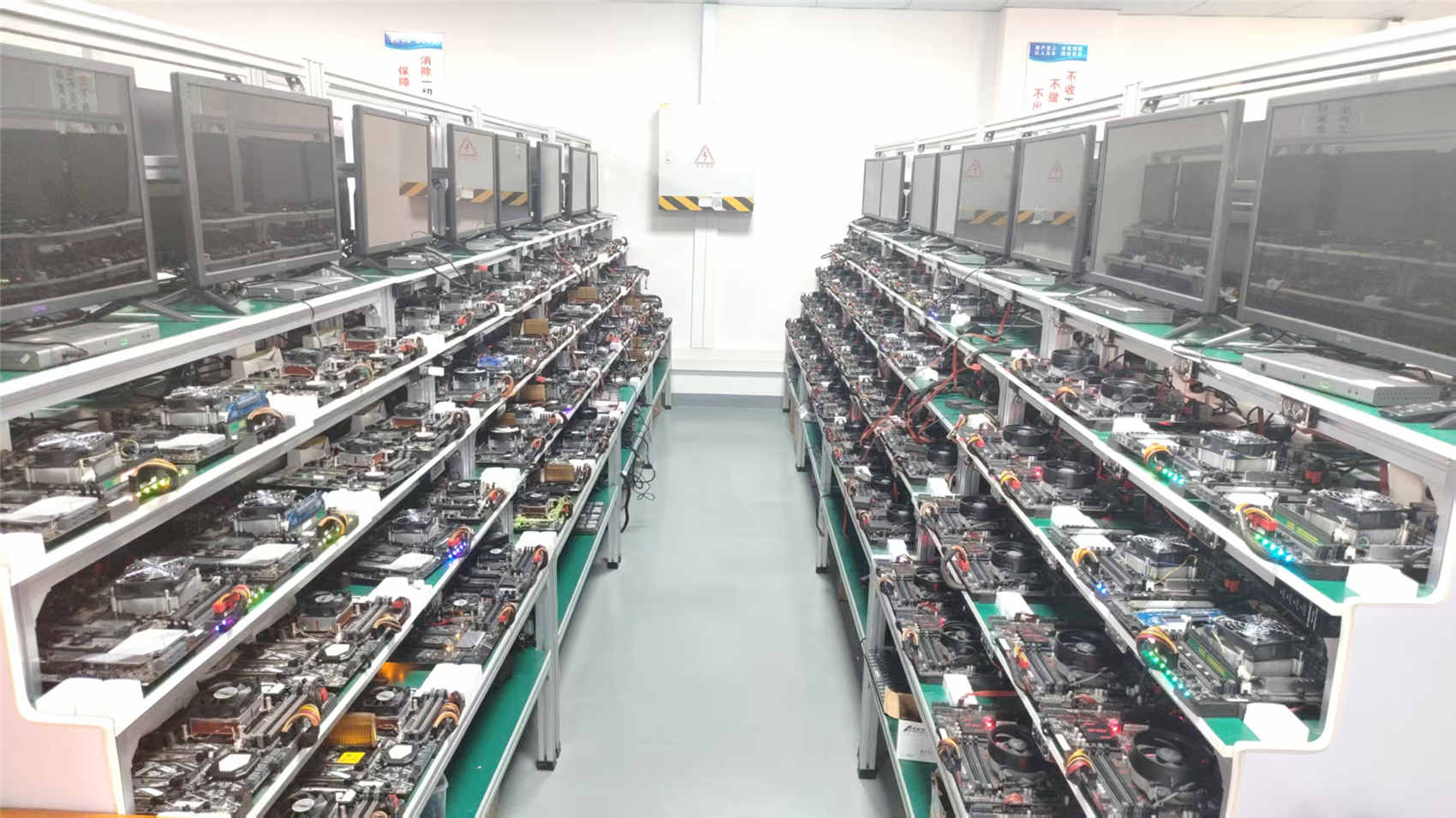
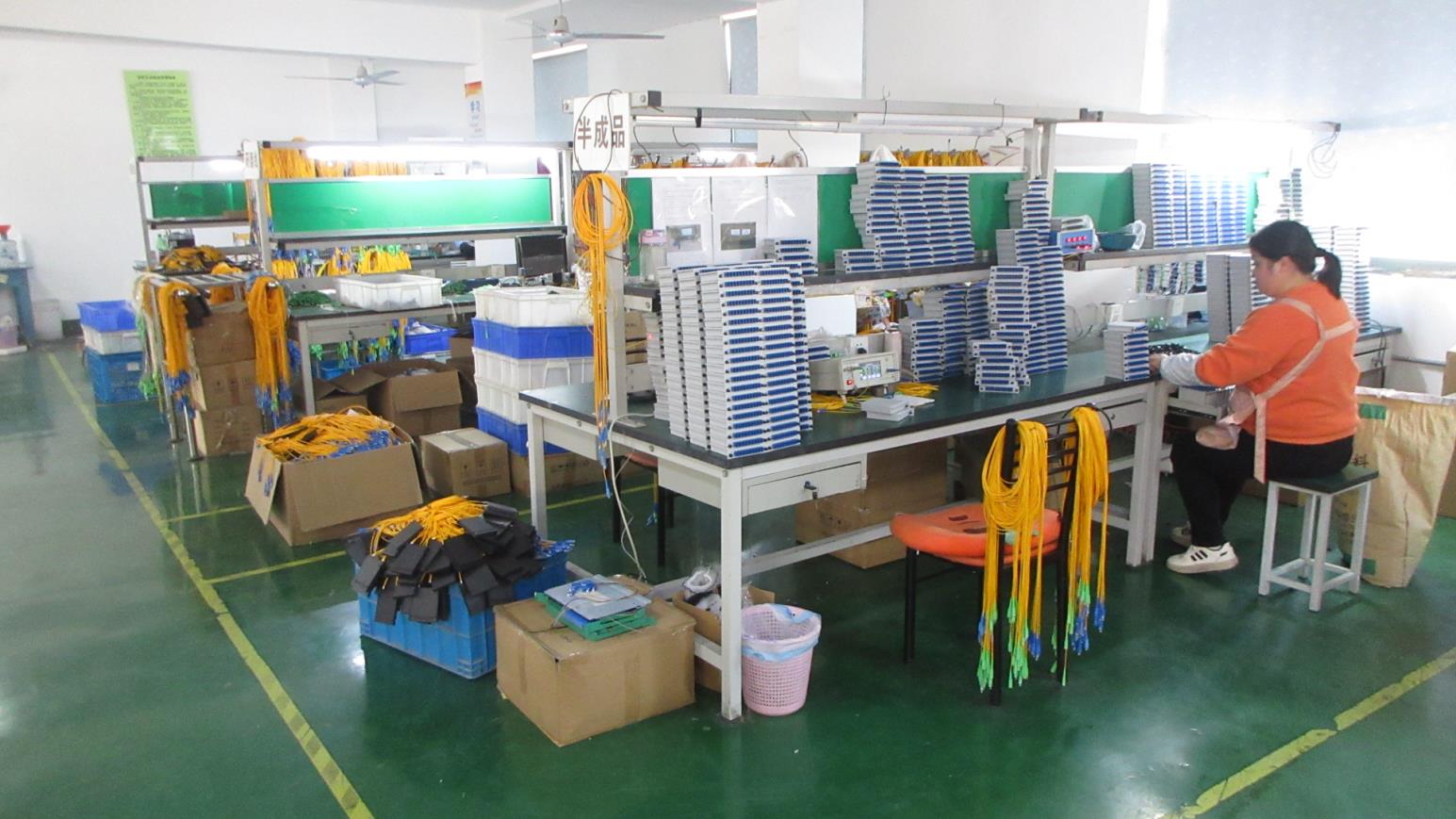
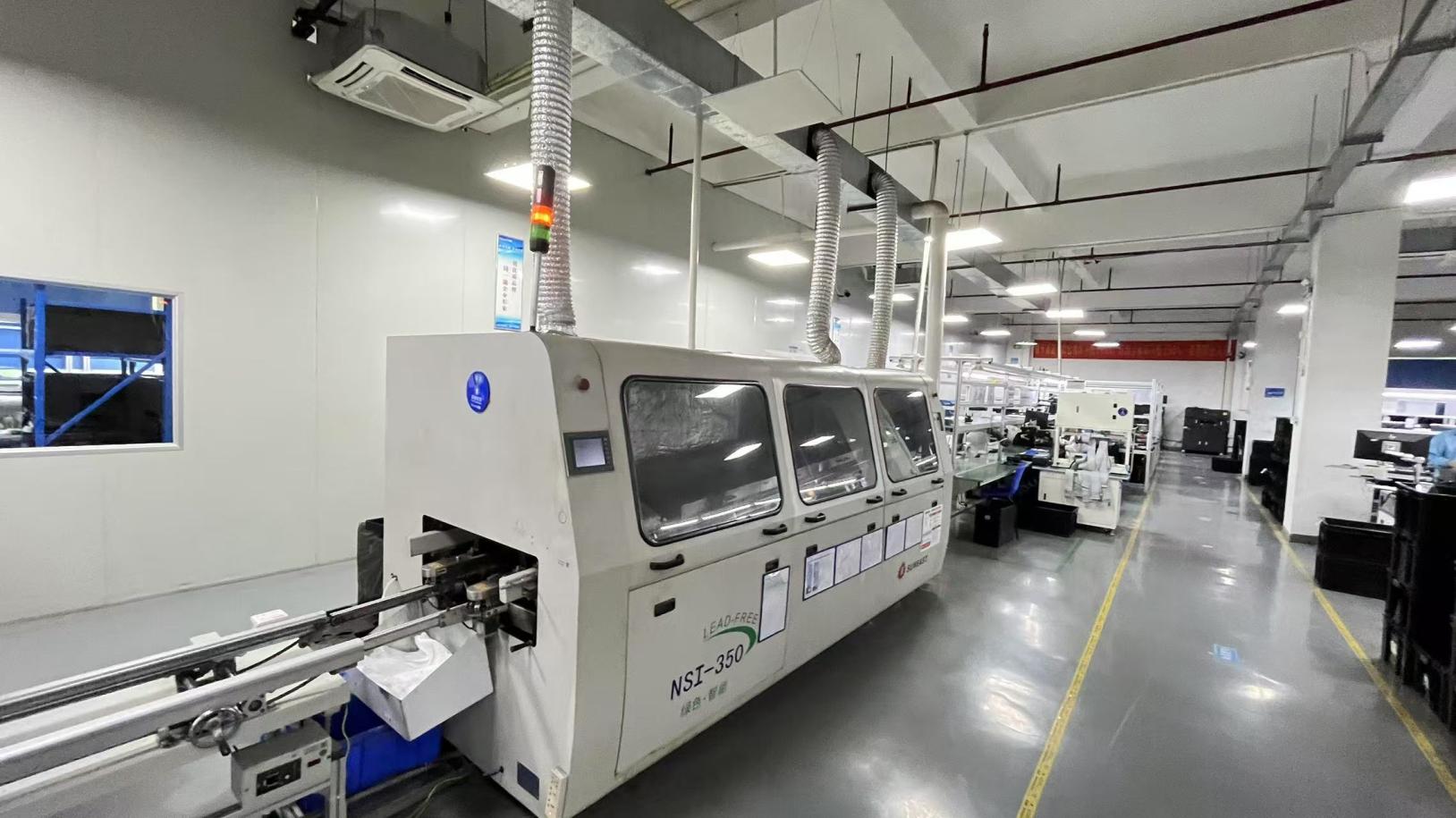
While wireless local loop (Wi-Fi 7) and optical-to-the-desk topologies continue to advance, copper cabling remains essential. Structured copper media has evolved significantly, from legacy Cat5e installations to current high-bandwidth Cat6, Cat6A, and Cat8 systems. The roadmap for Cat6 RJ45 technology focuses on structural adjustments to handle higher transmission rates and increasingly harsh installation environments.
Looking ahead, major technological advancements in RJ45 design are driving improvements in several areas:
Procuring network components globally requires navigating complex trade environments, customs regulations, and region-specific technical certifications. A reliable supplier must offer robust technical compliance documentation to facilitate smooth customs clearance and quick installations.
In North America, import criteria require compliance with UL (Underwriters Laboratories) fire ratings for structural components and FCC certification for electromagnetic emission limits on active assemblies. In the European Union, products must bear the CE mark and conform to RoHS/REACH directives to verify they do not contain restricted hazardous materials. In addition, suppliers targeting government networks must offer TAA (Trade Agreements Act) compliant products or conform to specific bilateral trade agreements.
Furthermore, local technical support plays a key role in post-purchase operations. Top manufacturers establish distribution hubs and application engineering centers in key target regions. This localized approach allows engineers to assist with custom PCB designs for integrated RJ45 modular jacks, troubleshoot noise problems on-site, and process bulk warranty replacements without international logistics delays.
Explore additional high-performance networking modules engineered for high speed, minimal latency, and industrial-grade reliability.