FiberQ
FiberQ
FiberQ
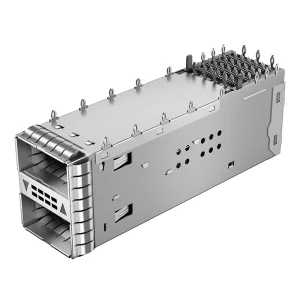
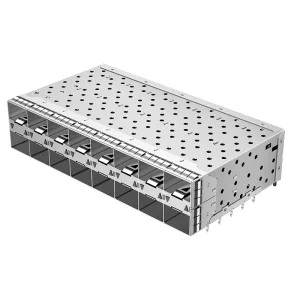
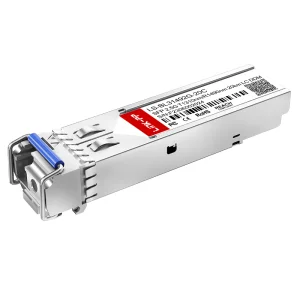
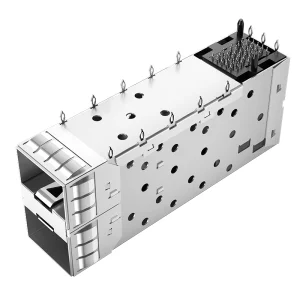
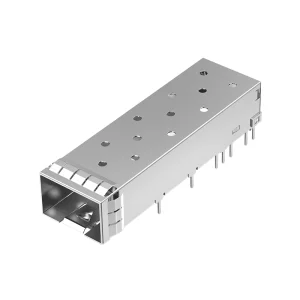
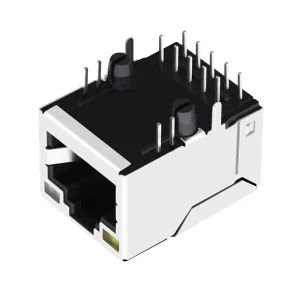
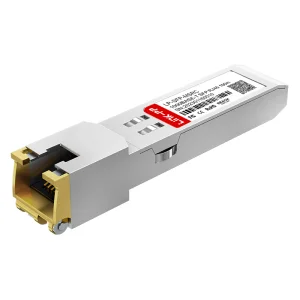
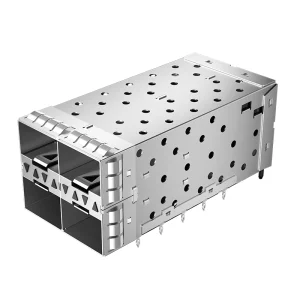
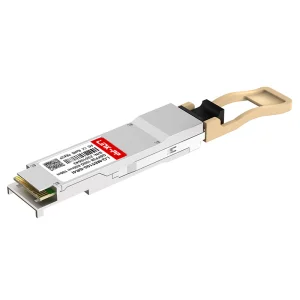
High-performance SFP cages, optical transceivers, and RJ45 filtered modular connectors designed to meet strict telecommunication and data center workloads.
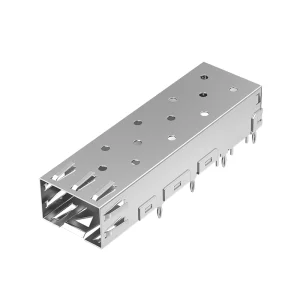
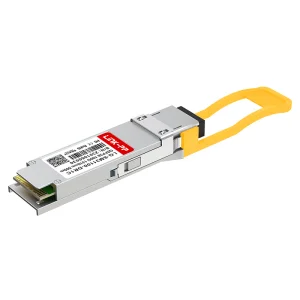
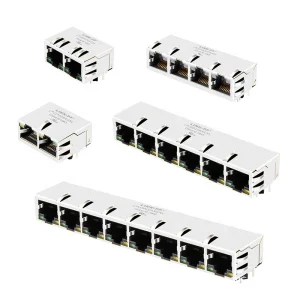
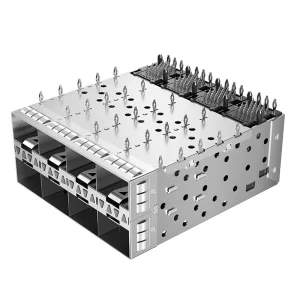
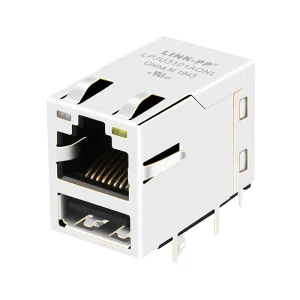
In the era of cloud computing, generative AI clusters, and massive telecommunication infrastructure upgrades, SFP (Small Form-factor Pluggable) module connectors and cages represent the core physical nodes of modern fiber-optic communications. As systems scale from 10G/25G up to 100G, 400G, and even 800G, SFP and QSFP connectors must withstand extreme signaling speeds and mechanical stresses while maintaining reliable electrical interfaces.
A reliable optical link does not only depend on the internal laser configuration of the transceiver; it is heavily dictated by the quality of the SFP cage and receptacle mounted onto the host PCB. Choosing the right SFP module connector manufacturer determines system performance metrics such as insertion loss, EMI shielding effectiveness, thermal resilience, and signal integrity.
Advanced impedance-controlled design guarantees minimum return loss and crosstalk at high frequencies, optimizing the link budget for long-reach networks.
Precision-engineered EMI spring fingers and elastomeric gaskets seal emissions at the bezel opening, preventing interference with neighboring high-frequency channels.
Custom configurations featuring integrated heat sinks and light pipes optimize airflow inside dense 1U chassis layouts to protect delicate optical transceivers.
Modern SFP module connectors must adhere strictly to Multi-Source Agreements (MSAs) such as SFF-8431, SFF-8432, and INF-8074i. These specifications guarantee physical and electrical interoperability among different transceiver brands. Here is a breakdown of the primary engineering challenges resolved by top-tier manufacturers:
Press-fit SFP cages use compliant pins (often referred to as "eye-of-the-needle" pins) to establish a mechanical and electrical connection with the host PCB without the thermal stress of soldering. This technique allows for easy rework and ensures high-integrity ground paths. Through-hole solder options remain popular in cost-sensitive applications with less demanding mechanical dynamics.
At data rates exceeding 10Gbps, EMI leakage at the faceplate is a critical failure point in system audits. SFP cages resolve this via two standard methods:
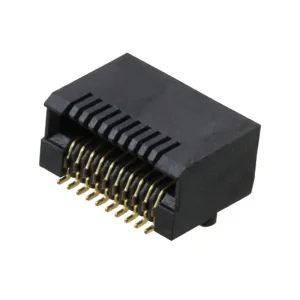
The card-edge connector inside the SFP cage is the gateway for high-speed differential pairs (TX and RX lines). Advanced simulation software is used to design the internal contacts, minimizing differential-to-common mode conversion and preserving signal eye patterns for high-frequency PAM4 signaling.
For global tier-1 purchasers, local engineering support and product compliance are non-negotiable criteria. SFP connectors destined for international networks must carry a suite of certifications that assure chemical, physical, and fire safety:
Our localization support infrastructure matches global engineering drawings with local regional application parameters. Whether you require specific housing modifications to fit non-standard faceplates or custom-engineered heat sinks designed for restricted cooling environments, we ensure direct-to-engineering consultation to bypass middleman delays.
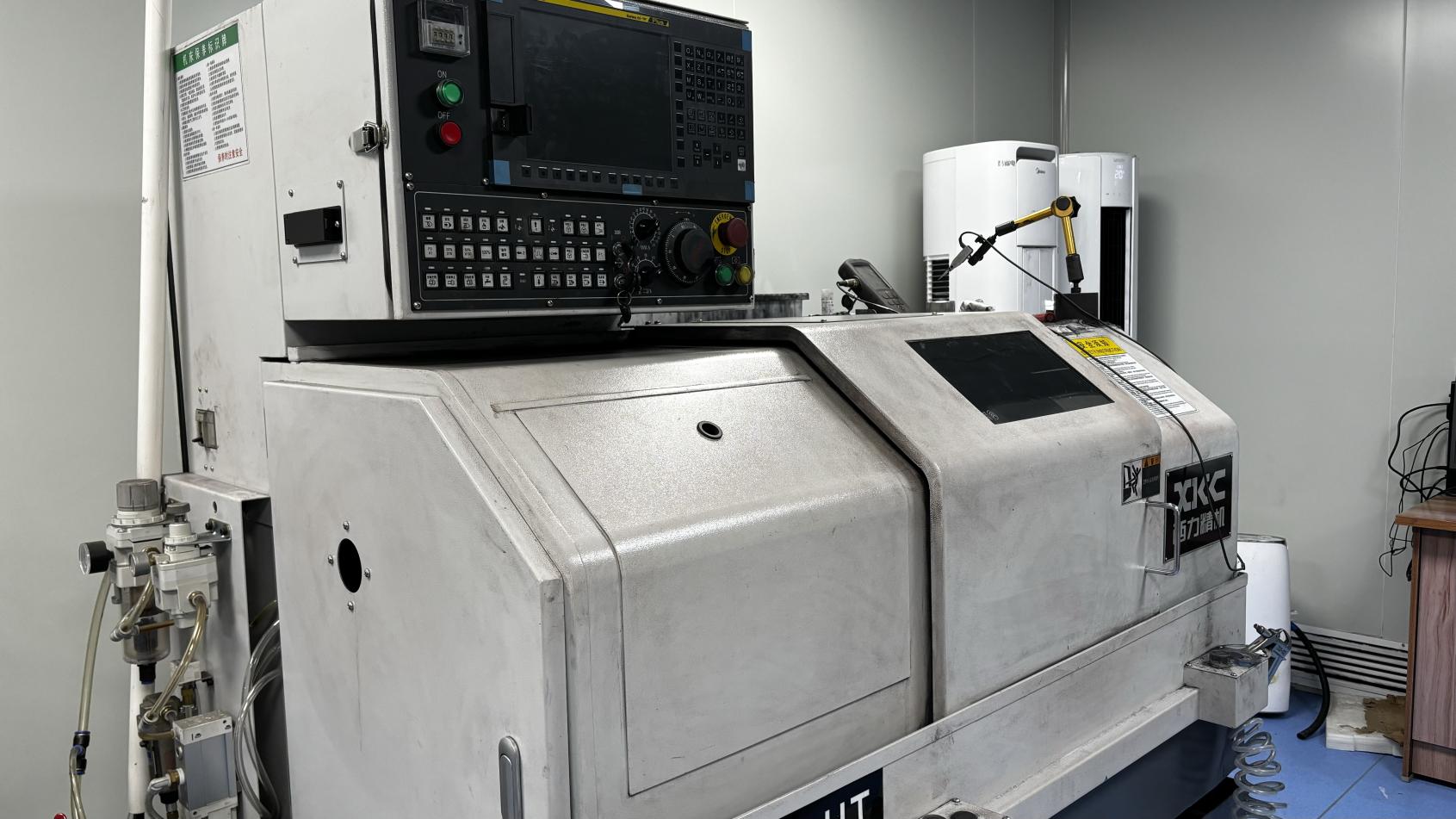
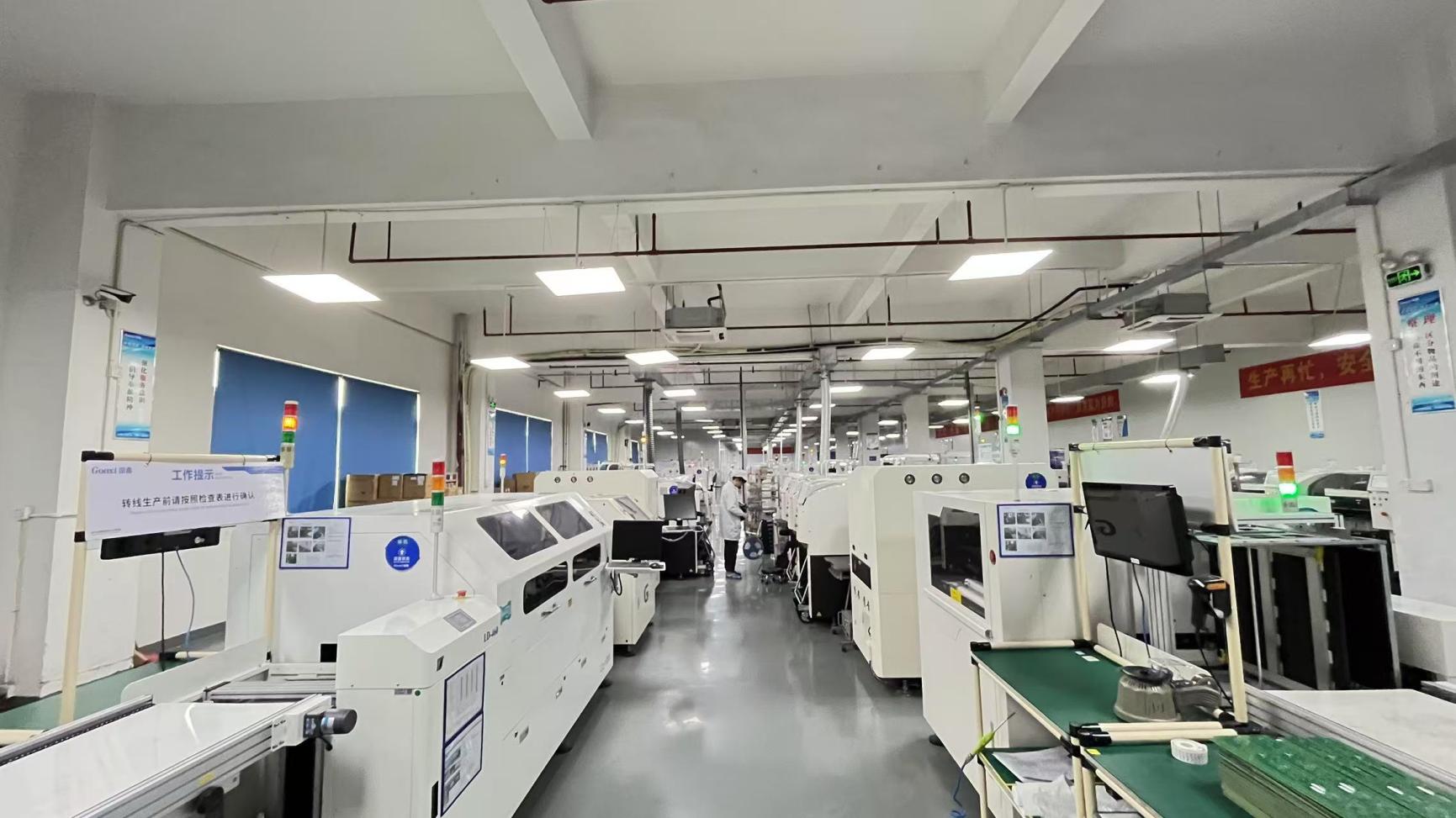
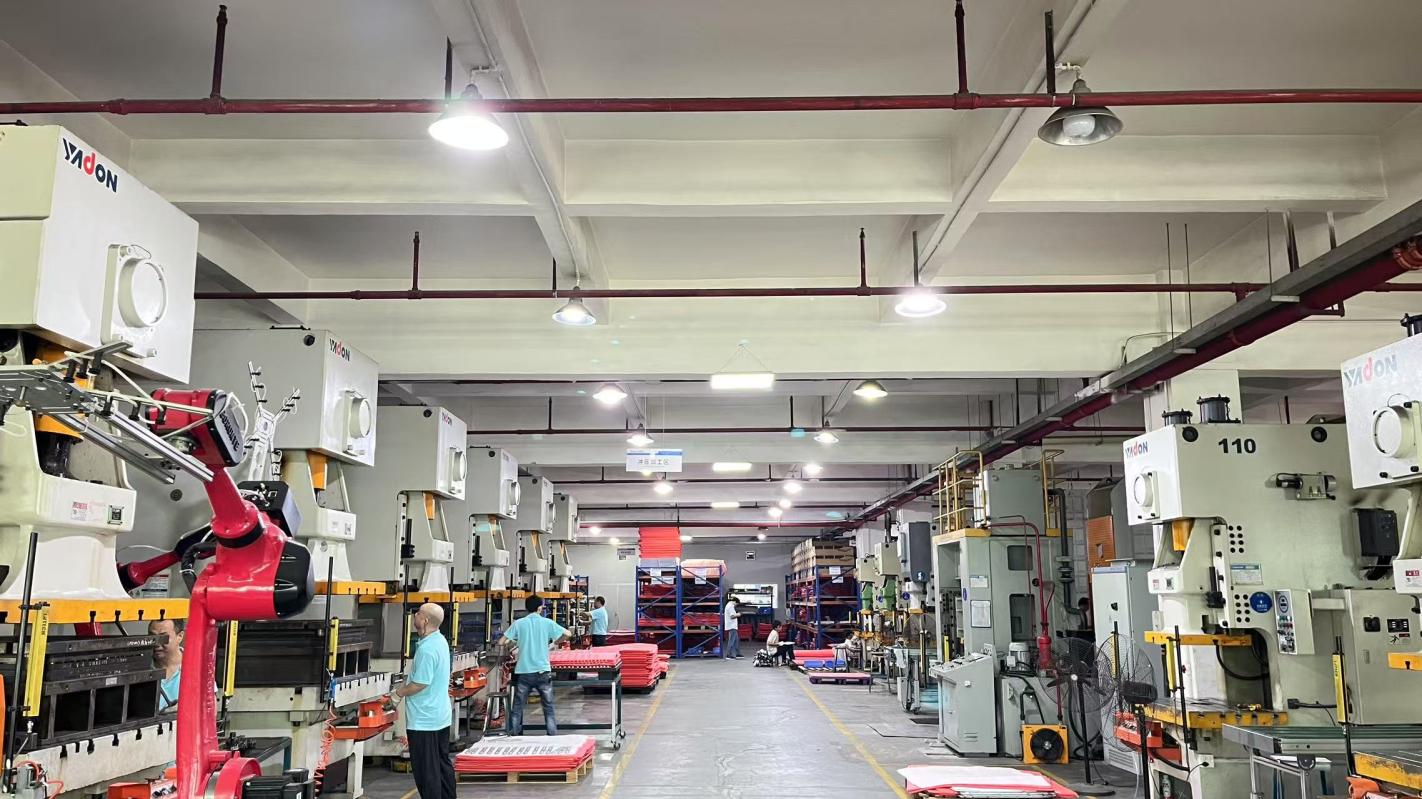
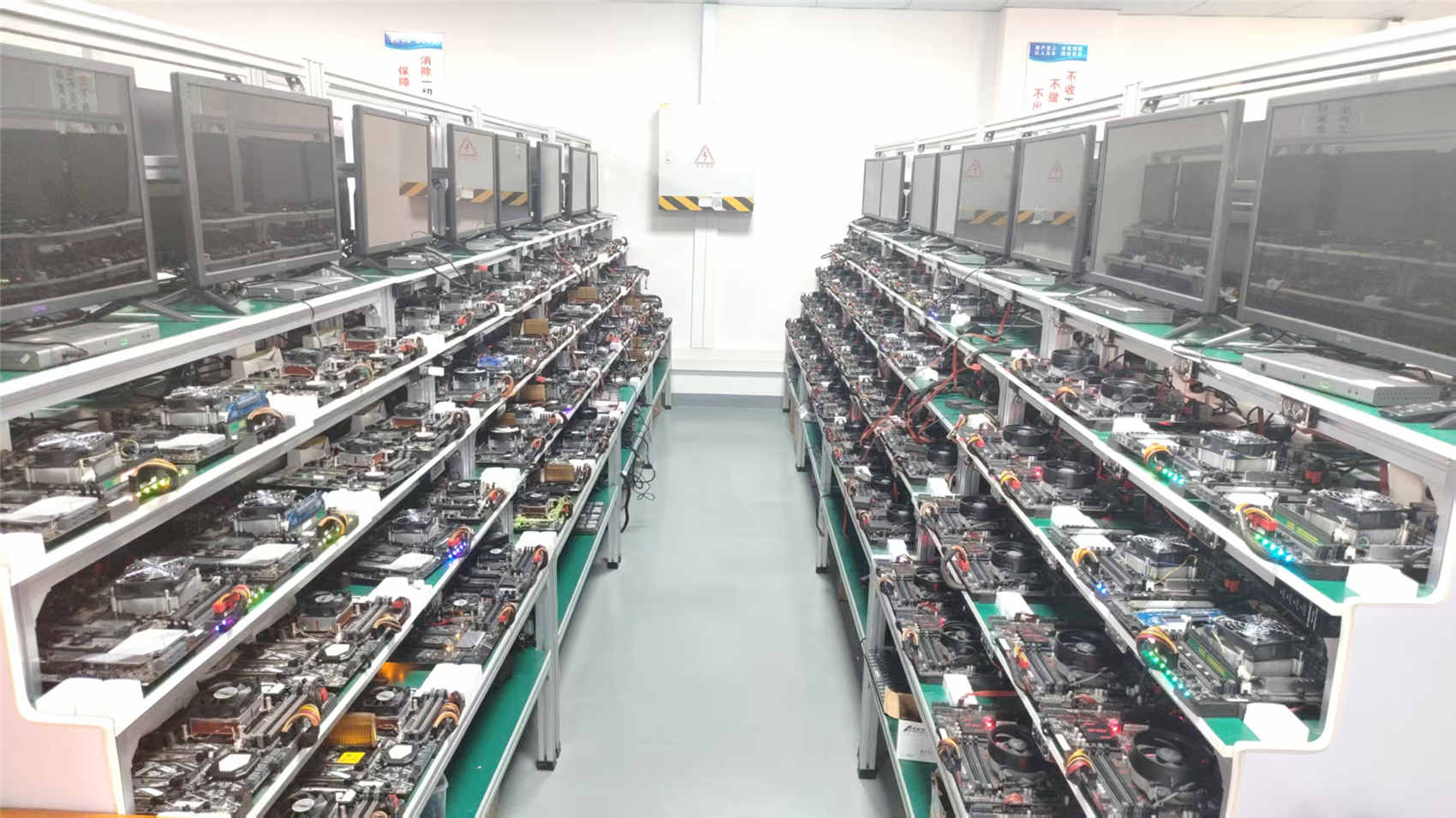
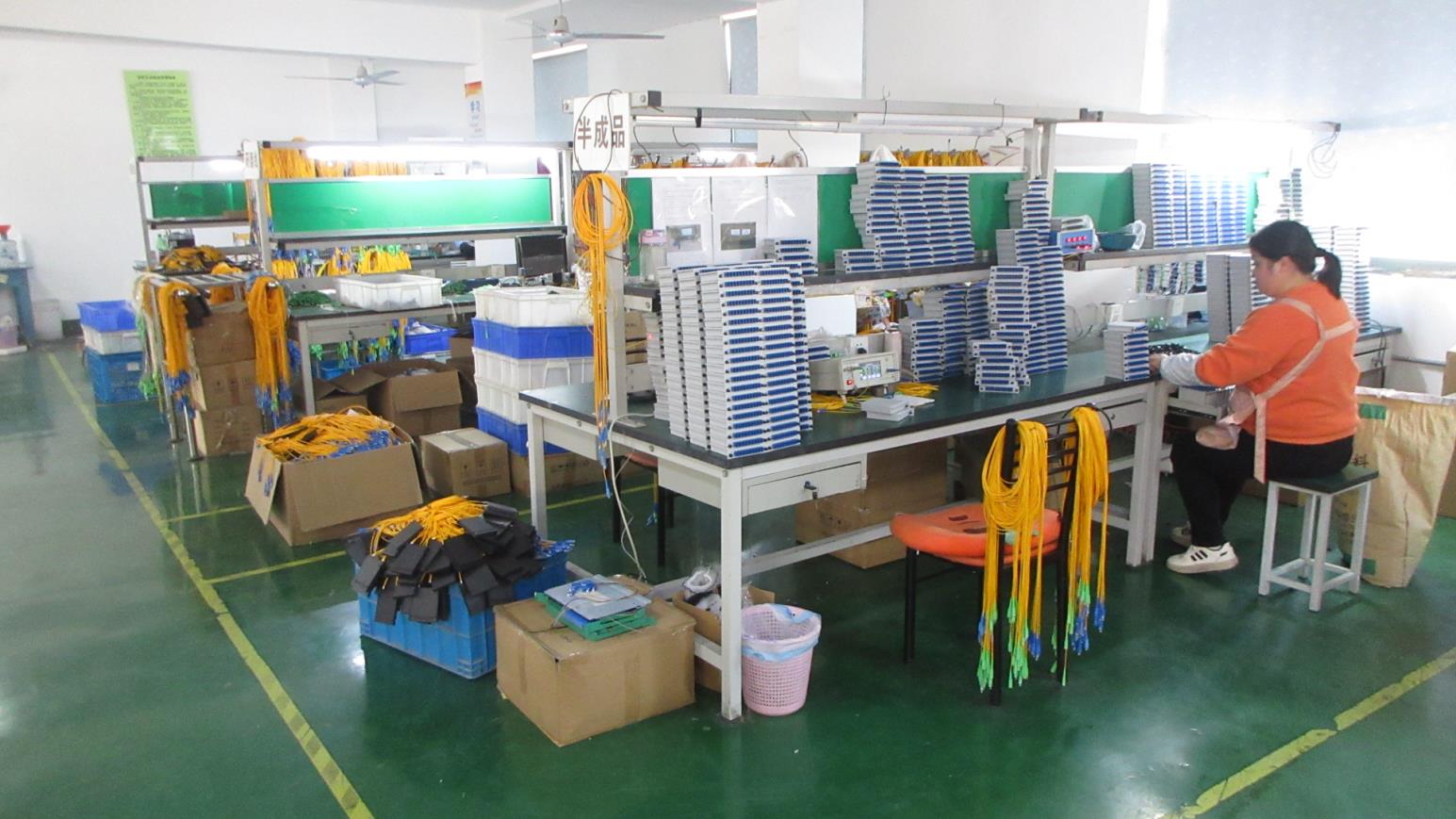
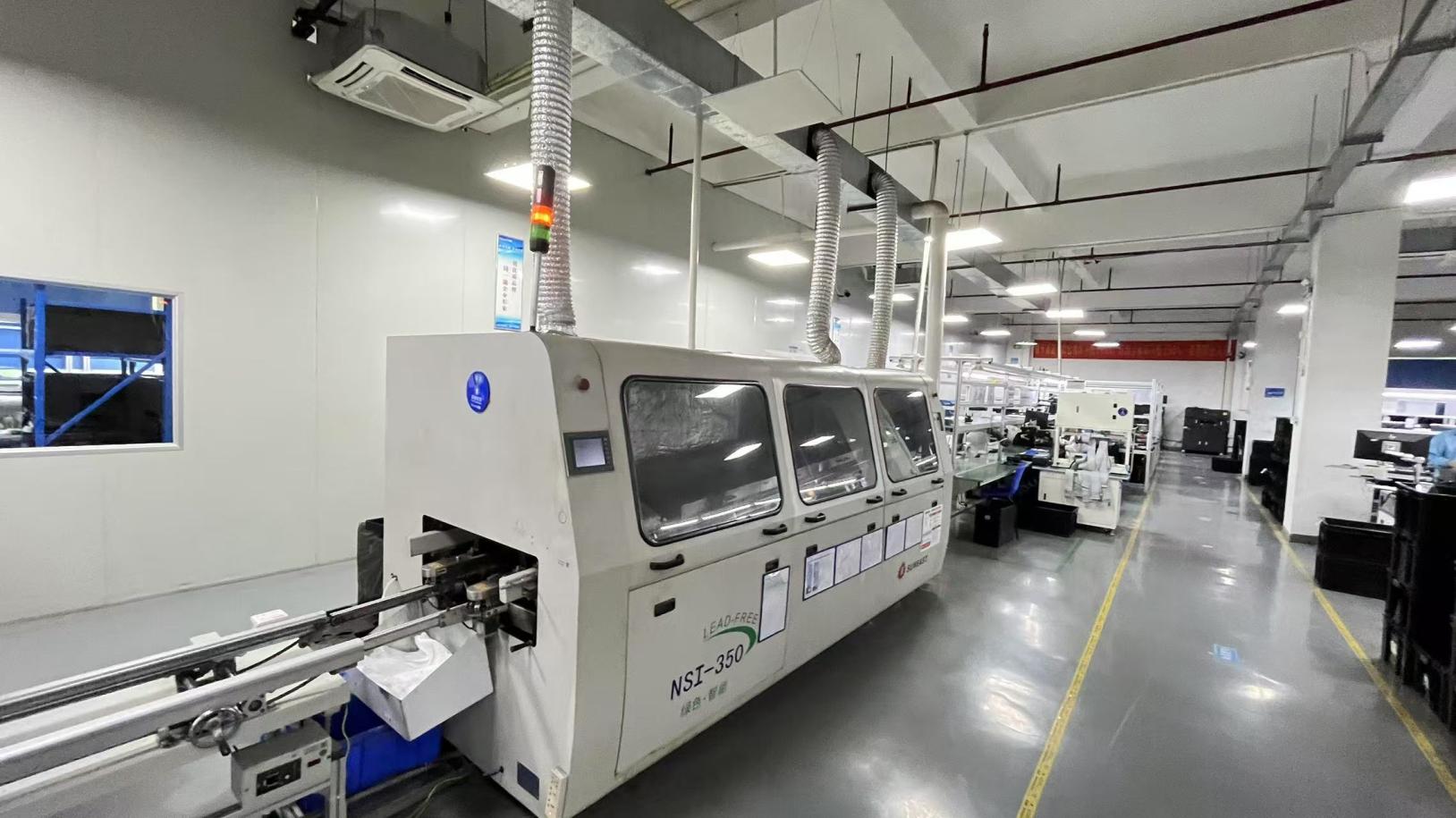
Leveraging a centralized manufacturing cluster in China delivers unmatched structural efficiencies for optical component sourcing. The core of this competitive advantage lies in vertical integration: raw copper alloy sourcing, precision micro-stamping tooling, electroplating lines, and automated assembly operations are co-located in the same regional network.
This clustering reduces logistics cycle times, allows for rapid iteration of progressive die-tooling, and dramatically lowers the total cost of ownership (TCO). By utilizing high-speed automated Bruderer stamping presses and multi-cavity injection molds, our production facilities maintain tight dimensional tolerances (down to ±0.02mm) at high-volume runs.
Global network design and procurement teams evaluate SFP manufacturers not just on unit pricing, but through rigorous technical matrices. The primary factors include:
As the industry transitions to PCIe Gen 6/7 interfaces and 800G/1.6T networking, standard SFP footprints are shifting toward high-density configurations like OSFP and QSFP-DD. Additionally, the emergence of Co-Packaged Optics (CPO) is shifting optical engines closer to the ASIC, demanding custom low-profile board-to-board optical connectors and extreme EMI containment strategies.
Our optical transceivers, cages, and filtered RJ45 modules are deployed across diverse vertical markets globally:
Serving high-density Top-of-Rack (ToR) and spine switches with low-latency 100G/200G/400G cabling interfaces, ensuring robust performance under high thermal loading.
Powering optical front-haul links between Remote Radio Units (RRU) and Baseband Units (BBU) with weather-sealed, wide-operating-temperature SFP cages.
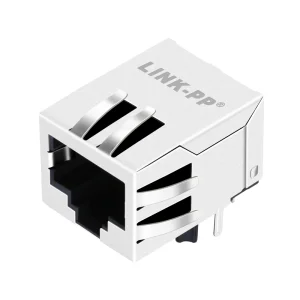
Providing reliable MagJack and SFP connections in rugged industrial switches, utilizing enhanced vibration resistance and superior gold-plated interfaces.
Founded in 2015, FiberQ Photonics Technology Co., Ltd. has positioned itself as an industry-leading professional manufacturer specializing in high-performance fiber optic transceivers and advanced photonic communication solutions. Our components are designed for data centers, telecommunication networks, and high-speed interconnect systems globally.
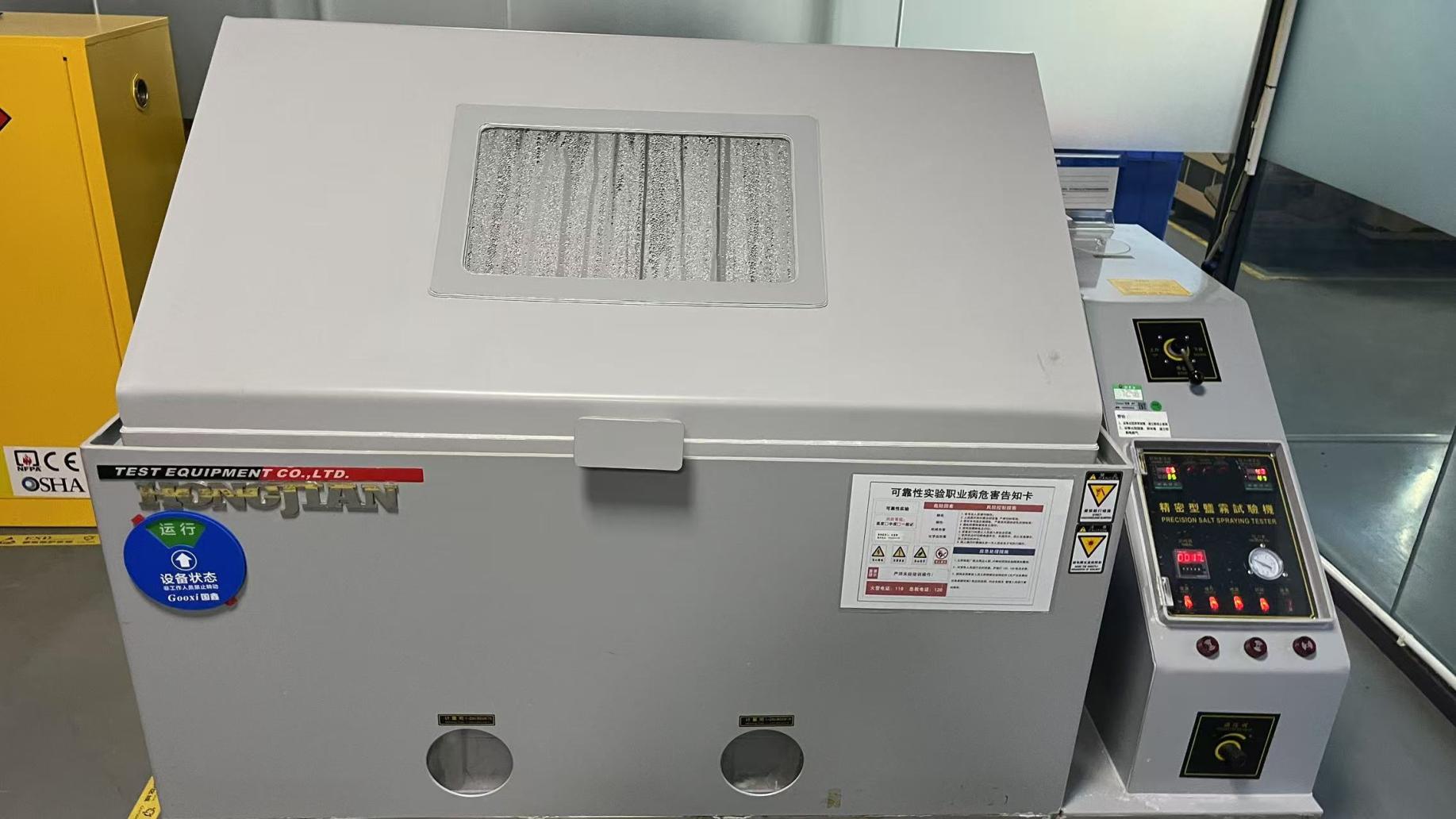
Operated under strict quality assurance frameworks, FiberQ ensures consistent product reliability through automated optical performance testing, interferometric inspection, high-temperature aging chambers, and rigorous manual quality checks. Backed by 12 years of industry experience in optical communication systems and 6 years of global export experience, our team serves tier-1 system integrators and distributors across North America, Europe, Japan, and Southeast Asia.
With strong R&D engineering capabilities, FiberQ supports customized protocol compatibilities (ranging from 1.25G to advanced 100G/200G/400G/800G architectures), specific optical wavelength configurations, and physical mechanical adjustments. In the last fiscal year alone, FiberQ rolled out approximately 180 new products, proving our commitment to continuous technological innovation.
Explore our extended portfolio of multi-port cages, high-density zQSFP+ cages, and bidirectional transceiver assemblies built for telecom and network switches.