FiberQ
FiberQ
FiberQ
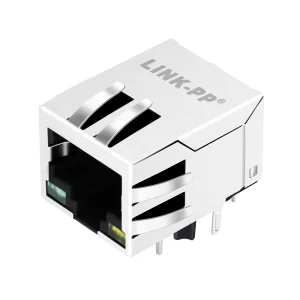
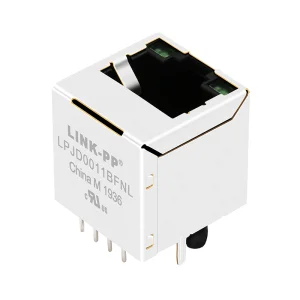
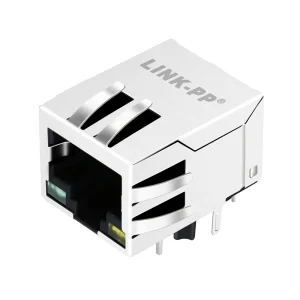
In an era dominated by hyper-scale cloud data centers, industrial automation, and the expansion of 5G infrastructure, the integrity of signal transmission at the edge and core of networks is paramount. The Metal RJ45 Connector remains a cornerstone component, bridging the gap between high-speed packet processing units and localized ethernet environments. Metal housings, typically composed of zinc alloy die-cast structures or nickel-plated brass shields, offer substantial advantages over plastic counterparts, specifically addressing issues of Electromagnetic Interference (EMI), radiofrequency cross-talk, and mechanical fatigue in high-stress installations.
As networks evolve towards 10GBASE-T, Cat6A, and Cat8 topologies, the design constraints of the physical layer (PHY) become increasingly stringent. Modern network integrators require interconnects that can endure rigorous physical usage while preventing EMI from degrading high-frequency transmissions. This whitepaper analyzes the manufacturing methodologies, technical roadmaps, and optimization parameters that define high-performance metal RJ45 jacks, SFP cages, and integrated magnetics designed and produced by FiberQ Photonics Technology Co., Ltd.
Procurement directors and hardware design engineers at network equipment manufacturers (NEMs) face a complex web of logistics, performance, and financial challenges when sourcing connection interfaces. Crucial criteria go far beyond mere unit price.
High-frequency data lines (up to 500 MHz for Cat6A and 2000 MHz for Cat8) are highly vulnerable to Near-End Crosstalk (NEXT) and Alien Crosstalk (ANEXT). Procurement requires metal connectors that feature robust 360-degree shielding to isolate signal pathways.
With the rise of IEEE 802.3bt (PoE++ up to 100W), connectors must handle higher currents without overheating. Integrated thermal dissipation paths through metal outer shells prevent degradation of dielectric materials over long-term deployments.
Global market shipping requires compliance with RoHS, REACH, UL 94V-0 flammability ratings, and CE directives. Failure to meet these criteria leads to customs holdups and expensive redesign cycles, highlighting the need for transparent compliance histories.
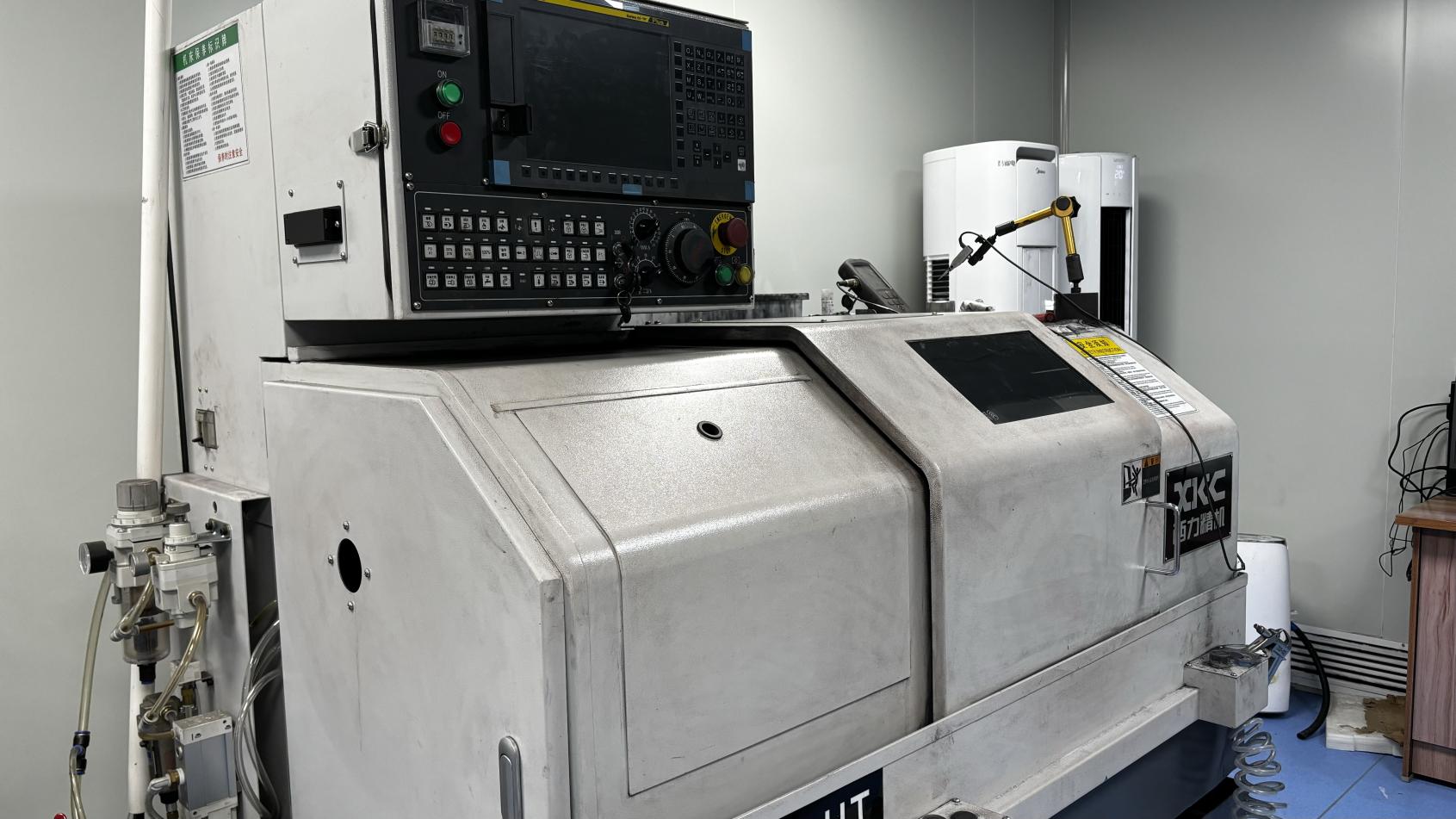
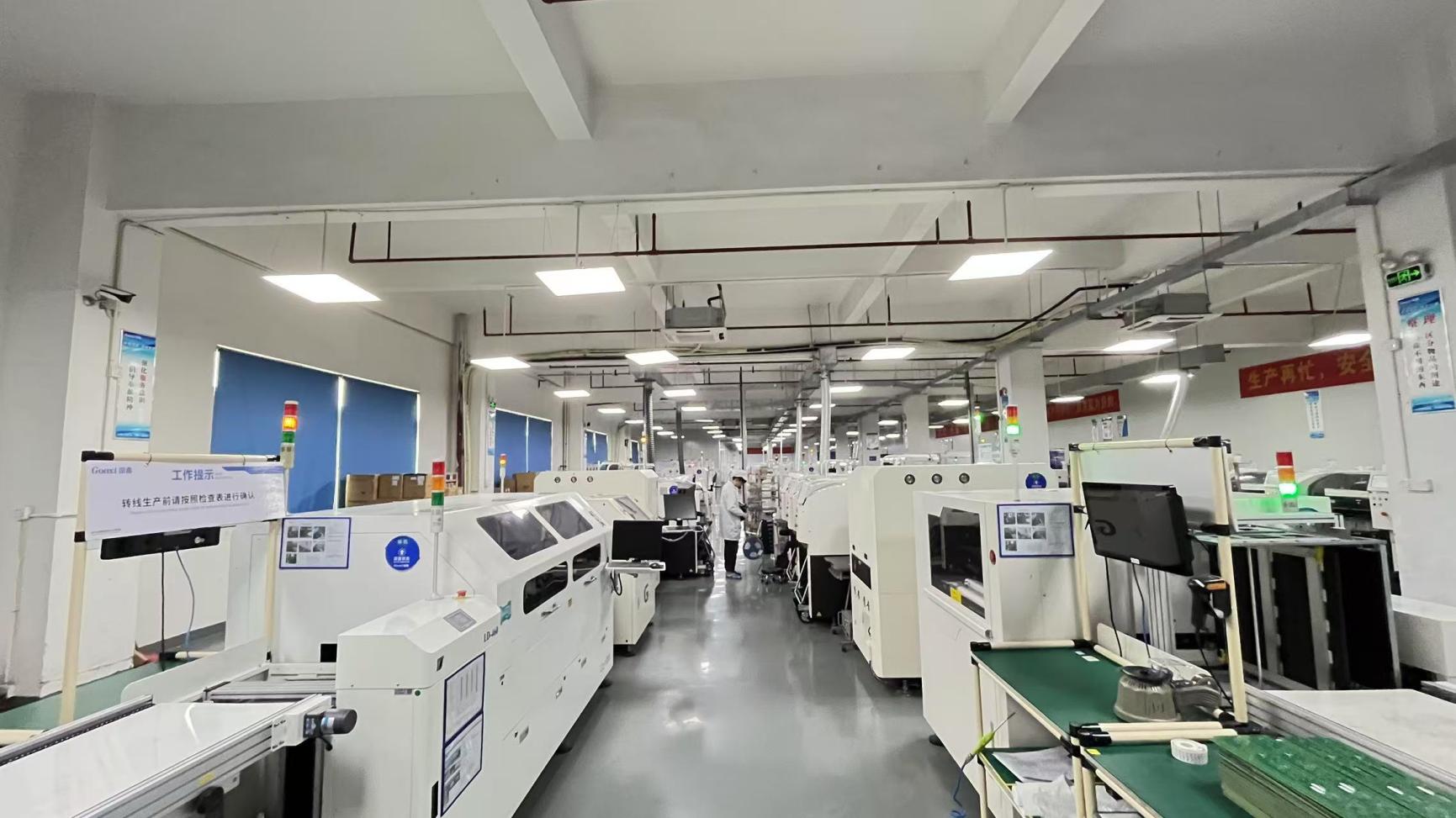
Operating a centralized, automated 12,600㎡ production facility, FiberQ Photonics Technology Co., Ltd. leverages the advanced industrial infrastructure of China to execute volume production without sacrificing tight dimensional tolerances. The facility has been optimized under Factory 4.0 paradigms, integrating automated assembly lines with real-time manufacturing execution systems (MES).
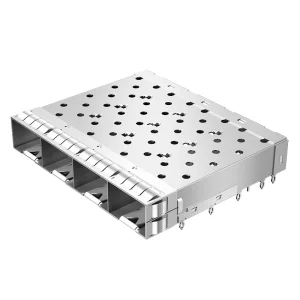
Using state-of-the-art zinc alloy die-casting machinery, our facility yields shielding cages and connector shells with dimensional variations under ±0.02mm. This ensures compatible fitment within standard PCIe slots and equipment chassis, particularly for dense, multi-port SFP cages and gang setups.
Every step of production integrates automated inspection. High-resolution CCD camera arrays inspect contact spacing, alignment, and coplanarity on high-speed SMT lines. 62 dedicated quality control inspectors oversee this tech-driven validation layer to achieve low PPM defect rates.
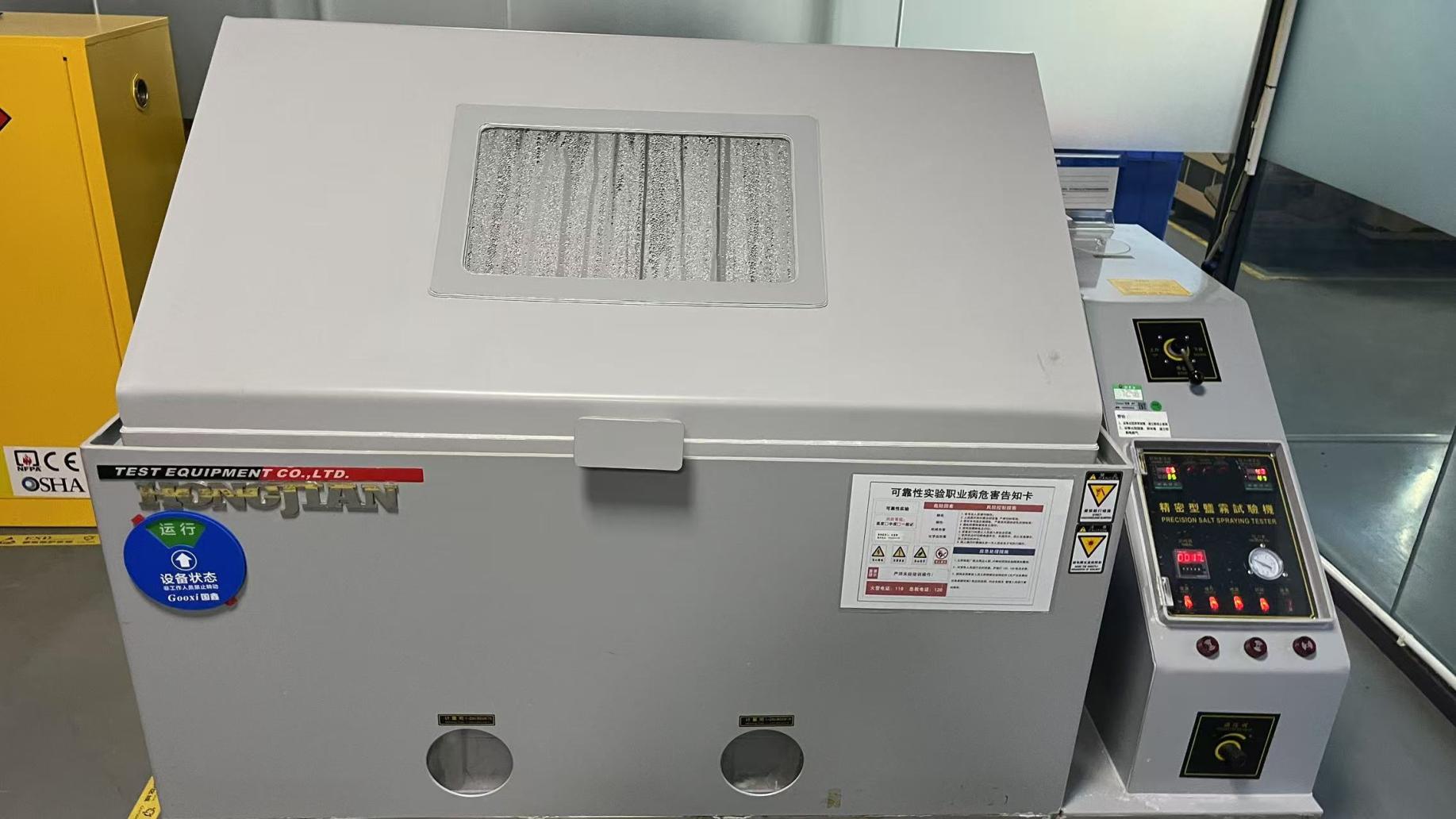
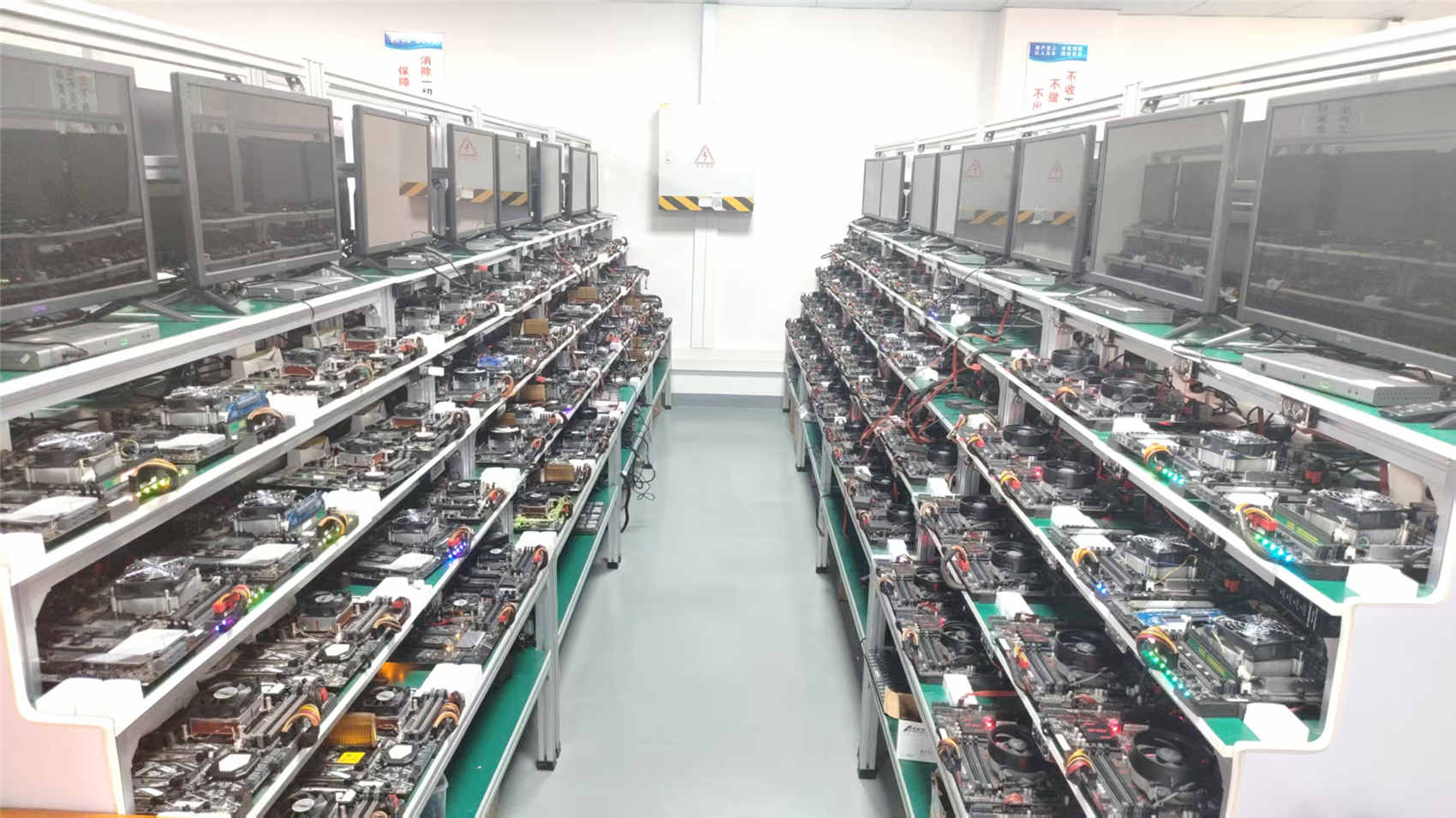
Connectors undergo thermal shock, salt mist spray tests (to verify nickel-plate corrosion resistance), and high-temperature aging chambers. These processes simulate up to 15 years of continuous field operations in harsh environmental conditions.

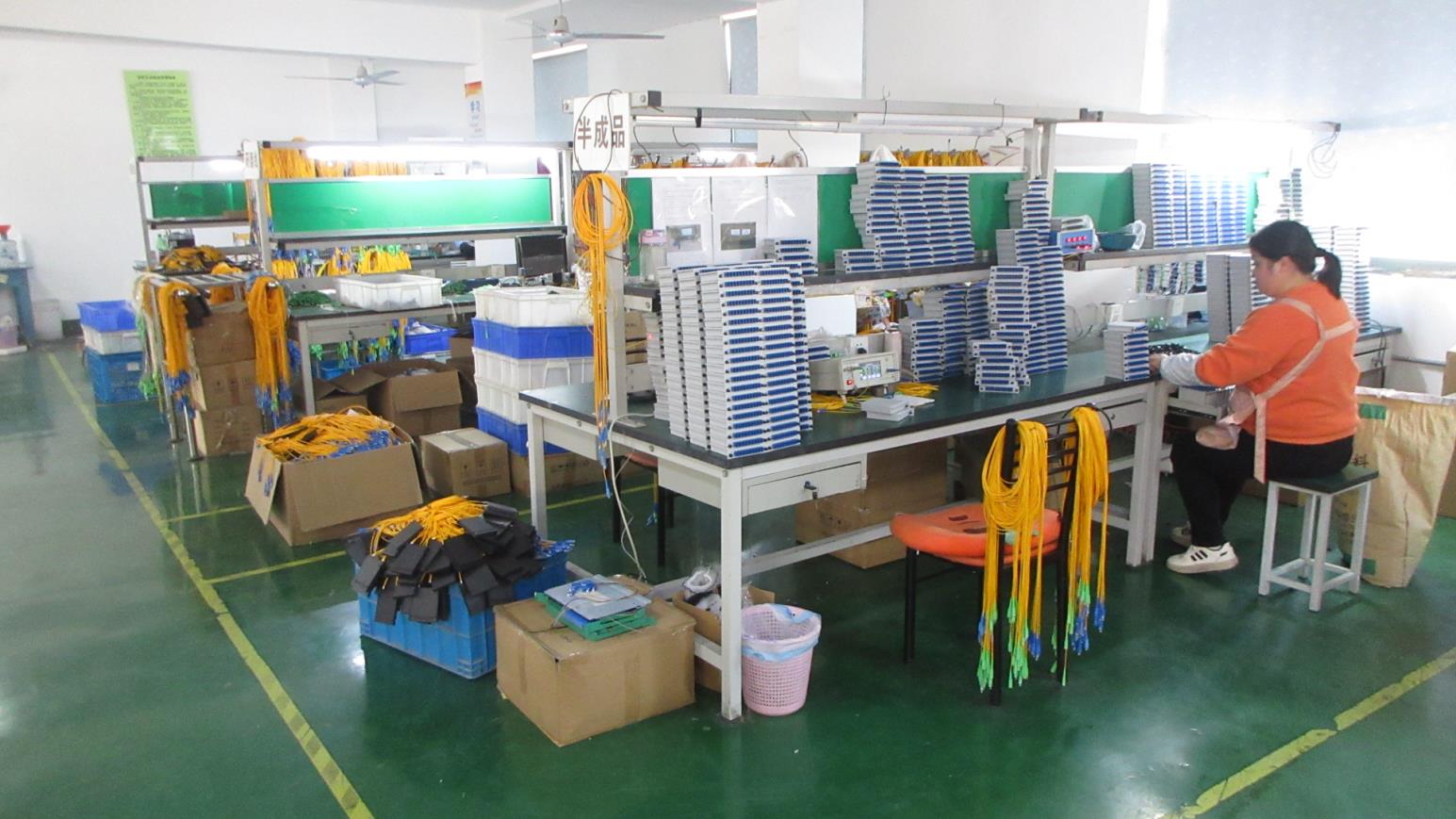
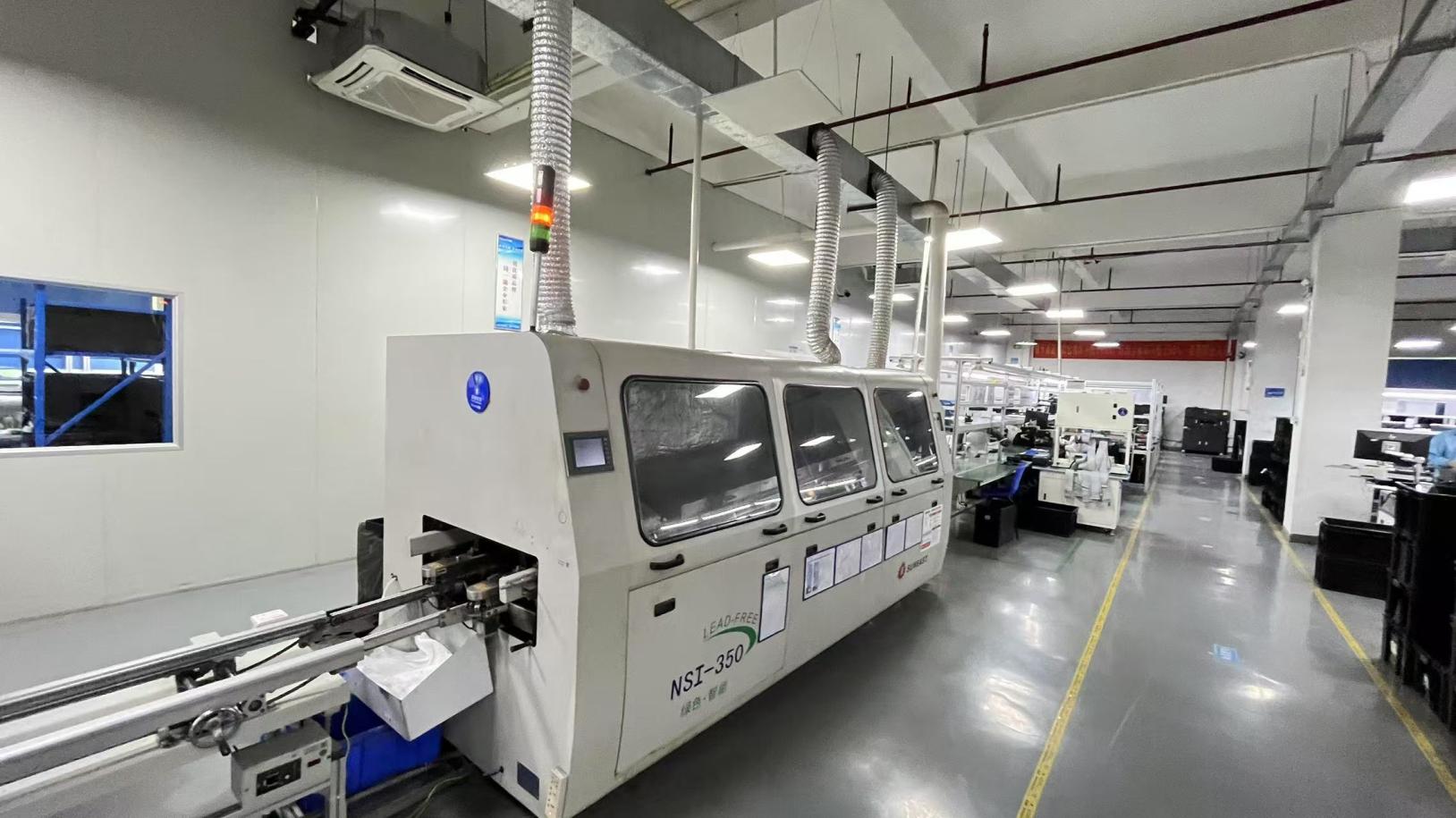
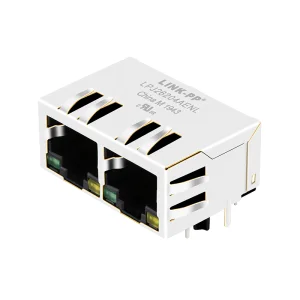
The future of copper-based physical interfaces hinges on pushing frequency bandwidths past 2 GHz and handling power delivery requirements safely. Standard RJ45 configurations are shifting towards integrated magnetics modules (often called Magjacks) that combine filtering transformers and common-mode chokes directly into the metal shell.
Cat8 supports bandwidths up to 2000 MHz and transmission rates of 25Gbps/40Gbps over short runs (up to 30 meters). Our R&D engineering department, comprising 240 specialized hardware designers, utilizes advanced software modeling to reduce insertion loss and return loss to levels meeting and exceeding TIA/EIA-568-C.2-1 requirements.
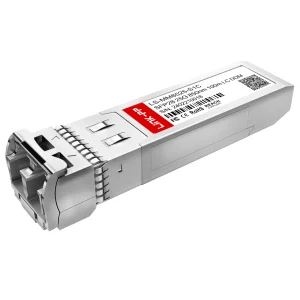
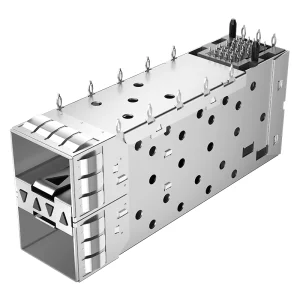
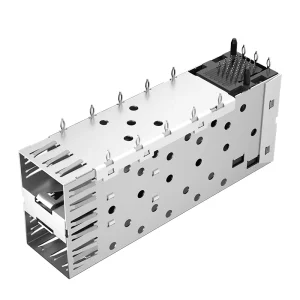
As SFP cages scale up to 400G and 800G form factors, multi-port SFP housings (such as 1x4 and 2x1 configurations) feature elastomeric EMI gaskets and stainless steel spring fingers. This maintains electrical ground contact with the front panel cutout to keep EMI leakage well below FCC Part 15 / CISPR 22 Class B standards.
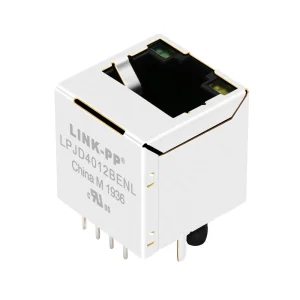
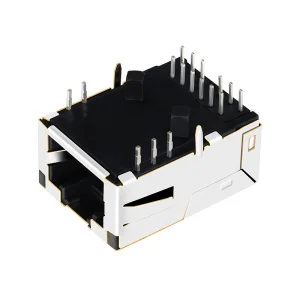
Space limits within blade servers and edge routers demand low-profile vertical and right-angle SMT connectors. FiberQ is expanding its SMT RJ45 lineup with mechanical tab heights down to 8.5mm, permitting optimal airflow and maximum port density per unit of rack unit (U).
Metal RJ45 and SFP cages operate in diverse operating environments, from temperature-controlled data centers to high-vibration manufacturing floors.
Our multi-port shielded cages (like the TE and Molex compatible 2x1 and 1x4 ports) provide the interface density needed for high-speed switch architectures. Press-fit termination pins ensure mechanical stability under repeat card insertions without risking PCB trace micro-cracks.
In harsh factory environments, mechanical vibrations and corrosive atmospheres can lead to contact oxidation and signal degradation. FiberQ’s metal connectors feature gold-plated contacts (up to 50 micro-inches) and robust latching mechanisms to maintain solid connectivity despite constant movement.
Base stations and municipal outdoor cameras rely on power over ethernet under extreme thermal ranges. FiberQ’s design features, including wide-temperature components and rugged metal chassis ground tabs, guarantee uptime in severe environmental conditions.
As a global supplier, FiberQ Photonics Technology Co., Ltd. exports high-quality components to North America, Europe, Japan, and Southeast Asia. We recognize that localization and compliance are critical to establishing long-term, mutually beneficial supply relationships.
Supported by 240 R&D engineers, we specialize in high-level customizations including custom wavelength engineering, protocol-specific optimizations, thermal heatsink additions, and footprint adaptations. Last year alone, we introduced approximately 180 new products to address specific client requests.
We work closely with roughly 1,450 supply chain partners. This robust vendor network guarantees steady procurement of raw copper, high-grade plastic polymers, and active electronics, minimizing lead time fluctuations even during periods of global material shortages.
Our quality management system is fully ISO9001 certified. Products undergo complete interferometric inspections, eye-pattern validation, and optical performance testing to ensure compatibility with devices from major brands like Cisco, Zyxel, and others.
Metal RJ45 connectors feature robust zinc alloy or nickel-plated brass shells that establish 360-degree shielding around the high-speed data pairs. This reduces internal crosstalk and Alien Crosstalk (ANEXT), which is critical for Cat6A and Cat8 systems operating above 500 MHz. Additionally, metal designs provide superior mechanical durability, static grounding, and help sink heat in high-power PoE application setups.
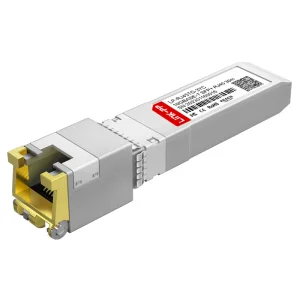
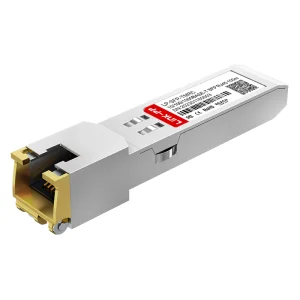
Our modules are coded and physically constructed to align strictly with Multi-Source Agreements (MSAs). By running exhaustive EEPROM compatibility tests on equipment from major vendors (such as Cisco, TE, Molex, and Zyxel), we ensure that our components drop in seamlessly as high-reliability replacements.
We subject all surface mount (SMT) and through-hole connectors to Automated Optical Inspection (AOI) to verify lead coplanarity and check alignment. We perform return loss, NEXT, and insertion loss sweeps using network analyzers, along with physical testing, to guarantee that every run of high-density connectors complies with IEEE specifications.
Yes, our entire lineup is fully compliant with the RoHS (Restriction of Hazardous Substances) and REACH (Registration, Evaluation, Authorization and Restriction of Chemicals) directives. We carefully select lead-free plating materials and high-temp plastic inserts that tolerate standard reflow soldering processes without outgassing hazardous materials.