FiberQ
FiberQ
FiberQ
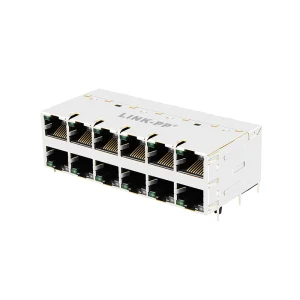
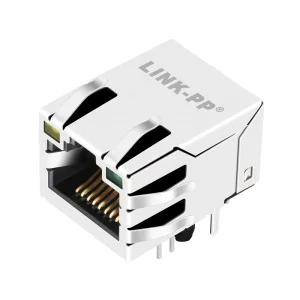
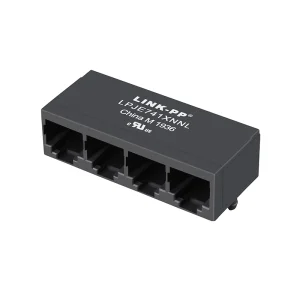
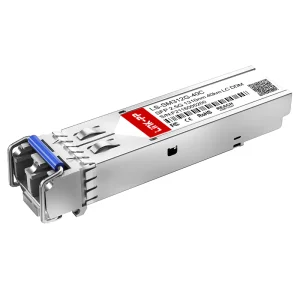
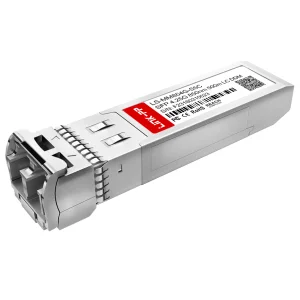
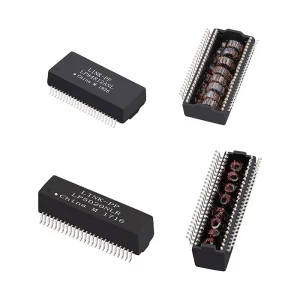
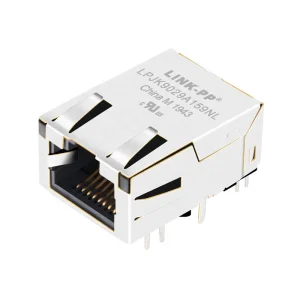
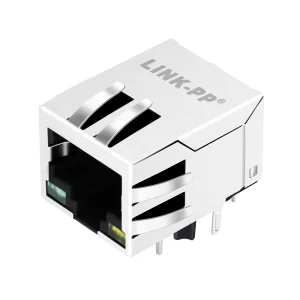
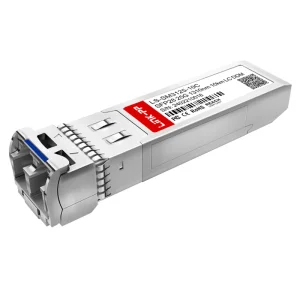
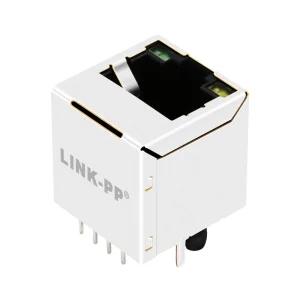
Explore our high-density optical transceivers, vertical magnetic jacks, and high-performance physical layer adapters designed for rapid data deployment.
The global telecommunications and datacom landscape is experiencing an unprecedented inflection point. As artificial intelligence models, cloud workloads, and IoT deployments scale exponentially, the underlying physical infrastructure faces strict challenges in terms of signal integrity, heat dissipation, and port density. Modern networks are transitioning away from discrete setups to integrated connector interfaces that maintain minimal Insertion Loss (IL) and Return Loss (RL) at high frequencies.
For procurement officers, hardware design engineers, and systems integrators, sourcing components from reliable Chinese factories is no longer just about per-unit cost efficiency. It requires checking engineering integrity, custom protocol compatibility (ranging from legacy 10/100 Base-T to next-generation 400G/800G optical engines), and robust supply chain coordination. FiberQ Photonics Technology Co., Ltd. is positioned at the intersection of this technology shift, serving as a direct manufacturer of critical interface connectors and fiber optic transceivers.
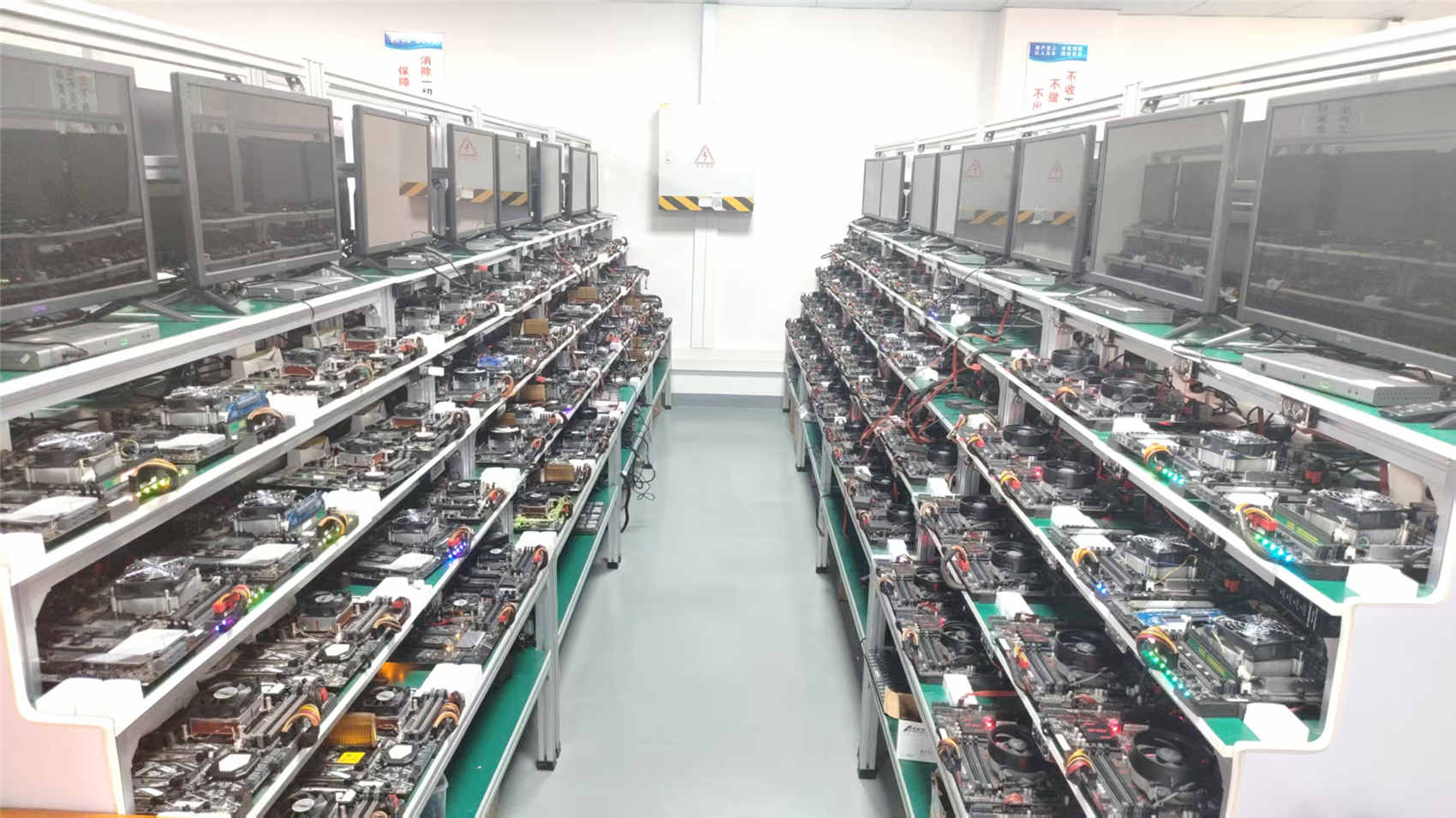
We leverage advanced testing protocols like interferometric inspection and high-temperature aging. This ensures every modular jack and transceiver meets global standards, protecting infrastructure from unexpected physical-layer down times.
Modern connectivity is defined by three fundamental vectors:
Understanding these requirements helps our partners optimize procurement strategies. They can choose either copper RJ45 ports for local networks or optical transceivers for long-haul carrier routes.
Demystifying technical standards and strategic deployment criteria across commercial, industrial, and telecommunication landscapes.
Factory floors and automated processing facilities generate severe electromagnetic fields and physical vibration. Our shielded, vertical magnetic RJ45 connectors provide critical 1500V AC isolation protection, keeping sensitive programmable logic controllers (PLCs) safe from high-voltage spikes.
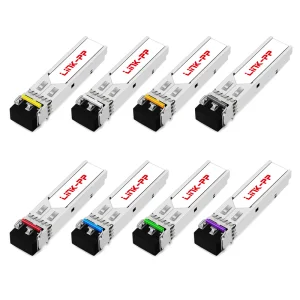
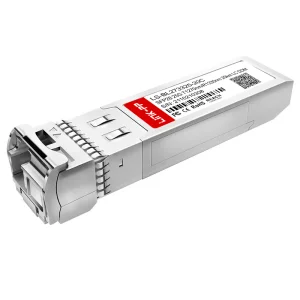
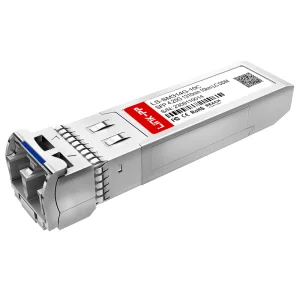
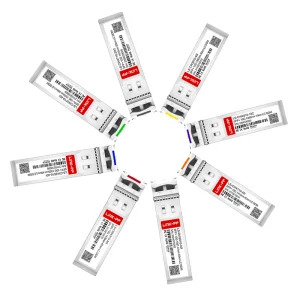
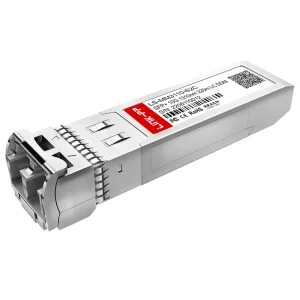
Optical interconnect speeds must match processor output. Deploying CWDM/BiDi SFP28 transceiver modules over Single-Mode Fiber (SMF) achieves transmission distances up to 40km. This setup delivers high performance with low latency and minimal power consumption.
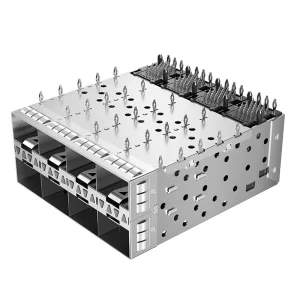
Our transceiver platforms and multi-port press-fit cages are engineered for universal compatibility. This ensures plug-and-play integration with mainstream platforms like Cisco, TE Connectivity, and other major telecom systems without configuration errors.
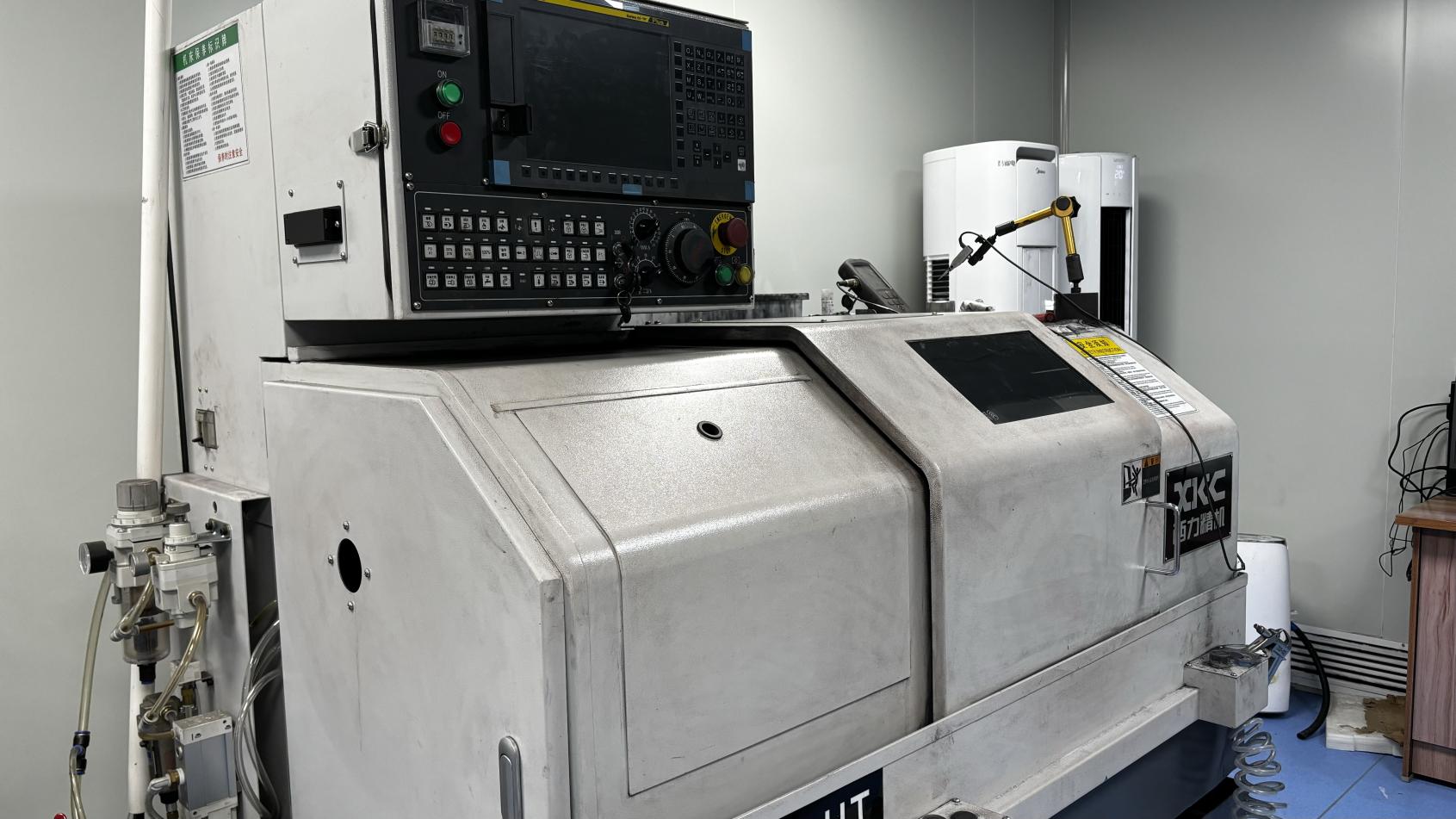
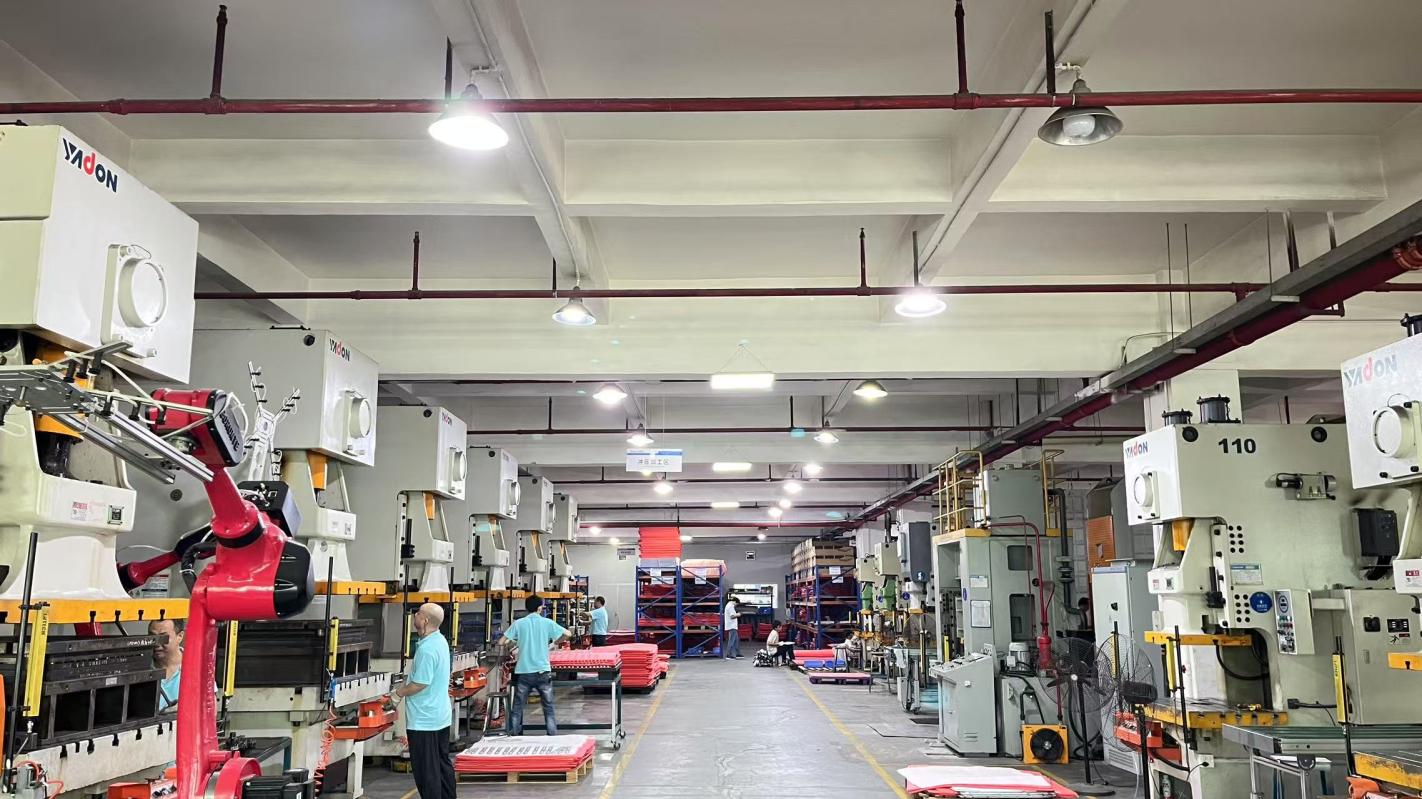
Inside FiberQ Photonics' state-of-the-art facilities, precision engineering meets high-volume production to secure global supply chains.
Founded in 2015, FiberQ Photonics Technology Co., Ltd. has grown from a specialized lab to a high-capacity electronics and optoelectronics manufacturer. Our engineering teams support advanced custom options, including wavelength engineering, thermal optimization, form-factor adaptations, and multi-rate protocol compliance. This capacity is backed by the introduction of 180 new designs annually.
Operating out of our modern 12,600㎡ facility, our production line balances high-volume efficiency with high-precision output. Our global distribution network leverages over 1,450 partner relationships, securing premium raw materials and keeping production schedules steady despite market shifts.
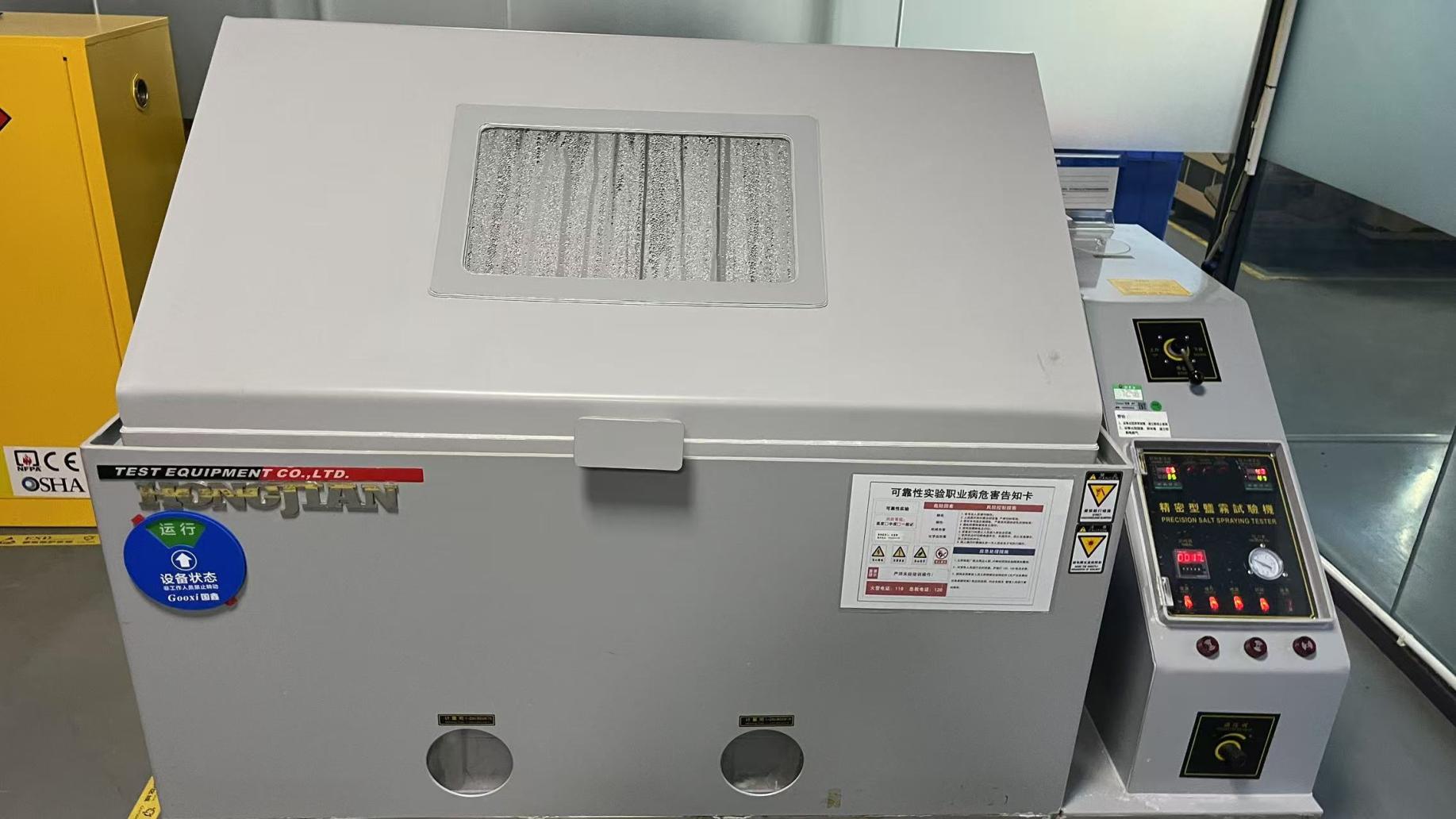
We believe connectivity cannot fail. That is why 62 dedicated quality control inspectors manage our multi-tier testing program. Optical and mechanical testing are fully integrated into our production lines:
Addressing the technical, operational, and procurement queries raised by global system designers and sourcing agents.
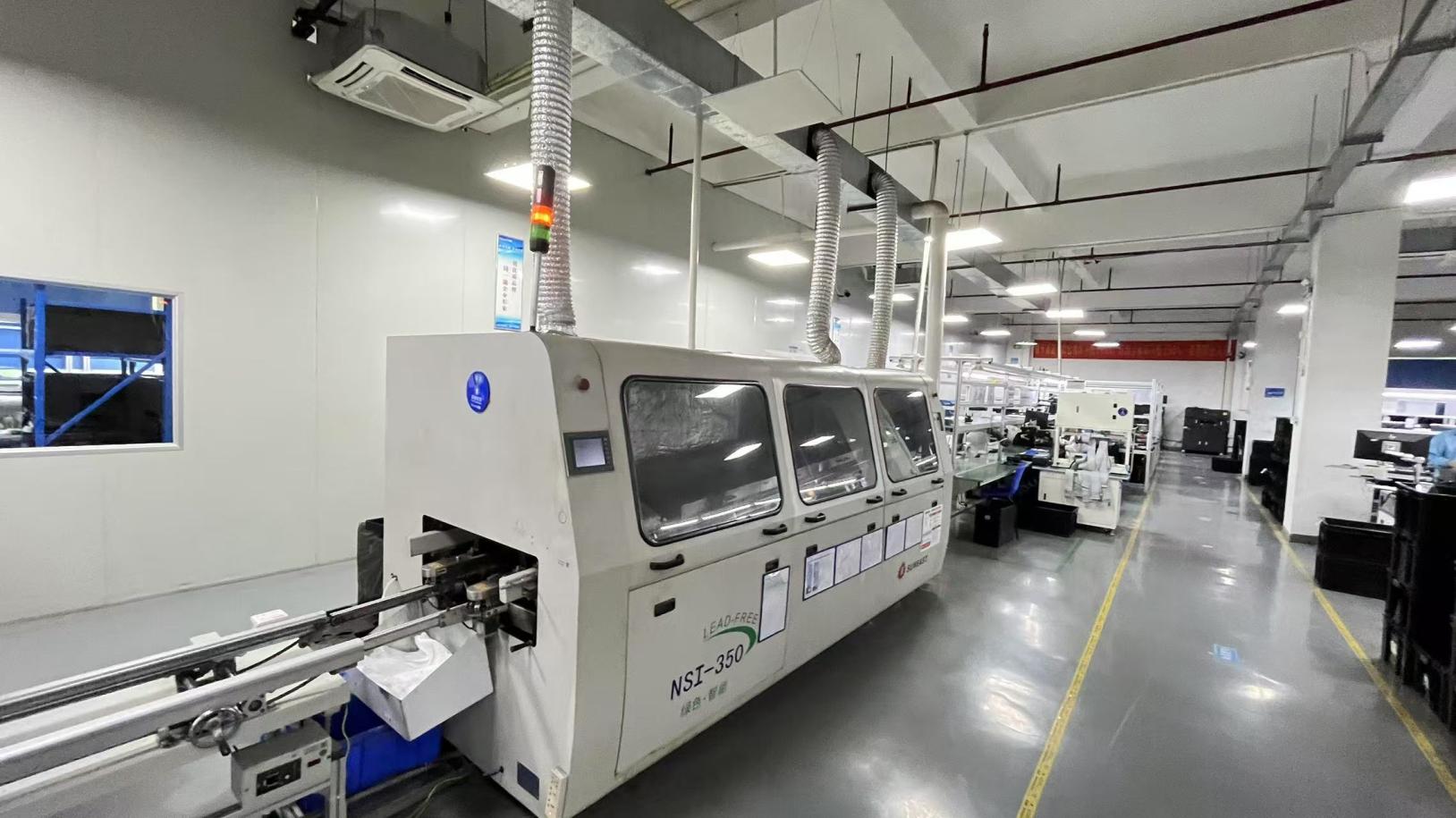
A visual walk-through of our 12,600㎡ facilities, showing where we design, test, and ship our high-speed interconnect products.


Explore our multi-channel fiber opto-electronics, low-profile modular jacks, and high-density press-fit connector cages.