FiberQ
FiberQ
FiberQ
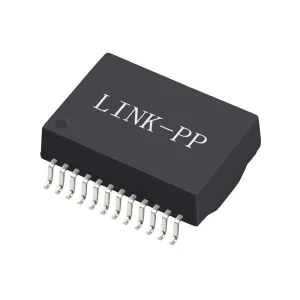
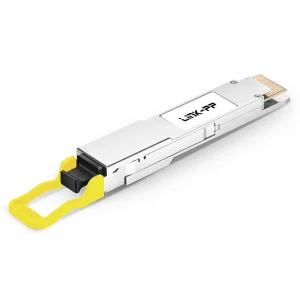
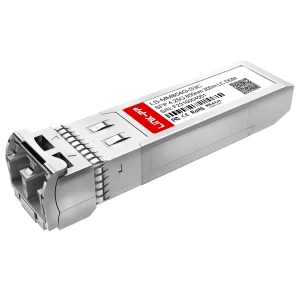
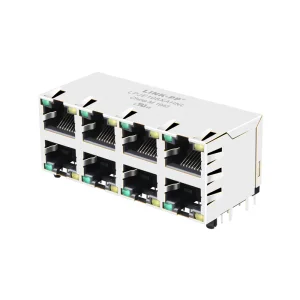
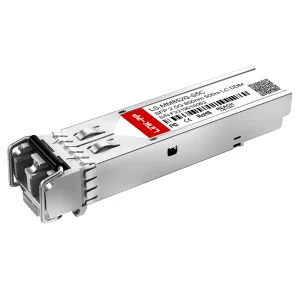
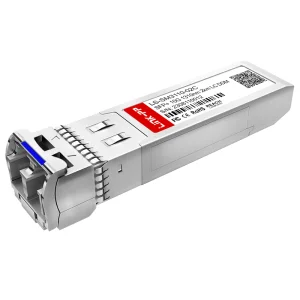
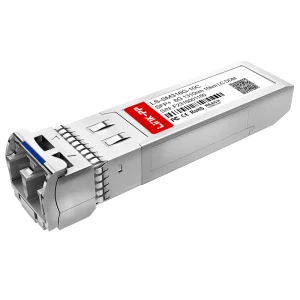
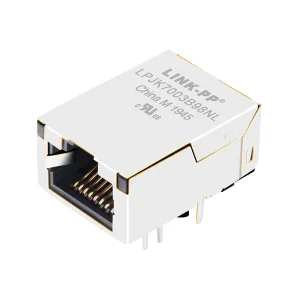
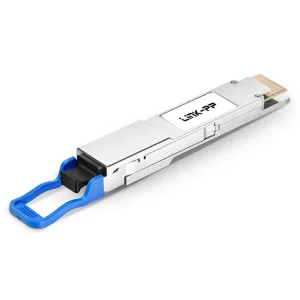
Explore our elite portfolio of high-performance transceivers, magnetic transformers, and Ethernet connector modules engineered for modern infrastructure.
In modern high-speed Ethernet and differential bus networks, maintaining signal integrity at the physical layer is paramount. An RJ45 Terminator acts as a critical passive component designed to match the characteristic impedance of the twisted-pair cable (typically 100 ohms for Cat5e/Cat6/Cat6A configurations). Without appropriate termination, electrical signals traveling down the communication line encounter an open-circuit boundary condition at the end of the line, forcing the energy to reflect backward. This signal reflection causes severe constructive and destructive interference, manifesting as jitter, high Bit Error Rates (BER), and catastrophic packet drops.
As a leading Chinese manufacturer, FiberQ Photonics Technology Co., Ltd. leverages state-of-the-art electromagnetic simulation tools and ultra-precision manufacturing lines to deliver carrier-grade RJ45 terminators, magnetic connectors, and transceiver interfaces. Whether deployed in stage lighting networks utilizing DMX512 over RJ45, industrial fieldbuses (Modbus RTU, CAN bus), or massive telecom switches, our terminators eliminate radio frequency interference (RFI) and electromagnetic interference (EMI) at the physical terminal point.
Founded in 2015, FiberQ Photonics Technology Co., Ltd. has established itself as an authoritative global force in optical and copper physical-layer interconnect solutions. With 12 years of core industry expertise, we support massive OEM/ODM contracts, bringing rigorous reliability testing to network hardware deployments in North America, Europe, Japan, and Southeast Asia.
As bandwidth demand scales from Gigabit Ethernet to Terabit ecosystems, the physical termination layers must evolve concurrently.
Standard network infrastructures are migrating toward Cat8 cabling, supporting transmission frequencies up to 2000 MHz. Traditional RJ45 termination techniques fail at these high frequencies due to parasitic capacitance and inductance. Our R&D roadmap focuses on low-parasitic SMD resistor arrays integrated directly inside the plug shield, guaranteeing return loss profiles that surpass TIA/EIA-568-C.2-1 specifications.
Modern networks increasingly deliver electrical power alongside data (Type 4 PoE delivering up to 90W/960mA). Standard terminators are susceptible to extreme thermal loading under continuous current exposure. FiberQ is pioneering ceramic-substrate thermal dispersion systems and customized heat-sink SFP/RJ45 hybrid termination caps to handle combined signal loopback and high-wattage power termination safely.
Industrial IoT and high-performance server environments face complex acoustic and electromagnetic waves from nearby heavy machinery or transceiver modules. Future RJ45 designs leverage specialized metal-alloy shielding configurations to block cross-talk at source points, securing reliable signal paths even within extreme industrial cabinets.
Providing reliable signal control and terminating infrastructure across critical vertical sectors.
In automated assembly plants using Modbus, Profinet, or EtherCAT protocols, signal reflections lead to micro-stoppages of heavy robotics. Our RJ45 terminators establish reliable physical bus limits, minimizing transmission retries and stabilizing cycle times.
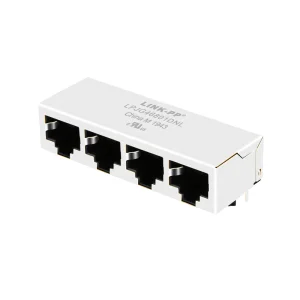
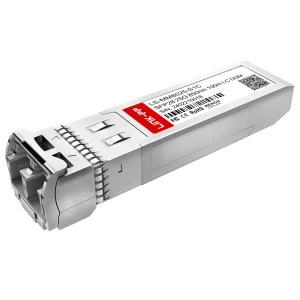
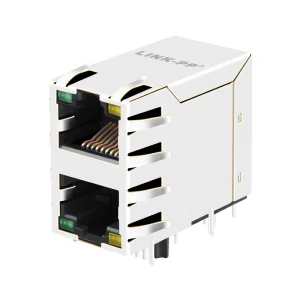
Edge computing centers utilize high-density stacked RJ45 jacks alongside optical fiber transceivers (SFP28, QSFP+). Unused copper ports can act as open-circuit antennas, introducing ambient noise. Terminating these ports ensures optimal channel isolation.
Stage lighting and multi-channel audio setups run on Cat5e cables via RJ45 interfaces. Standard XLR systems are replaced with RJ45 setups due to cost efficiency. Installing a 120-ohm terminator at the final fixtures secures glitch-free control loops.
Operating a modernized 12,600㎡ manufacturing complex, FiberQ implements Lean Manufacturing 4.0 workflows. By integrating robotic placement systems, automated crimping machines, and high-precision testing suites, we achieve a daily manufacturing output capacity that satisfies high-volume global requirements.
Our strategic relationships with approximately 1,450 supply chain partners guarantee continuous sourcing of premium copper alloys, high-temp liquid crystal polymers, and precision metal-film resistors. This deep procurement network isolates our manufacturing programs from geopolitical raw material spikes, assuring predictable pricing and lead times for global partners.
Quality assurance is anchored by 62 experienced inspectors conducting comprehensive optical checkups, high-temperature aging tests, and multi-analyzer vector network tests to ensure zero-defect product runs.
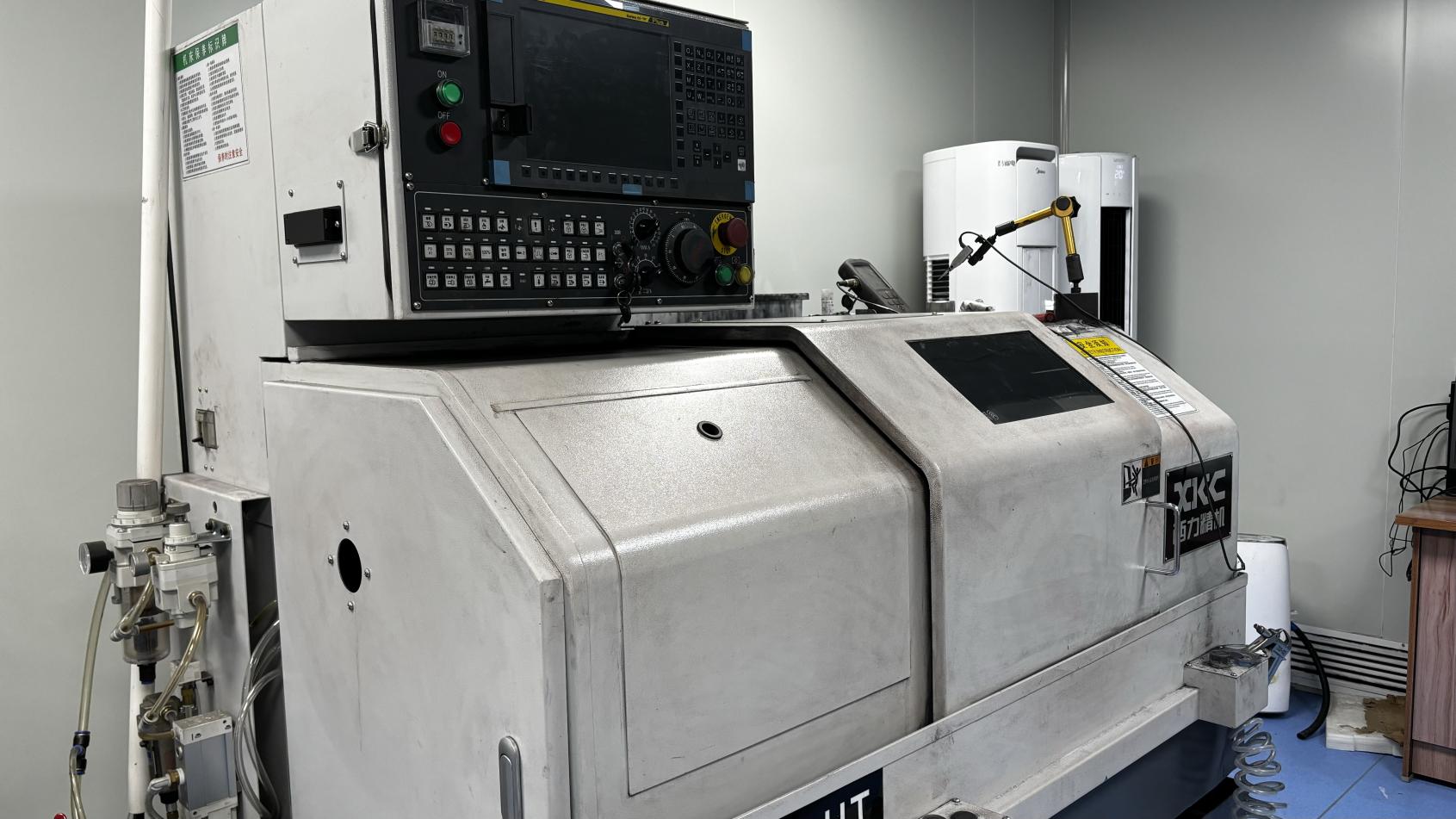

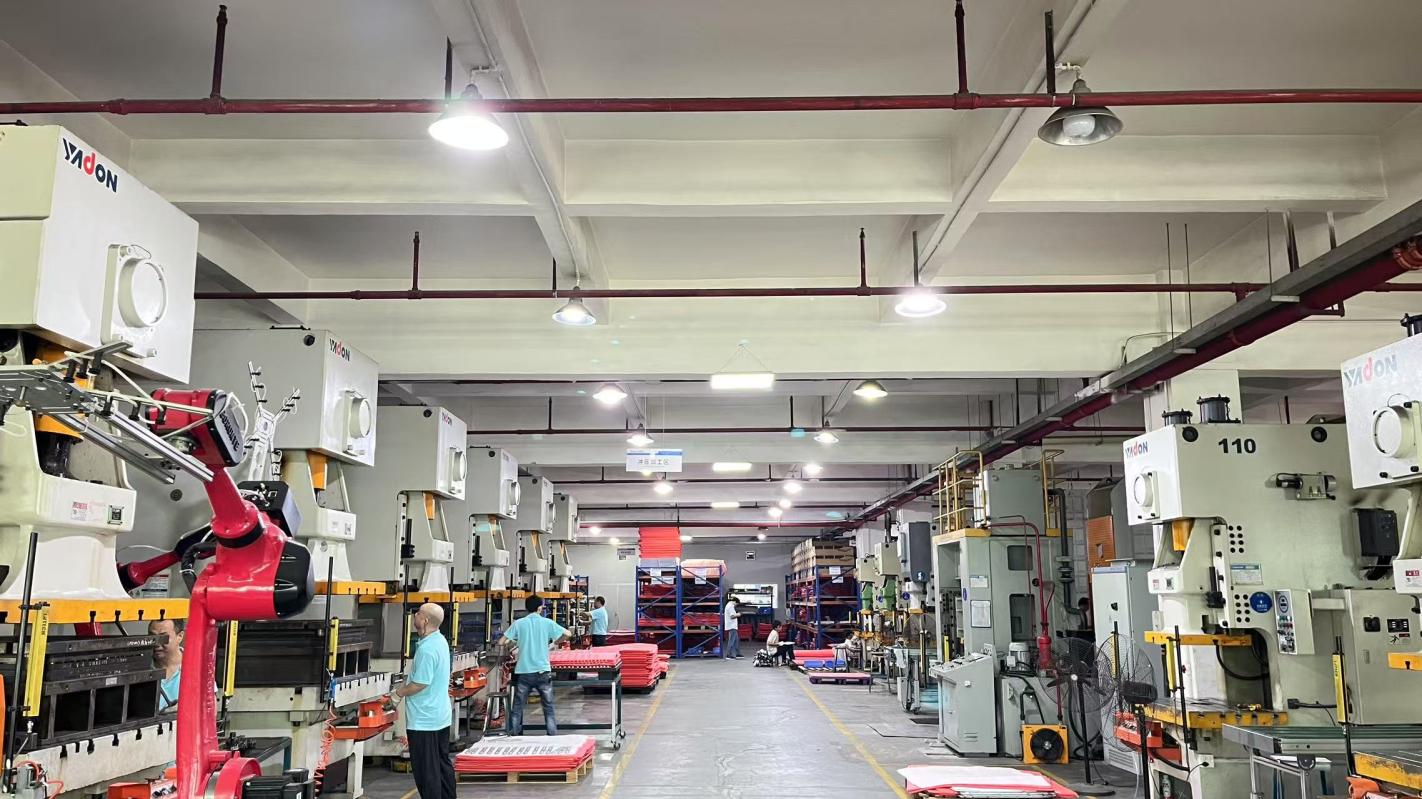
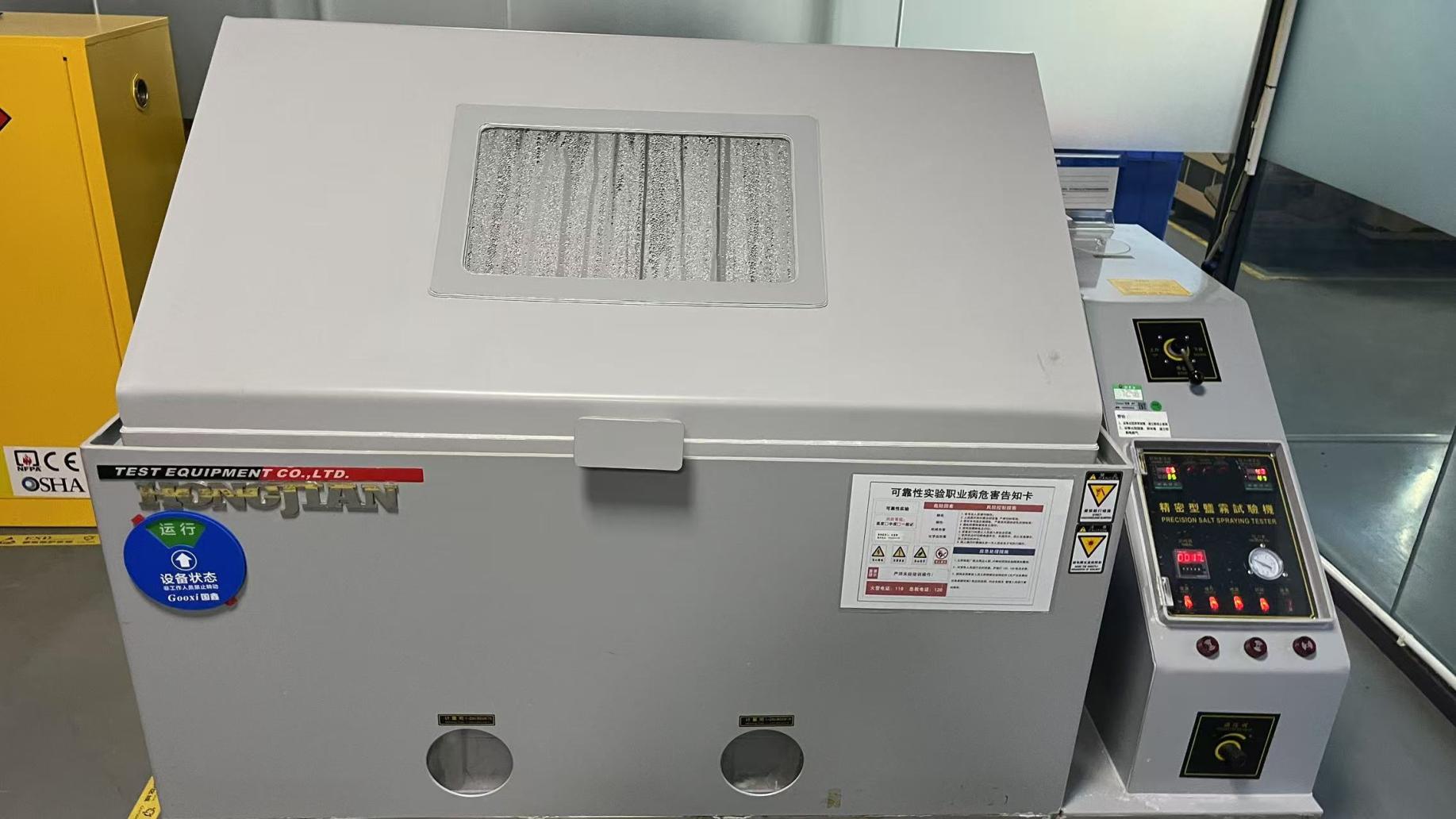
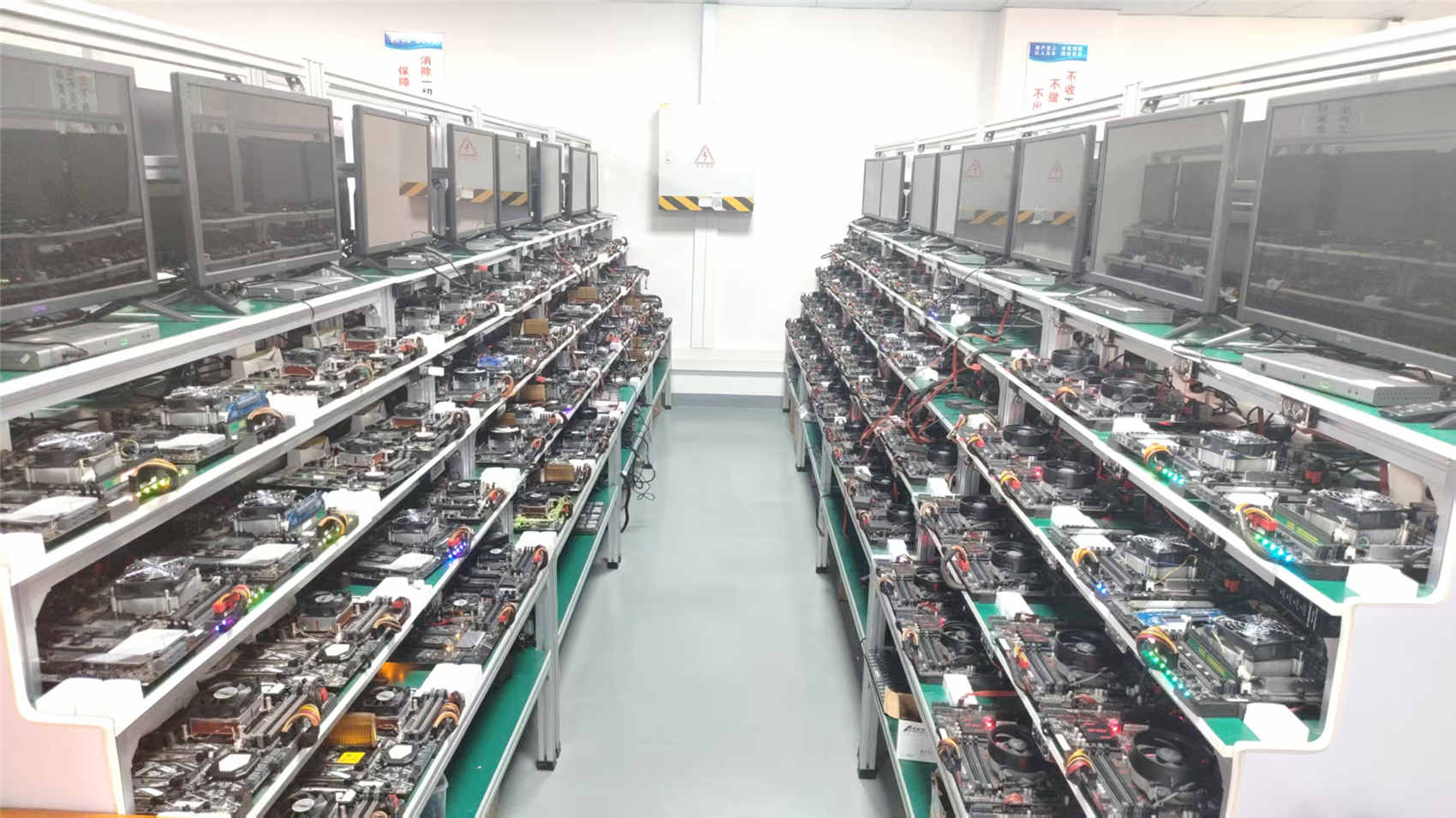
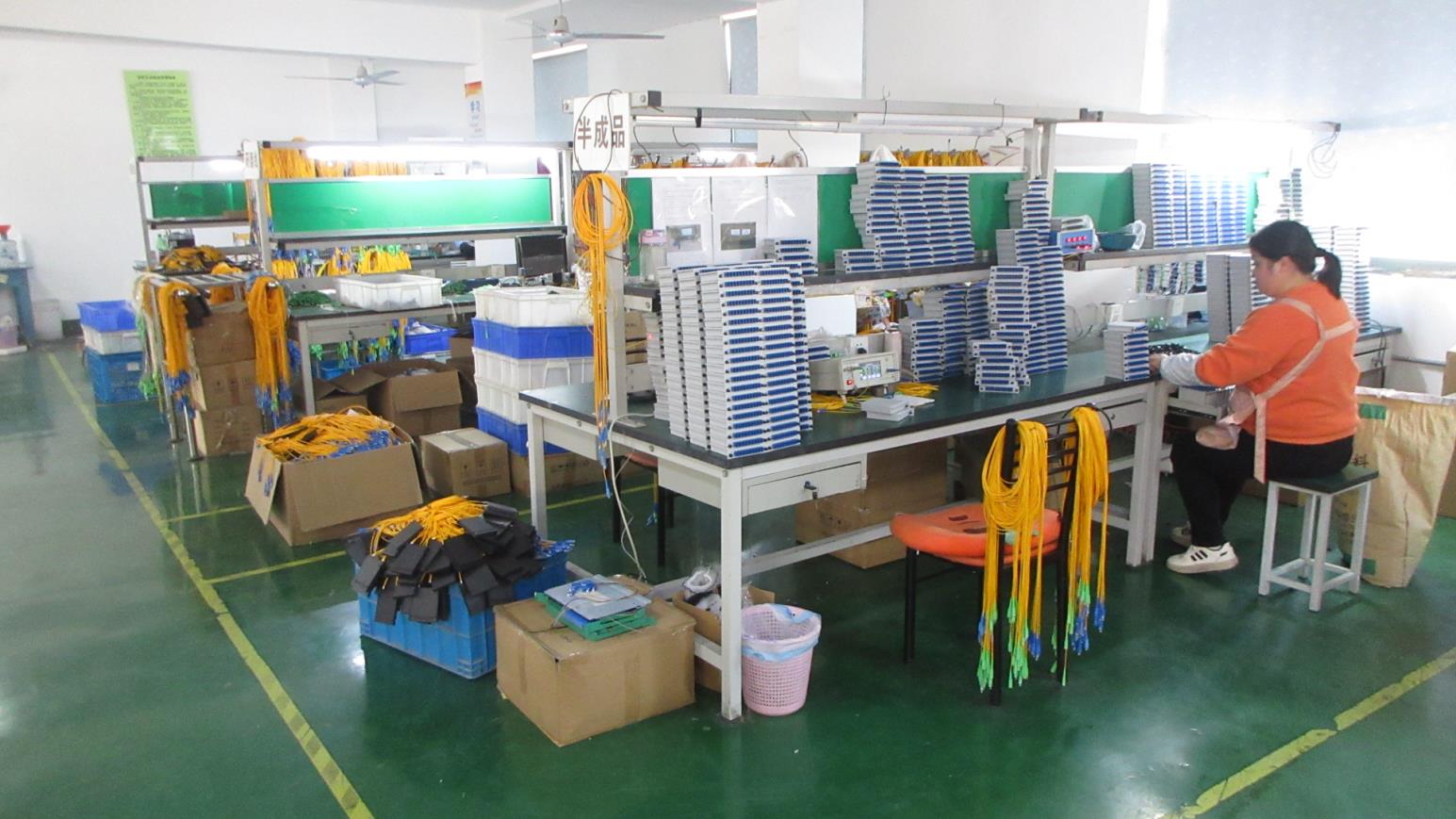
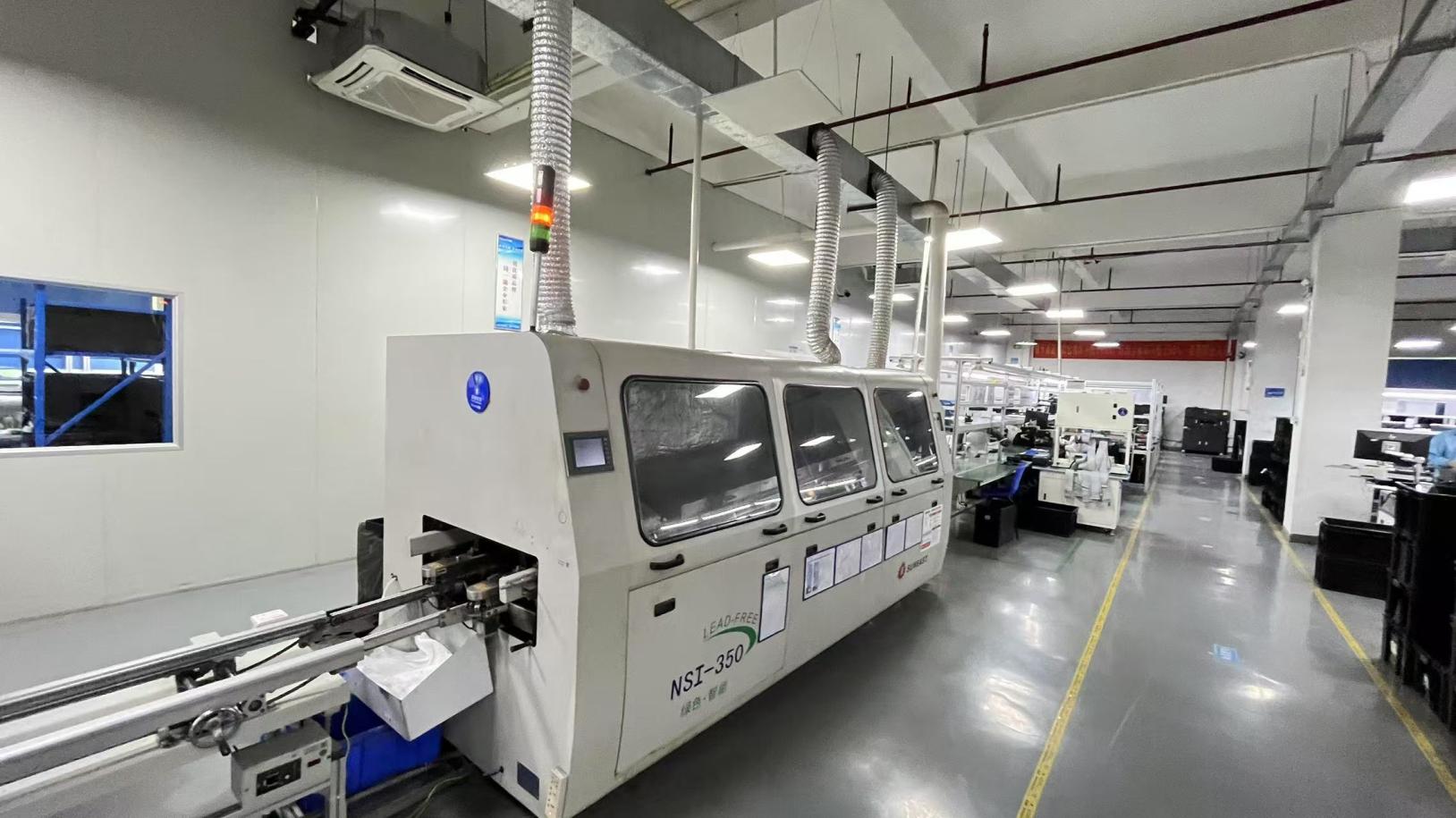
Key technical parameters that engineering departments evaluate before selecting an OEM/ODM manufacturing partner.
High-performance RJ45 terminators must employ resistors with a tolerance of ≤±1%. Greater variance introduces reflection zones. We test all batches under extreme humidity and thermal variations to ensure resistance stays consistent across the life of the network.
For high-cycle life or marine/industrial deployments, standard tin plating fails due to oxidation. We offer 50μ" (micro-inches) of gold plating over nickel diffusion barriers, maintaining low contact resistance across 750+ insertion cycles.
Data systems often require custom pin shorting (e.g., TX pins looped to RX pins) to trigger remote diagnostics or physical loopback tests. Our engineering team assists from routing design to prototype verification in under two weeks.
Assuring safe, sustainable, and reliable network components for critical industries globally.
Our materials are completely lead-free, satisfying EU RoHS Directive 2011/65/EU and REACH criteria for ecological safety.
Plastic housings and insulation materials use flame-retardant polymers that stop burning within 10 seconds of contact.
Direct customs handling and bonded logistics ensure smooth delivery to US, European, and Japanese distribution hubs.
Supported by our 240+ R&D engineer team, we configure parameters like custom impedances, LEDs, or shielding formats.
Technical answers directly from our senior engineering team.
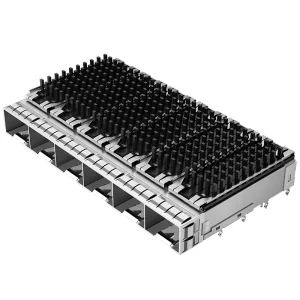
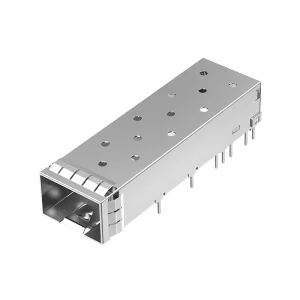
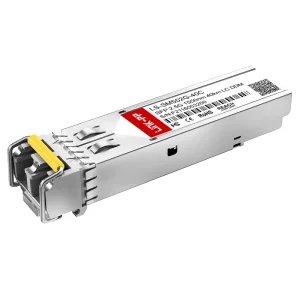
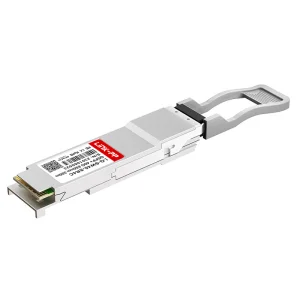
Select from our wide selection of RJ45 jacks, SFP cages, and optical transceivers for complete physical layer systems integration.