FiberQ
FiberQ
FiberQ
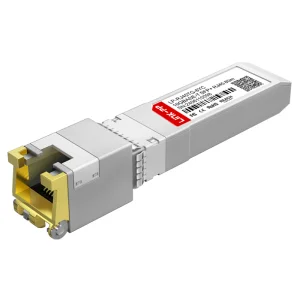
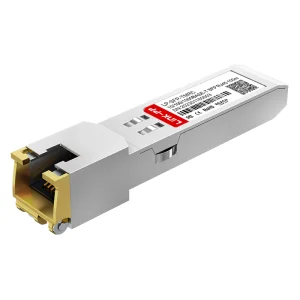
Empower your network architecture with our industry-leading copper modular jacks, advanced LAN magnetic transformers, and single-mode/multimode high-speed optical transceivers. These robust components are designed to enable reliable ethernet extension, minimizing signal loss across extended physical topologies.
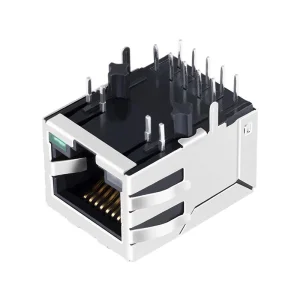
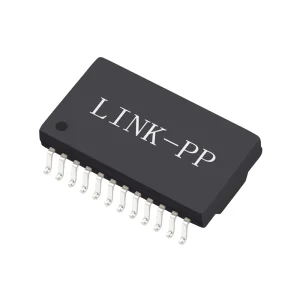
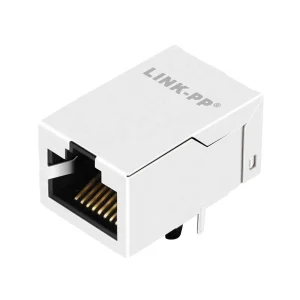
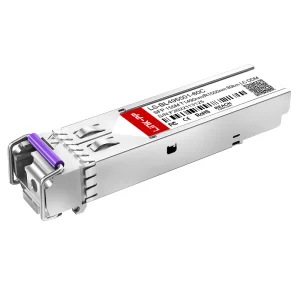
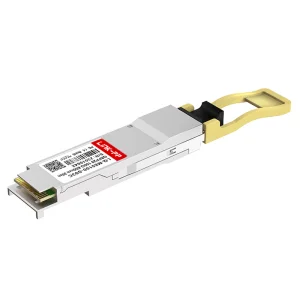
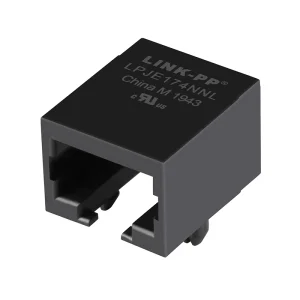
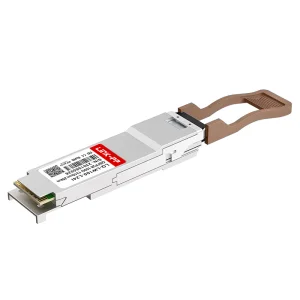
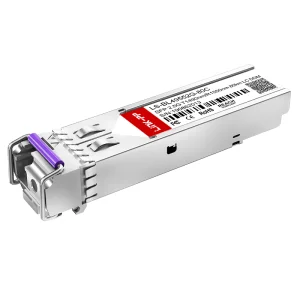
Modern telecommunications, enterprise networks, and automation platforms struggle with a fundamental limitation of standard IEEE 802.3 Ethernet: the 100-meter physical copper line length limit. In commercial campuses, petrochemical complexes, transit structures, and smart manufacturing plants, expanding networks across kilometers without sacrificing bandwidth requires high-performance Ethernet Extenders and advanced electro-optical transceivers.
The global demand for reliable network extenders is driven by the rapid growth of Industrial Internet of Things (IIoT), smart city surveillance setups, and distributed enterprise campuses. Rather than costly re-cabling, network administrators utilize existing physical infrastructure (UTP, STP, coaxial cables, and legacy copper lines) combined with specialized SFP optical transceivers and media converters. By mapping high-frequency signal processing technologies (like VDSL2, G.fast, or active fiber-optic switching) onto long-distance links, enterprise users achieve seamless gigabit-level extensions up to 80 kilometers.
Industrial installations in North America, Western Europe, and Japan are rapidly modernizing infrastructure. Our specialized, high-temperature resilient transceivers (such as the Industrial QSFP28 100G 20km) deliver the high packet availability demanded by mission-critical environments.
By using existing single-pair copper lines or single-fiber BiDi modules (Bi-directional optical modules), network integrators bypass the high cost of laying down new physical lines. This delivers up to a 65% reduction in overall system deployment costs.
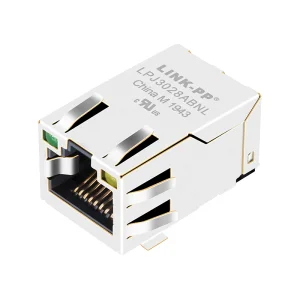
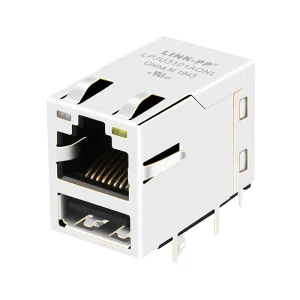
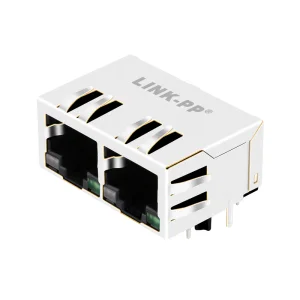
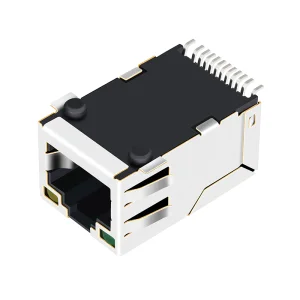
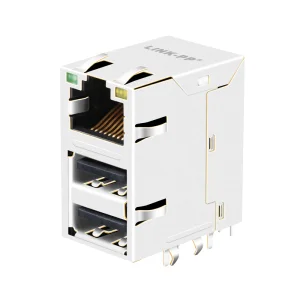
High-interference industrial floors require robust electromagnetic compatibility (EMC). High-end RJ45 connectors with integrated magnetics (MagJacks) isolate signal lines from high-voltage spikes, ensuring reliable data communication.
Ethernet extenders and high-capacity optical transceivers are critical in diverse, localized operational settings. Below, we examine the typical topologies and engineering architectures deployed by our clients worldwide.
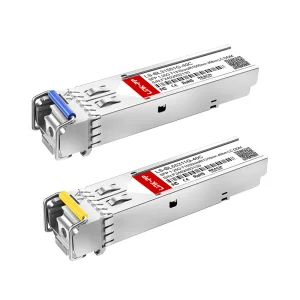
In highway tolling, tunnel monitoring, and subway network setups, IP cameras and IoT sensors are positioned kilometers away from central command terminals. To connect these remote devices without signal degradation, engineers use our BiDi SFP Single-Mode Transceivers. These modules transmit and receive signals over a single fiber strand up to 80km using wavelength division multiplexing (1490nm-TX / 1550nm-RX), saving valuable fiber resources while providing reliable data throughput.
Factory floors are plagued by electromagnetic interference (EMI) from heavy machinery, variable frequency drives, and high-voltage conduits. By using RJ45 modular jacks with integrated magnetics (MagJacks) and LAN magnetic transformers, ethernet extenders isolate ground loops and block high-frequency common-mode noise. This prevents system crashes and data loss in manufacturing execution systems (MES).
Enterprise clouds and hyperscalers require high-bandwidth connections between server pools. Using our 100G QSFP28 850nm MMF Transceivers and single-mode 20km DDM modules, companies can extend high-speed networks across server blocks. The real-time Digital Diagnostics Monitoring (DDM) protocol tracks optical power output, temperature, and receiver sensitivity, preventing unexpected link failure.
FiberQ Photonics Technology Co., Ltd. is a professional manufacturer specializing in high-performance fiber optic transceivers and advanced photonic communication solutions for data centers, telecom networks, and high-speed interconnect applications. Founded in 2015, the company has grown into a trusted global supplier with strong engineering and export capabilities.
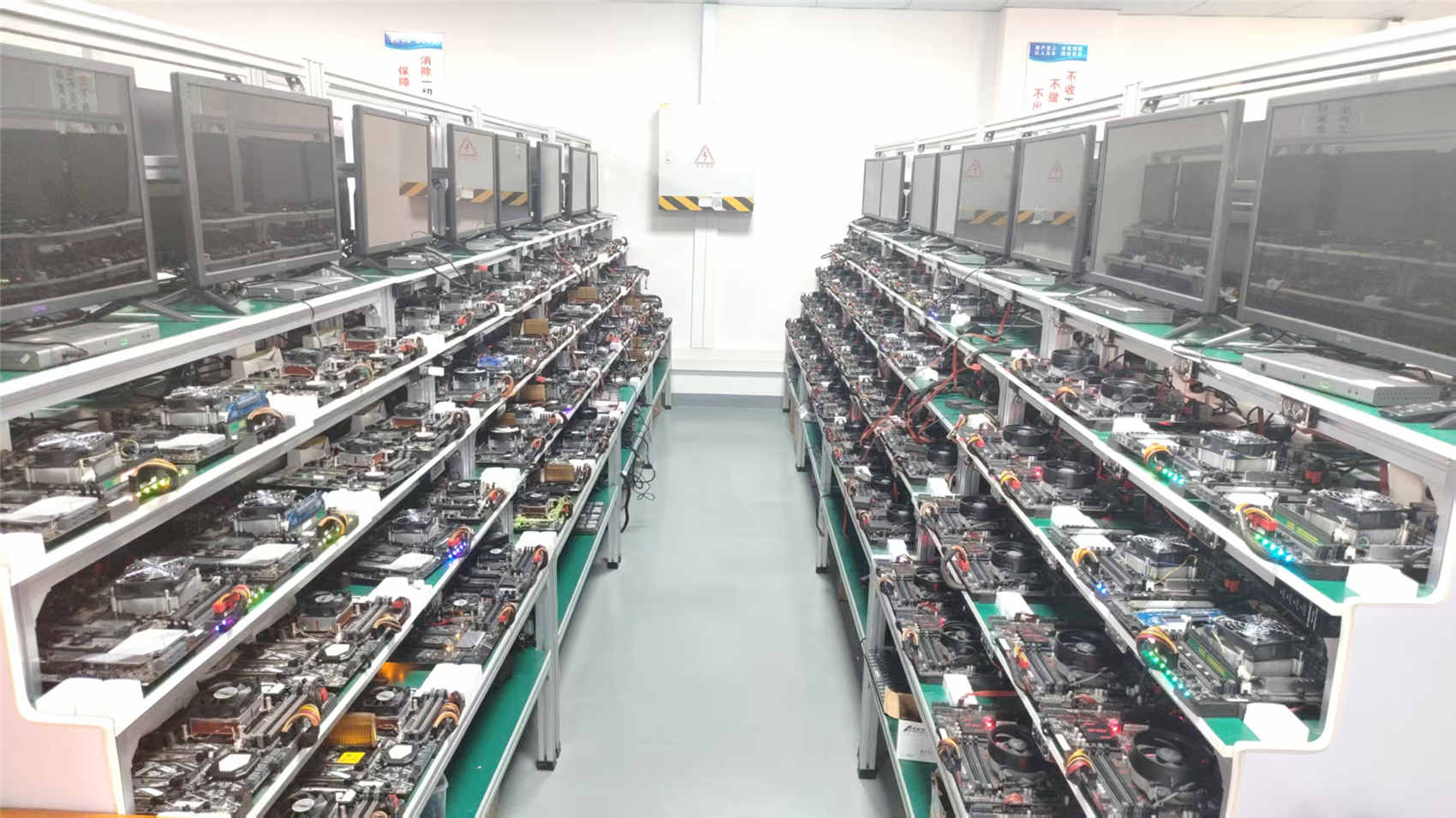
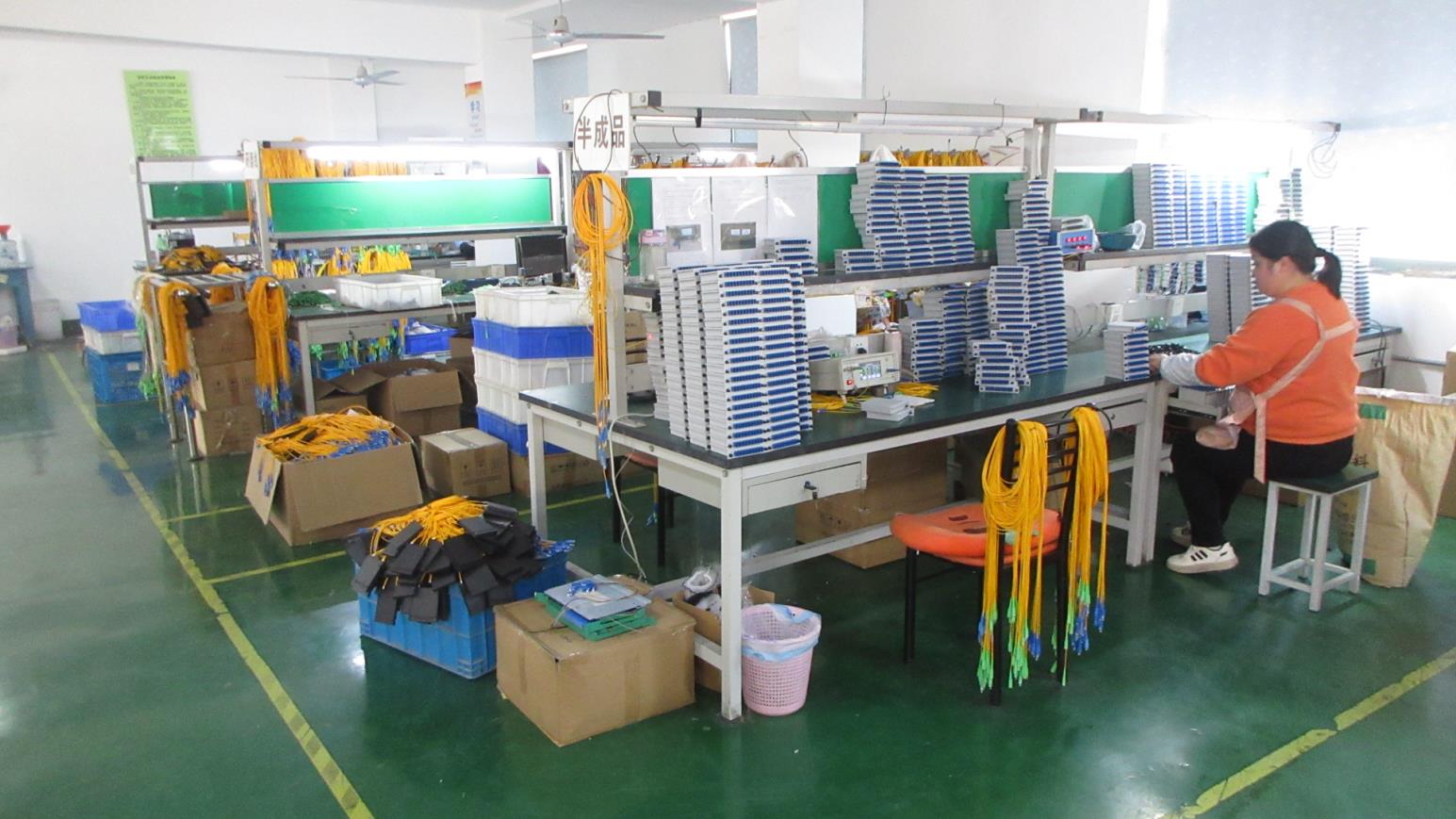
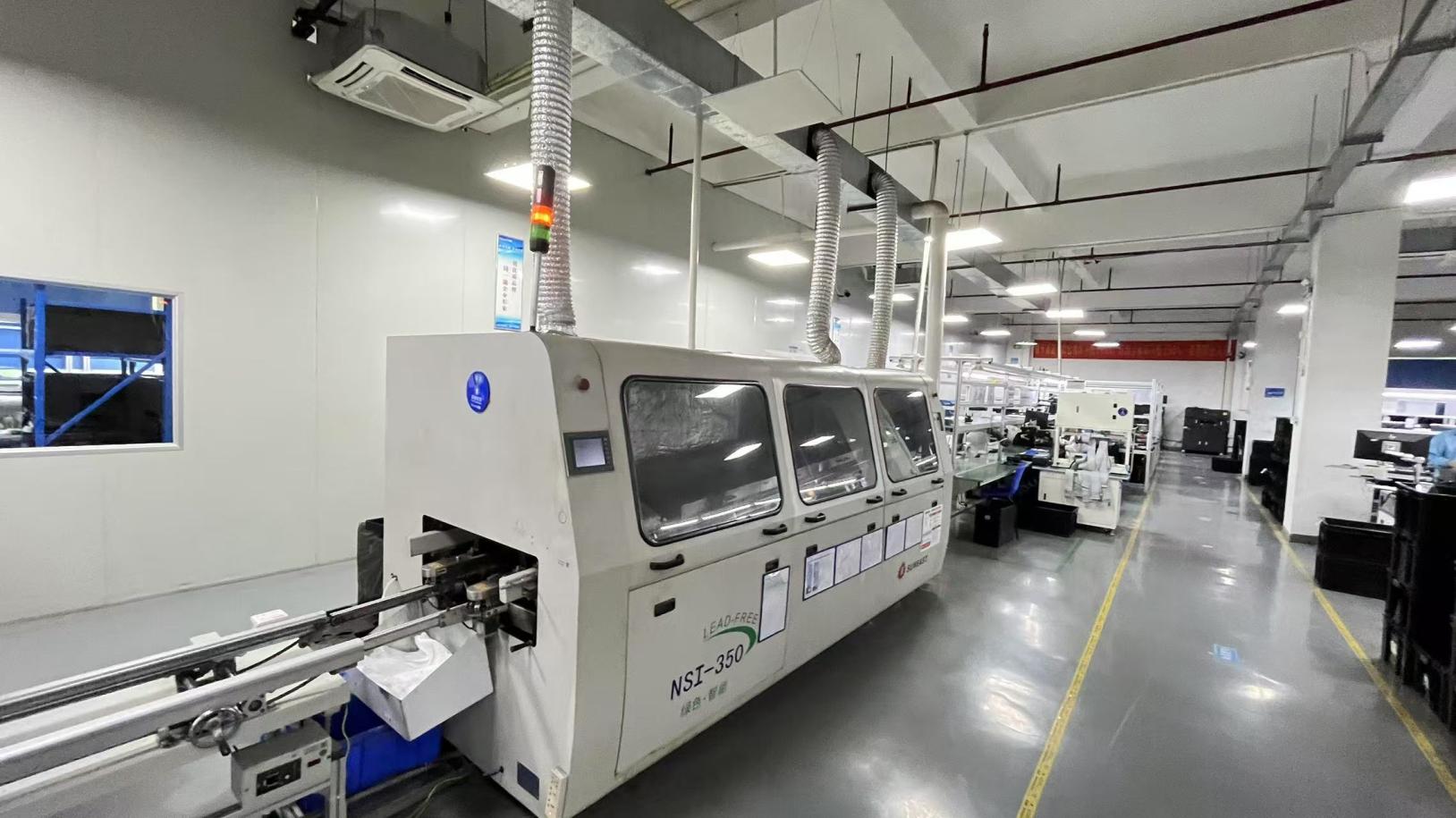
Modern Production Facility
Supply Chain Partners
Dedicated R&D Engineers
QC Specialists & Inspectors
Operating from our modern facility, we support scalable manufacturing, precision assembly, and strict quality control. With an annual export revenue of around USD 9.5 million, FiberQ brings 6 years of export experience and 12 years of industry expertise in optical communication technologies. This enables us to maintain production efficiency even in fluctuating market conditions.
Our quality assurance blends automated optical testing, interferometric inspections, high-temperature aging tests, and manual quality checks. Our R&D engineers focus on optical design, signal integrity, and high-speed hardware development. With strong R&D, FiberQ supports advanced customization, including protocol compatibility (100G/200G/400G/800G), wavelength engineering, thermal optimization, and form-factor adaptation. In the past year alone, FiberQ launched approximately 180 new products, reflecting our dedication to next-generation optical communication solutions.
Inside our production facilities, cleanroom environments, high-precision automated visual inspection machines, and automated multi-channel optical verification tools ensure that every transceiver and modular jack conforms to international telecommunication standards.
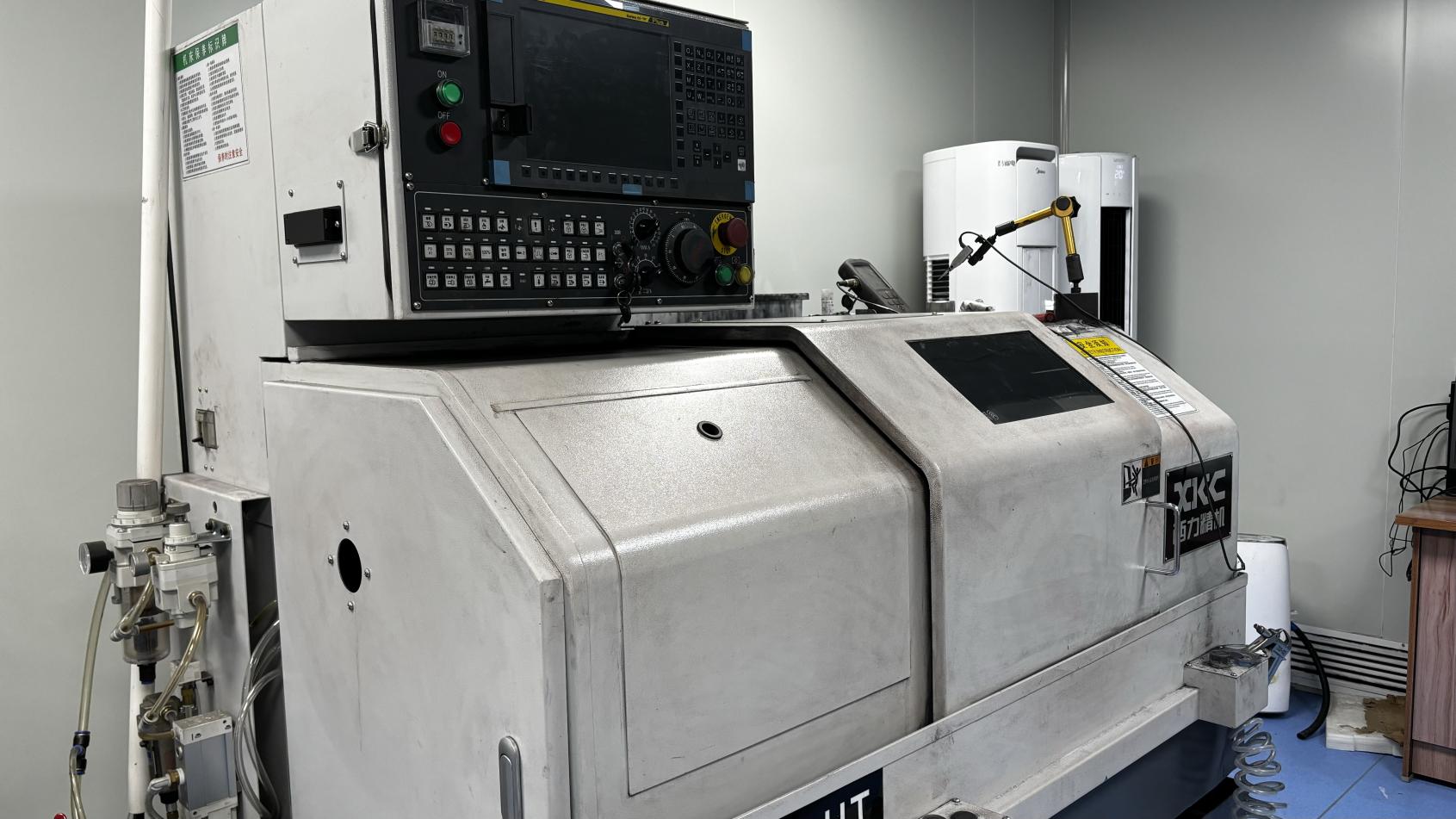
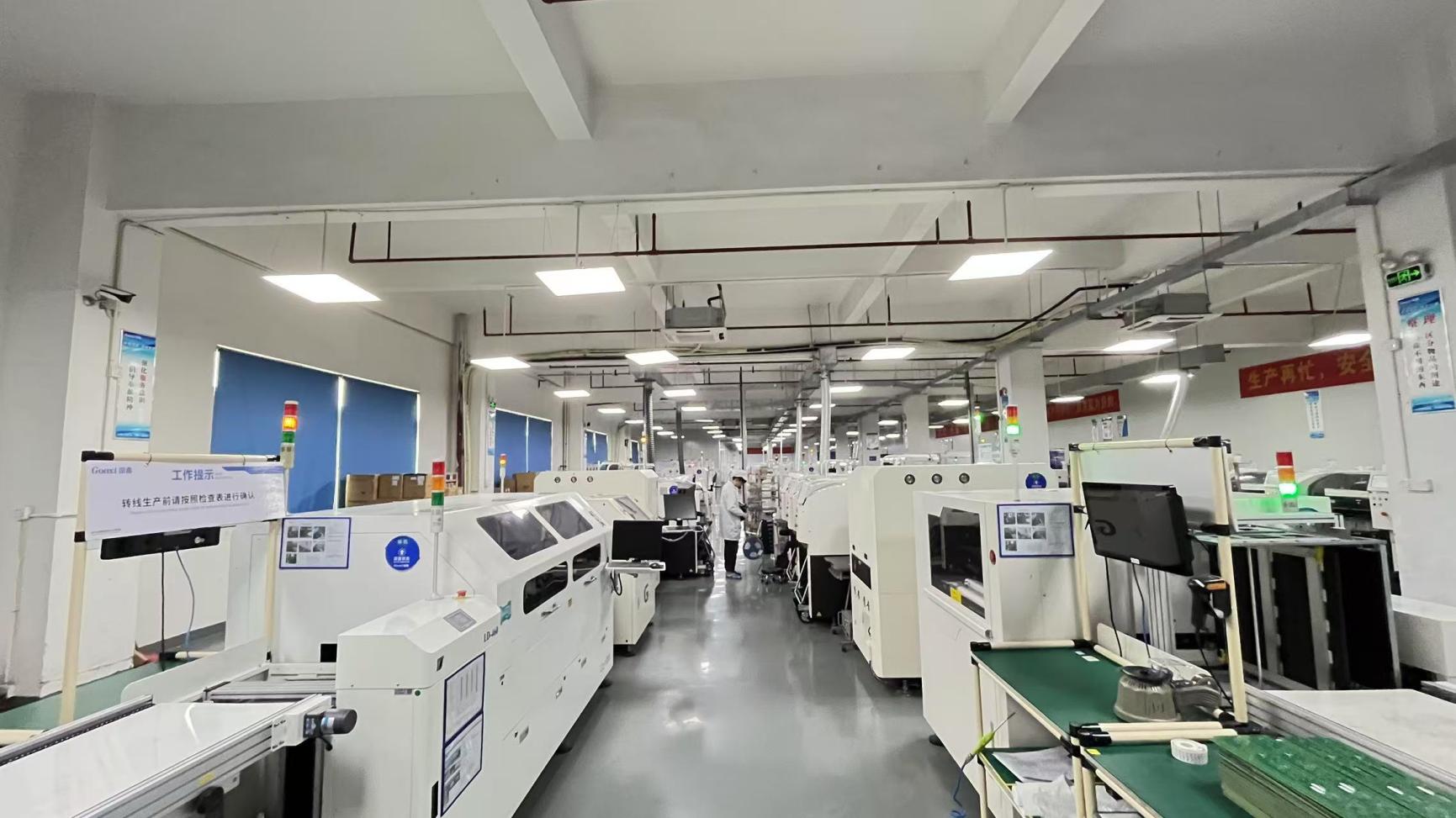
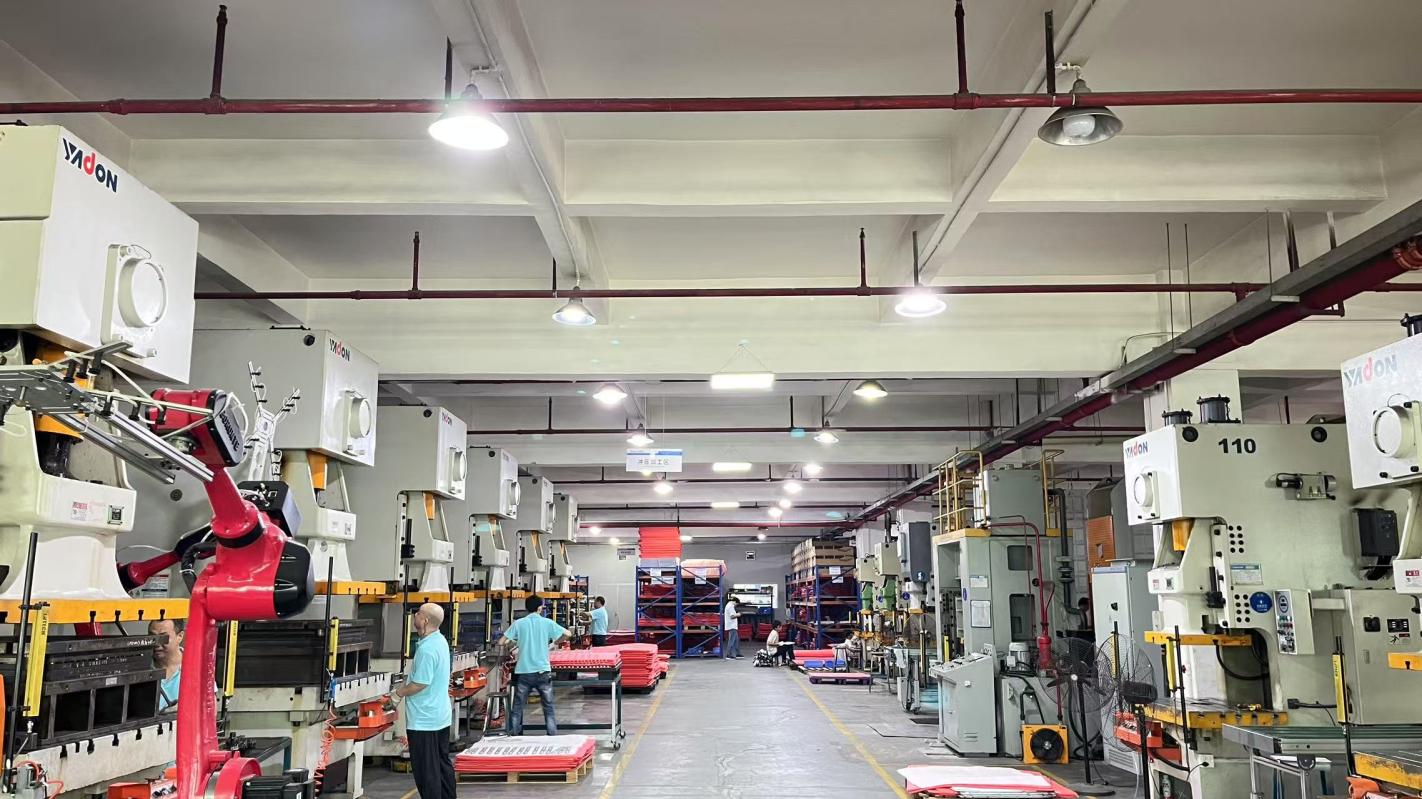
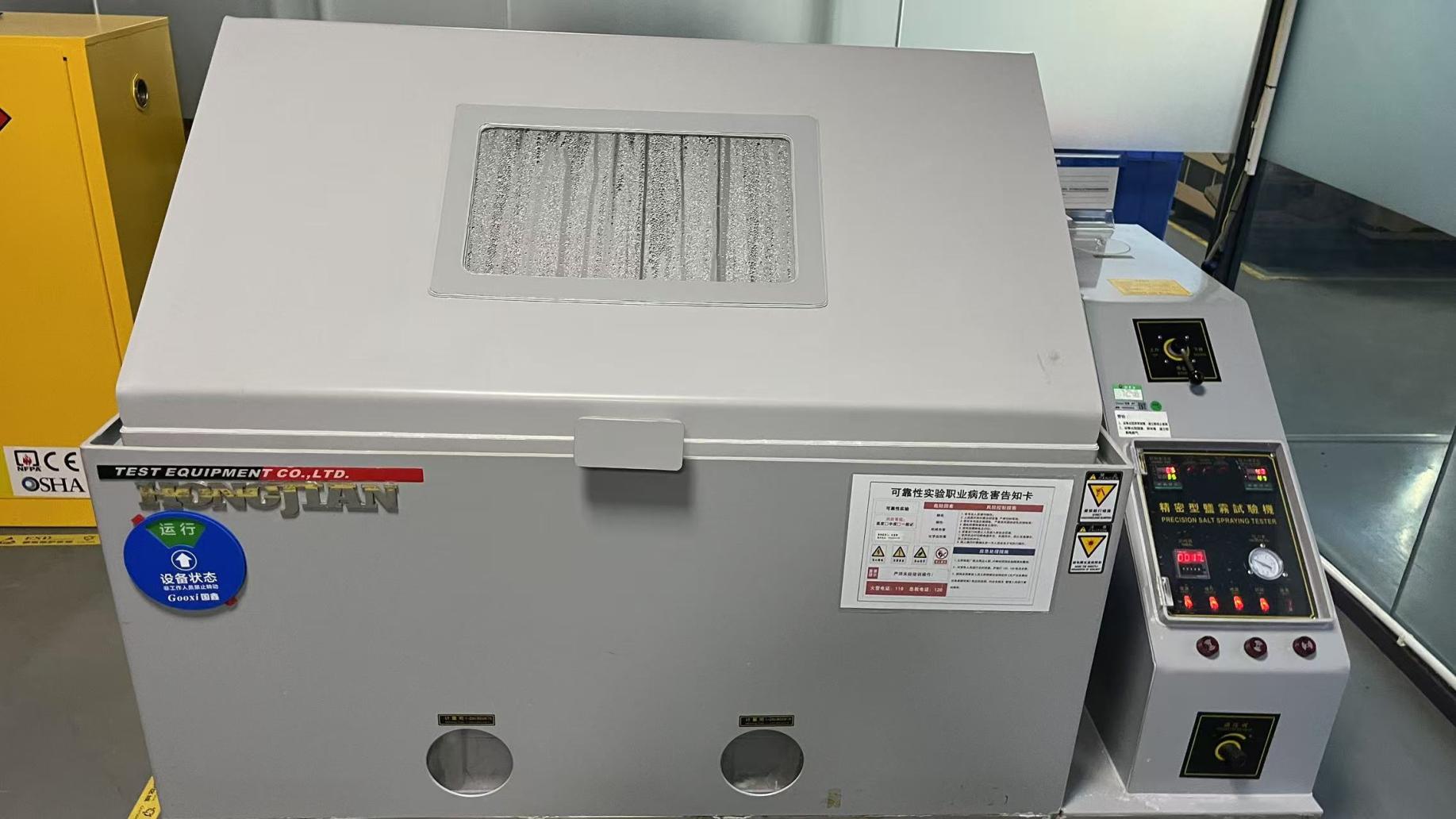
As enterprise architectures shift toward edge compute models, the demand for fast, low-latency transmission over longer distances grows. FiberQ's design roadmaps focus on the convergence of silicon photonics, high-density RJ45 solutions, and co-packaged optics (CPO) to handle extreme heat and bandwidth requirements.
By integrating lasers and optical modulation directly onto silicon chipsets, our future transceivers will reduce power consumption by 30% while doubling density.
To support next-generation AI workloads, our R&D engineers are developing high-speed transceivers using PAM4 modulation schemes for higher spectral efficiency.
Future RJ45 connectors will feature integrated active diagnostics to alert administrators of physical layer issues before link failure.
By implementing dynamic power scaling in our media conversion circuits, we help clients minimize power usage in edge installations.
Deploying networking equipment internationally requires meeting strict regional regulations. FiberQ ensures our components comply with all target market standards to ensure smooth project integration and import clearance.
All active transceivers and passive jacks undergo testing to meet CE, FCC, RoHS, and REACH requirements. This ensures hardware safety and environmental compliance for global public sector infrastructure projects.
We provide wavelength configuration, dynamic thermal testing, custom EEPROM coding, and firmware adaptation to ensure complete compatibility with Cisco, Juniper, Zyxel, and other major hardware brands.
Our global engineering teams provide online network topology design, line attenuation calculations, and rapid troubleshooting support to minimize downtime during field commissioning.
Our single-mode BiDi (Bidirectional) SFP optical transceivers use wavelength division multiplexing (WDM) to transmit and receive signals over one fiber strand up to 80 kilometers. Wavelength pairings like 1490nm-TX/1550nm-RX and 1310nm/1550nm prevent signal crosstalk and keep insertion loss low over long distances.
Integrated magnetics (or MagJacks) provide galvanic isolation, protecting active network switches and physical layer (PHY) chips from electrostatic discharges (ESD) and ground loops. They also feature common-mode chokes that suppress electromagnetic interference (EMI), ensuring error-free communication in noisy industrial environments.
DDM monitors real-time parameters of the optical module, including supply voltage, internal temperature, laser bias current, transmitted optical power, and received optical power. By setting threshold alarms, network managers can detect degradation in optical fiber links or transceivers before a total communication failure occurs.
Yes. We support custom EEPROM firmware programming to match compatibility keys for major switch and router vendors, including Cisco, Juniper, HP, Zyxel, Huawei, and others. This ensures seamless plug-and-play functionality in multi-vendor enterprise environments.
Explore our second selection of optical transceivers and modular connector interfaces. Engineered to meet strict IEEE specifications, these components offer low return loss, high thermal tolerances, and high-frequency stability for modern enterprise networking setups.