FiberQ
FiberQ
FiberQ
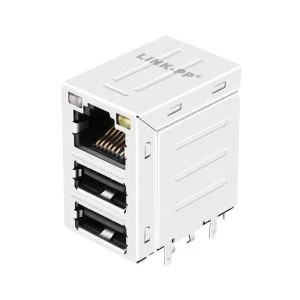
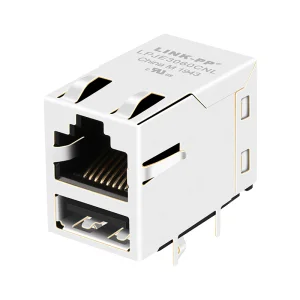
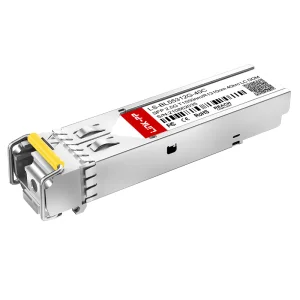
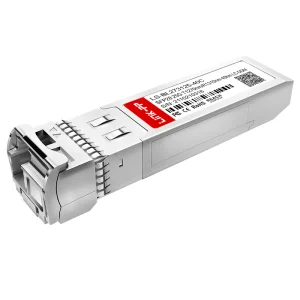
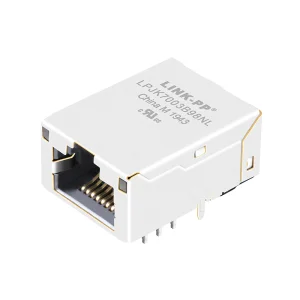
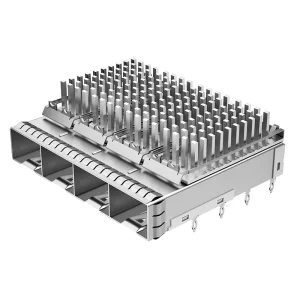
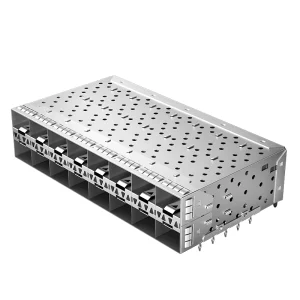
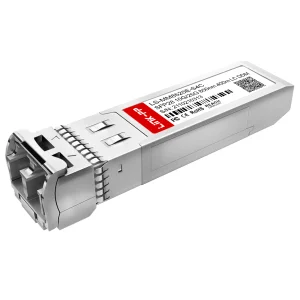
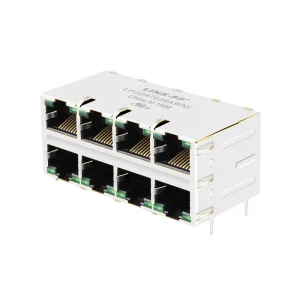
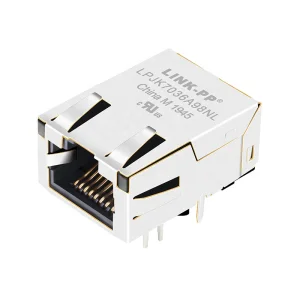
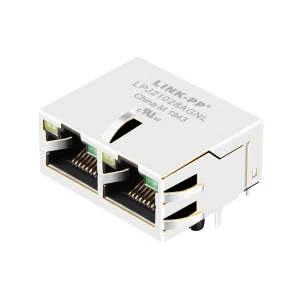
In the modern telecom and enterprise infrastructure landscapes, space constraints within server racks have forced a critical evolution. High-density RJ45 connectors are at the forefront of this shift, consolidating multi-port, high-speed ethernet pathways into ultra-compact footprints. Traditionally, accommodating multiple connections required vast PCB real estate, increasing stray capacitance, electrical noise, and structural susceptibility to EMI.
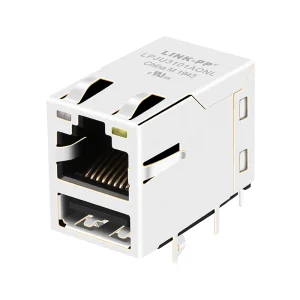
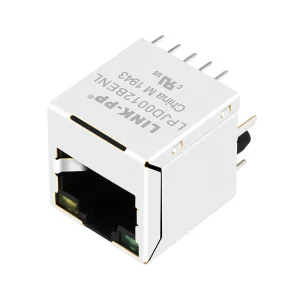
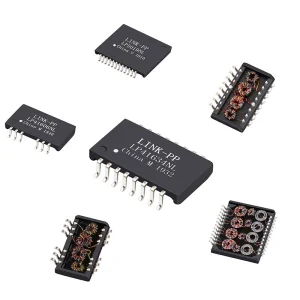
By employing advanced stacking architectures (such as 2x4 and 2x8 configurations) and integrating magnetic filtering components (commonly known as MagJacks), manufacturers have minimized the routing footprints. This density requires precise electrical isolation. Integrated magnetics suppress Common Mode Noise and provide electrical isolation according to IEEE 802.3 standards, ensuring signal integrity at rates up to 10G/25G Base-T.
Understanding the physics of high-density connectors involves analyzing Next-End Crosstalk (NEXT) and Far-End Crosstalk (FEXT). As pins are placed closer together, capacitive coupling increases. Modern Chinese manufacturing plants mitigate this by using internal metal shielding partitions, gold-plated contacts (up to 50u" to resist oxidation), and specialized internal routing that balances signal pairs dynamically.
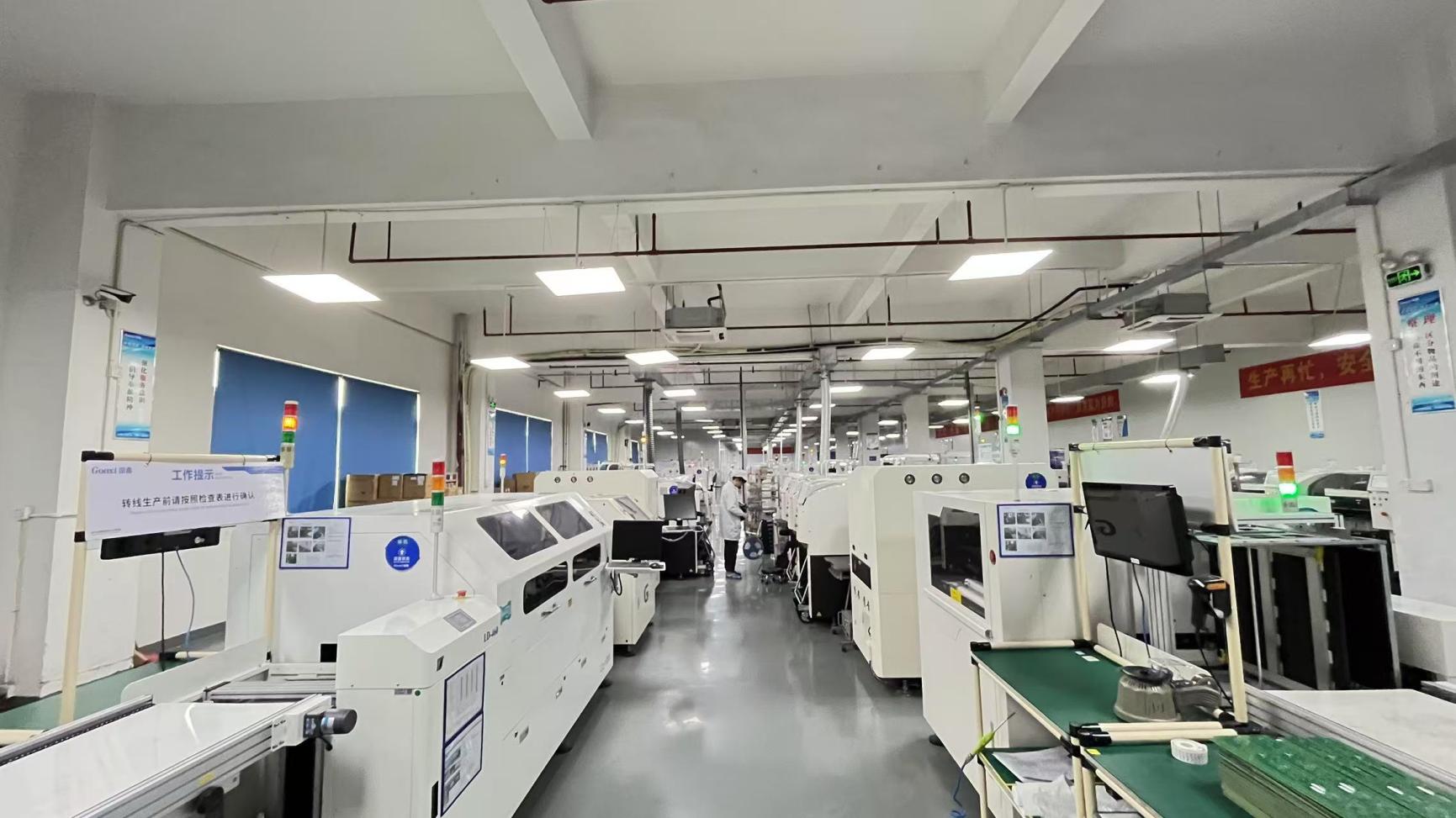
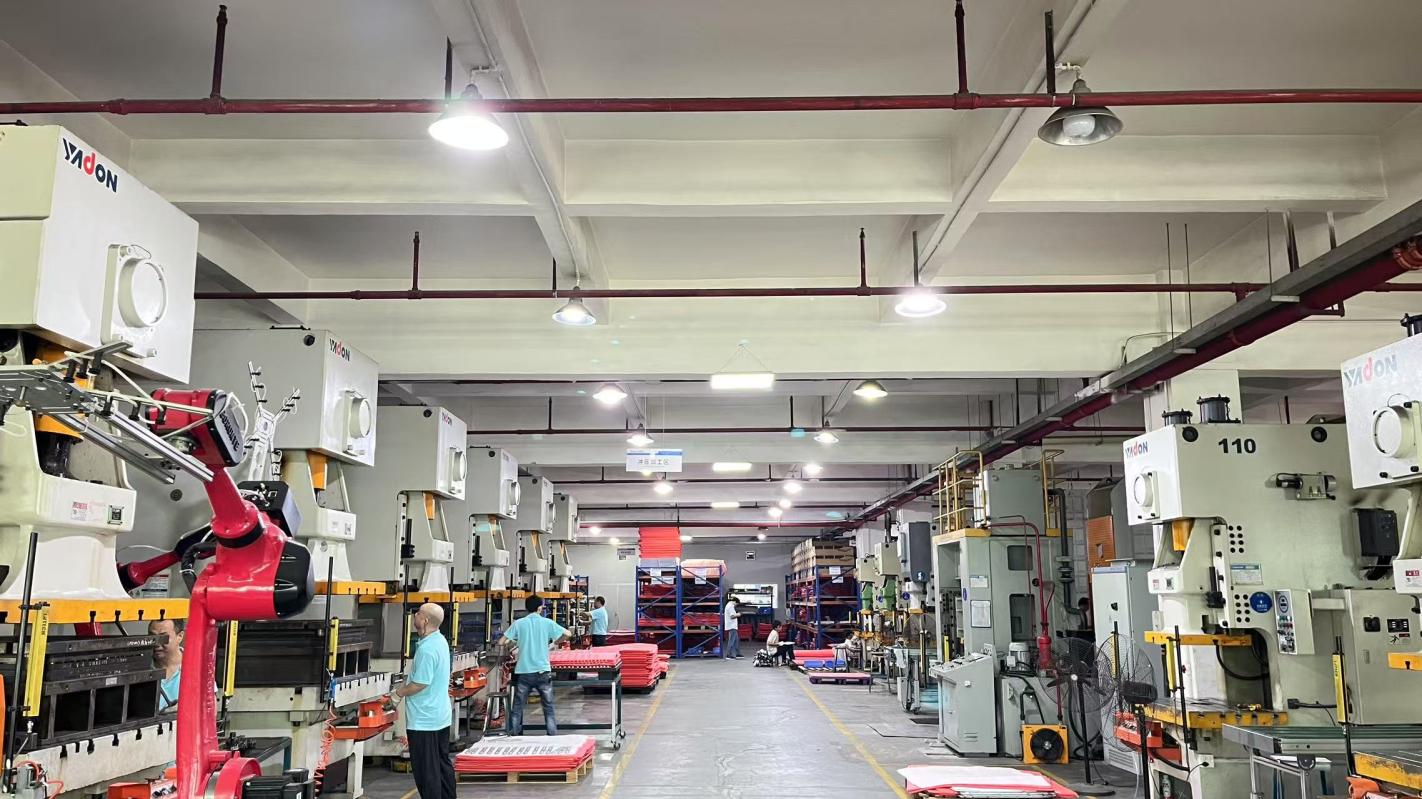
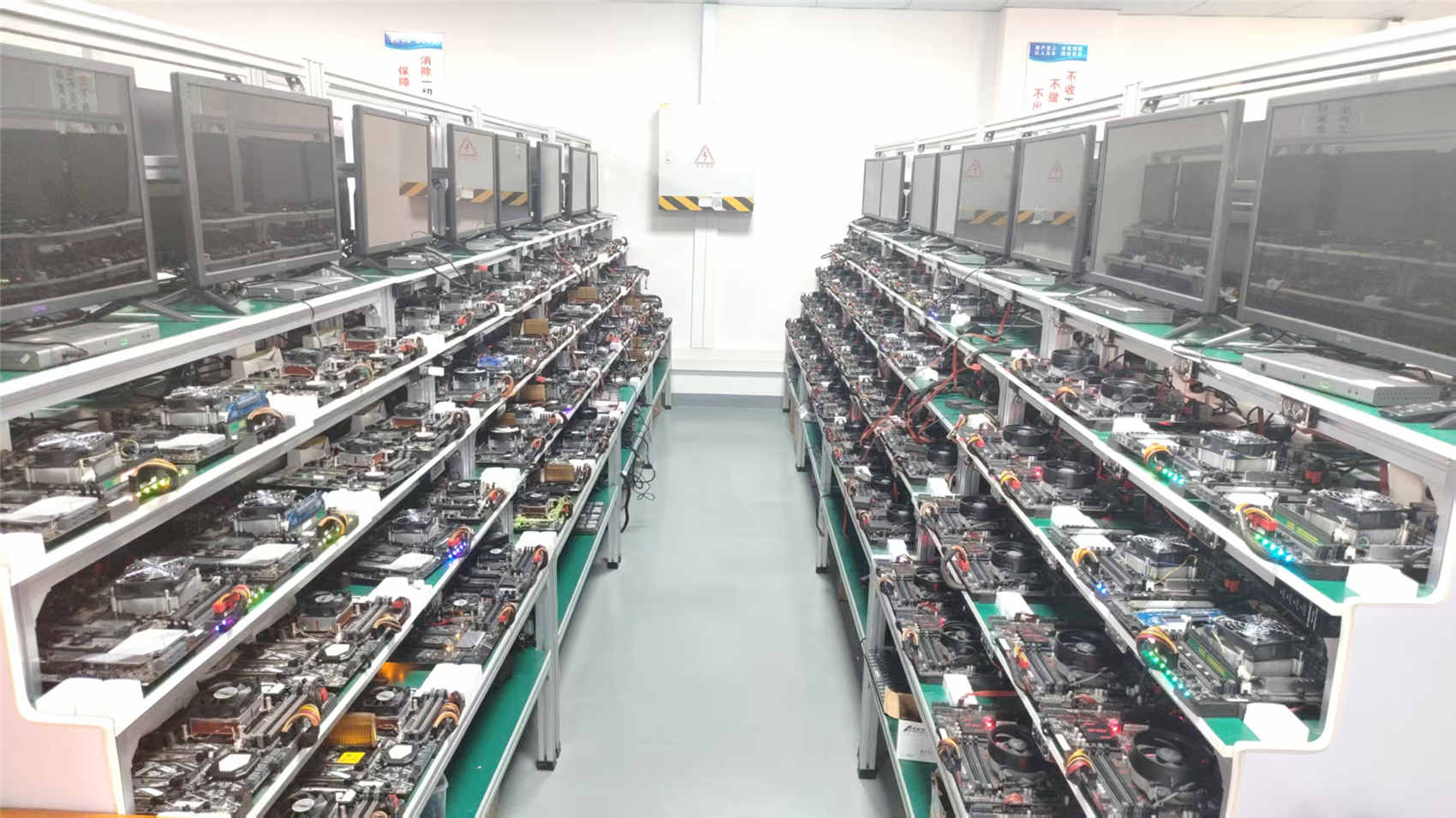
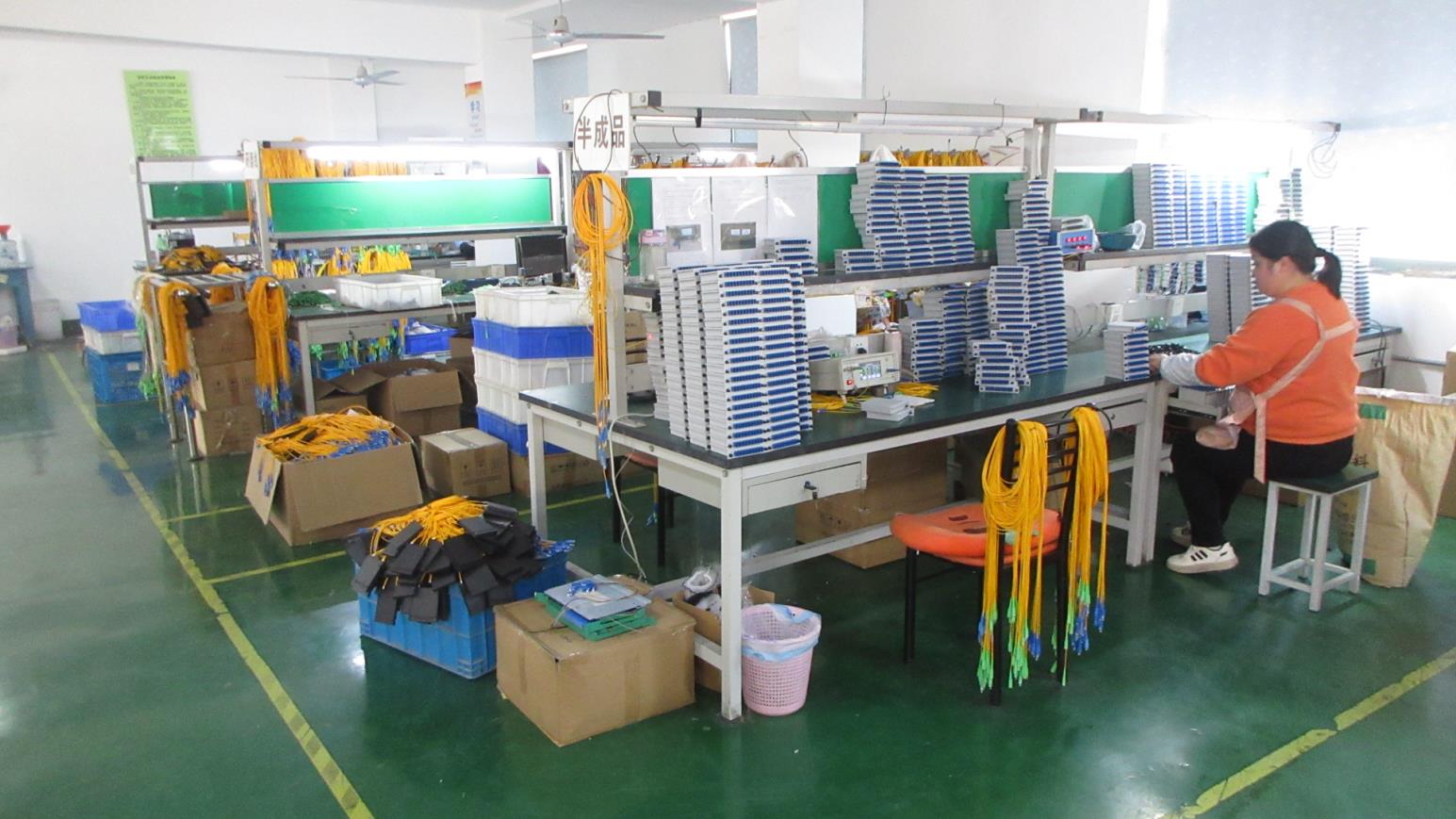
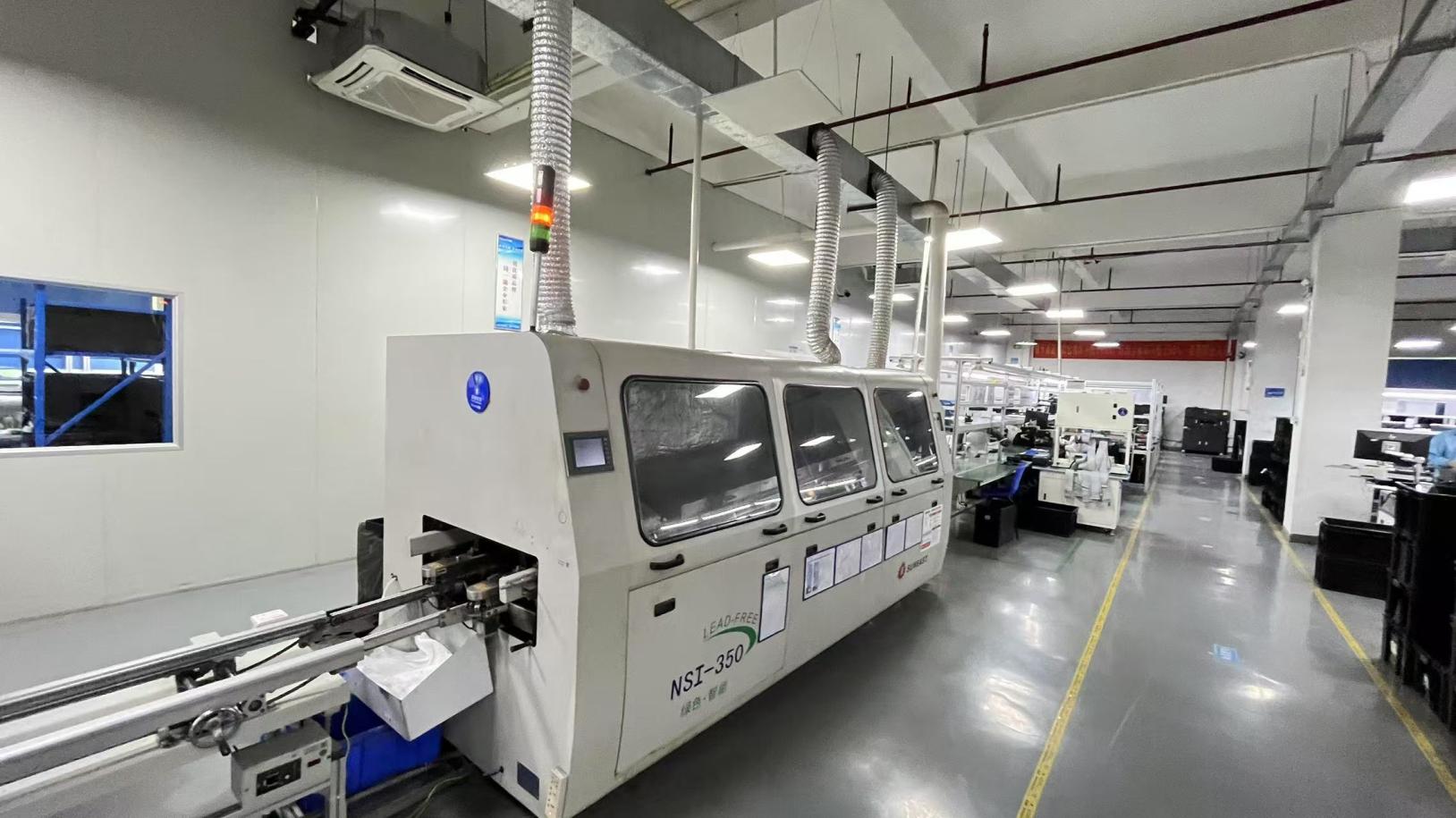
Leveraging advanced automation, massive supply networks, and strict high-precision engineering standards, FiberQ Photonics Technology Co., Ltd. operates a scalable infrastructure designed to fulfill global B2B procurement demands.
China's manufacturing landscape for RJ45 connectors has transitioned from low-cost manual assembly to highly automated, precision-guided manufacturing processes. **FiberQ Photonics Technology Co., Ltd.** represents this vanguard. Operating out of a state-of-the-art **12,600㎡ production facility**, the company maintains strict quality control and high assembly precision. With over **12 years of industry experience** and **6 years of dedicated global export experience**, FiberQ operates seamlessly as an OEM and ODM supplier.
By coordinating with over **1,450 trusted upstream raw material and component suppliers**, FiberQ ensures that structural plastics (such as high-temperature LCP or Nylon 9T suitable for reflow soldering), contact copper alloys, and high-permeability magnetic cores are sourced consistently. This robust supplier ecosystem enables stable lead times and raw material cost optimization, directly translating into a competitive advantage for global telecommunication infrastructure procurement.
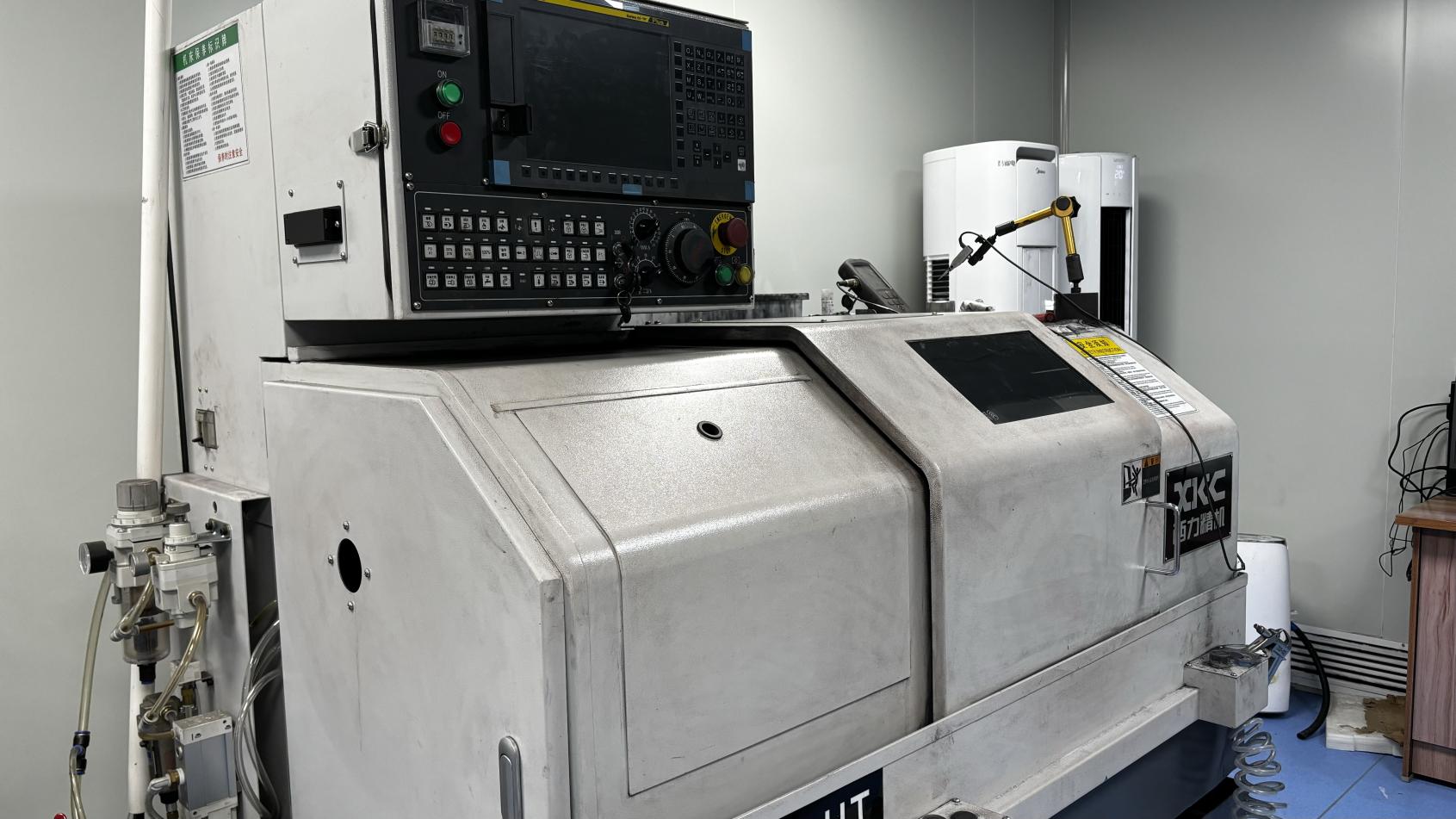
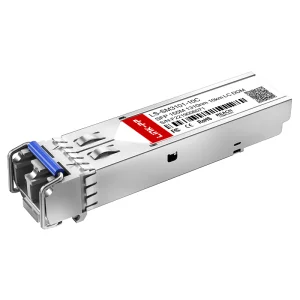
FiberQ's 240 R&D engineers develop bespoke form-factors, customized magnetic turns ratios, LED configurations (single/bicolor/integrated resistors), and enhanced SFP/RJ45 hybrid cages to fit specific server chassis and switch backplanes.
Demonstrating technical leadership, the engineering team launched approximately 180 new products last year, expanding compatibility matrices and developing customized solutions to support 100G/200G/400G and next-generation 800G optical platforms.
FiberQ's engineering capabilities extend far beyond standard catalogue items. The research department consists of approximately **240 R&D engineers** specialized in high-frequency electromagnetic modeling, structural mechanics, optical path simulations, and thermal optimization. This engineering depth is crucial for high-speed network components where impedance mismatching can degrade data packet transmission.
OEM/ODM partnerships require robust technical validation. FiberQ provides comprehensive simulation files, including 3D CAD step files, electrical schematic diagrams for integrated magnetics, and S-parameter models (such as insertion loss, return loss, and crosstalk metrics) to help client hardware designers integrate components smoothly. Wavelength engineering, thermal dissipation analysis, and custom form-factor configurations are addressed during the initial design phase to ensure high yield rates during mass production.
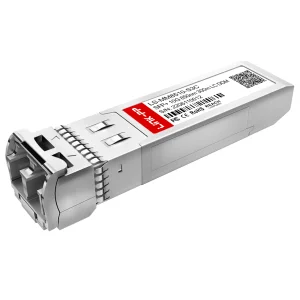
Whether the target application requires a low-profile RJ45 connector with custom-colored LEDs or an integrated SFP+ cage featuring advanced heat sinks for optical modules, the R&D team manages the development cycle from design and prototyping to rapid mold tooling, electrical validation, and mass manufacture.
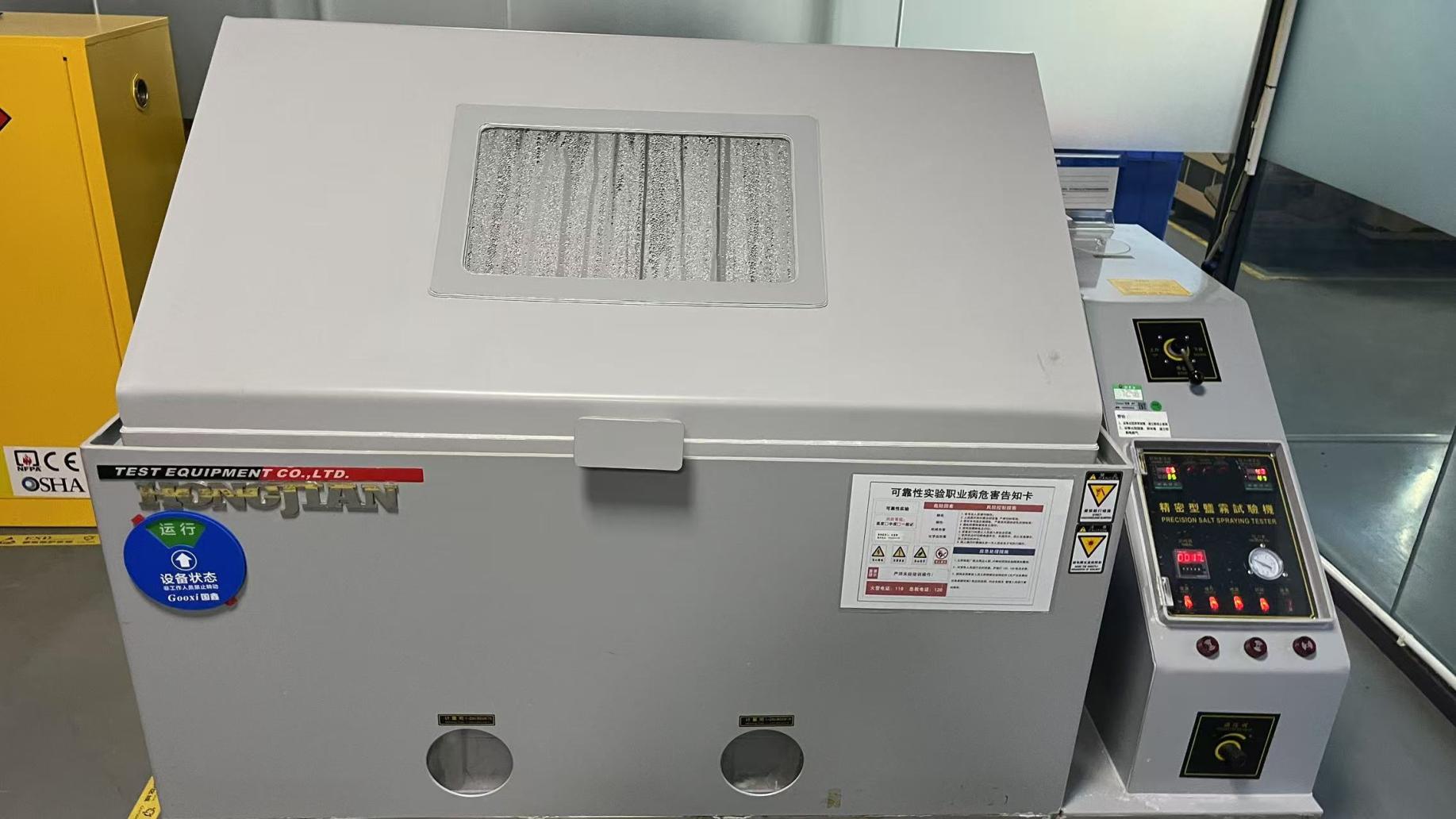
In mission-critical enterprise environments, a single connector failure can cause costly network downtime. FiberQ operates under a rigorous quality control framework. Quality assurance is maintained through a combination of automated optical performance testing, interferometric inspection, high-temperature aging tests, and final manual verification.
The quality control department includes **62 experienced inspectors** who verify incoming raw materials, monitor in-line assembly stages, and conduct final release inspections. Every batch of RJ45 and SFP transceivers undergoes rigorous optical testing (to verify insertion loss, eye diagrams, and return loss) and mechanical testing (to verify mating force, solderability, and pin coplanarity).
Verifies sub-micron dimensional accuracy of optical interfaces to prevent signal loss and mechanical mismatching at high speeds.
Exposes products to high-temperature aging tests from -40°C to +85°C, ensuring structural stability and reliability under severe thermal loads.
Strictly compliant with ISO9001:2015, ISO14001, RoHS, REACH, and UL94-V0 flammability ratings to simplify international trade and approvals.
High-density RJ45 connectors are essential across diverse technology sectors. The main B2B markets include North America, Europe, Japan, and Southeast Asia. Within these regions, products must operate reliably in critical environments:
High-density structured cabling demands components that combine SFP+ transceivers and multi-port RJ45 connectors on a single host board. This minimizes rack space while supporting 10G and 25G ethernet connections.
Factory environments expose network equipment to dust, moisture, and high vibration. Shielded RJ45 female connectors with robust housing tabs provide the mechanical stability and electrical isolation needed to maintain uptime.
Next-generation 5G base stations and optical network terminals require reliable interfaces. Our products support high-performance data rates and PoE+ (Power over Ethernet) to run high-bandwidth, high-power network nodes.
Market Trend Analysis: The industry is transitioning from Cat6 to Cat6A and Cat8 cabling systems to support higher frequencies and data throughput. Additionally, the growing adoption of PoE+ (IEEE 802.3at) and PoE++ (IEEE 802.3bt) requires connectors that can handle higher currents (up to 1A per pin) without overheating. FiberQ designs its high-density RJ45 components with upgraded copper pins, enhanced contact areas, and improved thermal dissipation characteristics to support these evolving B2B requirements.