FiberQ
1. The Evolution of Compact Interconnects in High-Density Computing
The demand for micro-interconnect technology has skyrocketed due to the growth of hyperscale data centers, distributed edge nodes, and automated industrial networks. As data transmission requirements transition from 10G/25G to 400G and 800G protocols, the traditional RJ45 architecture faces spatial and electronic limitations. Designers are pushed to pack more channels into smaller footprints while maintaining strict signal integrity and thermal efficiency.
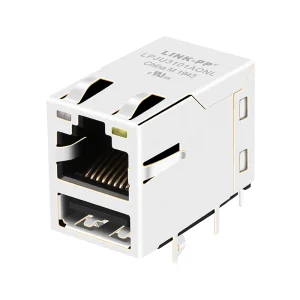
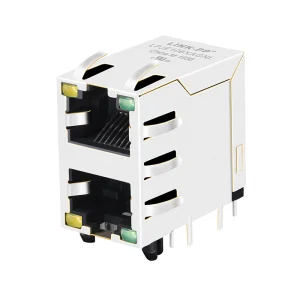
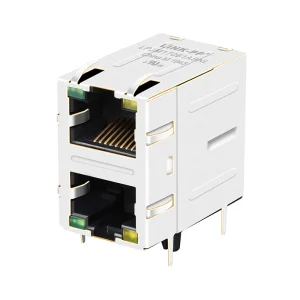
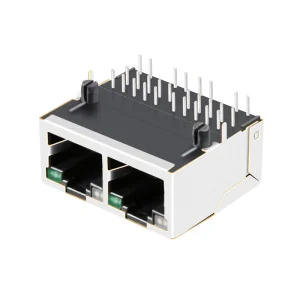
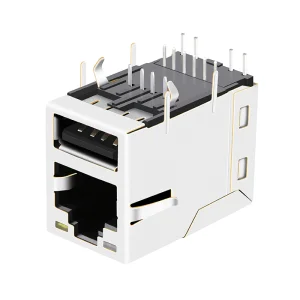
Compact Ethernet connectors are key to modern high-density networking. By integrating magnetics directly into the connector housing (Tab-up/Tab-down layouts) and optimizing spatial footprints, modern designs achieve up to a 50% PCB space saving compared to traditional layouts. This transition requires advanced electromagnetic interference (EMI) shielding, high-reliability press-fit terminations, and precise mechanical tolerances to prevent signal cross-talk in dense configurations.
"In high-frequency computing, the physical layer connector is no longer just a mechanical junction; it is a complex transmission line that directly impacts signal loss, return loss, and overall packet-delivery metrics."
2. Technical Specifications & Advanced Component Architecture
FiberQ Photonics Technology Co., Ltd. addresses these challenges by manufacturing high-performance interconnects and transceivers. We use advanced design elements across our product line to ensure durability and signal stability:
EMI Shielding
Integrated copper-alloy shielding wraps around the connector, providing full 360-degree attenuation against external noise and crosstalk.
Press-Fit Termination
Our through-hole press-fit configurations establish clean solderless connections, avoiding thermal stress during wave soldering.
Advanced Magnetics
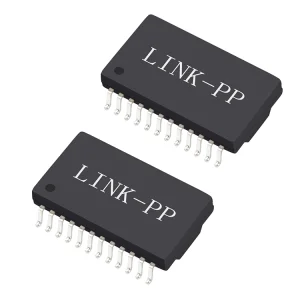
Built-in common-mode chokes and isolation transformers isolate transient currents while maintaining high signal throughput.
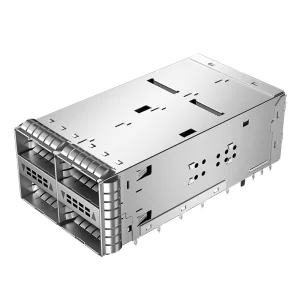
Key options, such as the 2308171-1 TE Compatible ZQSFP+ Cage, use integrated lightpipes to provide visual diagnostic feedback without taking up board space. These components use high-durability phosphor bronze contacts plated with 30μ" to 50μ" gold over nickel, preventing oxidation and guaranteeing 750+ mating cycles even under high-humidity conditions.
3. Technology Roadmap & Future Outlook (Towards 800G & CPO)
The networking industry is quickly moving past standard transceiver models toward Co-Packaged Optics (CPO) and high-density copper interconnects. FiberQ's R&D division, backed by our 240+ specialized engineers, focuses on these industry shifts. Over the past year, we have introduced 180+ new products, positioning our inventory to meet evolving transmission requirements.
Our roadmap targets three main development tracks:
- Single Pair Ethernet (SPE): Replacing standard multi-pair cabling in industrial fields with single-pair configurations, significantly reducing weight and installation steps.
- Direct Attach High-Speed Cages (zQSFP+ / OSFP): Designing EMI containment systems capable of supporting PAM4 modulation schemes up to 112Gbps per channel, paving the path to 800G systems.
- Co-Packaged Optical (CPO) Sockets: Creating board-mount optical connectors that place the optical engine closer to the ASIC, reducing traces and power requirements by up to 30%.
4. Macro-Industry Solutions: From Edge Computing to Hyperscale Centers
FiberQ's compact connector solutions are designed for a variety of challenging industrial use cases:
Data Center Optimization
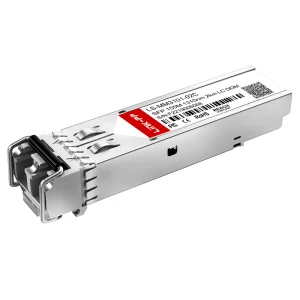
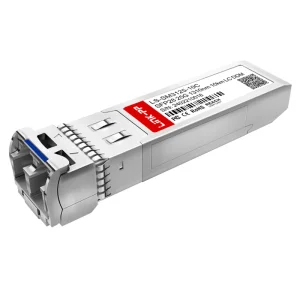
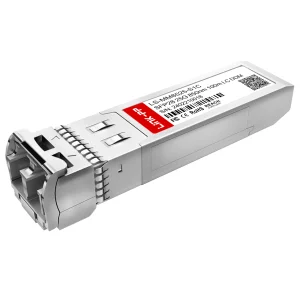
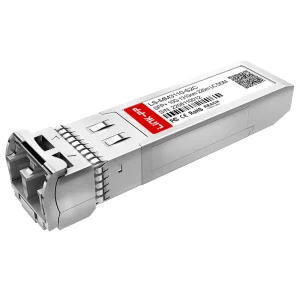
Modern cloud centers utilize our 2.5G Magnetic Sockets and 25G SFP28 transceivers (such as the Cisco SFP-25G-SR-S and LR-S compatible modules) to build high-density rack switch links. These components minimize transmission latency and help maintain a low error-rate envelope.
Telecom & Backhaul Infrastructure
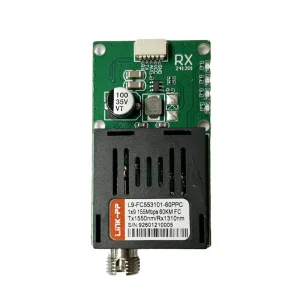
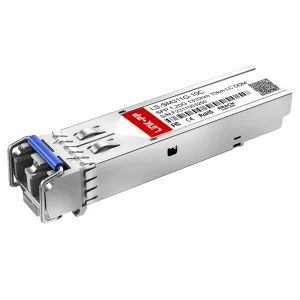
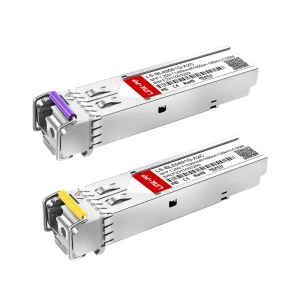
In 5G networks, components must handle severe environmental exposure. Our single-mode BiDi SFP transceivers operate reliably over extended ranges (60km to 120km) across broad temperature variations, providing steady backhaul links for remote antennas.
Industrial IoT and Factory Floors
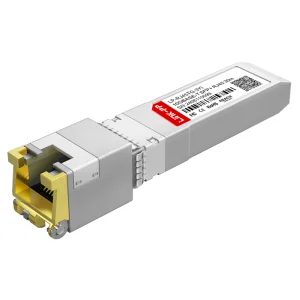
Automated manufacturing environments depend on robust connections. Products like our 10GBASE-T Industrial SFP+ Copper RJ45 Transceiver enable optical systems to connect directly with copper field devices, ensuring high noise immunity and stable communication.
5. China Factory 4.0: Supply Chain Resilience & Cost Optimization
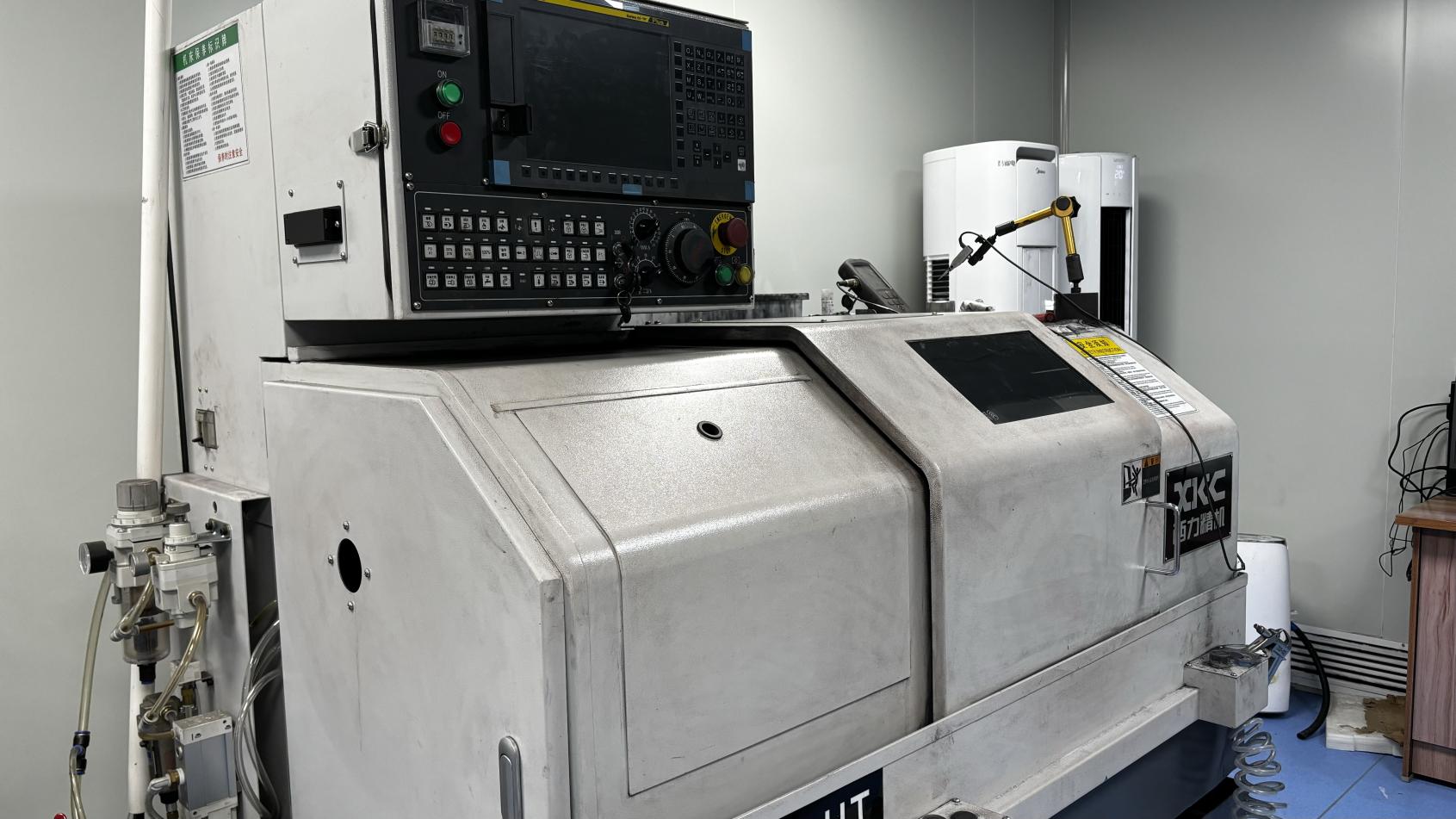
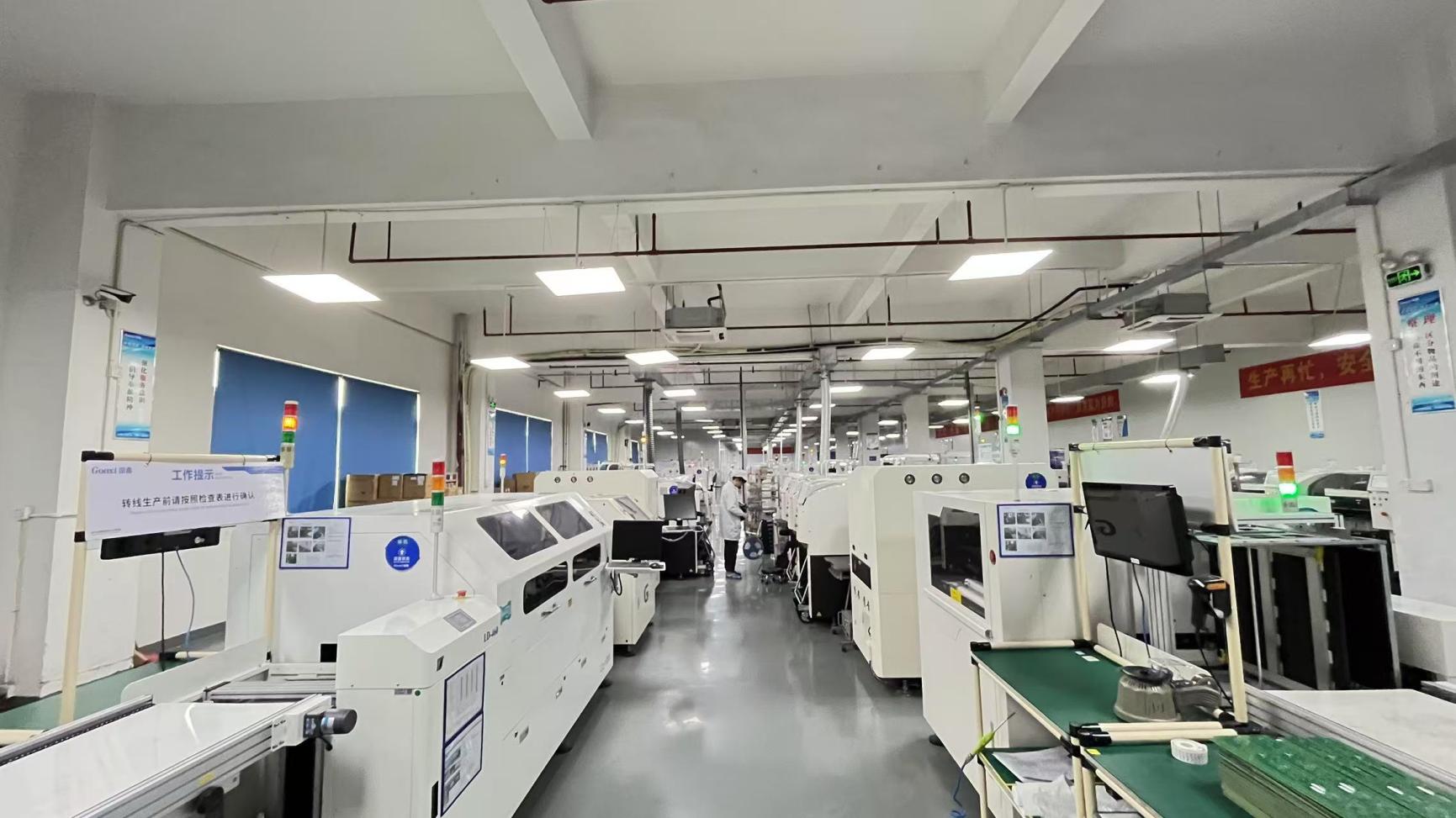
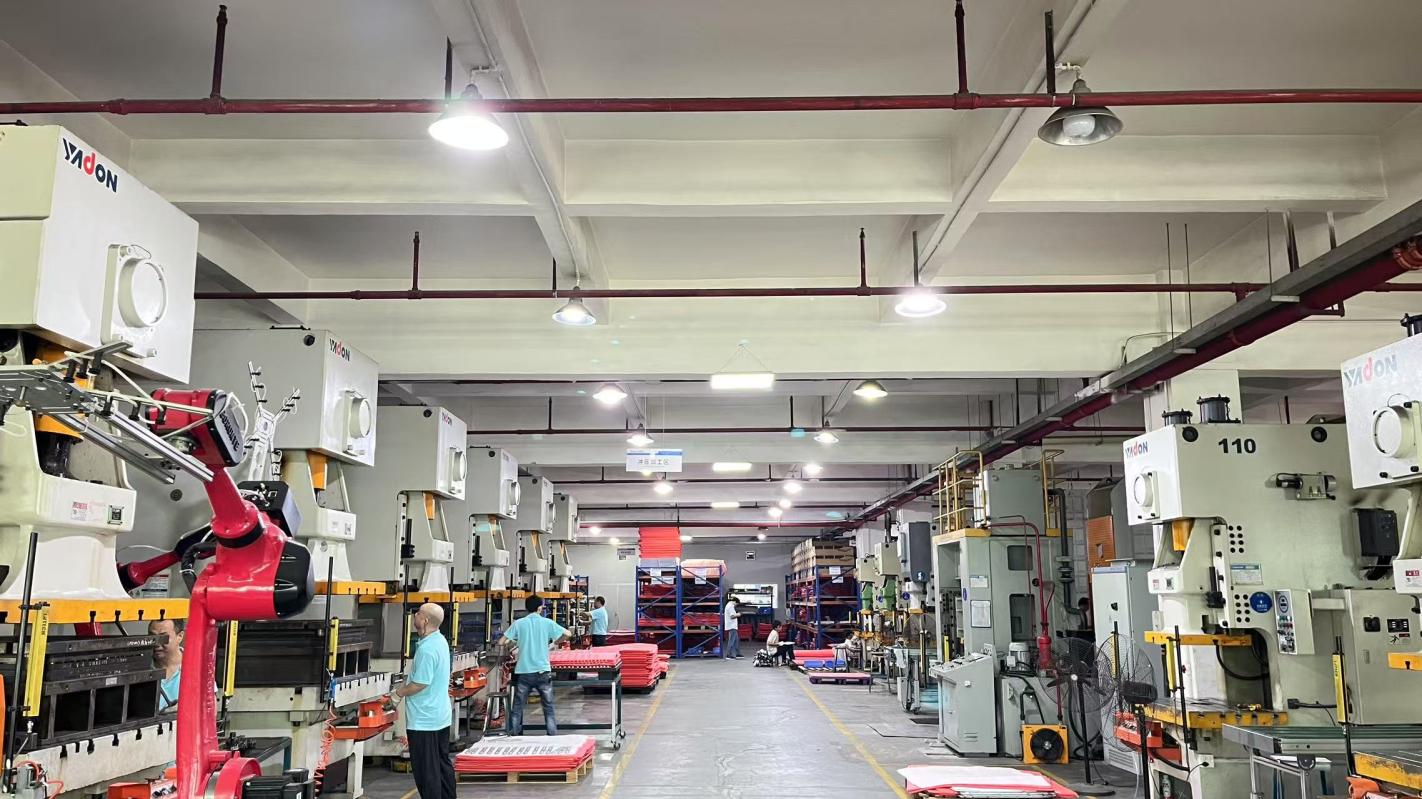
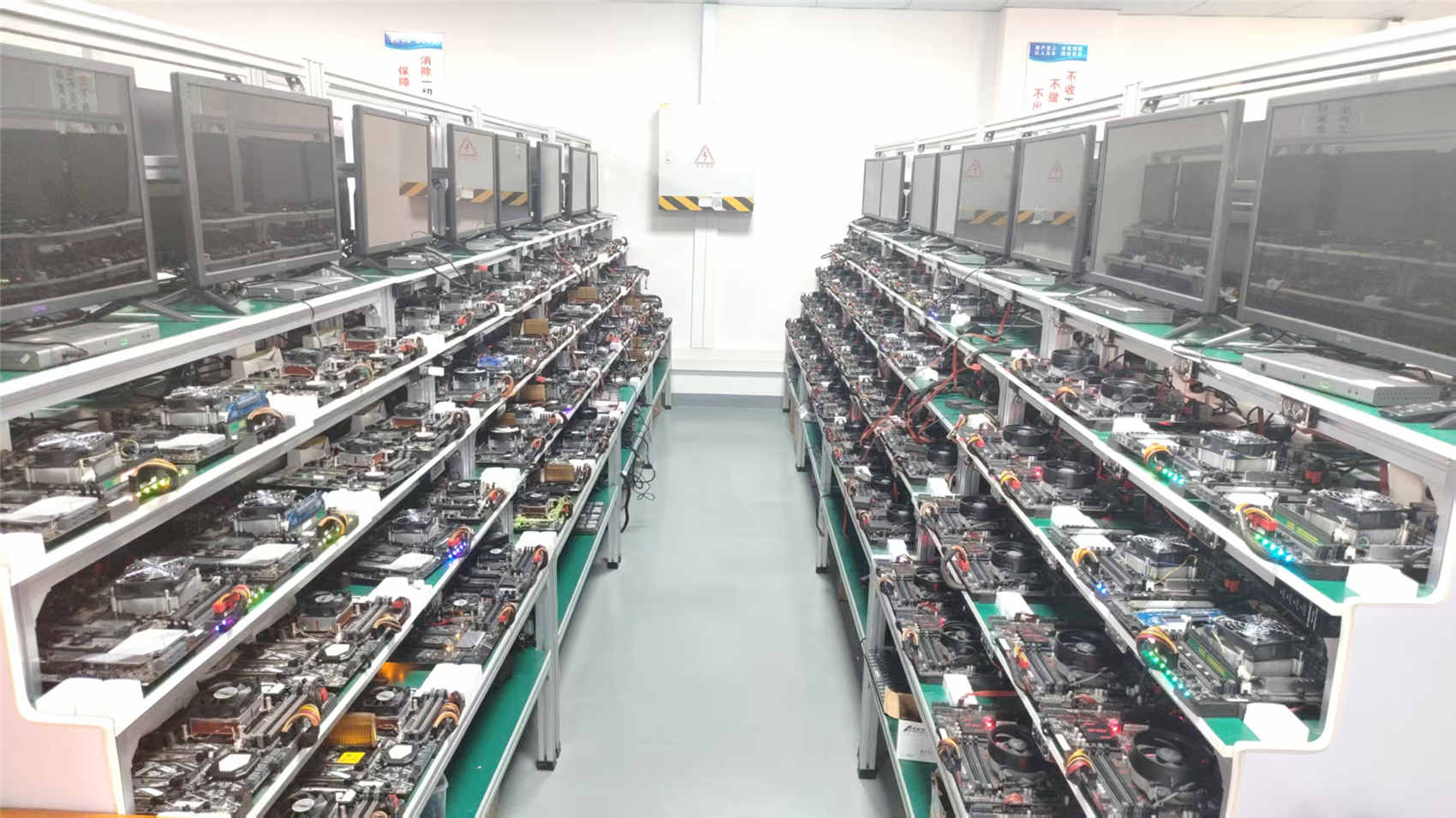
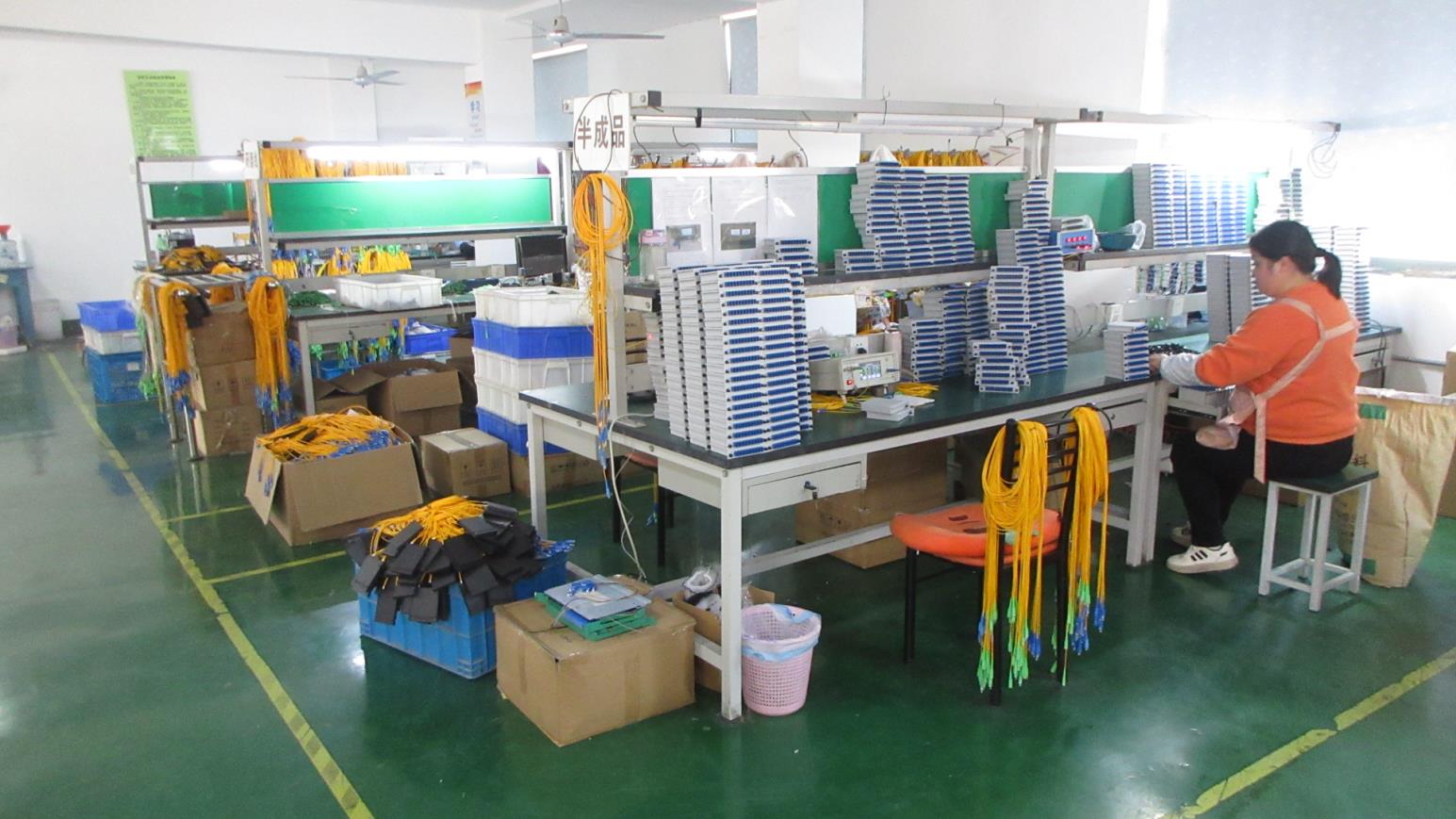
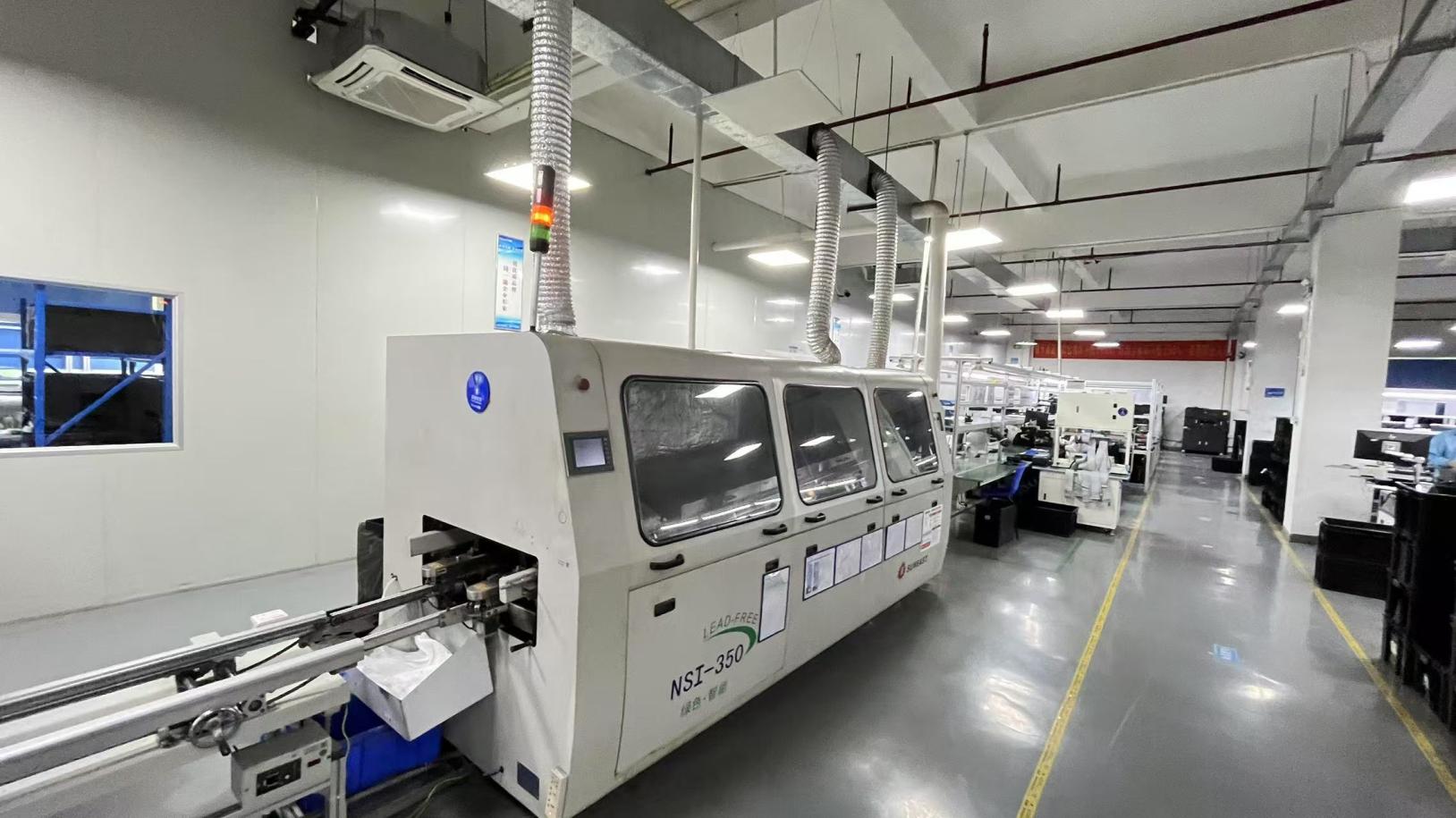
Our manufacturing center covers a modern 12,600㎡ facility, utilizing advanced automated assembly lines. By employing high-speed terminal insertion systems and automated CCD cameras, we reduce mechanical variance, maintaining defect levels under 50 PPM.
China's deep electronics supply chain enables FiberQ to build partnerships with over 1,450 component suppliers. This solid network secures essential raw materials—like high-grade liquid crystal polymers (LCP), copper alloys, and high-quality optical components—helping protect our customers from global supply shocks.
Our vertical integration approach yields key advantages:
- Shorter Lead Times: Rapid transition from tooling to volume production.
- Flexible Customization: Efficient adjustment of pin layouts, custom housing configurations, and board profiles.
- Effective Cost Structure: Lower operational costs and modern factory design reduce total cost of ownership (TCO) without sacrificing quality.
6. Quality Standards, Compliance, and Global Localization Support
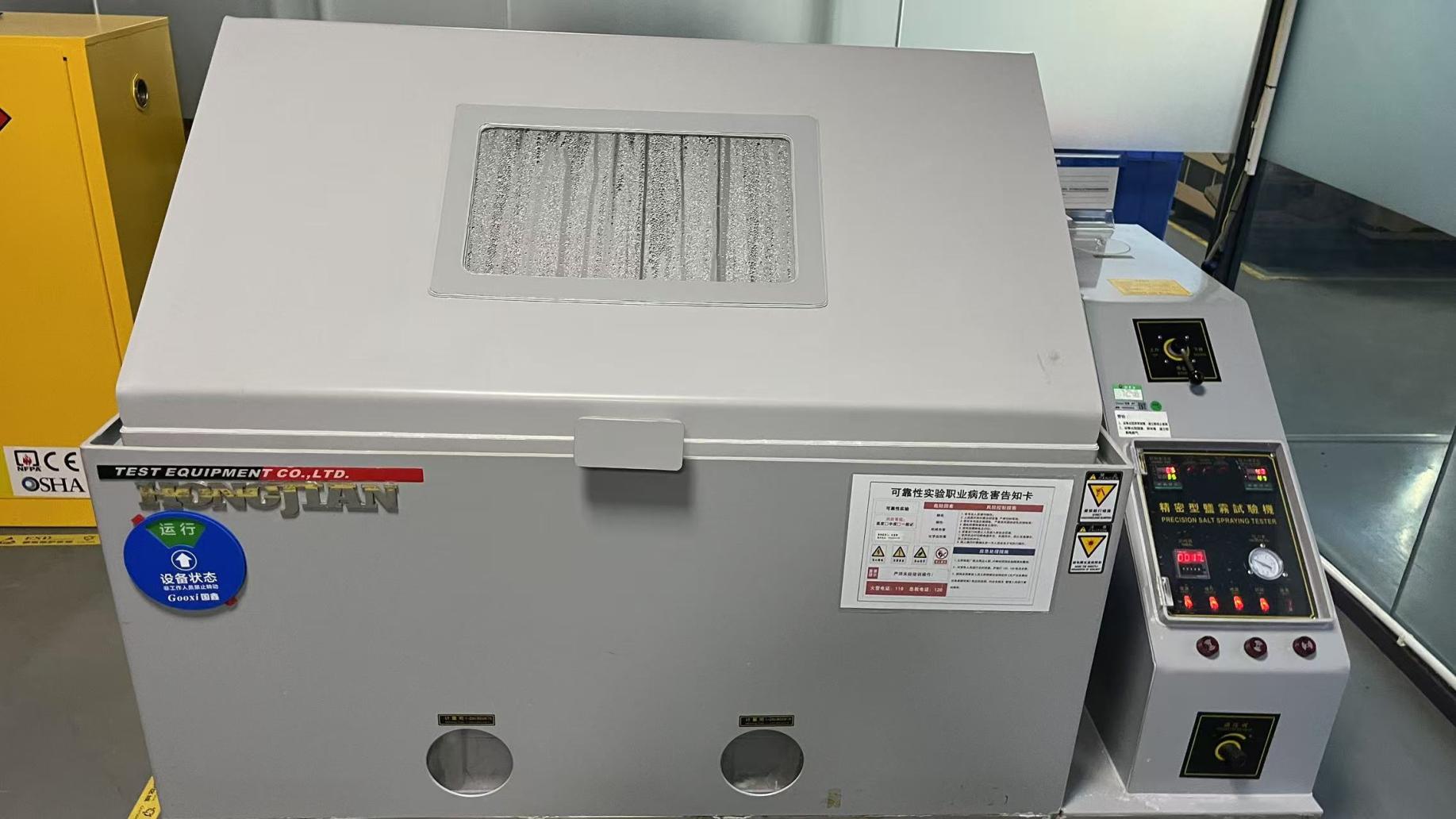
Operating in competitive markets like North America, Europe, Japan, and Southeast Asia requires strict adherence to international standards. Our dedicated quality team, consisting of 62 quality inspectors, enforces structured testing routines at every stage of production.
Every batch of ethernet connectors and optical transceivers undergo exhaustive evaluation:
- Interferometric Testing: Checks fiber endface geometries to prevent insertion loss.
- Thermal Aging: Operational burn-in cycles conducted at high temperatures simulate life-cycle aging.
- Automated Network Analysis: Measures return loss, crosstalk, and impedance matching.
All products meet IEEE 802.3 Ethernet guidelines, carry CE and FCC certifications, and comply fully with RoHS and REACH environmental mandates.