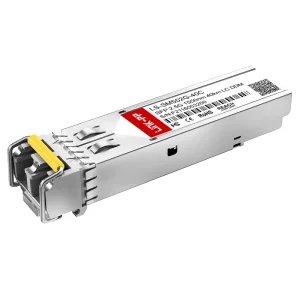
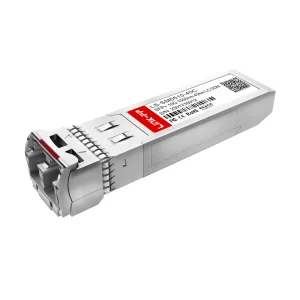
FiberQ
FiberQ
FiberQ
High-reliability optical components optimized for South Africa's evolving carrier networks and municipal fiber initiatives.
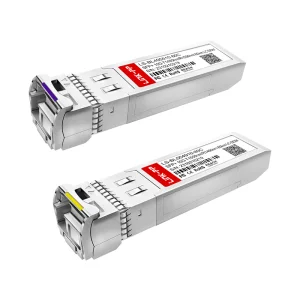
As the most industrialized economy in Sub-Saharan Africa, South Africa is undergoing a rapid, structural digital transformation. The confluence of key subsea fiber optic cables landing on its coastlines—including the high-capacity Equiano and 2Africa cables—has unlocked unprecedented international bandwidth. However, translating this backhaul capacity into reliable domestic access requires a robust municipal, metro, and long-haul terrestrial transport network. In this framework, the demand for highly reliable physical layer components like SFP connectors, transceivers, and RJ45 modular jacks has surged.
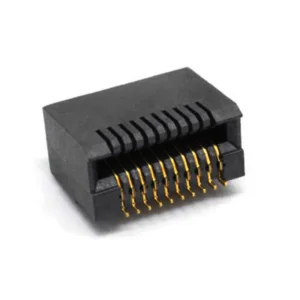
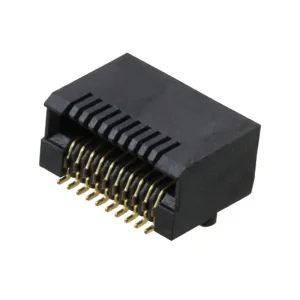
Operating in South Africa introduces unique environmental and systemic challenges. Power instability, specifically load shedding, forces telecom operators (such as MTN, Vodacom, Telkom, and Liquid Intelligent Technologies) to deploy ruggedized outdoor edge cabinets and battery-backed base stations. These localized enclosures experience extreme thermal fluctuations and atmospheric variations, accelerating hardware degradation. Therefore, deploying SFP cages with premium EMI shielding, gold-plated contacts (up to 30u"), and superior thermal dissipation properties is not merely a performance target but an absolute operational necessity to maintain uptime.
Aligning local infrastructure with the global trend toward next-generation high-bandwidth optoelectronics.
The legacy 1Gb/s SFP standard has evolved to 10G SFP+, 25G SFP28, and up to 100G/400G QSFP form factors. For South African enterprises updating corporate WANs or deploying Metro Ethernet, selecting backwards-compatible SFP cages and high-integrity SMT connectors ensures that hardware infrastructures built today remain compatible with future bandwidth demands without requiring complete mainboard replacements.
High-frequency data lines suffer from severe Electromagnetic Interference (EMI). Modern SFP cages utilize advanced press-fit technology, copper alloys, and elastomer gaskets to ground electrical noise, which is crucial in co-located carrier hubs where hundreds of fiber paths converge onto dense patch panels.
Corrosion is the primary failure vector in coastal deployment hubs like Cape Town and Durban. By using up to 30u" gold-plated contact interfaces on SMT connectors, we ensure minimum contact resistance (<30mΩ) and guarantee over 250 insertion cycles, preventing signaling dropouts in salty, high-humidity environments.
"Technological resilience in network deployments requires precision manufacturing. FiberQ's commitment to delivering sub-millisecond signal integrity relies heavily on our compliance with SFF-8431 specifications and Telcordia GR-468 core reliability metrics."
FiberQ Photonics brings world-class manufacturing capacities to critical Southern African network projects.
How FiberQ interconnect solutions are utilized across diverse industries in South Africa.
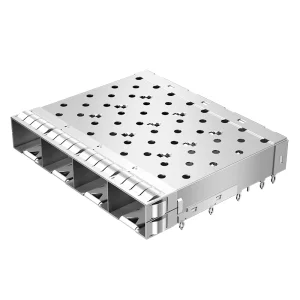
With multinational cloud providers establishing local availability zones, high-density optical transceivers and SFP+ cages are deployed within multi-tenant facilities (such as Teraco). In these installations, multi-port SFP cages (e.g., 1x4 and 2x2 configurations) are required to support ultra-dense leaf-spine switch architectures. FiberQ SFP components ensure minimal power consumption (<1.0W per port) to reduce HVAC overheads.
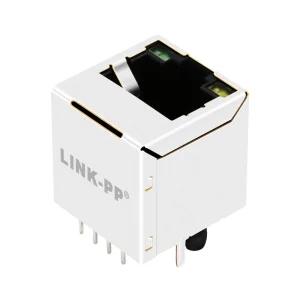
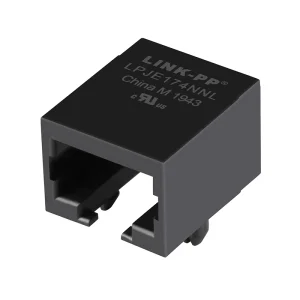
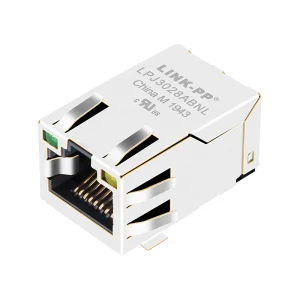
Deep-level mining operations rely on fiber networks to run real-time telemetry, seismic monitoring, and automated extraction machinery. The interconnect points must withstand dust, heavy vibrations, and moisture. Our press-fit, EMI-shielded cages and ruggedized RJ45 connectors with integrated magnetics ensure that the electrical-to-optical conversion points are immune to the electromagnetic fields generated by heavy industrial motors and power distribution cables.
The ongoing rollout of Fiber-to-the-Home (FTTH) in major metros like Pretoria and Durban North demands high-density GPON/XG-SPON Optical Line Terminal (OLT) installations. The SFP connectors at the OLT and customer-premise equipment (CPE) must deliver long-term reliability. By utilizing FiberQ's gold-plated SMT connectors, operators reduce the rate of passive optical network (PON) faults, lowering operational maintenance costs in remote field hubs.
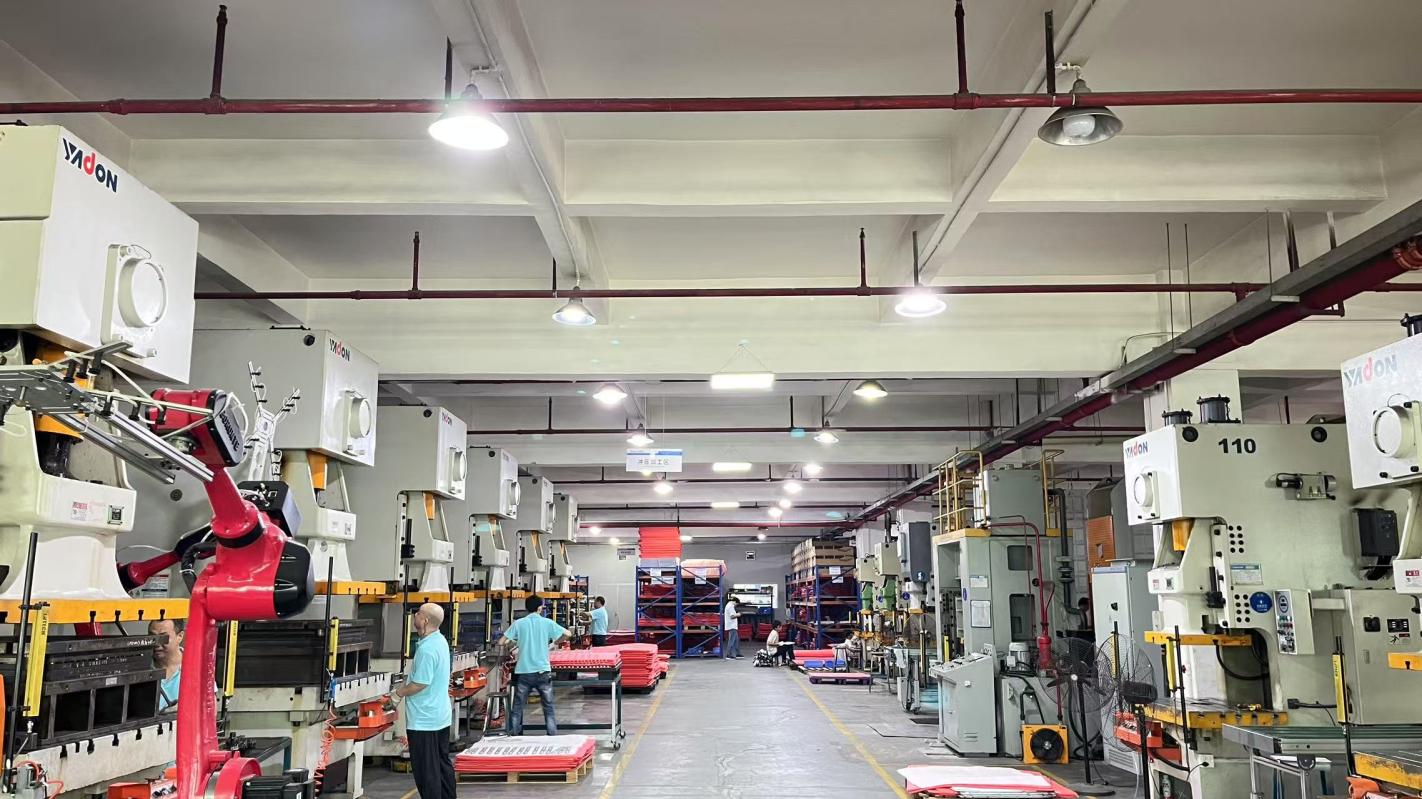
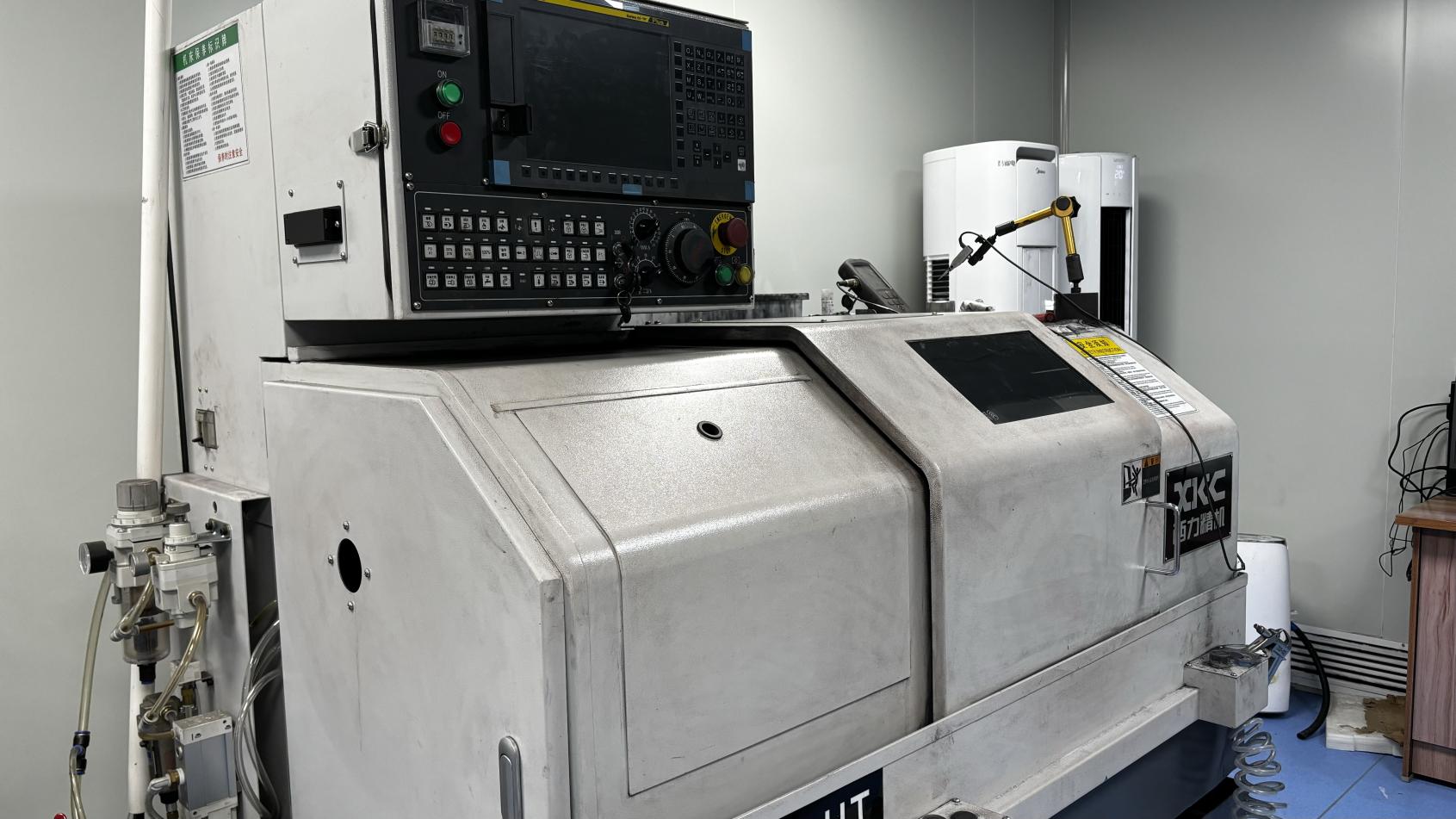
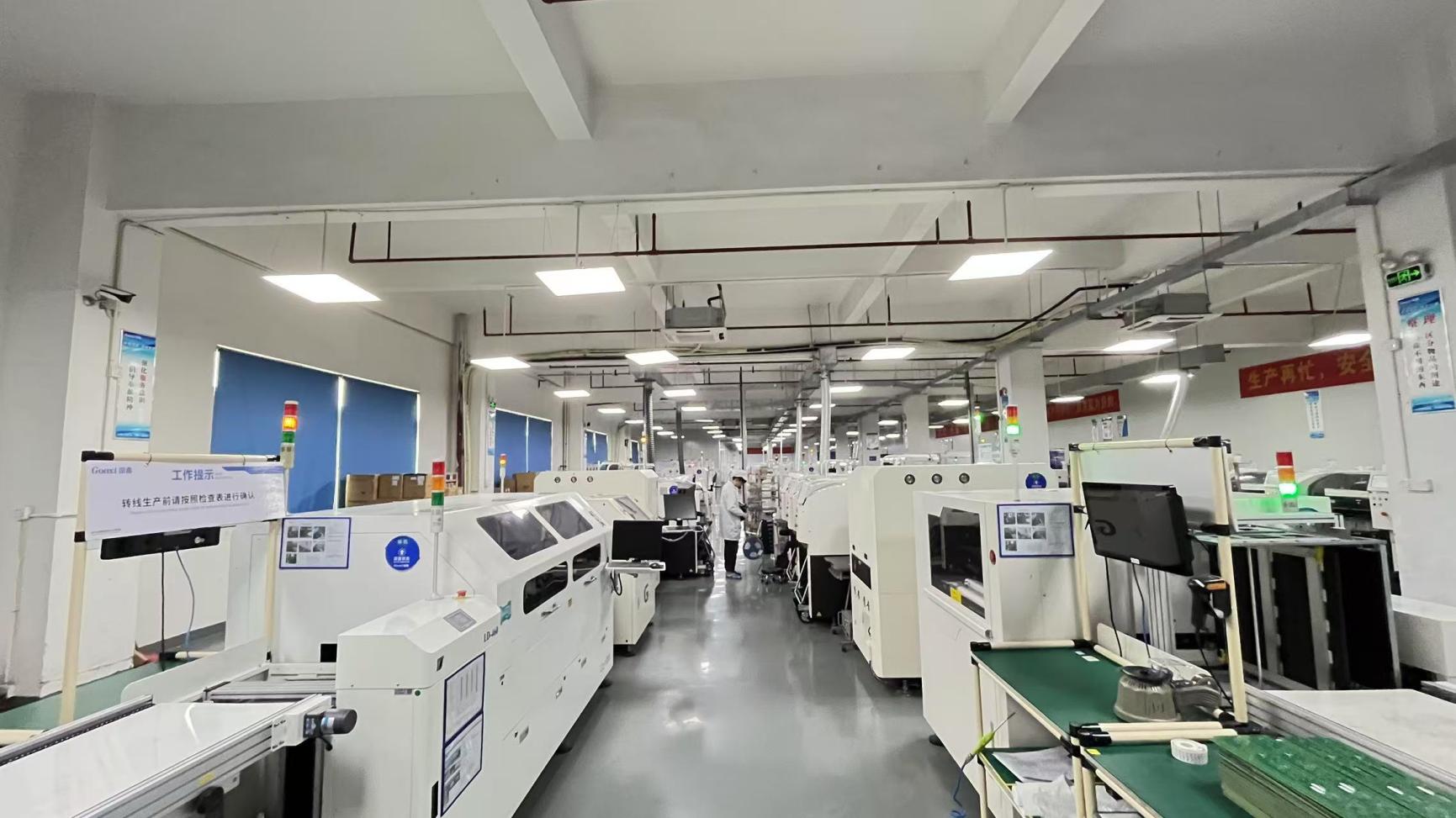
FiberQ Photonics Technology Co., Ltd. (established in 2015) operates a modern 12,600㎡ manufacturing plant designed to meet global OEM and ODM quality expectations. With over USD 9.5 million in annual export revenue, 12 years of industry experience, and 6 years of focused global export logistics, we maintain a robust supply chain that meets the dynamic delivery timelines required by South African contractors.
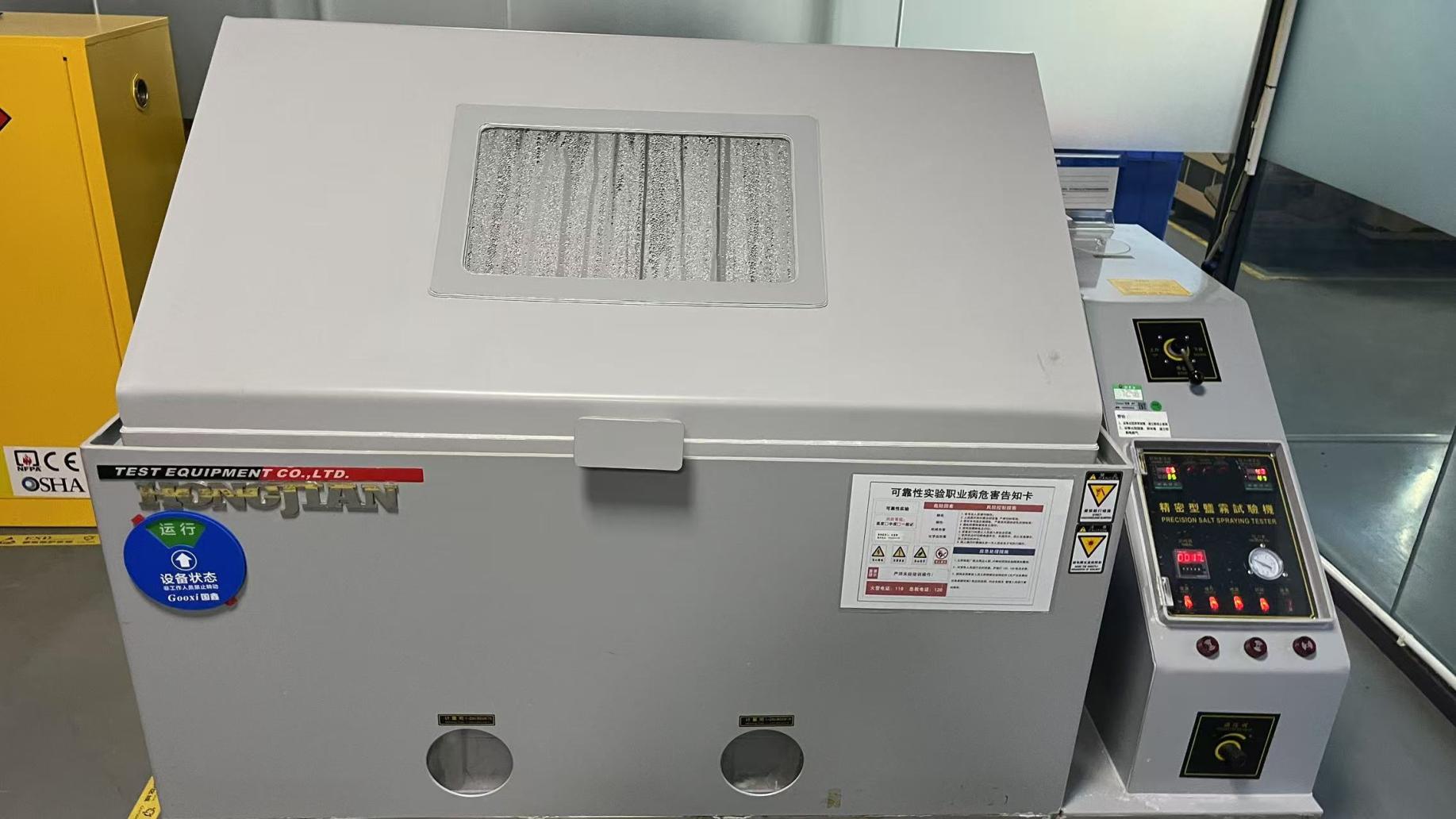
Our quality control protocols include automated optical alignment, 3D interferometric end-face inspections, high-temperature aging chambers, and high-frequency signal integrity analysis. Our QA division of 62 inspectors ensures that every connector batch complies with GR-326-CORE and IEC 61300 standards. Our product catalog ranges from high-speed transceivers to SFP connector cages and POE telecom transformers, ensuring compatibility across multi-vendor networks.
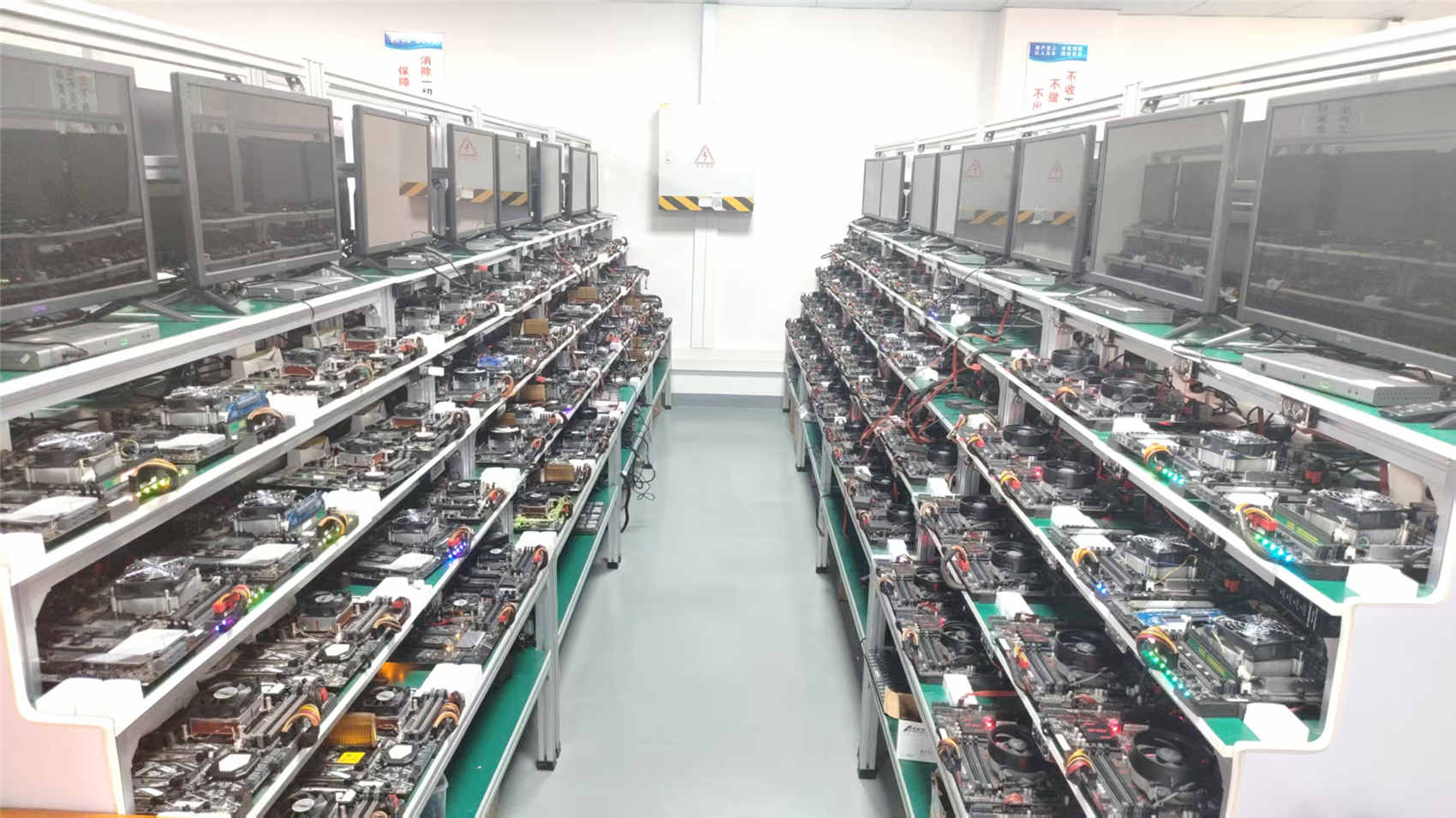
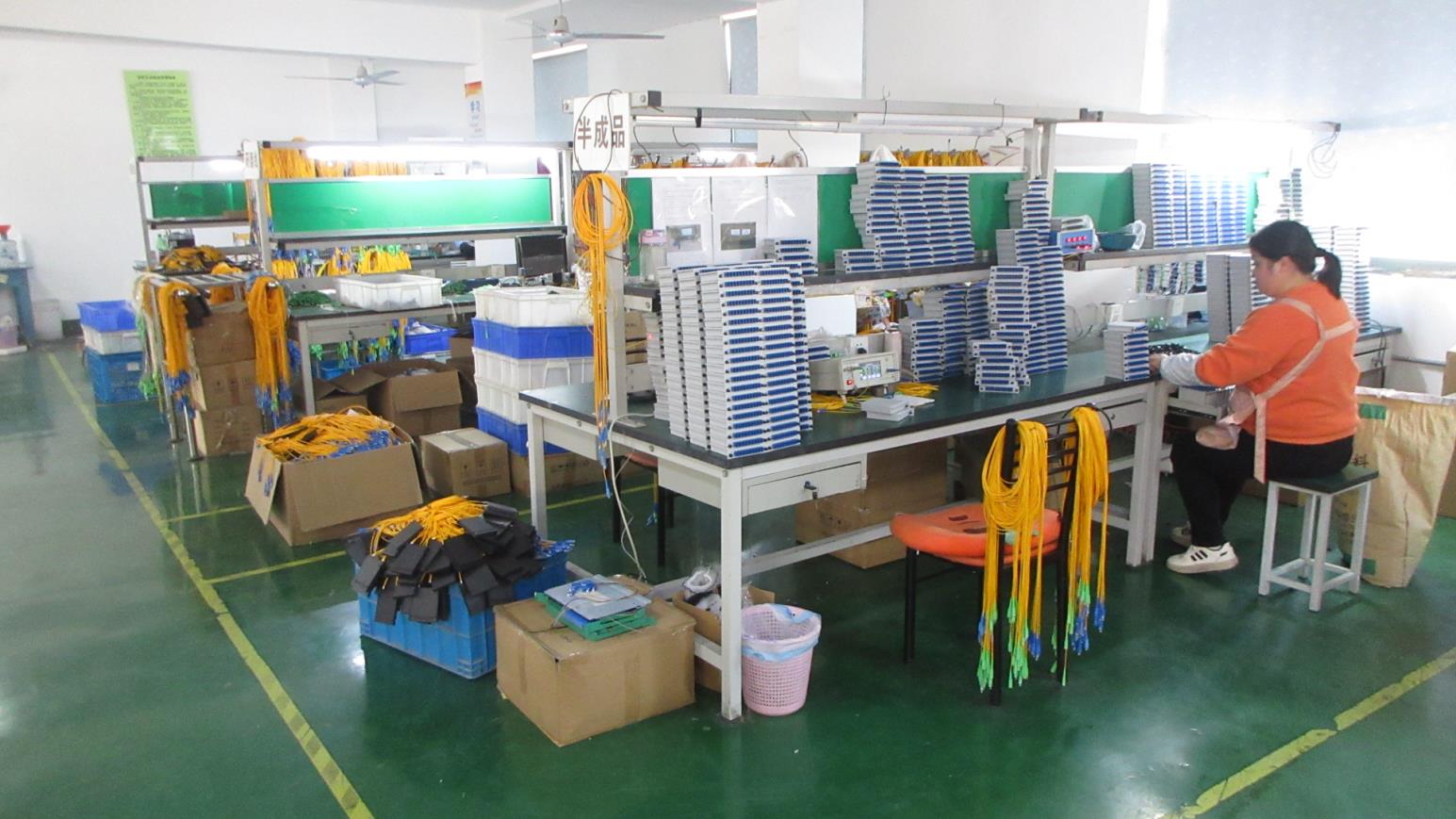
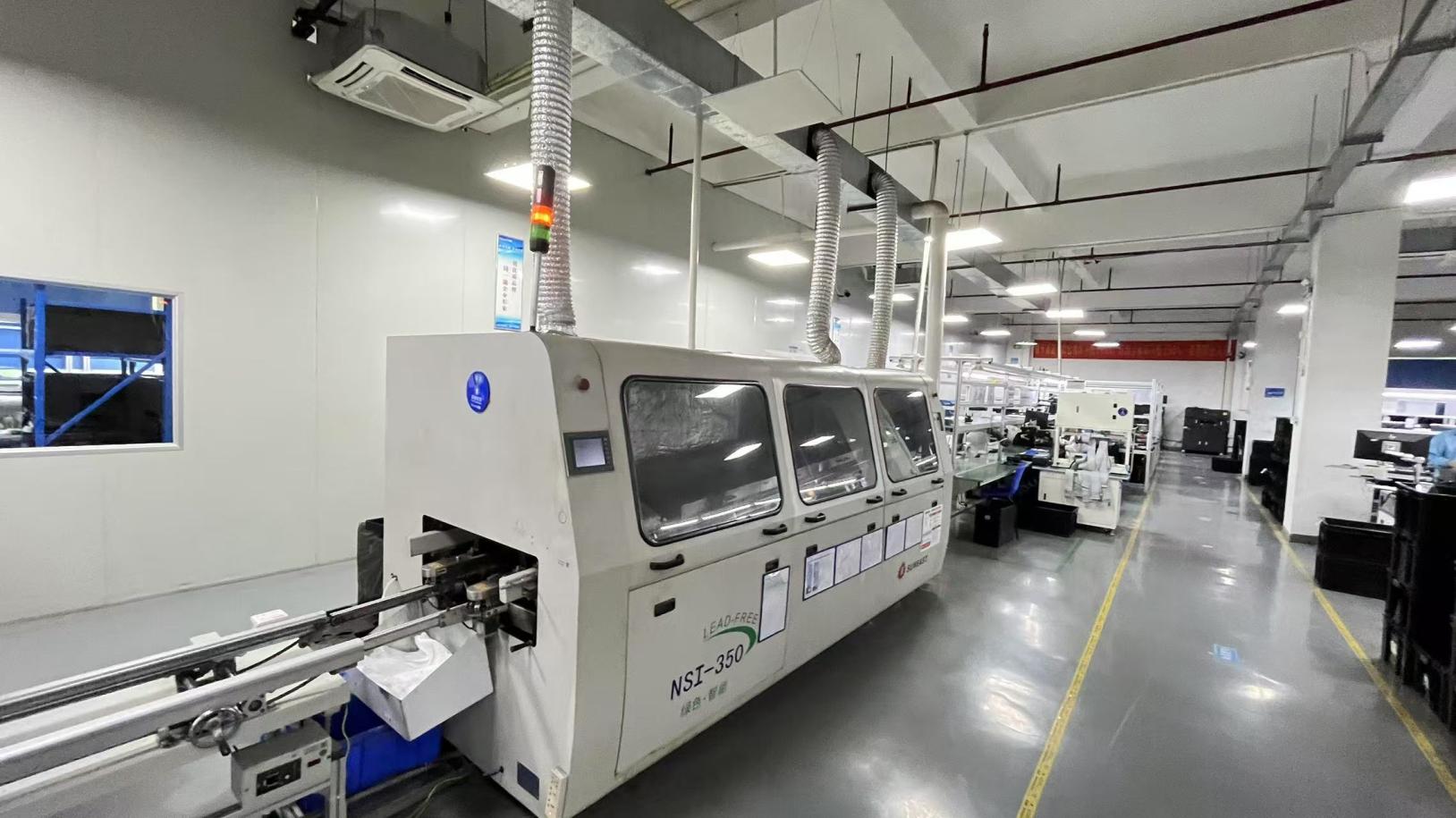
A comprehensive range of high-performance components including RJ45 magnetic modules, transceiver modules, and telecom transformers.
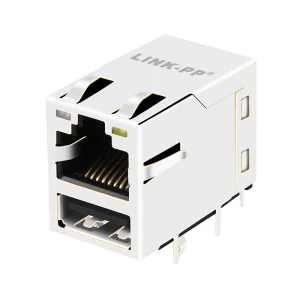
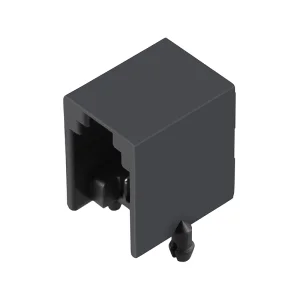
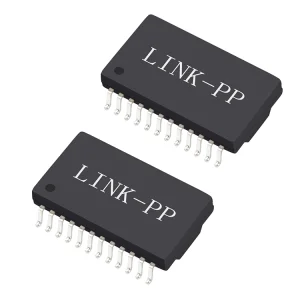
Technical clarifications regarding deployment, compatibility, and specifications of SFP connectors in Southern Africa.
Contact our technical engineering team for customization details, custom pin configurations, S-parameter testing reports, and batch discount rates for South African infrastructure initiatives.