FiberQ
FiberQ
FiberQ
Engineered for low insertion loss, thermal efficiency, and superior EMI shielding across Canadian optical networks.
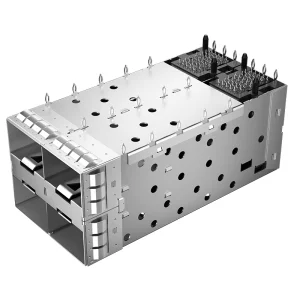
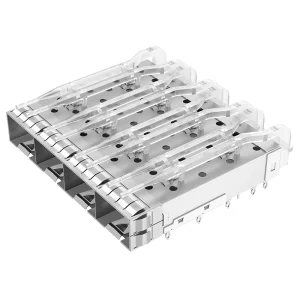 2110069-1 TE Compatible Ganged 1x4 Ports EMI Shielded Press Fit SFP+ Cage With Light Pipe (Toronto Infrastructure Spec)
View Details
2110069-1 TE Compatible Ganged 1x4 Ports EMI Shielded Press Fit SFP+ Cage With Light Pipe (Toronto Infrastructure Spec)
View Details
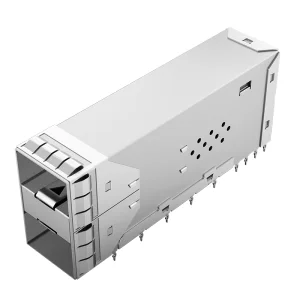 2198318-1 TE Replacement 2x1 Ports Through Hole Press-Fit 40P EMI Shielded ZSFP+ Cage With Connector (Montreal Cloud Standard)
View Details
2198318-1 TE Replacement 2x1 Ports Through Hole Press-Fit 40P EMI Shielded ZSFP+ Cage With Connector (Montreal Cloud Standard)
View Details
As Canada rapidly accelerates its digital infrastructure, the demand for robust, high-performance hardware has reached unprecedented levels. Modern high-density optical communication systems require components that can sustain massive bandwidth, eliminate signal degradation, and minimize electromagnetic interference (EMI). SFP (Small Form-factor Pluggable) cages act as the physical anchor and electromagnetic shield for critical transceiver modules within switches, routers, and network interface cards (NICs).
We deploy high-density, multi-port SFP cages configured with integrated light pipes and enhanced heat sinks, designed for multi-tenant colocation environments in Toronto, Montreal, and Vancouver.
Custom copper-alloy cages with highly-conductive nickel plating provide an optimal thermal dissipation path, lowering ambient temperatures inside high-performance switches.
Equipped with advanced EMI spring fingers and conductive elastomeric gaskets, ensuring zero leakage of electromagnetic noise up to frequencies of 40 GHz.
The global transition from 10G and 25G architectures toward 100G, 400G, and 800G optical interfaces has transformed mechanical design parameters for SFP, QSFP, and OSFP cages. In hyperscale datacenters, the transceiver power consumption has skyrocketed from less than 1 Watt to over 15 Watts per module. This escalation requires high-precision manufacturing to ensure the metal SFP cage is capable of acting as an effective heat sink connector interface.
Furthermore, signal integrity at high frequencies is highly susceptible to EMI leakage through the card-edge interface. Consequently, global network equipment providers require cages built to strict Multi-Source Agreement (MSA) standards. Achieving compliant press-fit pins, precise mechanical tolerances, and reliable spring-finger grounding is essential to ensure seamless cross-vendor compatibility.
Our cages utilize high-performance copper alloys (C5191 phosphor bronze) combined with precision plating processes (nickel underplating with matte tin or gold flash finishes). This prevents whisker growth, increases durability to over 100 mating cycles, and guarantees continuous structural compliance under fluctuating operational stresses.
Precision mechanical engineering is the cornerstone of SFP cage performance. The table below outlines the core differences in materials, configurations, and mechanical structures engineered to meet the demands of enterprise-grade telecommunication infrastructures.
| Engineering Parameter | Standard SFP / SFP+ Cage Specs | High-Density zSFP+ / QSFP+ Cage Specs | Target Application Benefit |
|---|---|---|---|
| Base Metal Composition | Phosphor Bronze (C5191) | High-Conductivity Copper Alloy | Ensures structural rigidity and high thermal transfer rate. |
| Plating Specifications | Nickel underlayer, Matte Tin finish | Nickel underlayer, Gold-flash contact zones | Prevents oxidation and eliminates tin whisker short-circuits. |
| EMI Grounding Structure | Metal Spring Fingers | Conductive Elastomeric Gaskets & Springs | Reduces high-frequency electromagnetic leakage up to 40 GHz. |
| Termination Styles | Press-Fit (Compliant Pin) or Wave Solder | Press-Fit (Eye-of-the-Needle Compliant Pins) | Facilitates reliable solderless PCB integration. |
| Mating Cycles Durability | Min 100 cycles | Min 250 cycles | Supports repeated hardware updates without physical deformation. |
FiberQ Photonics Technology Co., Ltd. is a professional manufacturer specializing in high-performance fiber optic transceivers and advanced photonic communication solutions for data centers, telecom networks, and high-speed interconnect applications. Founded in 2015, the company has grown into a trusted global supplier with strong engineering and export capabilities.
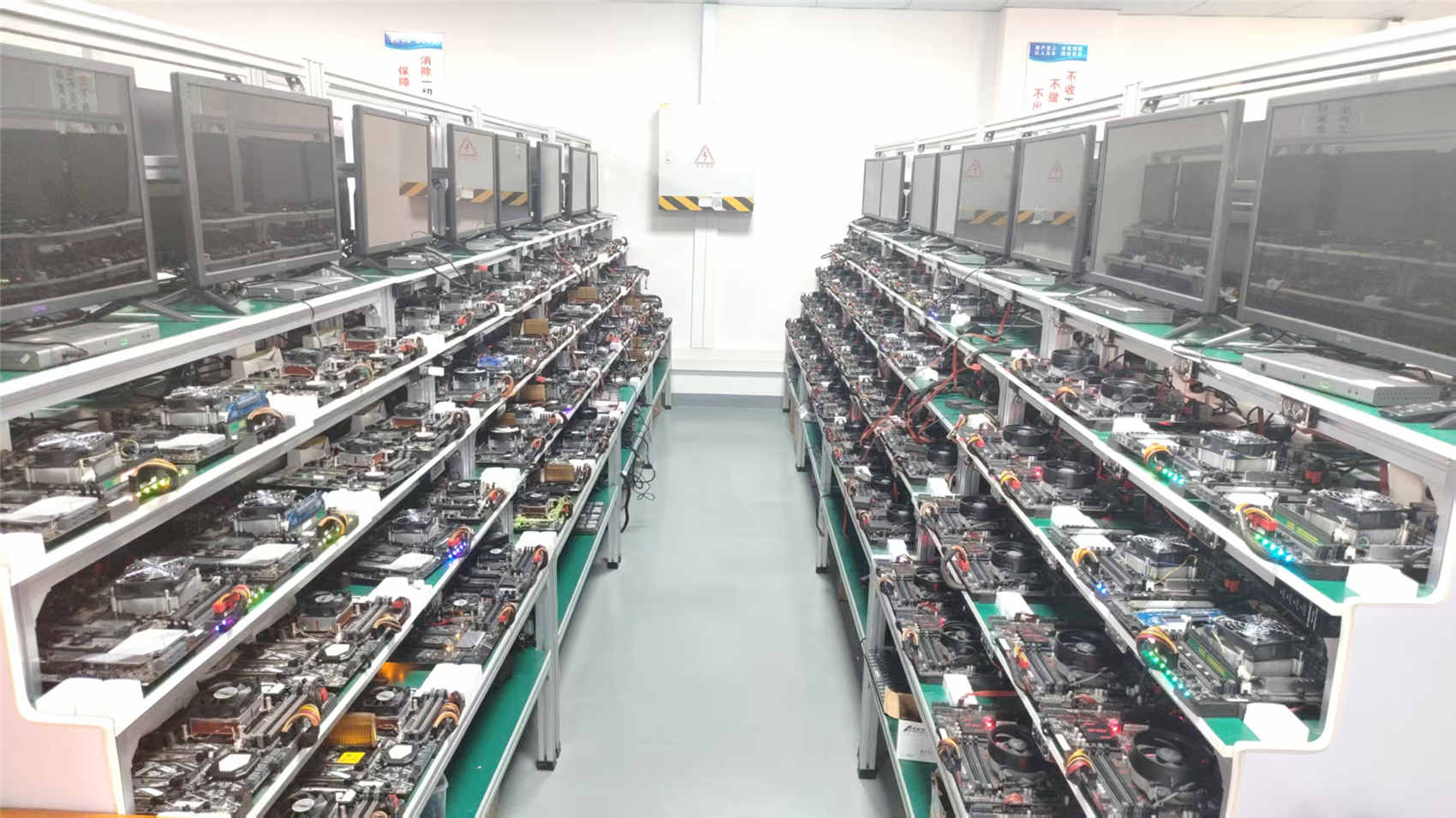
The company operates a modern production facility covering approximately 12,600㎡, enabling scalable manufacturing, precision assembly, and strict quality control processes. With annual export revenue reaching around USD 9.5 million, FiberQ has accumulated 6 years of export experience and 12 years of industry expertise in optical communication technologies.
Quality assurance is ensured through a combination of automated optical performance testing, interferometric inspection, high-temperature aging tests, and manual quality checks. The quality control team consists of 62 experienced inspectors dedicated to maintaining product reliability and compliance with international standards. FiberQ maintains a strong trade background focused on OEM and ODM partnerships. Its primary markets include North America, Europe, Japan, and Southeast Asia, serving telecom operators, cloud service providers, and enterprise network integrators.
With strong R&D capabilities, FiberQ supports advanced customization including protocol compatibility (100G/200G/400G/800G), wavelength engineering, thermal optimization, and form-factor adaptation. The company employs around 240 R&D engineers focused on optical design, signal integrity, and high-speed hardware development. In the past year, FiberQ launched approximately 180 new products, reflecting its continuous innovation in next-generation optical communication solutions.
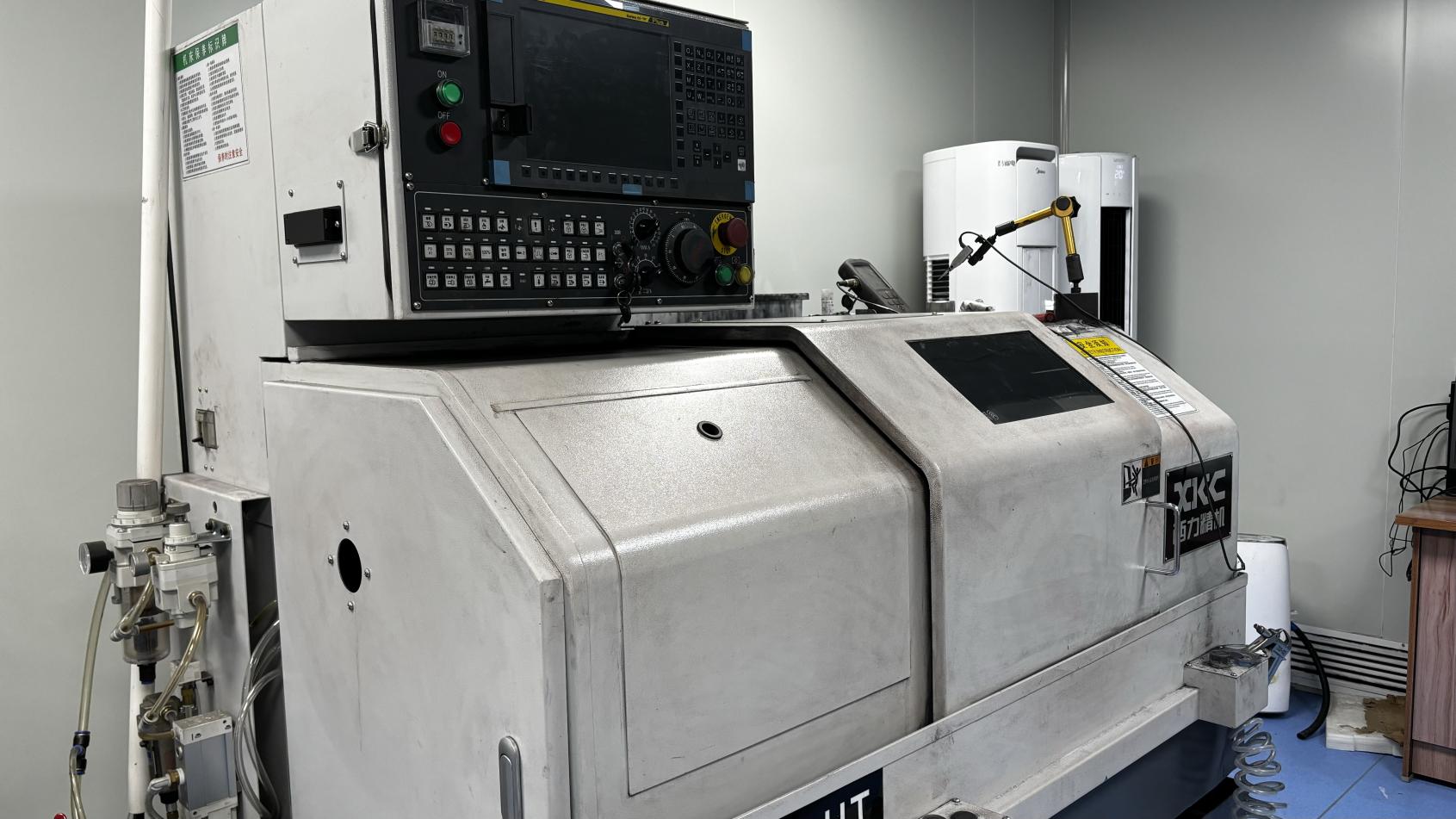

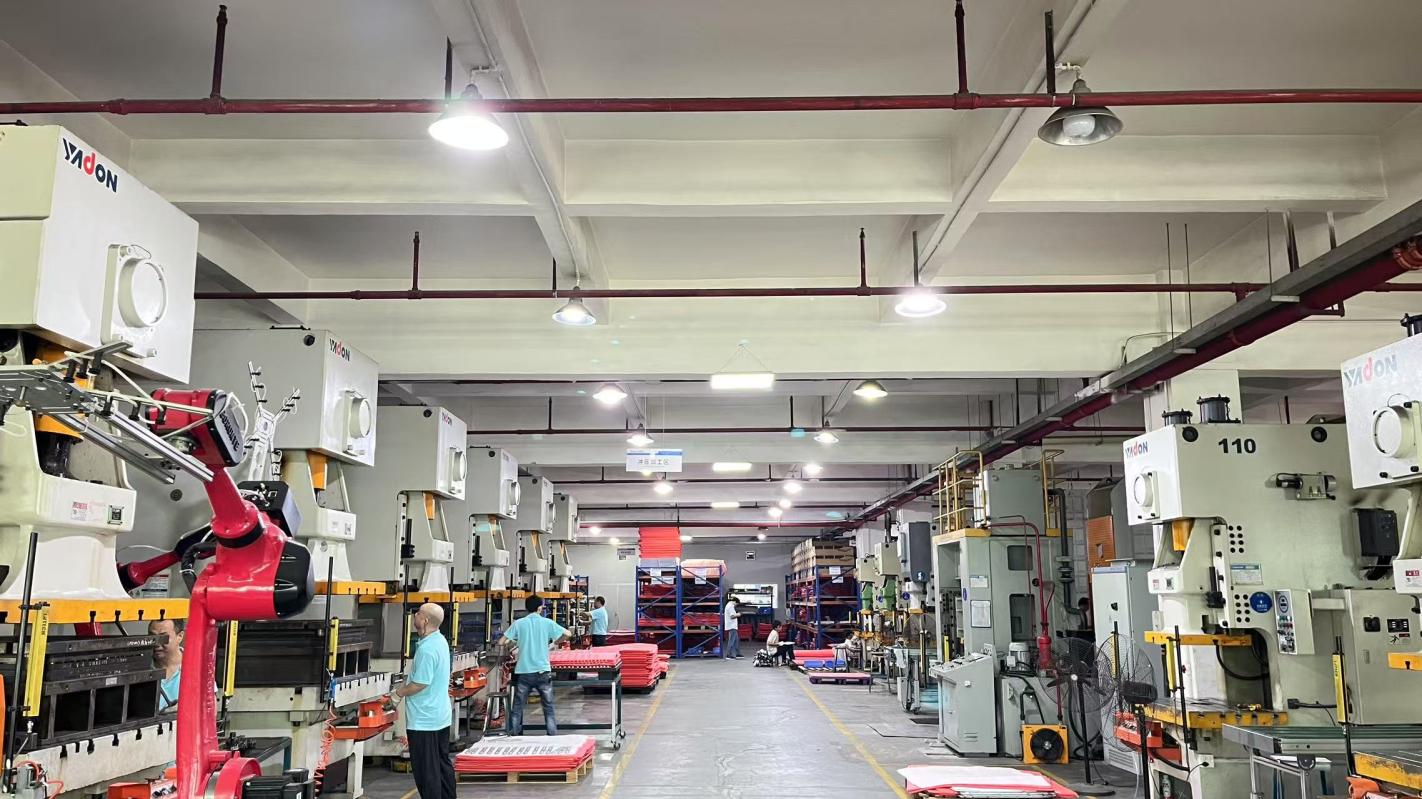
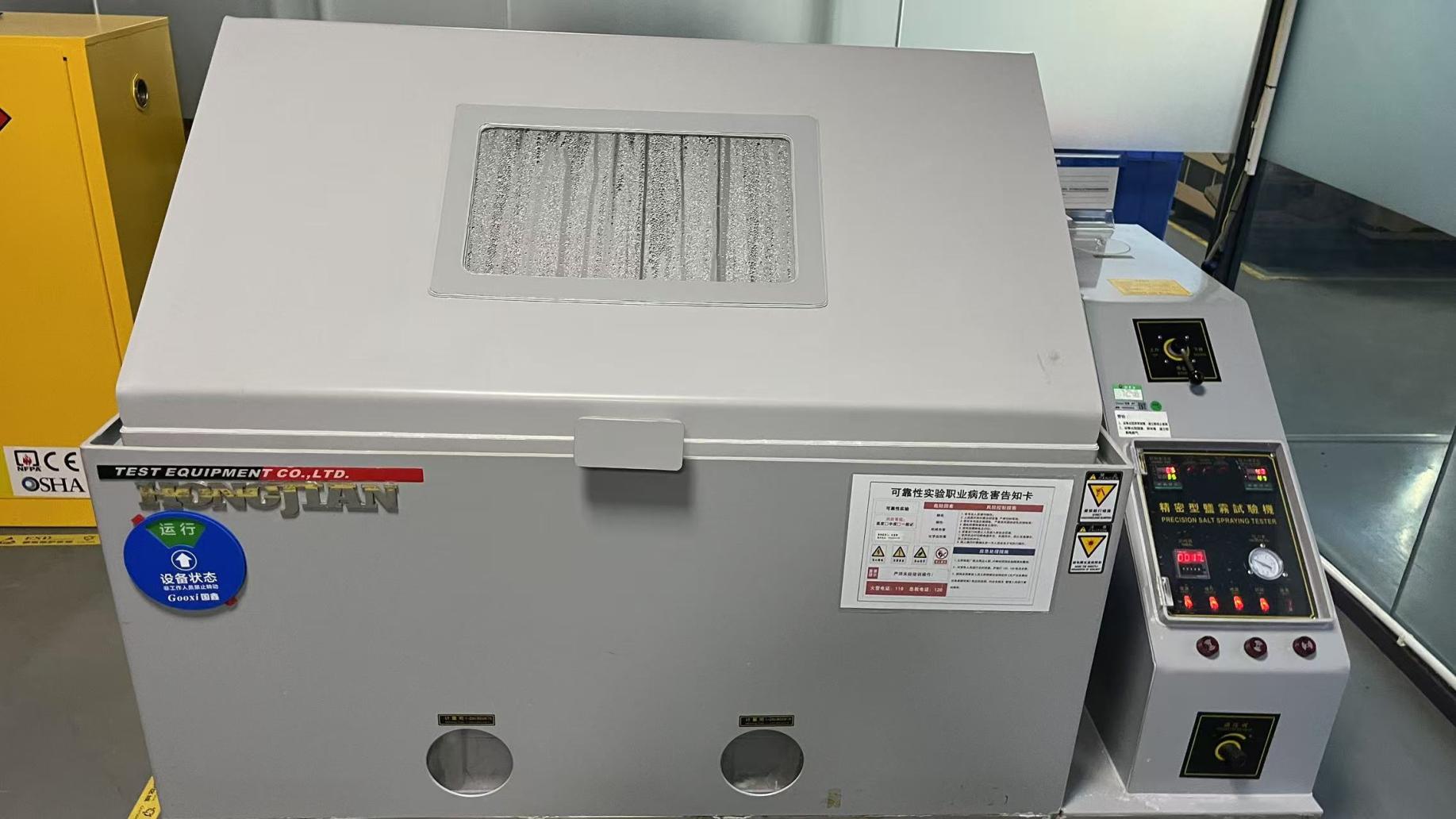
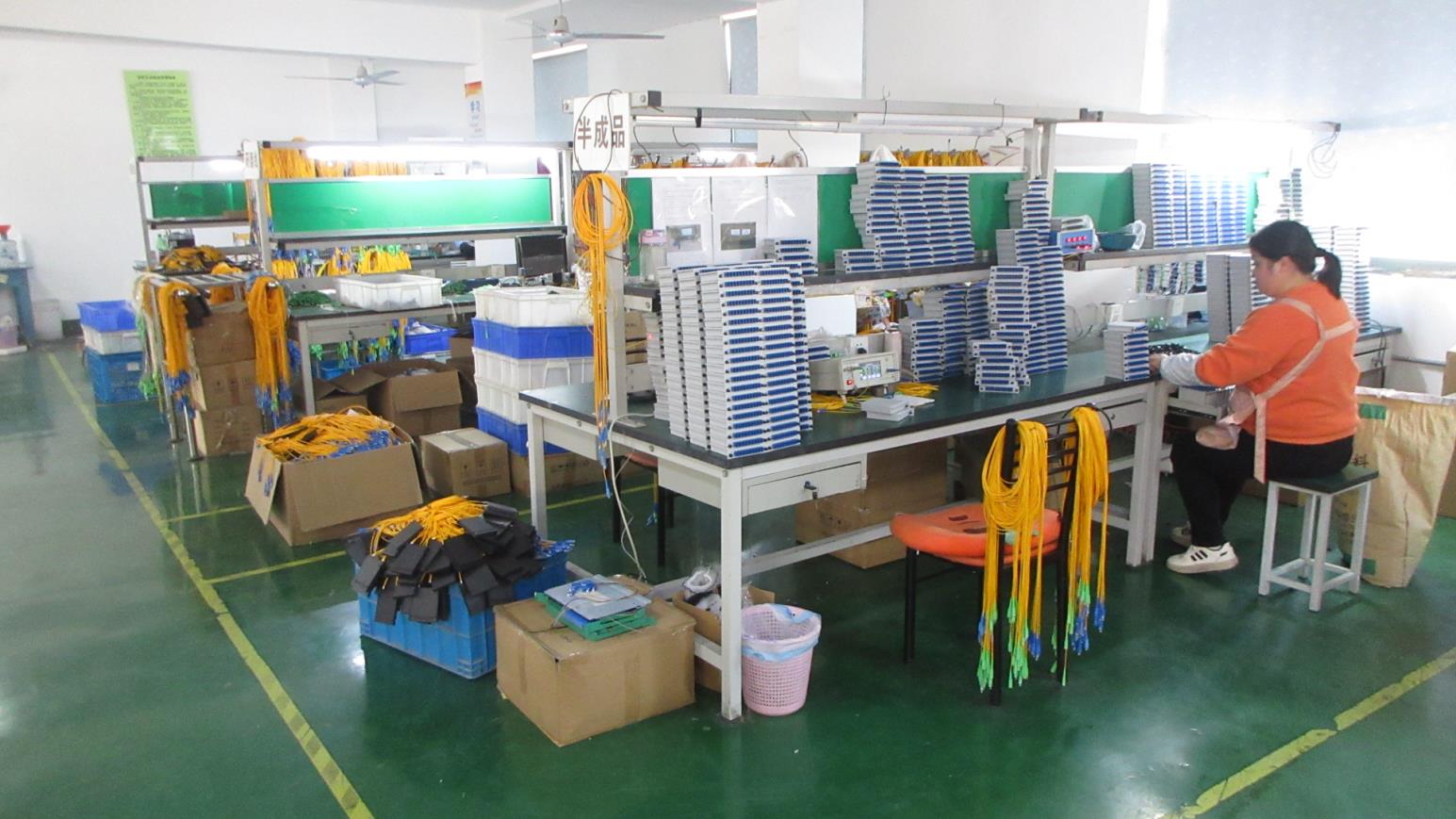
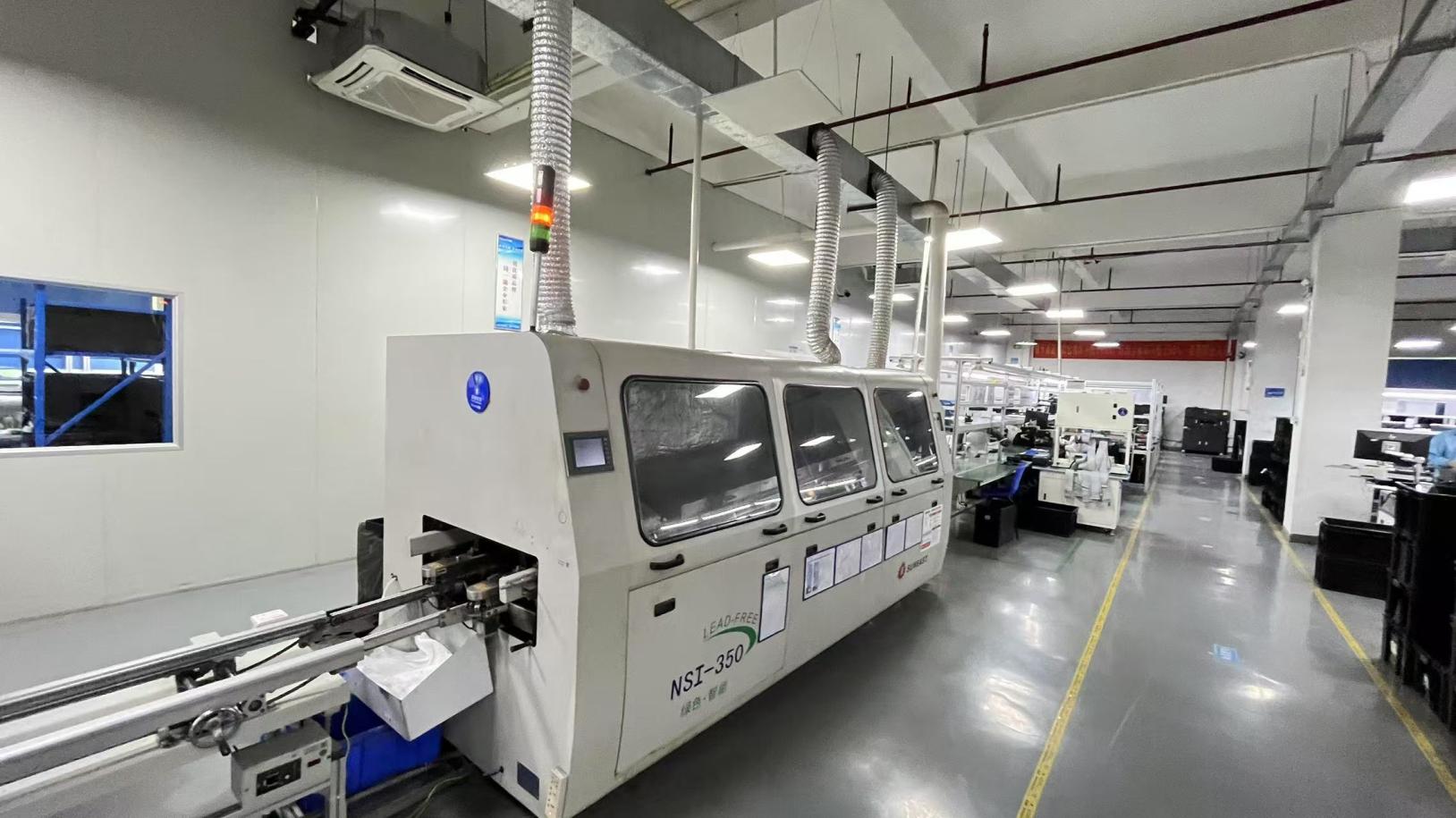
Optical networks operating across Canada must adapt to diverse geographical environments, requiring strict hardware customization. SFP cages must protect transceivers from both high temperatures inside urban data hubs and cold outdoor temperatures in remote installations.
Edge nodes deployed in remote regions across Northern Canada require network components that can withstand extreme temperature variations. Our custom press-fit SFP cages ensure mechanically stable contacts despite continuous thermal expansion and contraction, preventing connection issues in unmanned facilities.
Financial infrastructure around Toronto’s Bay Street requires ultra-low latency. By utilizing ganged SFP cages with optimized trace geometry and integrated connectors, we help systems reduce signal reflection. This design maintains high signal integrity at high transmission rates, helping trading platforms run reliably.
As the optical communication industry aims to achieve transmission speeds of 1.6T and beyond, the design of pluggable I/O interfaces is evolving. FiberQ’s R&D team works closely with international standards bodies to develop next-generation connector cages that meet these challenges.
Integrating optical engines directly onto the ASIC substrate reduces trace distances, cutting power consumption. We are designing low-profile cages tailored for CPO implementations.
Future cages will incorporate liquid-cooling channels and micro-fin heat sinks directly on the top surface, helping dissipate heat from 20W+ optical modules.
Optimizing mechanical tolerances for tighter pitch configurations, ensuring multi-port systems are fully backward compatible with legacy SFP form factors.
Explore our full line of network connectors, SFP transceiver modules, and passive cages engineered to international standards.
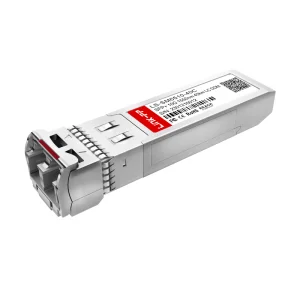
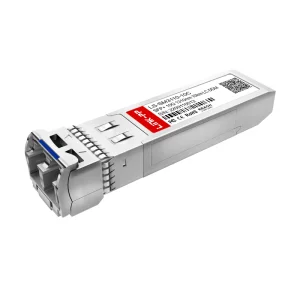 Cisco SFP-10G-LR-S Compatible Duplex LC SMF Optical Transceiver Module (Calgary Regional Node Upgrade)
View Details
Cisco SFP-10G-LR-S Compatible Duplex LC SMF Optical Transceiver Module (Calgary Regional Node Upgrade)
View Details
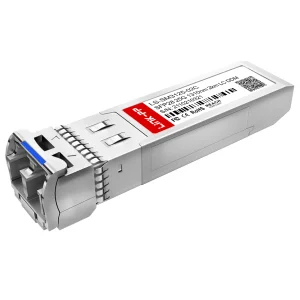 Single Mode 1310nm 25G SFP28 Transceiver 2km SMF LC Fiber Optical Transceiver Module (Edmonton Core Link)
View Details
Single Mode 1310nm 25G SFP28 Transceiver 2km SMF LC Fiber Optical Transceiver Module (Edmonton Core Link)
View Details
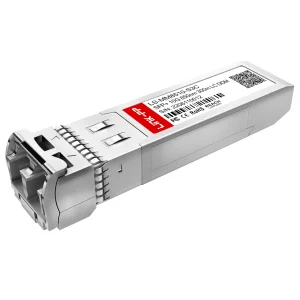 10GBASE-SR SFP+ Transceiver 850nm 300m Duplex LC MMF Fiber Optical Module (Halifax Data Center Spec)
View Details
10GBASE-SR SFP+ Transceiver 850nm 300m Duplex LC MMF Fiber Optical Module (Halifax Data Center Spec)
View Details
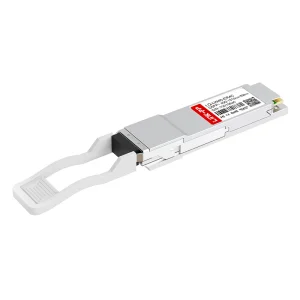 40GBASE-ZR4 SMF Optical Transceiver Module Duplex LC Single Mode 1310nm 40G QSFP+ 80km (Winnipeg Regional Hub)
View Details
40GBASE-ZR4 SMF Optical Transceiver Module Duplex LC Single Mode 1310nm 40G QSFP+ 80km (Winnipeg Regional Hub)
View Details
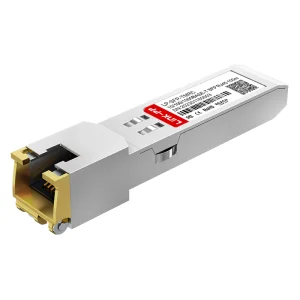 Zyxel SFP-1000T Compatible 1.25G SFP RJ45 Copper Transceiver 100m (Quebec Metro Ethernet Project)
View Details
Zyxel SFP-1000T Compatible 1.25G SFP RJ45 Copper Transceiver 100m (Quebec Metro Ethernet Project)
View Details
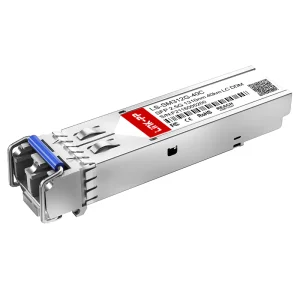 Single Mode SFP 2.5G 1310nm 40km SMF Dual LC Optic Transceiver Module (Saskatoon Telecom Loop)
View Details
Single Mode SFP 2.5G 1310nm 40km SMF Dual LC Optic Transceiver Module (Saskatoon Telecom Loop)
View Details
Addressing high-level engineering and procurement queries regarding SFP cages, specifications, and manufacturing standards.
The EMI shielding of an SFP cage is determined by the material and fit of its grounding contacts (spring fingers or conductive elastomeric gaskets) against the bezel. Spring fingers must maintain mechanical tension against the bezel cutout to provide low contact resistance. Conductive gaskets provide a continuous electrical seal, helping reduce electromagnetic leakage at frequencies above 10 GHz.
Press-fit (compliant pin) termination styles eliminate the thermal stress of wave soldering, which can warp PCBs or cause cold joints in thick, multi-layer backplanes (often 20+ layers). The Eye-of-the-Needle pin geometry deforms elastically to form a gas-tight electrical contact within the plated through-holes. This design supports clean signal propagation and allows for easier field replacement without desoldering.
Integrated light pipes channel light from LEDs located on the main PCB to the front panel, indicating port activity and status. They must be designed to avoid interfering with the EMI grounding fingers or paths for thermal dissipation. Customizing the light pipe height, length, and shape is essential to ensure compatibility with varied faceplate layouts.
All SFP, SFP+, and QSFP cages are manufactured in strict compliance with Multi-Source Agreements (MSA) to ensure cross-vendor compatibility. They are tested to meet RoHS, REACH, and UL 94V-0 flammability standards, and conform to the mechanical and performance criteria defined by Telecordia and IEEE standards.