FiberQ
FiberQ
FiberQ
Engineered for instant 10G and 1G copper migration with zero-packet-loss reliability in high-temperature environments.
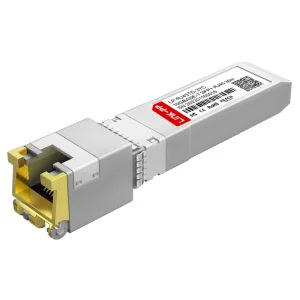
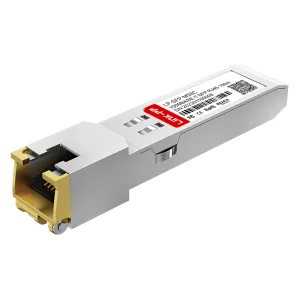
As Japan's leading industrial and automotive capital, the Chubu region—centered around Nagoya and Aichi Prefecture—is undergoing an unprecedented digital transition. From the optimization of robotics in Toyota-affiliated assembly plants to the automated container routing at the Port of Nagoya, the implementation of Industry 4.0 paradigms requires highly reliable, high-speed data transmission networks. Central to this integration is the transition of local data backbones to copper and fiber optic infrastructures that can withstand the electrical noise and physical demands of factory floors.
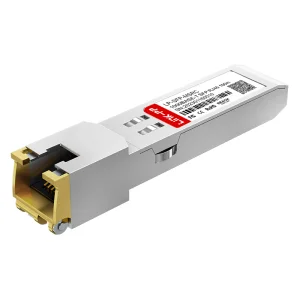
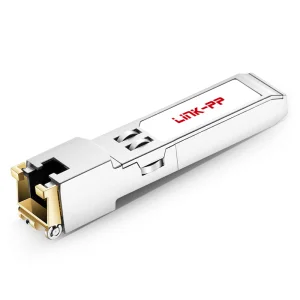
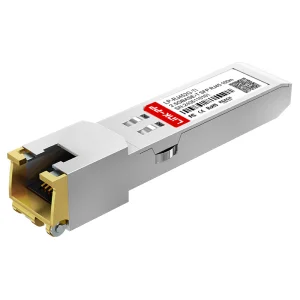
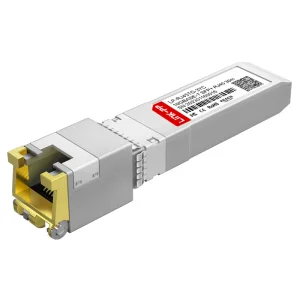
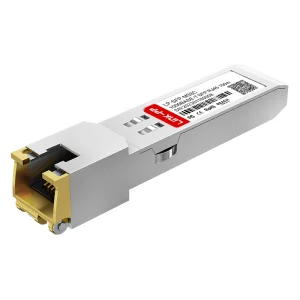
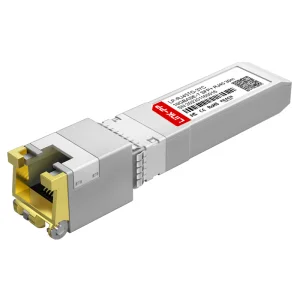
The standard SFP (Small Form-factor Pluggable) slot on switches and routers provides immense versatility. In Nagoya’s industrial networks, where structural wiring is historically built on legacy twisted-pair copper cables (Category 5e, Cat 6, and Cat 6a), replacing the entire cabling infrastructure with fiber optics is cost-prohibitive and operationally disruptive. RJ45 Copper SFP transceiver modules bridge this gap, enabling legacy copper infrastructures to achieve data transfer speeds of up to 10 Gbps over existing copper runs.
This hybrid capability is particularly critical for:
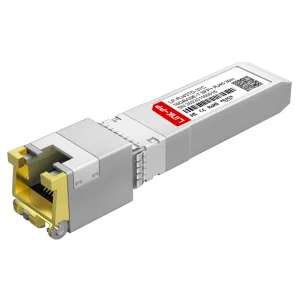
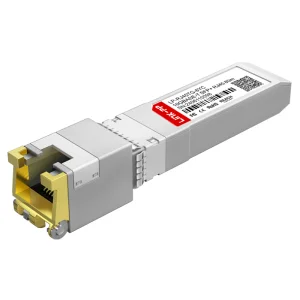
Global network procurement teams purchasing copper SFPs face significant engineering challenges. Unlike optical transceivers, which consume minimal power and generate nominal heat, 10GBASE-T RJ45 SFP+ modules operate close to the thermal boundaries of the SFP specification. A standard SFP slot is designed to dissipate approximately 1.5 Watts. Early generation 10GBASE-T copper SFPs frequently consumed up to 2.5 to 3.0 Watts, leading to localized overheating and switch failures.
FiberQ Photonics has addressed these challenges by developing low-power physical layer (PHY) chipsets that reduce 10GBASE-T SFP+ power consumption to under 1.8W for 30-meter links, ensuring thermal safety and multi-vendor compatibility across platforms like Cisco, HPE, Aruba, and Ubiquiti.
Every module manufactured by FiberQ Photonics is tested to exceed standard MSA (Multi-Source Agreement) requirements, ensuring robust performance under strict Japanese industrial regulations.
EEPROM coding customized for seamless integration with Cisco, HPE Aruba, Ubiquiti, Juniper, and Allied Telesis switches deployed across Japan.
Fully compliant with VCCI Class A/B electromagnetic emissions guidelines, PSE electrical safety regulations, and global RoHS environmental standards.
Optional operating temperature models ranging from -40°C to +85°C, designed specifically for unventilated outdoor nodes and plant floor enclosures.
In the highly competitive telecommunications sector, securing a stable, high-yield supply chain partner is paramount. FiberQ Photonics Technology Co., Ltd. combines cost-efficient China manufacturing infrastructure with high-precision optoelectronic engineering, creating a reliable sourcing solution for Japanese system integrators and global enterprises.
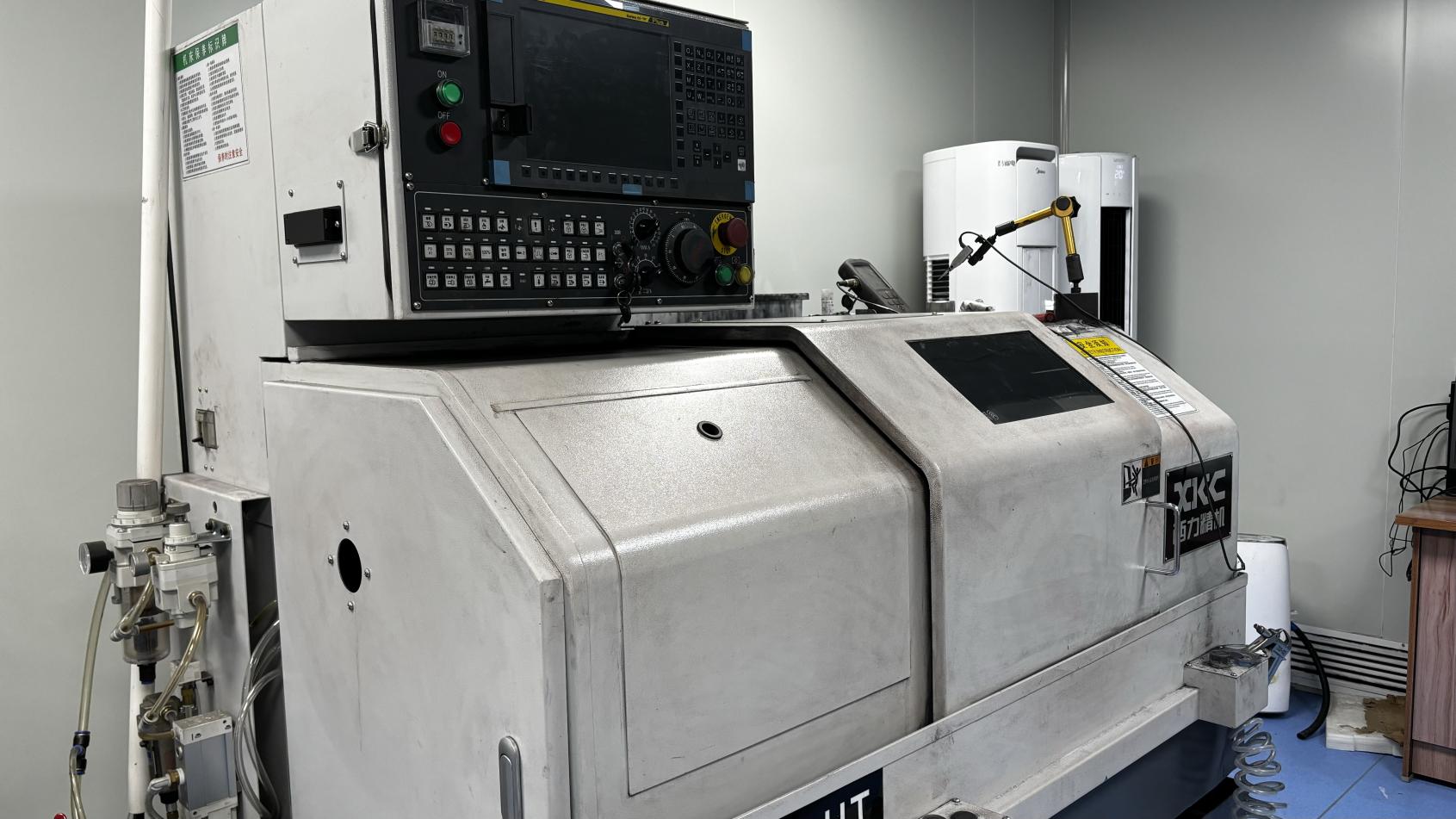
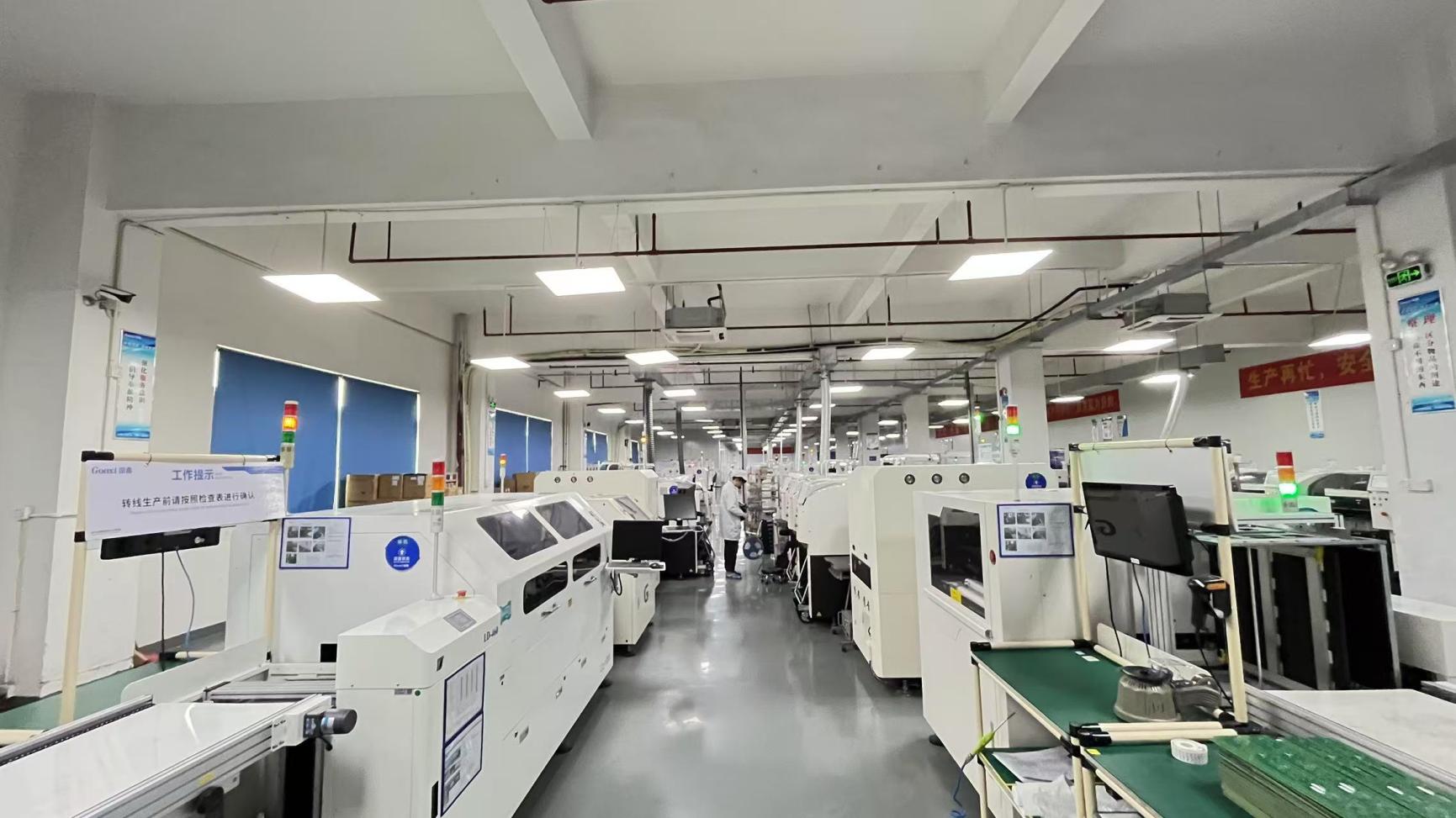
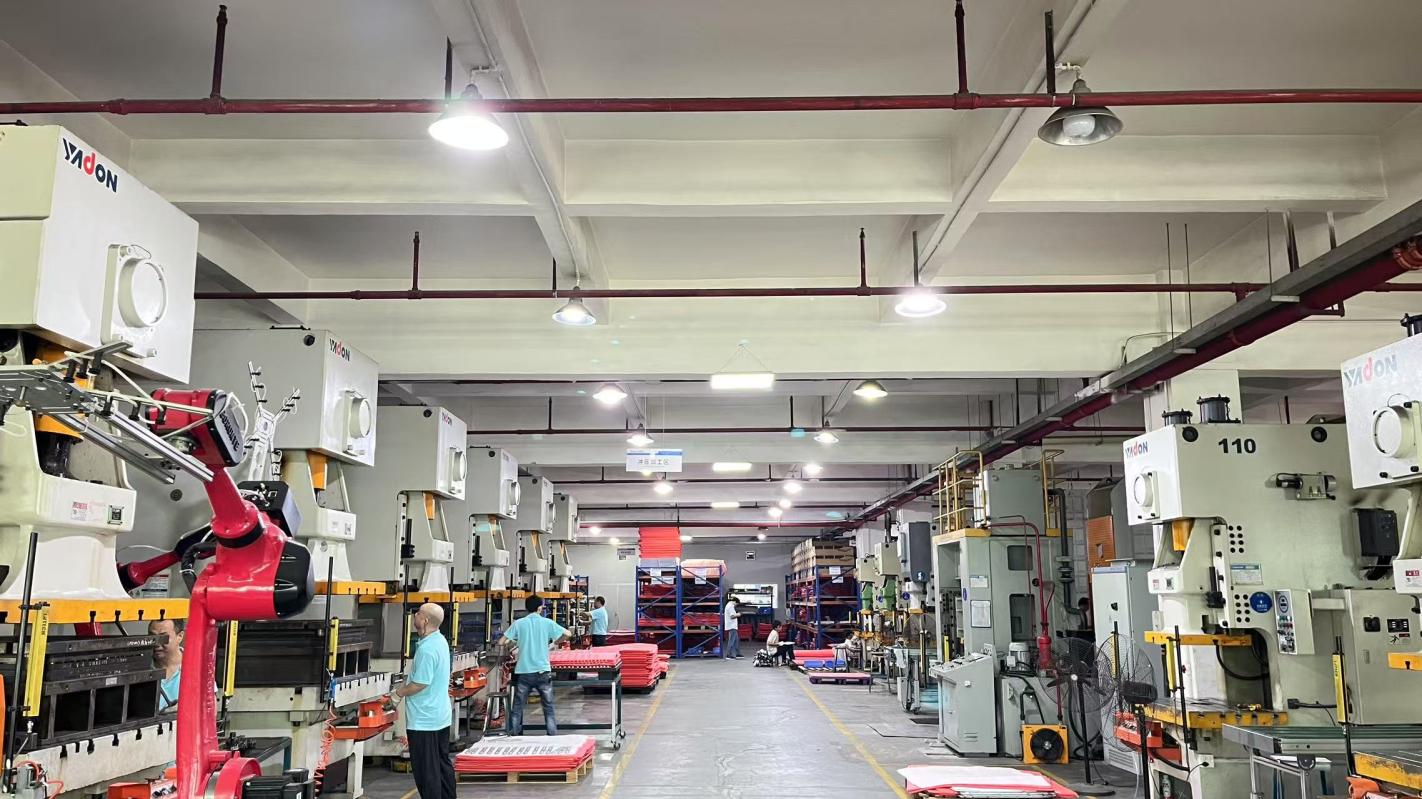
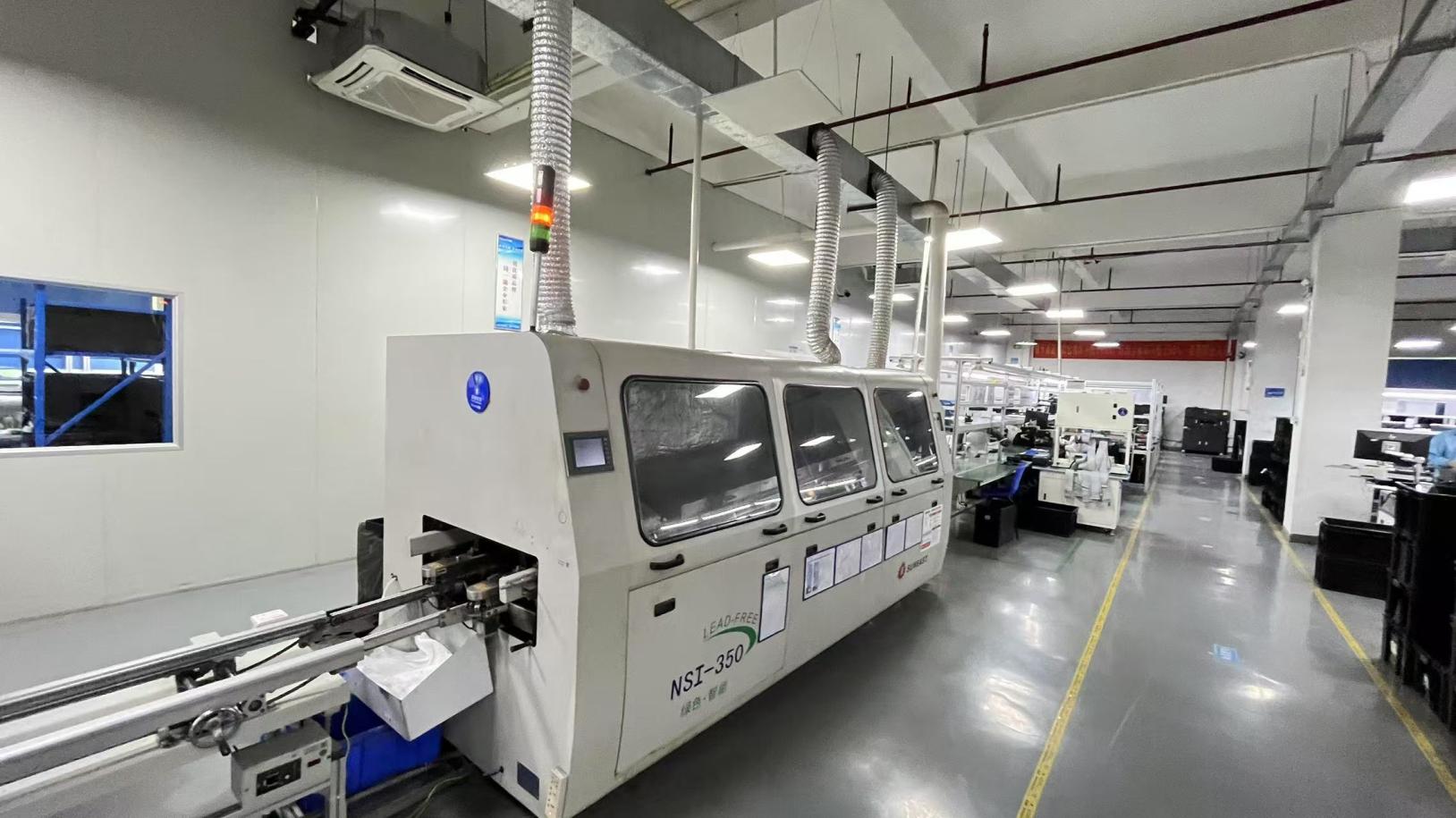
Founded in 2015, FiberQ operates a state-of-the-art 12,600㎡ manufacturing facility. This vertical integration allows for complete control over the production lifecycle—from PCB assembly and chip bonding to casing fabrication and software coding. Our facility is optimized for bulk production while remaining flexible enough to handle custom OEM and ODM orders.
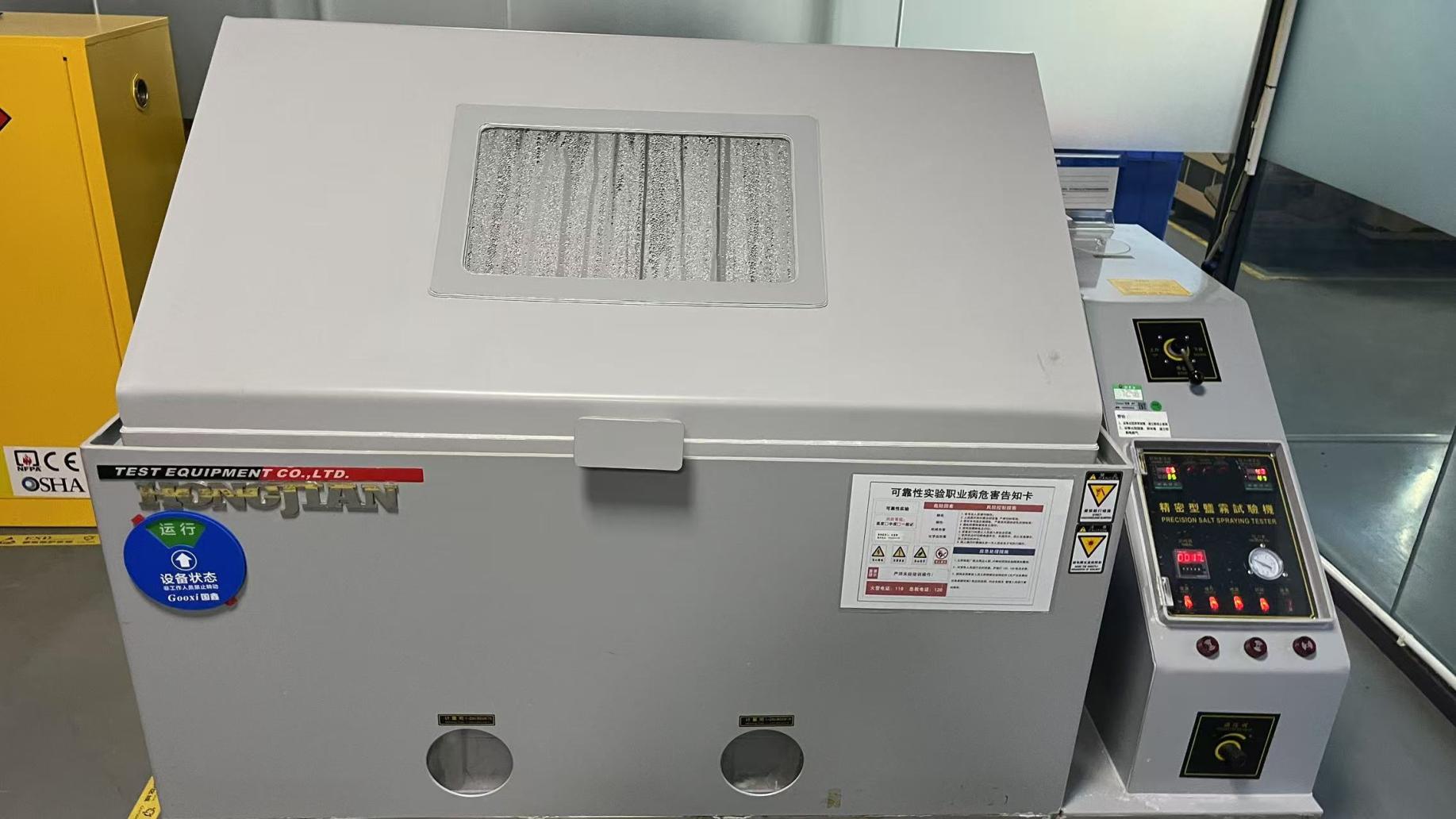
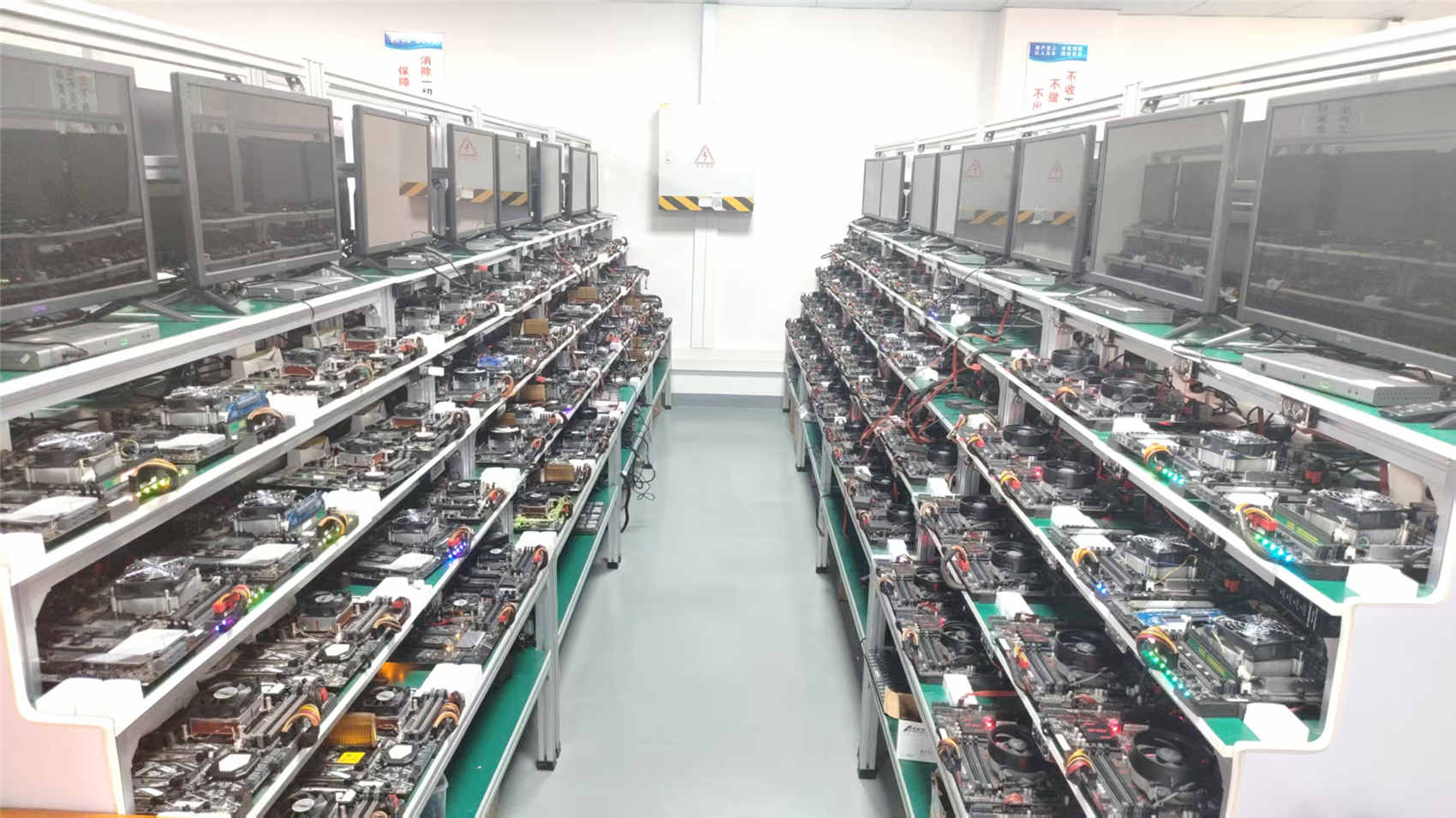
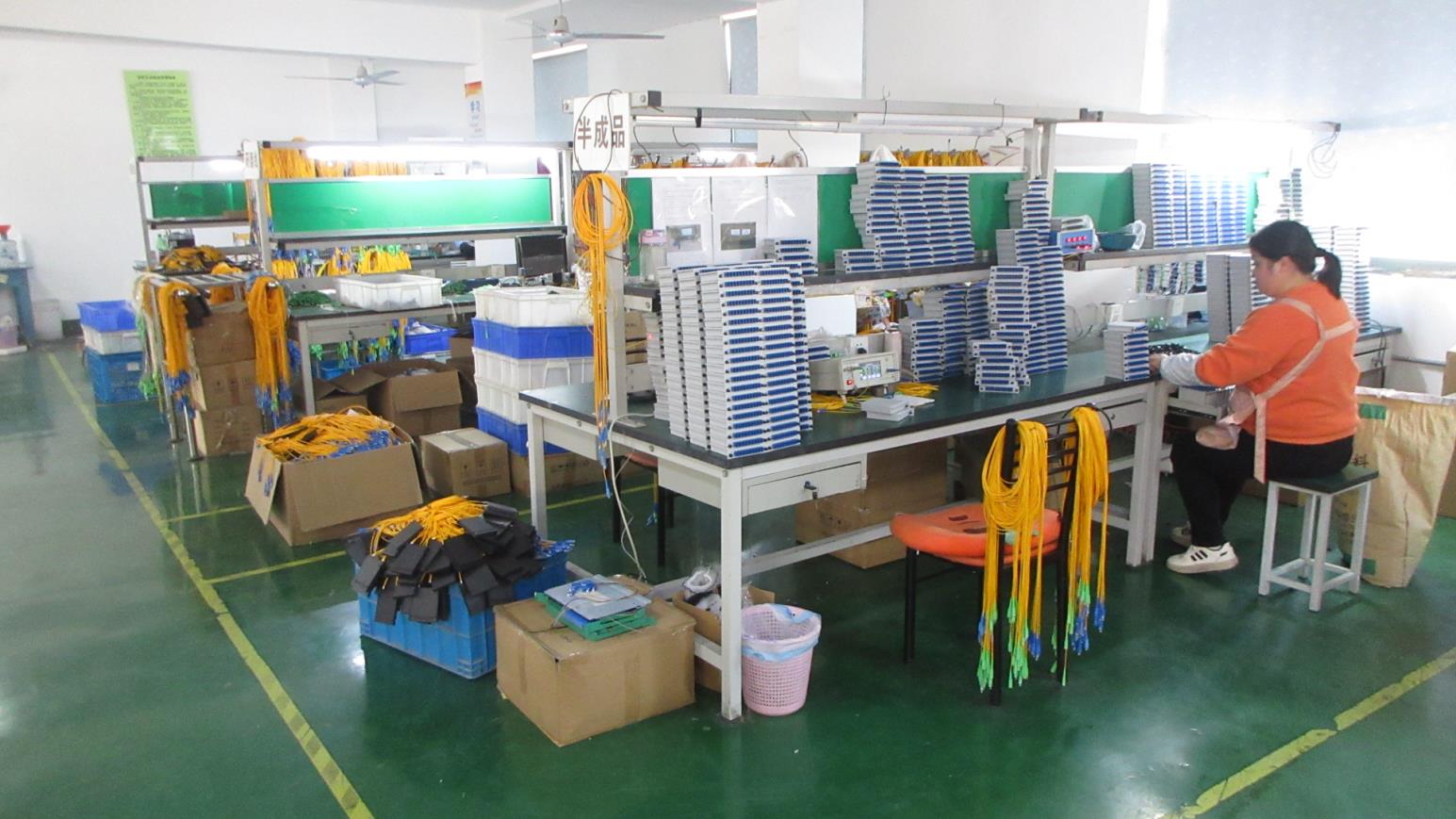
We believe that absolute transparency is the cornerstone of reliability. Below is an inside look at our high-speed assembly lines, automated optical testing labs, and quality assurance divisions where over 62 dedicated inspectors maintain strict standards.
Explore our complete range of legacy and next-generation transceiver modules, fully compatible with global enterprise networks.
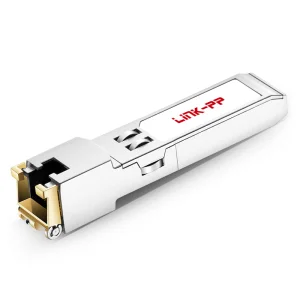
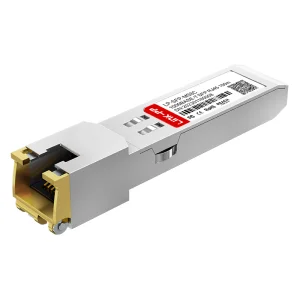
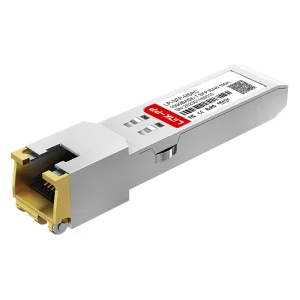
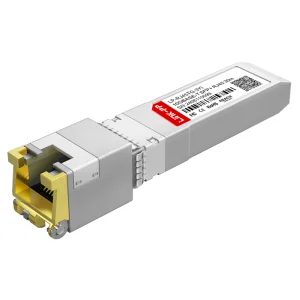
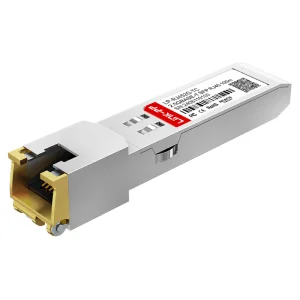
To implement a robust network infrastructure, we must look beyond basic compatibility and explore the underlying physical engineering of copper SFP transceiver modules. Let us examine the parameters that separate enterprise-grade transceivers from generic commodity products.
The core of any copper SFP module is its Physical Layer (PHY) chip. FiberQ Photonics transceivers incorporate high-performance low-power digital signal processors (DSPs) optimized for sub-130nm fabrication nodes. These chipsets dynamically perform echo cancellation, crosstalk suppression, and digital equalization to mitigate the effects of high-frequency attenuation inherent in twisted-pair copper media.
In high-density industrial control rooms in Nagoya, where cables run adjacent to high-voltage electric motor lines and automated welders, electromagnetic interference (EMI) is extreme. The DSPs in our modules dynamically adjust the transmit power and filtering to maintain an optimal Bit Error Rate (BER < 10⁻¹²), guaranteeing continuous communication lines without frame re-transmissions.
One of the most critical aspects of 10GBASE-T RJ45 SFP+ technology is managing power dissipation within the tight boundaries of the SFP specification. The following table highlights the performance envelope of our current generation transceivers compared to legacy industry specifications:
| Specification | Standard 10GBASE-T SFP+ | FiberQ Low-Power 10G SFP+ | FiberQ Industrial SFP+ |
|---|---|---|---|
| Power Dissipation (30m Link) | 2.5W - 3.0W | < 1.6W | < 1.8W |
| Operating Temp Range | 0°C to 70°C | 0°C to 70°C | -40°C to +85°C |
| Cable Compatibility | Cat 6a / Cat 7 | Cat 6 / Cat 6a / Cat 7 | Cat 6a / Cat 7 (Shielded) |
| Max Distance (10 Gbps) | 30m | 30m - 80m | 30m - 100m |
In Nagoya's industrial centers, electromagnetic compatibility (EMC) is a key requirement. Electric motors, welders, and power switchgear produce significant electromagnetic fields. If an SFP transceiver lacks proper shielding, these fields can corrupt data packets, causing latency and communication dropouts.
FiberQ's RJ45 modules are designed with heavy-duty zinc-nickel alloy casings and specialized spring contacts to ensure low-impedance grounding directly to the switch chassis. This design minimizes radiated emissions and ensures compliance with VCCI Class A regulations in Japan, making them suitable for installation near heavy machinery.
Doing business in Japan requires compliance with localized safety and emissions standards. Import compliance and component certification are non-negotiable for Japanese enterprise networks.
For network hardware deployed in Aichi Prefecture and nationwide, the Voluntary Control Council for Interference (VCCI) certification is standard. Our RJ45 SFP transceivers undergo testing to meet VCCI Class A (industrial) and Class B (commercial) limits. This guarantees that installing our modules will not disrupt surrounding machinery, wireless communications, or control telemetry.
Additionally, our production lines follow the RoHS directive, ensuring all materials—from solder paste to internal plastics—are lead-free and environmentally sustainable. This matches the green procurement initiatives of top-tier Japanese automotive and electronics manufacturers.
Japanese engineering departments often have specific performance standards, custom EEPROM coding needs, and specialized labelling requirements. FiberQ offers a dedicated engineering team for custom hardware and firmware configurations:
Answers to common engineering questions regarding the deployment of RJ45 SFP modules in industrial networks.