FiberQ
FiberQ
FiberQ
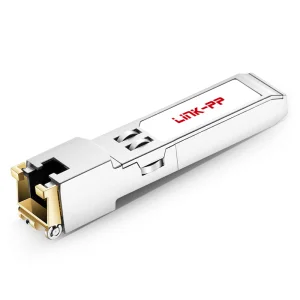
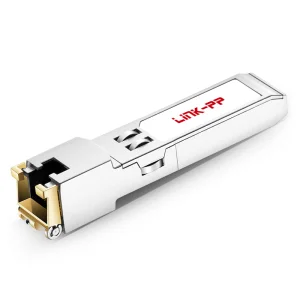
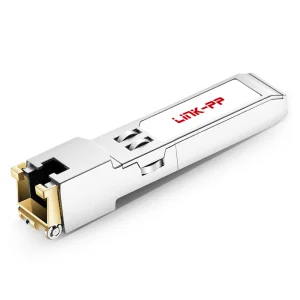
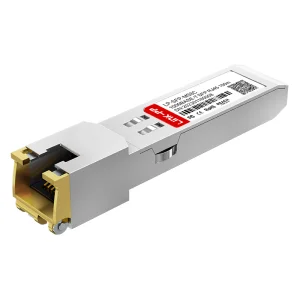
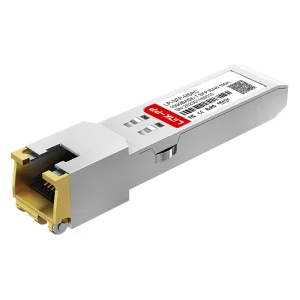
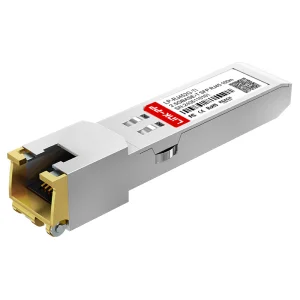
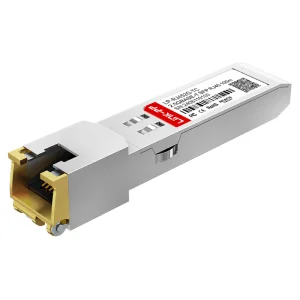
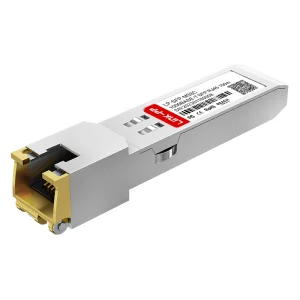
Engineered with low-power PHY chips and optimized thermal dissipation, these standard and multi-rate copper transceivers deploy seamlessly into Central European metro networks.
Slovakia has solidified its position as one of Central Europe's most dynamic economic corridors. Driven by the massive expansion of the automotive sector (including key hubs in Trnava, Nitra, and Žilina) and the rapid growth of the "Košice IT Valley," the region is undergoing an unprecedented digital transition. Industrial Ethernet has become the backbone of these advanced manufacturing lines, requiring reliable, low-latency, and cost-effective interconnection solutions.
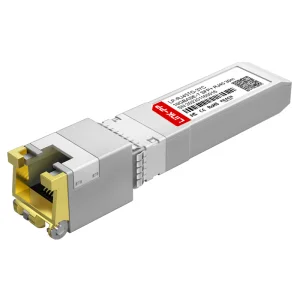
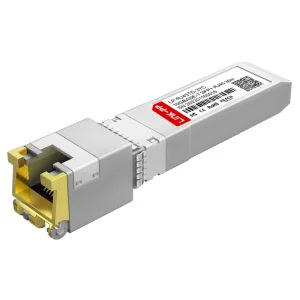
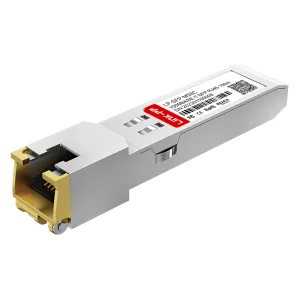
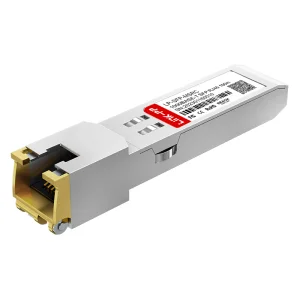
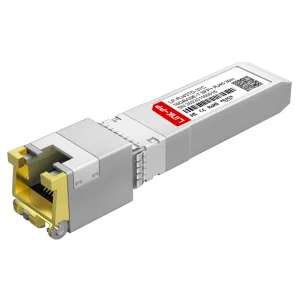
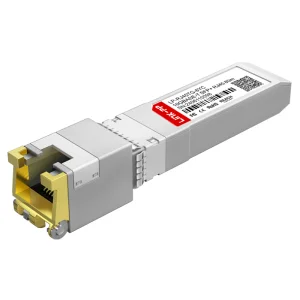
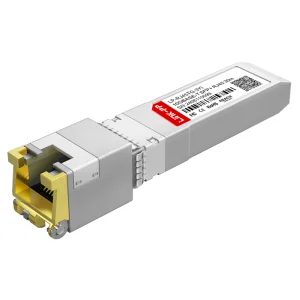
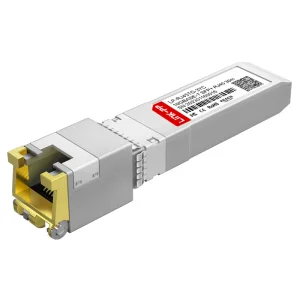
To bridge legacy Category 6A cabling infrastructures with high-speed multi-gigabit switches, European network architects increasingly specify RJ45 Copper SFP (Small Form-factor Pluggable) transceivers. These pluggable modules allow industrial automation systems to scale from legacy 1Gbps up to 2.5Gbps, 5Gbps, and 10Gbps without undergoing costly upgrades to optical fiber cabling. The integration of 10GBASE-T copper SFPs facilitates robust, noise-resistant copper interconnections over distances of up to 100 meters, which is ideal for electromagnetic interference (EMI) prone factory floors.
The global optical and copper transceiver market is driven by chip efficiency and PHY (Physical Layer) architecture advancements. Key global chip manufacturers, such as Marvell and Broadcom, have introduced lower-micron (e.g., 28nm and 16nm) processes that drastically reduce power consumption to less than 1.6W per port for 10GBASE-T connections. This technological leap addresses the historically high heat emission characteristic of 10G copper SFP modules.
From a regional perspective, European buyers—especially in EU states like Slovakia—must adhere strictly to energy conservation mandates and environmental declarations (such as CE, RoHS, and WEEE). Energy price volatility across Europe has turned data center power budgets into a primary operating expense concern. Therefore, sourcing RJ45 Copper SFP transceivers equipped with advanced, energy-efficient PHY chipsets has moved from a secondary preference to a compliance requirement.
Engineered to support auto-negotiation, multi-vendor host compatibility, and optimal heat management under complex networking conditions.
The trajectory of RJ45 SFP technology revolves around resolving the classic trade-off between heat generation, link distance, and cost. Older transceiver generations consumed up to 2.5W to drive 10G signals across 30 meters of copper. The current generation of transceivers utilizes 28nm low-power PHY chips, allowing robust 30-meter reach with power budgets limited to ~1.6W, and enabling extended-reach versions that can transmit up to 80m or 100m over Cat6A/7 cables at 1.8W–2.0W.
Looking ahead, the emergence of 25GBASE-T standards represents the next frontier for copper pluggables. While fiber and direct-attach copper (DAC) dominate 25G/100G links in high-density data center centers, specialized micro-data centers, edge-compute modules, and distributed 5G towers require short-distance 25G RJ45 interfaces to utilize existing structure cabling.
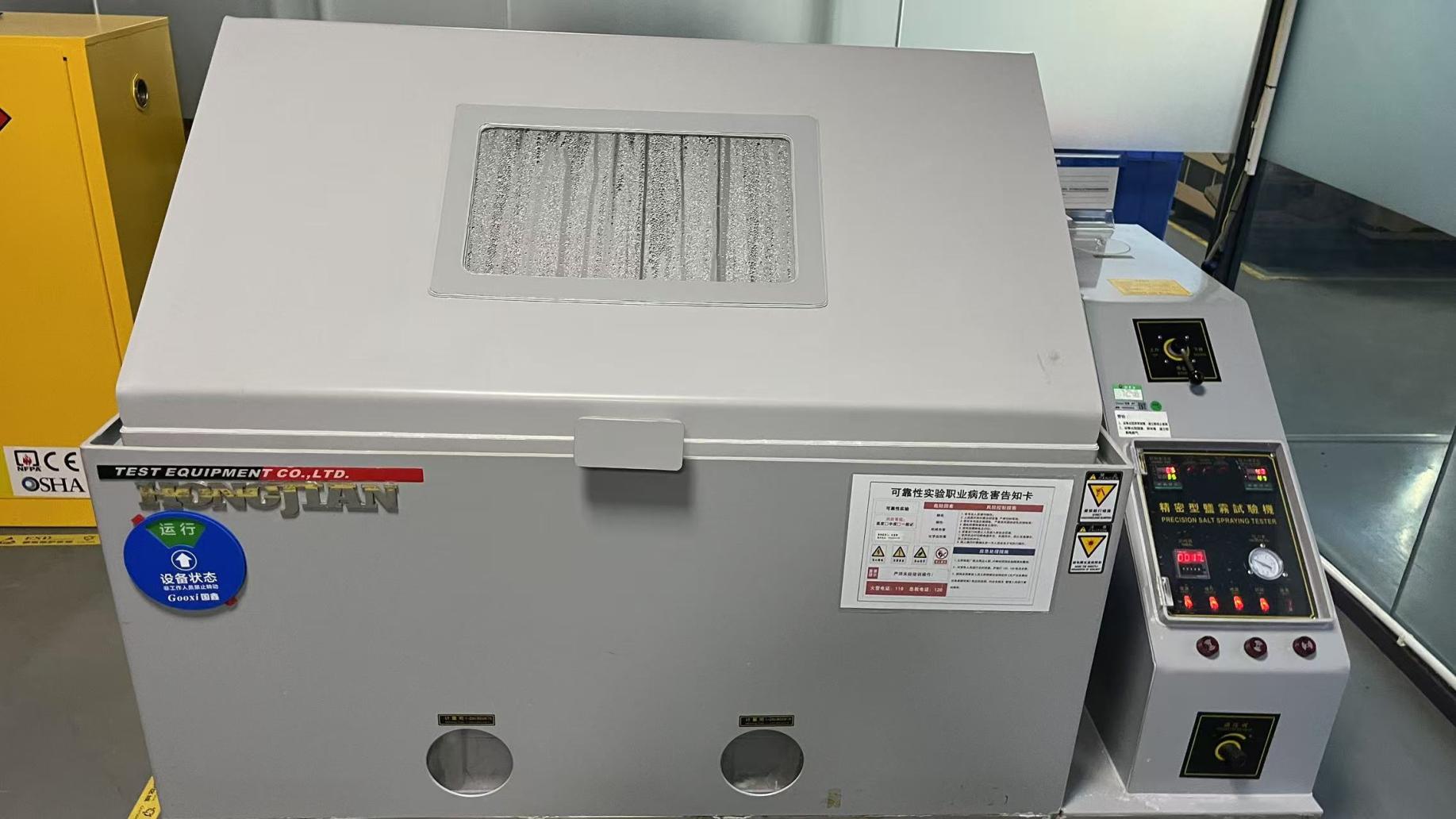
When selecting an OEM/ODM transceiver partner for Central European installations, compliance with manufacturing standards is paramount. High-performance RJ45 SFPs must undergo rigorous hardware verification. In Slovakia’s automotive plants and corporate data centers, network downtime can translate to significant financial losses. Therefore, our testing procedures include:
A globally trusted manufacturer specializing in high-performance transceivers, network interface accessories, and customized photonics communication hardware.
FiberQ Photonics Technology Co., Ltd. is a professional manufacturer specializing in high-performance fiber optic transceivers and advanced photonic communication solutions for data centers, telecom networks, and high-speed interconnect applications. Founded in 2015, the company has grown into a trusted global supplier with strong engineering and export capabilities.
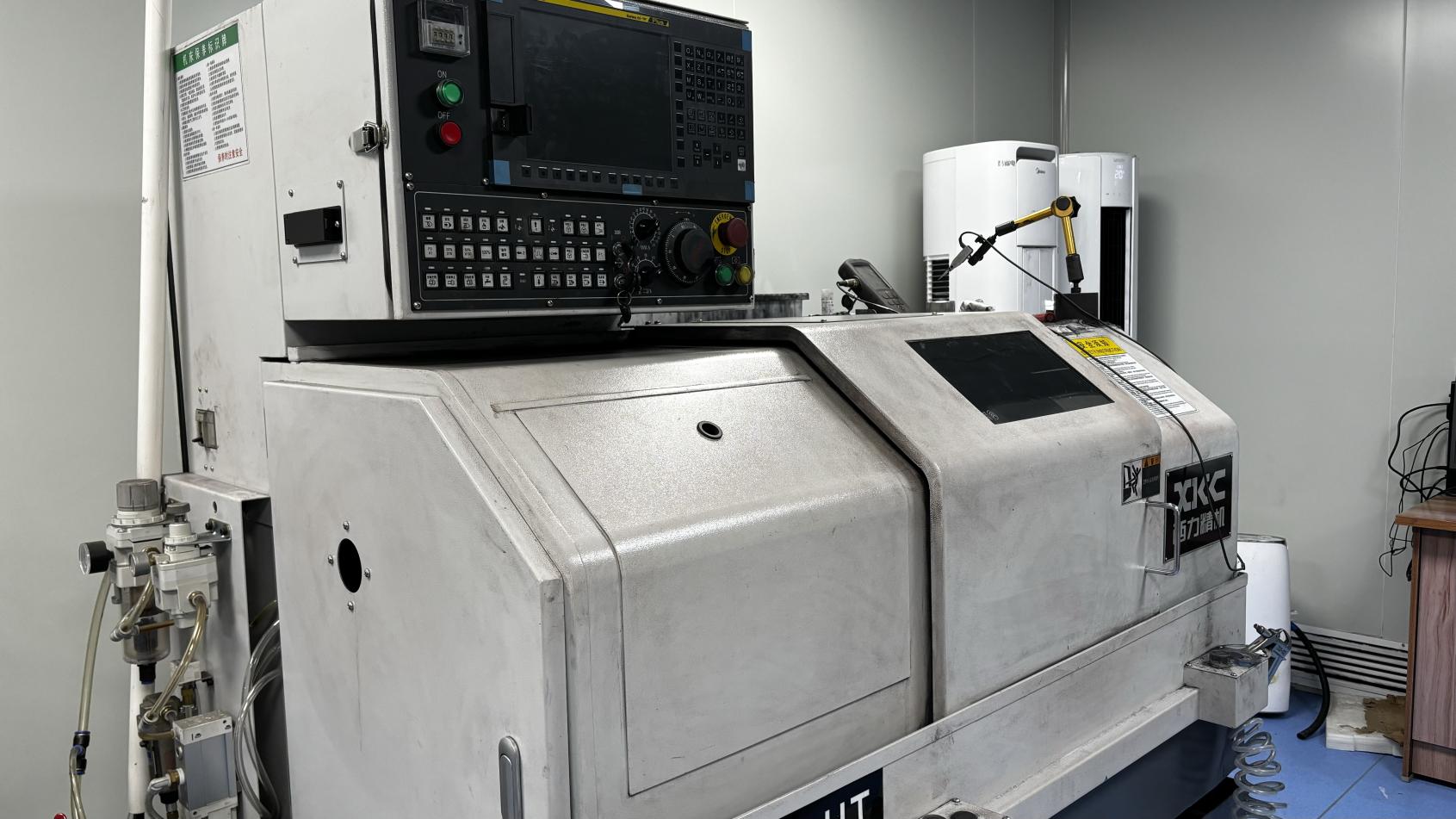
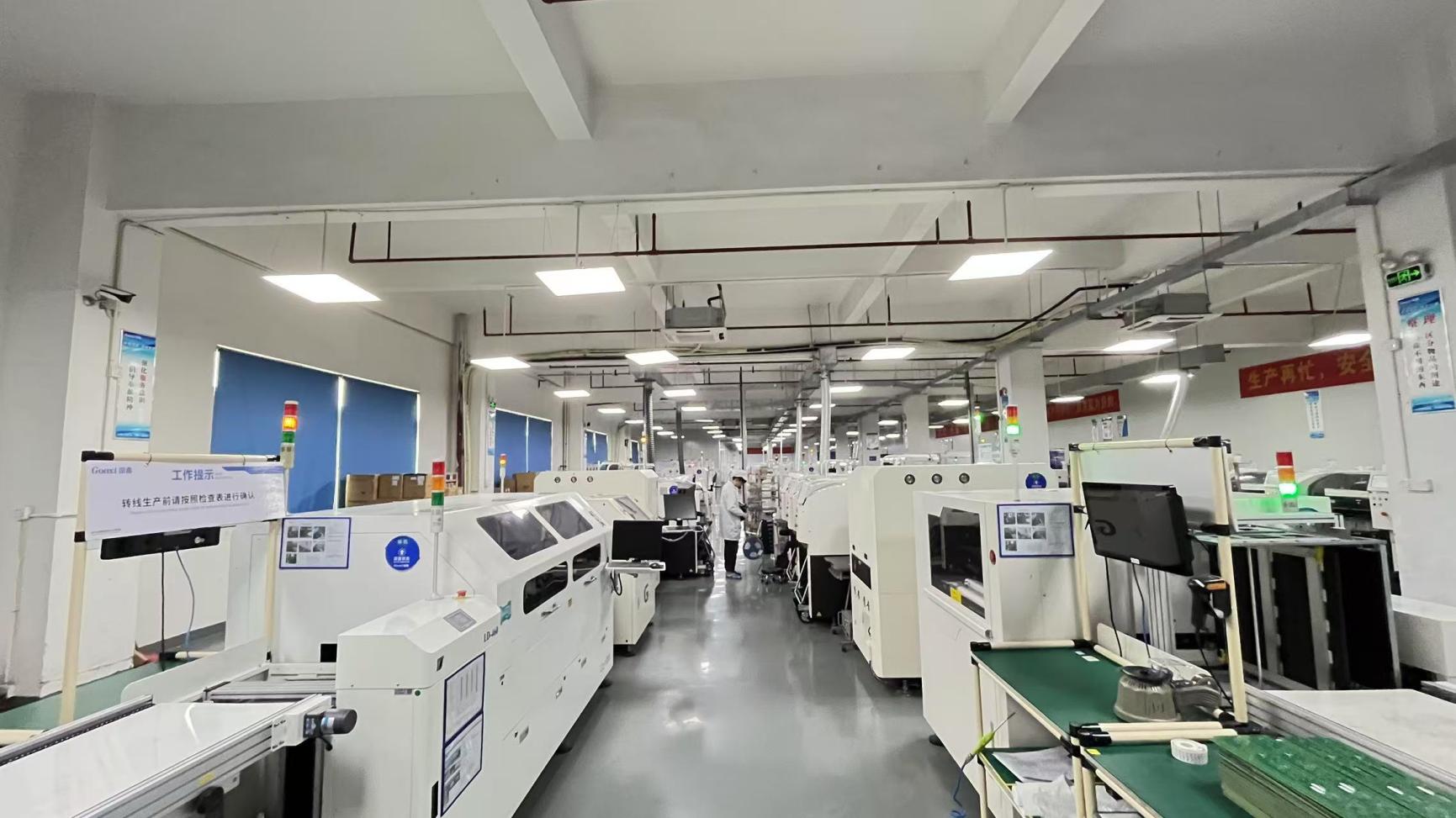
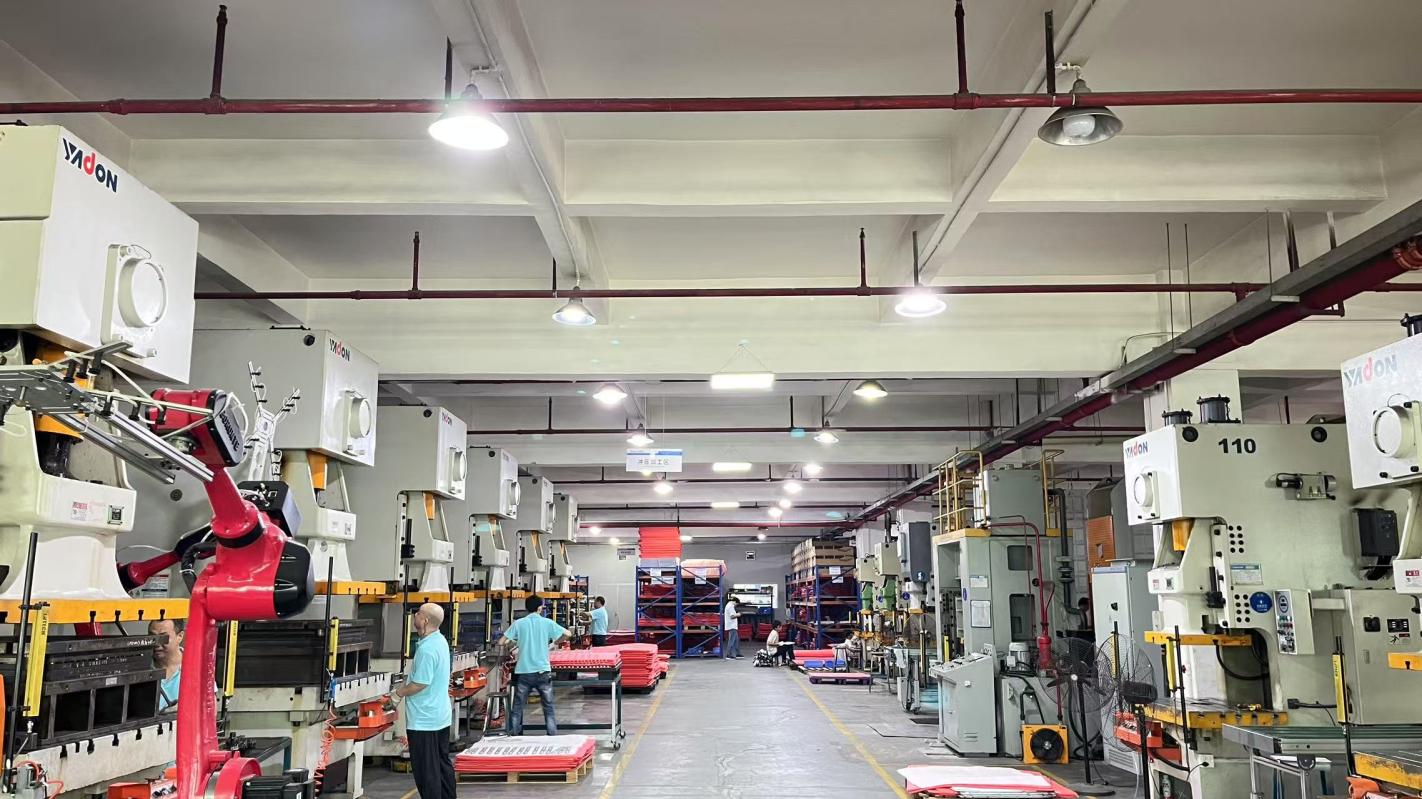
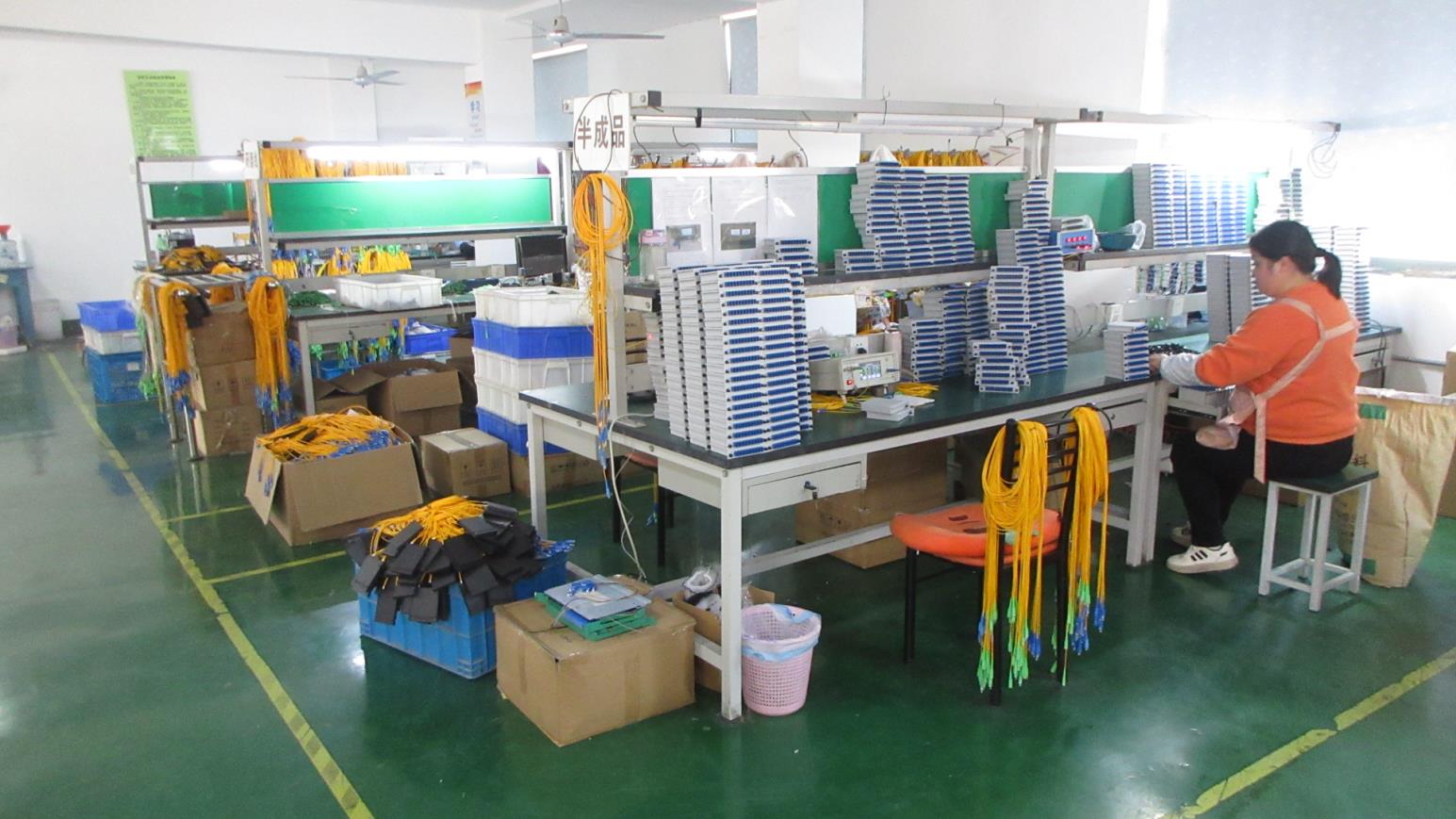
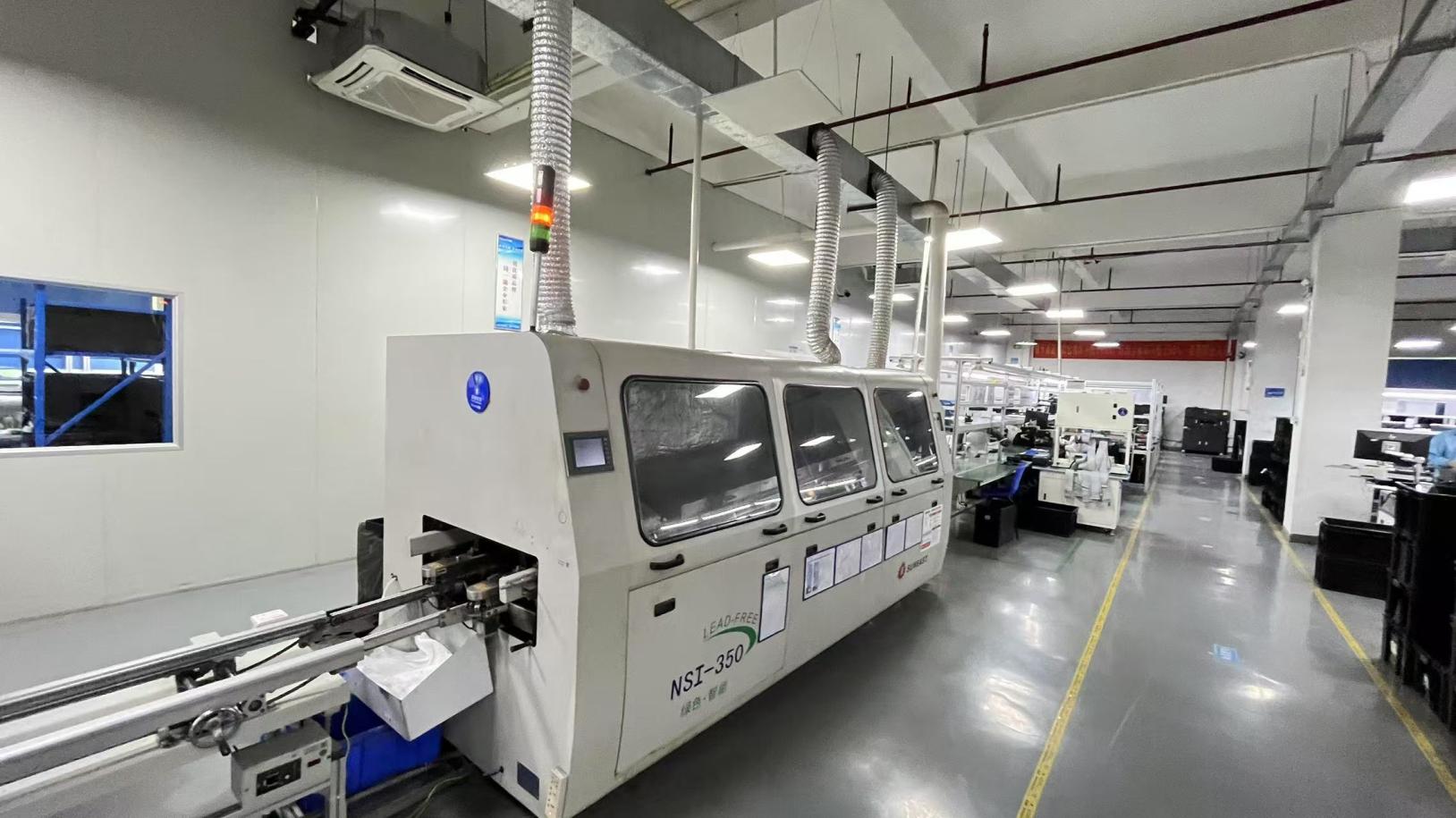
The company operates a modern production facility covering approximately 12,600㎡, enabling scalable manufacturing, precision assembly, and strict quality control processes. With annual export revenue reaching around USD 9.5 million, FiberQ has accumulated 6 years of export experience and 12 years of industry expertise in optical communication technologies.
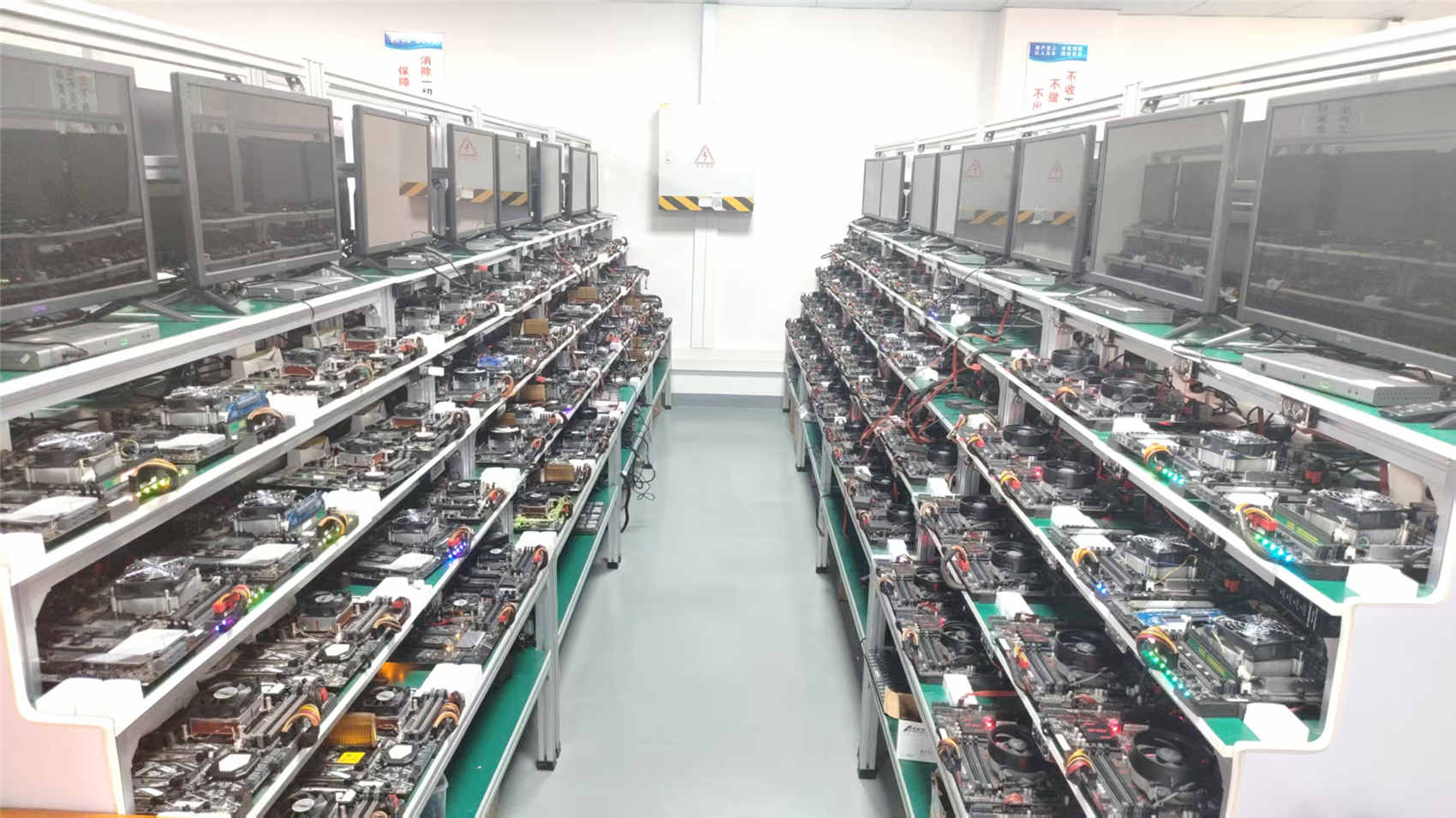
Quality assurance is ensured through a combination of automated optical performance testing, interferometric inspection, high-temperature aging tests, and manual quality checks. The quality control team consists of 62 experienced inspectors dedicated to maintaining product reliability and compliance with international standards.
FiberQ maintains a strong trade background focused on OEM and ODM partnerships. Its primary markets include North America, Europe, Japan, and Southeast Asia, serving telecom operators, cloud service providers, and enterprise network integrators.
The company collaborates with approximately 1,450 supply chain partners to ensure stable procurement of core components and efficient production scheduling. Its main customer base includes data center operators, telecom carriers, network equipment vendors, and system integrators.
With strong R&D capabilities, FiberQ supports advanced customization including protocol compatibility (100G/200G/400G/800G), wavelength engineering, thermal optimization, and form-factor adaptation. The company employs around 240 R&D engineers focused on optical design, signal integrity, and high-speed hardware development.
In the past year, FiberQ launched approximately 180 new products, reflecting its continuous innovation in next-generation optical communication solutions.
Technical clarifications on deploying RJ45 copper transceivers within modern network architectures.
Comprehensive portfolio of high-grade copper transceiver modules with full support for legacy and multi-rate configurations.