FiberQ
FiberQ
FiberQ
Optimized form factors, electromagnetic interference shielding, and physical-layer interconnect cages built for extreme performance.
Norway is rapidly transitioning into Western Europe's primary hub for energy-efficient, green digital infrastructure. Powered by abundant, cost-effective hydroelectric energy and cooled by the cool Nordic climate, data centers across Oslo, Stavanger, Bergen, and the Arctic Circle (such as the Lefdal Mine Datacenter and Green Mountain) demand robust network backbones. In these facilities, physical layer connectivity is the deciding factor in latency, power efficiency, and long-term uptime. Optical transceivers are the indispensable conduits enabling these high-speed connections.
The Norwegian Operational Environment Advantage: Deploying optical systems in subsea fiber paths (like the Celtic Norse or NO-UK systems) requires transceivers capable of running consistently under dense chromatic dispersion profiles and severe temperature fluctuations without compromising the link budget.
The geography of Norway, defined by deep fjords and remote mountain communities, has catalyzed the deployment of extensive subsea fiber networks. For systems running alongside underwater power grids or crossing deep marine floors, optical modules must support long-distance transmission over Single-Mode Fiber (SMF) via technologies such as Coherent Detection and Dense Wavelength Division Multiplexing (DWDM). Signal degradation from polarization mode dispersion (PMD) and attenuation in extreme environments dictates the use of highly resilient transmitter lasers, such as Distributed Feedback (DFB) and Electro-absorption Modulated Lasers (EMLs).
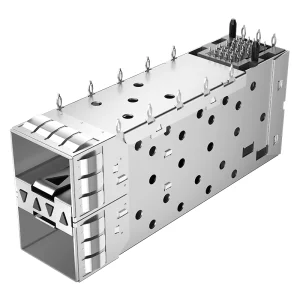
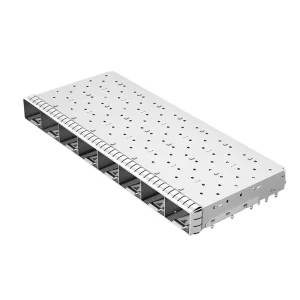
Norway's leading maritime and offshore energy sectors are increasingly reliant on digital twins and real-time sensor processing. Offshore wind farms in the North Sea, as well as semi-submersible drilling platforms, rely on Ruggedized Industrial Ethernet networks. These environments are prone to structural vibration, thermal shocks (-40°C to +85°C), and saline mist corrosion. For these deployments, transceivers with mechanical press-fit cages (like our TE Compatible zSFP+ series) and EMI-shielded connectors offer the structural integrity required to prevent signal loss and physical connector creepage.
Understanding the generational shift in optical interconnect technologies and standard compliance.
As networks scale to 800G and 1.6T, traditional discrete optical sub-assemblies hit thermal and physical barriers. Silicon Photonics integrated circuits reduce transceiver power consumption by up to 30% while simplifying high-volume manufacturing lines.
Adherence to Multi-Source Agreements (MSAs) ensures seamless interoperability across heterogeneous hardware fabrics (such as Cisco, Arista, Juniper, and Huawei architectures). This avoids vendor lock-in for critical enterprise networks.
Maximizing bandwidth without physical fiber installation relies on CWDM, DWDM, and BiDi technology. By separating transmit and receive wavelengths on a single optical strand, fiber path investment is effectively doubled.
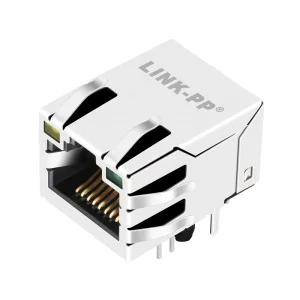
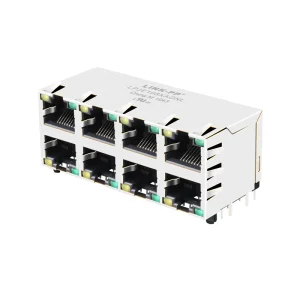
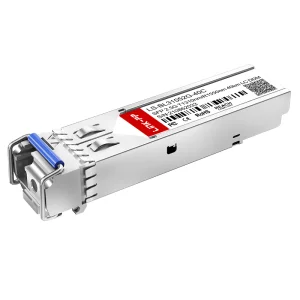
In municipal hydroelectric generating complexes situated inside mountain caverns, the surrounding high-voltage generators create intense electromagnetic fields. Traditional copper-based networking media degrade rapidly due to EMI. Optoelectronic conversion using SFP+ transceivers (such as the 10G Base-t RJ45 copper transceiver module for short patch bays, or BiDi SMF modules for long-haul transmission back to central offices) isolates the equipment from voltage spikes and keeps latency minimal.
Financial firms and regional ISPs serving the Oslo Børs and Nordic financial sector require minimal transaction delay. High-speed transceivers like our 100GBASE-PLR4 QSFP28 modules support up to 10km transmission distances over single-mode fiber with low bit error rates (BER). Combined with optimized Forward Error Correction (FEC), these transceivers ensure frame integrity without introducing processing overhead.
Norway's coastline is a testbed for autonomous electric ships and automated ports (e.g., Yara Birkeland). Port infrastructure requires outdoor edge computing enclosures exposed to rain, sleet, and salt. Deploying high-durability 10G SFP+ copper modules with built-in thermal mitigation profiles prevents early component failure, stabilizing connectivity for container tracking and remote vessel piloting.
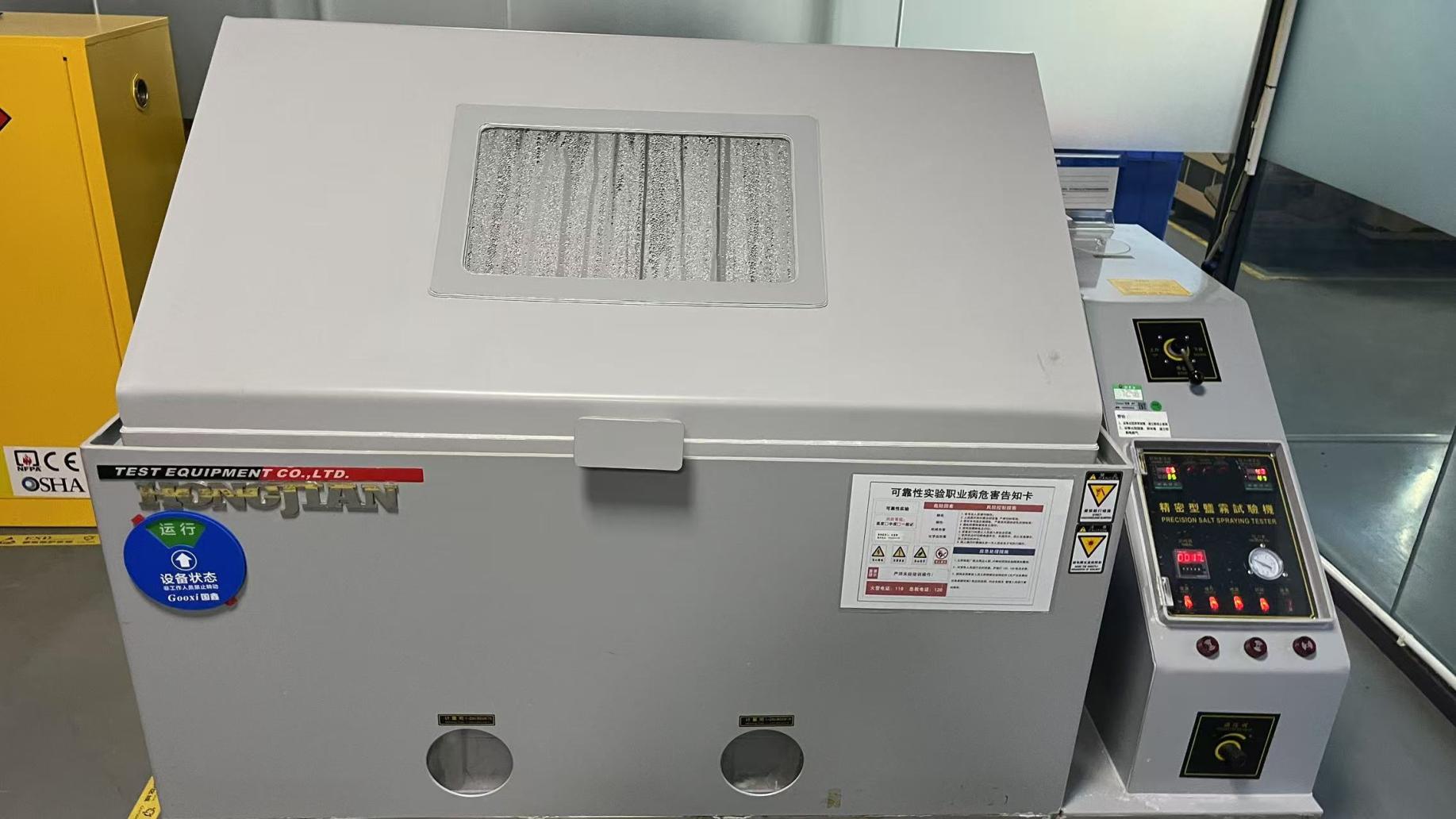
Engineered to conform with MSA specifications and rigorously verified in environmental chamber simulations.
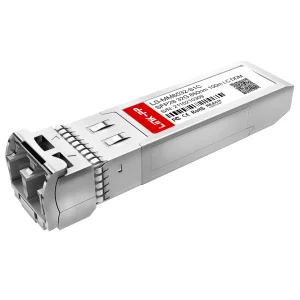
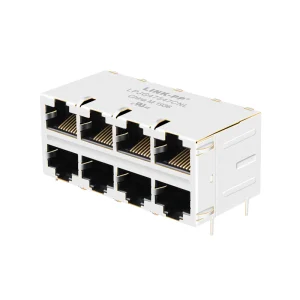
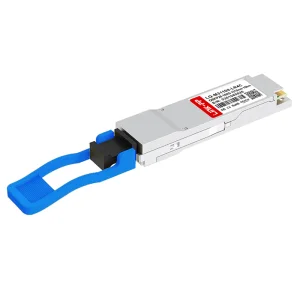
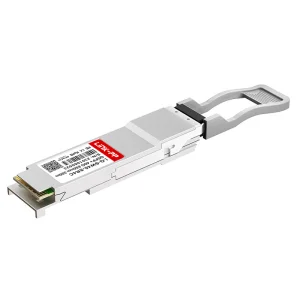
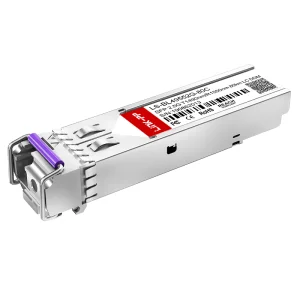
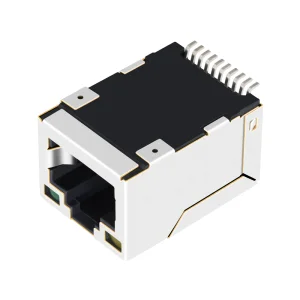
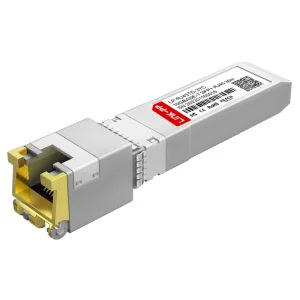
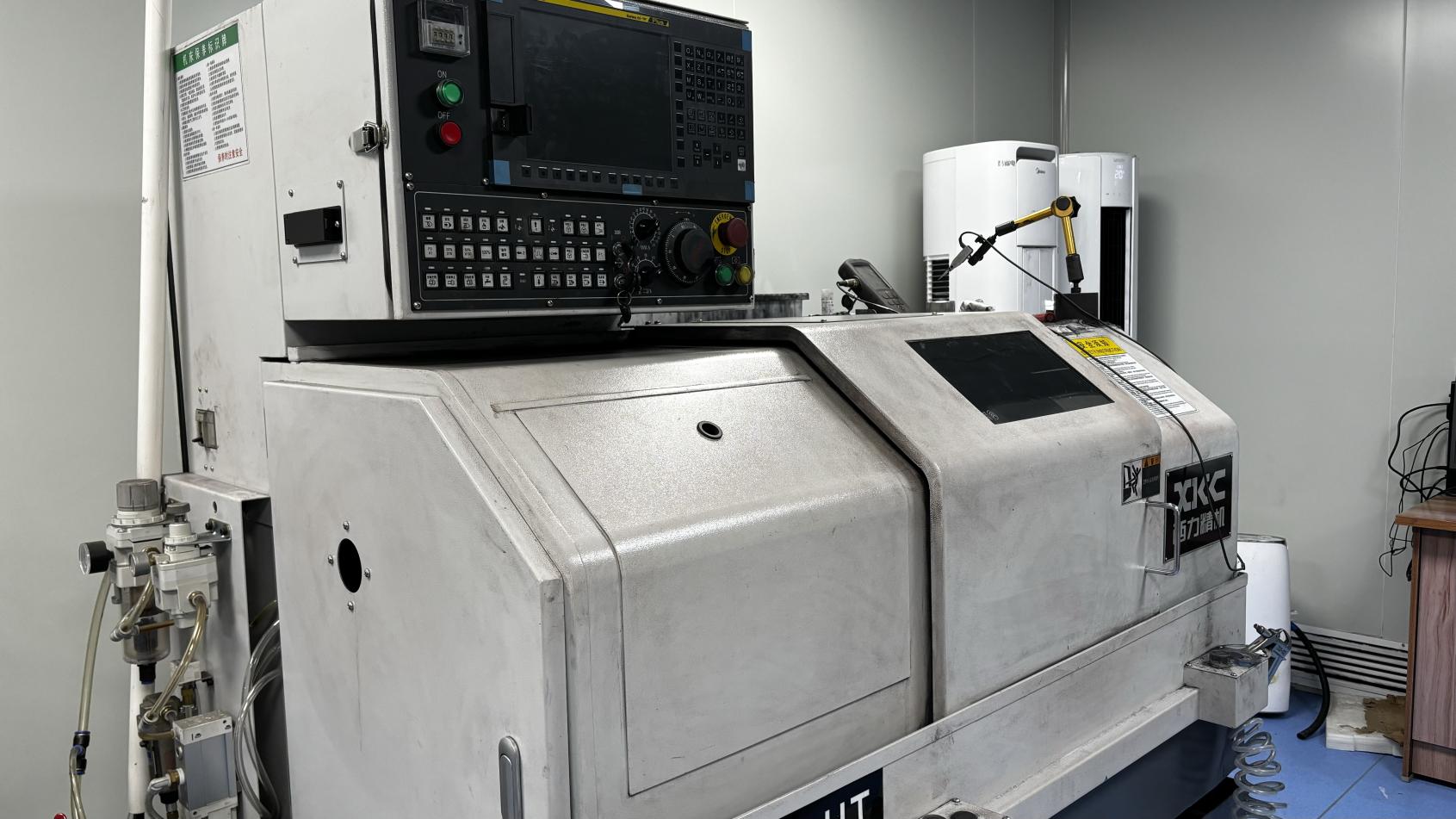
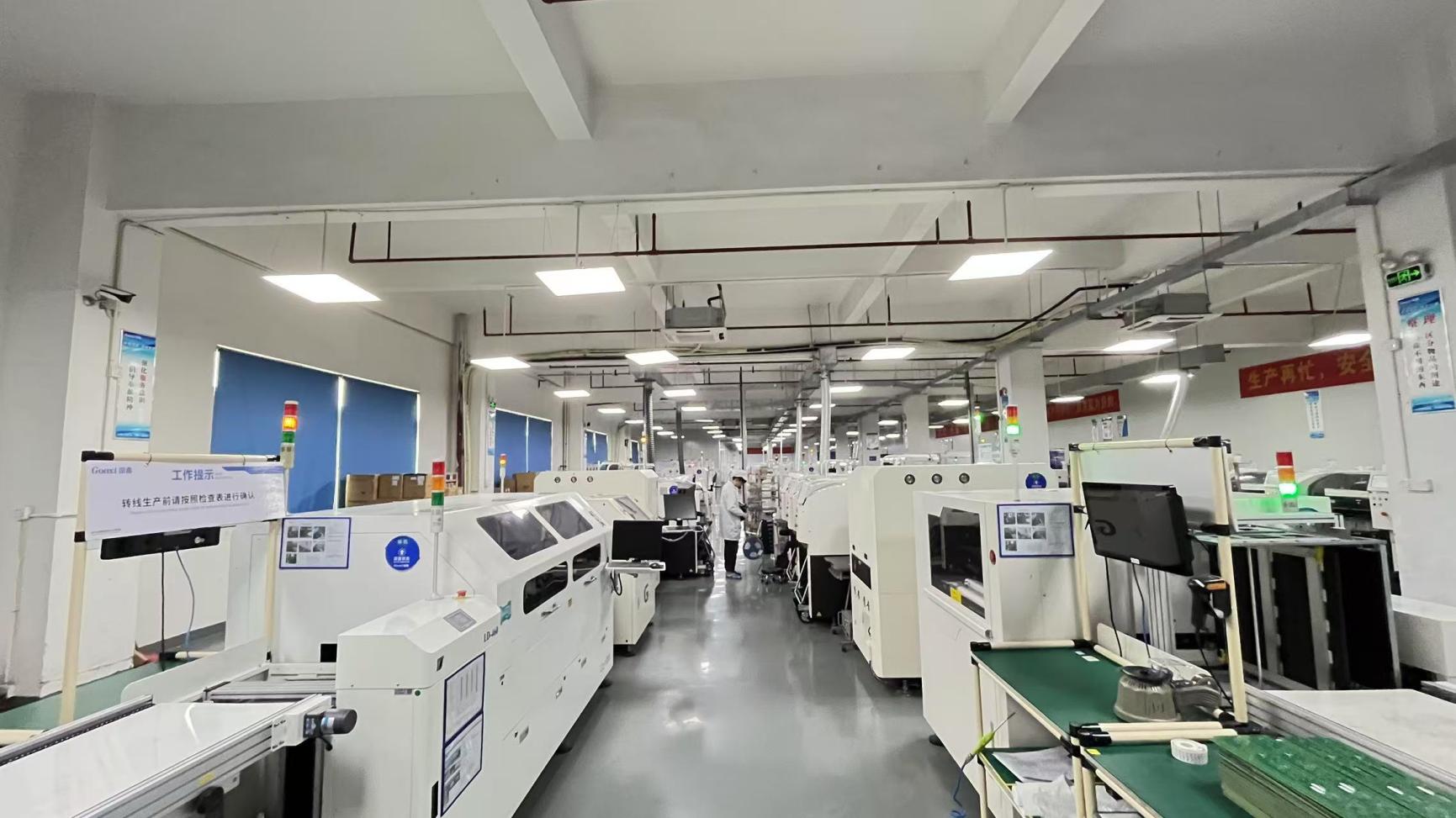
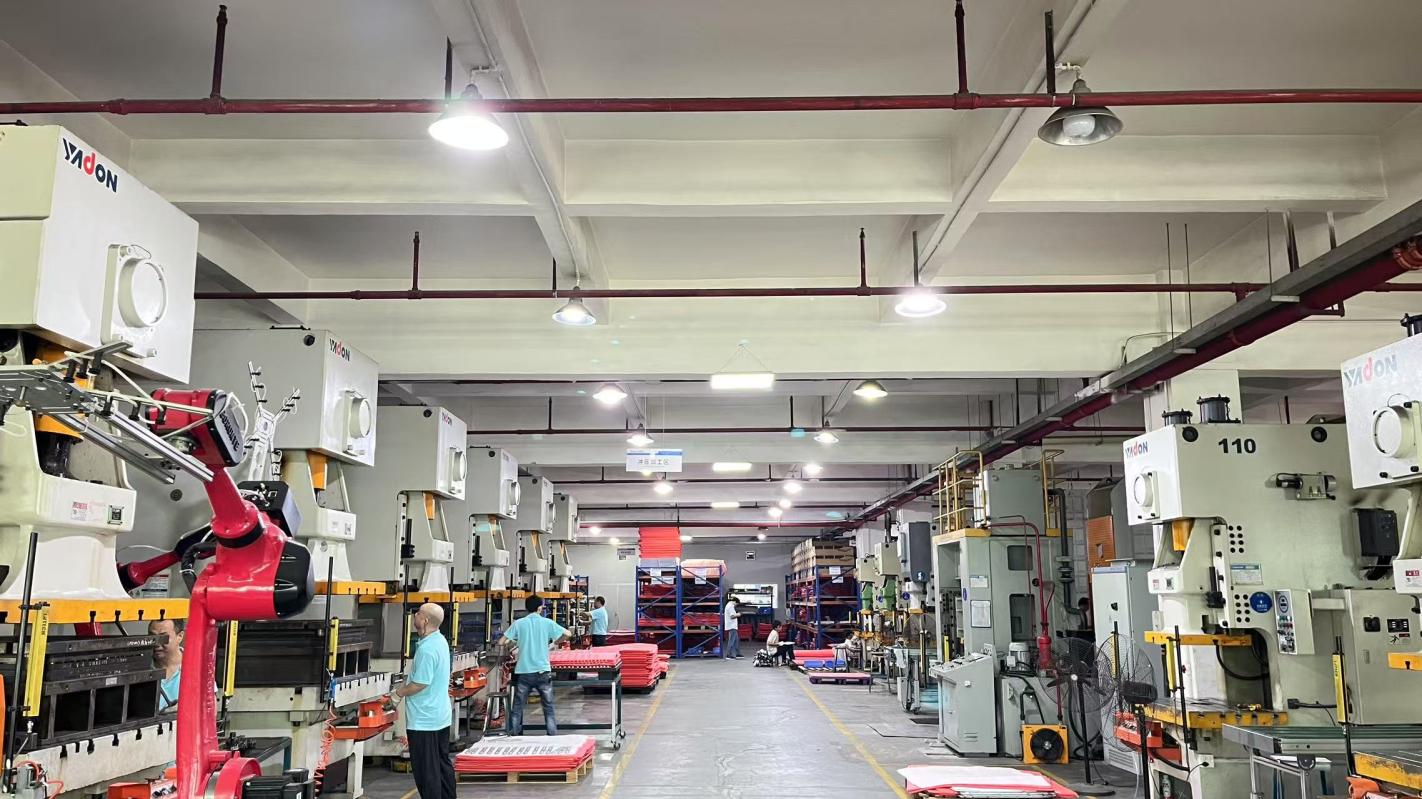
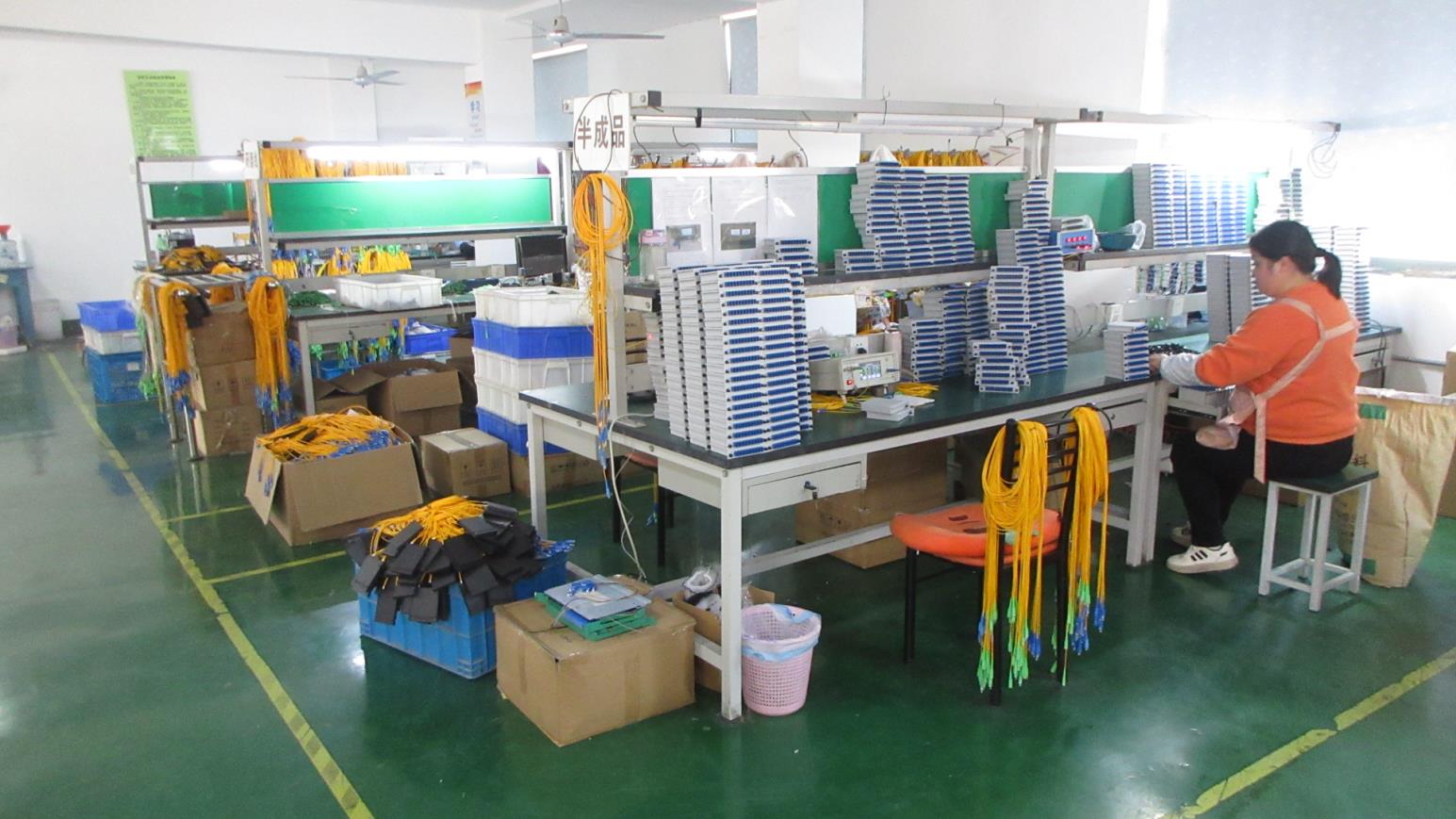
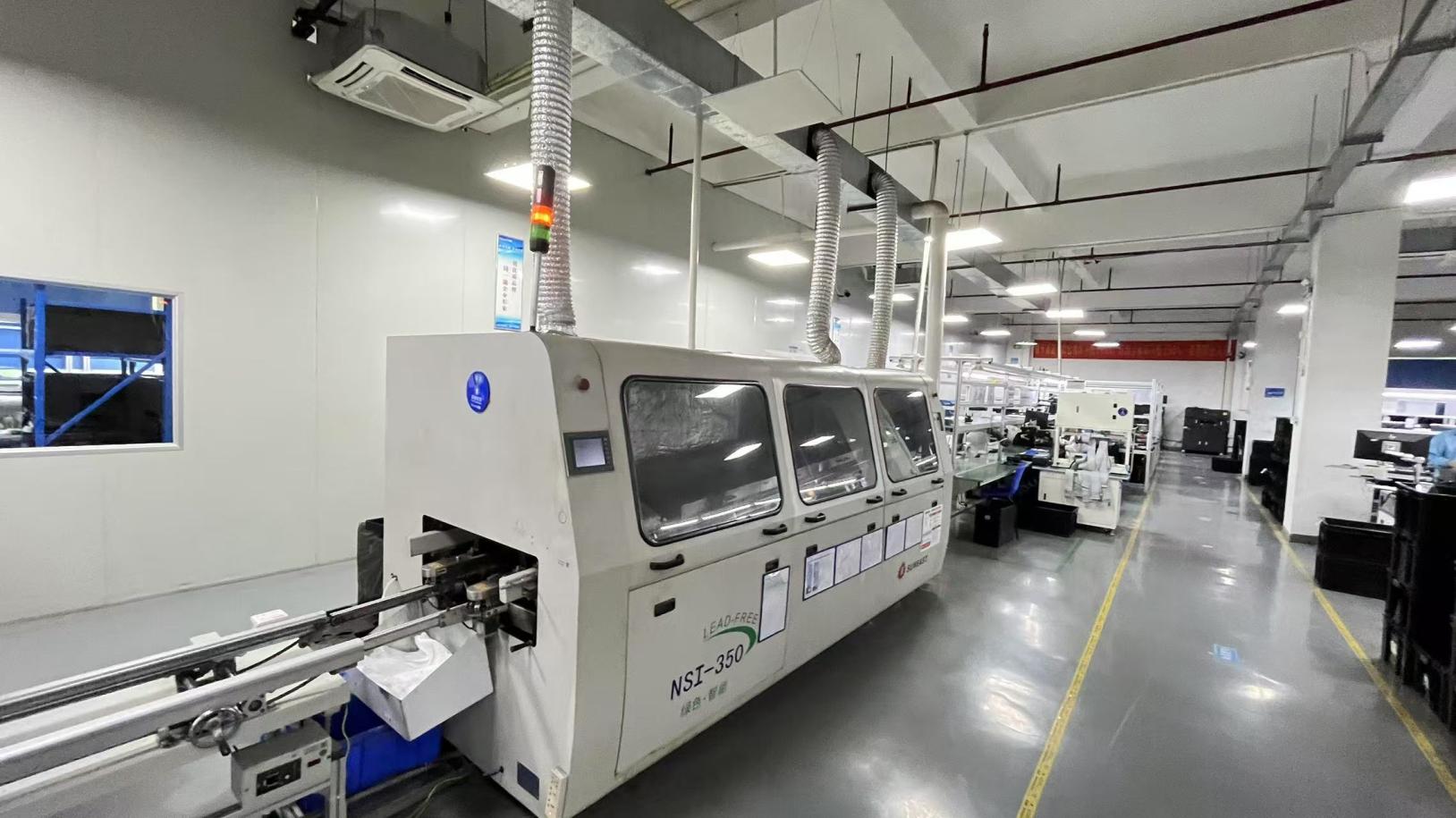
FiberQ Photonics Co., Ltd. combines advanced manufacturing facilities with rigorous QA protocols to deliver telecom-grade optical solutions.
FiberQ Photonics Technology Co., Ltd. is a professional manufacturer specializing in high-performance fiber optic transceivers and advanced photonic communication solutions for data centers, telecom networks, and high-speed interconnect applications. Founded in 2015, the company has grown into a trusted global supplier with strong engineering and export capabilities.
The company operates a modern production facility covering approximately 12,600㎡, enabling scalable manufacturing, precision assembly, and strict quality control processes. With annual export revenue reaching around USD 9.5 million, FiberQ has accumulated 6 years of export experience and 12 years of industry expertise in optical communication technologies.
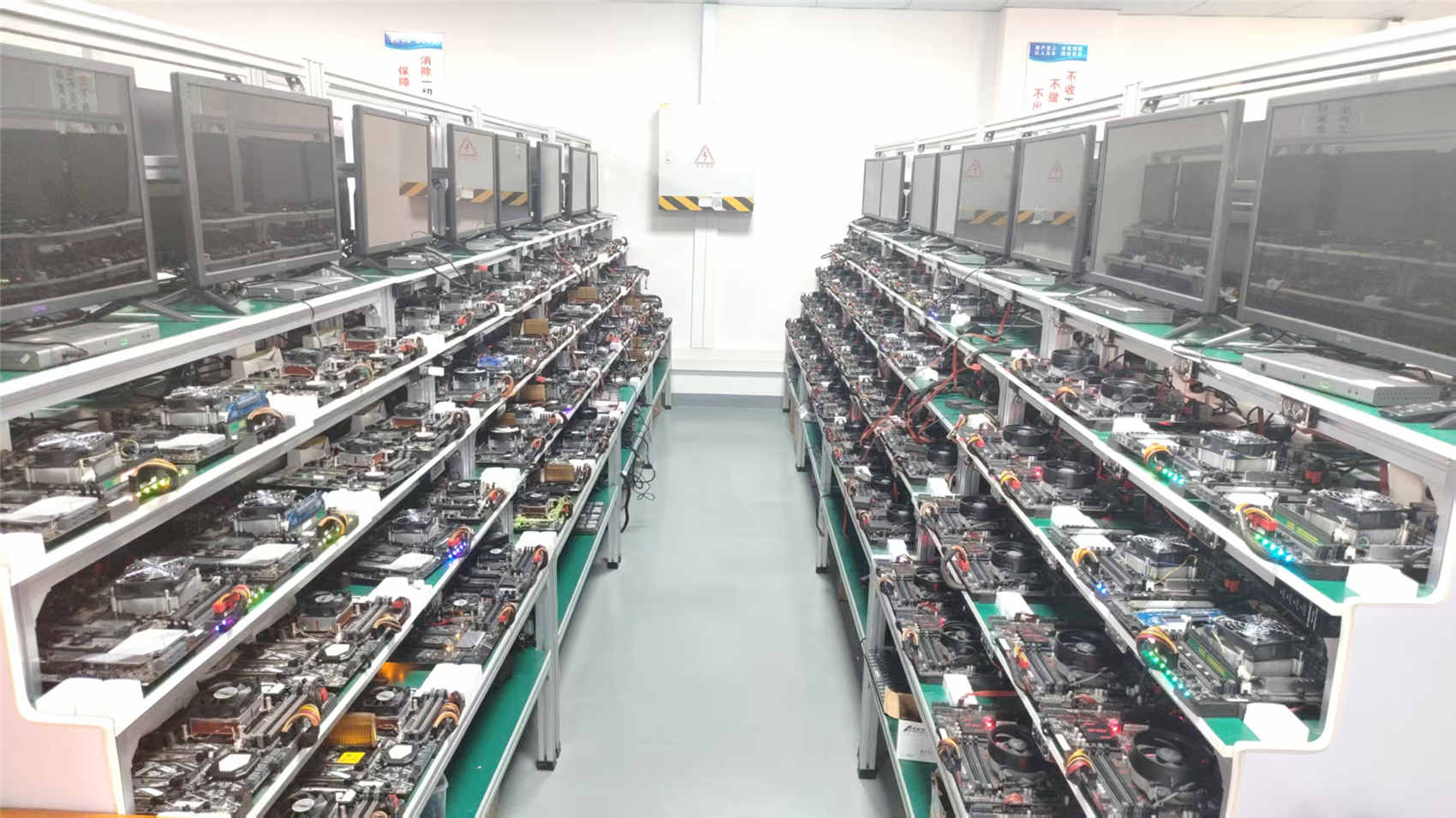
Quality assurance is ensured through a combination of automated optical performance testing, interferometric inspection, high-temperature aging tests, and manual quality checks. The quality control team consists of 62 experienced inspectors dedicated to maintaining product reliability and compliance with international standards.
FiberQ maintains a strong trade background focused on OEM and ODM partnerships. Its primary markets include North America, Europe, Japan, and Southeast Asia, serving telecom operators, cloud service providers, and enterprise network integrators.
The company collaborates with approximately 1,450 supply chain partners to ensure stable procurement of core components and efficient production scheduling. Its main customer base includes data center operators, telecom carriers, network equipment vendors, and system integrators.
With strong R&D capabilities, FiberQ supports advanced customization including protocol compatibility (100G/200G/400G/800G), wavelength engineering, thermal optimization, and form-factor adaptation. The company employs around 240 R&D engineers focused on optical design, signal integrity, and high-speed hardware development.
In the past year, FiberQ launched approximately 180 new products, reflecting its continuous innovation in next-generation optical communication solutions.
Addressing architectural challenges, physical-layer parameters, and supply logistics.
Our transceivers are available in both Commercial (0°C to 70°C) and Industrial (-40°C to +85°C) temperature ranges. For unheated telecom enclosures and outdoor cabinets throughout Norway, we recommend industrial-grade modules. These feature specialized temperature-compensation algorithms inside the internal Digital Diagnostics Monitoring (DDM) chip. This maintains laser bias currents and extinction ratios despite large external temperature shifts, preventing link drops.
Yes. Our transceivers comply with MSA standards and support custom EEPROM coding. We test and code each module to ensure compatibility with major OEM platforms, including Cisco, Juniper, Arista, and Nokia, which are widely deployed across Norwegian networks. DDM reporting remains fully functional, allowing your network management system to monitor optical power, temperature, and supply voltage in real-time.
For subsea links, keeping signal attenuation low is crucial. Standard multimode transceivers (850nm) are limited to short distances. For fjord-to-fjord connections, we deploy Single-Mode Fiber (SMF) modules using the C-band spectrum (around 1550nm) via DWDM. This wavelength suffers minimal attenuation, allowing signals to travel long distances before requiring optical amplification.
Our quality control process includes:
1. Automated Optical Performance Testing (verifying eye diagrams, jitter, and spectral width).
2. Fiber end-face interferometric inspection (checking for physical defects).
3. High-temperature aging and thermal cycling tests (simulating harsh environments).
4. Live traffic tests on target switch platforms to confirm error-free data transmission.
Connect with FiberQ’s optical engineering team for tailored configurations, bulk pricing, and custom MSA compatibility profiles.