FiberQ
FiberQ
FiberQ
Direct from the manufacturer: high-reliability optical engines optimized for Melbourne's localized metro architectures, featuring hot-pluggable form factors and digital diagnostic monitoring.
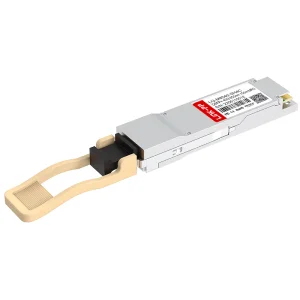
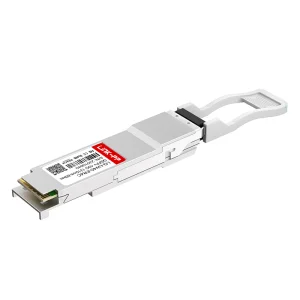
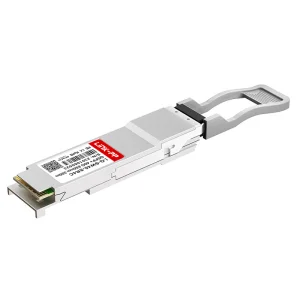
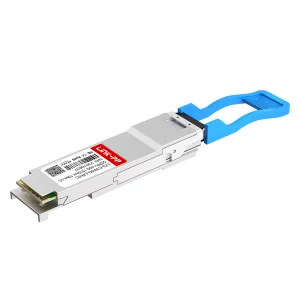
As the capital of Victoria, Melbourne is experiencing an unprecedented digital transformation. Driven by the expansion of cloud availability zones, high-frequency trading (HFT) configurations, and localized corporate networks in Melbourne CBD, Docklands, and suburban tech parks like Mulgrave and Clayton, high-density optical routing has transitioned from a convenience to a critical operational baseline. 40G QSFP+ (Quad Small Form-factor Pluggable Plus) modules represent a core pillar of this infrastructure, serving as the reliable interconnect bridging local enterprise access layers and high-bandwidth core switches.
Melbourne’s commercial landscape is unique. Unlike highly centralized financial nodes, Victoria’s digital infrastructure is distributed across key hubs: the financial and banking services in the CBD, technology incubators in Cremorne, and heavy industrial logistics corridors around the Port of Melbourne and Dandenong. This geographic distribution demands a hybrid network topology. High-performance optical networks connect central data storage centers with distributed nodes, using single-mode and multi-mode systems.
Local government initiatives under the "Victorian Digital Asset Strategy" emphasize high-speed connectivity. This is particularly true for transport systems, smart municipal management, and modern academic research networks (e.g., RMIT and the University of Melbourne). Within these networks, 40G QSFP+ modules play a crucial role. They act as aggregation nodes that aggregate 10G signals into 40G trunk connections. This provides a cost-effective upgrade path to 100G and 400G infrastructures.
One of the primary friction points faced by Melbourne network engineers is vendor lock-in and multi-vendor compatibility. Optical transceivers deployed in enterprise environments must communicate seamlessly with host boards from manufacturers such as Cisco, Arista, Juniper, Mellanox, and HP. A generic transceiver often fails due to strict DOM (Digital Diagnostic Monitoring) check routines implemented in proprietary firmware.
To address this, we leverage advanced EEPROM customization capability. Our R&D engineering division designs and compiles customized device descriptor codes (including Vendor Name, OUI, Part Number, and checksum parameters) directly onto the module's microcontrollers. This ensures that when a 40GBASE-SR4 or 40GBASE-LR4 module is inserted into a switch, it is identified as an original vendor-approved device, eliminating interface shutdowns, warning logs, and optical link degradation.
Deploying 40G QSFP+ modules in Victoria's variable environmental conditions requires rigorous physical layer engineering:
FiberQ Photonics Technology Co., Ltd. combines advanced manufacturing facilities with local regulatory alignment to deliver reliable high-speed optical transceivers.
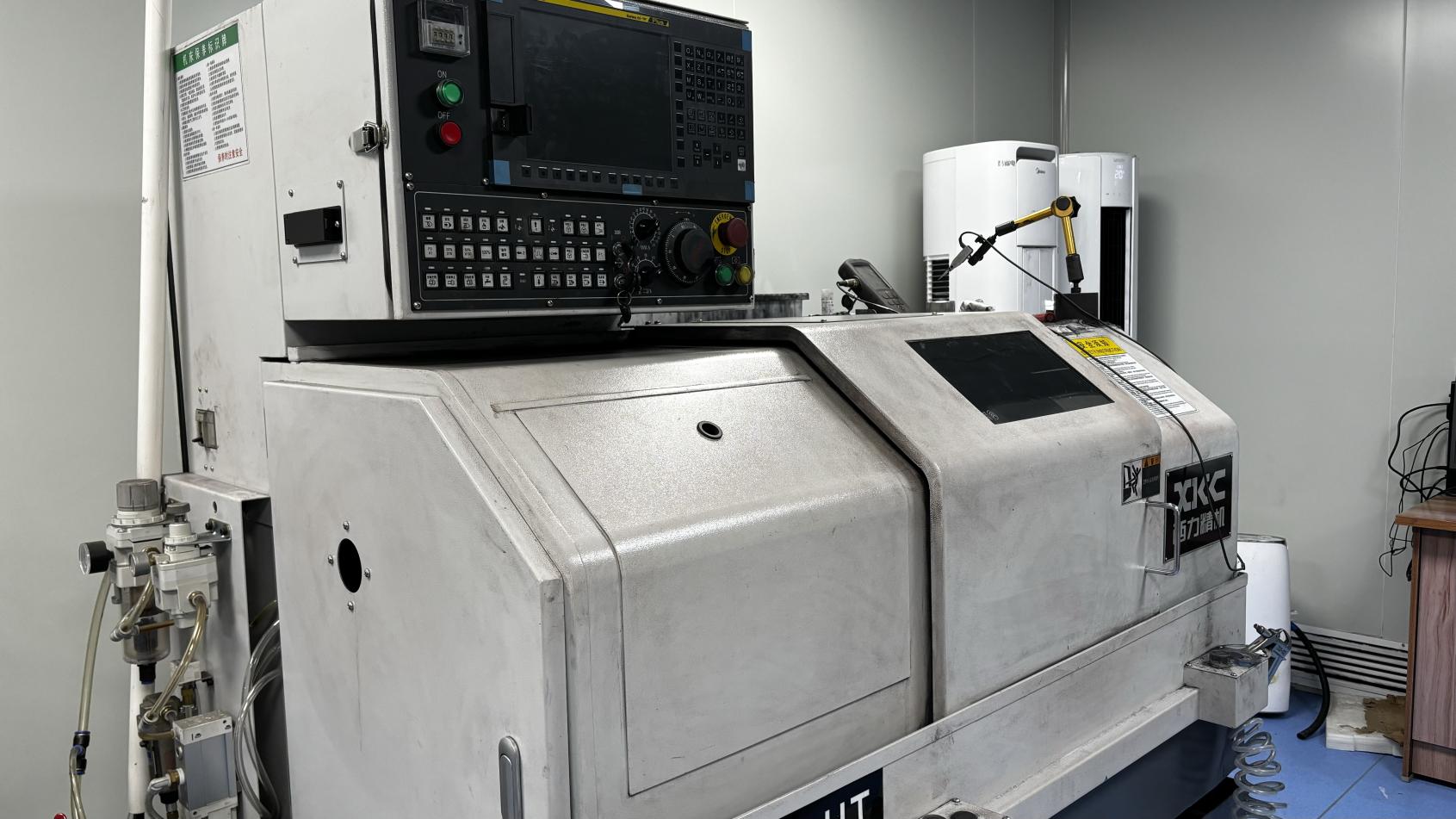
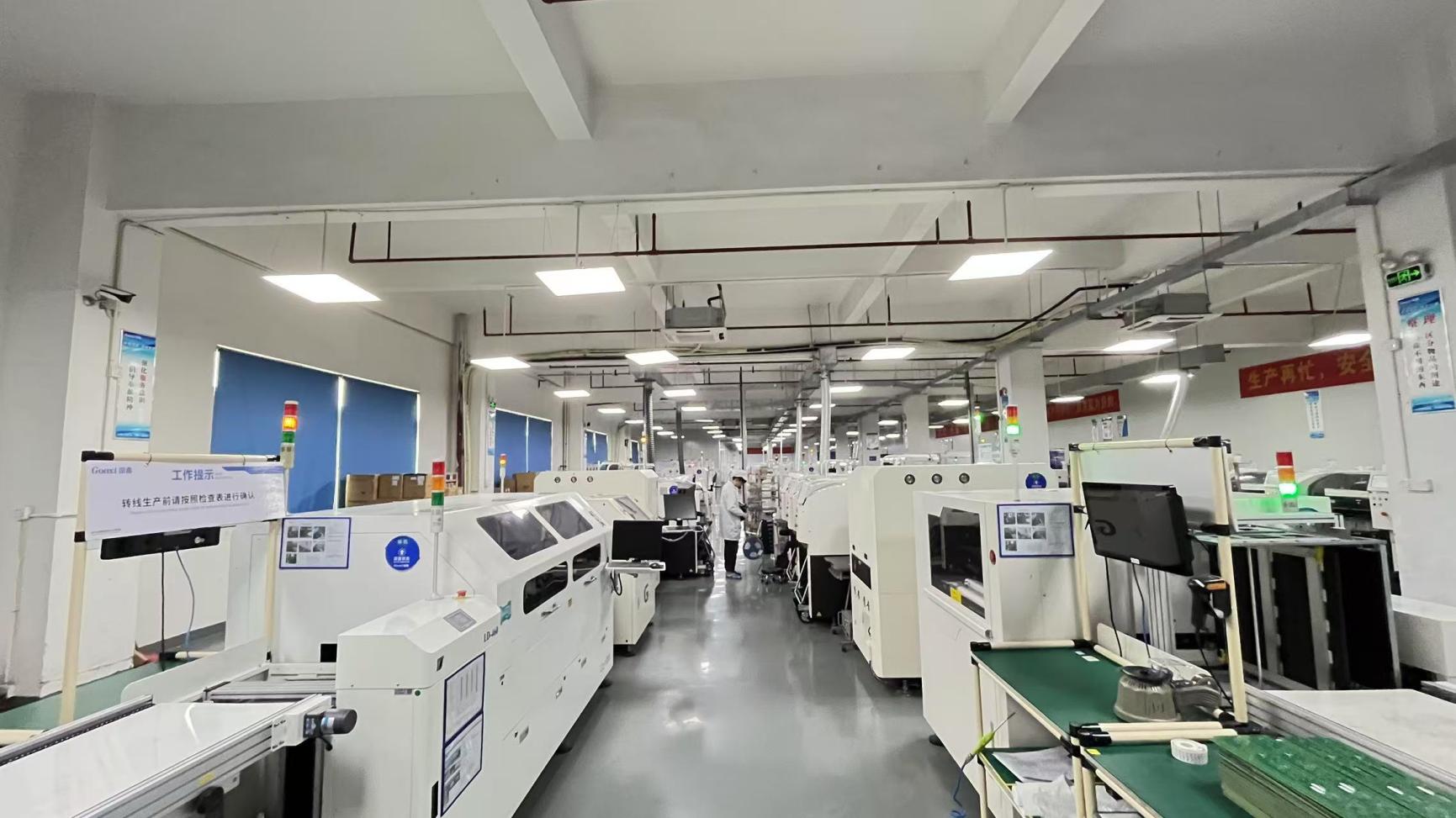
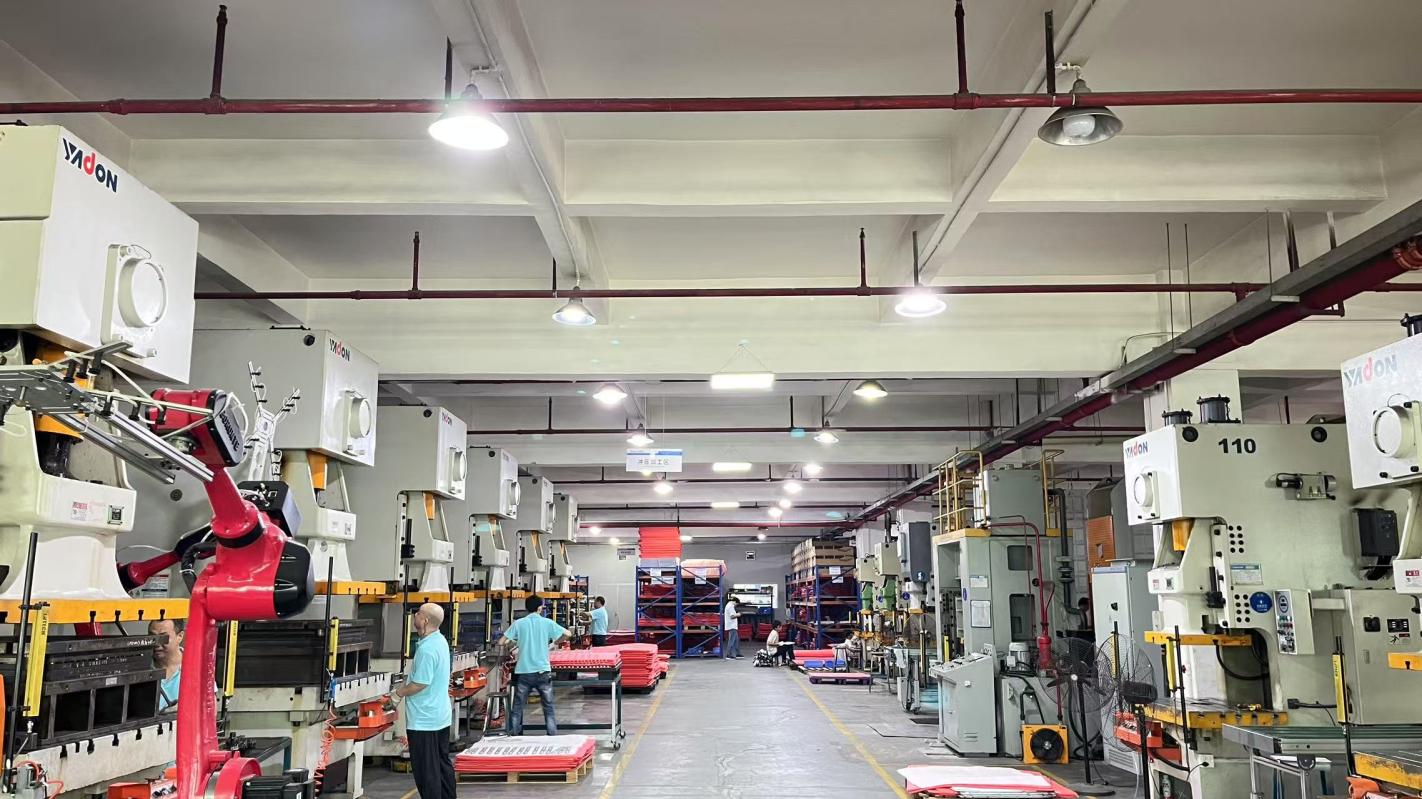
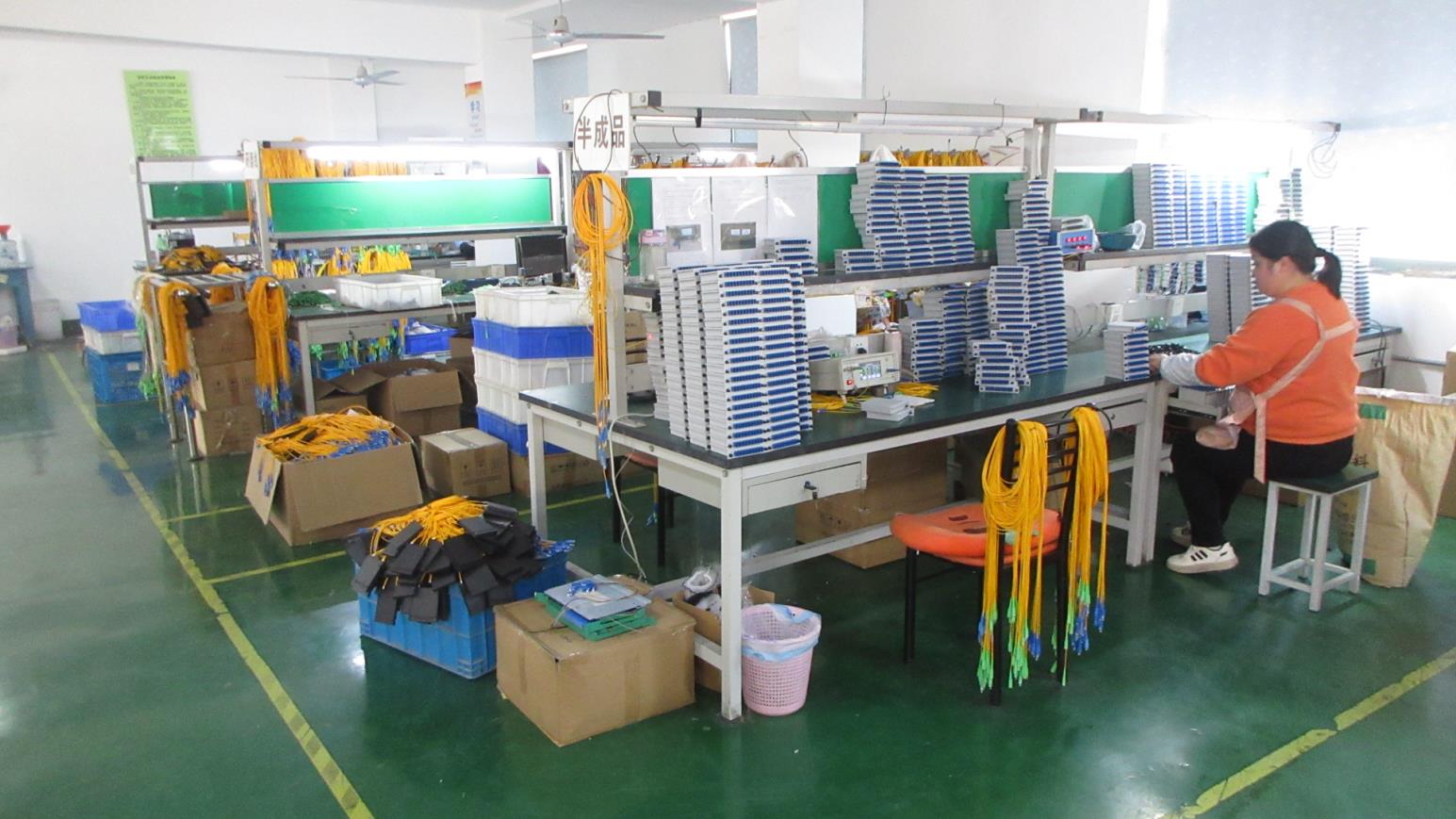
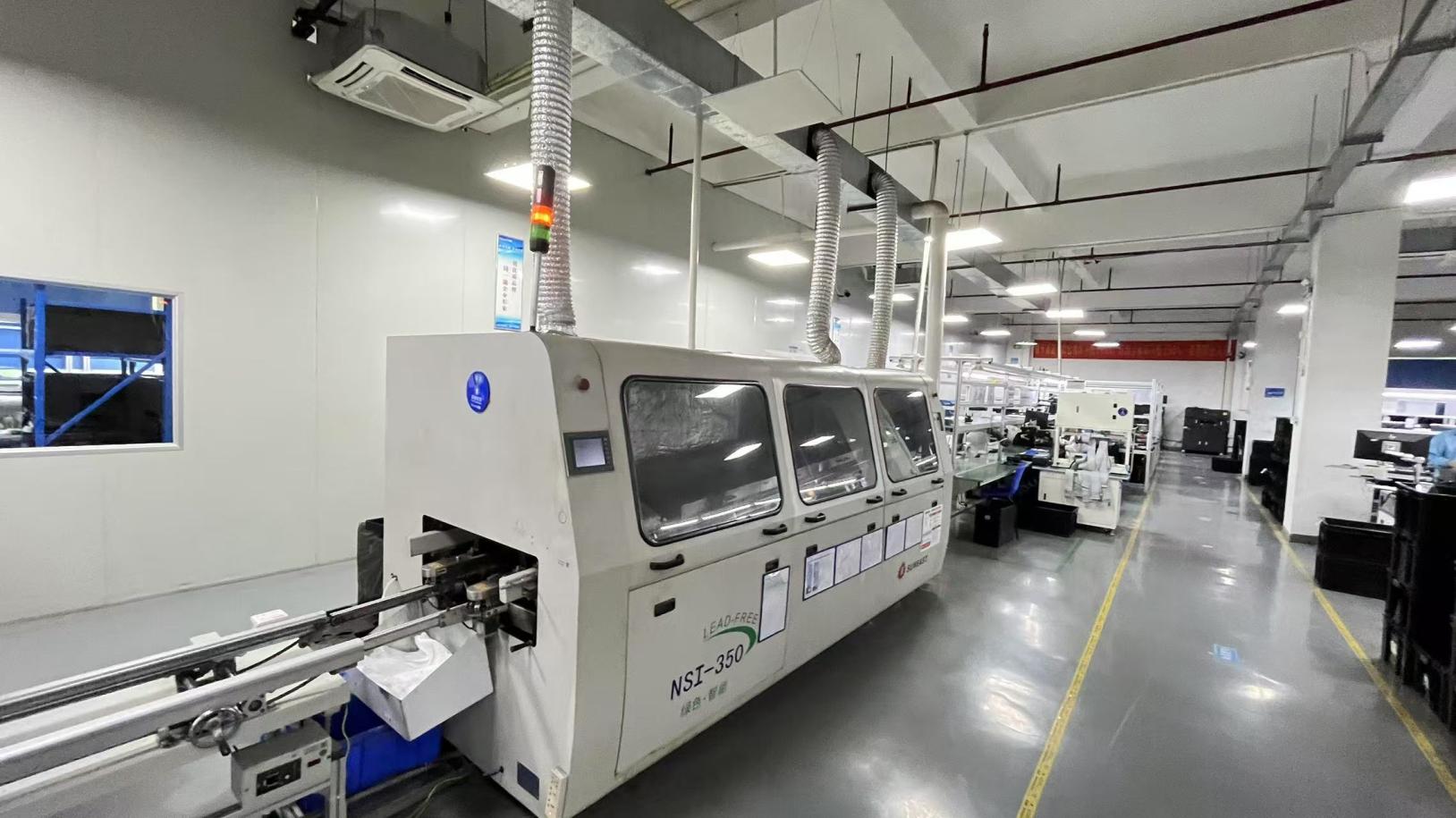
Founded in 2015, FiberQ Photonics operates a state-of-the-art 12,600㎡ modern production facility. This facility supports high-precision assembly, automated optical alignment, and strict quality control processes. Our annual export revenue reaches approximately USD 9.5 million, backed by 6 years of export experience and 12 years of industry-leading optical engineering expertise.
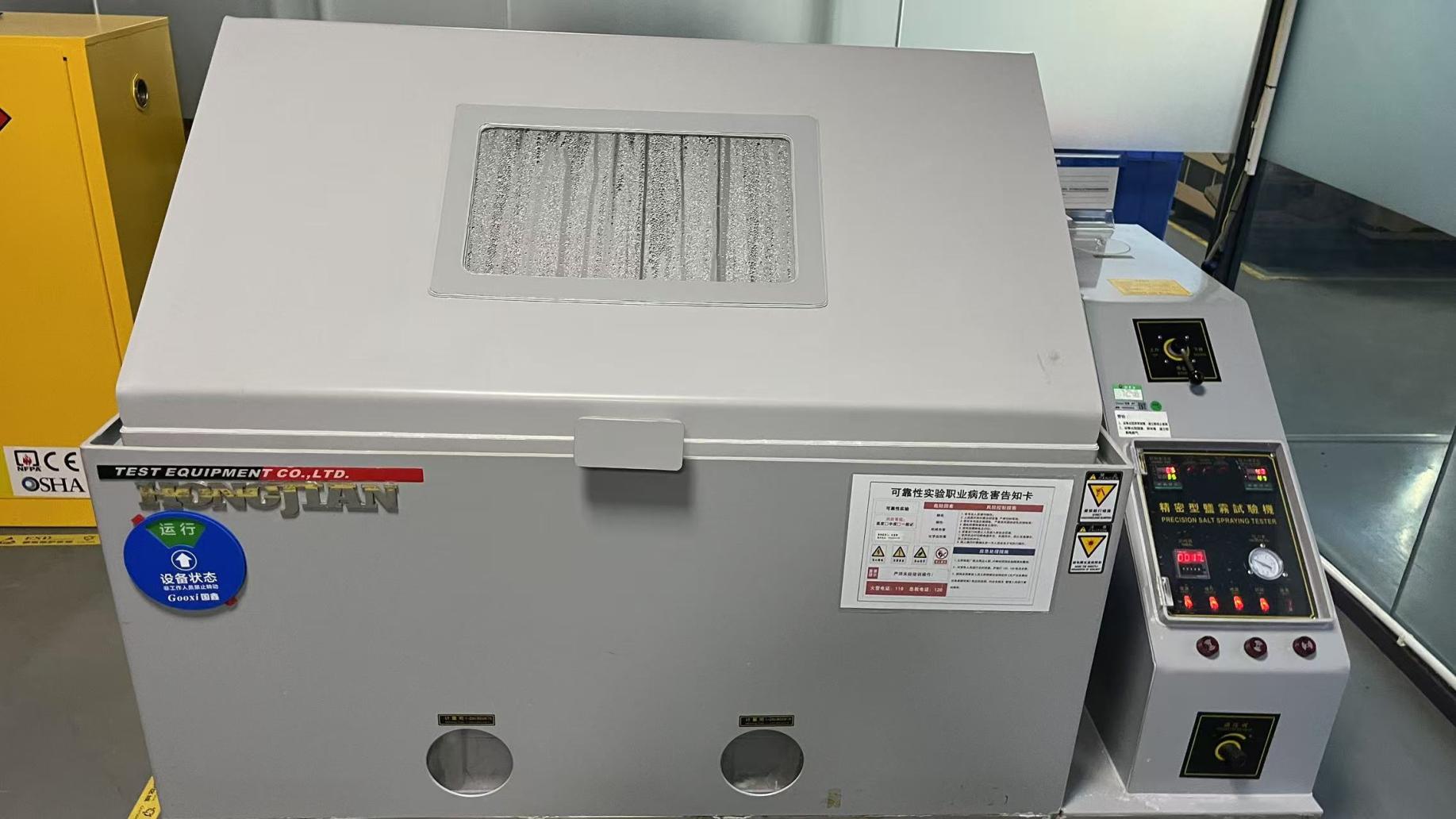
We maintain an active quality assurance team of 62 experienced inspectors. Every single transceiver undergoes comprehensive automated testing, including:
• Optical spectrum verification and eye-diagram testing.
• High-temperature and low-temperature thermal chamber aging cycles.
• Interferometric inspection of optical interfaces to prevent insertion loss.
• Multi-platform switch compatibility validation.
This strict testing cycle ensures our products exceed Telcordia GR-468 reliability standards. Our transceivers comply with ACMA RCM, CE, FCC, and RoHS regulations, ensuring hassle-free imports and deployments across Australia.
We collaborate with over 1,450 trusted supply chain partners worldwide. This extensive network ensures access to premium optical sub-assemblies (TOSA/ROSA) and high-quality silicon chips, mitigating global supply chain disruptions and minimizing delivery times to Victoria.
Our dedicated team of 240 R&D engineers continuously innovates, launching approximately 180 new products annually. This allows us to support custom requests, such as non-standard wavelengths, customized firmware configurations, and unique form-factors, to meet our customers' specific requirements.

Direct manufacturer supply channels to Melbourne, featuring competitive pricing structures, guaranteed compatibility, and rapid dispatch capabilities.
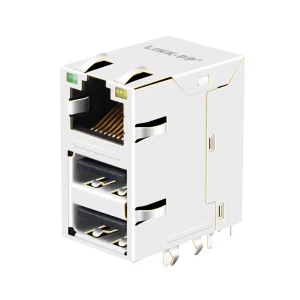
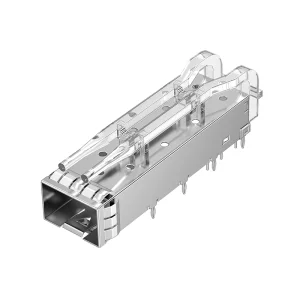
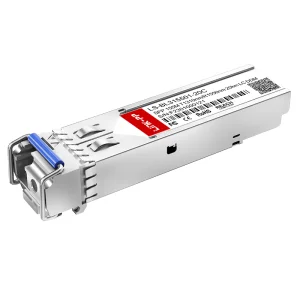
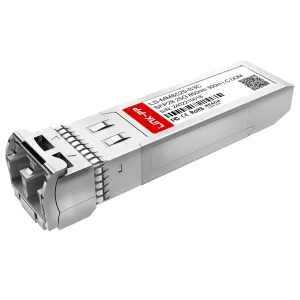
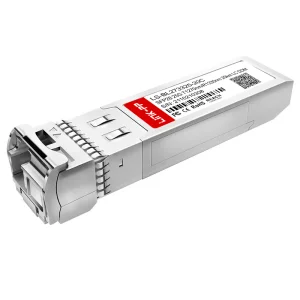
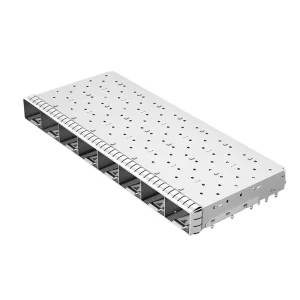
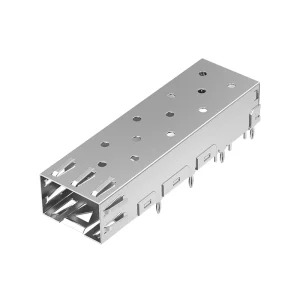
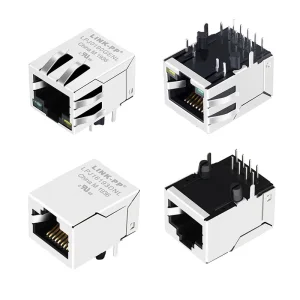
Send Inquiry NowOur complete range of transceivers, compatible cages, and copper interfaces designed to optimize network cabinets, switchgear, and fiber distributions across Australia.
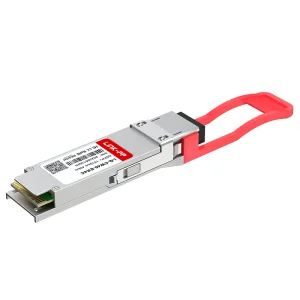
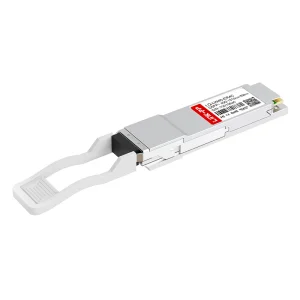
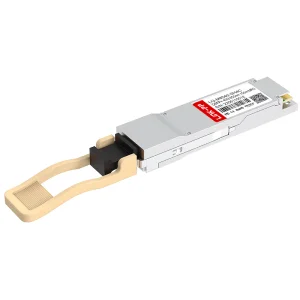
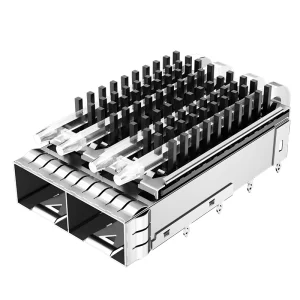
While 40G QSFP+ remains a reliable, cost-effective workhorse for mid-market datacenters and regional transport networks, technology is evolving. Enterprise operations in Victoria are planning migration strategies to 100G (QSFP28), 200G/400G (QSFP-DD), and eventually 800G optical lines. These upgrades are driven by latency requirements, rack power budgets, and fiber availability.
A major challenge in this evolution is the mismatch between physical connectors. 40G transceivers often utilize MPO-12 connectors with 4 active channels transmitting at 10Gbps each. When transitioning to 100G, networks can choose between continuing to use parallel multi-mode fiber (such as 100GBASE-SR4) or shifting to duplex LC single-mode systems (like 100GBASE-LR4) which leverage internal WDM multiplexing. Engineers must weigh up the costs of re-cabling versus buying more expensive optics.
We are actively helping our clients design and implement these upgrade paths. Our hybrid 40G/100G transceivers offer dual-rate capability, allowing you to run ports at 40G today and remote-configure them to 100G when your core infrastructure upgrades. This saves significant capital expenditure and minimizes downtime.
To support this evolution, we offer a custom EEPROM customization service. Melbourne network administrators can send us their switch model configurations, and our engineering team will write the precise firmware signature to ensure immediate compatibility, seamless diagnostic mapping, and zero port negotiation drops.
Explore answers to common questions about deployment, physical infrastructure compatibility, and local regulatory requirements for optical systems in Melbourne.