FiberQ
Whitepaper: Industrial Fiber Optic Architecture in Italy
Analyzing localized demands, technical criteria, and structural shifts in Italy's telecom infrastructure.
1. Italy's Telecommunications and Industrial IoT Landscape
Italy is undergoing an extensive digital transformation, backed by national strategic initiatives like the "Piano Banda Ultra Larga" (Ultra Broadband Plan) and Italy's Recovery and Resilience Plan (PNRR). Under these programs, fiberization has expanded beyond major municipal centers like Milan, Rome, Turin, and Naples, down to secondary industrial districts in Lombardy, Veneto, and Emilia-Romagna.
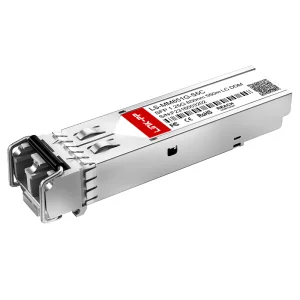
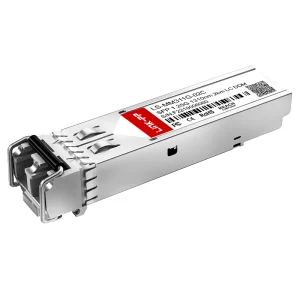
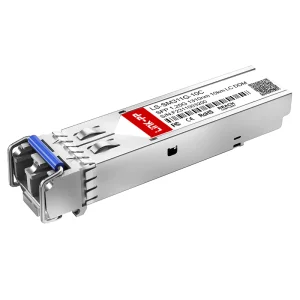
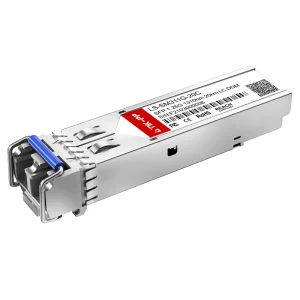
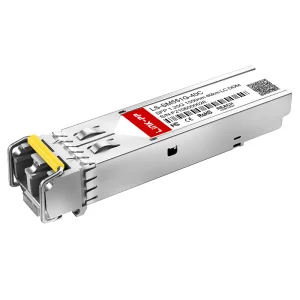
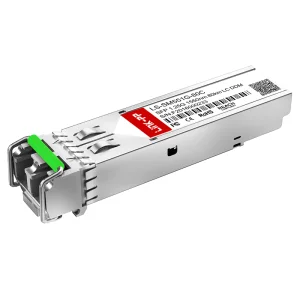
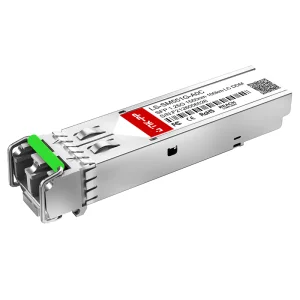
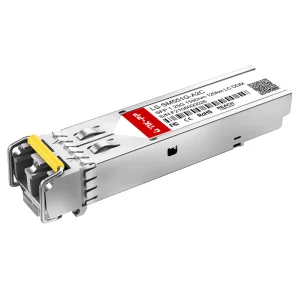
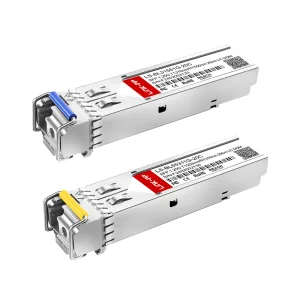
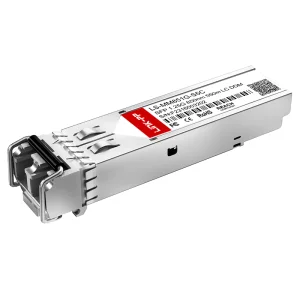
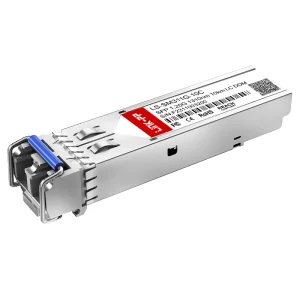
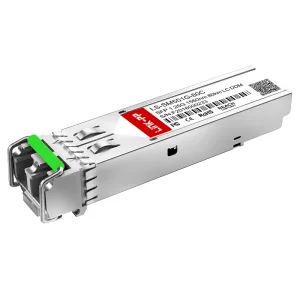
In the industrial domain—often referred to as "Transizione 4.0" (Industry 4.0)—optical connectivity has become the standard for mission-critical industrial Ethernet backbones. Steel mills in Brescia, automotive plants in Piedmont, and manufacturing clusters in the Northeast require robust fiber-optic connections to mitigate electromagnetic interference (EMI) generated by high-power machinery. The 1.25G SFP module remains the workhorse of these setups, offering a optimal balance of bandwidth, thermal resistance, and cost-efficiency for industrial switches and media converters.
- FTTH Backbone Extensions: GPON/EPON networks require high-performance, cost-effective SFP modules for local distribution loops.
- Extreme Environmental Rigor: Industrial plants in the Po Valley require industrial-temperature grade SFPs (-40°C to +85°C) to prevent system downtime.
- Broad Vendor Interoperability: Integrators deploying systems for TIM, Open Fiber, and Fastweb demand multi-vendor EEPROM coding options.
2. Why 1.25G SFP Technology Remains Crucial for Modern Deployments
Despite the rapid rise of 10G, 100G, and even 400G optical links, 1.25Gbps Small Form-factor Pluggable (SFP) modules represent the foundational layer of physical network access points. Most smart utility monitoring, smart grid management (such as ENEL grids), and regional traffic control systems (ANAS networks) rely on Gigabit Ethernet protocols.
Standardizing on reliable, high-grade 1.25G SFP transceivers prevents bottle-necks in edge computing nodes, offering a massive MTBF (Mean Time Between Failures) advantage compared to copper cabling. Additionally, the transition from copper-based RJ45 lines to single-mode fiber (SMF) via SFP transceivers allows optical transmission distances to scale seamlessly from 550 meters (using multi-mode fiber) to upwards of 160 kilometers, bypassing the 100-meter limits of standard Cat6 copper wiring.
3. The Strategic Cost and Quality Advantages of China-Based Optical Engineering
For Italian procurement executives, sourcing high-volume optical modules directly from a certified Chinese optical manufacturer like FiberQ Photonics represents a crucial competitive strategy. By combining Chinese vertical supply chain integration with stringent testing, FiberQ delivers carrier-grade products at a fraction of the cost of OEM brands.
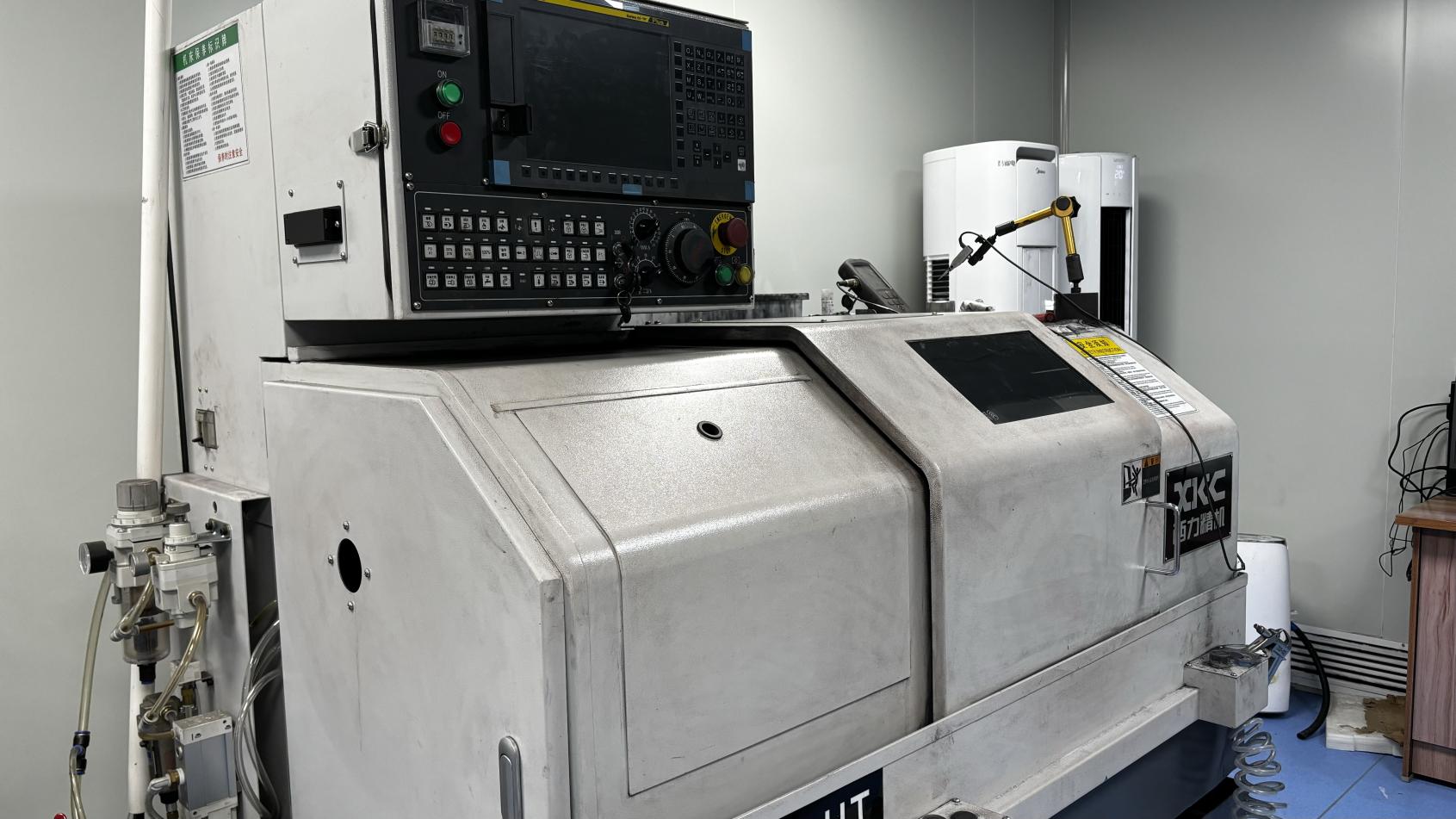
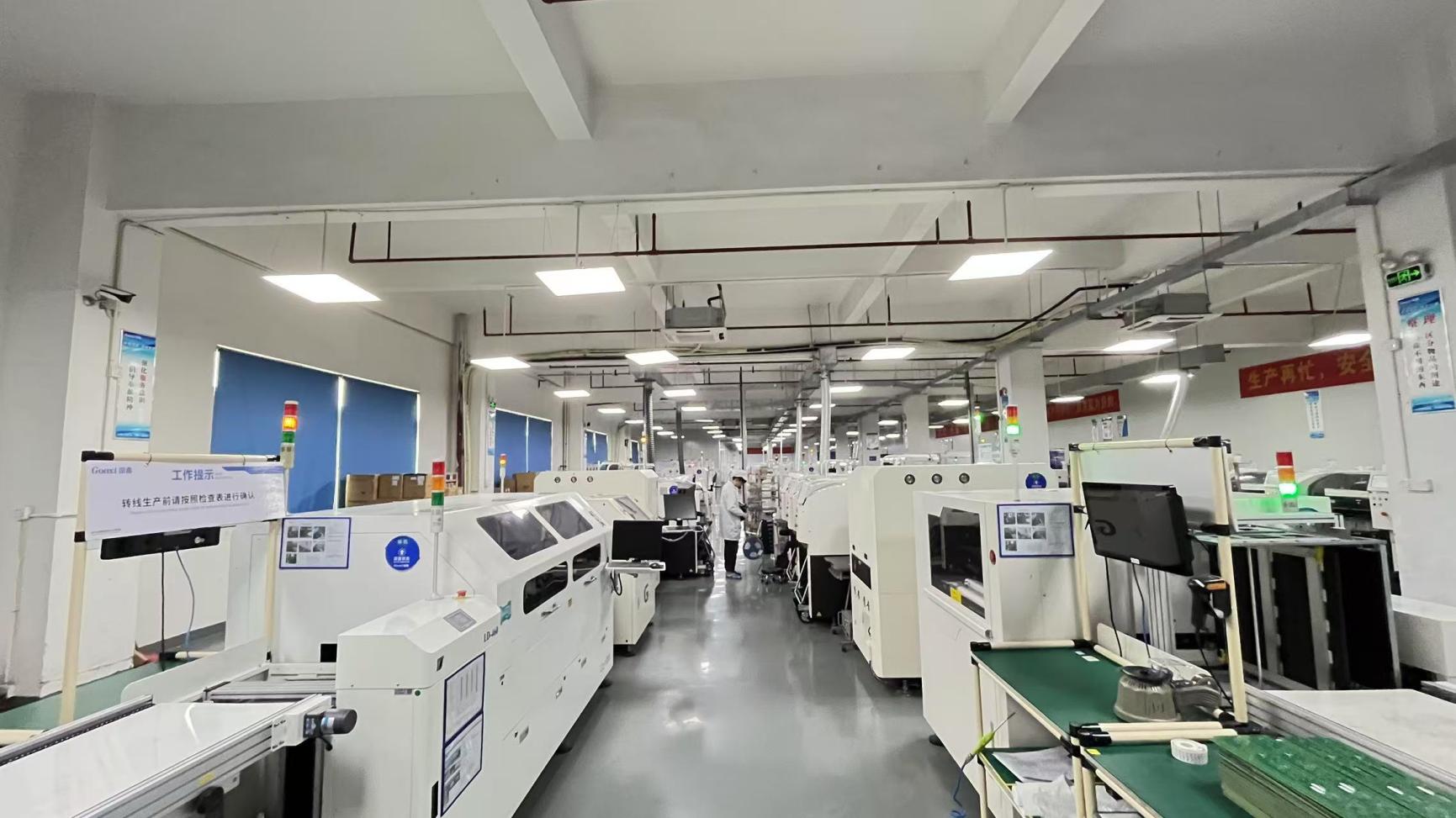
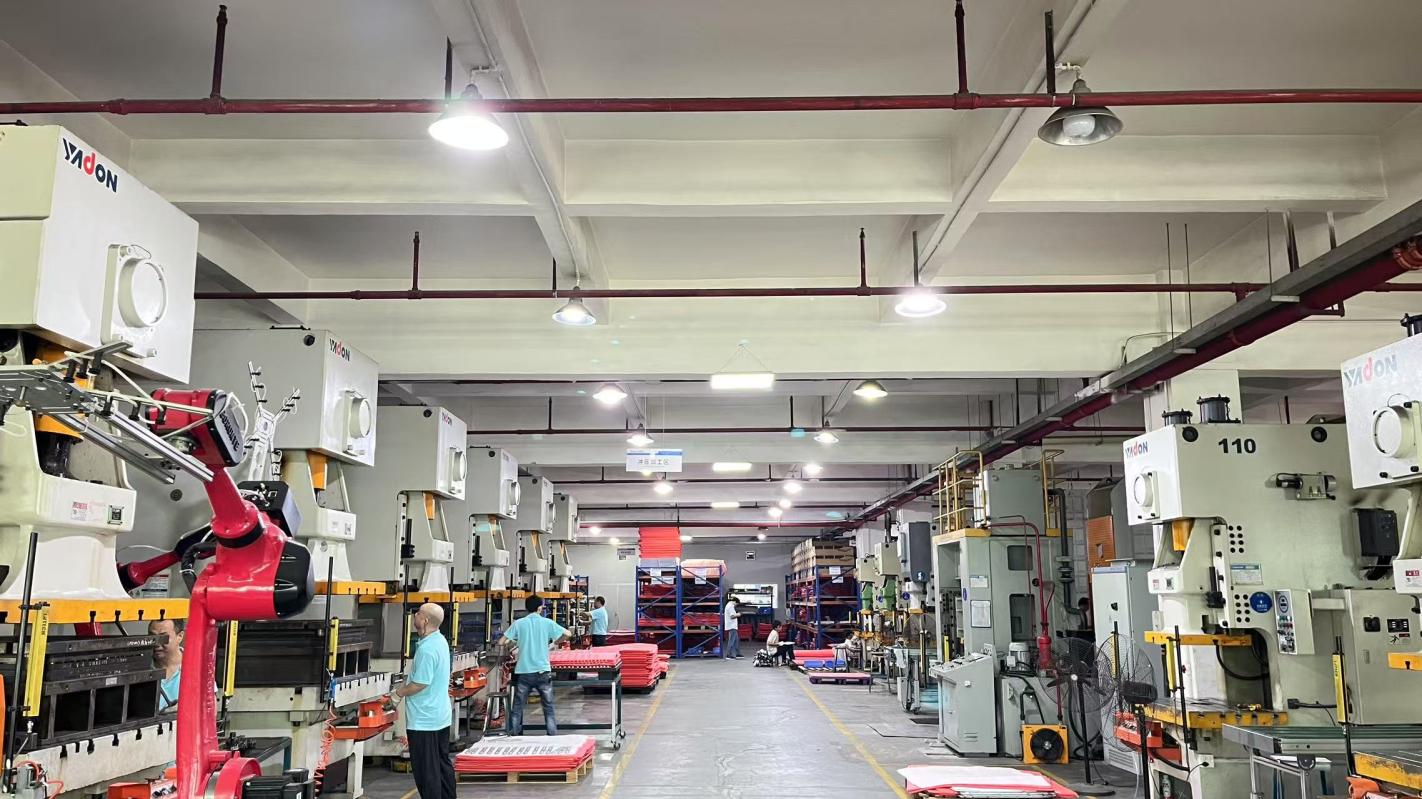
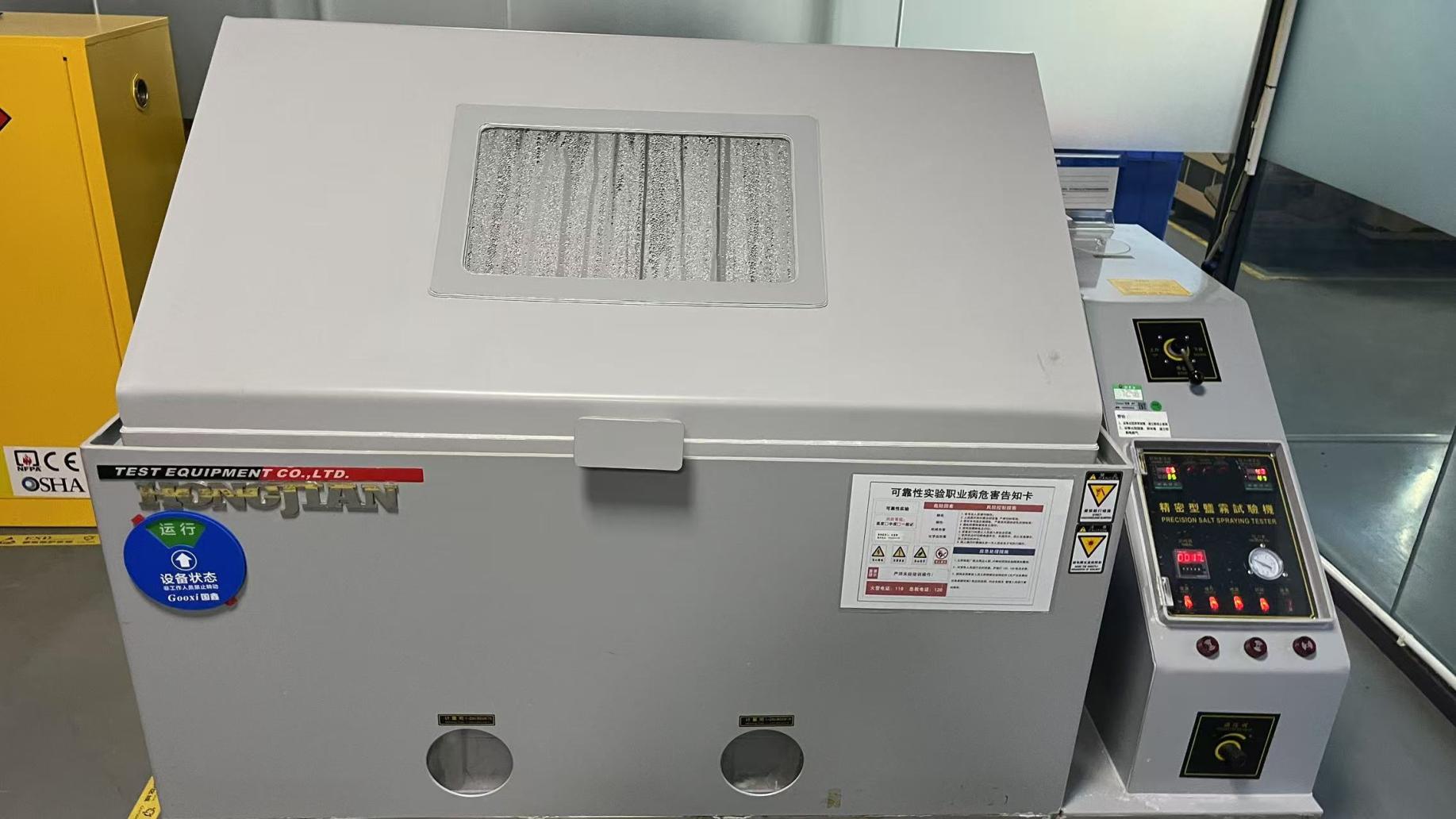
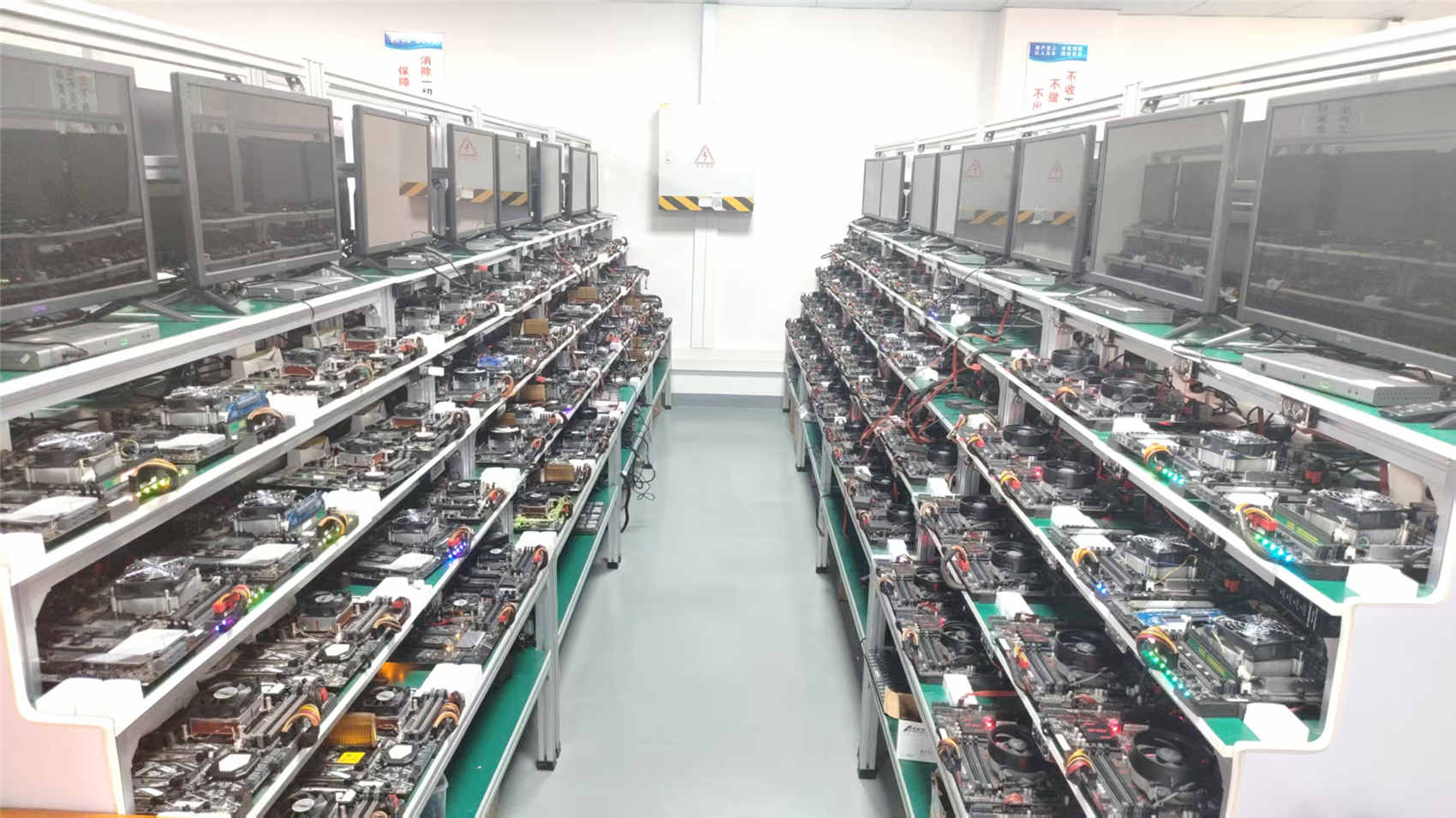
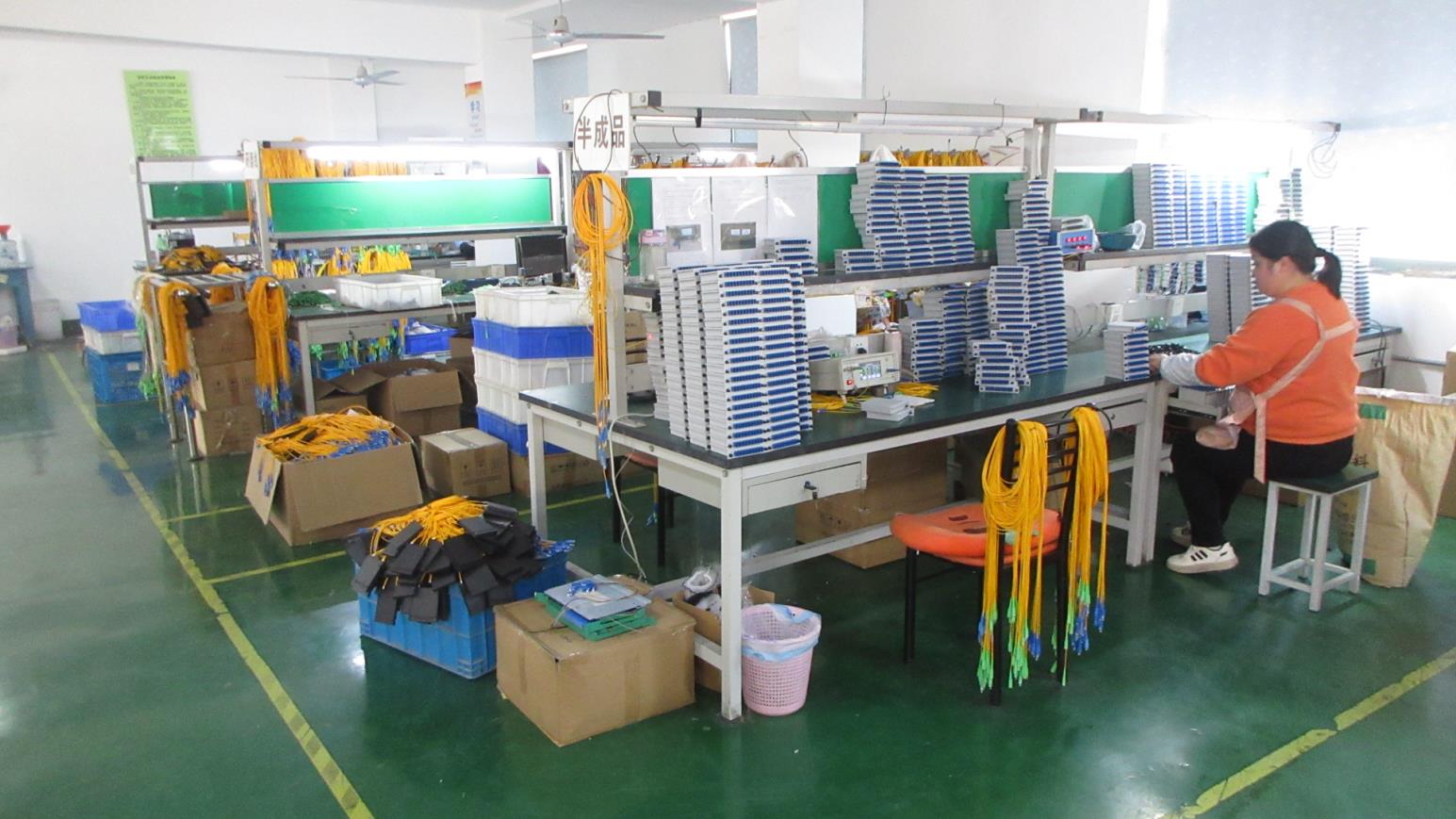
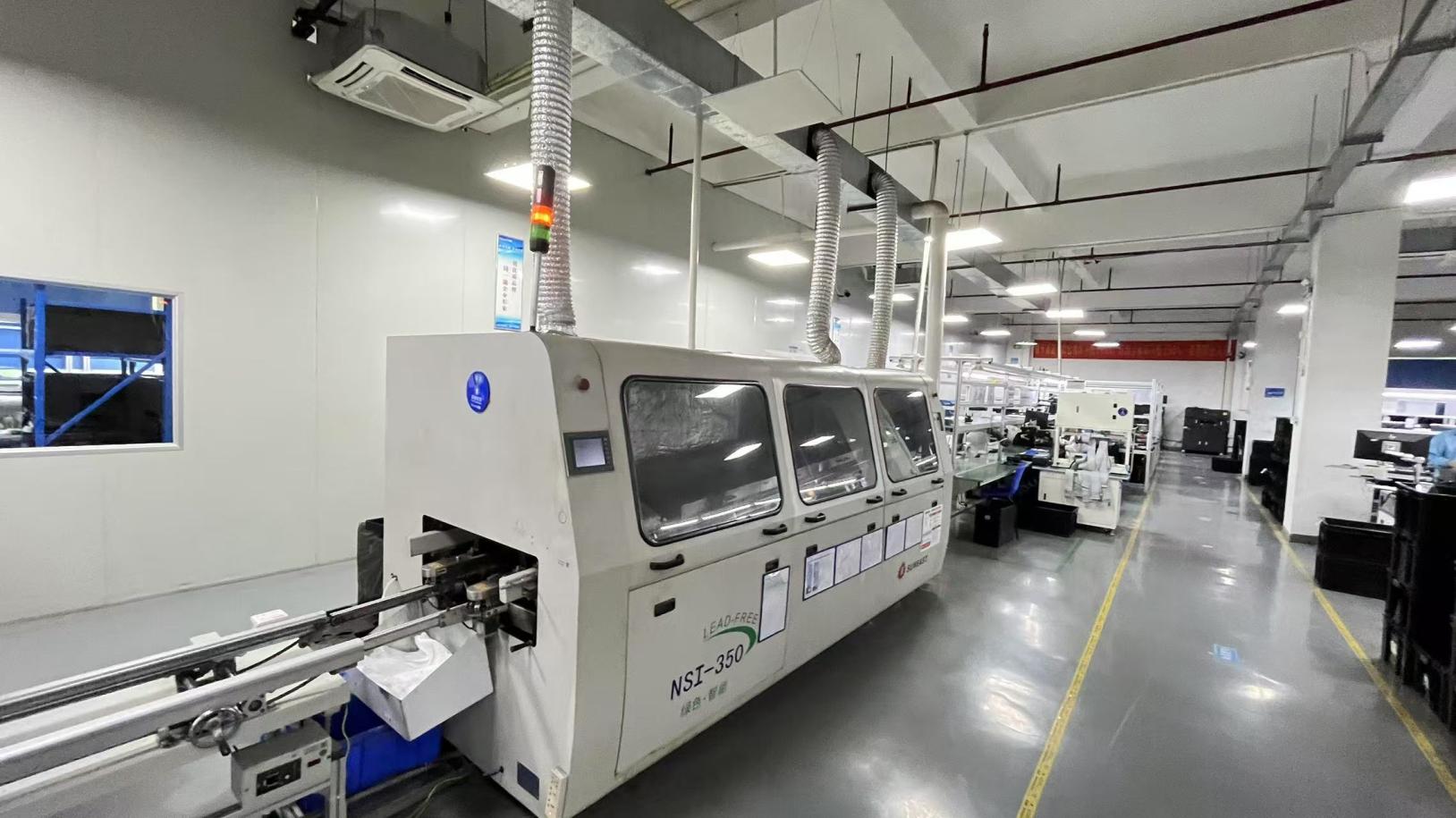
FiberQ collaborates with approximately 1,450 trusted supply chain partners to secure high-quality laser chips (DFB, VCSEL) and photodetectors (PIN, APD) at competitive rates. Supported by an advanced R&D team of 240 engineers, our 12,600 m² factory handles critical customizations, including custom EEPROM coding for systems from brands like Cisco, Juniper, Mikrotik, and Huawei, ensuring seamless compatibility on Italian fiber backbones.