FiberQ
FiberQ
FiberQ
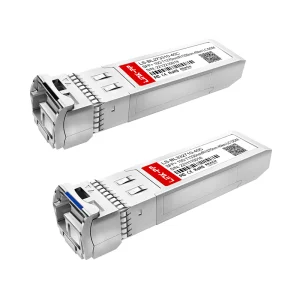
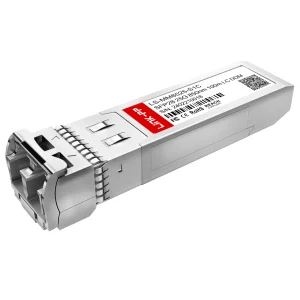
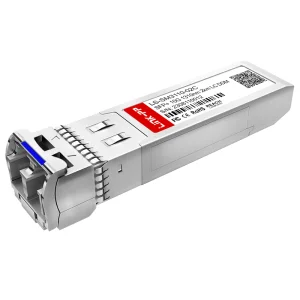
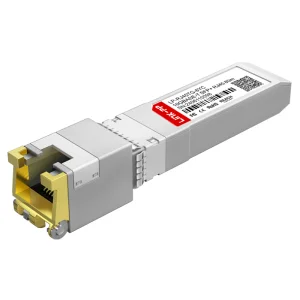
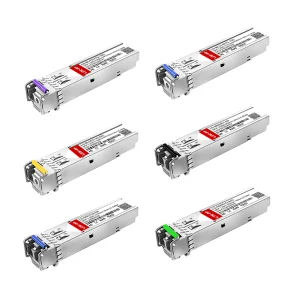
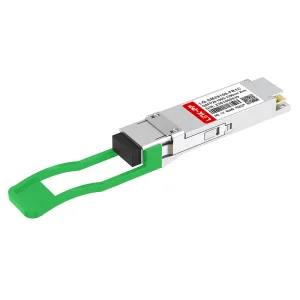
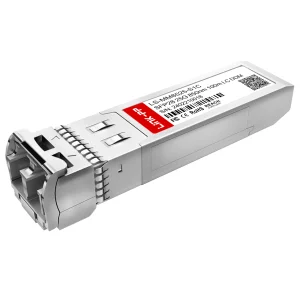
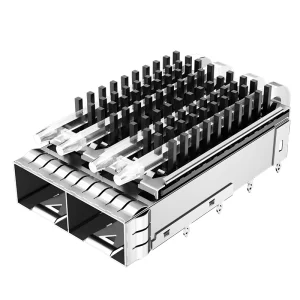
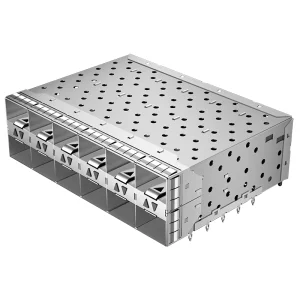
Modern networks demands speed, low latency, and energy efficiency. At the core of this transition are Small Form-factor Pluggable (SFP) transceivers, serving as the interface between switches, routers, and high-performance optical fiber cables. From legacy 1G SFP to advanced SFP+, SFP28, QSFP28, and next-generation QSFP-DD form factors, the industry has pushed physical boundaries to optimize bandwidth density.
As data centers scale to handle AI/ML workloads, traditional architectures are evolving. Optical transceivers now incorporate advanced digital signal processing (DSP), high-speed lasers (such as VCSEL, DFB, and EML), and highly integrated silicon photonics modules. These innovations allow network engineers to secure long-reach transmissions (exceeding 80km in BiDi and DWDM architectures) while keeping power dissipation to a minimum.
Supporting transitions from 10G and 25G up to 100G and 400G deployments, utilizing advanced PAM4 modulation technologies to double the capacity per channel.
Multi-Source Agreement (MSA) compliance ensures seamless plug-and-play operations across industry-leading switch brands like Cisco, Juniper, and Huawei.
Reducing operational costs with lower power budgets per module, advanced thermal engineering, and long lifecycle parameters.
Founded in 2015, FiberQ Photonics Technology Co., Ltd. is a professional manufacturer specializing in high-performance fiber optic transceivers and advanced photonic communication solutions. Over the past decade, we have established ourselves as a trusted global partner for data centers, telecommunication operators, and enterprise networks.
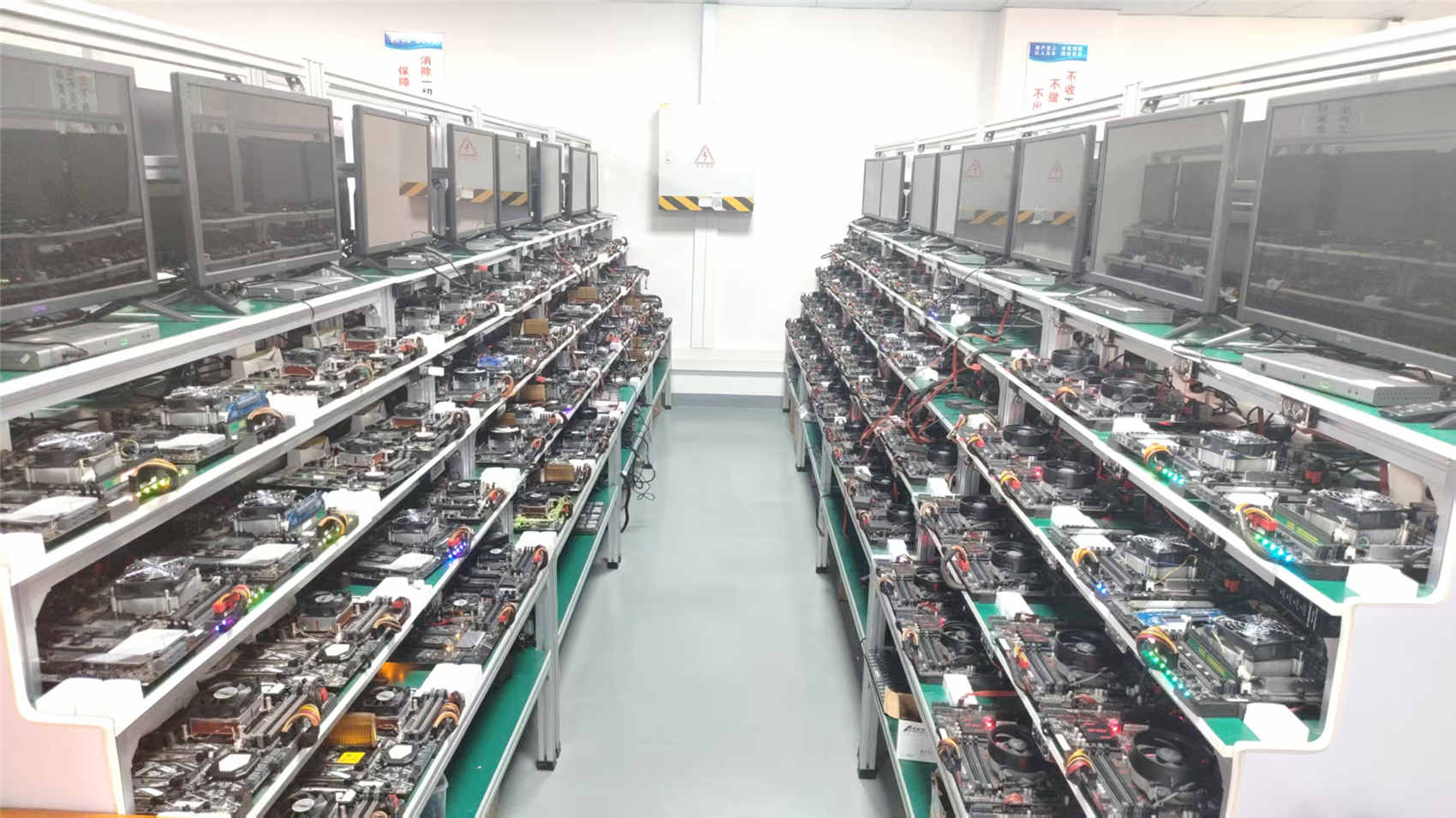
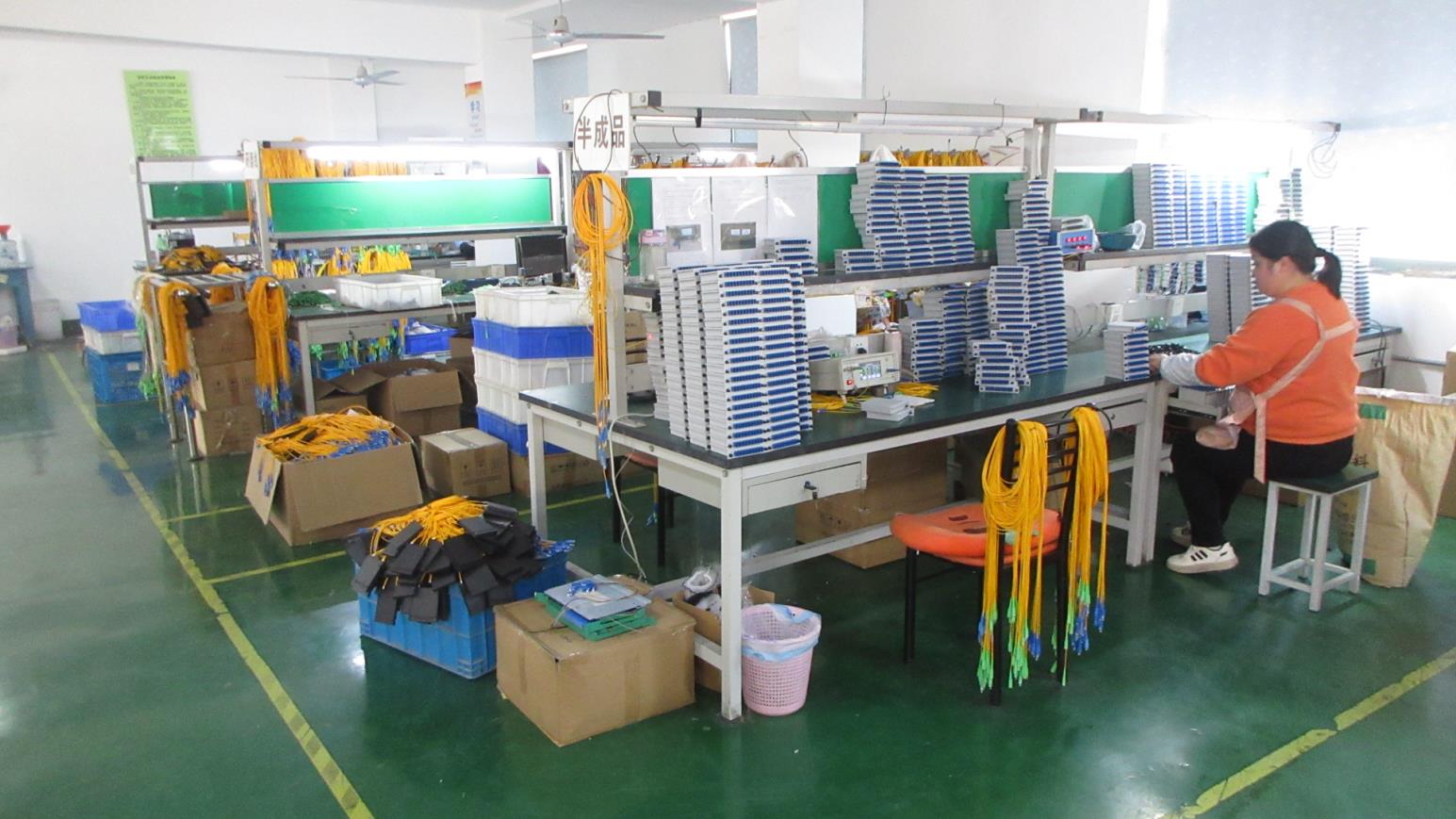
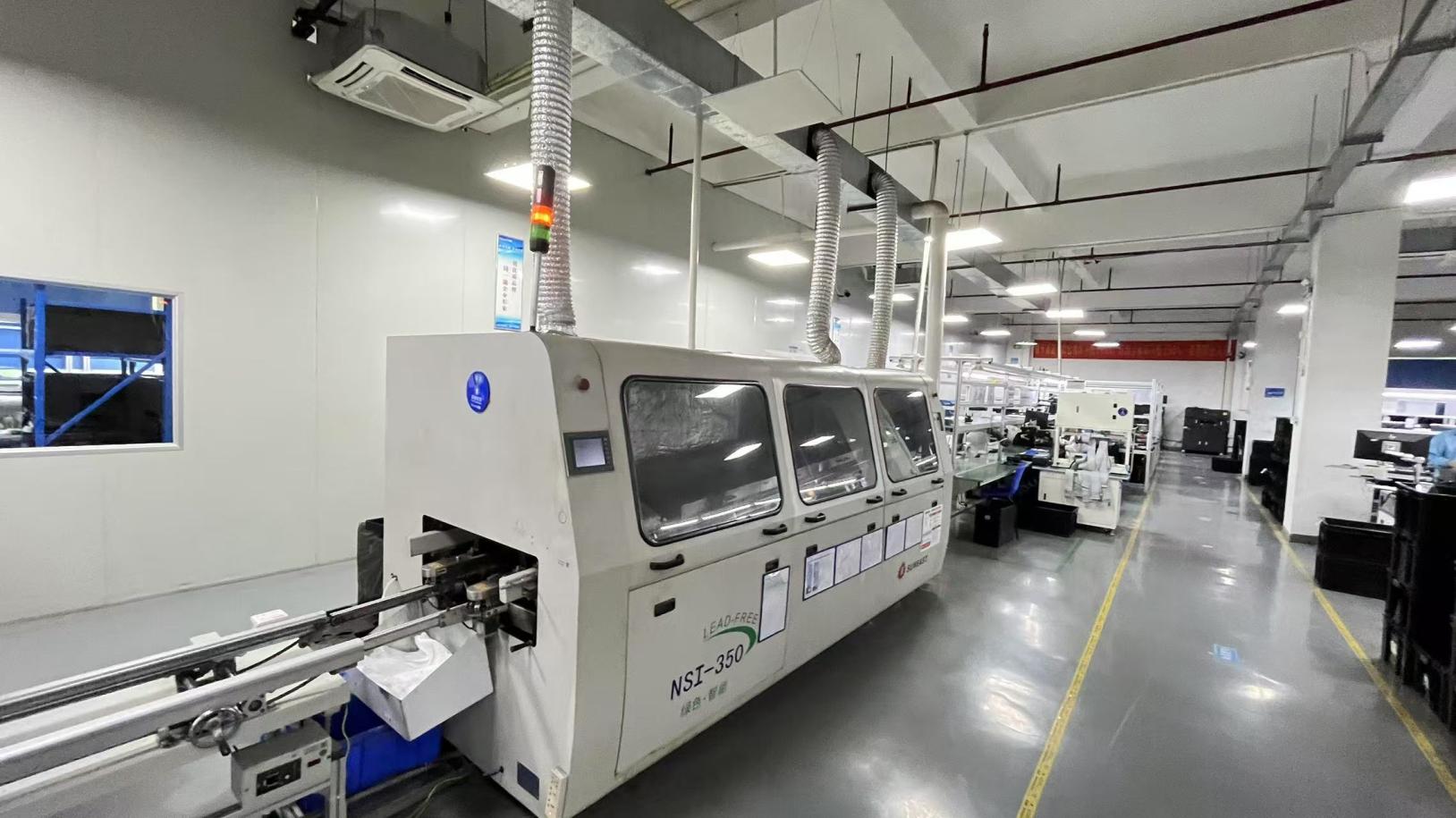
Our infrastructure is designed for scalability and high-yield output. Our modern production facility covers approximately 12,600㎡, integrating dust-free cleanrooms, automated alignment systems, and precision optical testing benches to maintain absolute reliability.
We are dedicated to collaborative engineering, fostering robust OEM and ODM partnerships. By working with over 1,450 upstream and downstream supply chain partners, we secure the supply of high-grade raw components, from laser chips to PCB assemblies, ensuring stable lead times for our clients.
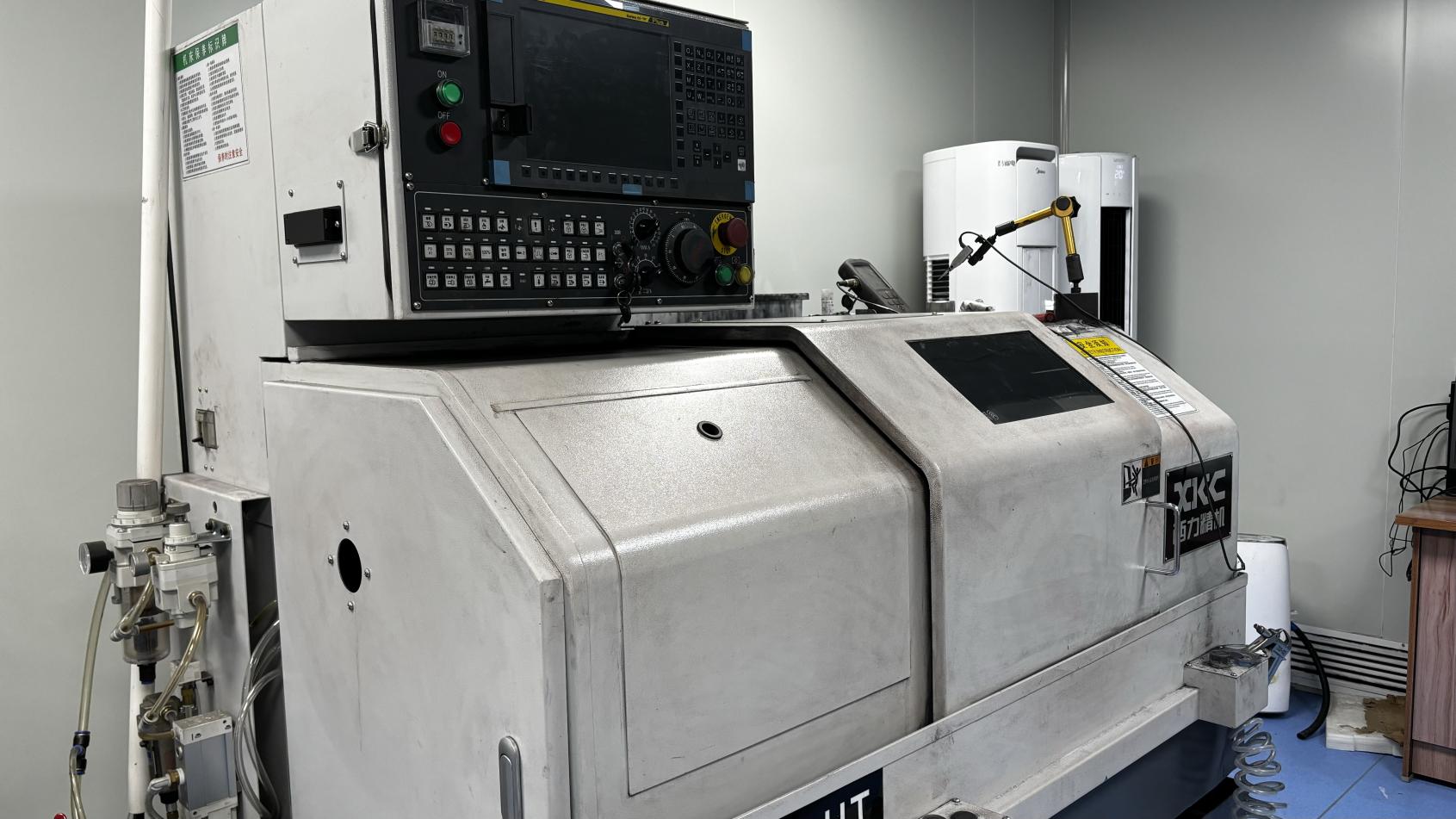
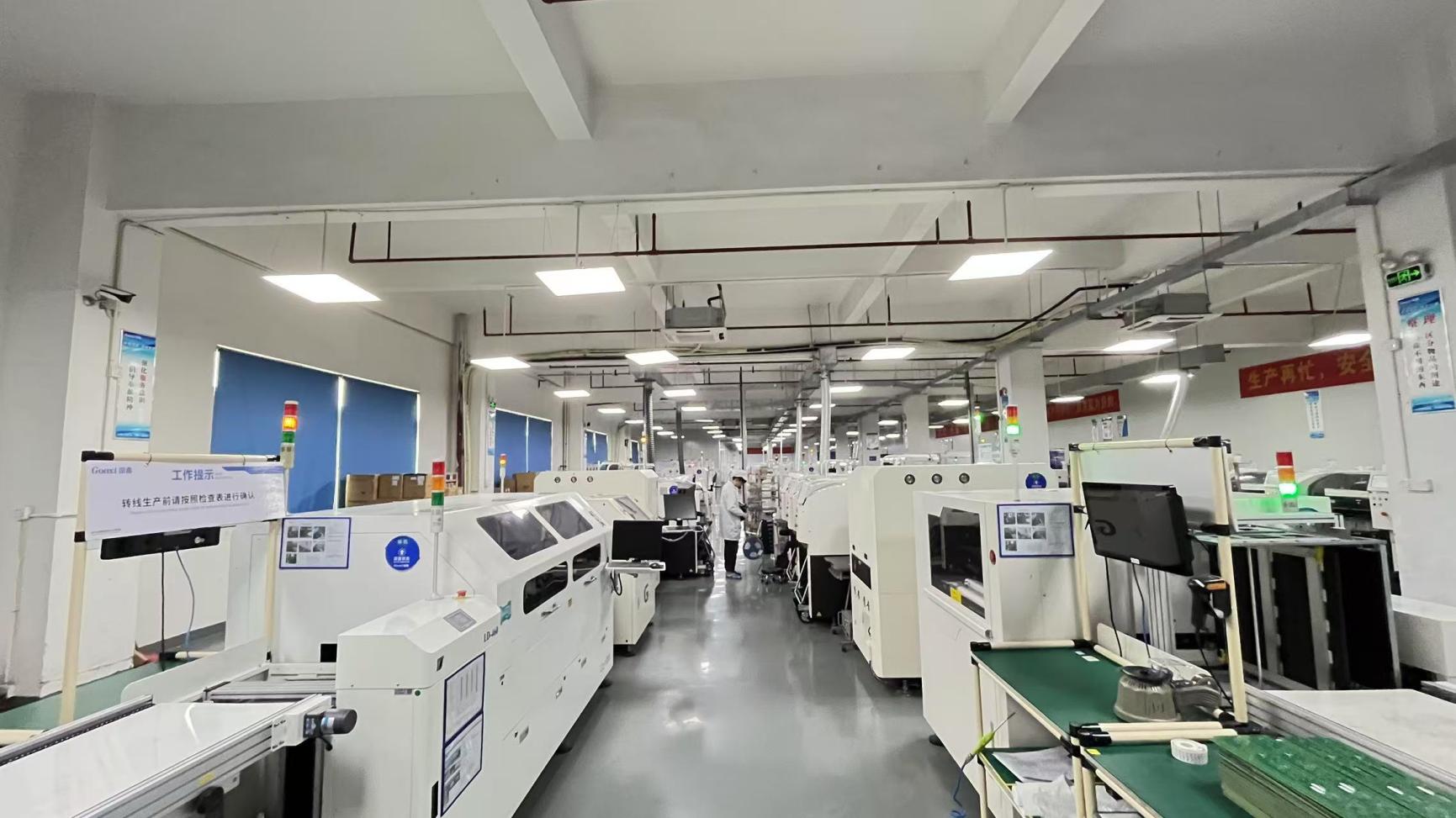
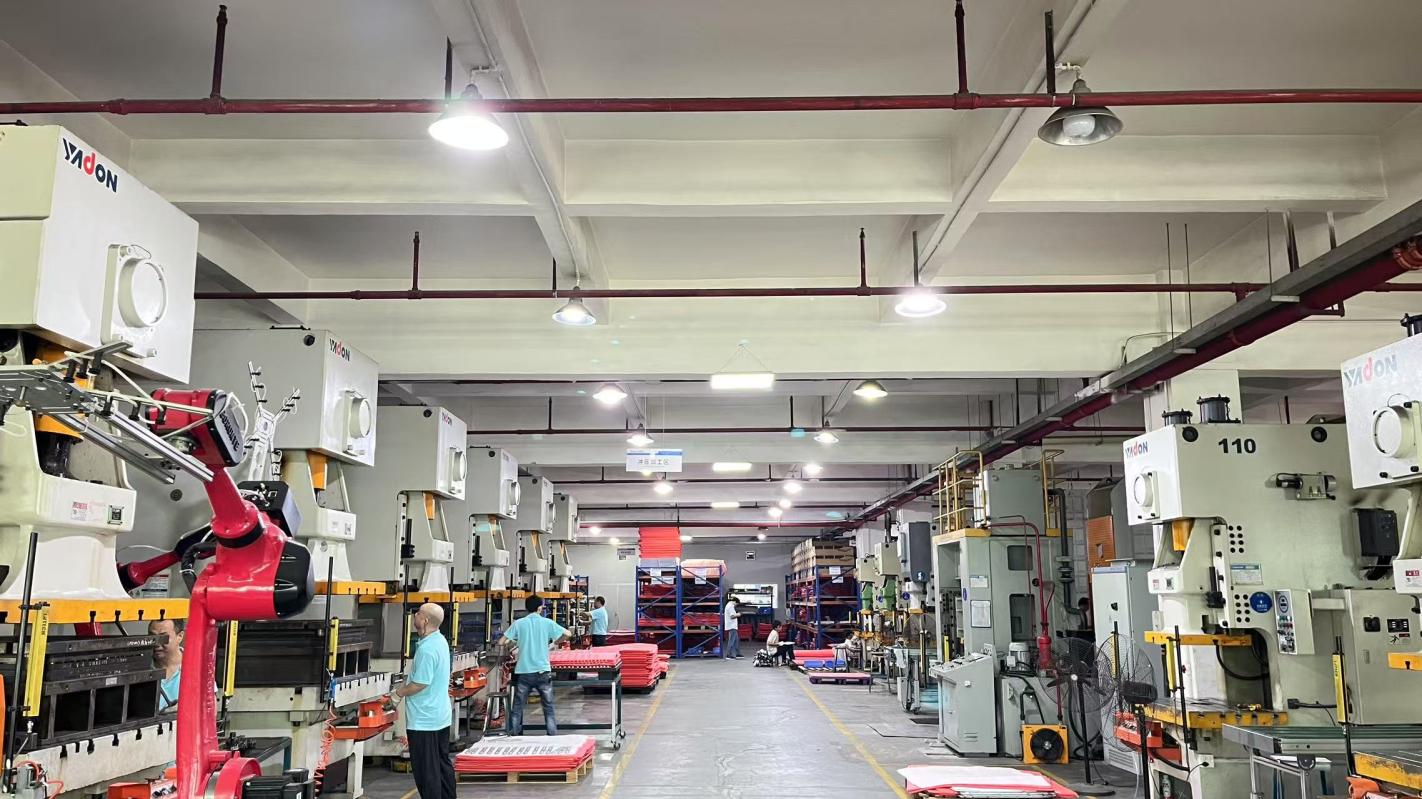
Procurement professionals and network architects face ongoing challenges in sourcing high-speed optical hardware: compatibility restrictions, volatile supply chains, quality inconsistency, and rising costs. FiberQ addresses these vulnerabilities by offering a robust sourcing framework that guarantees compatibility, performance, and long-term reliability.
With strategic stockpiles of core optical sub-assemblies (TOSA/ROSA) and partnerships with chip foundries, we protect our clients from global semiconductor shortages, maintaining consistent delivery schedules.
Every optical transceiver is loaded with custom EEPROM code, ensuring compatibility with platforms from Cisco, Juniper, Arista, Huawei, HPE, and others, preventing system errors.
From tailoring custom optical wavelengths (CWDM/DWDM grids) to customizing specific form factors and thermal parameters, our 240-engineer R&D department delivers targeted solutions.
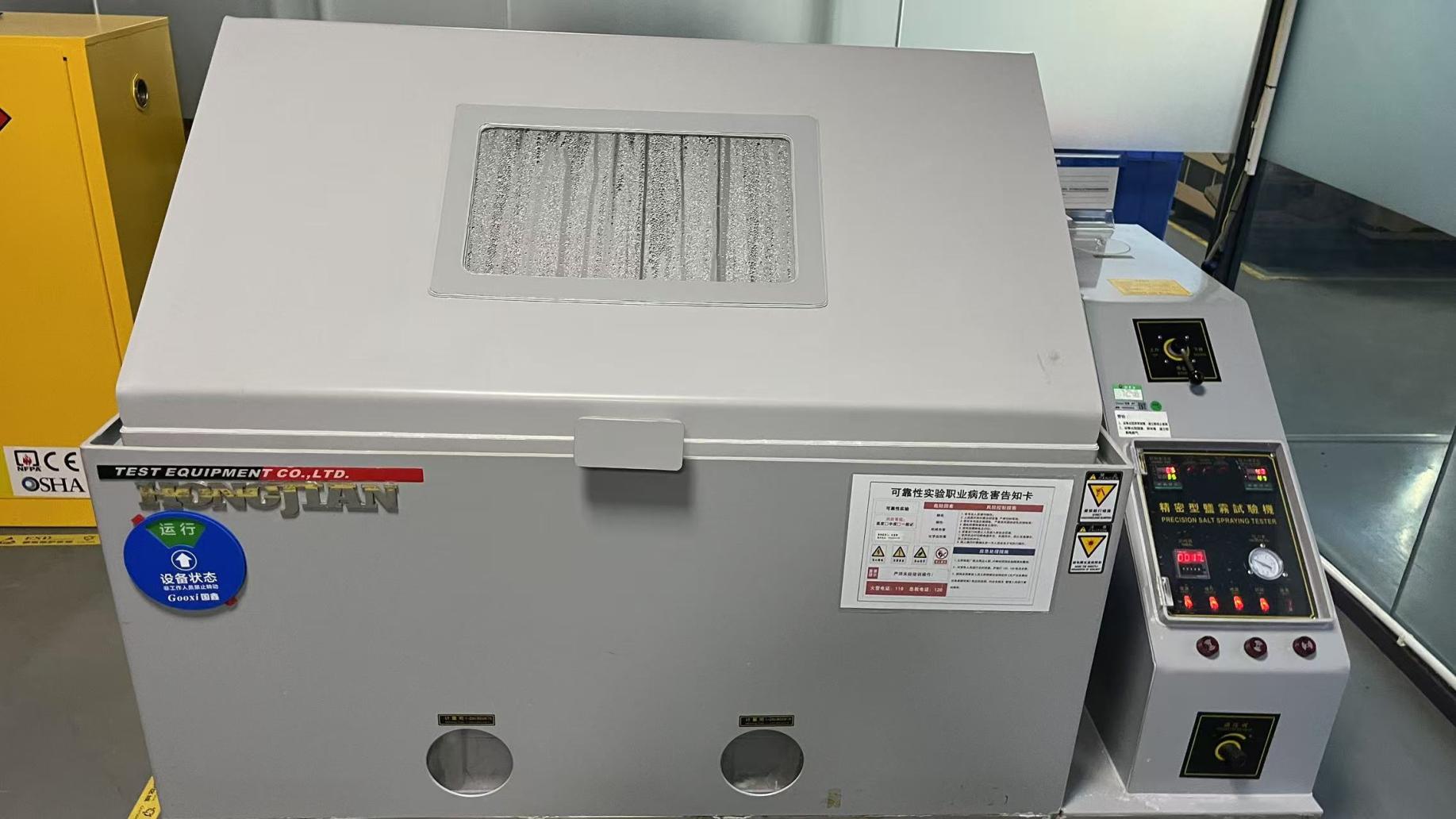
Quality assurance at FiberQ is built into every step of production. Our 62 QA inspectors conduct systematic testing to verify that each transceiver meets performance standards:
Our product line provides dependable performance across three primary industry sectors:
Modern leaf-spine topologies demand high-density interconnections. FiberQ offers high-speed QSFP28 and SFP28 transceivers that enable high-throughput pathways with minimal power footprints, reducing cooling and energy requirements.
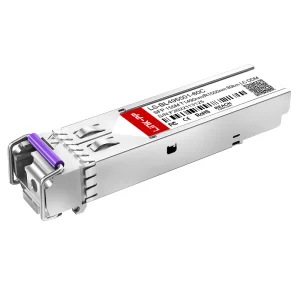
From 5G fronthaul/midhaul deployments to metropolitan backhaul routing, our long-reach single-mode (SMF) and Bidirectional (BiDi) transceivers support stable data transmission over distances up to 80km.
Providing dependable hardware options to connect corporate campuses and branch locations. Our compatible modules integrate with legacy and modern switches to ease upgrade paths.
Innovation drives our product development. In the past fiscal year alone, FiberQ engineered and launched approximately 180 new products. This rapid product cycle keeps us aligned with the fast-moving trends in optical communication.
Whether developing direct-attach copper (DAC) connectors, active optical cables (AOCs), or high-speed fiber modules, our engineering teams focus on improving thermal efficiency, power conservation, and structural density.
Navigating international trade and compliance requires strict adherence to industry standards. All FiberQ transceivers are fully compliant with relevant environmental and quality protocols, including RoHS, CE, FCC, and UL guidelines. Our products align closely with the established Multi-Source Agreements (MSAs), ensuring unified mechanical dimensions, pin configurations, and electrical characteristics.
With six years of direct export experience, we maintain regional logistical hubs and customer support teams across North America, Europe, Japan, and Southeast Asia. This structure allows us to handle customs processes efficiently, offer technical assistance in local time zones, and manage returns smoothly.
Our technology roadmap is geared toward meeting the requirements of tomorrow's networks. Our R&D efforts focus on three primary fields:
Get answers to common technical and sourcing questions regarding our SFP modules and production standards.