FiberQ
FiberQ
FiberQ
Direct from the export facility. Engineered to strict signal parameters and high-frequency tolerance standards.
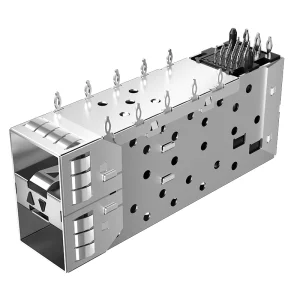
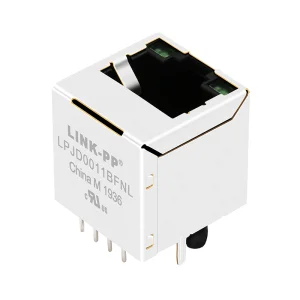
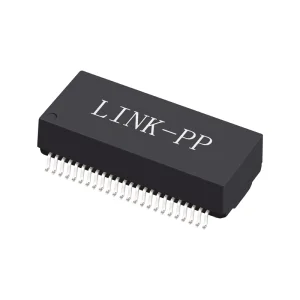
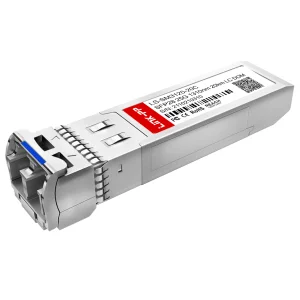
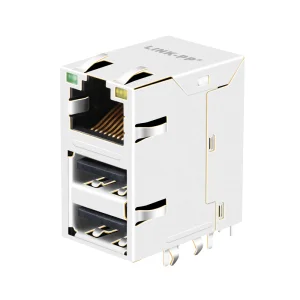
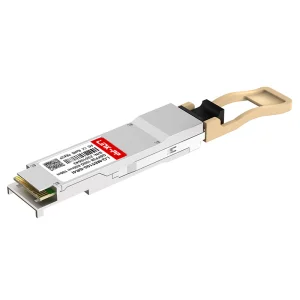
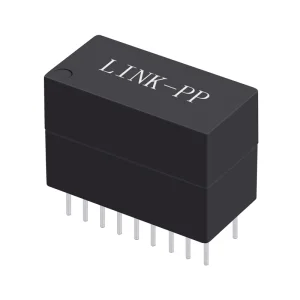
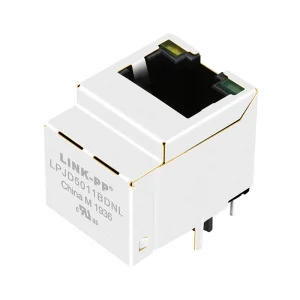
Understanding electrical conductivity parameters, signal attenuation dynamics, and material longevity under continuous electrical and mechanical loads.
In high-speed, high-density networking interconnects (e.g., Cat6A, Cat7, and Cat8 applications running bandwidths from 500 MHz up to 2000 MHz), the physical properties of the contact surface layer dictate the transmission limits. Electroplated contacts are essential to limit contact resistance and withstand environmental corrosion. While gold has long been the default choice for general consumer electronics due to its inertness, pure silver plating offers superior bulk electrical conductivity (6.30 × 10⁷ S/m at 20°C, compared to gold's 4.10 × 10⁷ S/m).
Under the conditions of high-frequency data transmission, signal currents flow primarily on the outer boundary of the conductor—a phenomenon known as the Skin Effect. At 500 MHz and above, the effective "skin depth" is less than 3 micrometers. Consequently, the quality, purity, and composition of the contact interface plate become the dominant path for the signal. By leveraging high-grade silver plating, the signal path undergoes significantly lower insertion loss and impedance variations compared to standard gold-flashed nickel layers.
| Material Property | Pure Silver (Ag) Plated Interface | Hard Gold (Au) Plated Interface | Electrolytic Copper (Cu) |
|---|---|---|---|
| Electrical Conductivity (MS/m) | 63.0 | 41.0 | 59.6 |
| Thermal Conductivity (W/m·K) | 429 | 318 | 401 |
| Contact Resistance (Typical) | < 5 mΩ | < 15 mΩ | N/A (Oxidizes rapidly) |
| Max Continuous Temperature | Up to 150°C (with passivation) | Up to 125°C | N/A |
| Galvanic Potential Difference | Extremely low against silver wire | Moderate against copper conductors | Neutral |
A typical engineering concern with silver is its affinity for sulfur compounds in the air, yielding a layer of silver sulfide (Ag2S), commonly recognized as tarnish. While tarnish changes the aesthetic appearance, silver sulfide behaves differently from copper oxides; it is mechanically soft and relatively conductive under compression. When the male RJ45 plug mates with the female modular jack, the friction (referred to as the "wiping action") displaces the micro-thin tarnish layer, restoring optimal metal-to-metal continuity. To prevent tarnish altogether in high-humidity or industrial environments, FiberQ incorporates proprietary organic passivation coatings and co-deposition processes, sealing the silver surface while preserving low contact resistance.
Mapping the deployment paradigms of silver-plated RJ45 and high-speed cages in modern infrastructure.
Heavy duty Ethernet nodes deployed in manufacturing facilities require robust mechanical interconnects. With high mechanical vibration, traditional plating layers can experience fretting corrosion. Silver's natural lubricity and thick deposition layers absorb micro-movements, ensuring persistent datalink integrity for automated robotic arms, programmable logic controllers (PLCs), and CNC machinery.
As data demands surge from AI computing grids and cloud server farms, copper-based transceivers (10GBASE-T, 25G/40G options) need to run at maximum electrical efficiency to limit thermal waste. Lower contact resistance directly scales to reduced power dissipation, allowing multi-port switches to operate cooler, scaling down facility HVAC load demands.
Standard RJ45 connectors carrying high currents (up to 90W/100W per port) face risk from electrical arcing during mating and unmating under load. Silver's high thermal capacity prevents contact degradation and spark-pitting over long lifetimes, preserving physical integrity where standard gold-flashed connectors degrade.
A certified global supplier specializing in high-performance fiber optic transceivers, advanced photonic solutions, and precision copper interconnects.
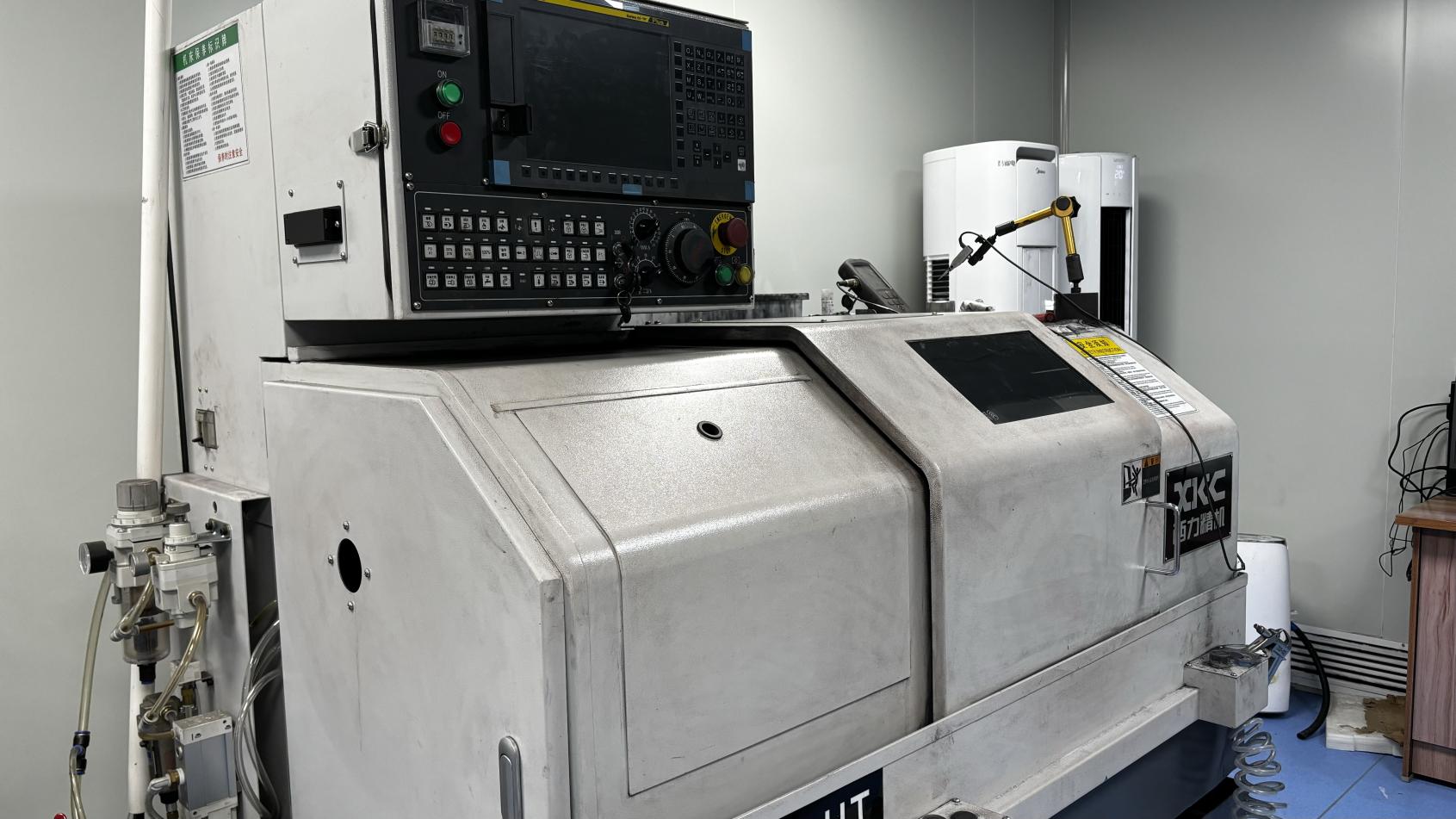
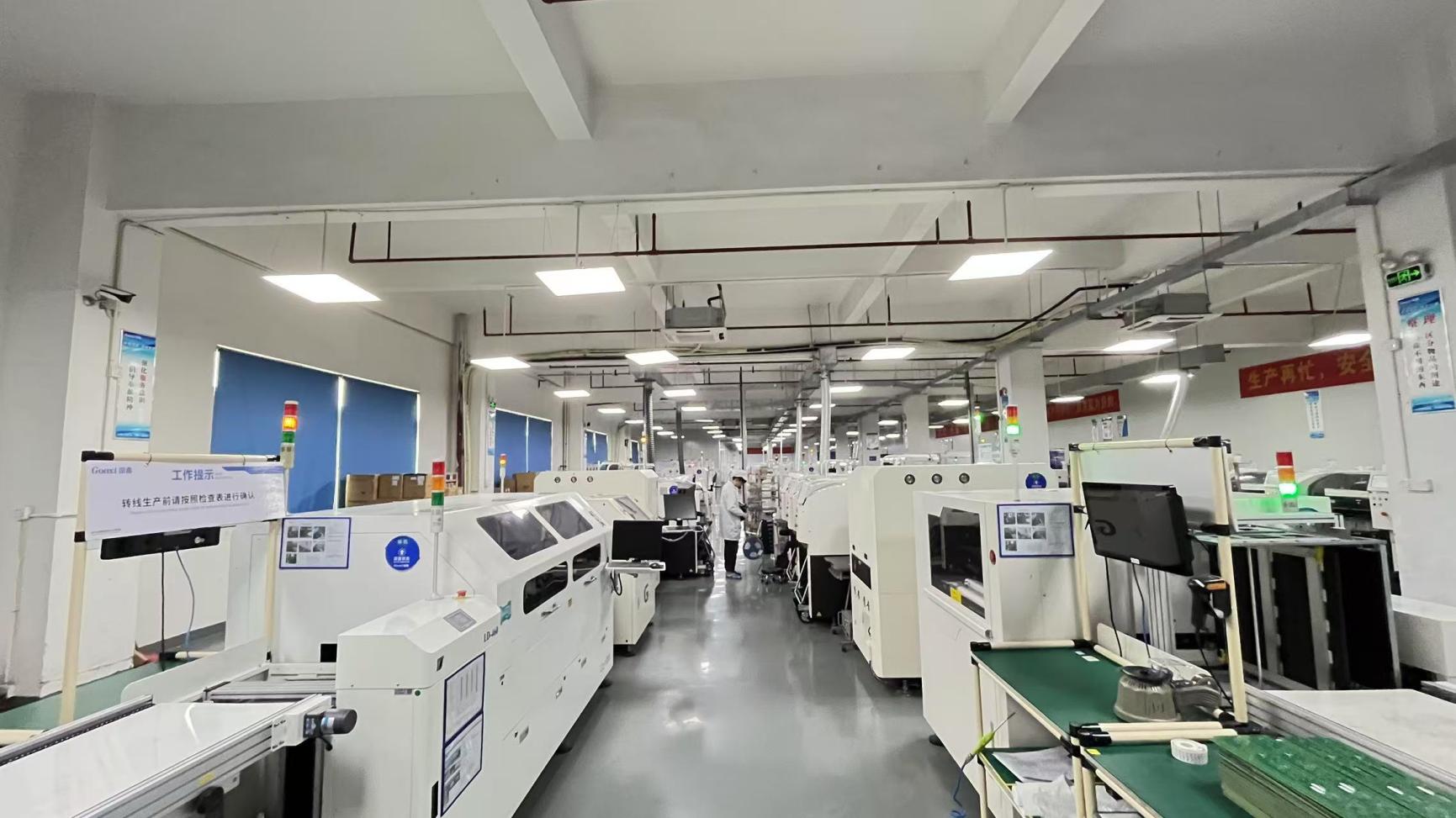
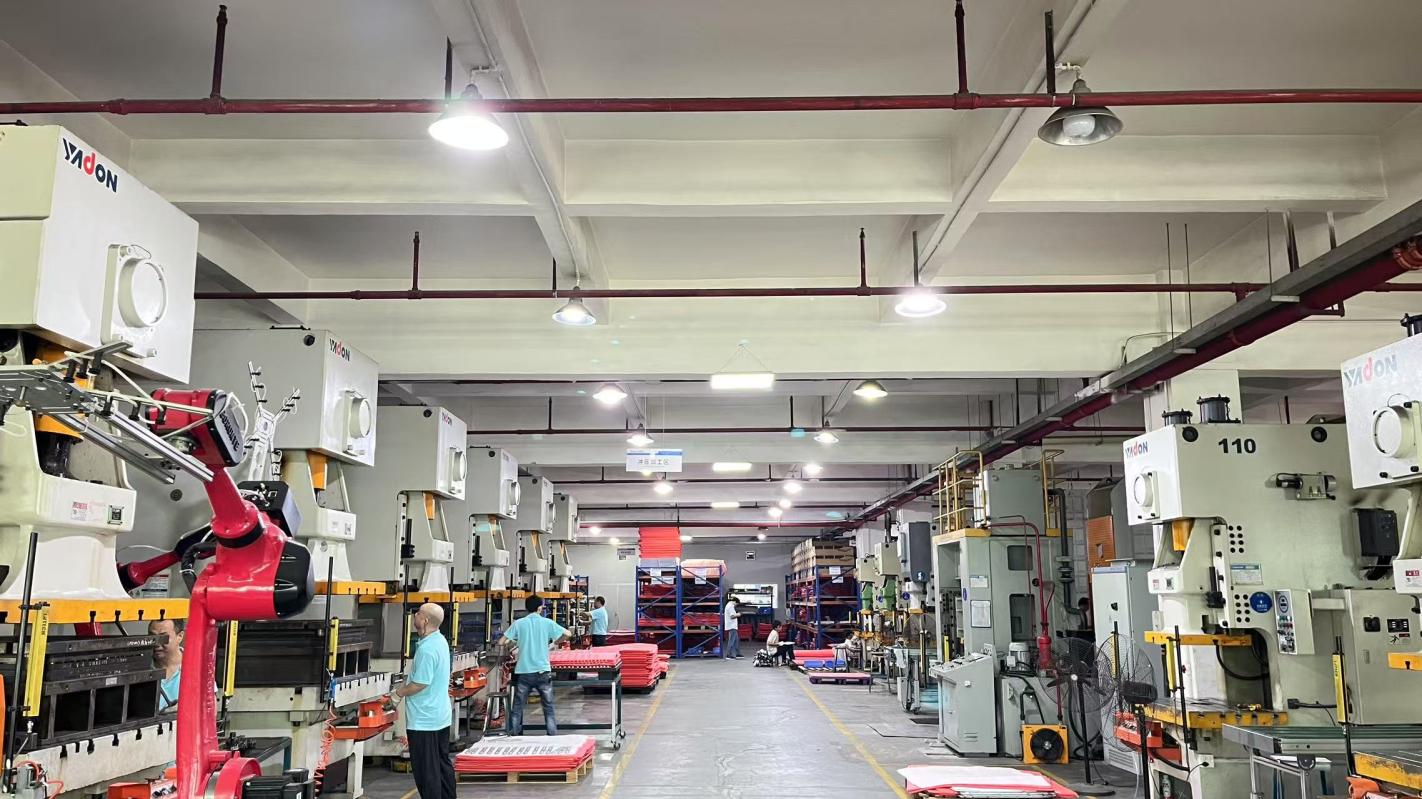
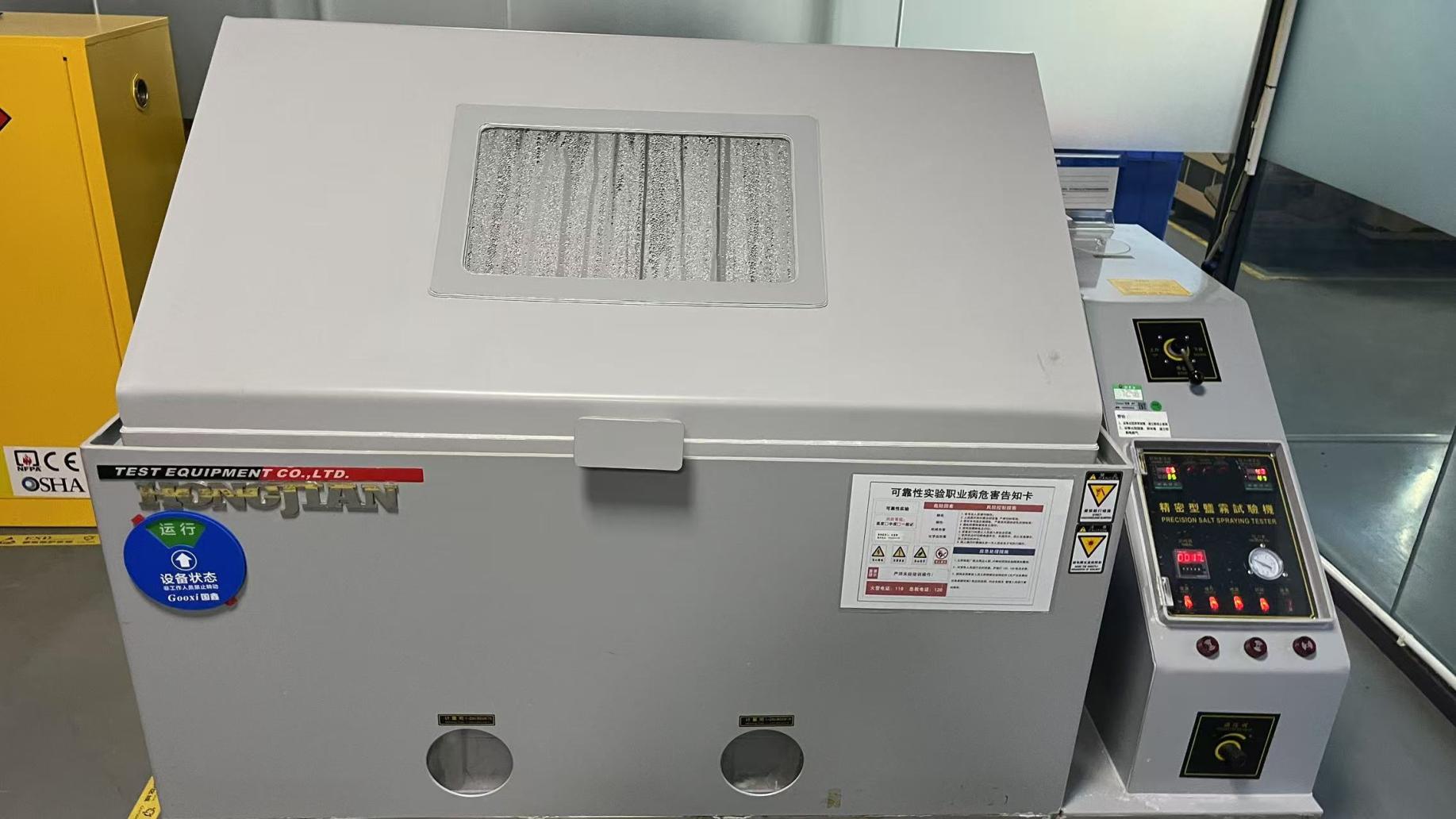
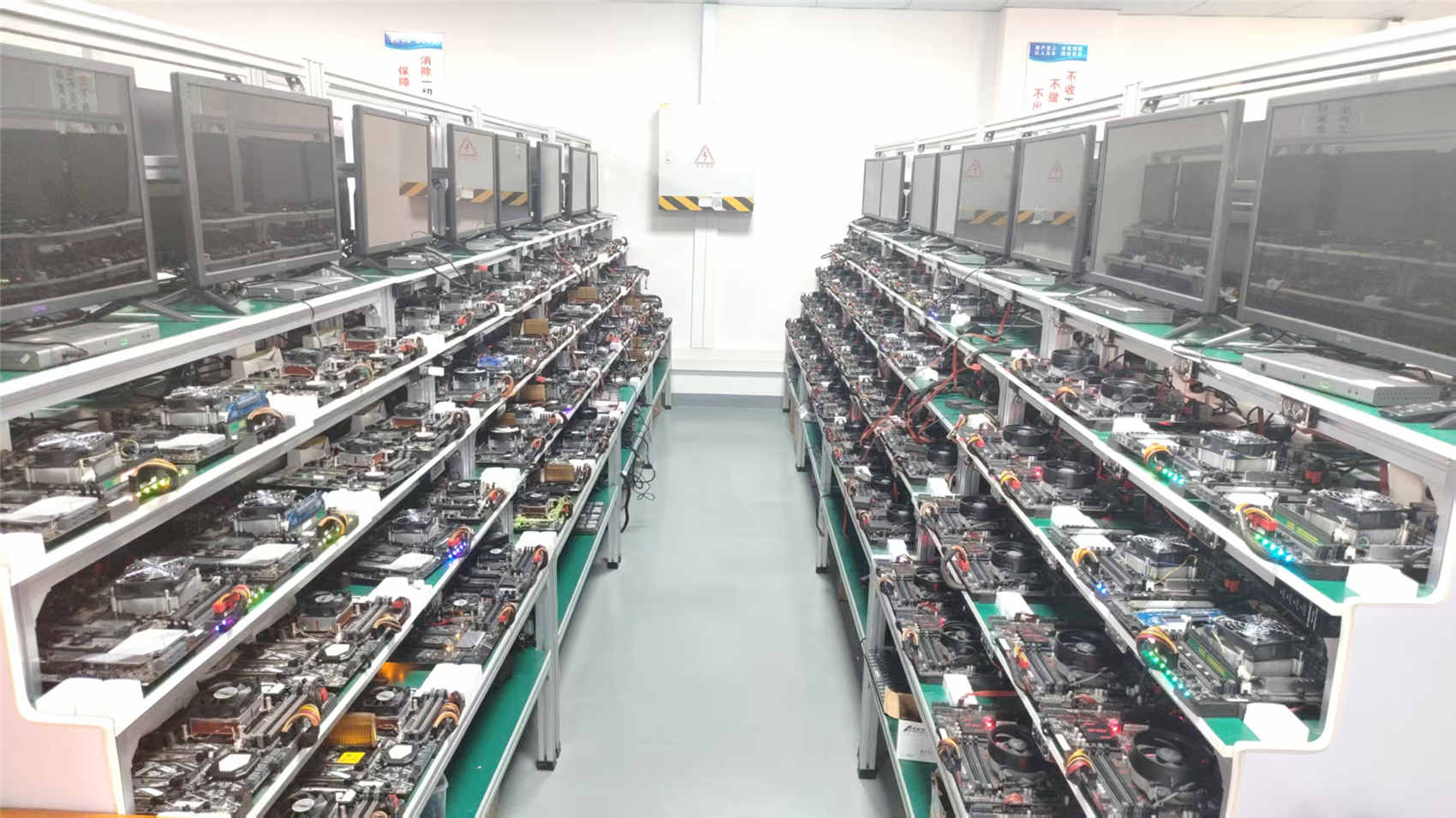
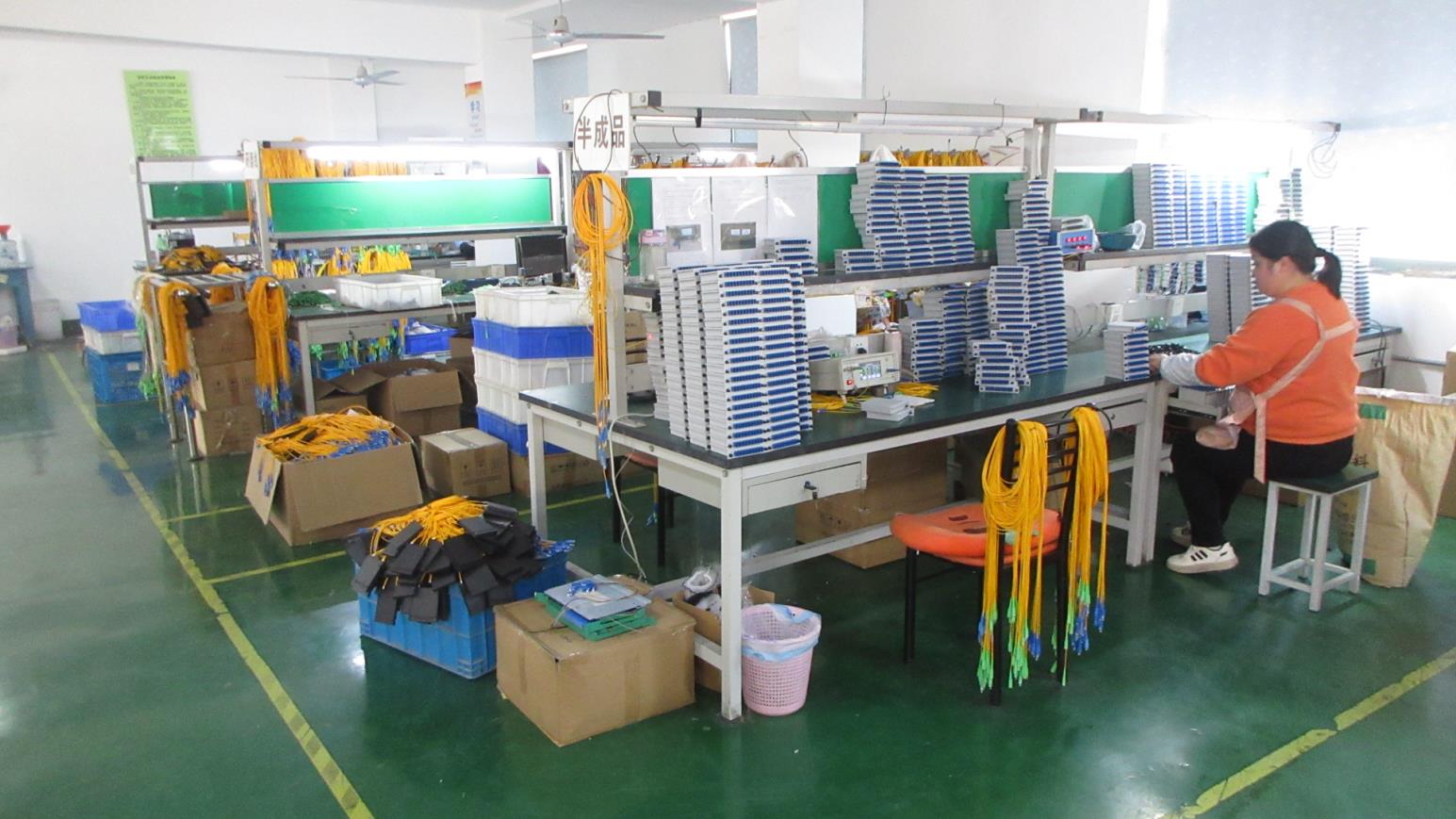
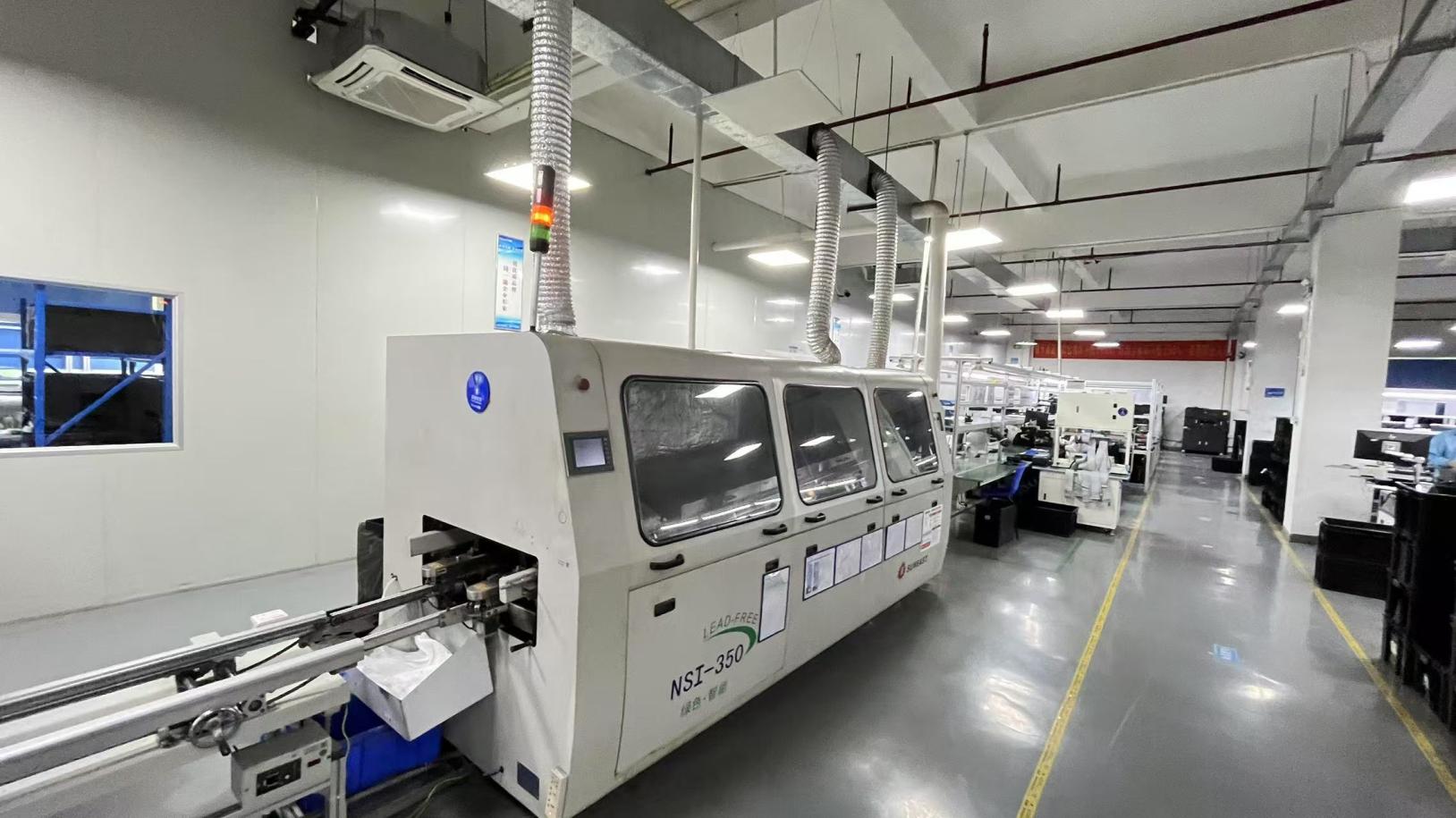
Founded in 2015, FiberQ has evolved into a global supplier combining hardware R&D with high-capacity export logistics. Operating from a modern 12,600㎡ manufacturing facility, we provide precision assembly, scalable manufacturing, and rigorous testing methodologies. Over our 12 years of industry expertise and 6 years of global export experience, we have optimized our connectivity components to support major network architectures worldwide.
Quality control is central to our facility operations. Our process combines automated optical performance testing, interferometric inspections, rigorous thermal chamber aging, and manual dimensional audits. Our dedicated R&D division supports protocol-level customization—including compatibility engineering for high-speed protocols (100G, 200G, 400G, and 800G transmission designs), wavelength optimization, and advanced EMI shielding.
Ensuring global export compatibility with regional engineering parameters and stringent safety directives.
As a global exporter supplying markets across North America, Europe, Japan, and Southeast Asia, FiberQ maintains strict alignment with international regulatory standards. These standards govern environmental impact, safety properties, and electrical specifications:
Analyzing trends in speed, density, and hybrid electro-optic convergence.
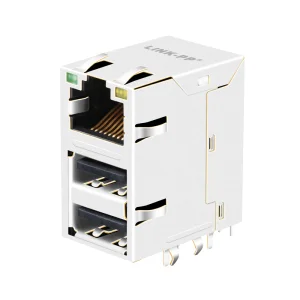
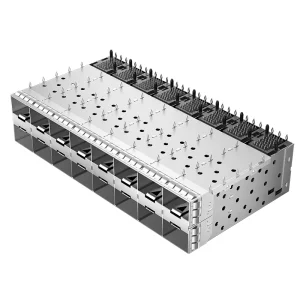
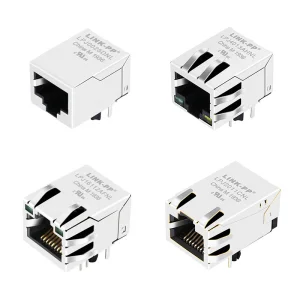
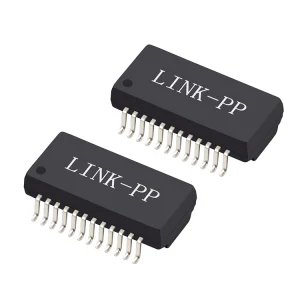
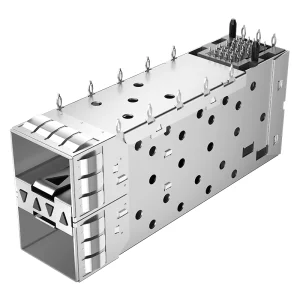
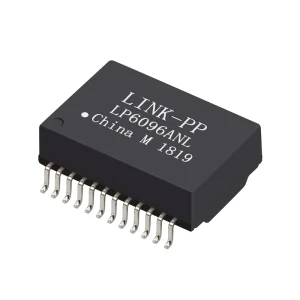
As switch processing chips cross into bandwidth thresholds of 51.2 Tbps and 102.4 Tbps, conventional copper links face physical distance limits. FiberQ is actively engineering hybrid electro-optic interconnect structures. Our recent R&D cycle delivered 180 new products over the past year, focusing on high-density SFP/SFP+ cage geometries, low-profile stacked RJ45 structures, and high-frequency magnetics that integrate into high-density routing systems.
The push for dense power delivery over communication links (Smart Lighting, IP Surveillance, and Industrial Edge computing) requires connectors that can withstand localized heating. Our R&D division simulates thermal properties to develop venting paths and metal cages with high thermal dissipation coefficients, ensuring components operate efficiently under challenging ambient conditions.
Detailed technical answers to common integration, plating, and manufacturing questions.
Silver has a higher raw electrical conductivity than gold (63 MS/m versus 41 MS/m). Under matched mating forces, a silver-plated interface typically exhibits contact resistance below 5 milliohms, whereas gold-plated interfaces range from 10 to 15 milliohms. This difference reduces signal attenuation and heat dissipation in high-frequency and high-power applications like PoE++.
We treat silver surfaces using specialized organic passivating agents (OSP) or co-deposit a micro-thin layer of noble metals. The mechanical wiping design of standard RJ45 female ports also helps clean the contact points during mating, ensuring consistent conductivity.
Our shielded cages and RJ45 modules are tested using network analyzers to measure shielding effectiveness (in dB) across a range of frequencies (typically up to 2 GHz for Category 8 components). This ensures effective suppression of ambient Electromagnetic Interference (EMI) and Radio Frequency Interference (RFI).
Backed by our 240+ R&D engineers, FiberQ offers custom pin-out configurations, variable silver and gold plating thicknesses (3u" to 50u"), integrated magnetic designs (single, dual, or multi-port), built-in LEDs with custom color schemes, and customized mechanical dimensions for crowded PCB layouts.
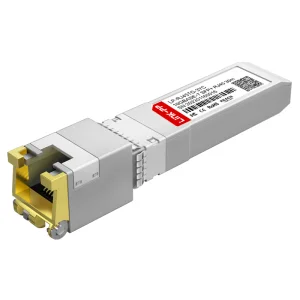
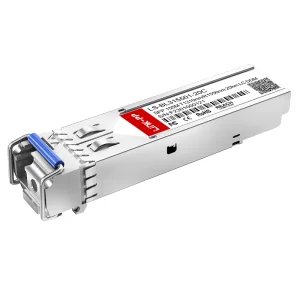
Explore our range of matching transceivers, network transformers, and EMI shielded cages.