FiberQ
FiberQ
FiberQ
Explore our premium integrated RJ45 modular jacks, SFP enclosures, and high-frequency network connectivity components.
How physical layer network architecture adapt to hyperscale bandwidth requirements.
The networking ecosystem is experiencing a profound paradigm shift driven by the explosion of machine learning, cloud storage, and edge processing. Within this hardware paradigm, the RJ45 Network Interface Card (NIC) and its underlying physical modules remain critical components for both enterprise and telecommunication network infrastructures. Historically utilized for basic Ethernet access, contemporary RJ45 solutions have progressed to handle Multi-Gigabit copper Ethernet (2.5GBASE-T, 5GBASE-T, and 10GBASE-T) while maintaining backwards compatibility with legacy installations.
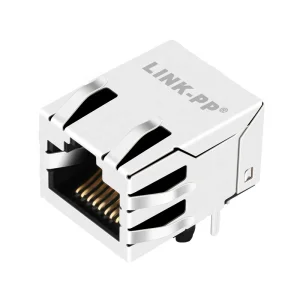
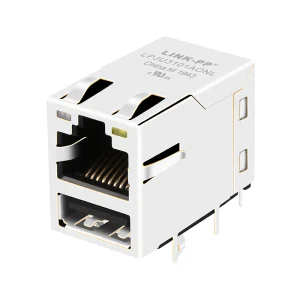
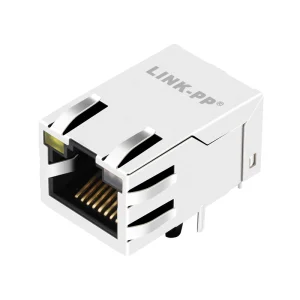
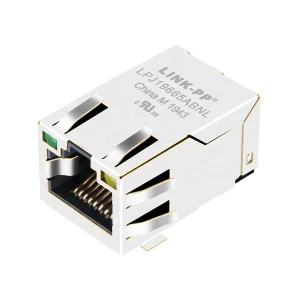
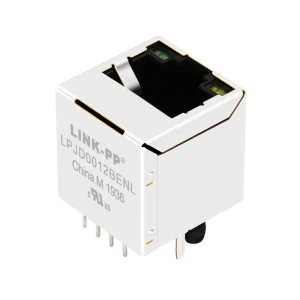
Modern enterprise requirements demand physical layer connectors that incorporate electromagnetic interference (EMI) mitigation directly within the physical housing. The evolution from simple plastic jacks to shielded, integrated magnetic RJ45 connectors (often referred to as MagJacks) represents a massive leap in engineering. These devices integrate isolation transformers, common-mode chokes, and status LEDs directly inside the metal shielding cage. This configuration not only saves valuable printed circuit board (PCB) real estate on the NIC but also significantly improves signal integrity by keeping high-frequency analog signals isolated from digital noise sources on the motherboard.
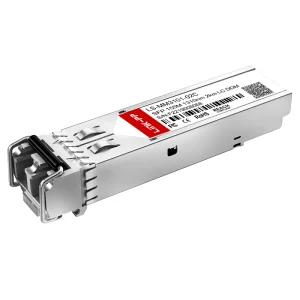
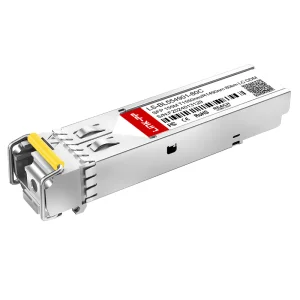
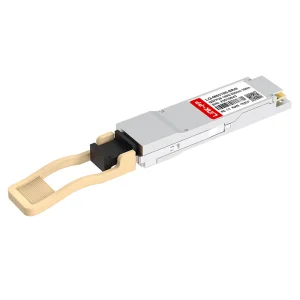
Simultaneously, the industry is witnessing a convergence between optical networks and physical copper backplanes. For high-speed interconnect configurations, system designs often mandate a hybrid model. Network cards must host both high-density optical transceivers—utilizing SFP, SFP+, and QSFP form factors—and high-reliability copper ports. Consequently, manufacturing entities must possess deep expertise across both electrical and optical domains to provide multi-port solutions capable of routing mixed signaling structures without insertion loss or signal crosstalk.
A deep look into the technical solutions that define reliable interconnect architectures.
Integrated Faraday shields, copper alloy contact points, and specialized EMI ground tabs guarantee optimal electrostatic discharge protection and minimize cross-port crosstalk in high-density rack systems.
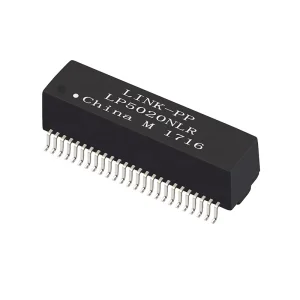
Built-in isolation transformers and chokes filter high-frequency noise, optimize return loss, and guarantee electrical isolation conforming to IEEE 802.3 standards for data safety.
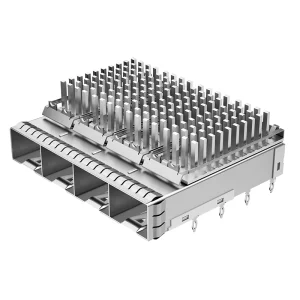
Engineered with high-temperature LCP housing for reflow soldering compatibility and fitted with custom-designed heat sinks to maximize heat dissipation in SFP and RJ45 modules.
Strategic hardware sourcing for enterprise IT infrastructure, telecom operators, and hyperscale data centers.
Procuring network interface components at a global scale involves navigating complex supply chains, strict compliance frameworks, and demanding performance validation procedures. Telecom operators and hyper-scale data centers can not afford network downtime. As a result, components such as RJ45 modular connectors, SFP cages, and LAN transformer modules are subjected to stringent qualification processes. Procurement managers must evaluate factories not only on pricing, but on component traceability, raw material certifications (such as UL, RoHS, and REACH), and long-term manufacturing stability.
One of the primary challenges in global sourcing is ensuring compatibility across diverse hardware configurations. Network equipment vendors often require custom pinouts, specific LED colors, or low-profile mechanical configurations to fit custom chassis designs. Factories with strong ODM (Original Design Manufacturer) and OEM (Original Equipment Manufacturer) capabilities provide a distinct advantage. These facilities allow customers to modify physical dimensions, implement specific contact plating thicknesses (e.g., 50 micro-inches of gold plating to resist oxidation), and optimize thermal dissipation attributes directly during the manufacturing design phase.
Furthermore, supply chain redundancy has become a key operational requirement. Procurement departments increasingly prioritize factories that maintain robust component inventories and have direct, multi-tiered relationships with raw material suppliers. FiberQ Photonics' partnership with approximately 1,450 supply chain members serves as a prime example of building a resilient supply architecture. This collaborative model guarantees access to critical raw materials—such as high-grade magnetic cores and specialized copper alloys—even during periods of global material shortages, protecting client production schedules from disruption.
A trusted manufacturer specializing in advanced photonic networks and high-density copper-optical interconnect solutions.
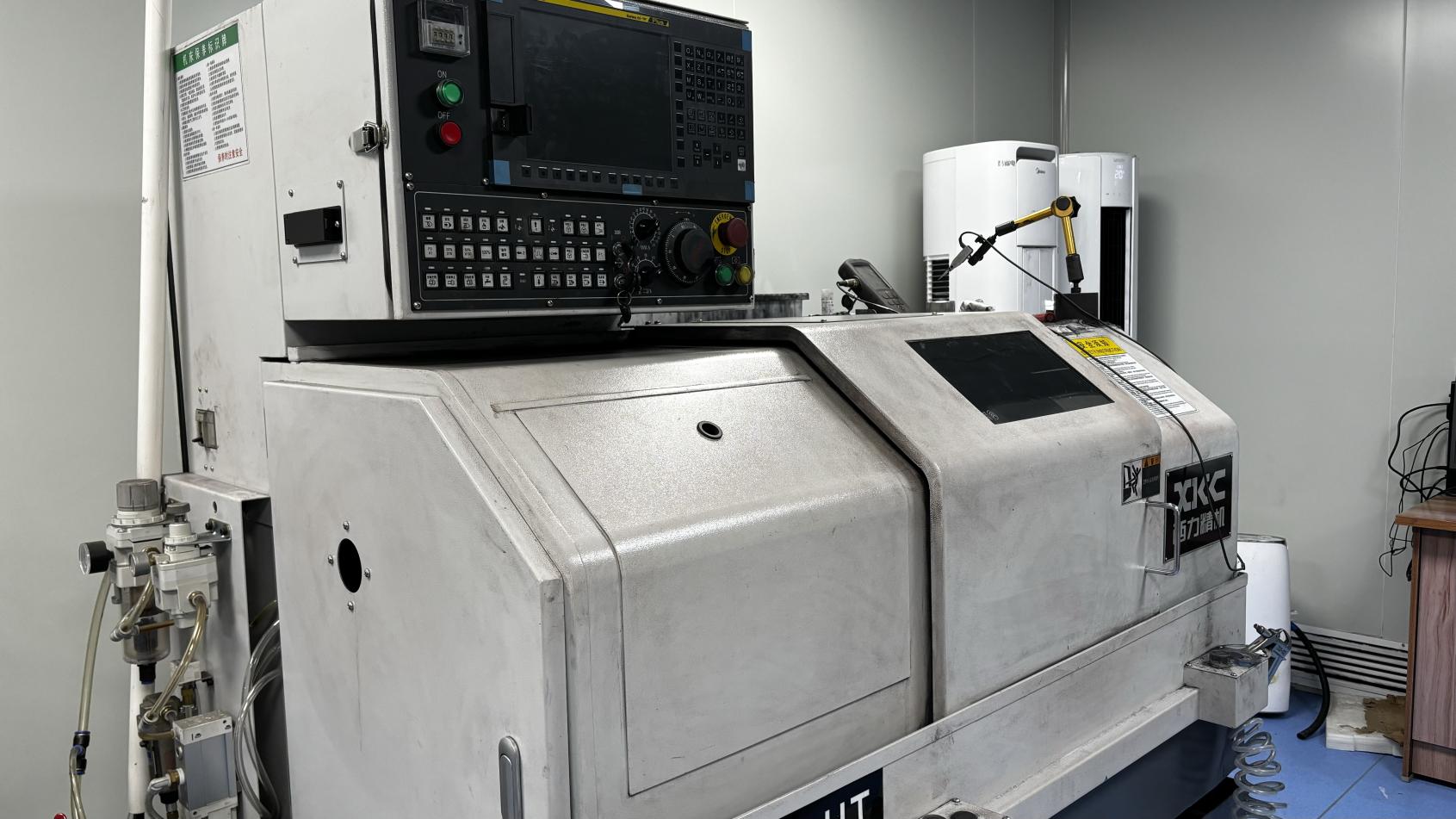
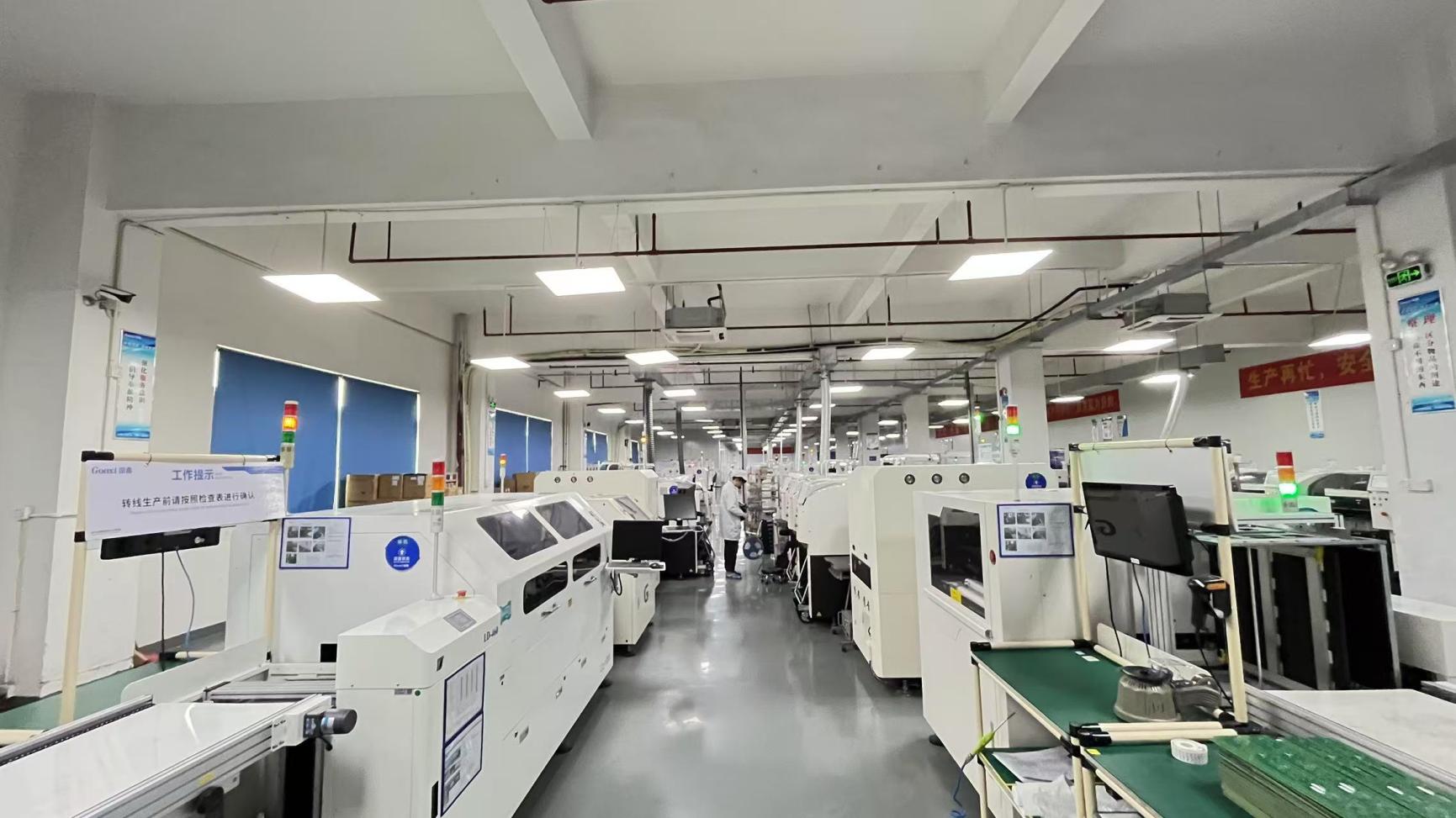
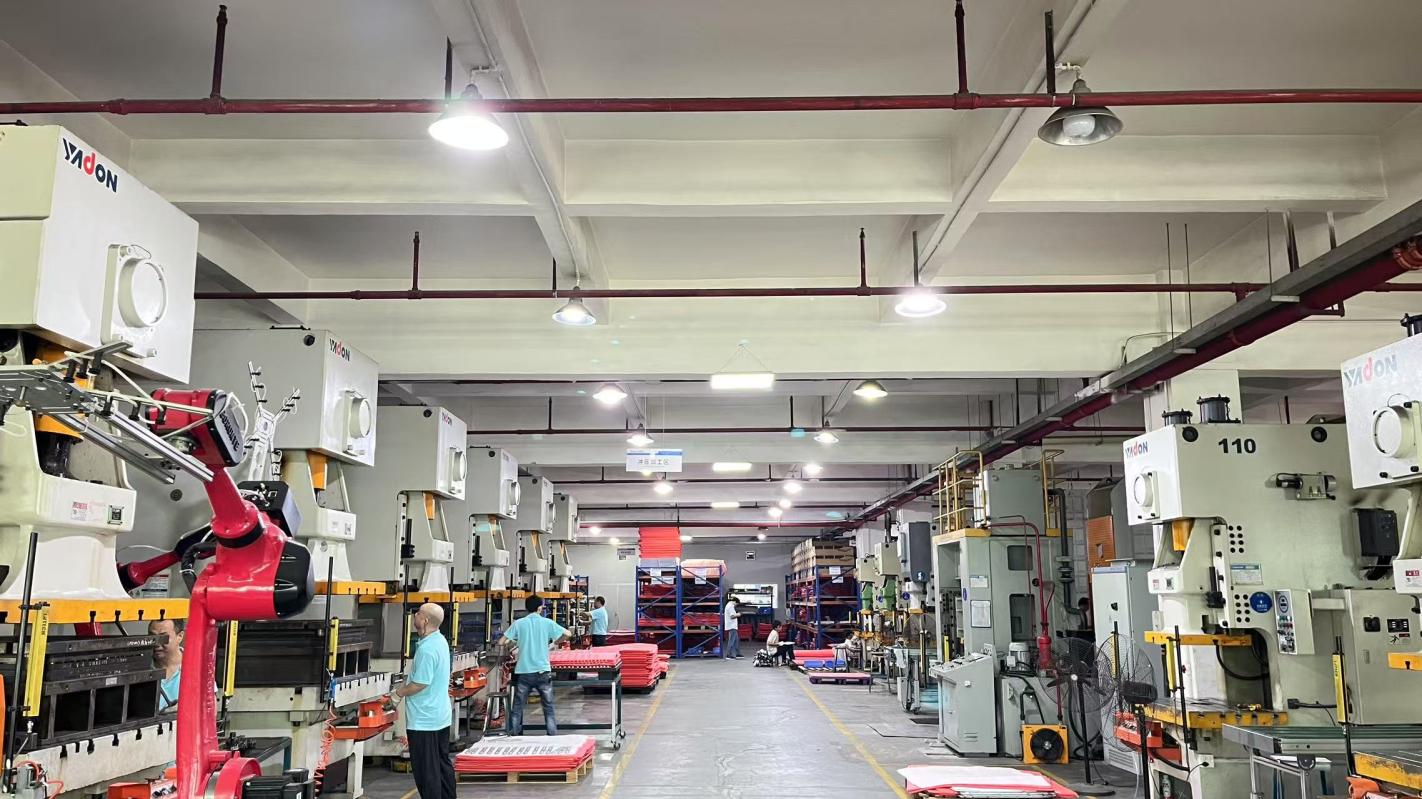
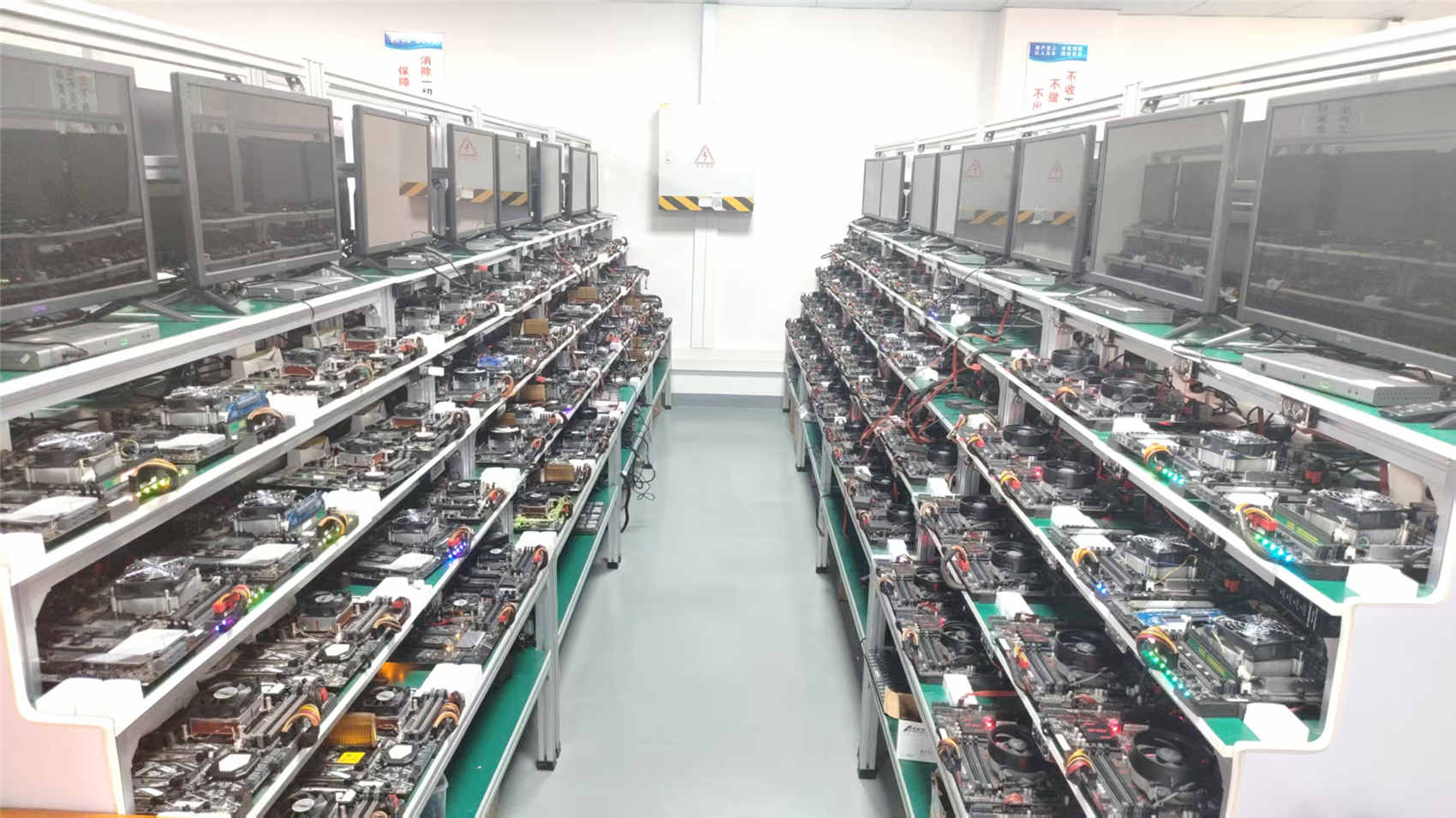
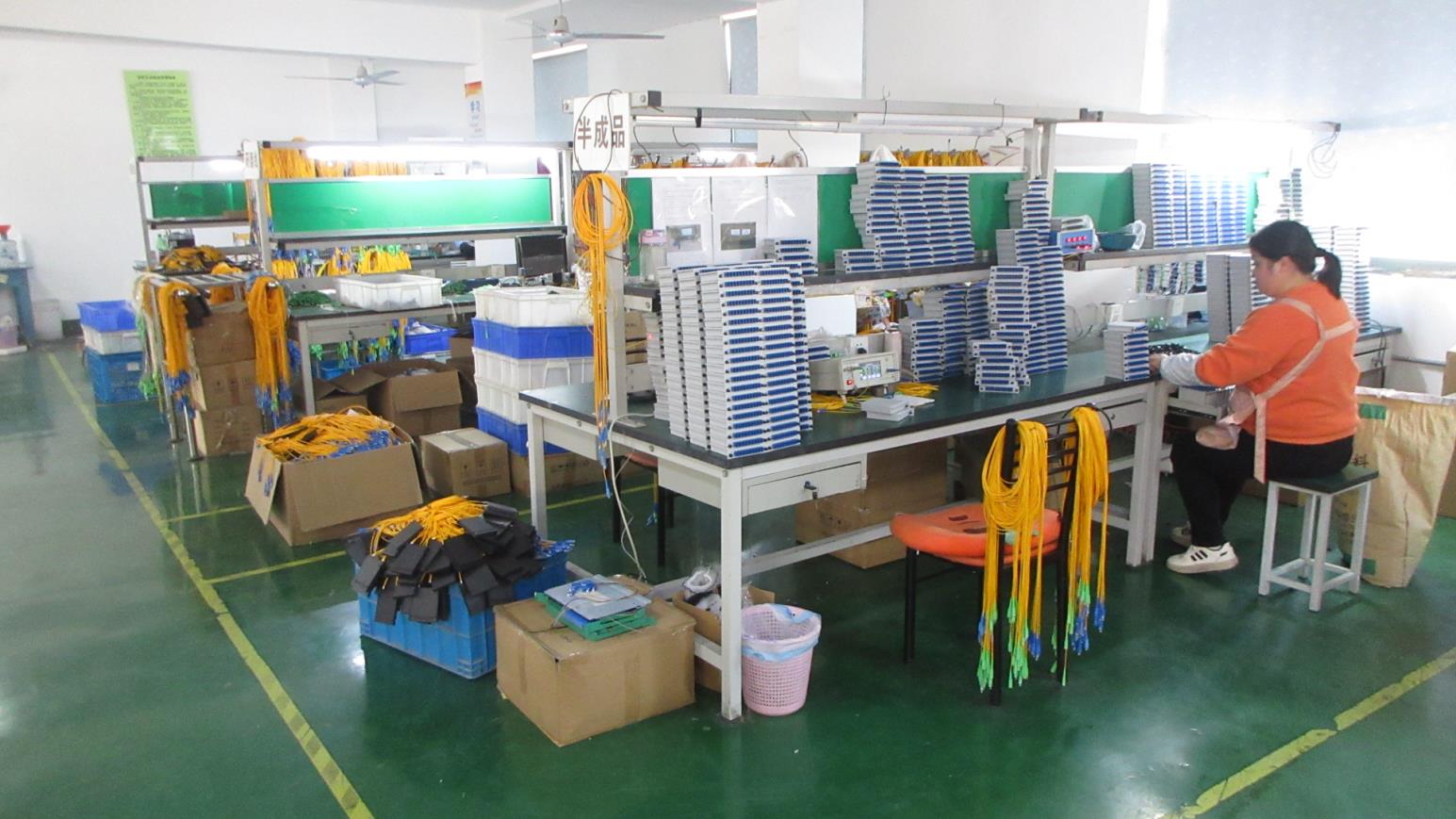
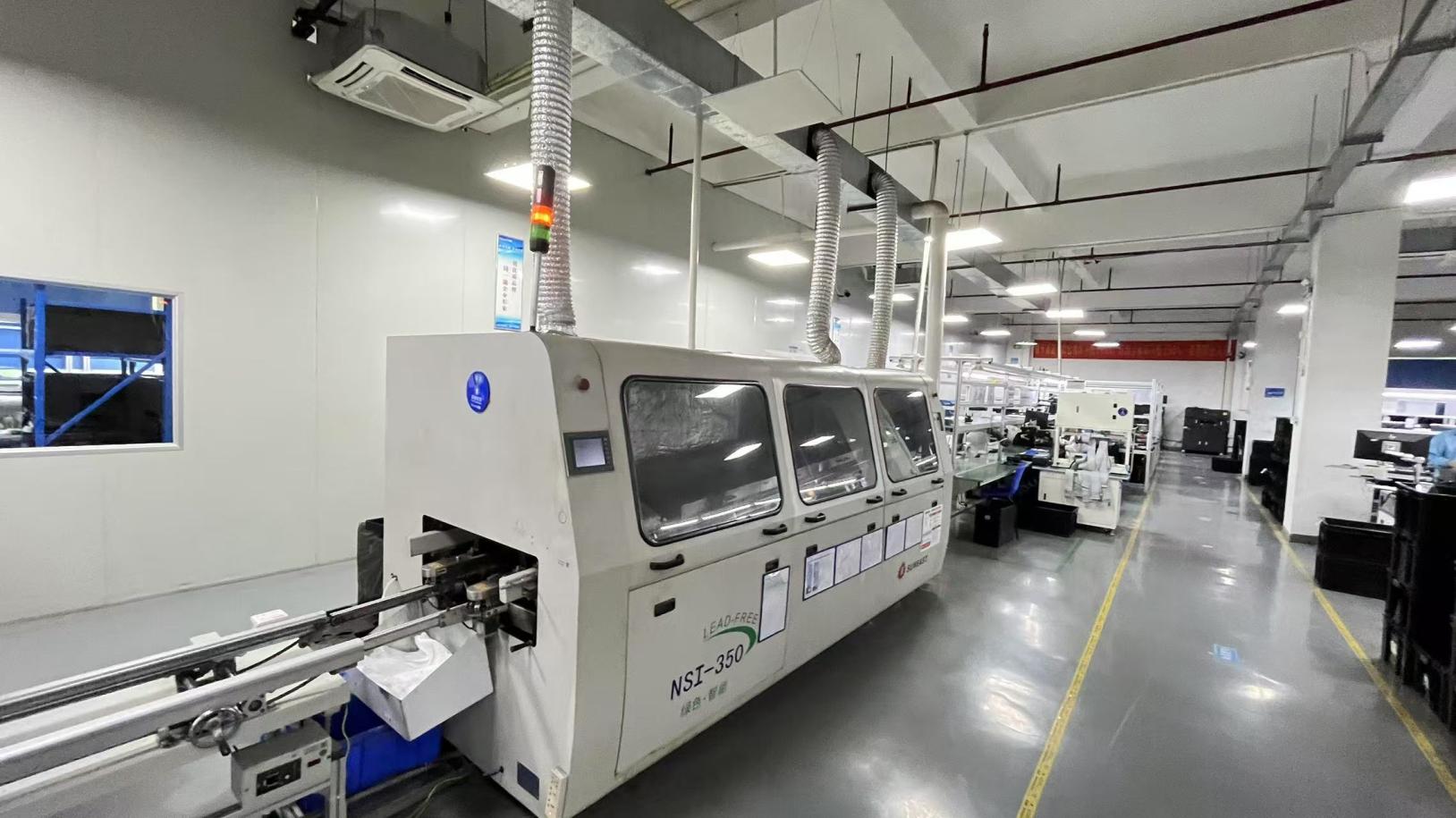
Founded in 2015, FiberQ Photonics Technology Co., Ltd. has established itself as an industry-leading manufacturer specializing in high-performance optical transceivers, advanced photonic communication components, and integrated copper networking solutions. Over the past 12 years of industry experience, the enterprise has developed deep engineering expertise in high-frequency hardware design, signal integrity analysis, and automated optical performance validation. Operating from a state-of-the-art 12,600㎡ production facility, FiberQ delivers scalable manufacturing capacity and maintains a comprehensive quality management system that ensures total reliability for all physical components.
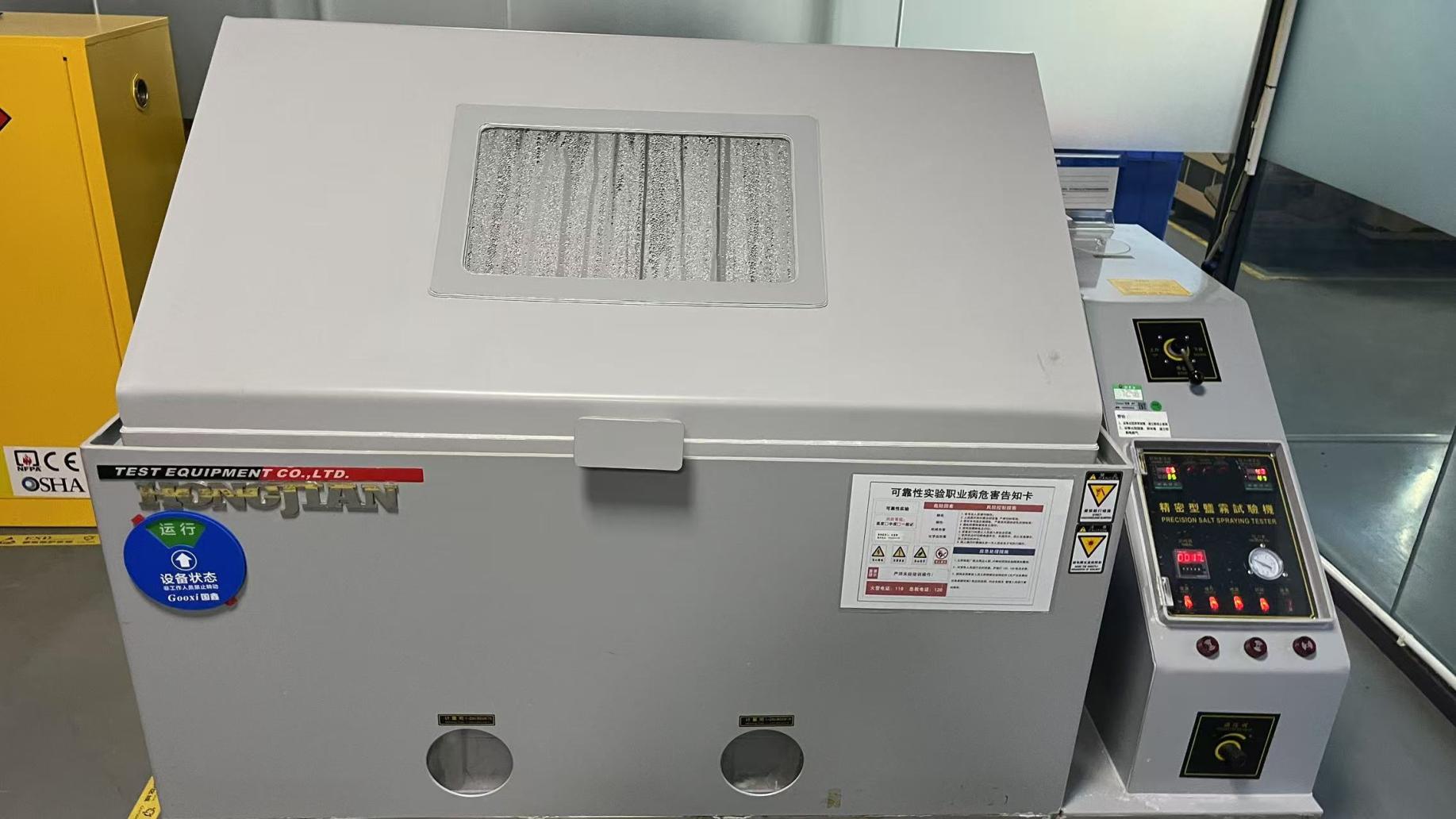
With an annual export revenue of approximately USD 9.5 million and active clients in North America, Europe, Japan, and Southeast Asia, FiberQ is fully equipped to meet international regulatory requirements and local operational standards. The R&D team of 240+ experienced engineers continuously pioneers innovations in transceiver protocol compatibility (ranging from 10G and 100G up to ultra-high-speed 400G and 800G optical architectures), high-frequency signal routing, and physical connector integrity. This innovation is supported by a quality control team of 62 dedicated inspectors who perform automated optical inspection, mechanical stress testing, and thermal aging routines on every production batch.
Mitigating deployment risks through rigorous testing, global safety standards, and local logistics support.
Modern communication hardware must integrate smoothly into complex IT infrastructures and satisfy diverse international regulatory standards. At a macro level, this requires network interface cards and physical connectors to comply with strict standards set by bodies like the Institute of Electrical and Electronics Engineers (IEEE), Underwriters Laboratories (UL), and regional telecommunications councils. For example, any physical RJ45 Ethernet connector with integrated magnetics must guarantee an isolation voltage of 1500V AC to protect downstream components from transient electrical surges and electrostatic discharges.
Furthermore, standardizing compliance protocols such as RoHS (Restriction of Hazardous Substances) and REACH (Registration, Evaluation, Authorisation and Restriction of Chemicals) is mandatory for hardware intended for European and North American markets. Compliance demands lead-free reflow soldering profiles, requiring housing materials that can withstand processing temperatures up to 260°C without deformation. By maintaining these standards at the factory level, system integrators can deploy these components without facing compliance audits or product liability concerns.
Equally critical is the implementation of localized technical and logistics support. Providing pre-sales engineering consulting, customized physical modeling, and quick-turn prototyping services reduces development times for system builders. By combining direct access to R&D engineering resources with local warehousing and localized distribution partnerships, factories can streamline delivery cycles, optimize transit routing, and resolve integration issues on the production line in real time.
Preparing physical layer systems for the next era of high-speed optical and copper transmission.
The roadmap for physical network interfaces is defined by the demand for higher bandwidth density and improved energy efficiency. While copper cabling and RJ45 ports remain dominant for connections up to 100 meters at 10G speeds, higher bandwidth rates (25G, 40G, and 100G) require hybrid configurations. These architectures integrate RJ45 structures alongside SFP, SFP+, SFP28, and QSFP28 modules within the same hardware footprint, allowing operators to scale link speeds dynamically based on local network demands.
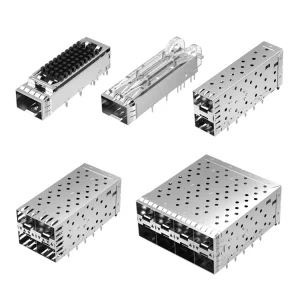
Additionally, the development of co-packaged optics (CPO) and high-density, low-power physical layers is transforming NIC designs. Instead of using discrete transceiver and controller chips, future designs will increasingly place optical engines directly onto the main system board alongside the host ASIC. This approach shortens electrical trace lengths, reduces signal degradation, and lowers overall system power consumption. Physical connector designs must adapt to these changes by utilizing high-density press-fit structures, enhanced EMI shielding configurations, and integrated thermal mitigation designs that can manage high power loads within compact rack spaces.
FiberQ is actively aligned with these trends, continuously developing high-frequency integrated connectors and optical transceivers designed to handle PAM4 signaling and multi-channel high-speed interfaces. By investing in research for next-generation optoelectronic packaging and thermal materials, FiberQ ensures that our product portfolio supports emerging high-performance computing, artificial intelligence, and hyperscale datacenter architectures.
Expert answers to critical engineering, manufacturing, and compliance questions faced by network hardware procurement teams.
Integrated magnetics package the isolation transformer, common-mode chokes, resistors, and capacitors directly inside the shielded RJ45 metal housing. This design minimizes the loop area for potential electromagnetic interference, improves signal integrity, reduces PCB layout complexity, and frees up valuable board space for processing units and PHY chips.
The thickness of the gold plating (measured in micro-inches, e.g., 6u", 15u", 30u", or 50u") directly impacts the durability and oxidation resistance of the connector contacts. For industrial and enterprise networks with high mating cycles or corrosive environments, 50u" gold plating is recommended. This thickness prevents contact wear and ensures stable, low contact resistance over the product lifecycle.
SMT components are soldered directly to the board surface, offering a low-profile footprint suitable for standard automated assembly. Press-fit (through-hole compliance) cages are mechanically pressed into plated through-holes without soldering. This method creates a highly reliable gas-tight connection, simplifies repairs, and prevents the thermal stresses associated with wave soldering.
High temperatures can degrade signal-to-noise ratios, increase insertion loss, and accelerate the aging of internal optical components and magnetic windings. Selecting components rated for industrial temperature ranges (-40°C to +85°C) and designs with integrated heat sinks is critical to maintaining system stability in high-density rack configurations.
An enterprise-grade qualifying process should look for comprehensive quality assurance protocols, including automated optical inspection (AOI), insertion/return loss testing via network analyzers, high-temperature dynamic burn-in testing, and mechanical durability evaluations. The factory should also hold certifications such as ISO 9001 and maintain full component traceability.
Discover our range of advanced transceivers, multi-port RJ45 jacks, and press-fit SFP cages designed for enterprise networks.