FiberQ
FiberQ
FiberQ
Pioneering High-Performance Connectivity Solutions and Advanced Photonic Transceivers for Enterprise Networks & Data Centers Global Scale
High-fidelity active optical transceivers and modular physical-layer connectivity components engineered for critical networks
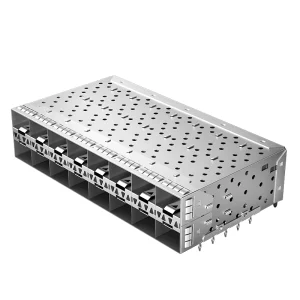
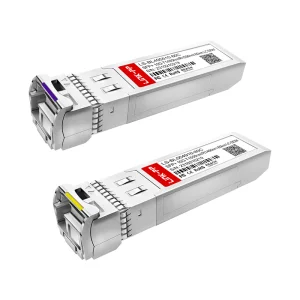
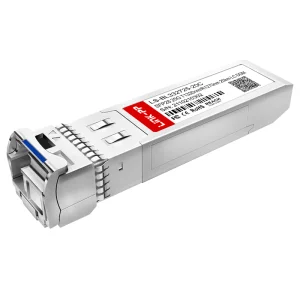
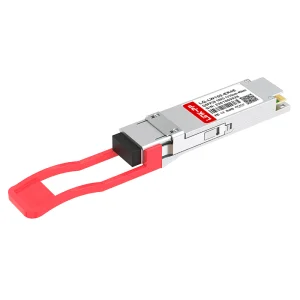
A deep structural review of our corporate, R&D, and export capabilities supporting next-generation interconnect architectures.
FiberQ Photonics Technology Co., Ltd. stands as a premier global manufacturer specializing in high-performance optical connectivity interfaces, silicon photonics components, and precision RJ45 modular jack assemblies. Established in 2015, FiberQ has engineered physical-layer connectivity solutions tailored for the demanding workloads of modern hyperscale data centers, telecommunications architectures, and enterprise Local Area Networks (LANs).
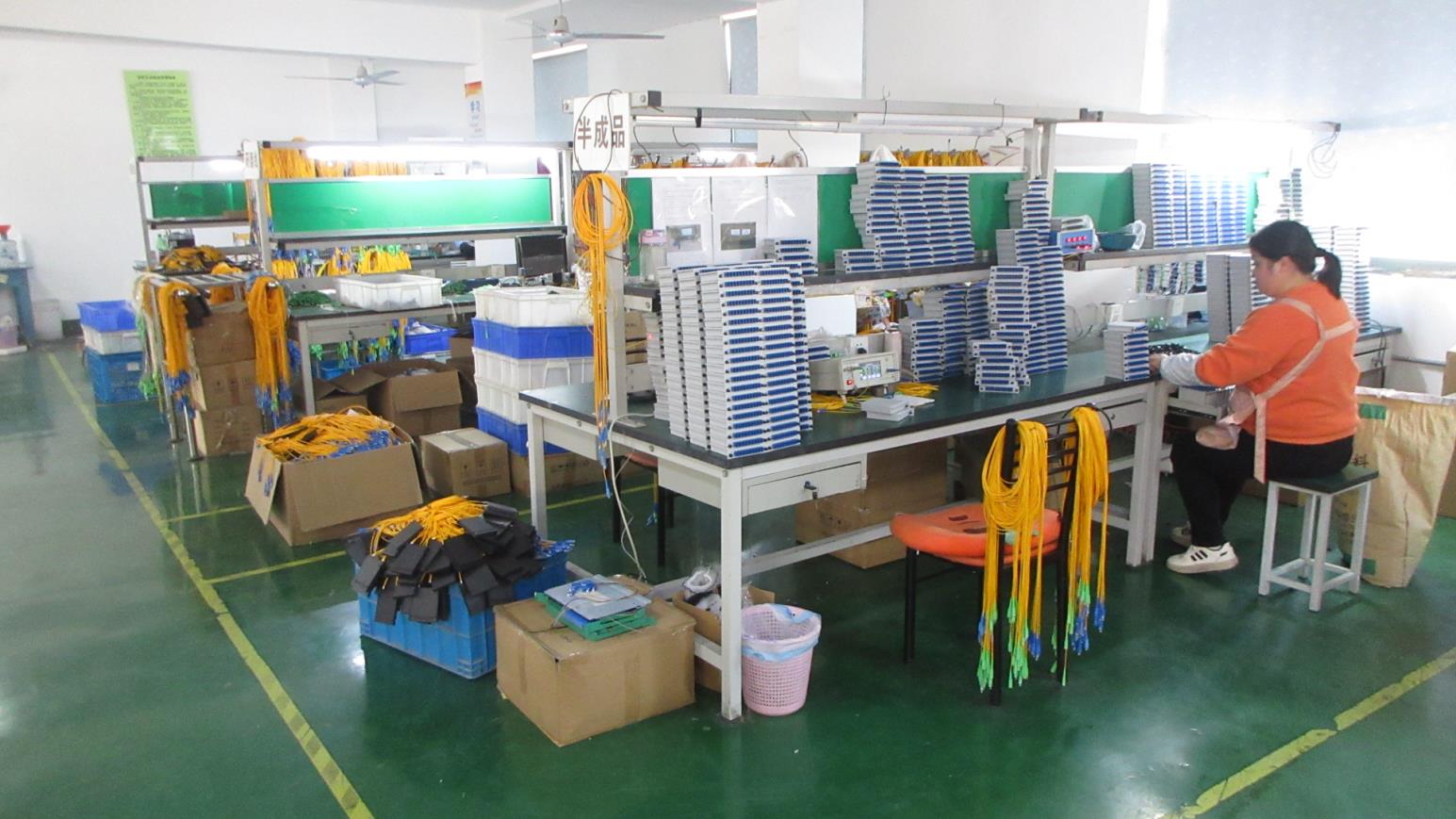
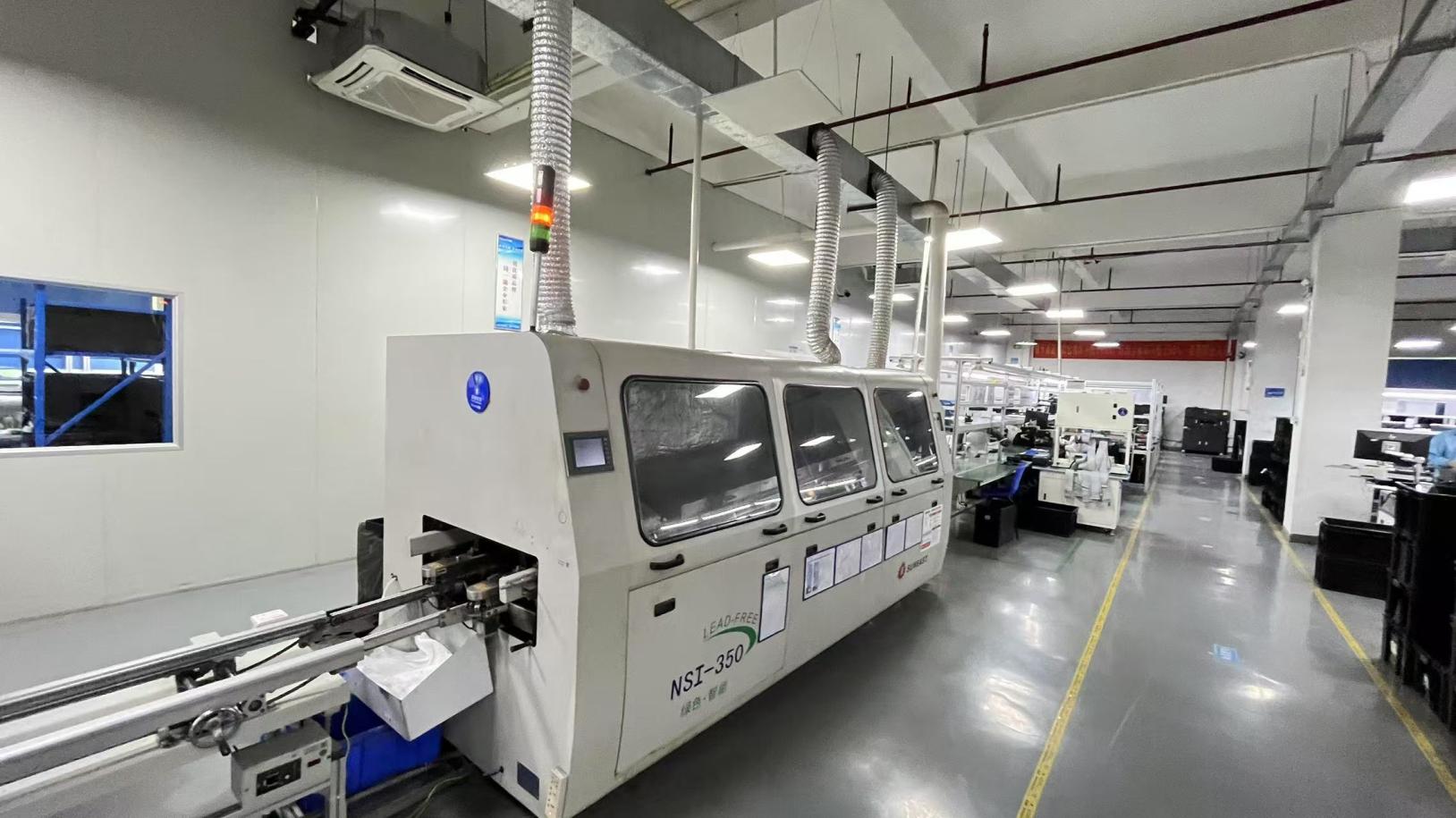
Our operational infrastructure comprises a state-of-the-art 12,600㎡ automated manufacturing facility optimized for high-yield electro-optical assembly, wafer-level testing, and high-frequency signal verification. By integrating vertical manufacturing pipelines with a rigorous component-level validation program overseen by 62 specialized quality assurance engineers, FiberQ ensures that every product—from modular copper jacks to 400G optical transceivers—operates flawlessly within critical networks.
Through deep vertical integration, a network of over 1,450 critical supply chain partners, and 12 years of core industry expertise, FiberQ provides OEM and ODM partners with an uncompromised framework of high signal integrity, predictable unit-to-unit consistency, and robust international trade compliance.
Analyzing the convergence of copper and optical physical layers under the pressure of multi-gigabit computing.
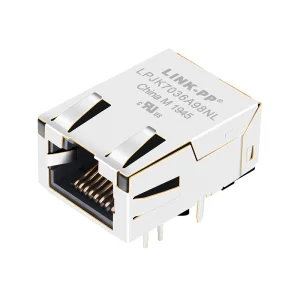
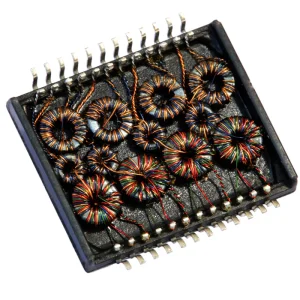
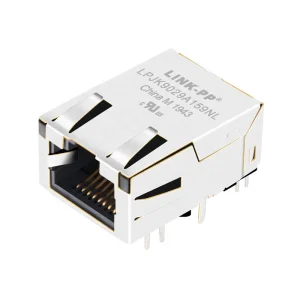
Modern RJ45 interfaces demand integrated magnetic modules (MagJacks) to manage electromagnetic interference (EMI) and common-mode noise. By embedding passive filters and isolation transformers directly inside the connector housing, we prevent high-frequency crosstalk and protect physical transceivers from voltage spikes in industrial environments.
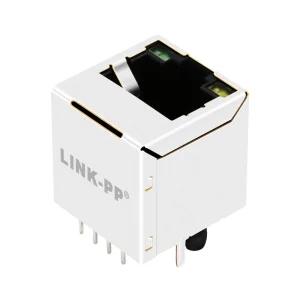
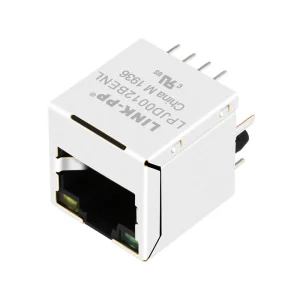
As wireless access points move to Wi-Fi 6E/7 and edge compute arrays expand, standard 1G connections are insufficient. The deployment of 2.5G, 5G, and 10G Base-T technologies over structured copper cabling requires RJ45 modular jacks with optimized contact geometries, minimizing Return Loss (RL) and Near-End Crosstalk (NEXT).
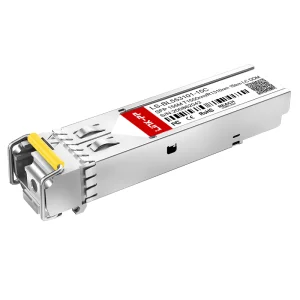
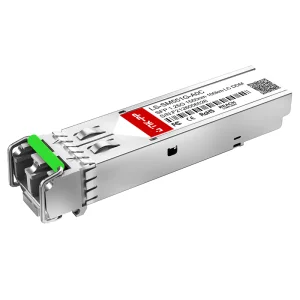
For link distances extending beyond copper limits, SFP/QSFP transceivers utilize wavelength division multiplexing (WDM) and single-mode fiber (SMF) optimization. FiberQ’s R&D is paving the way for silicon photonics, reducing the thermal envelope and insertion losses at transceiver junctions for 400G and 800G fabrics.
In structured cabling standards, physical stability directly affects signal integrity. In high-density server configurations, electromagnetic compatibility (EMC) is a primary concern. The transition to high-speed digital pathways means that physical-layer components are no longer simple electrical contacts; they function as transmission lines where impedance mismatch can disrupt packet delivery. FiberQ addresses this challenge through precision tool design, controlled gold-plating deposition, and comprehensive automated performance testing.
How FiberQ mitigates risks, manages thermal parameters, and ensures signal integrity for international buyers.
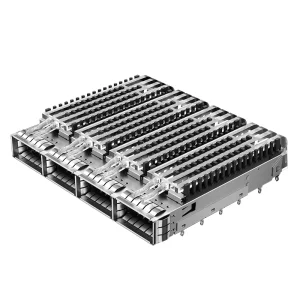
Global systems integrators face challenges with vendor lock-in and compatibility issues. Our engineers reverse-engineer physical parameters and compliance metrics to match industry standard footprints. This ensures that FiberQ components, such as SFP+ cages and RJ45 jacks with integrated magnetics, function as seamless drops-ins for Cisco, TE Connectivity, Tyco, and other mainstream architectures.
High-port-density switches generate significant heat. Standard connectors can degrade under prolonged exposure, leading to contact resistance or dielectric breakdown. FiberQ uses thermoplastic housings with wide operating temperatures (-40°C to +85°C) and robust EMI metal shielding to maintain performance under thermal stress.
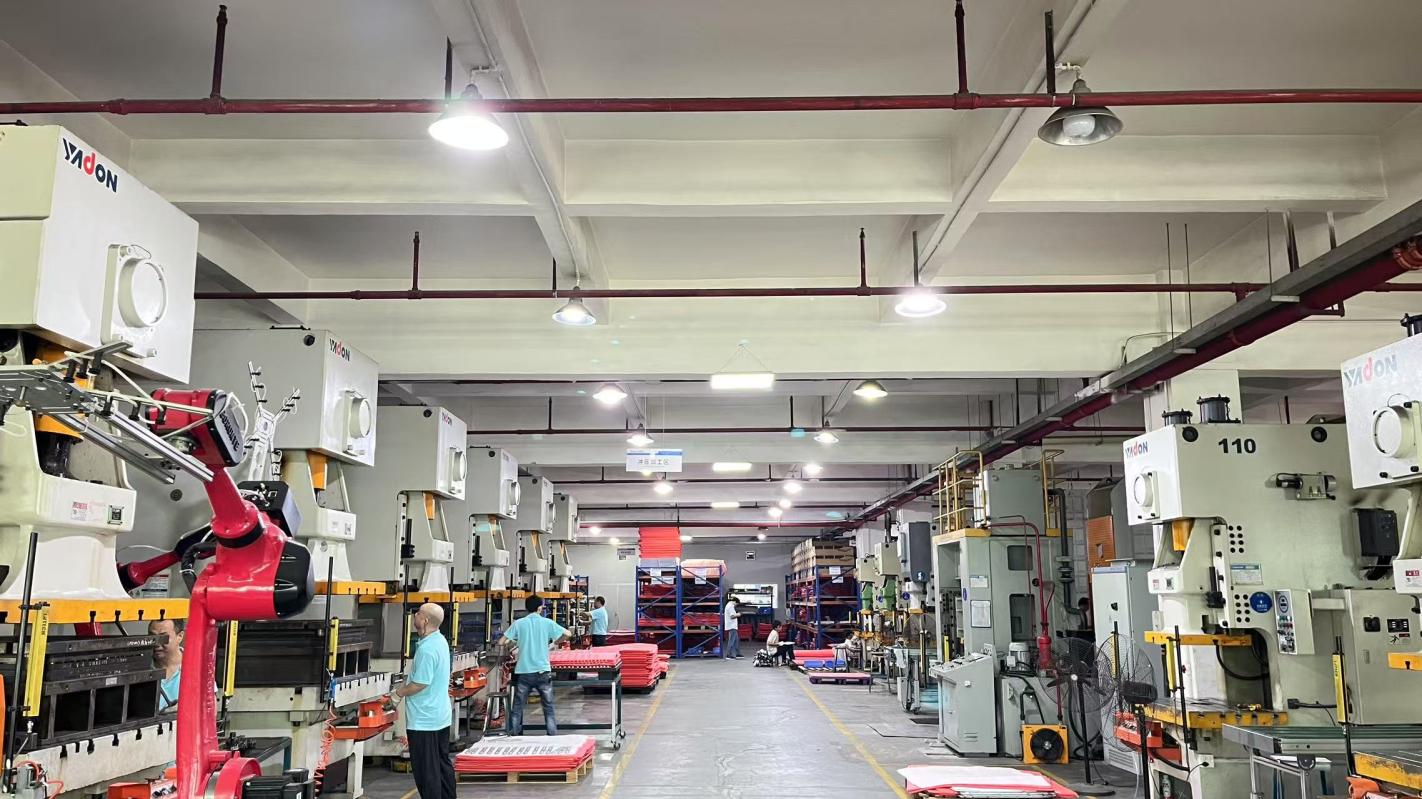
With a robust base of approximately 1,450 partner suppliers, we minimize raw material bottlenecks. Our 12,600㎡ manufacturing hub features automated stamping, plastic molding, and optical assembly lines, allowing us to maintain predictable lead times and fulfill large scale OEM and ODM orders.
"FiberQ's validation matrix ensures compliance with global standards, guaranteeing low insertion loss and high return loss characteristics for long-distance data pathways."
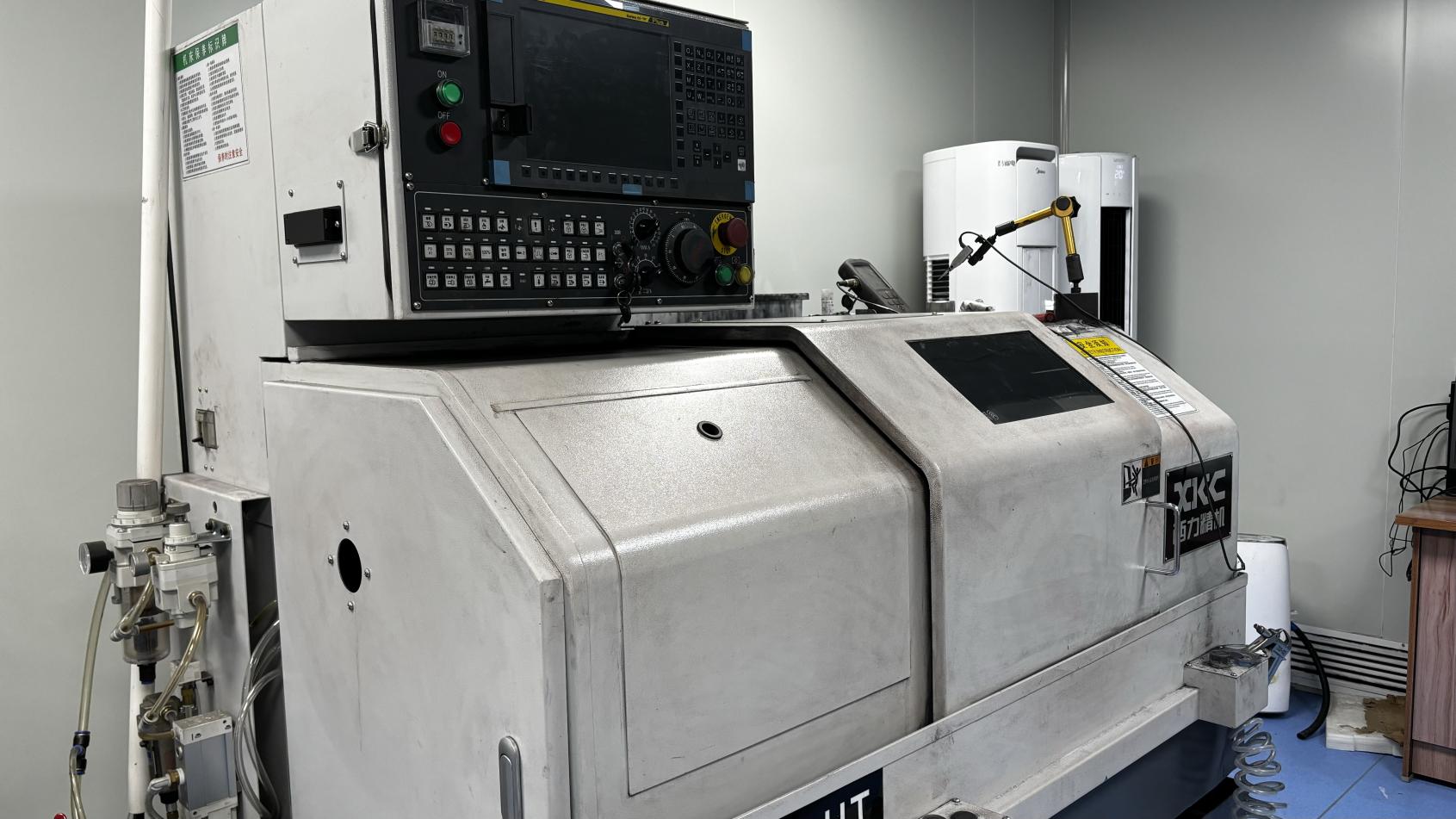
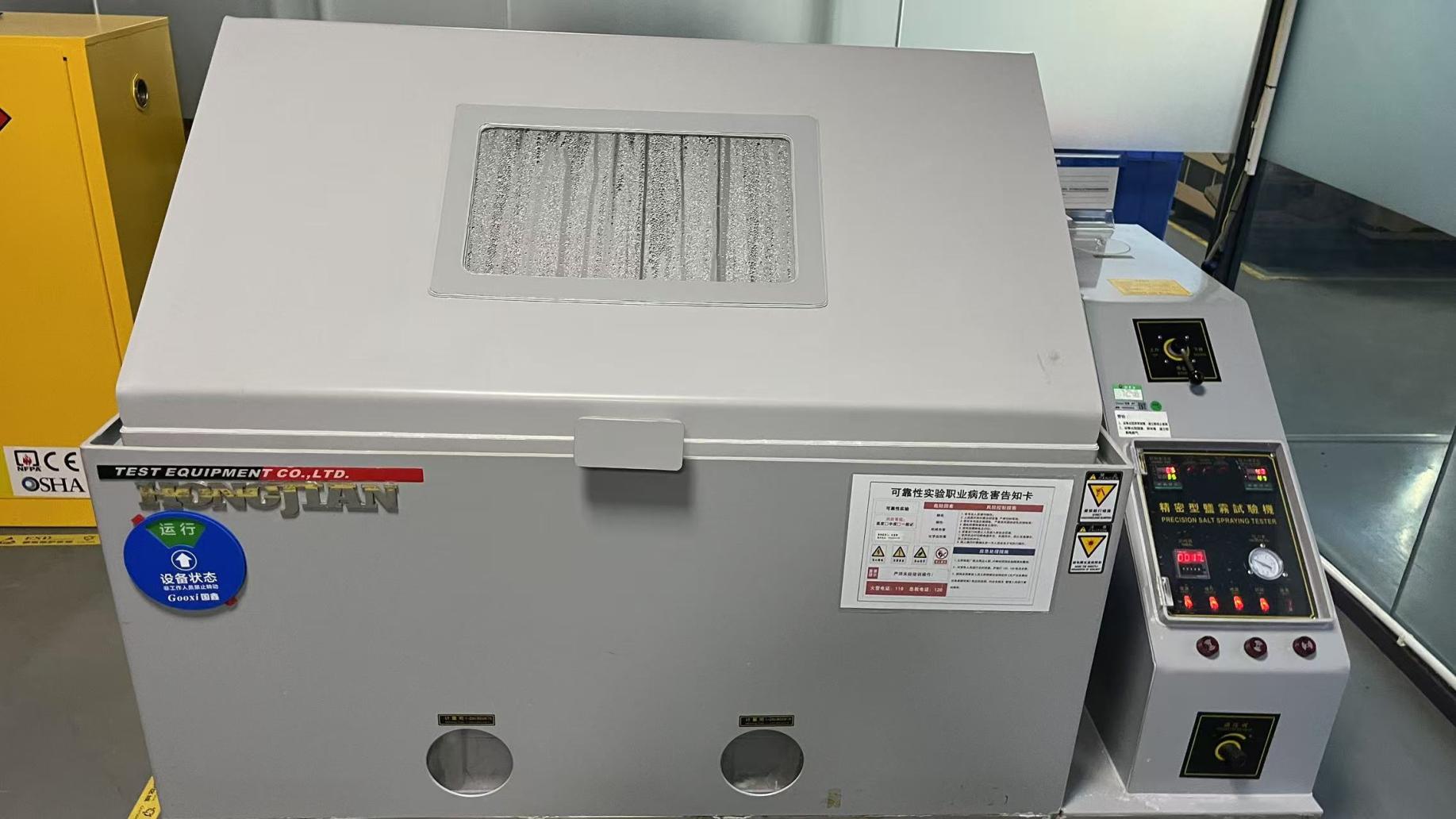
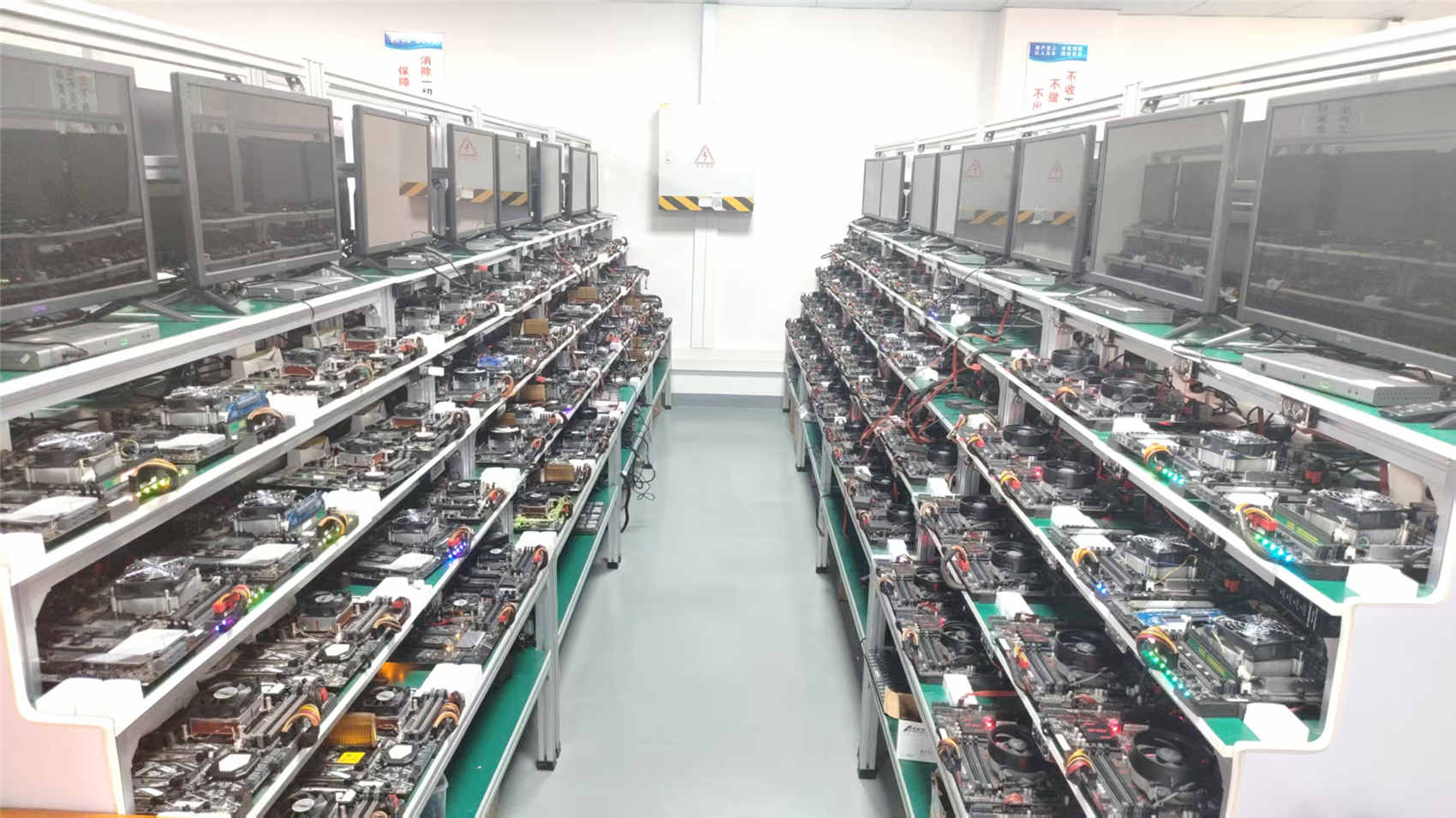
Inside the production, assembly, and validation facilities of FiberQ Photonics Technology Co., Ltd.

How our R&D team of 240+ engineers is designing tomorrow's physical-layer communication standards.
Active mass manufacturing of 100G and 400G QSFP28/QSFP-DD transceivers. Optimization of Cat6A/Cat8 RJ45 modules to support multi-gigabit workloads with minimal crosstalk.
Integration of optical components directly onto silicon substrates. This reduces raw manufacturing steps, optimizes optical coupling, and drives down power consumption per gigabit.
R&D phase for co-packaged optical modules that bypass standard pluggable modules, placing optical engines directly on the host ASIC package for maximum efficiency.
Rigorous quality control structures ensuring product reliability across global markets.
All active fiber transceivers and passive copper modular connectors conform to RoHS, REACH, CE, and FCC standards. This ensures compatibility with global environmental policies and electromagnetic compliance parameters.
FiberQ transceivers are built to conform with Telcordia GR-468 reliability standards. Our modular RJ45 designs adhere strictly to IEEE 802.3 Ethernet standards, covering 10BASE-T through 10GBASE-T setups.
Our automated production lines track each unit from raw silicon or copper stock to final verification. This full traceability helps our quality control team log performance metrics for every batch shipped.
Expert insights addressing common engineering, manufacturing, and shipping questions.
A standard RJ45 modular jack only provides physical layer connectivity. An integrated magnetic connector (or MagJack) embeds isolation transformers, common-mode chokes, and conditioning components directly into the connector housing. This integration isolates the Ethernet PHY chip from high voltages, minimizes EMI, filters out high-frequency noise, and prevents ground loop currents.
Every transceiver undergoes automated optical testing, including checking fiber end-faces with interferometry, high-temperature thermal testing, and active optical performance checks. We use Bit Error Rate (BER) testers and digital sampling oscilloscopes to check eye diagram parameters, helping us guarantee low insertion loss and high signal integrity.
Yes, our engineering team designs our products to match industry-standard dimensions. This allows FiberQ SFP+ cages, optical modules, and RJ45 jacks to serve as compatible drop-in replacements for components from Tyco, TE Connectivity, Cisco, and other major brands, while matching their electrical and mechanical specifications.
With 240+ R&D engineers, we support deep customization. This includes writing custom firmware for switch compatibility, engineering specific optical wavelengths, optimizing thermal dissipating brackets, and adapting connector form factors. Contact our technical sales team with your exact specifications to get started.
Browse our second tier of optical modules, low-profile RJ45 jacks, and EMI-shielded cage solutions