FiberQ
FiberQ
FiberQ
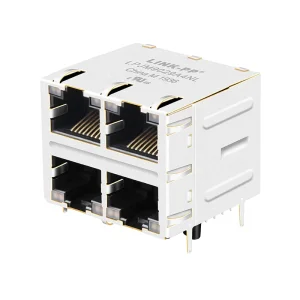
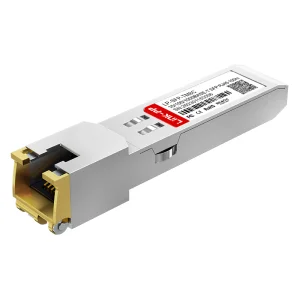
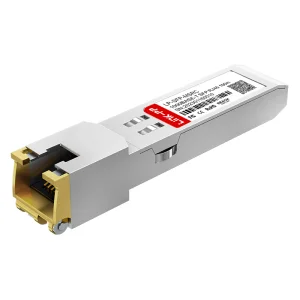
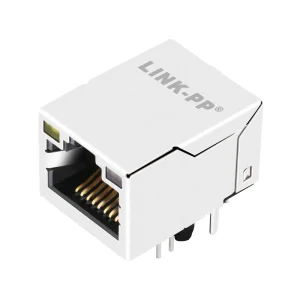
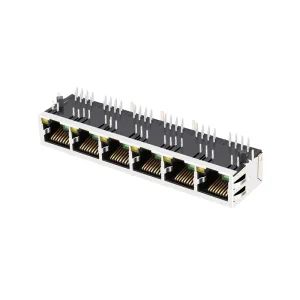
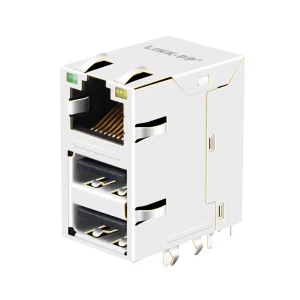
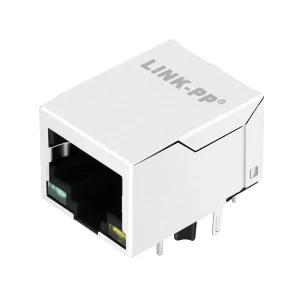
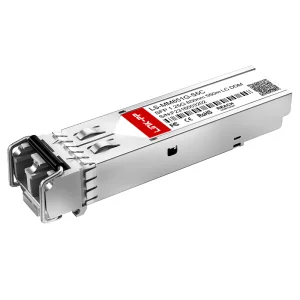
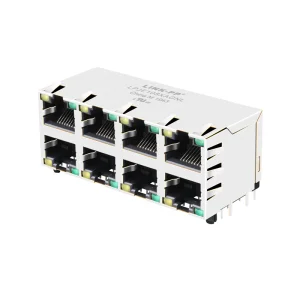
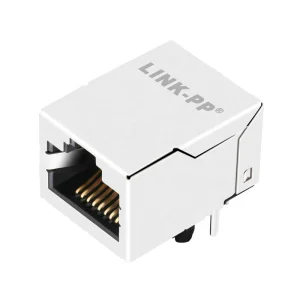
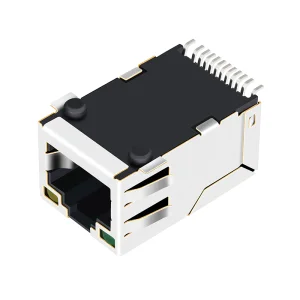
Browse our initial catalog of engineered connectivity components, featuring heavy-duty magnetic RJ45 modules, SFP interfaces, and multi-port modular connectors optimized for robust enterprise networks.
In the era of Industrial IoT (IIoT), edge computing, and smart manufacturing, standard commercial-grade cabling systems fail to provide the reliability required by harsh environments. Global enterprises face substantial financial risks from downtime; a single communication drop on an automotive assembly line or offshore drilling platform can cost thousands of dollars per minute.
Cables deployed in automation loops or robotic arms must survive millions of torsional flex cycles. Enterprises prioritize jackets made of Thermoplastic Polyurethane (TPU) or Polyurethane (PUR) to withstand abrasive rubbing, oil exposure, and severe pulling forces without compromising dielectric integrity.
Heavy machinery, variable frequency drives (VFDs), and high-voltage conduits generate substantial electromagnetic noise. Modern procurement specifications dictate double-shielded configurations (S/FTP or SF/UTP) to maintain signal integrity at 10G speeds without packet loss.
Ingress of moisture, dust, or corrosive chemical agents will rapidly degrade copper conductors. Procurement agents look for IP67 or IP68 rated connector assemblies utilizing bayonet locks, overmolded strain reliefs, and gold-plated contacts to ensure airtight sealing.
Rugged connectivity is the backbone of critical infrastructure globally. Here is how modern sectors utilize rugged Ethernet and optical transceivers to build resilient topologies:
Within modern gigafactories, real-time communication protocols such as PROFINET and EtherCAT require synchronous, zero-latency network links. Our industrial RJ45 surface-mount and multi-port connectors are engineered to maintain high-frequency parameters under continuous machine vibration. By integrating these components with heavy-duty cables, manufacturing plants achieve uninterrupted control loops between PLCs, sensors, and mechanical actuators.
Saline environments and oil exposure accelerate the decay of standard plastics. Specialized marine-grade Ethernet configurations employ Zero-Halogen (LSZH) jackets alongside corrosion-resistant copper or high-bandwidth fiber optic transceivers. These systems provide backhaul capabilities for offshore drilling data pipelines and vessel monitoring consoles, where failures can compromise worker safety and environmental security.
Rolling stock and aerospace structures are subjected to continuous vibration, shock, and wide temperature swings (from -40°C to +85°C). Cabling and transceivers in these platforms must conform to flame-retardant and smoke-density standards (such as EN 45545). Heavy-duty SFP and ruggedized multi-port modular jacks ensure reliable operation of passenger infotainment systems, signaling networks, and flight deck telemetry.
As bandwidth requirements escalate from 1Gbps to 10Gbps and ultimately 100Gbps at the industrial edge, the engineering design of physical layers must evolve. The technical roadmap details developments in cable construction, connector metallurgy, and optical integration:
To support high-frequency transmission in hostile environments, conductors are transitioning from standard bare copper to tinned copper or high-grade alloys that resist oxidation. Foam-PE insulation combined with individual pair foil shielding (U/FTP) reduces internal crosstalk, making Cat6A and Cat8 lines viable in high-density factory environments.
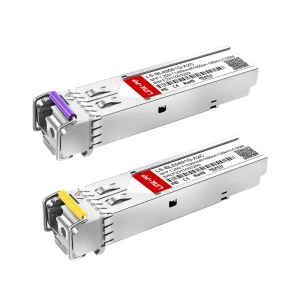
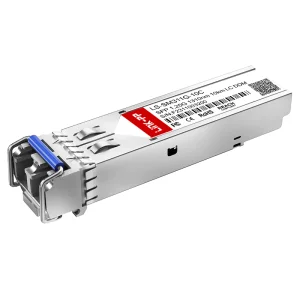
The transition to 10G Base-T at the board level requires advanced RJ45 SFP modules. Our MOXA and HPE-compatible SFP transceivers utilize advanced PHY chips that consume less power and emit less heat, preventing thermal throttling within compact industrial switches and enclosures.
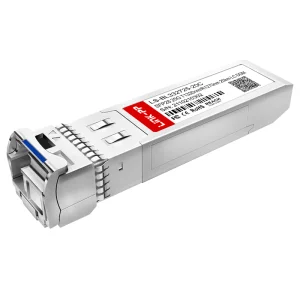
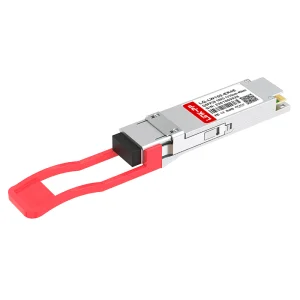
For high-capacity edge computing nodes, 100G QSFP28 ER4 and SFP28 25G BiDi modules represent the state of the art. These transceivers feature integrated optical sub-assemblies (TOSA/ROSA) designed to withstand thermal cycling and high-frequency vibrations without optical misalignment.
Founded in 2015, FiberQ Photonics Technology Co., Ltd. has developed into a specialized manufacturer and global exporter of high-performance fiber optic transceivers and advanced photonic communication components. Our solutions serve modern data centers, telecom networks, and high-speed industrial interconnect applications.
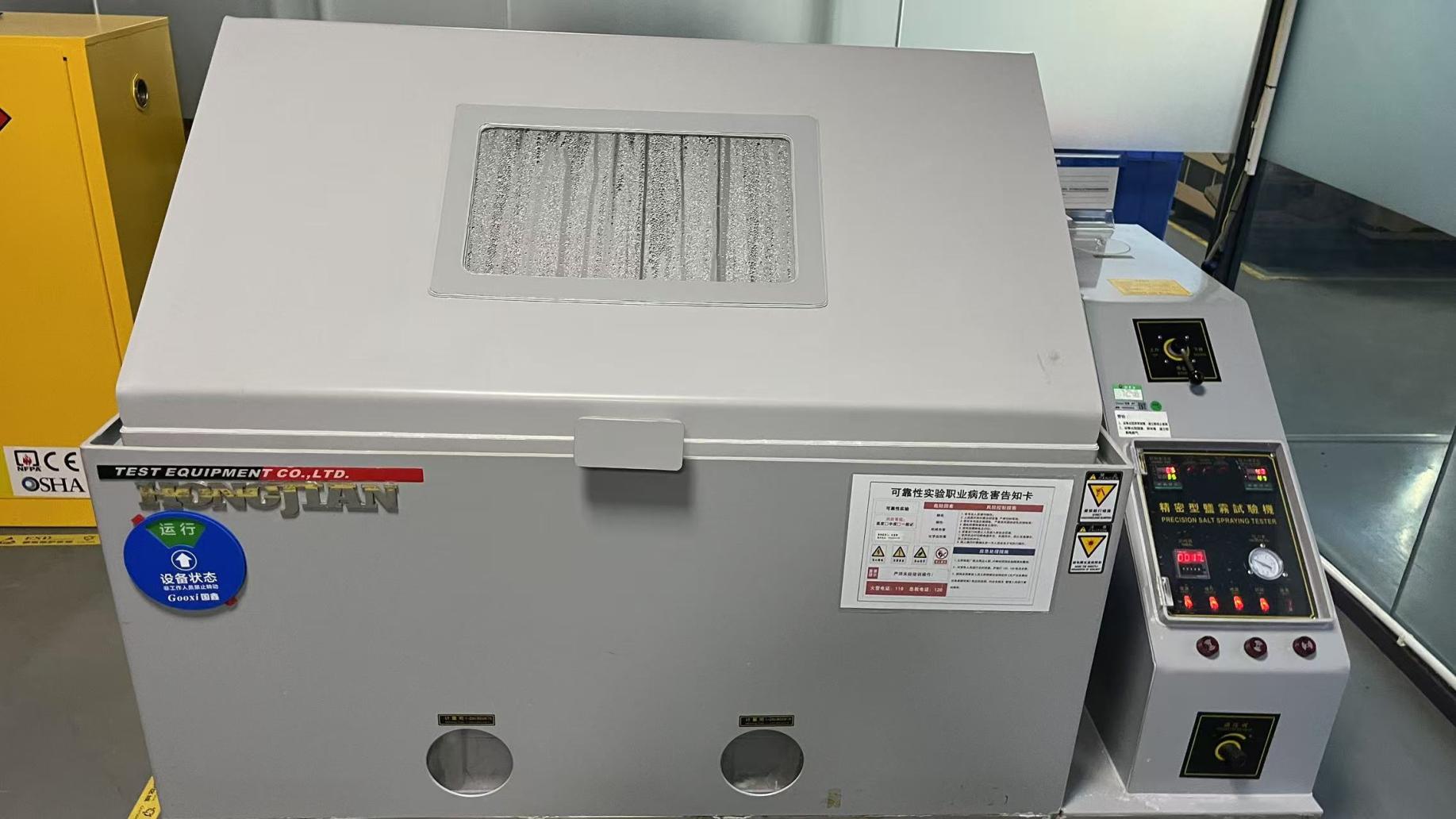
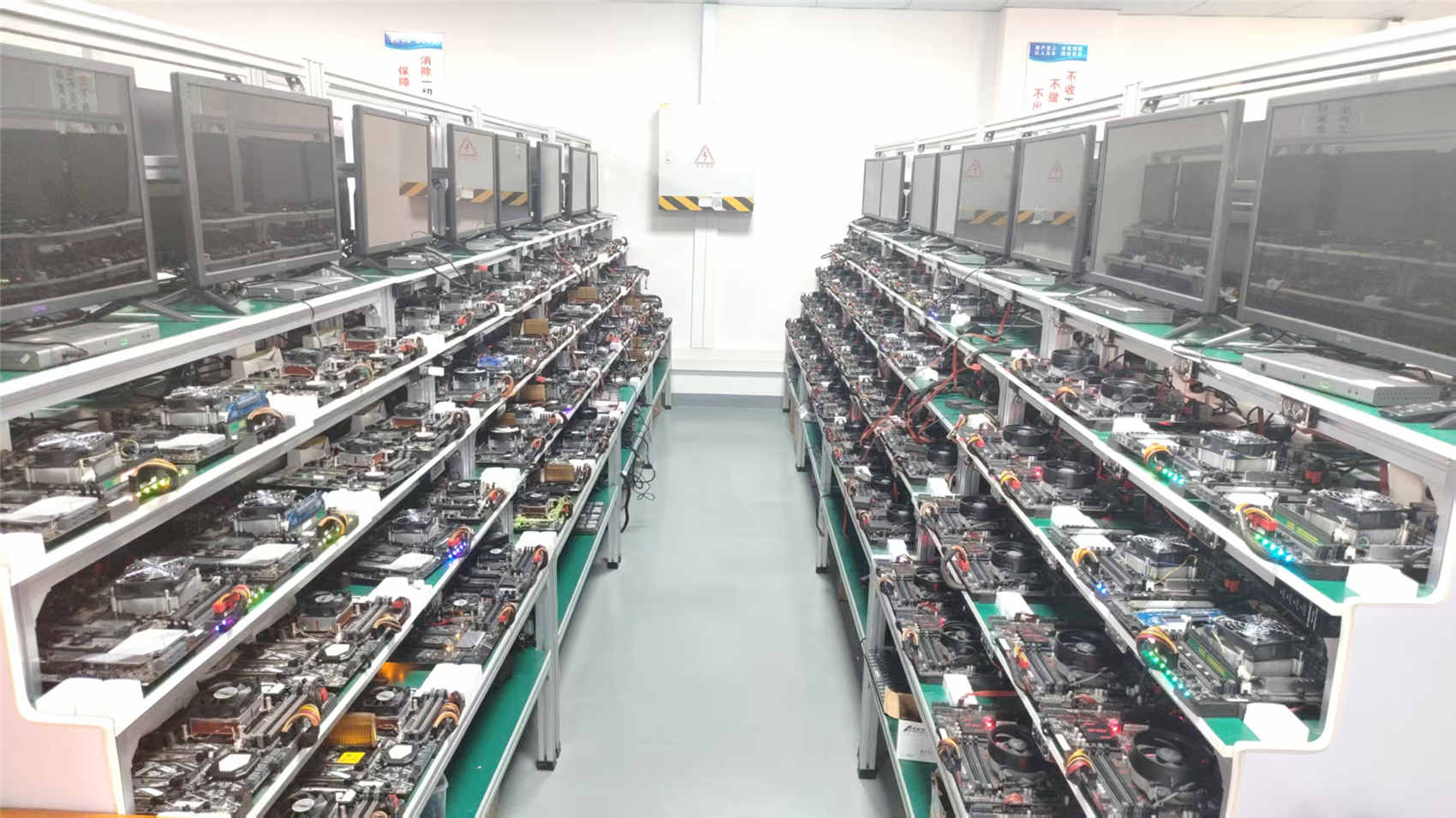
Strict Quality Control: Every component undergoes a rigorous testing protocol, including automated optical performance testing, interferometric inspection of fiber end-faces, high-temperature aging chambers, and manual quality checks. Our QC department maintains product reliability in compliance with global standards.
We collaborate closely with telecom operators, cloud providers, and systems integrators to deliver tailored solutions. Our R&D team supports custom protocols ranging from 100G to 800G, custom wavelength configurations, advanced thermal designs, and specialized form-factor adaptations to meet specific deployment requirements.
With over six years of direct export experience, FiberQ products serve critical markets in North America, Europe, Japan, and Southeast Asia. We ensure compliance with regional standards to facilitate seamless import processes and on-site integration:
All transceivers, connectors, and cable assemblies conform to RoHS, REACH, and CE directives. This ensures that our materials meet strict hazardous substance limitations and environmental safety regulations for global distribution.
Our optical transceivers are designed and coded for compatibility with major switch and router platforms. They undergo multi-platform testing to match original manufacturer specifications, minimizing deployment issues.
By leveraging relationships with approximately 1,450 supply chain partners, we secure core semiconductor, laser diode, and copper elements. This robust infrastructure helps buffer our production lines against global material shortages and ensures stable lead times.
Rugged Ethernet cables are specifically constructed to withstand mechanical, environmental, and electromagnetic challenges. They utilize heavy-duty outer jackets like Polyurethane (PUR) or Thermoplastic Polyurethane (TPU) rather than standard PVC. Additionally, they feature dual shielding (S/FTP or SF/UTP) to prevent EMI, gold-plated contacts for corrosion resistance, and robust strain reliefs or overmolded connectors to protect against physical tension and bending fatigue.
Our industrial-grade transceivers (such as the MOXA and HPE-compatible modules) are designed with wider operating temperature tolerances, typically supporting -40°C to +85°C. We integrate low-power PHY chipsets and optimized thermal dissipation housings, which reduce heat generation and prevent signal degradation or thermal shutdown in sealed enclosures.
Magnetic RJ45 connectors integrate isolation transformers and common mode chokes directly inside the connector housing. This design provides electrical isolation, filters high-frequency noise from nearby heavy machinery, and protects sensitive PHY chips on network controller boards from electrostatic discharge (ESD) and voltage surges.
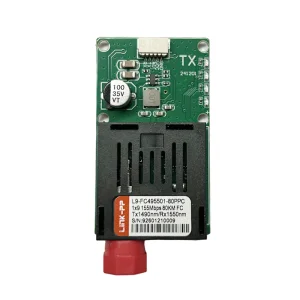
BiDi (Bidirectional) transceivers transmit and receive signals over a single optical strand using wavelength division multiplexing (e.g., 1490nm Tx / 1550nm Rx). This allows operators to double their fiber capacity without running new cables, significantly reducing raw material and installation costs for extended connections up to 80km or 120km.
Explore our selection of optical transceivers, multi-channel modules, and custom connectors engineered for high-performance networks and long-distance data transmission.
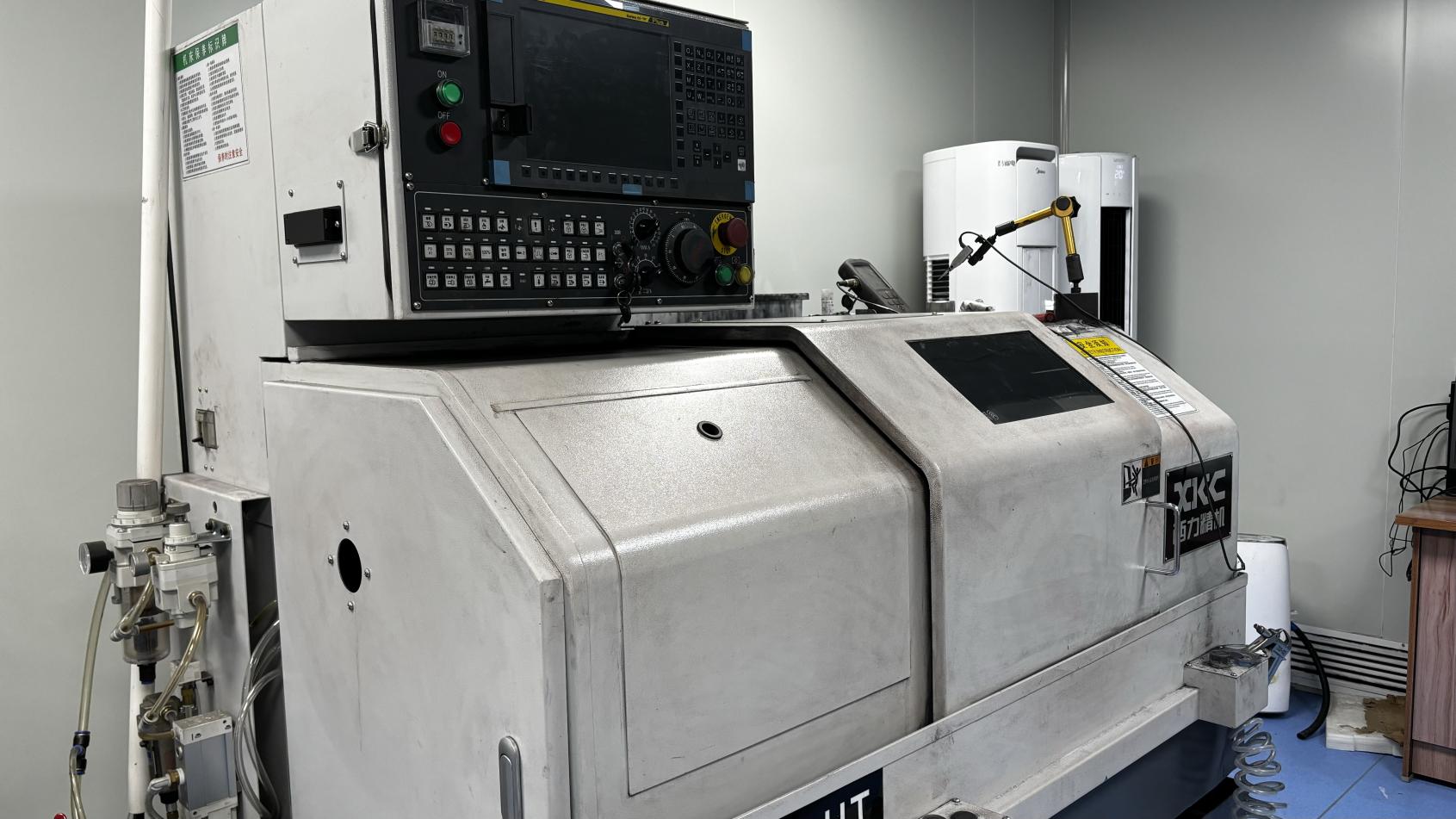
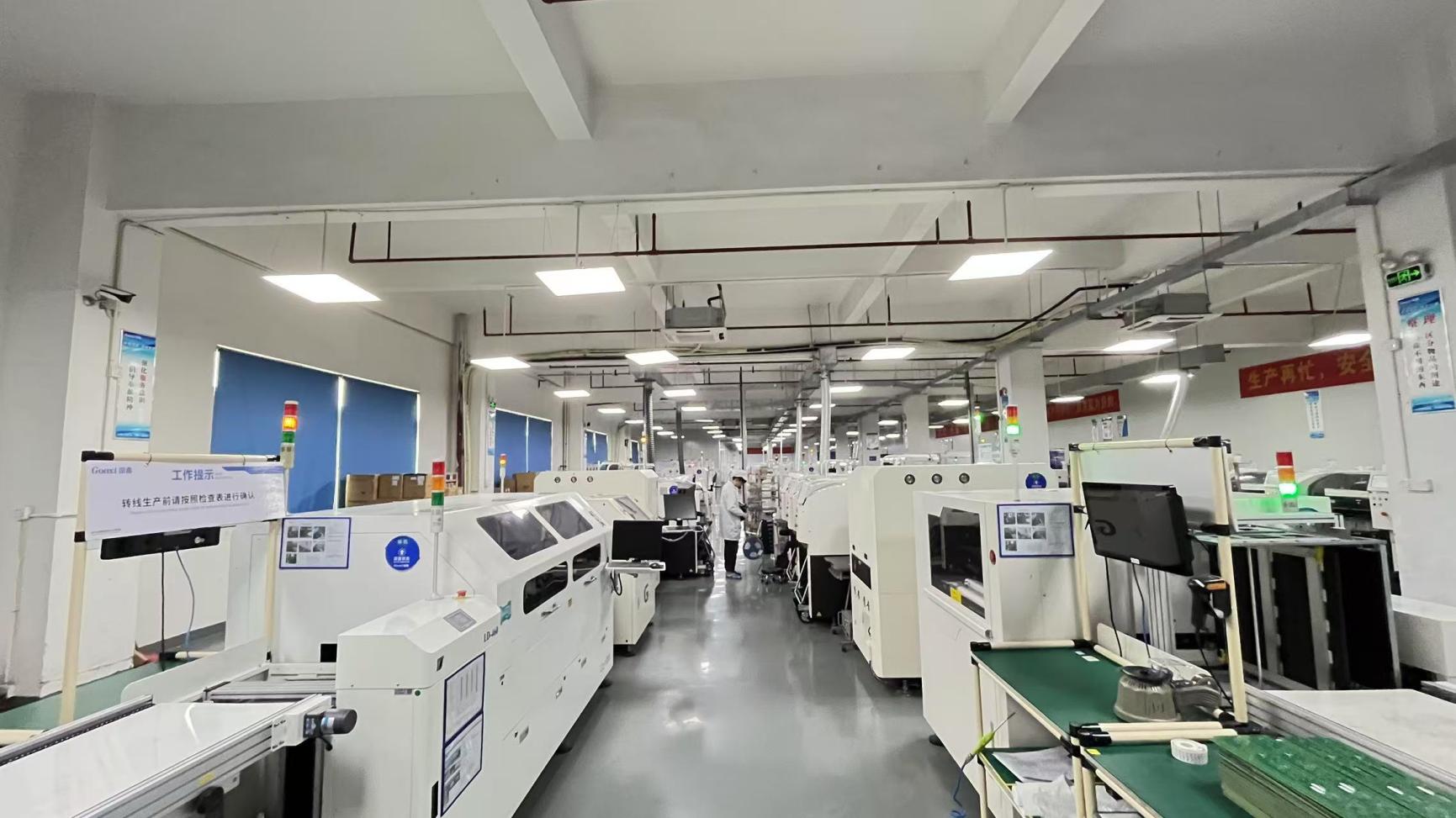
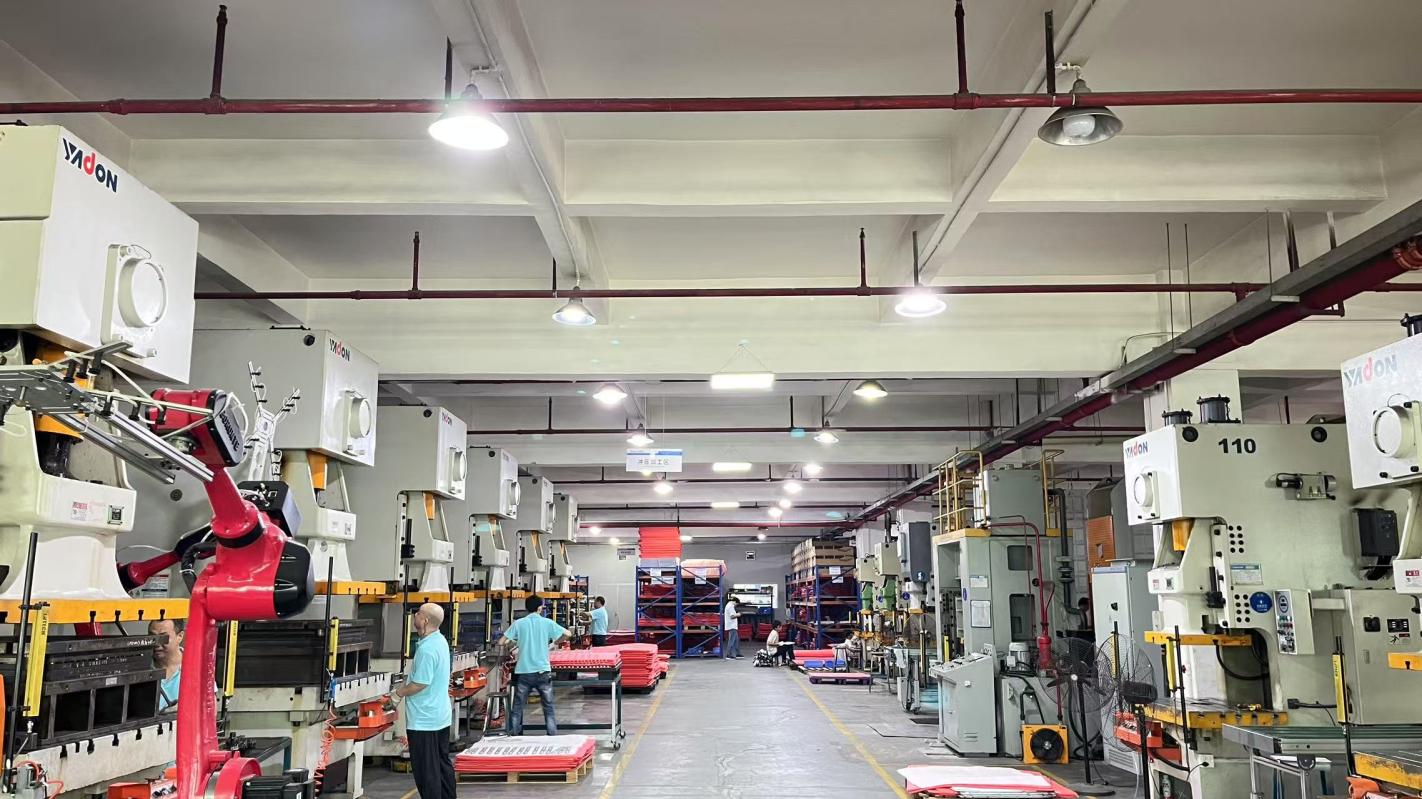
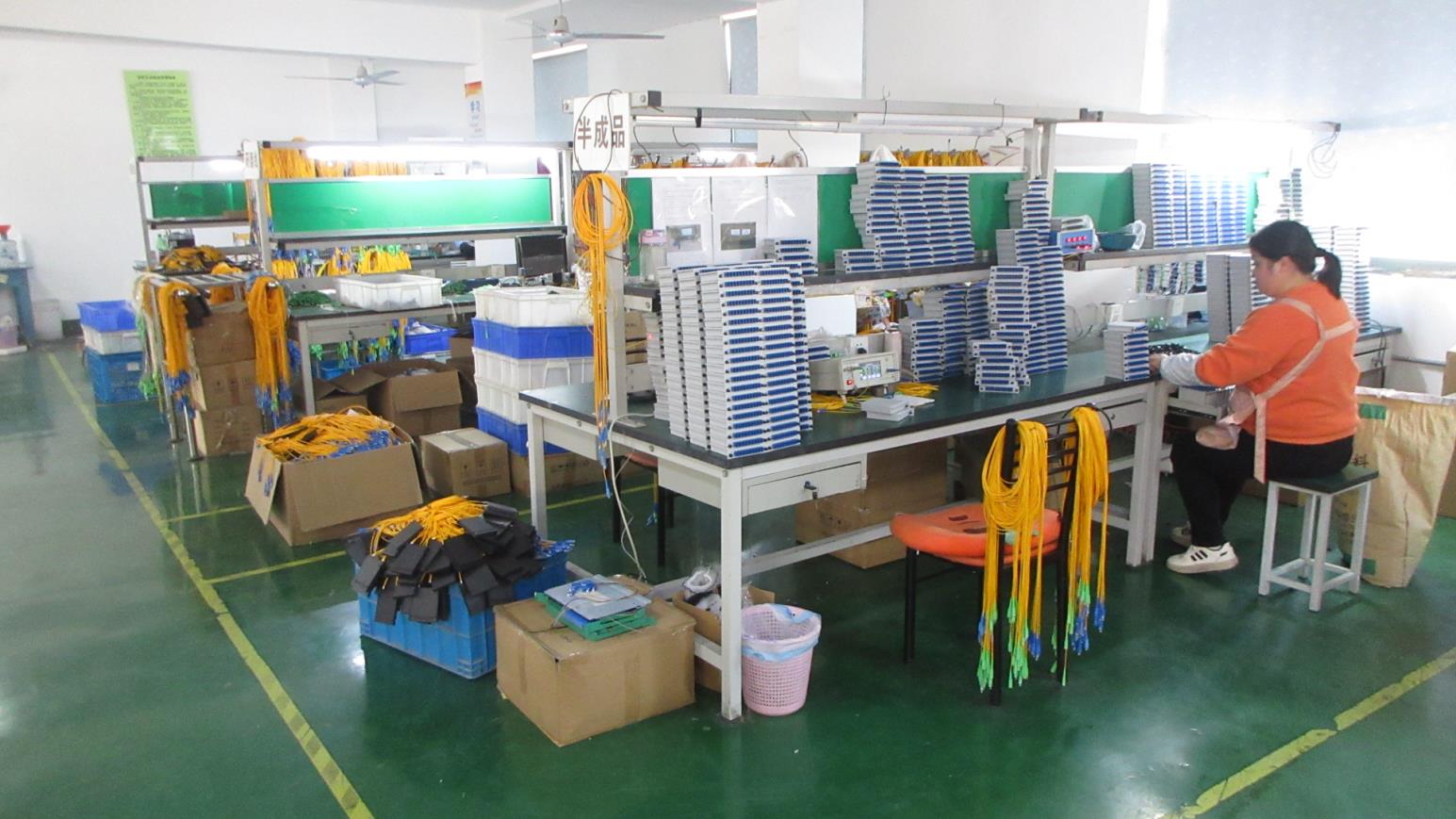
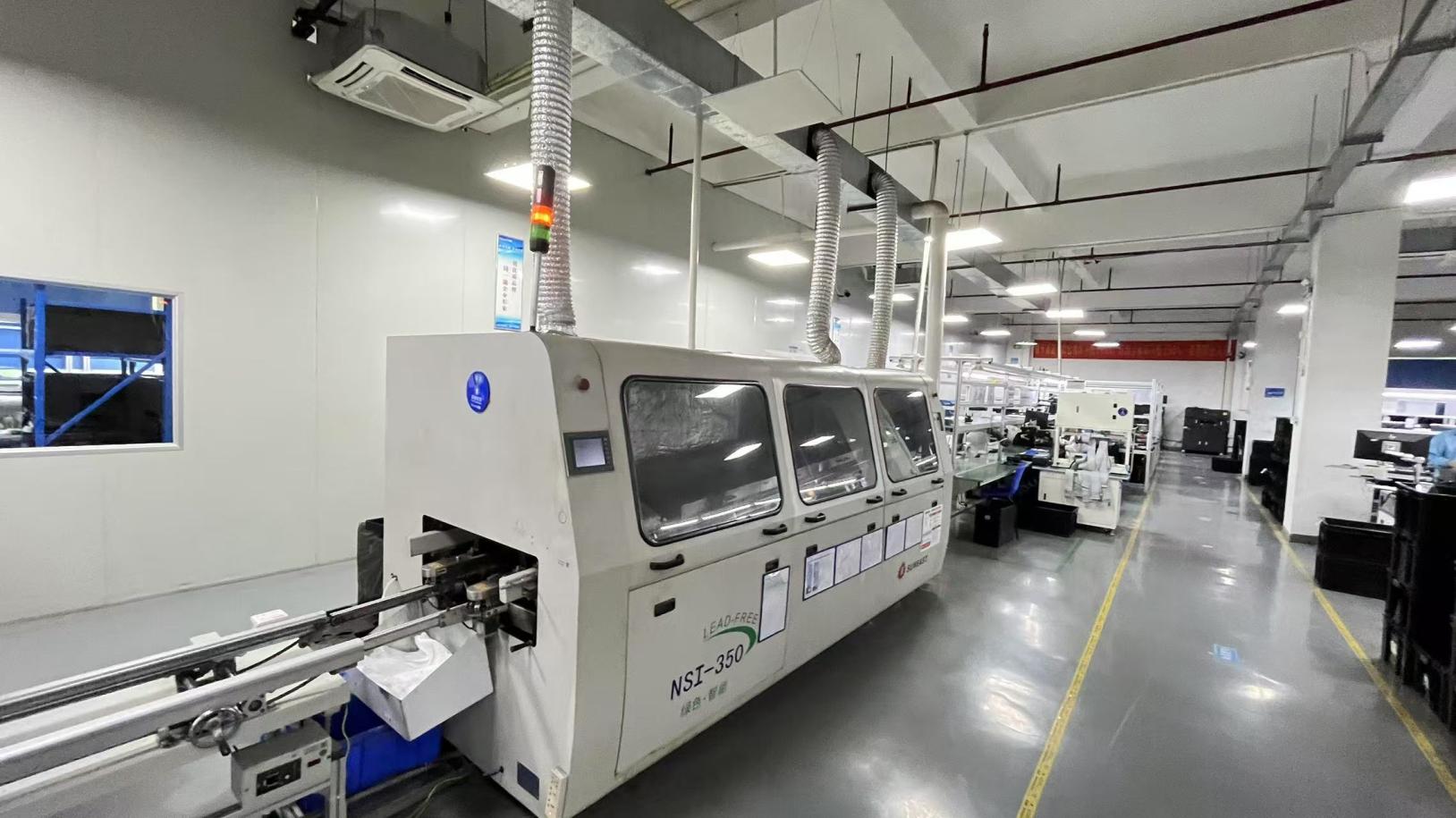
Take a virtual tour of our 12,600㎡ modern manufacturing facility, where specialized production processes, micro-optics assembly, and quality verification tests are carried out daily.