FiberQ
FiberQ
FiberQ
Engineered for high data-rate integrity, power delivery, and rigorous industrial demands.
An Analysis of Power, Speed, and Structural Requirements in Modern Data Exchange.
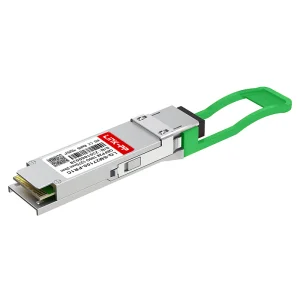
The telecommunications and networking industries are undergoing a massive transition driven by the proliferation of artificial intelligence (AI), edge computing, and cloud virtualization. At the core of this transformation is the physical layer connection: the Ethernet Port Connector. Traditionally structured to handle standard 10/100 Mbps or 1 Gbps transmission lines, modern connectors must now scale to accommodate multi-gigabit copper environments (2.5G, 5G, and 10G Base-T) alongside high-frequency optical transceiver architectures (100G, 400G, and 800G form factors).
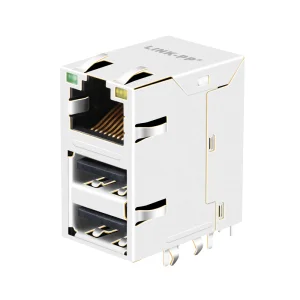
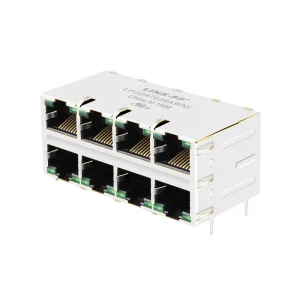
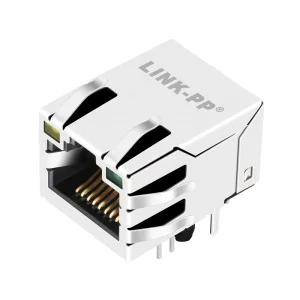
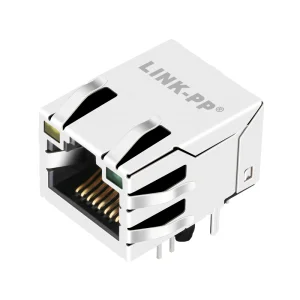
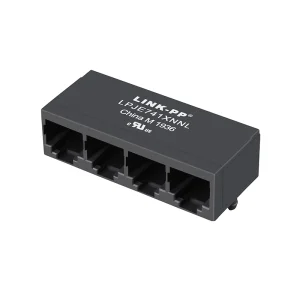
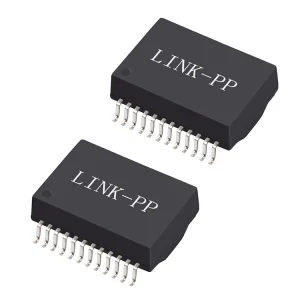
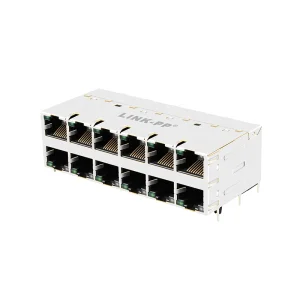
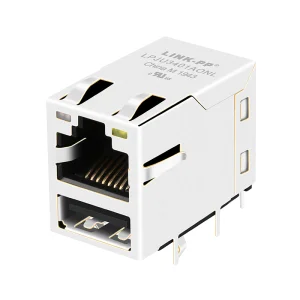
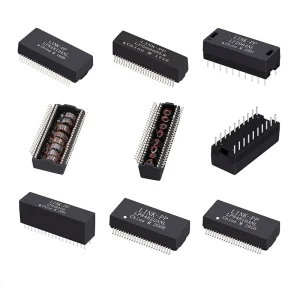
To prevent signal degradation across these wider channels, connector design has shifted focus toward Integrated Connector Modules (ICMs). By nesting the discrete magnetics (such as LAN transformers, common-mode chokes, and resistors) directly inside the RJ45 metallic shielding, designers effectively isolate high-frequency electromagnetic interference (EMI). This shielding protects the differential signals from external crosstalk and high-frequency noise, ensuring compliance with IEEE standards.
Strict management of insertion loss, return loss, and near-end crosstalk (NEXT) values up to 500 MHz and beyond.
Thermal management architectures built for higher ambient temperatures caused by increased board density and high wattage PoE delivery.
Optimized gold plating thicknesses (up to 50 micro-inches) and specialized retention clips for over 750 mating cycles.
As global procurement managers look to mitigate geopolitical risks and secure resilient supply chains, China’s industrial manufacturing hubs remain indispensable. The specialized manufacturing cluster in China offers a vertical integration that is unmatched: raw copper alloy suppliers, precision stampers, injection molding facilities, automated magnetics winding facilities, and advanced optoelectronic testing labs are clustered within close geographic regions.
For international procurers, assessing a vendor goes far beyond simple pricing. It requires auditing the manufacturer's testing ecosystem. Industry leaders must verify that their partners use automated optical performance testers, interferometric end-face inspectors, environmental test chambers for high-temperature aging, and specialized network analyzers to measure parametric margins.
| Interface Standard | Bandwidth Limit | Ideal Application Environment | Primary Physical Architecture |
|---|---|---|---|
| Cat5e RJ45 | 100 MHz | Enterprise LAN, IP Cameras, Legacy systems | Single/Multi-Port, Tab-Up/Tab-Down, Discrete Magnetics |
| PoE+ / PoE++ (2.5G/5G) | 250 MHz | Wi-Fi 6/7 Access Points, Smart Office Nodes | Integrated Magnetics, Enhanced EMI Grounding Tabs |
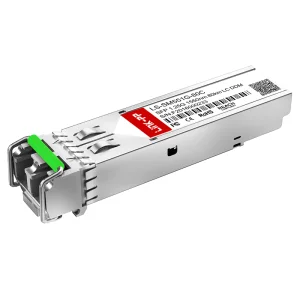
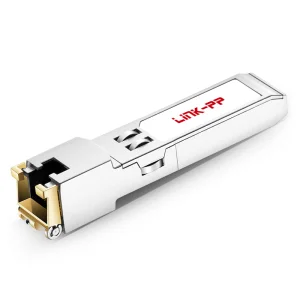
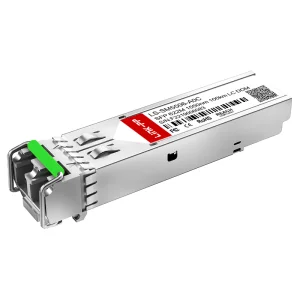
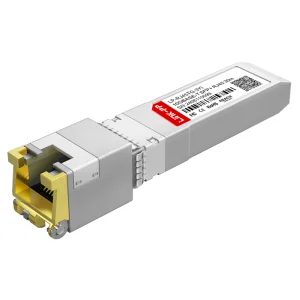
| 10G SFP+ Copper | 500 MHz | Top-of-Rack Switches, NAS Storage, Uplinks | SFP+ MSA cage, high-speed active PHY transceiver chip |
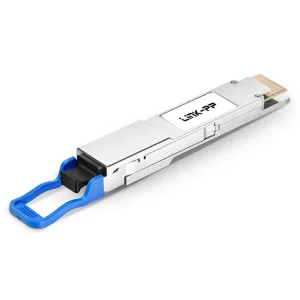
| 400G/800G QSFP-DD / OSFP | Multi-GHz optical path | Hyperscale Data Center AI clusters, Core Telecom | Co-packaged Optics, VCSEL/EML lasers, DSP signal restoration |
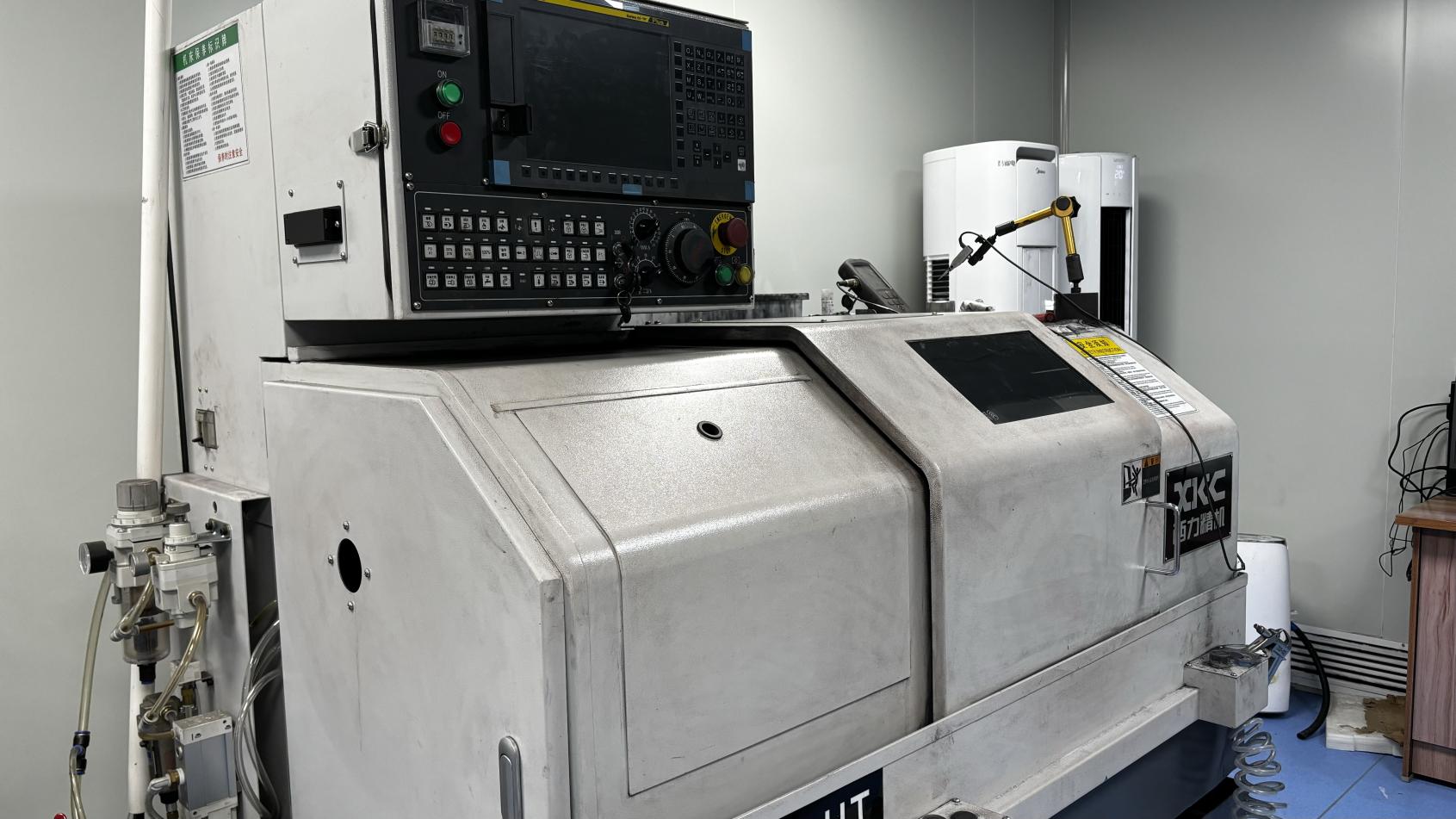
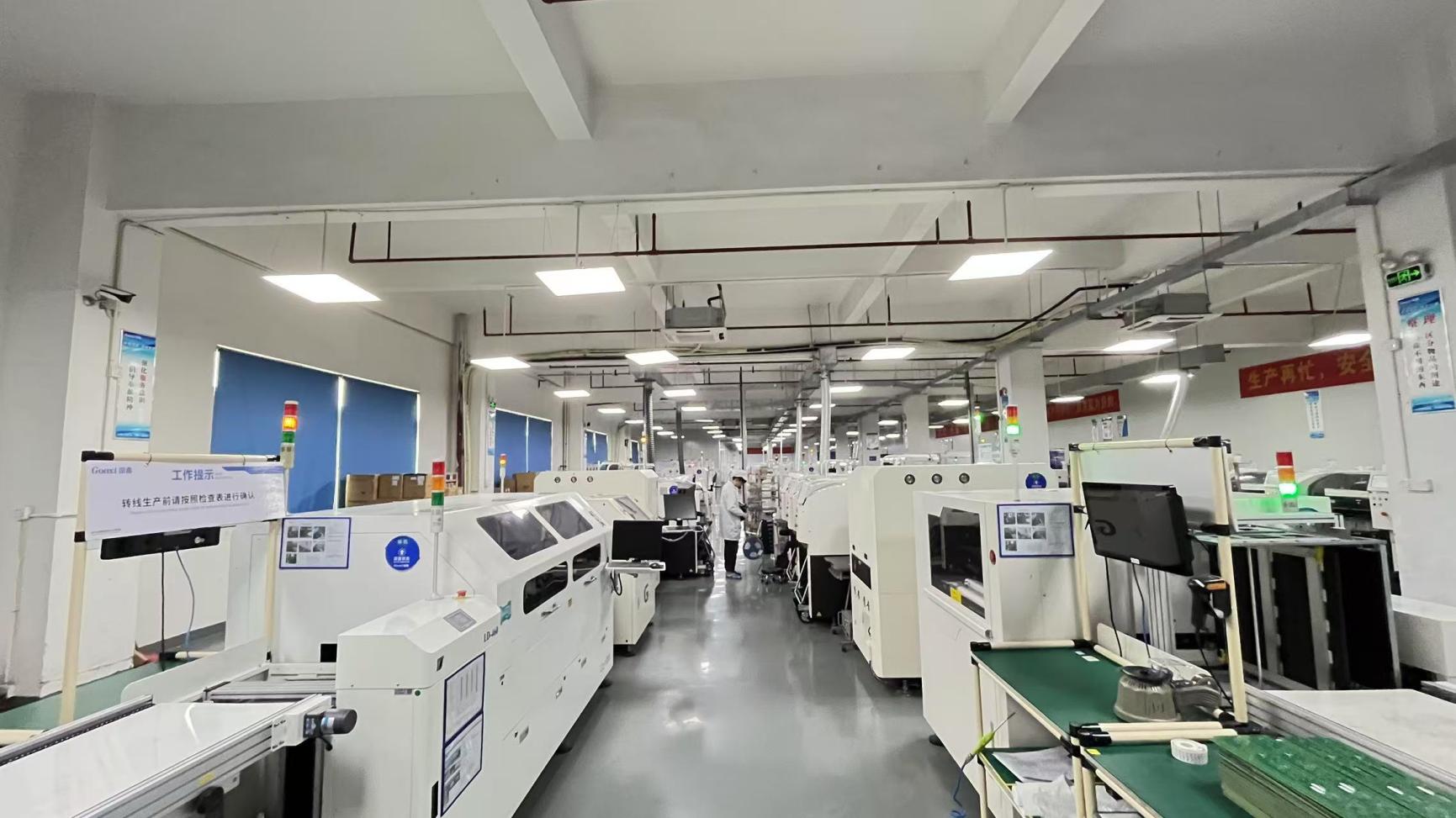
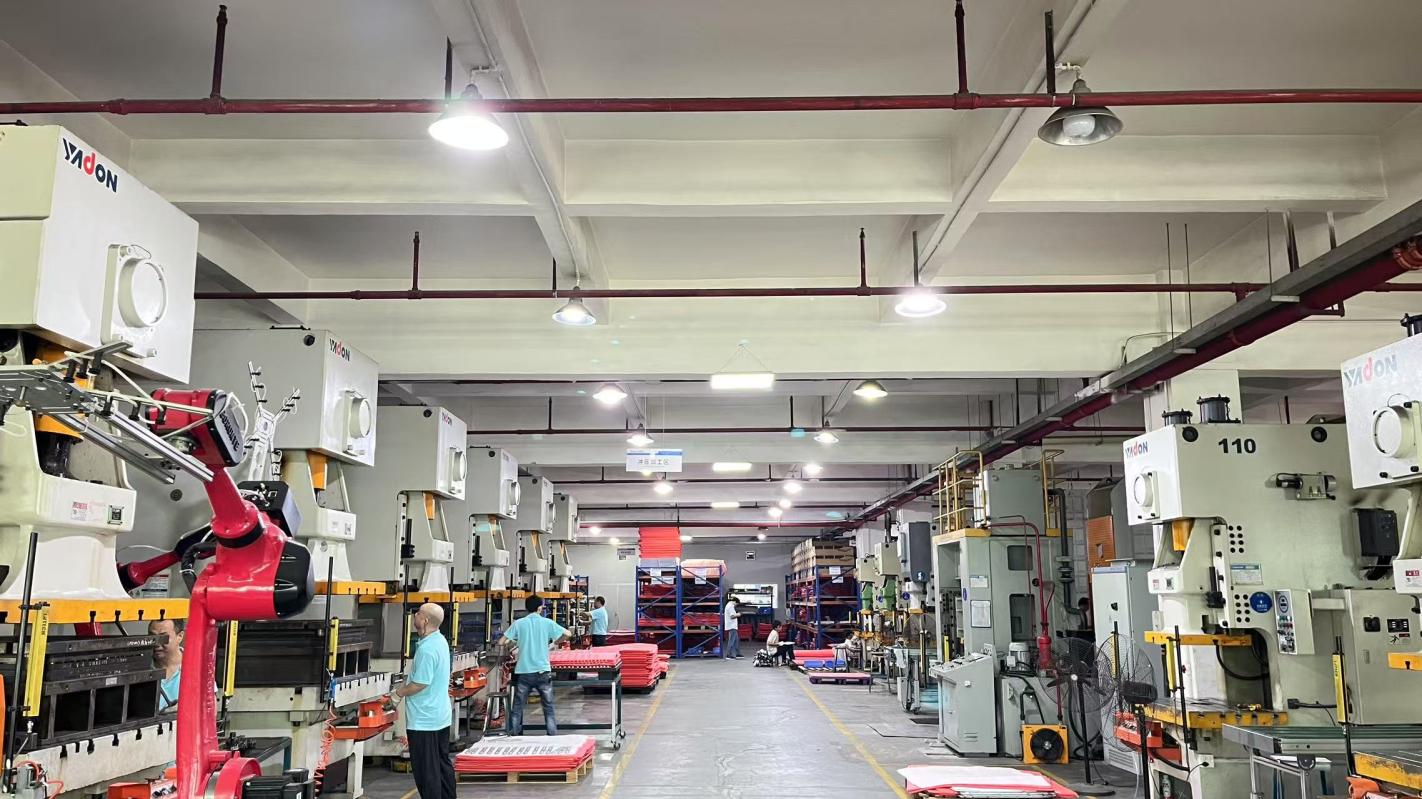
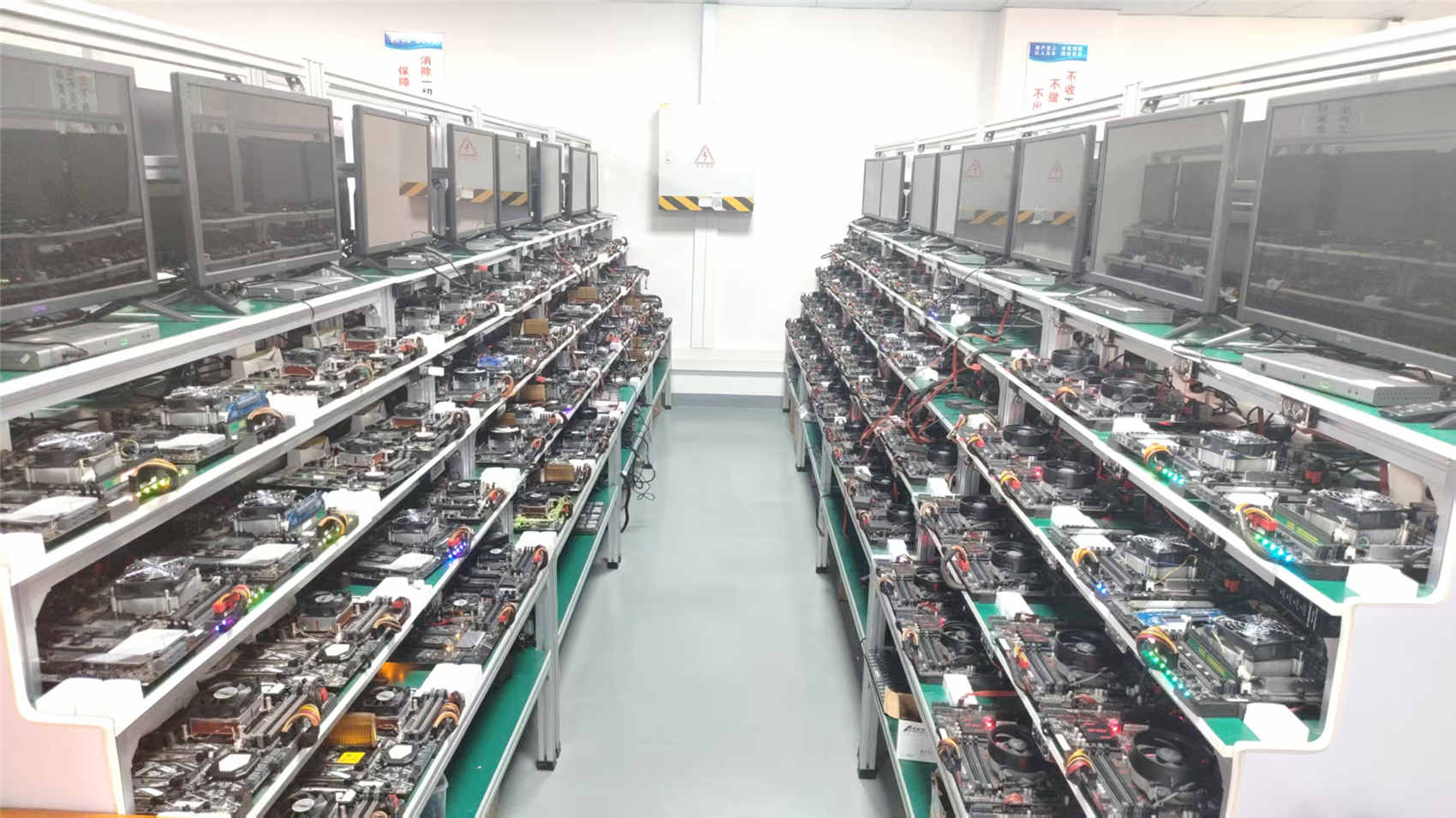
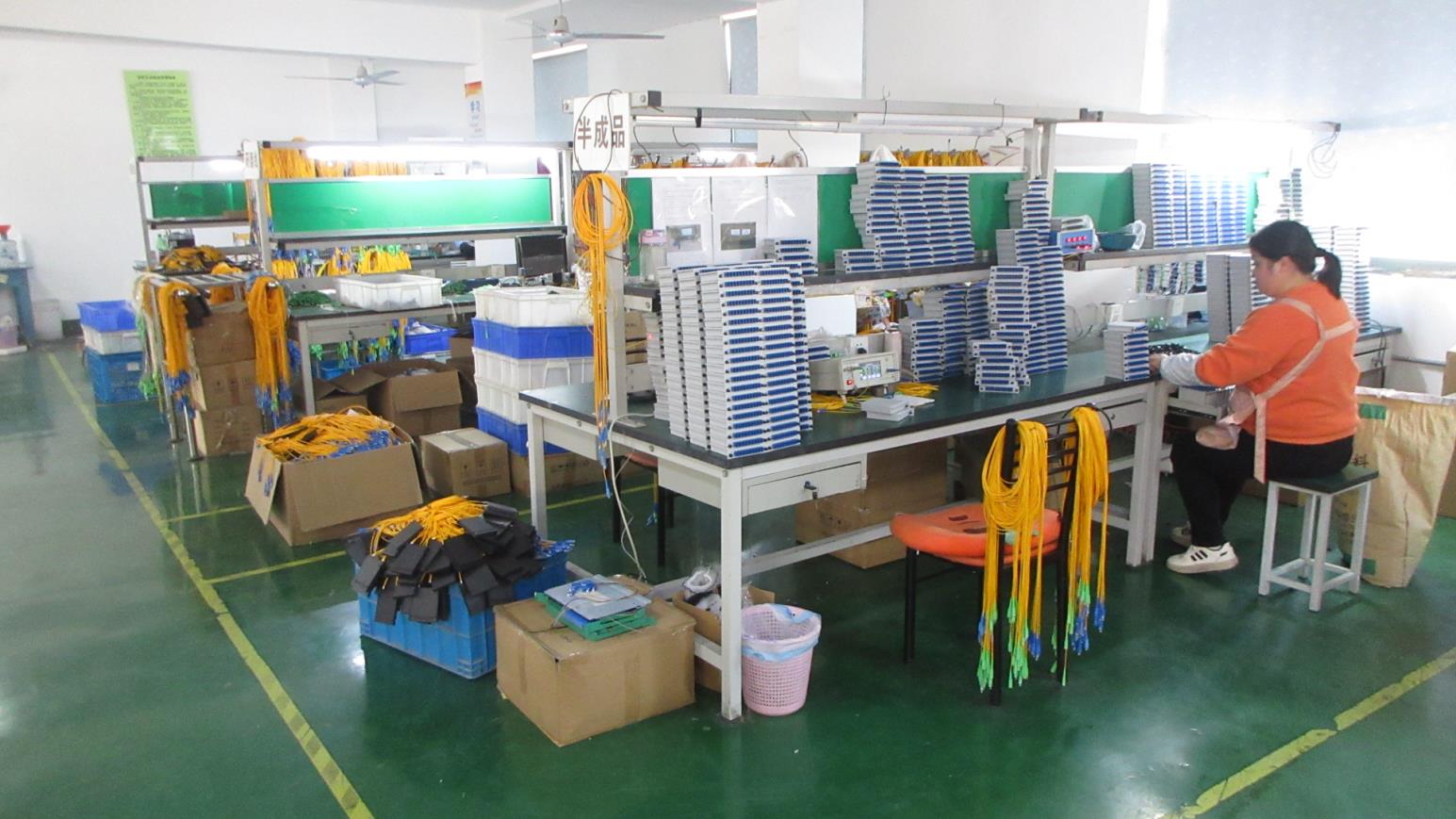
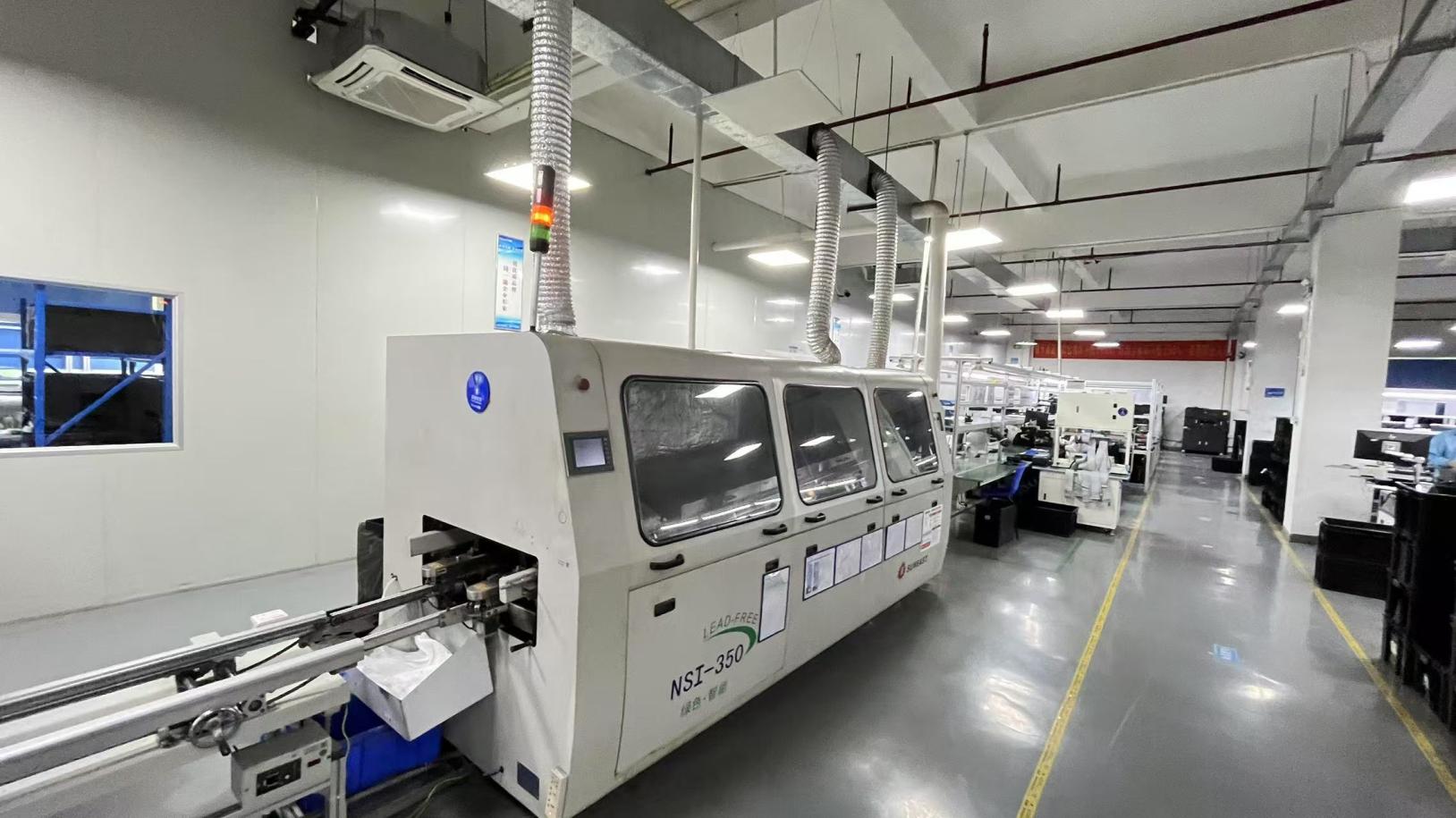
Inside our 12,600㎡ modern production facility and engineering ecosystem.
Founded in 2015, FiberQ Photonics Technology Co., Ltd. is a professional manufacturer specializing in high-performance fiber optic transceivers and advanced photonic communication solutions for data centers, telecom networks, and high-speed interconnect applications. Over our 12 years of industry expertise in optical communication technologies, the company has grown into a trusted global supplier with strong engineering and export capabilities.
The company operates a modern production facility covering approximately 12,600㎡, enabling scalable manufacturing, precision assembly, and strict quality control processes. With annual export revenue reaching around USD 9.5 million, FiberQ has accumulated 6 years of export experience.
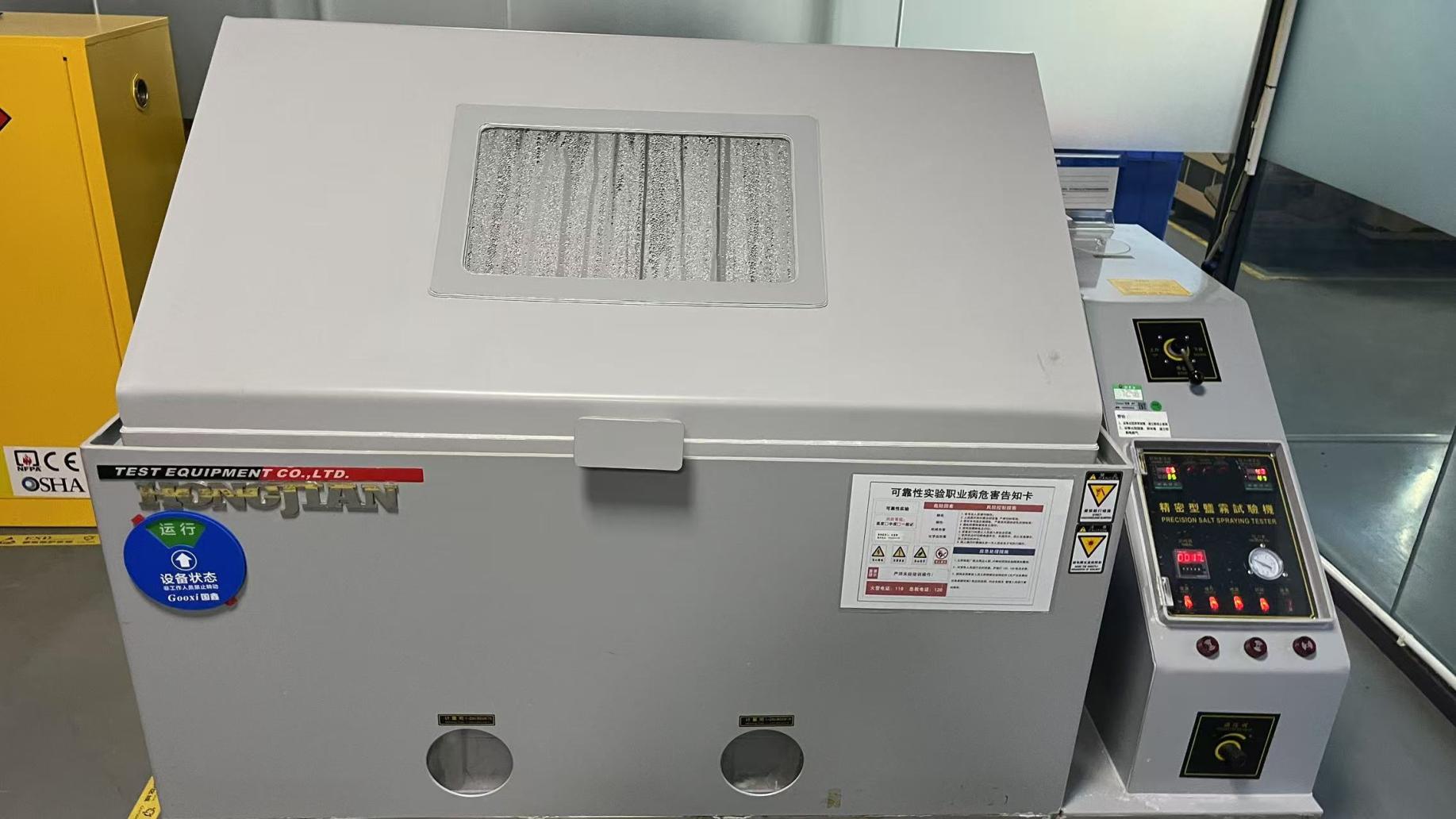
Our strict quality assurance protocols combine automated optical performance testing, interferometric inspection, high-temperature aging tests, and manual quality checks. The quality control team consists of 62 experienced inspectors dedicated to maintaining product reliability and compliance with international standards.
We collaborate with approximately 1,450 supply chain partners to ensure stable procurement of core components and efficient production scheduling. Our main customer base includes data center operators, telecom carriers, network equipment vendors, and system integrators across North America, Europe, Japan, and Southeast Asia.
With strong R&D capabilities, FiberQ supports advanced customization including protocol compatibility (100G/200G/400G/800G), wavelength engineering, thermal optimization, and form-factor adaptation. The company employs around 240 R&D engineers focused on optical design, signal integrity, and high-speed hardware development. In the past year alone, FiberQ launched approximately 180 new products, reflecting its continuous innovation in next-generation optical communication solutions.
Customization is no longer a luxury—it is an absolute technical requirement. OEM and ODM projects involve intricate modifications to mechanical dimensions, electrical performance parameters, and firmware profiles. A typical design flow starts with 3D CAD modeling and mechanical analysis to fit the physical constraints of custom server chassis or outdoor switchboards.
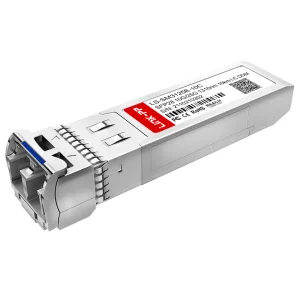
From an electrical standpoint, engineers customize the internal magnetics of the RJ45 connectors to match the impedance requirements of specific PHY chips (such as Broadcom, Marvell, or Realtek). Firmware engineers also program the EEPROMs of SFP and QSFP optical transceivers to ensure plug-and-play compatibility with network switches from vendors like Cisco, Juniper, Arista, and Huawei.
Operating in international markets requires complying with strict material and safety standards. Top China factories implement raw material batch tracking to ensure compliance with RoHS (Restriction of Hazardous Substances) and REACH (Registration, Evaluation, Authorisation and Restriction of Chemicals). This tracking guarantees that hazardous substances such as lead, cadmium, and polybrominated biphenyls are kept below strict thresholds.
For electrical and mechanical safety, components must carry UL 94 V-0 flame-retardant ratings for plastics and CE/FCC certifications for electrical noise emission control. Gold plating undergoes salt spray testing (typically 24 to 48 hours) to verify that connectors can withstand harsh, humid, or corrosive environments without contact interface oxidation.
Addressing the core design, compatibility, and procurement challenges of system integrators.
Industry-standard physical interfaces for telecommunications, data centers, and industrial automation.