FiberQ
FiberQ
FiberQ
Engineered for telecom architectures, high-performance data centers, and legacy industrial routing systems
How legacy serial communication protocols interface with modern Structured Cabling Topologies
Despite the dominance of Ethernet in high-speed enterprise layers, RS232 remains the bedrock of serial console administration, programmable logic controllers (PLCs), CNC machinery, and medical diagnosis blocks. Converting DB9/DB25 serial interfaces to RJ45 allows standard Category 5e/Category 6 copper cabling to run serial protocols, dramatically reducing system deployment costs and physical space requirements in industrial setups.
Global system integrators in Europe, North America, and East Asia require ruggedized adapters to maintain backwards compatibility in massive legacy structures. System engineers look for custom pinout mapping adapters, reliable EMI/RFI shielding configurations, and robust strain reliefs that survive the environmental stresses of heavy industry, marine deployment, and mission-critical telecom environments.
In modern enterprise data centers, console servers aggregate out-of-band management channels using RJ45 pinout systems (such as the Cisco EIA/TIA-561 console standard). Custom molded RJ45 to RS232 adapters allow network administrators to connect standard DB9 serial ports directly to RJ45 patch panels, managing terminal controls securely without requiring complex USB conversions.
Bespoke technical configurations engineered to withstand hostile signal environments
We support fully customized internal routing to match proprietary pinouts. Whether your system complies with Cisco console specifications, Yost standard systems, DEC wiring schemes, or custom PLC interfaces, our engineering team designs PCB routing layouts to match.
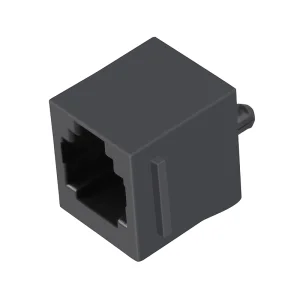
For high-noise factory floors, we offer fully shielded metal hoods (Nickel or Tin-plated brass shell) coupled with shielded RJ45 female ports to minimize signal cross-talk and maintain clean, low-latency transmission over maximum cable lengths.
Our custom molded housings utilize high-impact ABS, fire-retardant Polycarbonate (UL 94V-0 rated), and gold-plated copper contacts (ranging from 3u" to 50u") to guarantee thousands of mating cycles without structural or electrical degradation.
We provide both passive patch adapters for structured cabling conversions and active converters equipped with integrated level-shifter transceivers (such as MAX3232 series) to facilitate long-distance signal integrity across hostile channels.
FiberQ Photonics Technology Co., Ltd. - Integrating advanced manufacturing with optical-copper interconnect expertise
Founded in 2015, FiberQ Photonics has evolved into a global titan of interconnect and transceiver manufacturing. Operating out of a 12,600㎡ production center, our hardware integration lines scale from high-speed optical transceivers to customized copper interfaces (such as hybrid RJ45 serial controllers).
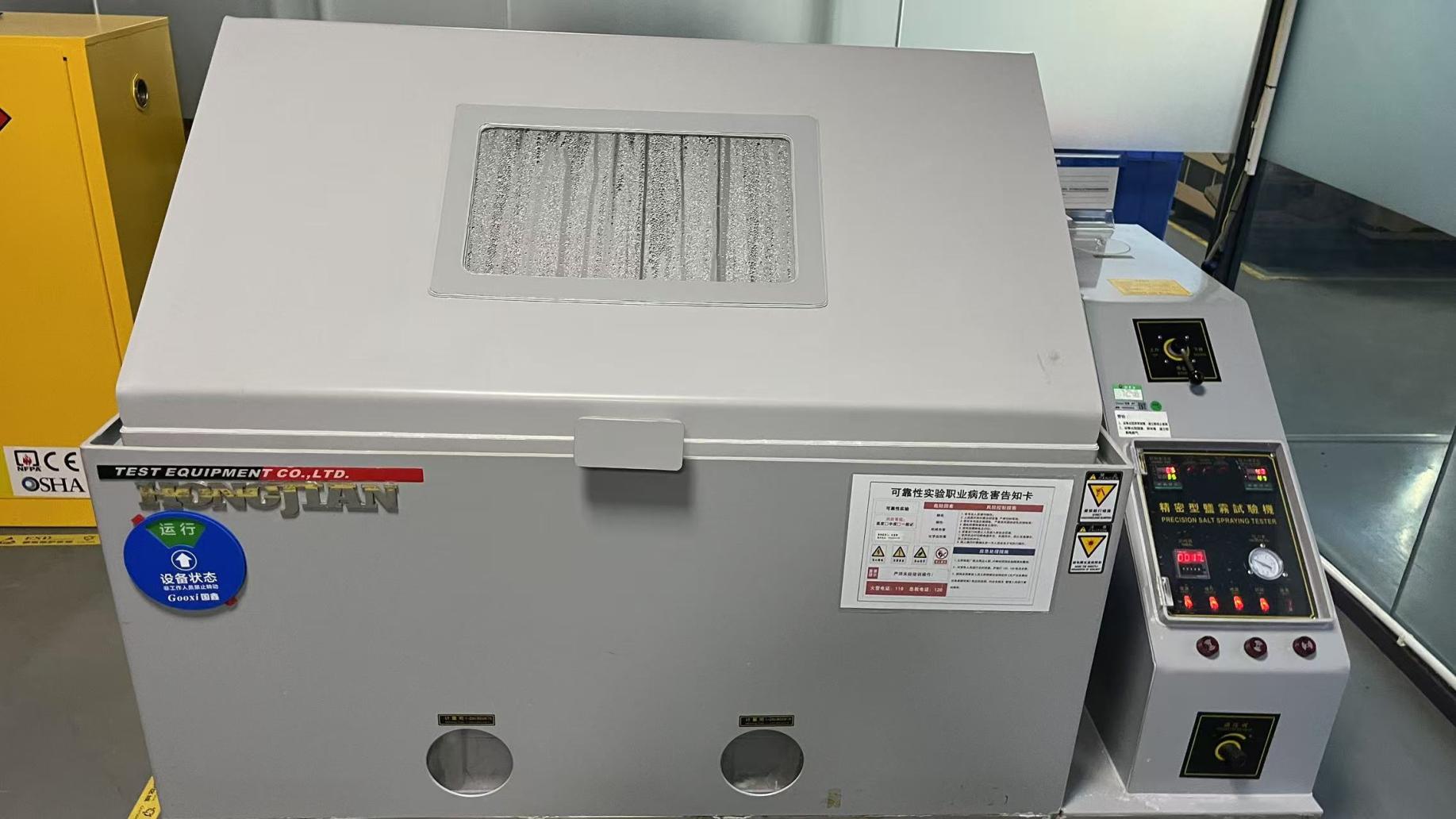
Our quality control team employs a multi-tiered inspection mechanism. Every customized RS232 and RJ45 adapter is subjected to strict electrical continuity checking, high-temperature aging chambers, and insertion loss tests. This rigorous process guarantees maximum reliability in challenging environments.
With an annual export turnover of USD 9.5 million and over 6 years of pure international trade expertise, FiberQ Photonics handles complex global logistics. We serve top-tier customers across North America, Western Europe, Japan, and Southeast Asia, streamlining custom clearance and regulatory testing.
Essential performance metrics to inspect when procuring RJ45 to RS232 hardware adapters
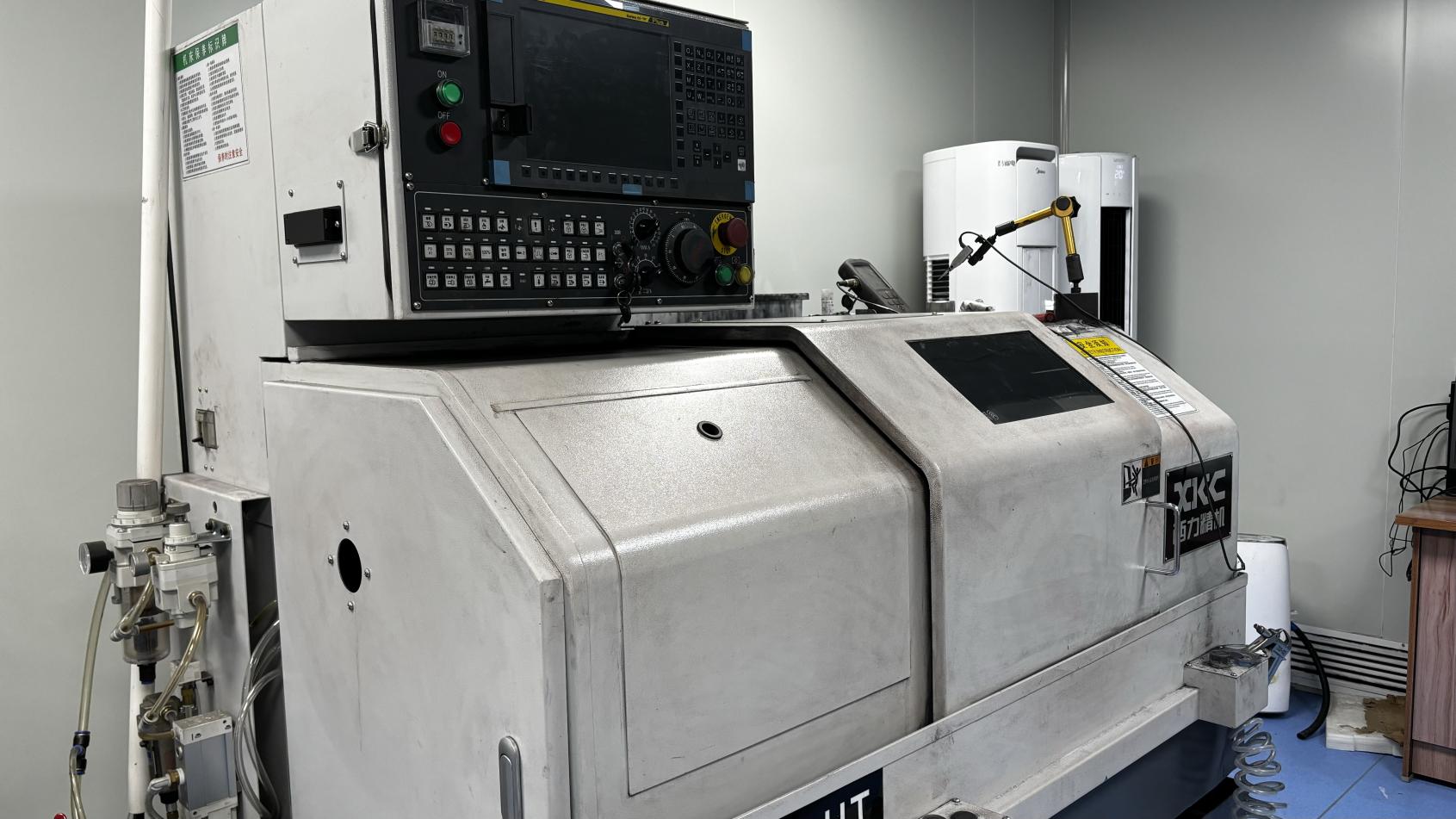
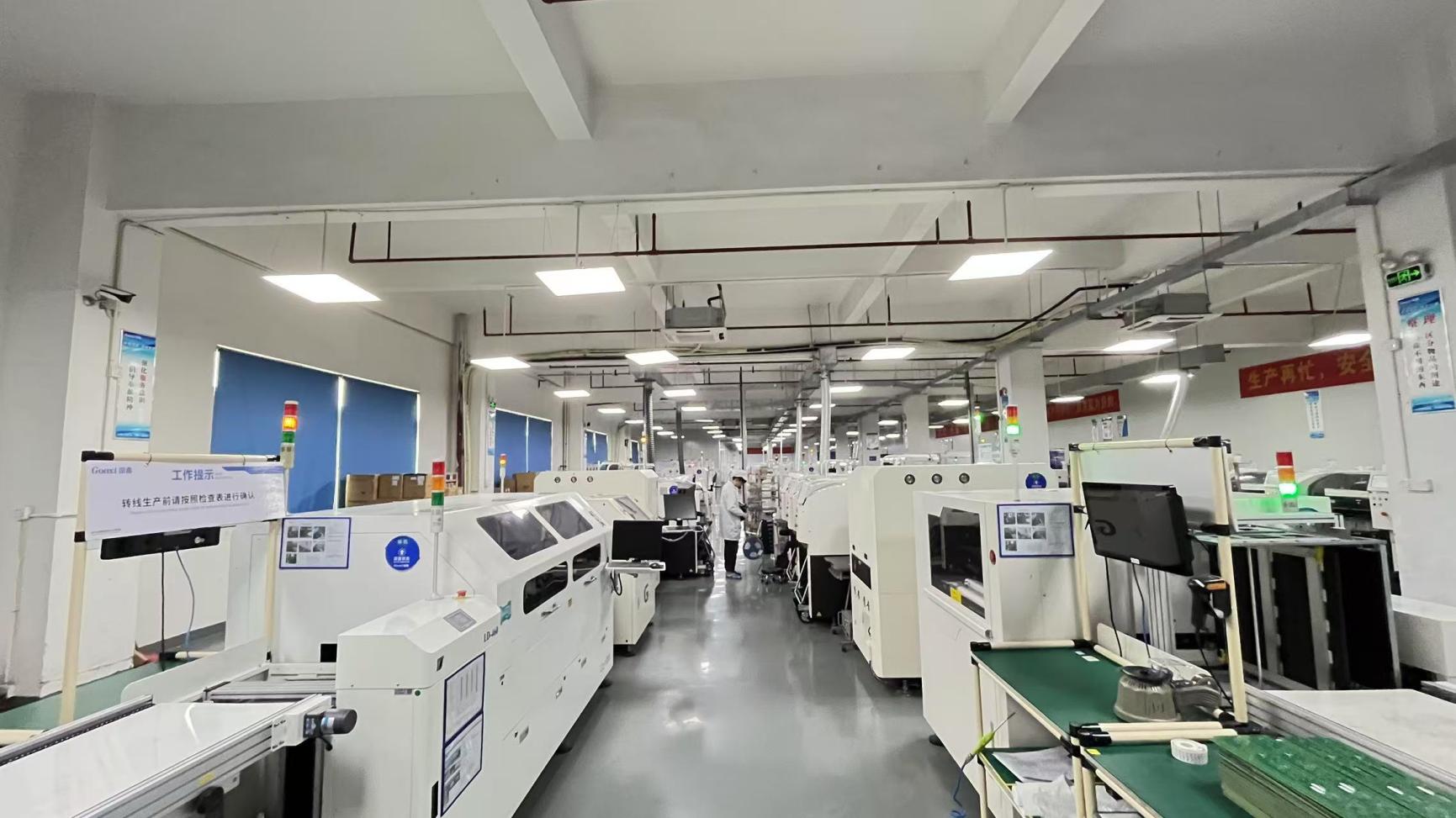
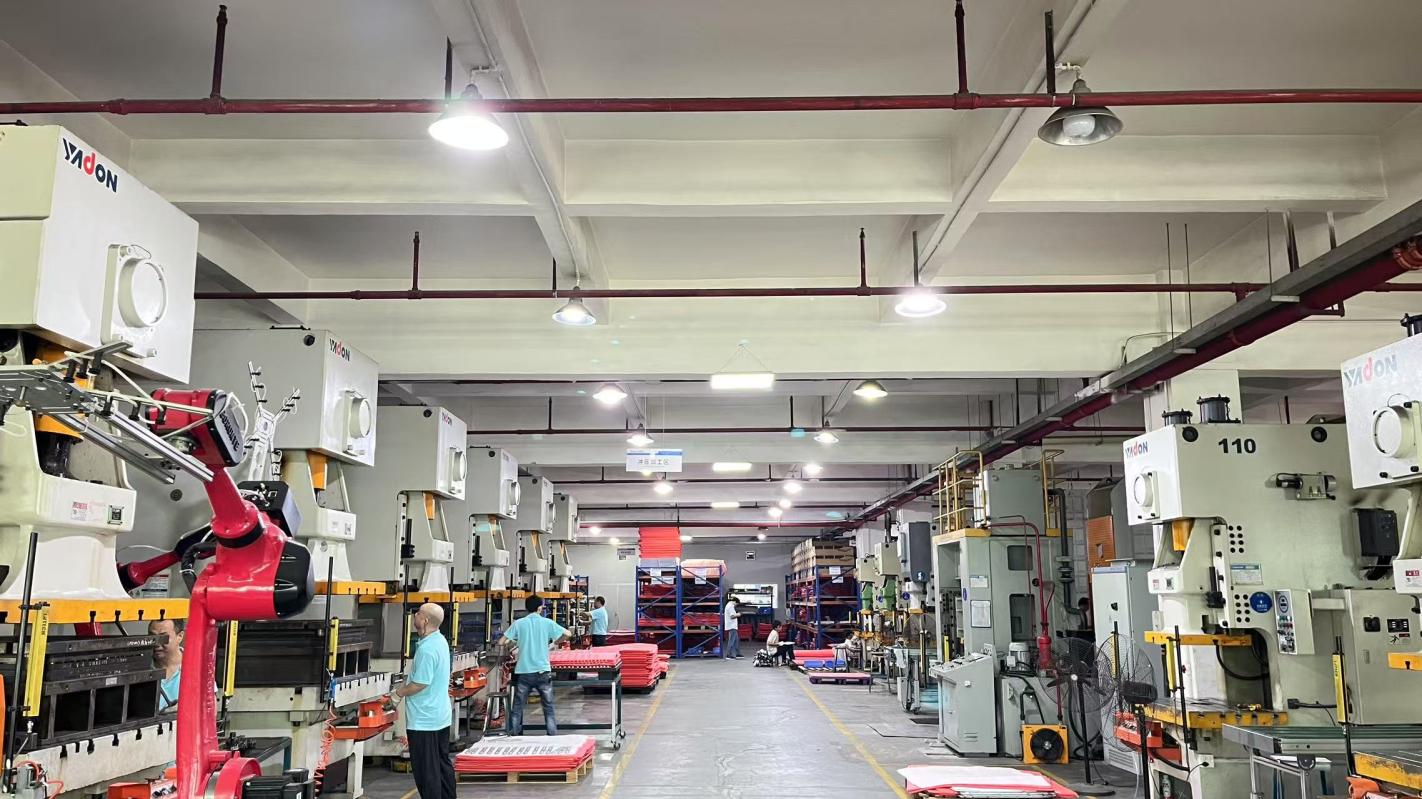
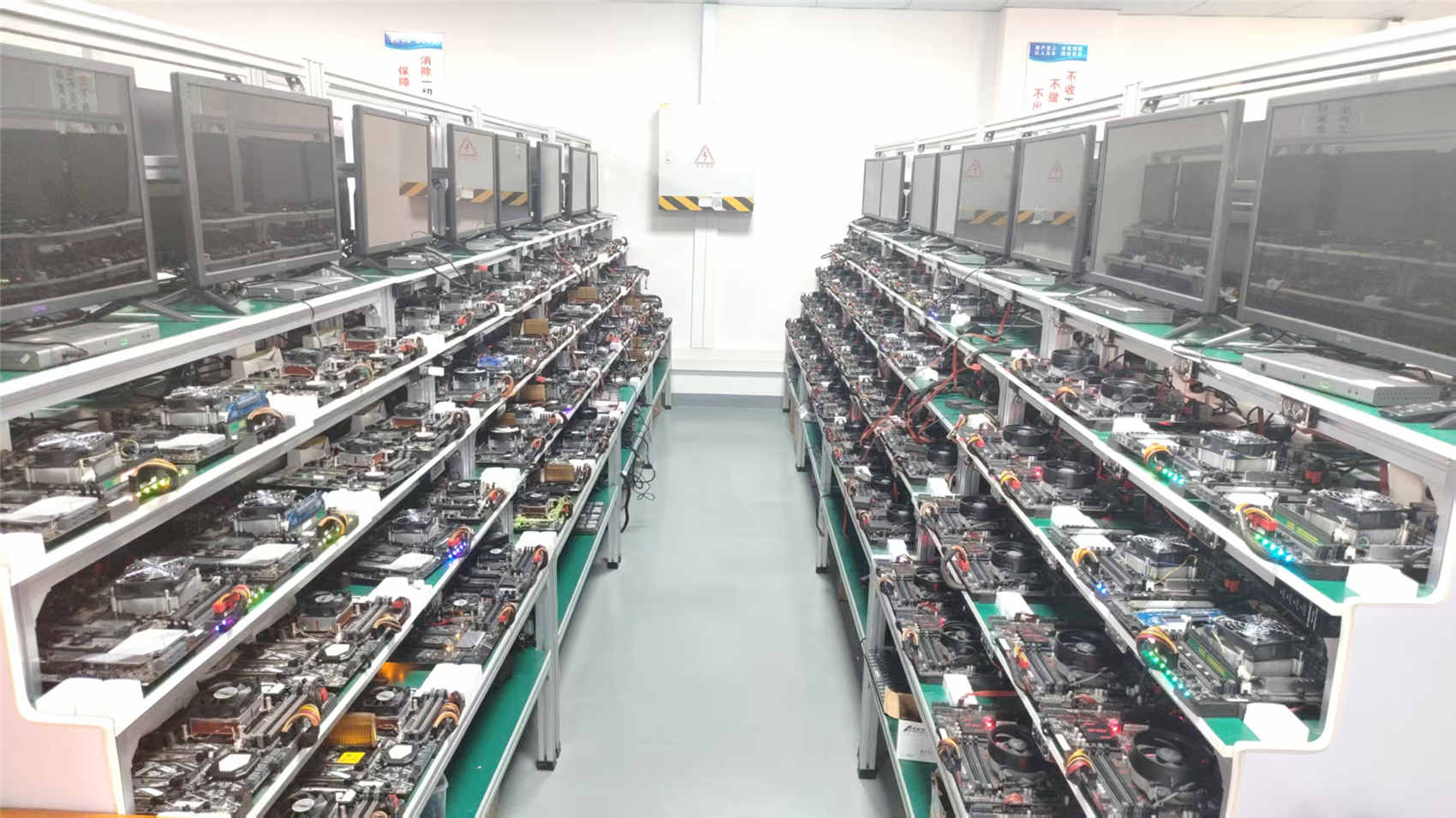
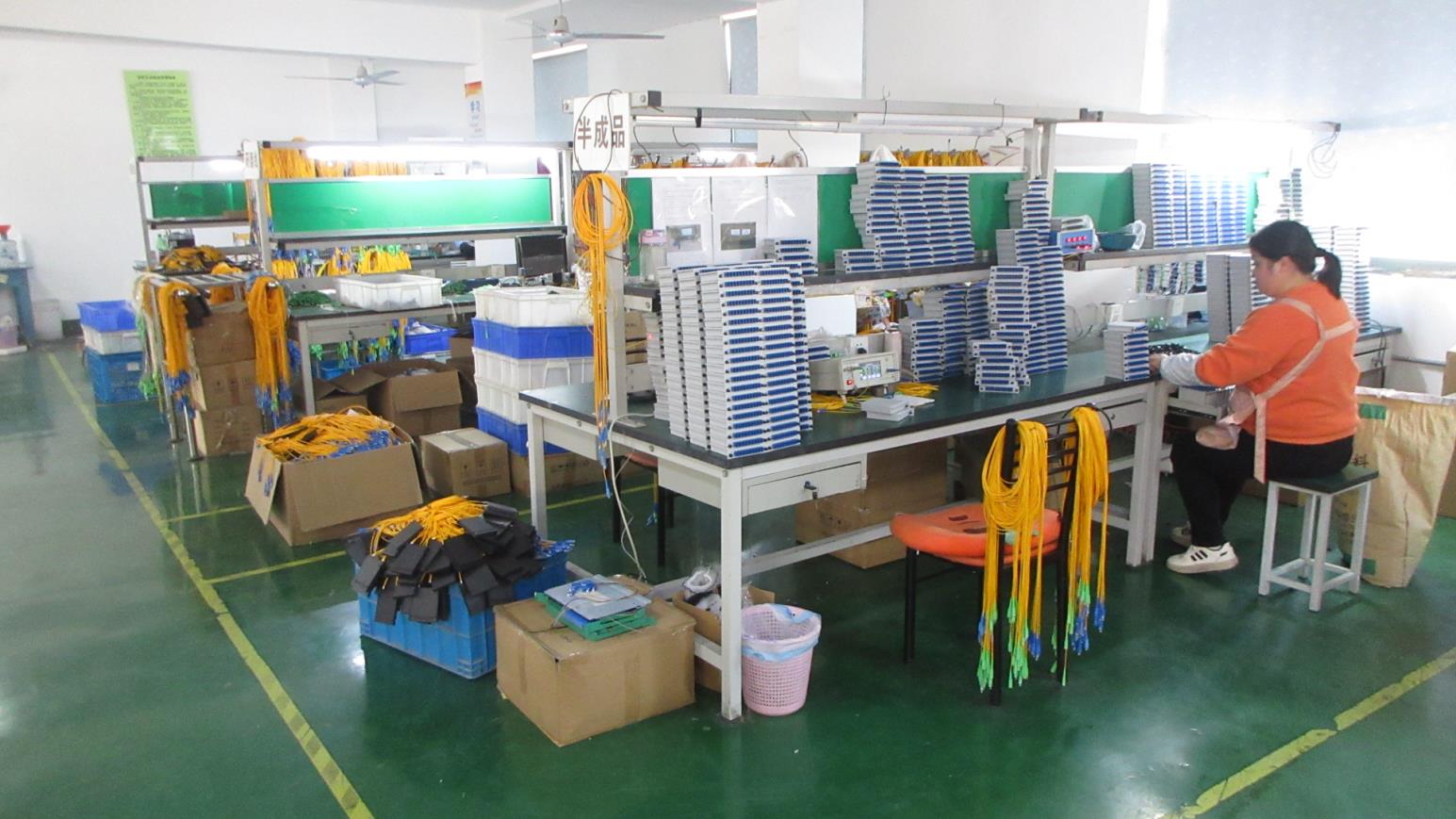
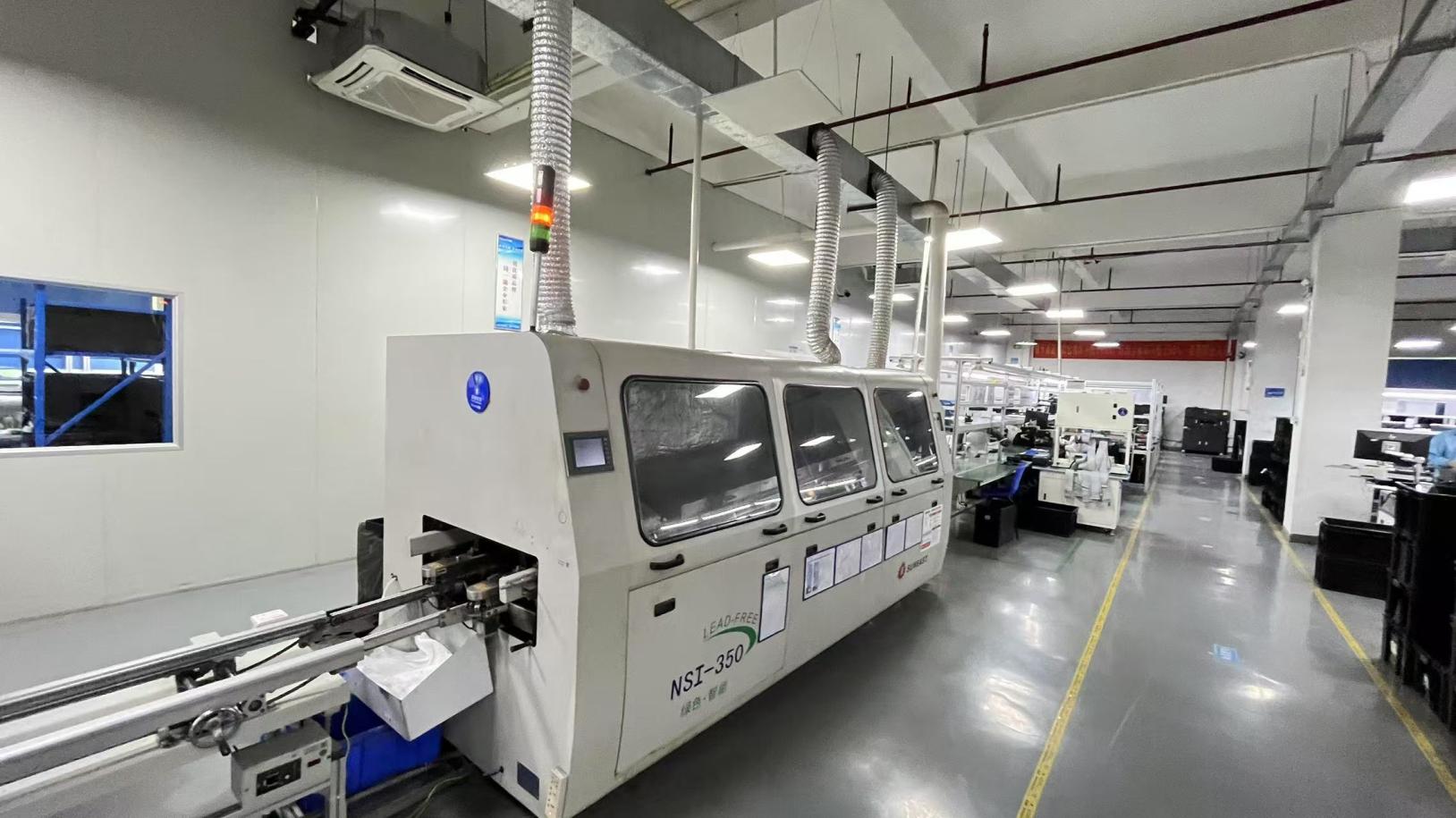
Inside FiberQ Photonics: Precise assembly lines, quality control hubs, and R&D test chambers
Answers to complex electrical, pinout, and structural questions from network architects and procurement leads
A passive adapter is a physical pin-to-pin connector mapping device. It does not alter the electrical voltage levels; it simply changes the interface form factor (e.g., routing a Category 6 twisted pair directly to DB9 pins). An active converter includes a level-shifter integrated circuit (like MAX3232) that translates RS232 voltage levels (+/- 12V) down to TTL/CMOS logic levels (0V to 5V/3.3V) used by modern serial microchips, allowing direct data interfaces without risk of hardware damage.
We fully support standard conventions like Cisco EIA/TIA-561 (where RJ45 Pin 1 maps to RTS, Pin 2 to DTR, Pin 3 to TXD, etc.), the Yost console standard, and customized proprietary wire paths for industrial equipment vendors. When ordering OEM/ODM components, custom schematics can be programmed into the internal PCB layer to assure absolute compatibility with legacy devices.
Typically, the RS232 standard specifies a maximum cable distance of 15 meters (50 feet) under nominal conditions at 19,200 baud. However, by using high-quality Cat6 twisted-pair cabling instead of flat ribbon cables, noise induction is reduced, extending low-speed (2400-9600 bps) transmission distances up to 30 to 50 meters, depending on the electromagnetic environment and line capacitance.
Our industrial-grade adapters utilize shielded RJ45 metal-housed sockets and metalized DB9 casings (either nickel-plated ABS or die-cast zinc alloys) linked to a common grounding wire. This structural shield directs high-frequency industrial noise to the equipment frame ground, preserving data integrity in environments prone to voltage fluctuations and motor interference.
For structural housings, we provide standard ABS, Polycarbonate, and Rugged PVC overmolding. For high-temperature environments, we offer UL94-V0 rated fire-resistant materials. The contacts can be configured with varying thickness of gold plating (from flash up to 50 micro-inches) to match the customer's lifespan and budget requirements.
Yes, we customize adapters for rugged environments. By utilizing IP67-rated RJ45 waterproof sockets, corrosion-resistant stainless-steel hardware, and specialized internal potting resins, we protect the internal circuits from water entry, high humidity, salt spray, and extreme temperatures.
For customized pinout modifications and custom colors, our standard Minimum Order Quantity (MOQ) ranges from 500 to 1,000 units. Typical production lead times are 2-3 weeks for tooling validation and component manufacturing, backed by our 1,450+ raw material supply chain partners to ensure quick turnarounds.
High-performance network adapters and high-speed transceivers for data centers