FiberQ
FiberQ
FiberQ
Select high-speed SFP modules, shielded RJ45 connector assemblies, and high-frequency modular telecom coupling adapters built to ISO/IEC 11801 and IEEE standards.
Underpinning enterprise networks, massive datacenters, and industrial local area systems with robust coupling mechanics.
In today's highly integrated network architectures, the performance of physical layering determines the efficiency limit of the entire system. FiberQ Photonics Technology Co., Ltd. (founded in 2015) has established itself as an authoritative manufacturer specializing in high-performance fiber optic transceivers, copper interconnect solutions, and advanced photonic communication assemblies. With 12 years of industry expertise in optical communication technologies, our research focus extends directly into the mechanics of hybrid copper-to-fiber integration. This expertise makes our engineering of RJ45 coupling systems and SFP/SFP+ cage assemblies uniquely robust against signal degradation.
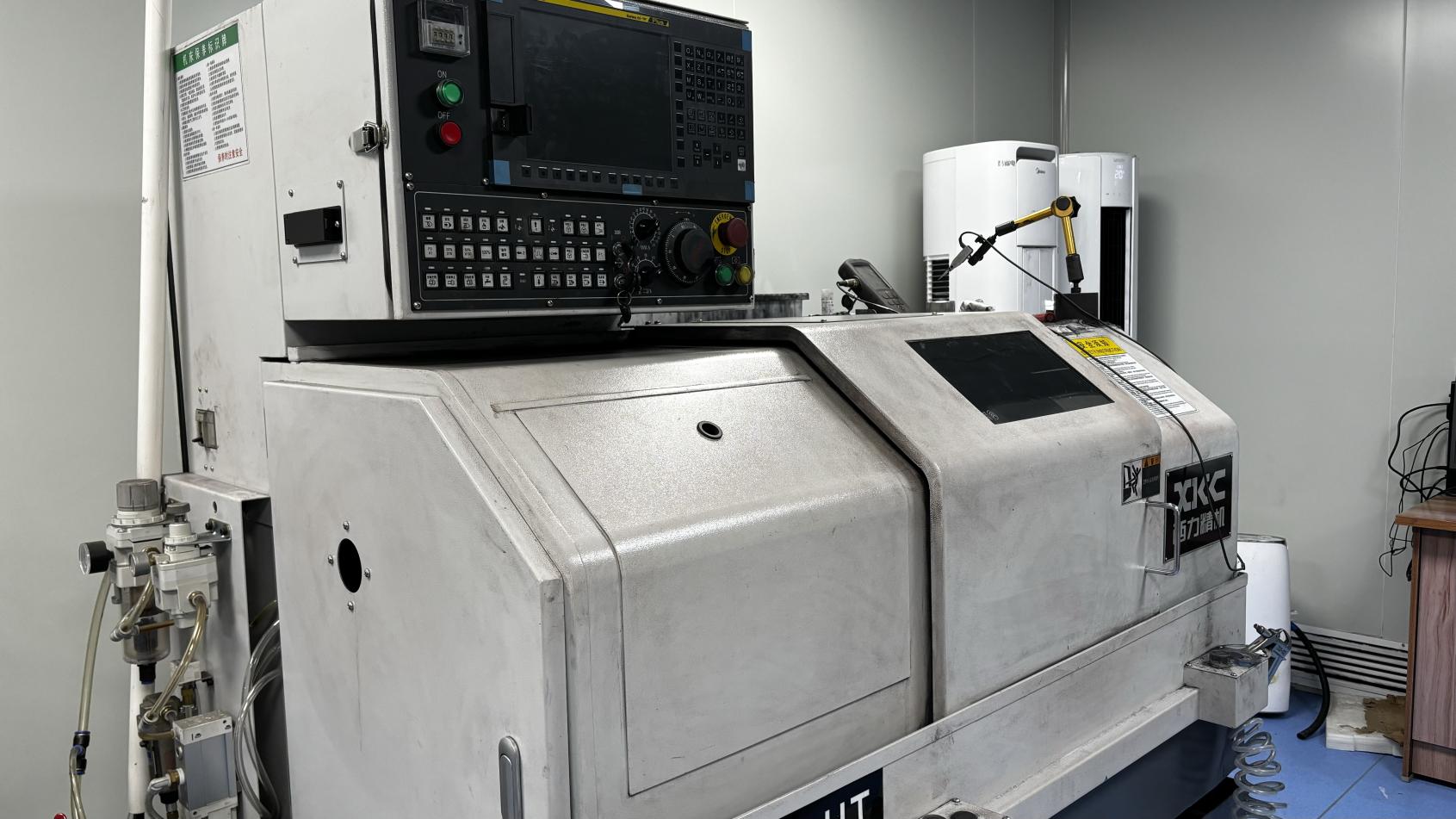
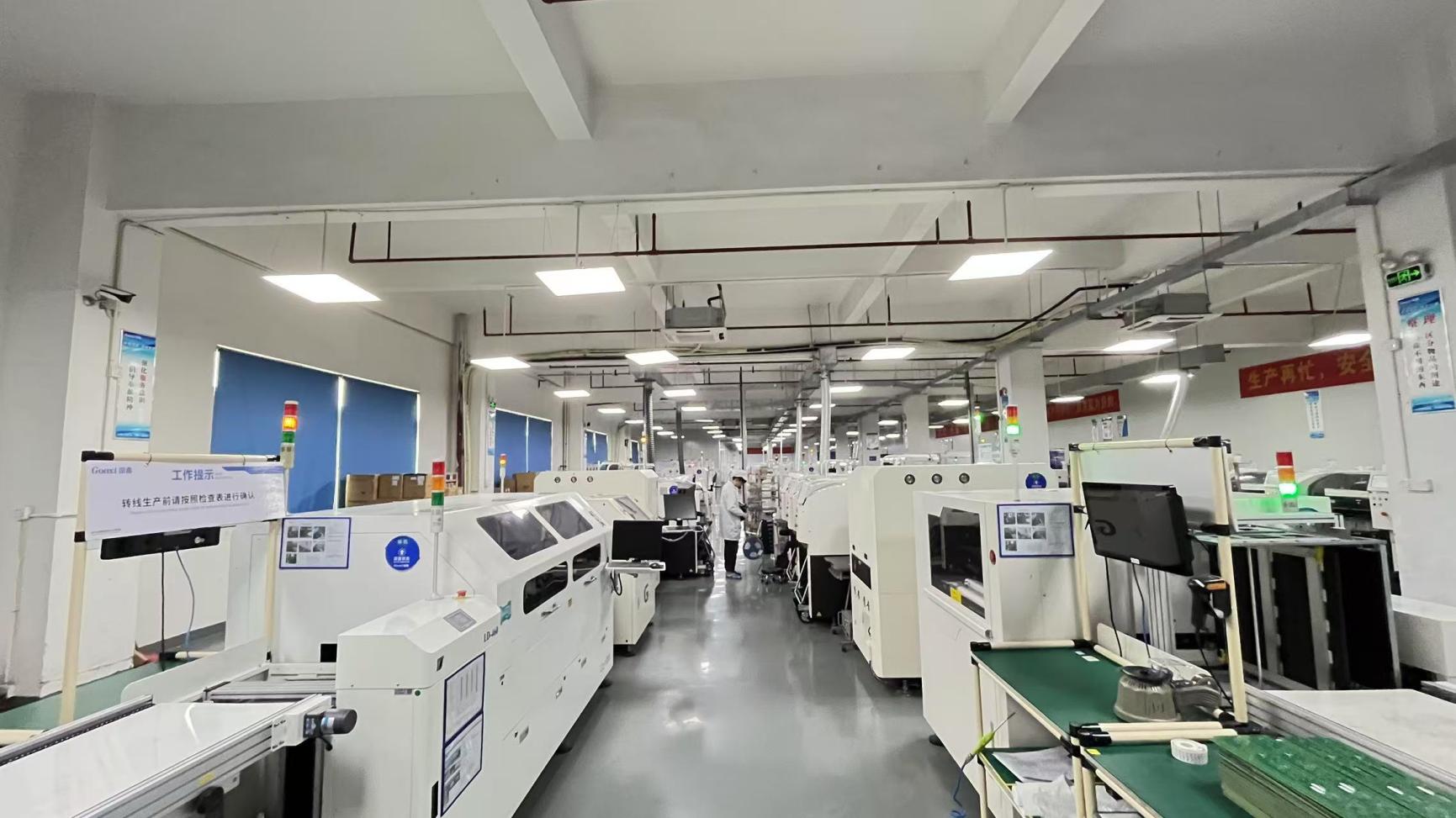
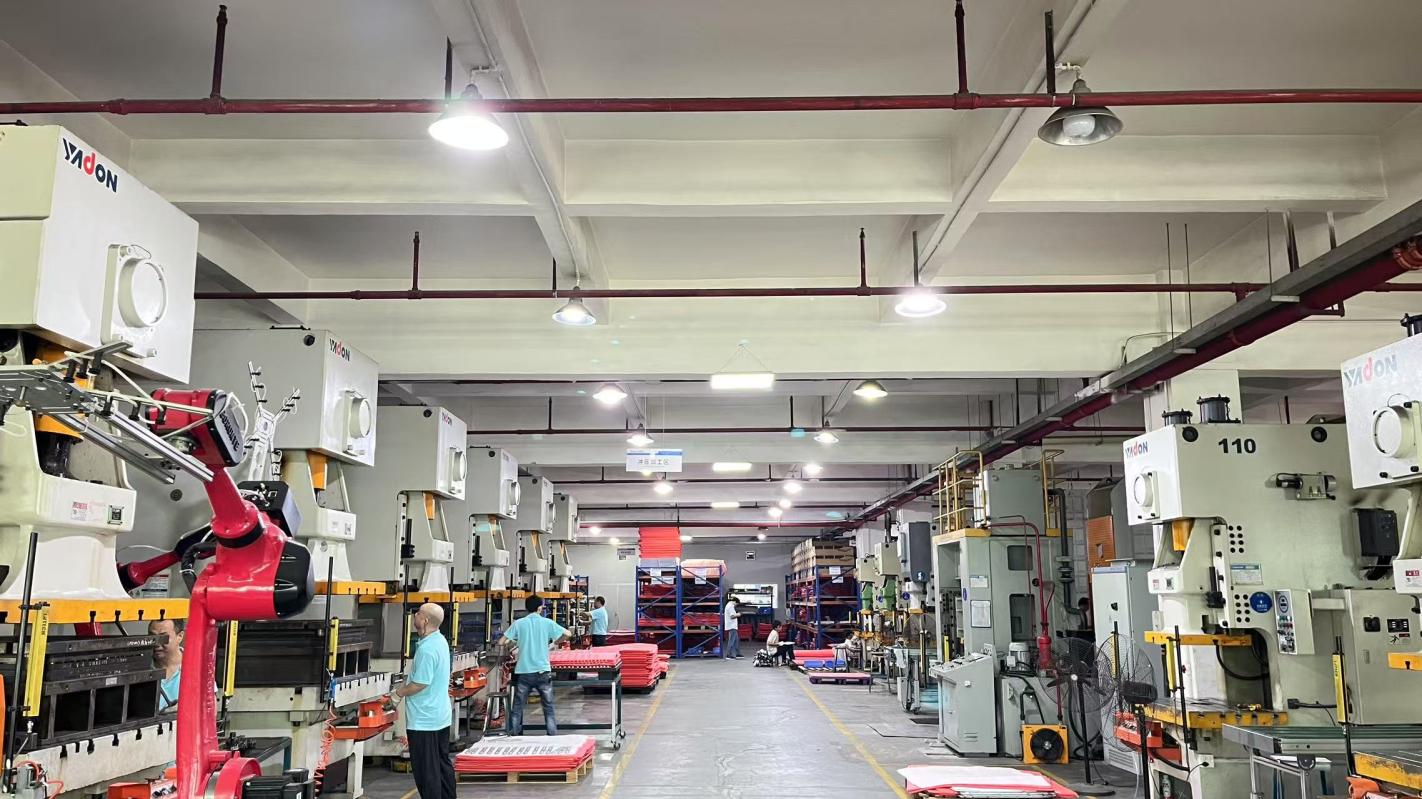
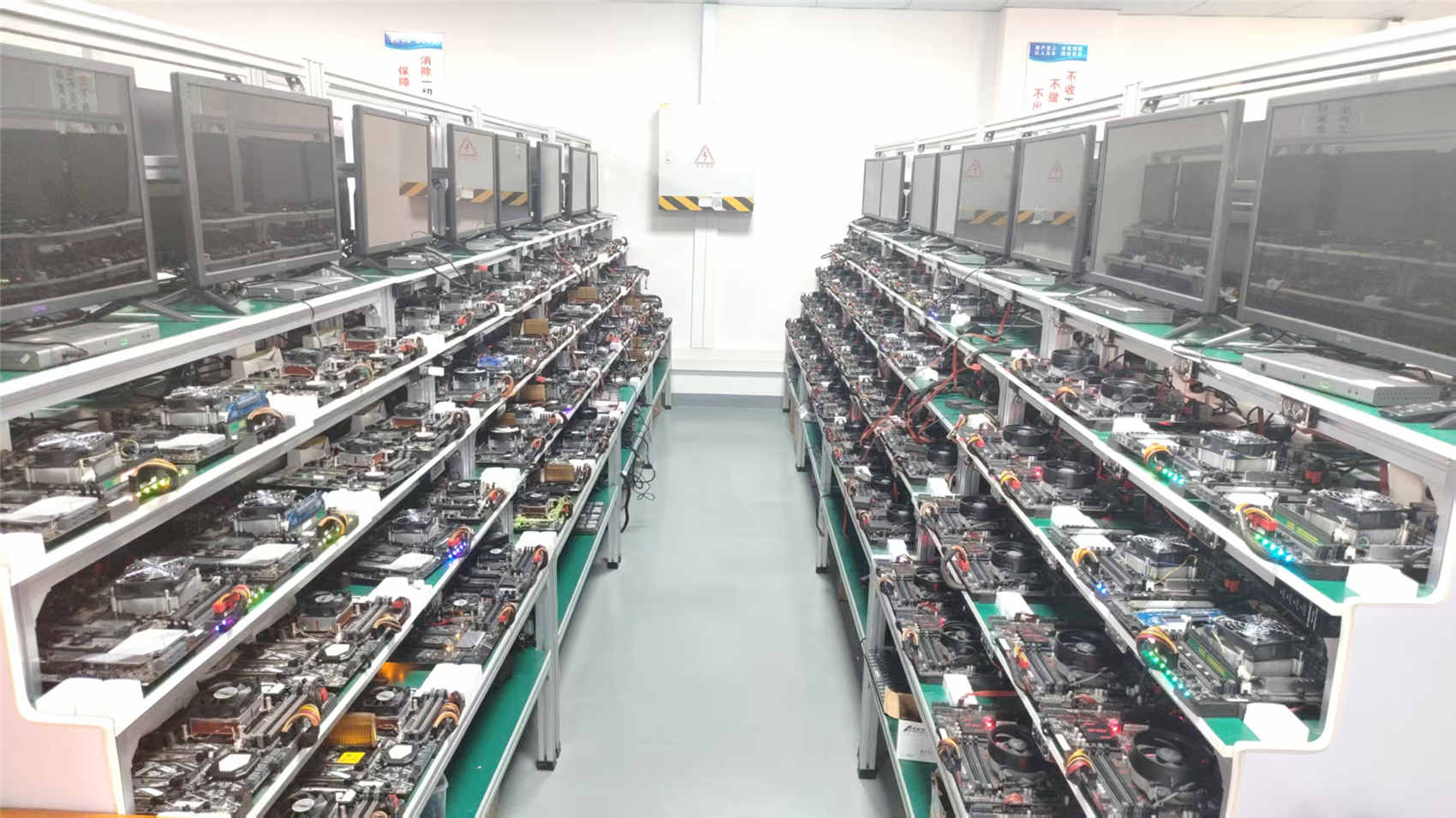
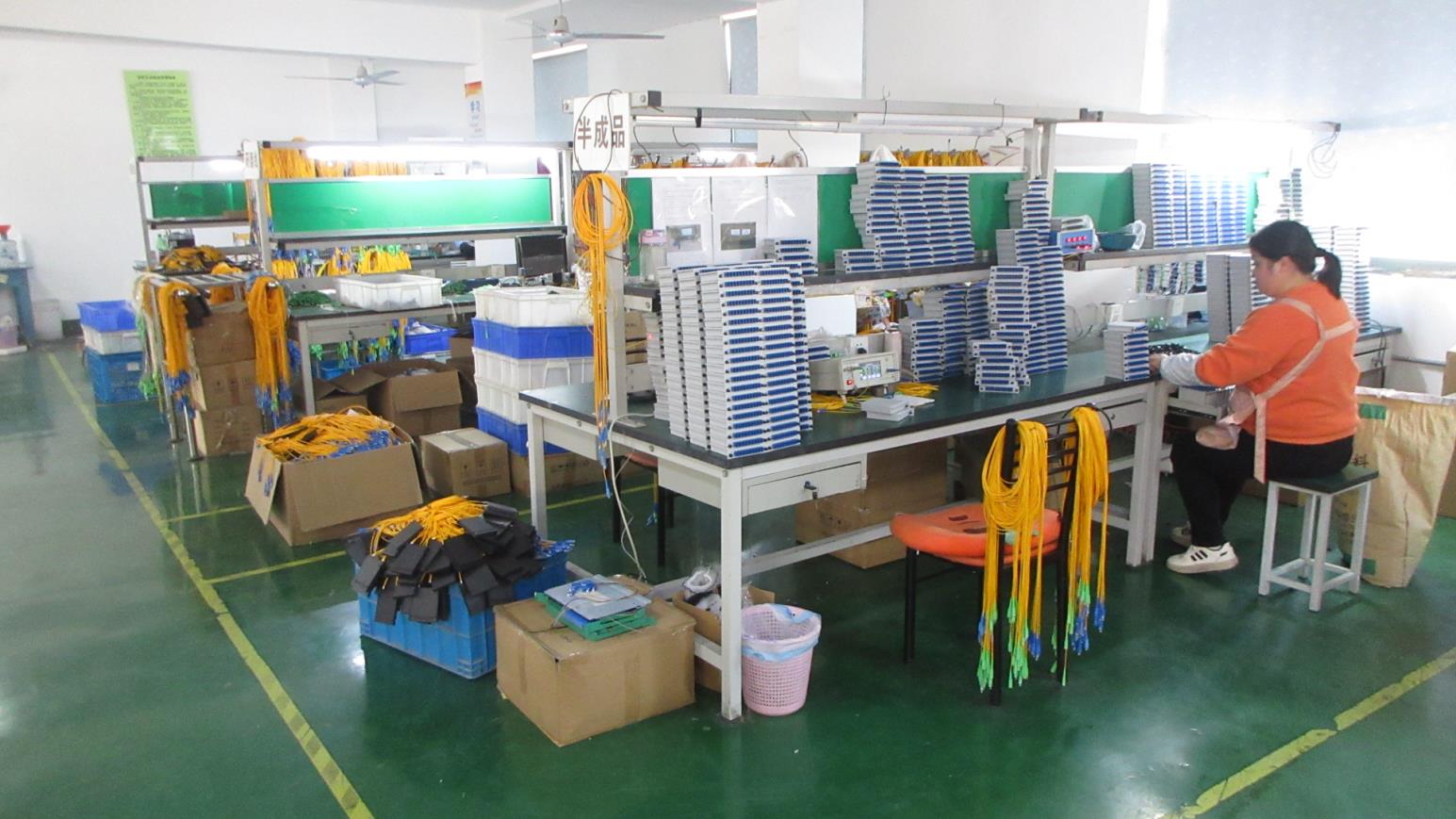
Operating from our modern production facility spanning approximately 12,600㎡, FiberQ achieves scalable manufacturing of precision coupling units, multi-port SFP cages, and integrated modular jacks. By maintaining strategic relationships with 1,450 supply chain partners, we ensure the consistent procurement of high-grade raw components, from gold-plated contact pins to high-permeability magnetic cores. Our dedication to signal preservation underpins an annual export revenue of USD 9.5 million, serving system integrators, telecommunication carriers, and cloud providers across North America, Europe, Japan, and Southeast Asia.
The shift toward edge computing, automation, and IoT drives high demand for rugged, high-speed electrical-to-optical interface couplers.
North American and European markets require compliance with Cat6a/Cat8 standards to support high-density datacenters. In Asian manufacturing hubs, the integration of RJ45 couplings within Smart Factories demands severe industrial-grade dust and moisture protection.
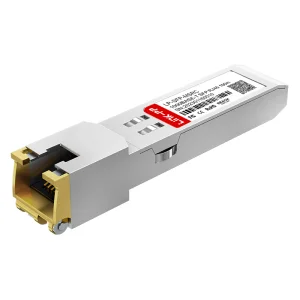
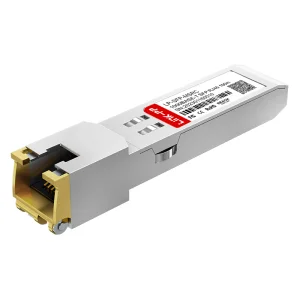
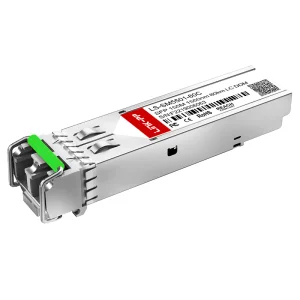
With optical modules dominating backbone networks, RJ45 couplers act as the primary interface bridge. Coupling modules must handle high insertion/withdrawal cycles while maintaining EMI compliance in hybrid transceivers (such as the HPE H3C JD089B compatible SFP transceivers).
Modern networks mandate UL94-V0 flammability ratings for housing components and compliance with IEEE 802.3bt (PoE++). These standards ensure that electrical contact under thermal stress does not result in connectivity loss or thermal degradation.
| Parameter | Industrial Ethernet Standard | Telecom & Datacenter Requirements | FiberQ Optical-Copper Hybrid Grade |
|---|---|---|---|
| Connector Type | Shielded RJ45 Jack / M12-X | SFP+ / Ganged RJ45 Combo | Press-Fit & Integrated Mag-Jack SFP+ Cages |
| Insertion Loss (1-250 MHz) | < 1.2 dB | < 0.8 dB | < 0.4 dB (Advanced low-attenuation design) |
| EMI Mitigation Shielding | Standard Tin-Plated Brass Case | Multi-point Grounding Tabs / Light Pipes | 360° Shielding with Press-Fit EMI Gaskets |
| Mating Durability | > 750 mating cycles | > 1,000 mating cycles | Up to 1,500 cycles (50μ" gold-plated contacts) |
How engineering innovations solve insertion loss, electromagnetic interference, and crosstalk at gigabit frequencies.
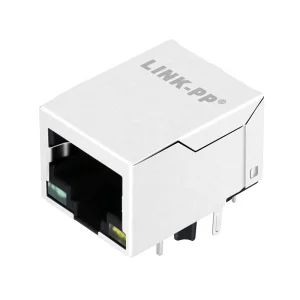
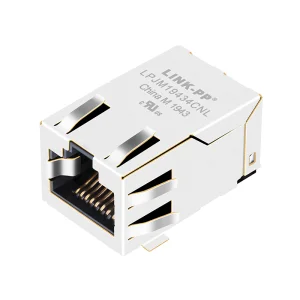
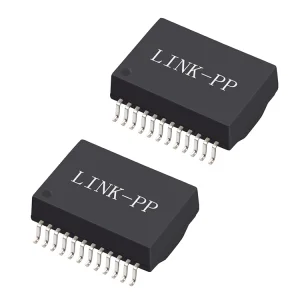
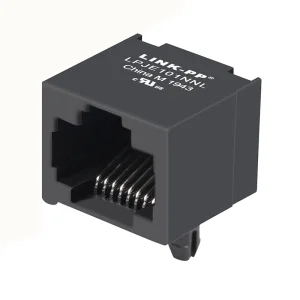
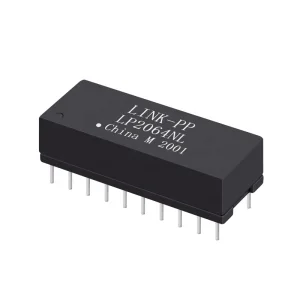
Traditional RJ45 jacks rely on discrete LAN transformers situated away from the port, introducing high parasitic capacitance. Modern OEM configurations integrate isolation transformers and common-mode chokes directly into the RJ45 housing (e.g., HR872635H, HR981121C). This layout shortens transmission lines, minimizes crosstalk, and provides galvanic isolation to protect delicate PHY chips.
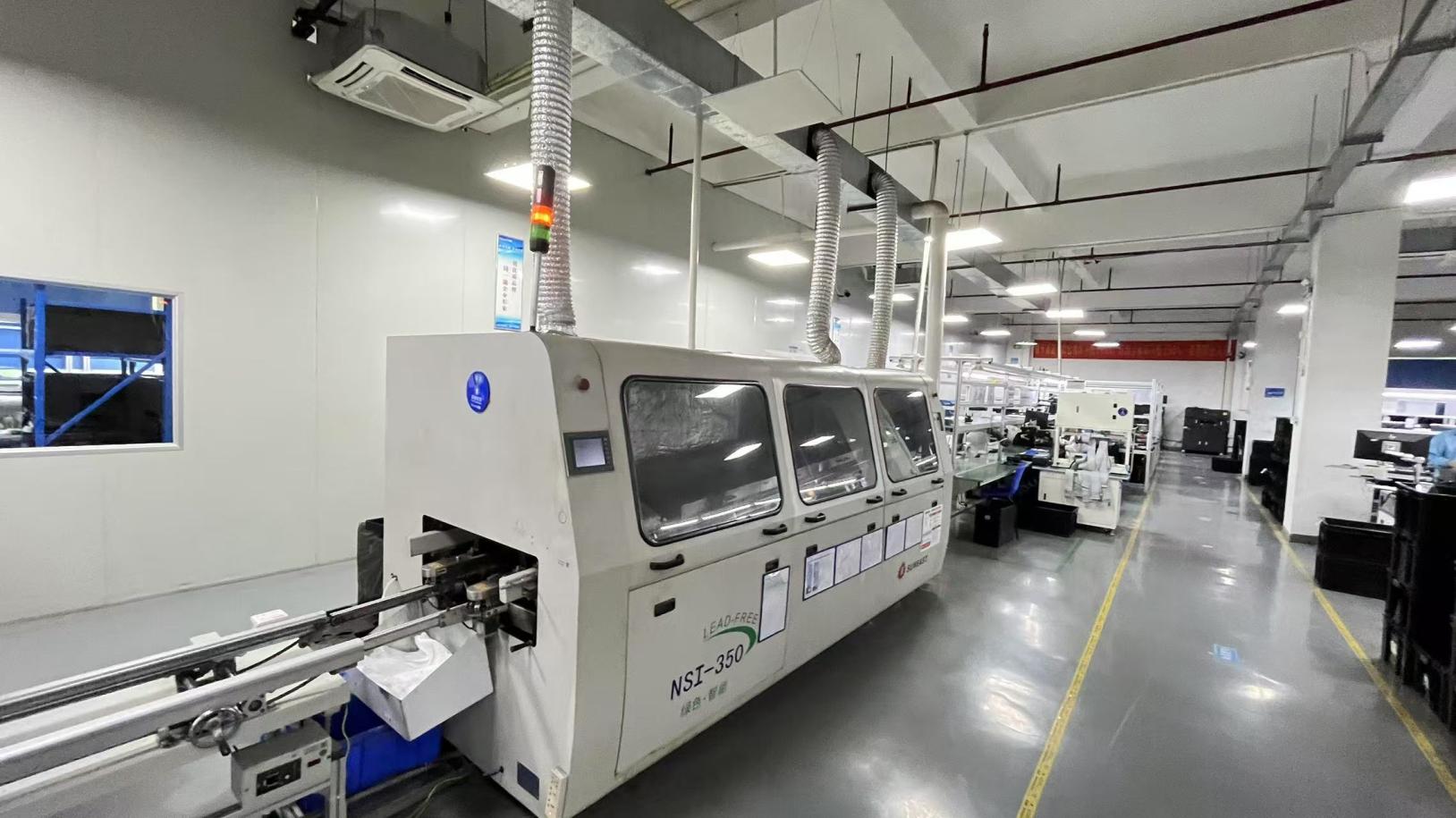
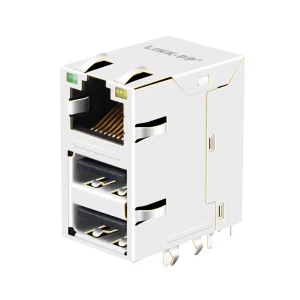
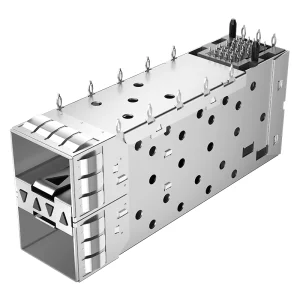
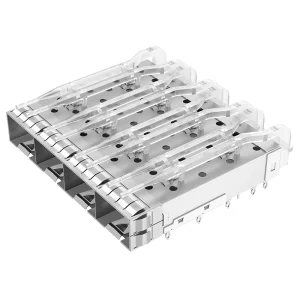
Wave soldering multi-port connector arrays introduces thermal stresses that can lead to micro-fractures in solder joints. The industry has largely shifted to Press-Fit (compliant pin) designs, exemplified by our TE-compatible ganged 1x4 and 2x2 ports. This mechanical connection achieves gastight interfaces, enhances mechanical stability under vibration, and simplifies PCB rework processes.
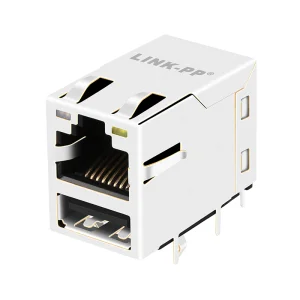
High-speed data lanes operating above 10 Gbps are vulnerable to electromagnetic radiation. Transitioning from basic copper tabs to fully enclosed nickel-silver alloy cages with integrated spring fingers has reduced EMI leakage. Integrating light pipes directly into these shielded assemblies allows status monitoring without compromising shielding effectiveness.
Looking ahead, as networks shift toward 800G and 1.6T speeds, the physical limits of copper will restrict run lengths to under a few meters. Our R&D team is developing optoelectronic coupling frames that transition signals directly from internal chipsets to external optical networks, bypassing lossy PCB traces entirely.
Optimizing coupling device parameters for specific operating environments.
Industrial automation networks generate high EMI from variable-frequency drives and heavy switchgear. To prevent packet loss, coupling jacks must integrate high-permeability magnetic cores (like the 1000BASE-T Network Transformer HST-24011SXCR series) that filter common-mode noise while supporting stable PoE power delivery.
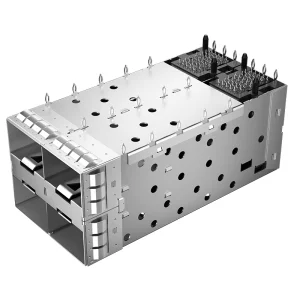
Datacenter top-of-rack switches require dense connector placement. Multi-port SFP+ cages (like 2x2 or 2x1 configurations) minimize PCB footprints. Additionally, thermal design must allow adequate airflow to dissipate heat from optical transceivers drawing 1.5W to 3.5W per port.
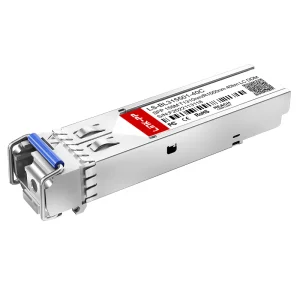
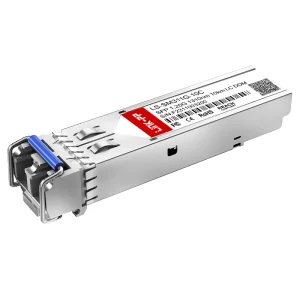
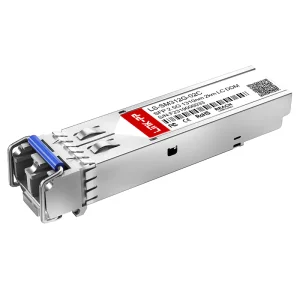
Carrier infrastructure demands 99.999% uptime. Optical transceivers, such as the 1.25G Single Mode SFP 10km and 100BASE-ZX 80km modules, rely on clean, reliable couplings at the distribution frame. Standardized mating dimensions prevent micro-positioning drift that could lead to link failures.
How FiberQ aligns testing, validation, and design to ensure flawless field deployment.
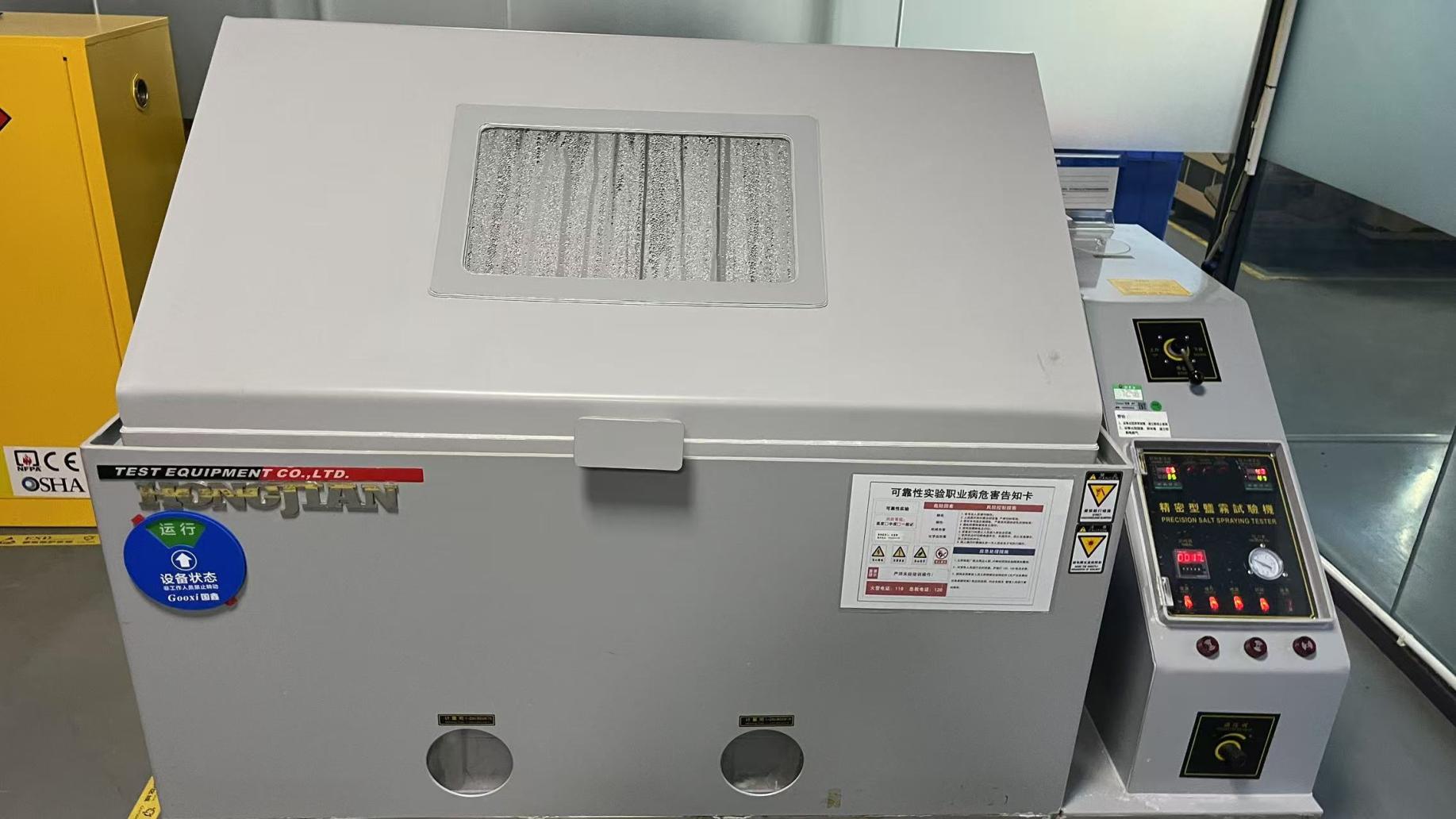
To guarantee performance across diverse applications, we implement a rigorous validation program. Our 62 quality inspectors utilize automated optical performance testing alongside interferometric inspections to verify fiber end-face geometry. In copper interconnects, automated pin-height scanners confirm compliance with FCC Part 68 requirements, ensuring that each contact delivers uniform pressure against mating interfaces.
Answers to engineering questions regarding electrical and optical integration.
High-speed LAN filters, fiber modules, and multi-port cage assemblies designed for high density and throughput.
Ensuring performance and reliability across global shipments through advanced production infrastructure.