FiberQ
FiberQ
FiberQ
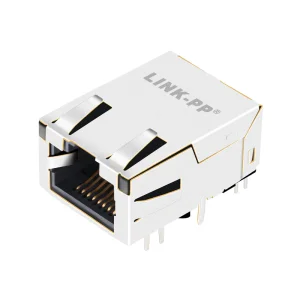
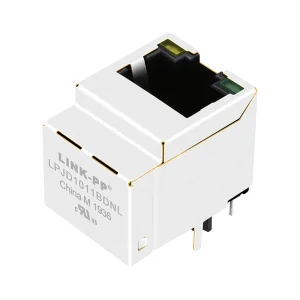
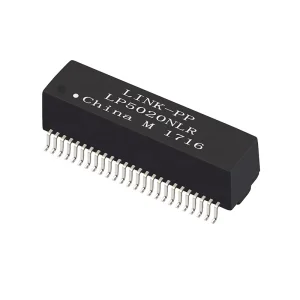
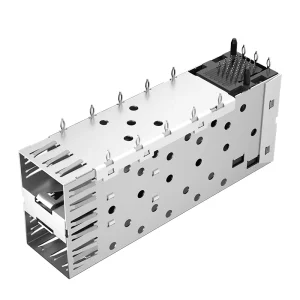
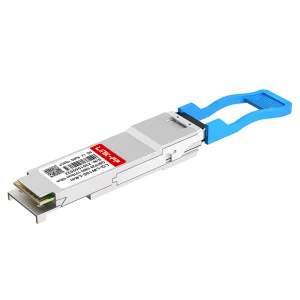
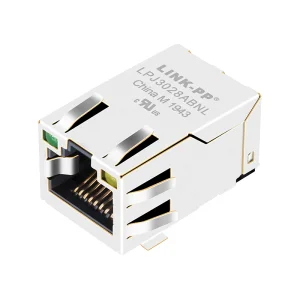
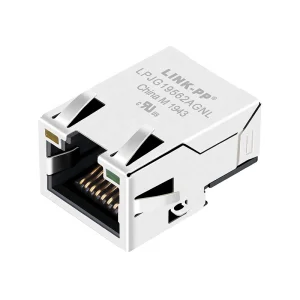
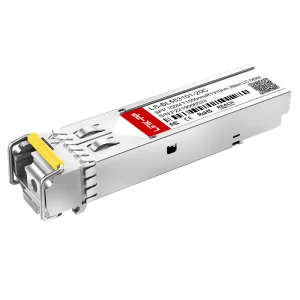
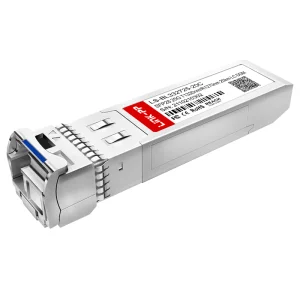
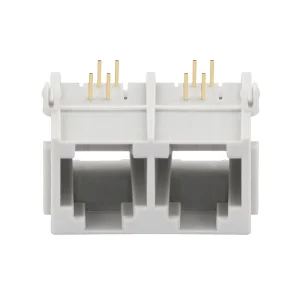
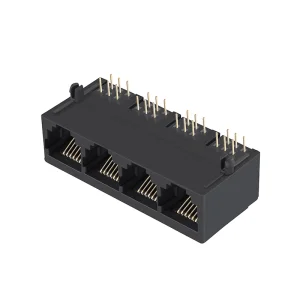
Explore our premier line of high-performance transceivers, low-profile RJ45 jacks, and magnetic Ethernet interfaces engineered for zero packet loss.
In the era of hyper-scale computing, cloud data infrastructure, and AI-dominated workloads, physical layer connectivity is the foundational cornerstone of global digital networks. As bandwidth demands push beyond standard boundaries, network architects face dual-sided challenges: maintaining absolute signal integrity while compressing physical footprints. Wired network connectors, ranging from integrated magnetic RJ45 jacks to high-speed pluggable SFP cages and optical modules, dictate the overall performance envelope of switching architectures.
Modern networks require systems that can mitigate issues like high-frequency electromagnetic interference (EMI), insertion loss, and thermal dissipation challenges. Finding a manufacturing partner who can deliver custom, high-precision interconnects is key to achieving optimal network density. FiberQ Photonics Technology Co., Ltd. leads this space by integrating advanced engineering with large-scale manufacturing to support high-density enterprise routing and next-generation telecom networks.
"The boundary of wired performance is no longer limited by processing power, but by the physical interface. The connection between silicon and glass, copper and trace, is where latency and packet stability are decided."
Founded in 2015, FiberQ Photonics Technology Co., Ltd. has established itself as an industry leader in high-performance fiber optic transceivers and advanced photonic communication components. Over the past decade, we have scaled our production to deliver reliable interconnect solutions for data centers, telecom operators, and system integrators worldwide.
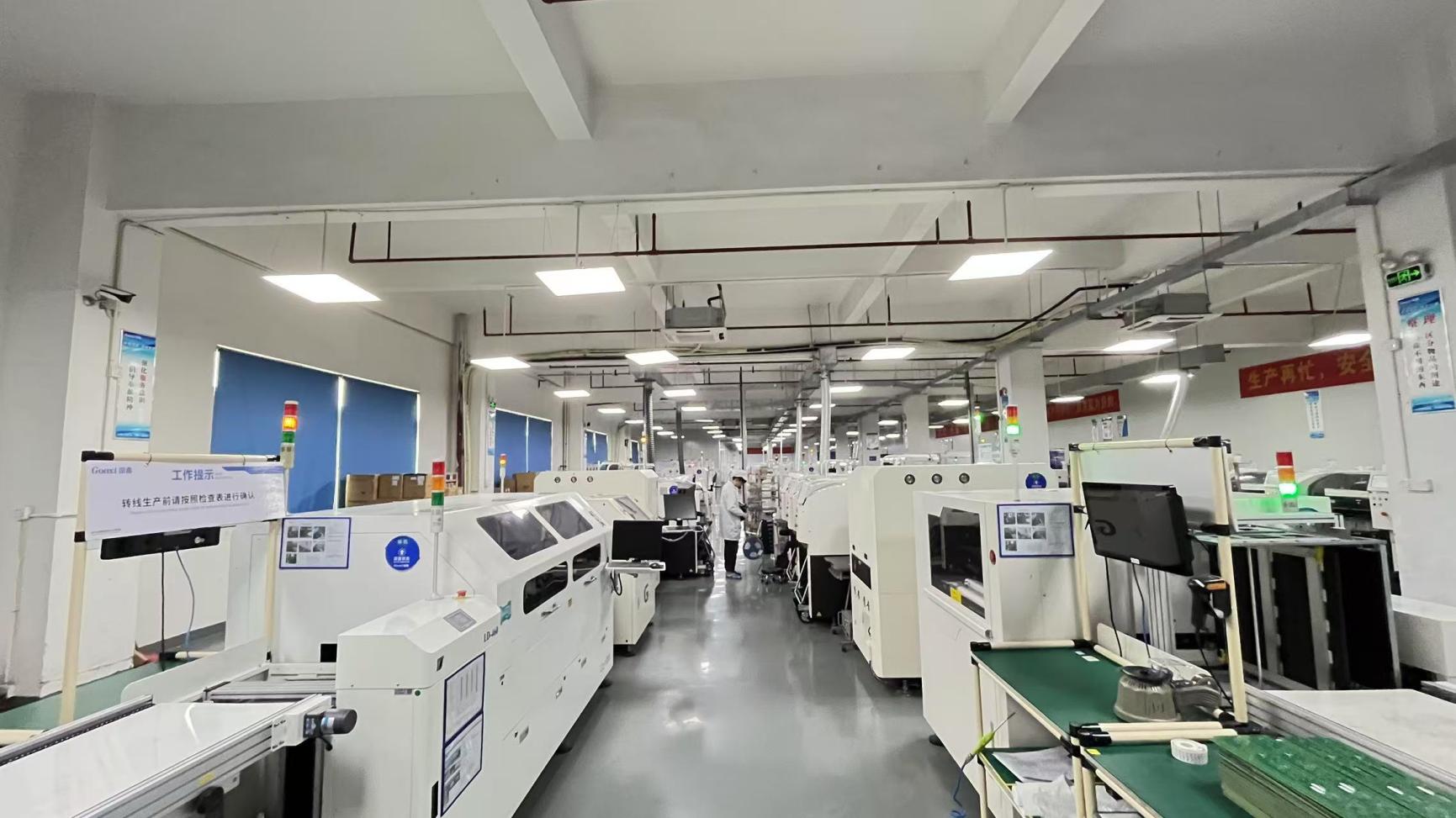
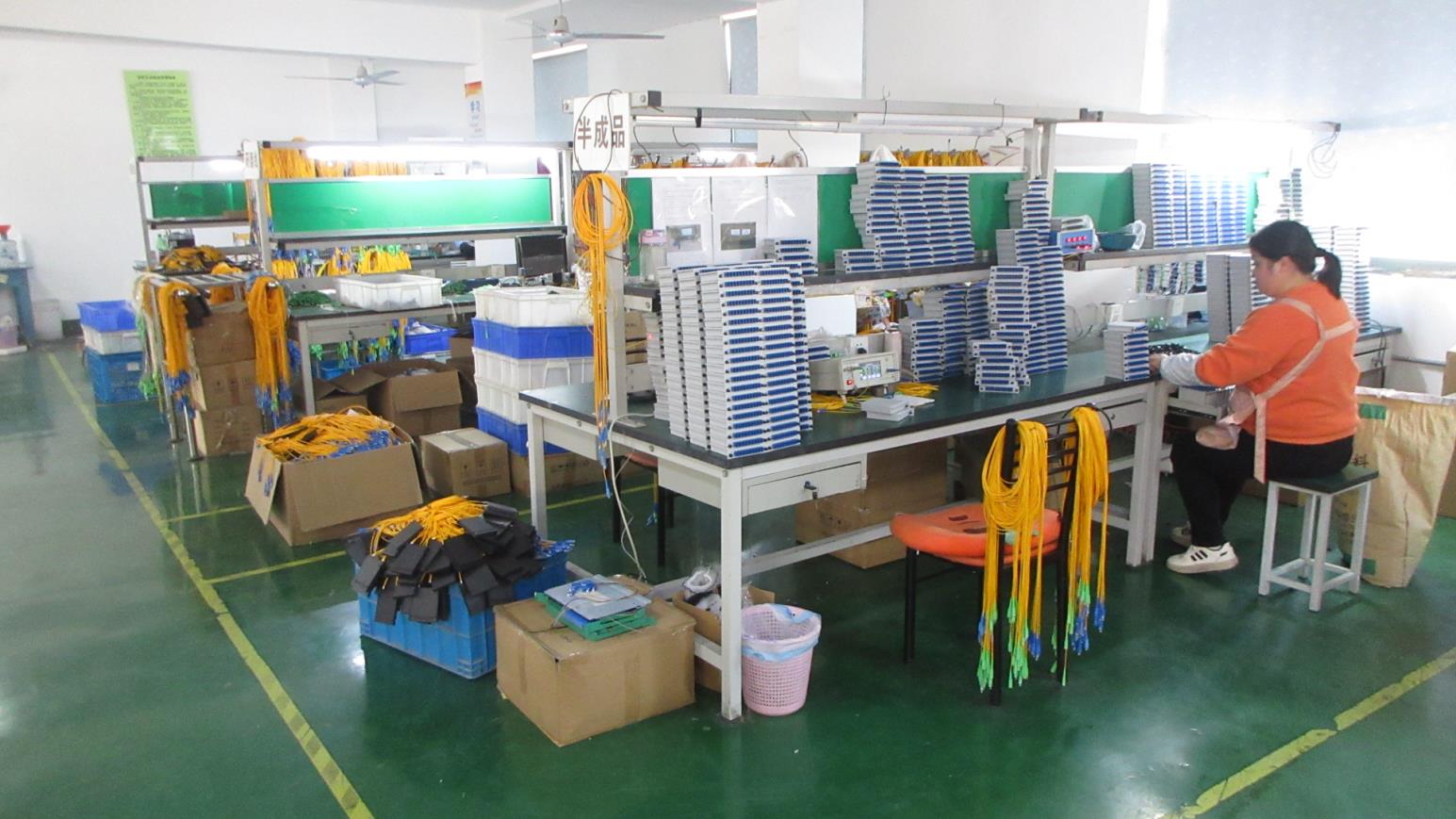
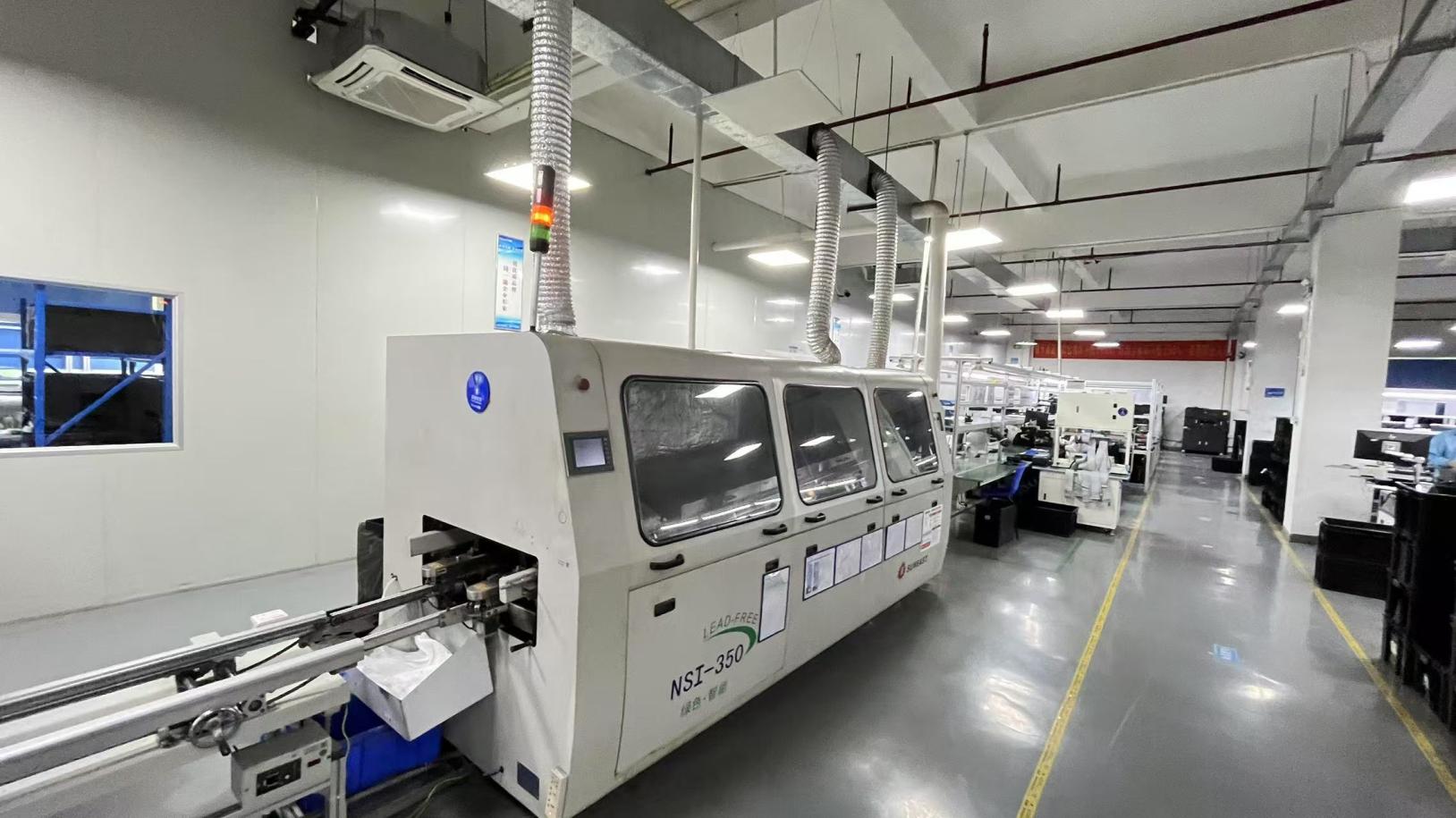
Our operations are centered in a modern 12,600㎡ manufacturing facility equipped with automated assembly systems, cleanroom environments, and precision alignment stations. This extensive space enables high-capacity production while ensuring the precision required for high-speed electro-optical modules.
By partnering with approximately 1,450 vetted supply chain partners, FiberQ ensures a stable supply of core materials and optical components. This network minimizes production delays, insulates our operations from market volatility, and allows us to offer competitive lead times for global projects.
With a dedicated team of about 240 R&D engineers, we specialize in high-speed hardware development, signal integrity, and custom configurations. We design tailored solutions that optimize thermal management and ensure compatibility across multiple platforms:
China's role as a leading manufacturer of wired network connectors is driven by deep raw material supply chains, advanced automated assembly, and a highly skilled engineering base. Together, these elements allow manufacturers to rapidly scale production and deliver high-precision products at competitive price points.
Key operational advantages that set leading Chinese factories apart include:
The interconnect market is moving rapidly toward higher frequencies, smaller form factors, and hybrid connectivity systems. As enterprise architectures transition to 800G and 1.6T networks, key technical trends are reshaping physical connector designs:
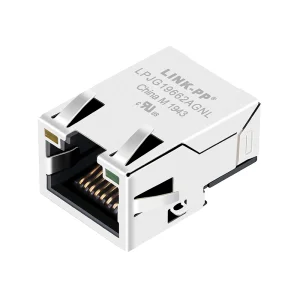
Modern applications require RJ45 connector designs to handle higher currents for Power over Ethernet (PoE++ up to 90W) without overheating or degrading signal quality. To address this, we use advanced winding and magnetic design techniques to prevent signal saturation.
At higher speeds, high-frequency circuits are more susceptible to electromagnetic interference. Our SFP cages and RJ45 jacks feature 360-degree shielding and multi-point grounding tabs to suppress EMI and prevent packet loss.
As standard pluggable form factors reach physical bandwidth limits, the industry is moving toward Co-Packaged Optics (CPO). This architecture brings optical connections closer to the switch silicon, reducing trace lengths and overall power consumption.
Modern connectivity components must perform reliably across a wide range of environments. FiberQ's products are engineered to meet the demands of various critical applications:
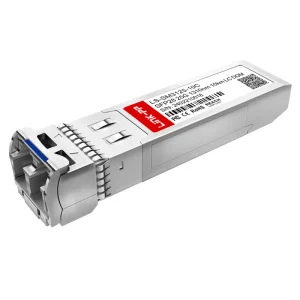
Data centers demand high density, reliable thermal performance, and low latency. Our 25G SFP28 LR and 100G QSFP28 optical transceivers are built for clean high-frequency performance, helping cloud operators scale bandwidth while managing power budgets.
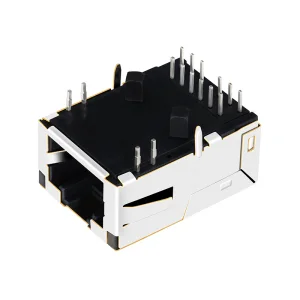
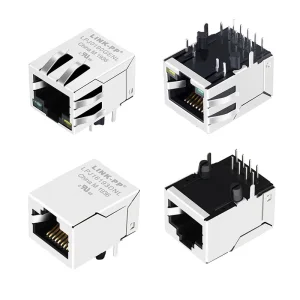
Factory floors present harsh environments with mechanical vibration, dust, and electrical noise. Our vertical PoE RJ45 jacks and shielded connectors provide the physical durability and EMI protection required to keep industrial automation systems connected without interruption.
Outdoor base stations and telecom cabinets face extreme temperature swings. Our 10G/25G transceivers and connectors are built to industrial temperature ratings (-40°C to +85°C), ensuring stable remote operation and reducing the need for onsite maintenance.
Looking beyond individual components, FiberQ offers integrated solutions for complex, large-scale network infrastructure projects:
How FiberQ delivers reliable, high-performance network products with zero defects.
To ensure high performance and reliability, FiberQ integrates strict quality check steps at every stage of production. Led by a team of 62 QC specialists, our testing framework ensures compliance with international standards:
Every transceiver is subjected to automated bit-error-rate (BER) testing, eye-diagram checks, and spectral analysis to confirm clean optical outputs and stable performance.
We check the physical geometry of optical fiber end-faces using 3D interferometry, verifying that parameters like radius of curvature and fiber undercut meet strict tolerance limits.
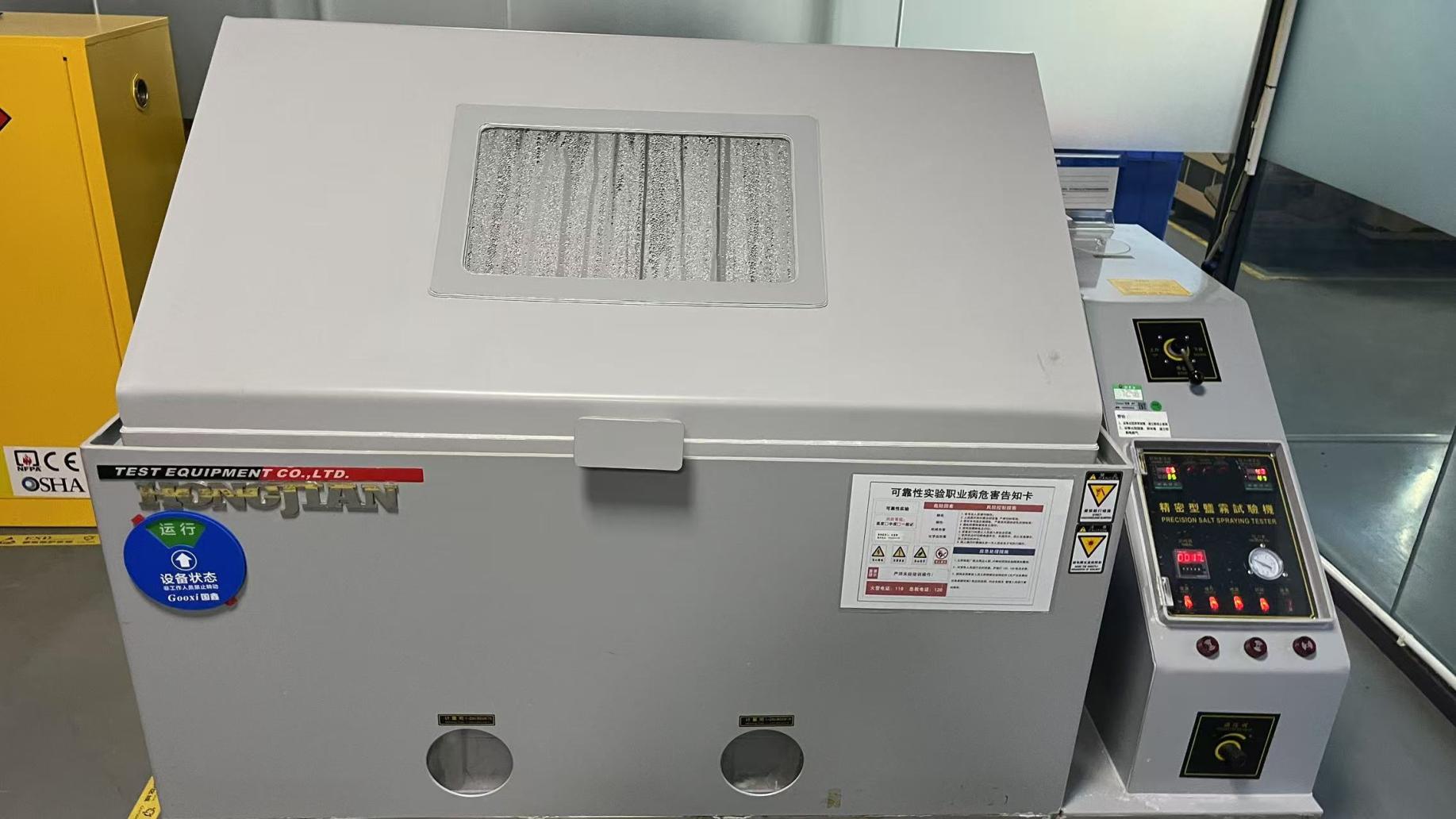
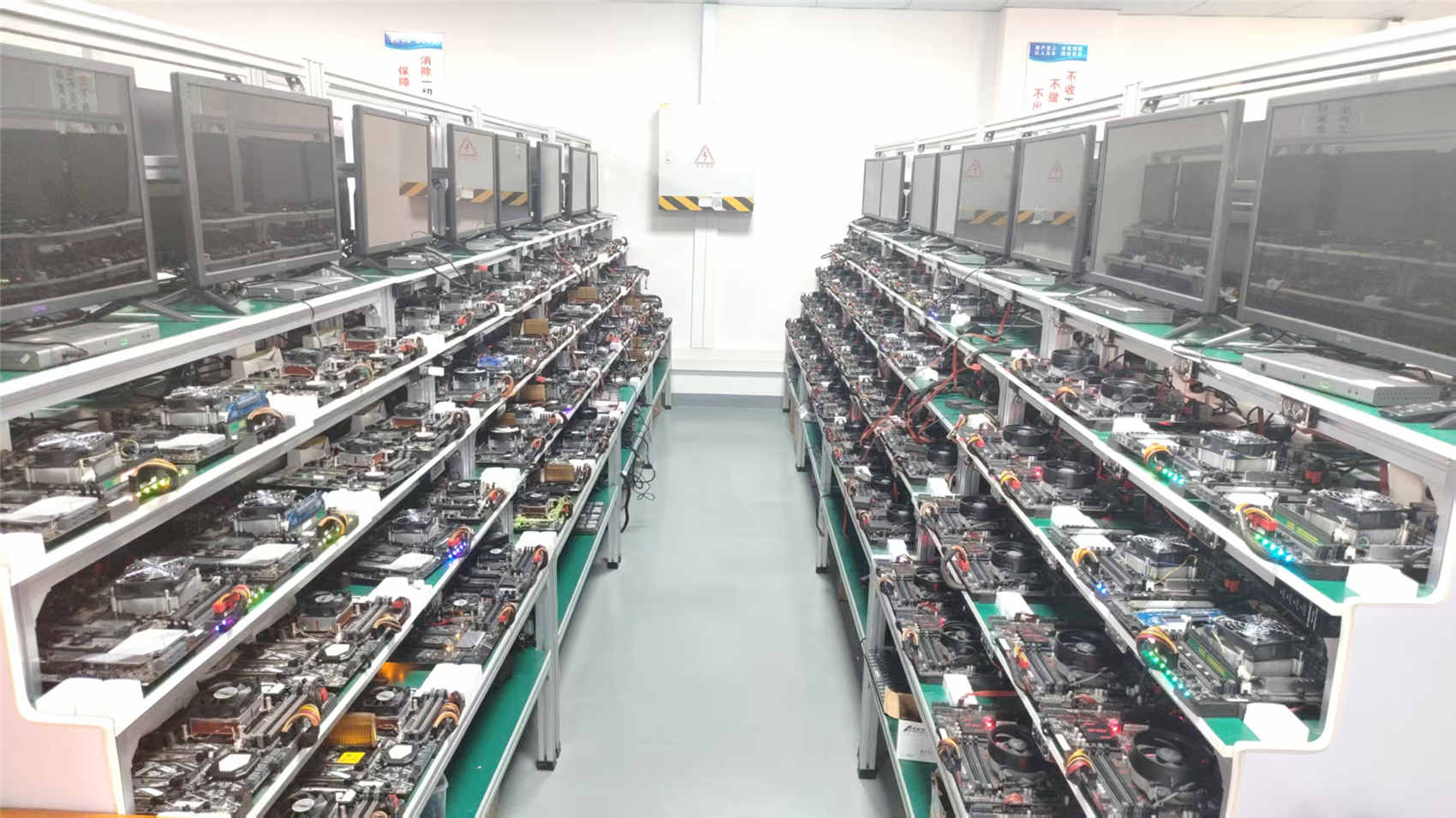
All production batches undergo high-temperature aging and thermal cycling tests in specialized chambers. This helps ensure components remain reliable over their operational lifespan.
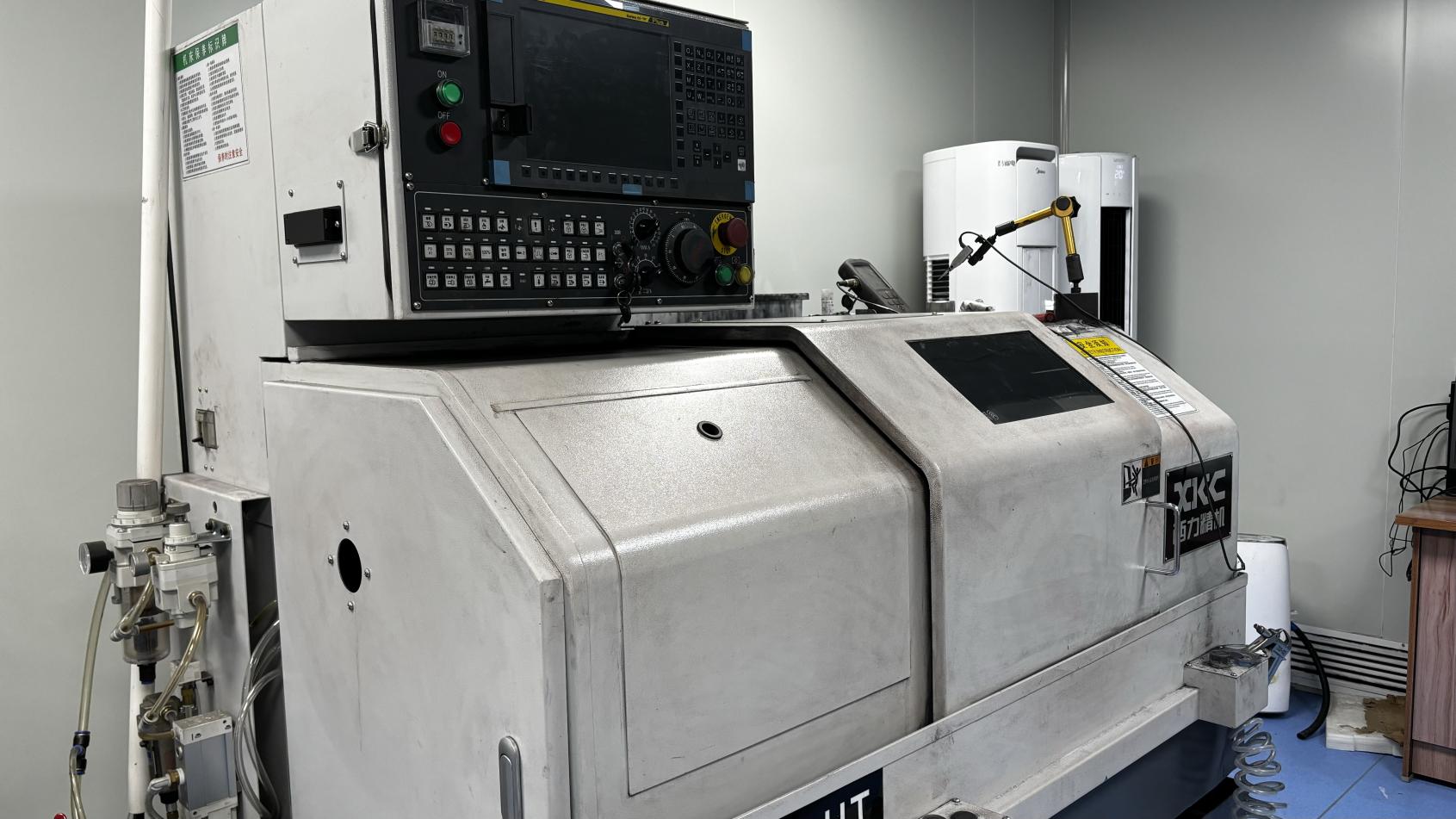
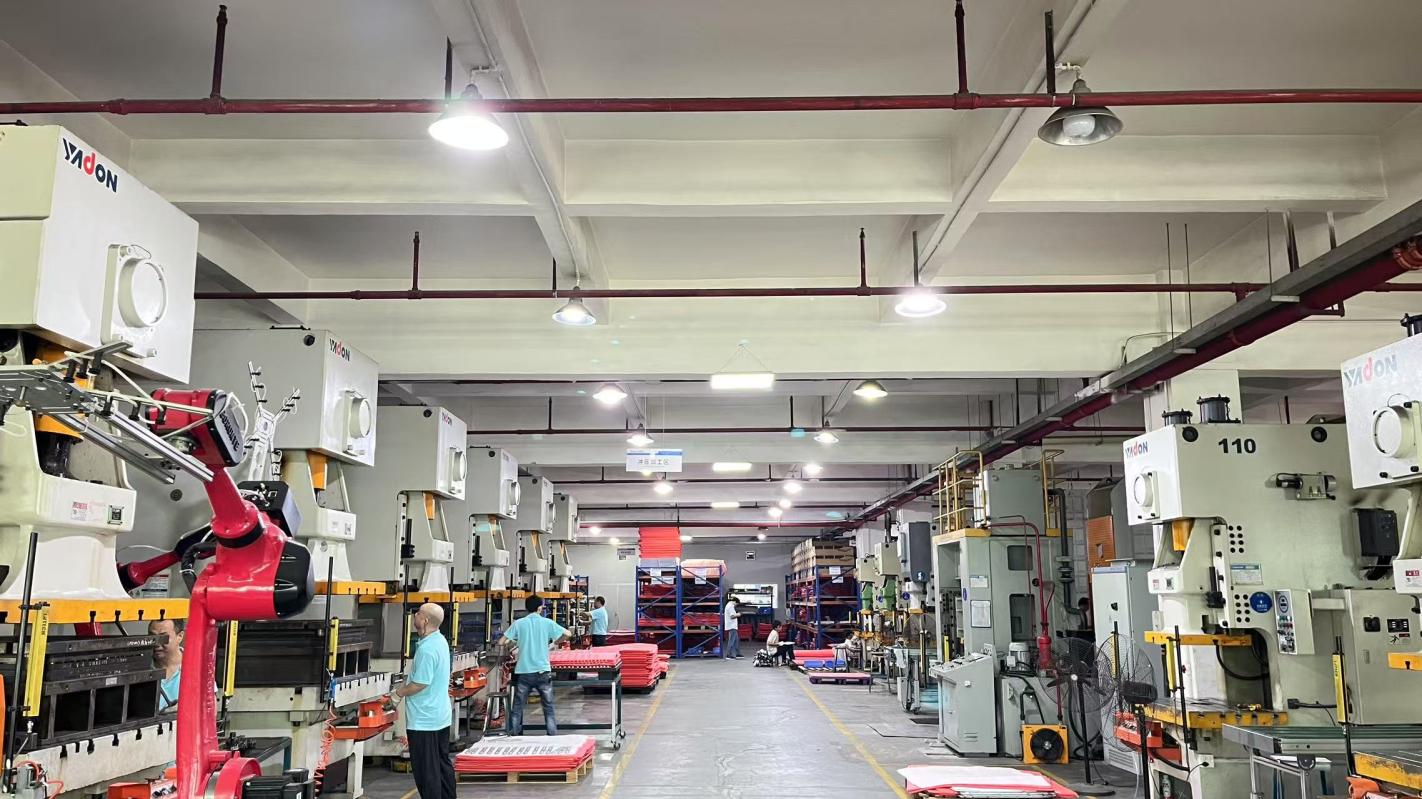
A look at our advanced production facilities, cleanroom assembly lines, and testing centers.
Procuring network components at scale requires careful balance between cost, performance, and long-term reliability. Procurement departments should evaluate several key areas to manage risks in high-speed hardware sourcing:
Verify that your manufacturing partner adheres to global regulatory frameworks, including RoHS (Restriction of Hazardous Substances) and REACH. For optical components, safety certifications like UL and FDA Laser Safety are crucial. FiberQ's optical products are designed to meet these safety standards for worry-free deployment.
Standard components don't always fit specialized system layouts. Our team of 240 R&D engineers supports comprehensive OEM/ODM customization. This includes custom PCB trace layouts, unique mechanical housing shapes, and protocol-specific transceiver coding to ensure compatibility with your legacy switches.
Unplanned network downtime is costly. Sourcing from a supplier with 6 years of export experience and a network of 1,450 supply partners helps stabilize lead times. FiberQ works with global shipping partners to provide efficient transport routes and custom stocking agreements, keeping your deployment on schedule.
Answers to common engineering and procurement questions regarding wired network connectors.
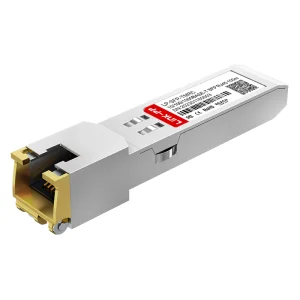
Explore our second gallery of SMT connectors, BiDi transceivers, SFP copper links, and RJ11 telephony jacks.