FiberQ
FiberQ
FiberQ
Industry-Standard Shielded Connectors, High-Frequency SFP+ Cages, and Transceiver Modules.
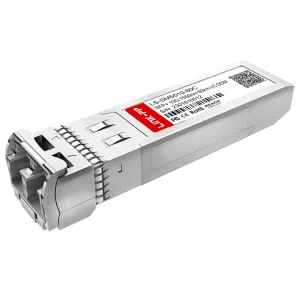
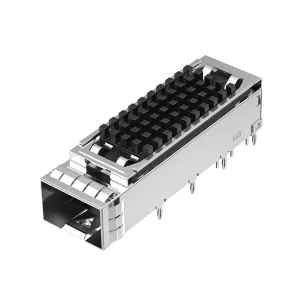
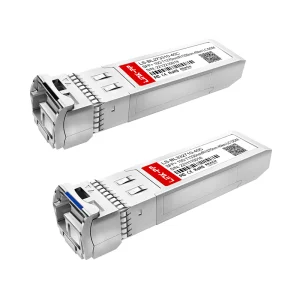
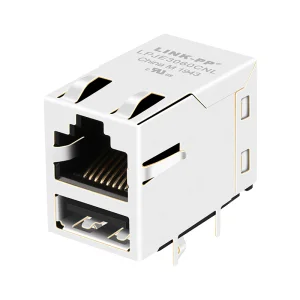
In the era of hyper-scale computing, artificial intelligence workloads, and software-defined networking (SDN), the physical interconnect layer remains the ultimate gateway for data throughput. FiberQ Photonics Technology Co., Ltd. stands at the forefront of this industrial shift. Founded in 2015, we have systematically scaled our specialized engineering and manufacturing systems to deliver high-performance optical transceivers, advanced photonic interconnect modules, and modular copper and fiber interface structures that empower modern Network Interface Cards (NICs).
A high-performance Network Interface Card is only as reliable as its connection ports and optical engines. With 12 years of deep-rooted optical communication experience and 6 years of international trade operations, FiberQ combines precision manufacturing with advanced customization capabilities to support global system integrators, telecom operators, and cloud infrastructure developers. Our 12,600㎡ modern manufacturing facility in China acts as a robust supply engine, mitigating the complexities of signal degradation, electromagnetic interference (EMI), and thermal dissipation.
From basic Ethernet interfaces to SmartNICs, DPUs, and optical co-packaging.
As modern NICs scale from 100G to 400G and 800G throughput, the internal bus speeds demand massive bandwidth. We design our physical connectors and SFP/QSFP cages to withstand the strict EMI regulations and signal integrity challenges of PCIe Gen 5.0 and Gen 6.0 lanes running at up to 64 GT/s per lane.
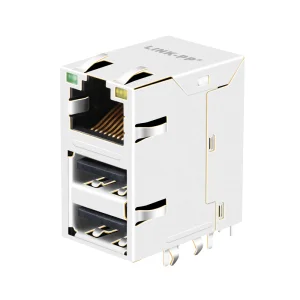
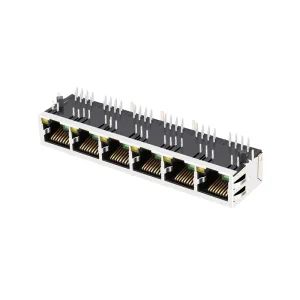
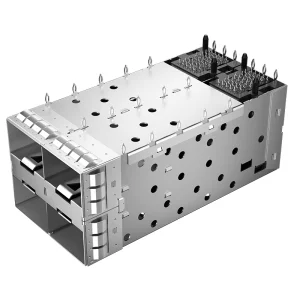
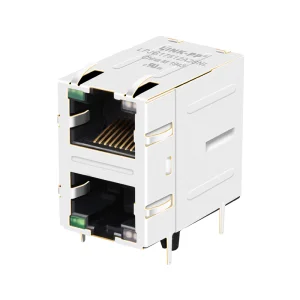
Modern SmartNICs offload OVS, security, and storage tasks directly from the host CPU. By utilizing high-density 2x2 SFP+ cages and stacked RJ45 connectors with integrated magnetics, we ensure that space-constrained SmartNIC controller boards preserve valuable PCB layout area for accelerators and FPGAs.
The roadmap toward 1.6T networking relies on Silicon Photonics (SiPh) and Co-Packaged Optics (CPO). FiberQ is actively researching and manufacturing active-alignment optical sub-assemblies (OSA) that reduce signal loss at the transceiver-to-chip interface, drastically decreasing power consumption.
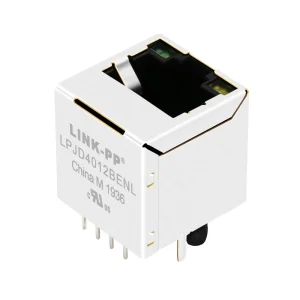
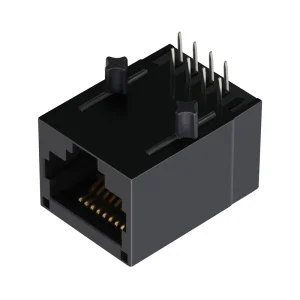
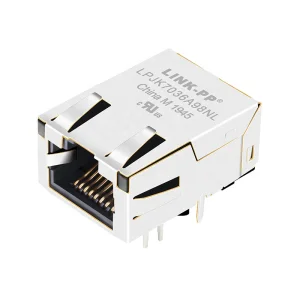
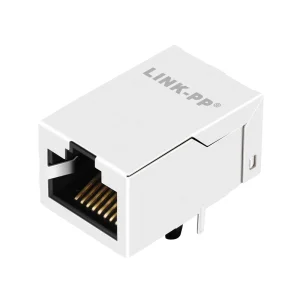
The transmission of billions of packets per second creates challenges related to thermal dissipation and high-frequency crosstalk. In an enterprise Server NIC, the interface between the network cable (optical fiber or copper twisted-pair) and the internal controller chip represents a common failure point. To address this, FiberQ implements advanced shielding designs. For copper applications, our DIP Gold-Pleated Shielded RJ45 Female Combo Jacks utilize internal Faraday cages to block high-frequency electromagnetic interference. For optical applications, our SFP+ Cages with integrated heat sinks employ press-fit technology to guarantee reliable thermal transfer, ensuring the optical transceivers operate within optimal temperature curves.
Providing reliable network connectivity across mission-critical sectors.
| Industry Sector | Technical Challenge | FiberQ Interconnect Solution | Key Network Value |
|---|---|---|---|
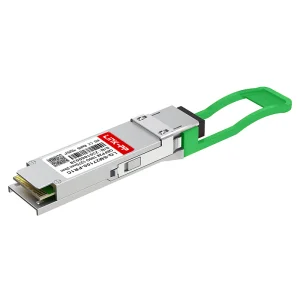
| Hyperscale Data Centers | Bandwidth density, high heat dissipation, and severe packet loss risks. | 100G QSFP28 (PSM4/FR) and high-density press-fit 2x2 SFP+ cages. | Lower power consumption per gigabit, high-density port allocation. |
| Telecommunications (5G/6G) | Harsh outdoor node environments and signal jitter over long distances. | 10G BiDi SFP+ 40km & 10GBASE-ZR 80km optical modules with DDM. | Industrial operating temperature (-40°C to 85°C), high dispersion tolerance. |
| High-Frequency Trading (HFT) | Ultra-low sub-microsecond latency and jitter-free packet reception. | Direct Attach Copper (DAC) interfaces & low-loss SFP+ optical engines. | Deterministic latency profiles, zero-packet drop thresholds. |
| Enterprise LAN & Virtualization | Legacy copper infrastructure compatibility and PoE+ deployment. | Stacked RJ45 Connectors with integrated magnetic transformers and LEDs. | Up to 10GBASE-T support, complete electrical isolation, easy diagnostics. |
By mapping out the specific needs of these four sectors, FiberQ's R&D division engineers custom parameters directly into our product designs. For example, in telecom environments, transceivers must resist dust, moisture, and high temperatures. Our active optical modules utilize hermetically sealed components and integrated Digital Diagnostic Monitoring (DDM/DOM) systems, allowing network administrators to check laser bias currents, temperature, and optical power in real-time, preventing failures before they occur.
Inside FiberQ's 12,600㎡ modern manufacturing infrastructure.
Operating out of our 12,600㎡ facility, FiberQ leverages China's industrial supply ecosystem to provide reliable component access, high capacity, and competitive pricing. Our automated production line integrates high-precision placement machines, automated optical inspectors (AOI), and advanced high-temperature aging chambers. This facility enables the assembly of complex optical transceivers and high-density connectors while keeping variations to a minimum.
Vertical integration is key to our supply chain resilience. Unlike assembly-only shops, FiberQ handles raw component integration, metal stamping (for SFP cages), plastic injection molding (for RJ45 housings), and active optical alignment internally. Supported by a robust network of 1,450 upstream component suppliers, we maintain stable production capacity even during global semiconductor and material shortages.
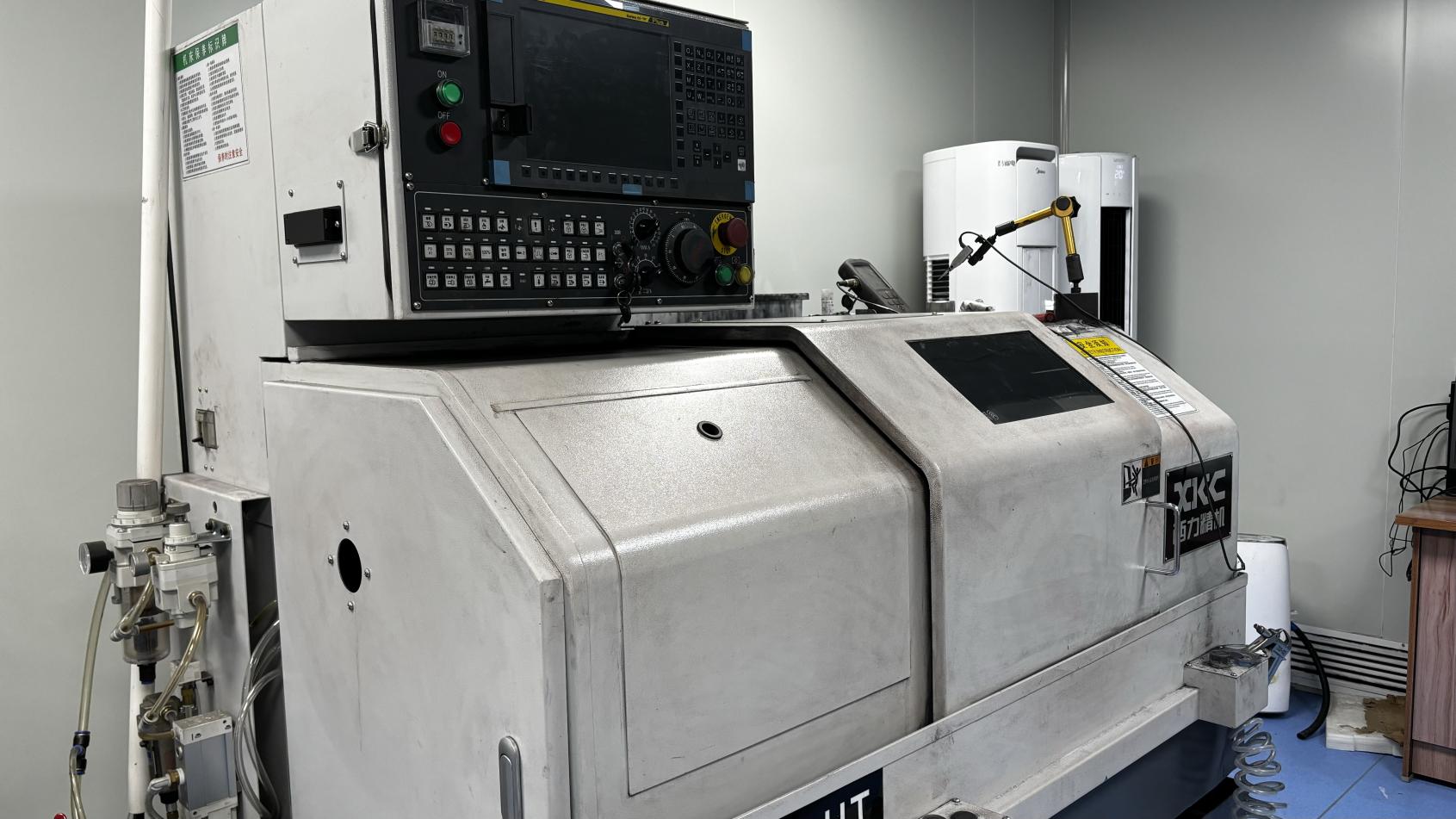

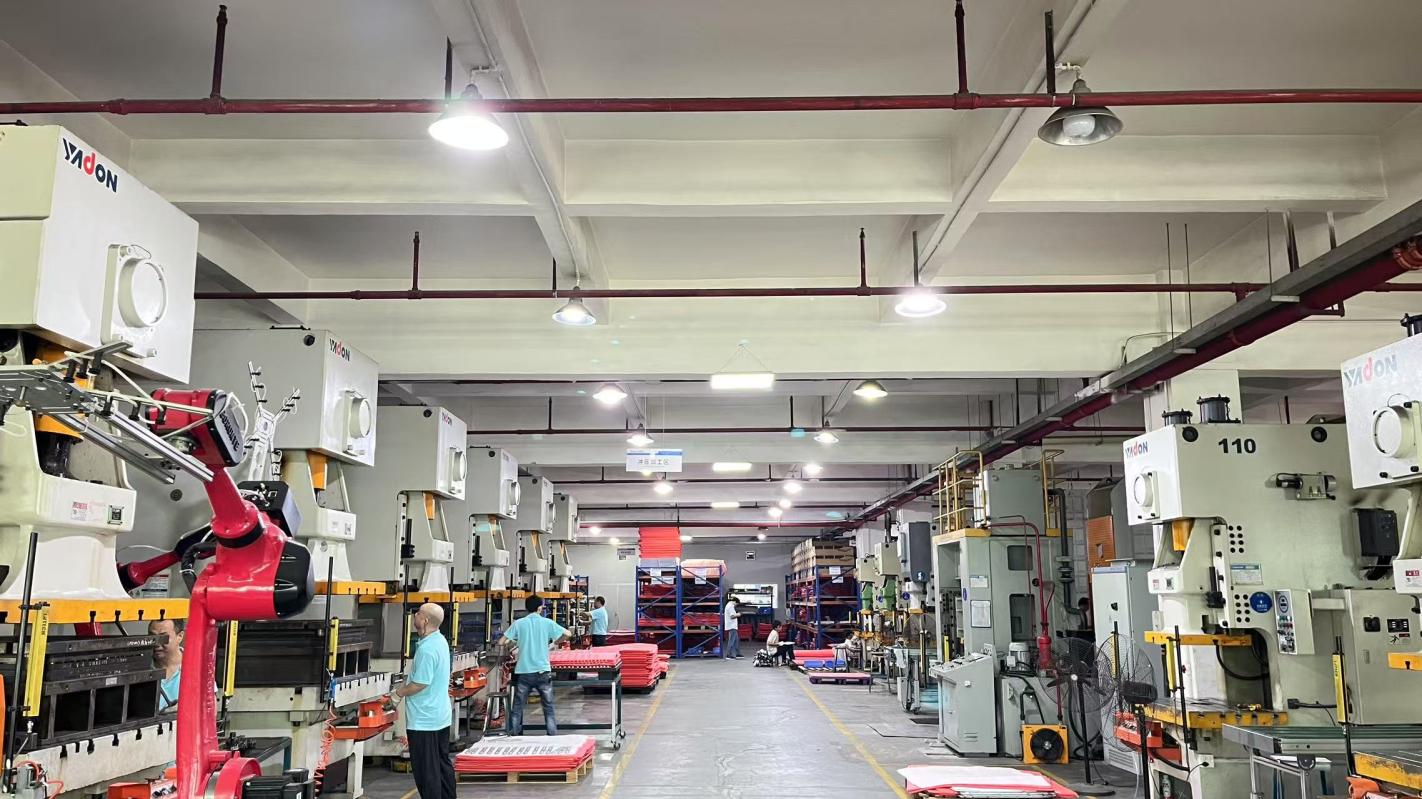
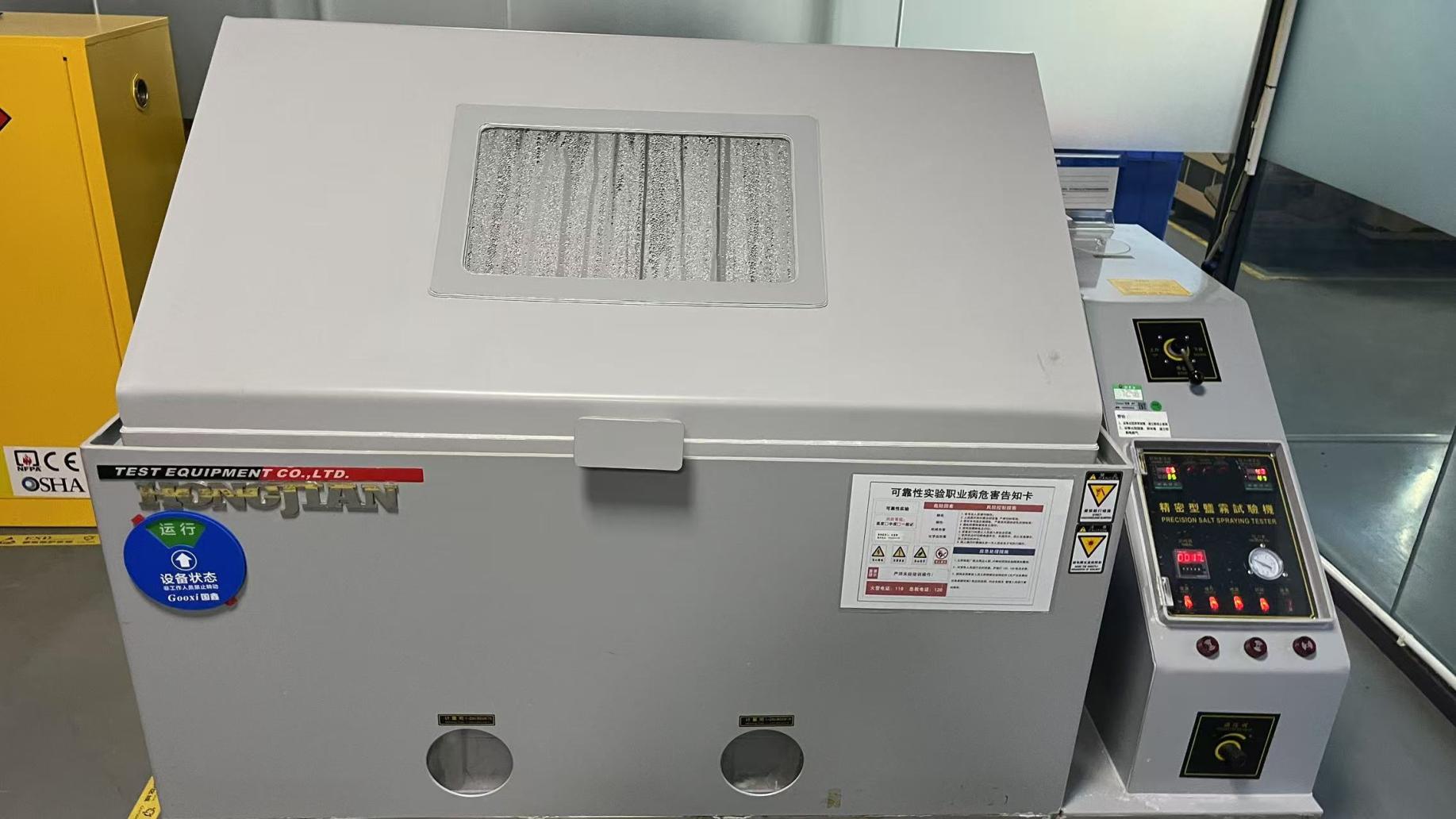
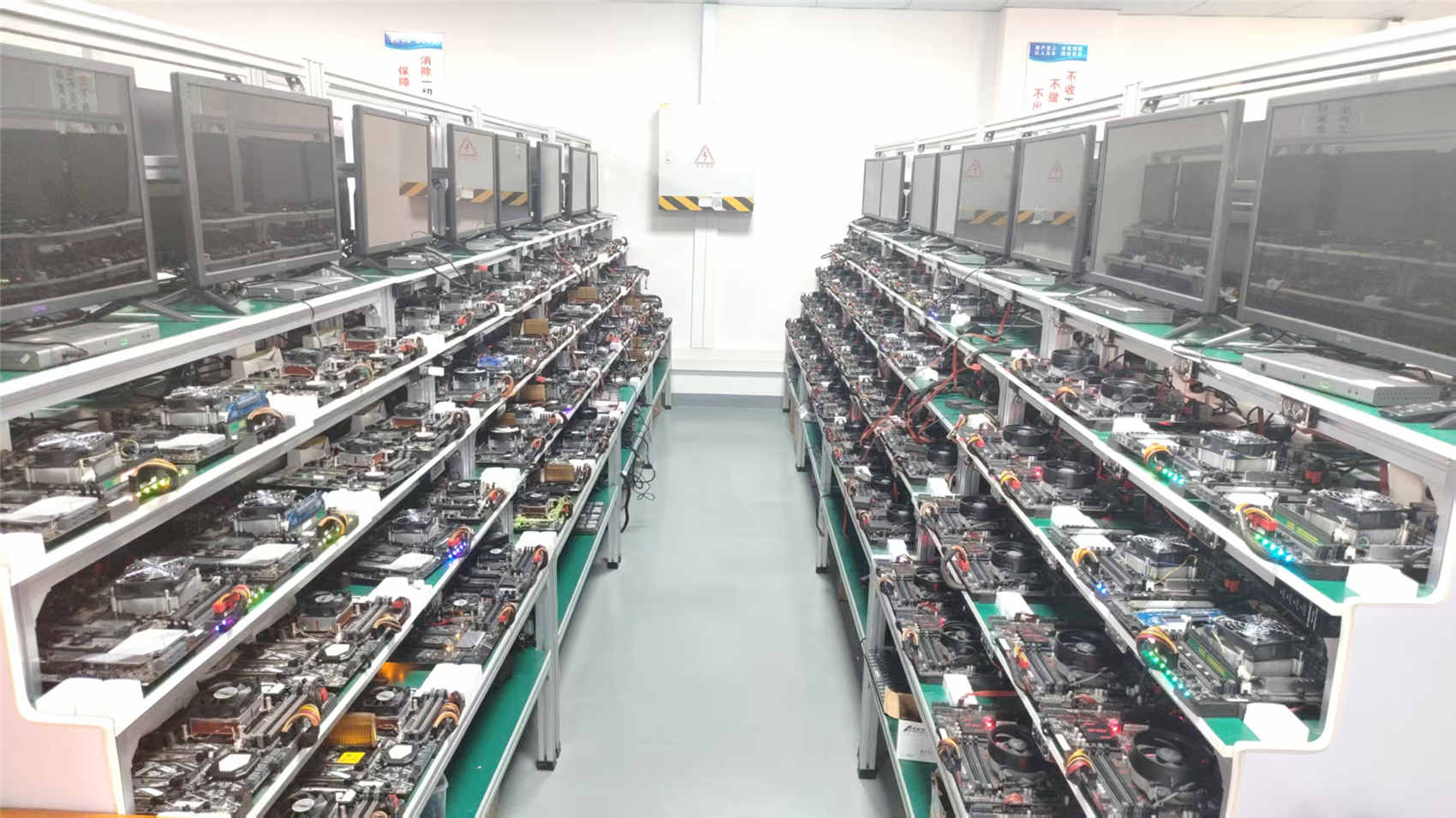

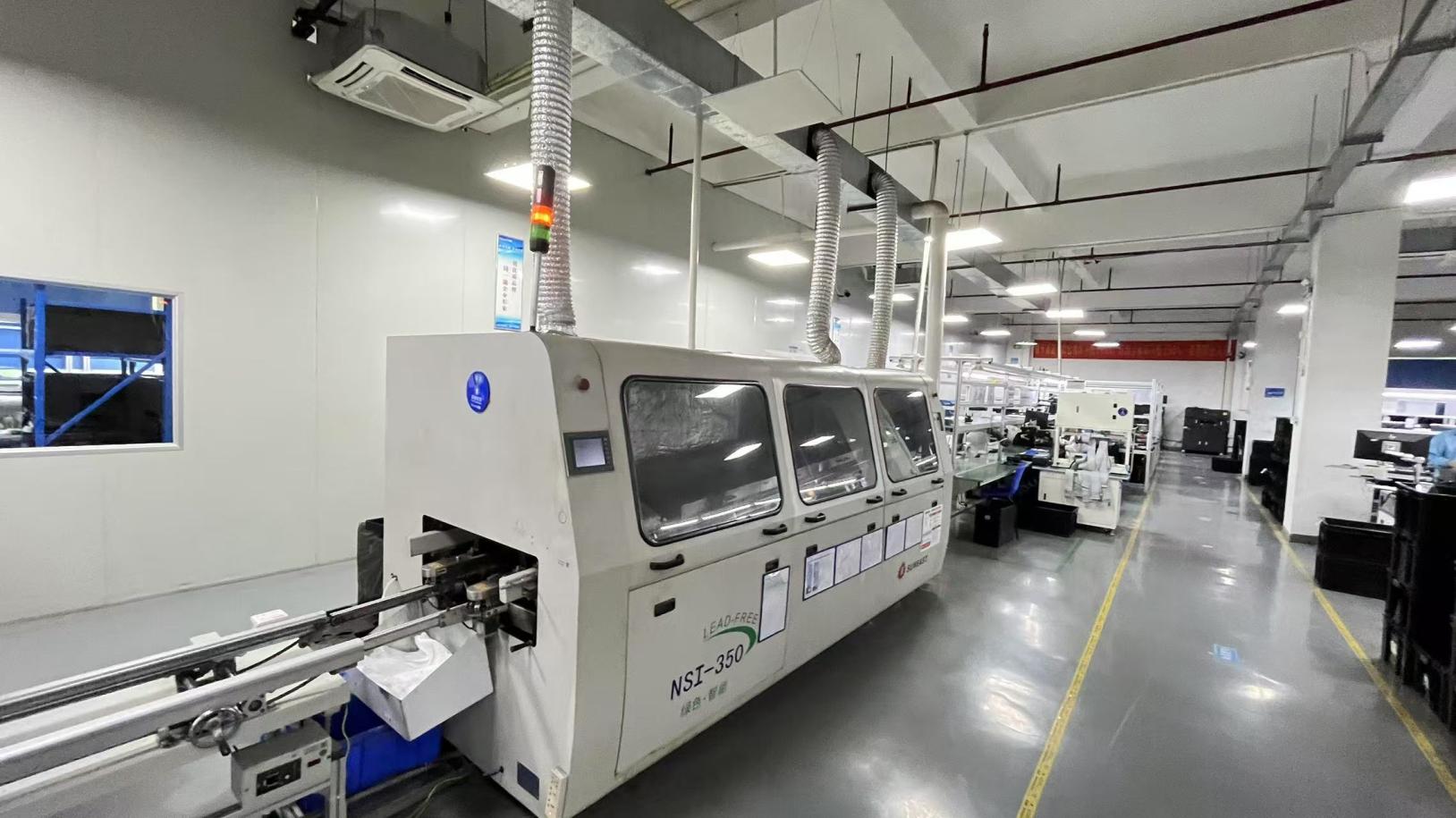
Our quality verification processes are managed by 62 qualified inspectors. Every single optical transceiver and high-speed connector undergoes a rigorous series of test procedures before shipment:
Ensuring hardware compatibility, electrical standards, and compliance.
Enterprise clients often require custom solutions to match specific form factors or thermal designs. FiberQ supports custom protocol compatibility, customized EEPROM firmware coding, wavelength tuning (DWDM/CWDM), and custom SFP cage designs with special thermal dissipation profiles. Our R&D team of 240 engineers handles this optimization in-house.
Operating worldwide requires compliance with international standards. All FiberQ products comply with RoHS, REACH, CE, and FCC requirements. Our manufacturing processes conform to ISO 9001:2015 standards, ensuring that our products integrate smoothly into enterprise network environments.
Expert technical insights from FiberQ's chief hardware engineering division.
Compatibility is primarily determined by the EEPROM coding inside the transceiver. FiberQ maintains a database of host system codes and runs compatibility tests in our lab. This ensures our SFP+ and QSFP28 modules integrate with NIC brands such as Intel, Mellanox, Broadcom, Cisco, and others without triggering firmware lockouts.
Press-fit technology offers high mechanical stability and eliminates solder joint fatigue caused by thermal cycling. It also avoids through-hole soldering issues, such as solder joint voids, making it suitable for high-density multi-port configurations in 1U servers.
Integrated magnetics (often called MagJacks) incorporate isolation transformers and common-mode chokes directly into the connector body. This layout helps shield the physical layer (PHY) chip from high-voltage surges, reduces electromagnetic interference (EMI), and filters common-mode noise, ensuring stable packet delivery.
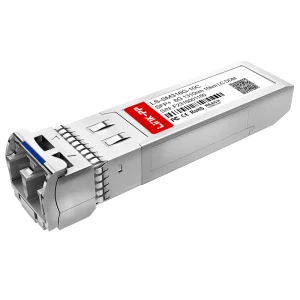
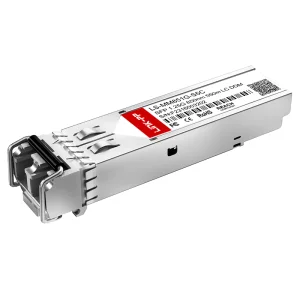
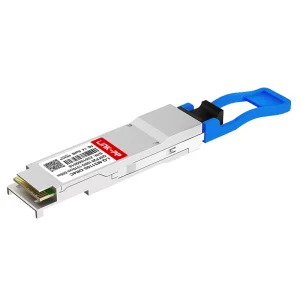
For long-haul backhaul and edge connections, we offer the 10GBASE-ZR SFP+ module, which operates at 1550nm and supports up to 80km over Single Mode Fiber (SMF) using high-sensitivity APD receivers. Additionally, our 10G BiDi (Bidirectional) transceivers support up to 40km of single-strand fiber communication, reducing fiber infrastructure costs.
Our 12,600㎡ factory handles standard production volumes quickly. Standard transceiver orders are shipped within 1–2 weeks, while custom designs (OEM SFP+ cages or specialized RJ45 connectors) take 3–5 weeks.
Vertical Connectors, Stacked Assemblies, and Long-Range Optical Engines.