FiberQ
FiberQ
FiberQ
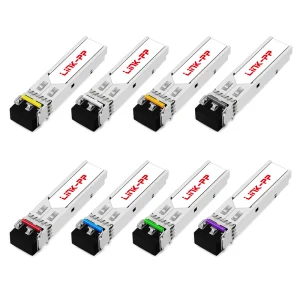
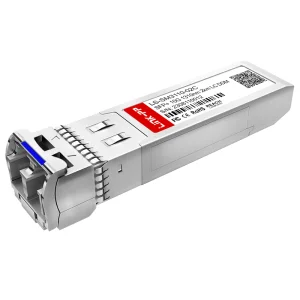
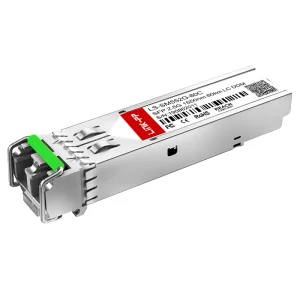
High-performance transceivers, low-profile magnetic connectors, and optical sub-assemblies for optical line terminals (OLT) and optical distribution networks.
As the demand for gigabit fiber connectivity accelerates worldwide, the role of passive optical networks (PON) has evolved from a residential utility to the backbone of smart cities, automated industries, and edge computation nodes. At the center of this transition are Fiber Optic Splitters, particularly Planar Lightwave Circuit (PLC) Splitters and Fused Biconical Taper (FBT) Splitters.
Globally, telecom operators are shifting their network topology to dense wave architectures, demanding splitters that exhibit uniform insertion loss, minimal polarization-dependent loss (PDL), and high reliability under extreme environmental fluctuations. The deployment of 10G-PON, XGS-PON, and emerging 50G-PON systems requires splitting components that operate across wide spectral ranges (1260nm to 1650nm) to facilitate future wavelength-division multiplexing (WDM) upgrades without requiring costly field hardware swaps.
Modern data centers and metropolitan area networks rely on high-port split schemes (such as 1x32, 1x64, or even 2x128 configurations) to balance load capacity and cable density. In these contexts, passive splitters interface directly with key transmission technologies, including high-speed transceiver interfaces (e.g., SFP28, SFP+, and QSFP form-factors) and magnetic modular connector interfaces to route multi-wavelength signals over thousands of kilometers.
Unmatched vertical integration, raw material access, and advanced cleanroom automation define the modern China export framework.
Chinese factories are located within massive industrial ecosystems, allowing immediate access to ultra-pure silica, high-precision ceramic ferrules, V-groove silicon substrates, and specialized UV-curable adhesives. This proximity reduces transit times and buffers the supply chain against global shipping volatility.
By shifting from manual fiber positioning to automated alignment machines (utilizing sub-micron vision algorithms), manufacturing centers achieve consistent coupling efficiency. This system minimizes human error and guarantees that every output channel falls within strict decibel tolerance ranges.
The vast production capacities of Chinese optical clusters reduce marginal processing costs. Bulk processing of wafer dicing, multi-fiber ribbon termination, and metal-casing molding helps keep export prices competitive for international carriers and distributors.
Founded in 2015, FiberQ Photonics Technology Co., Ltd. has established itself as an innovative developer of optical transceivers, passive optical distribution components, and specialized interconnect solutions.
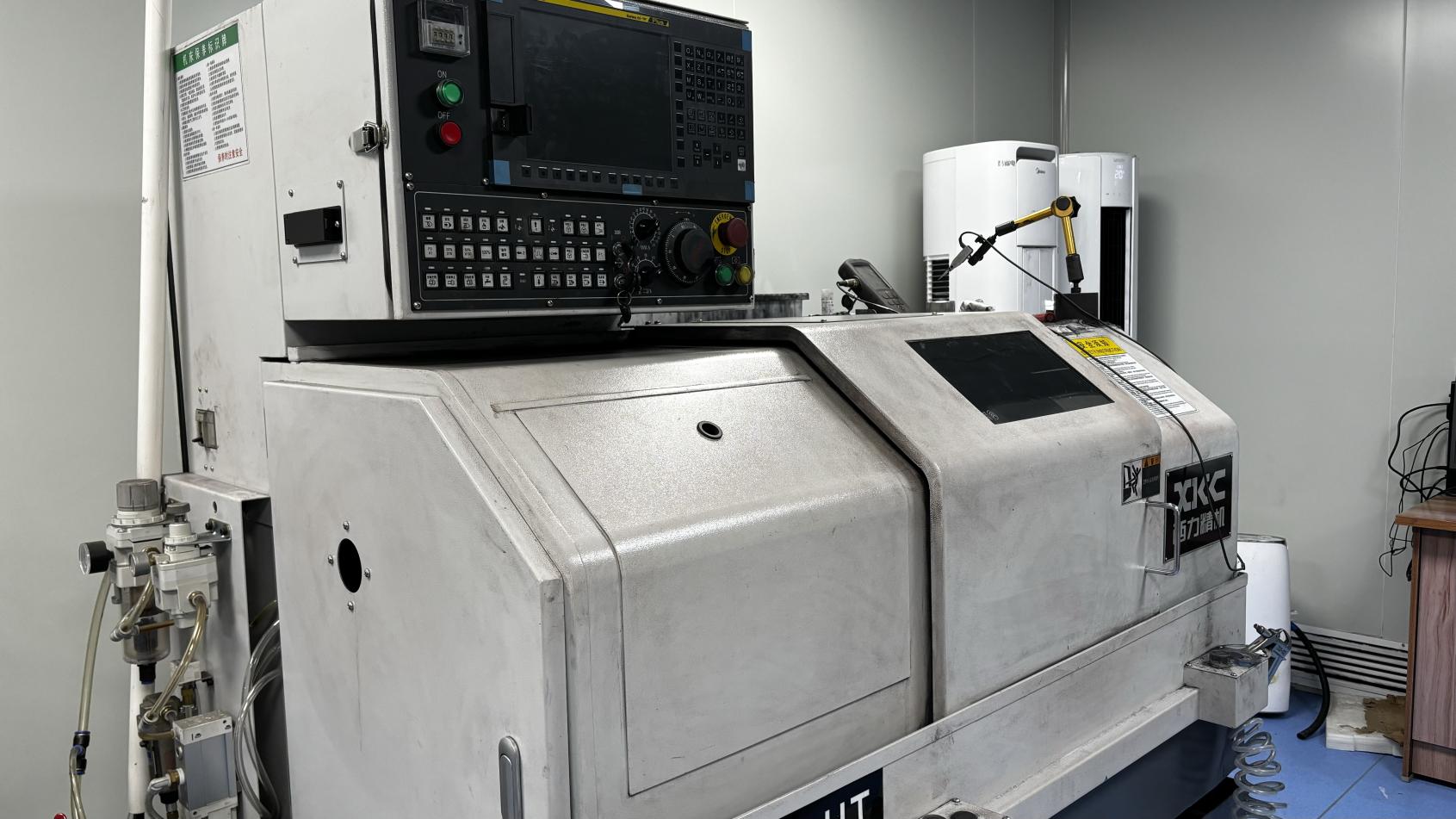
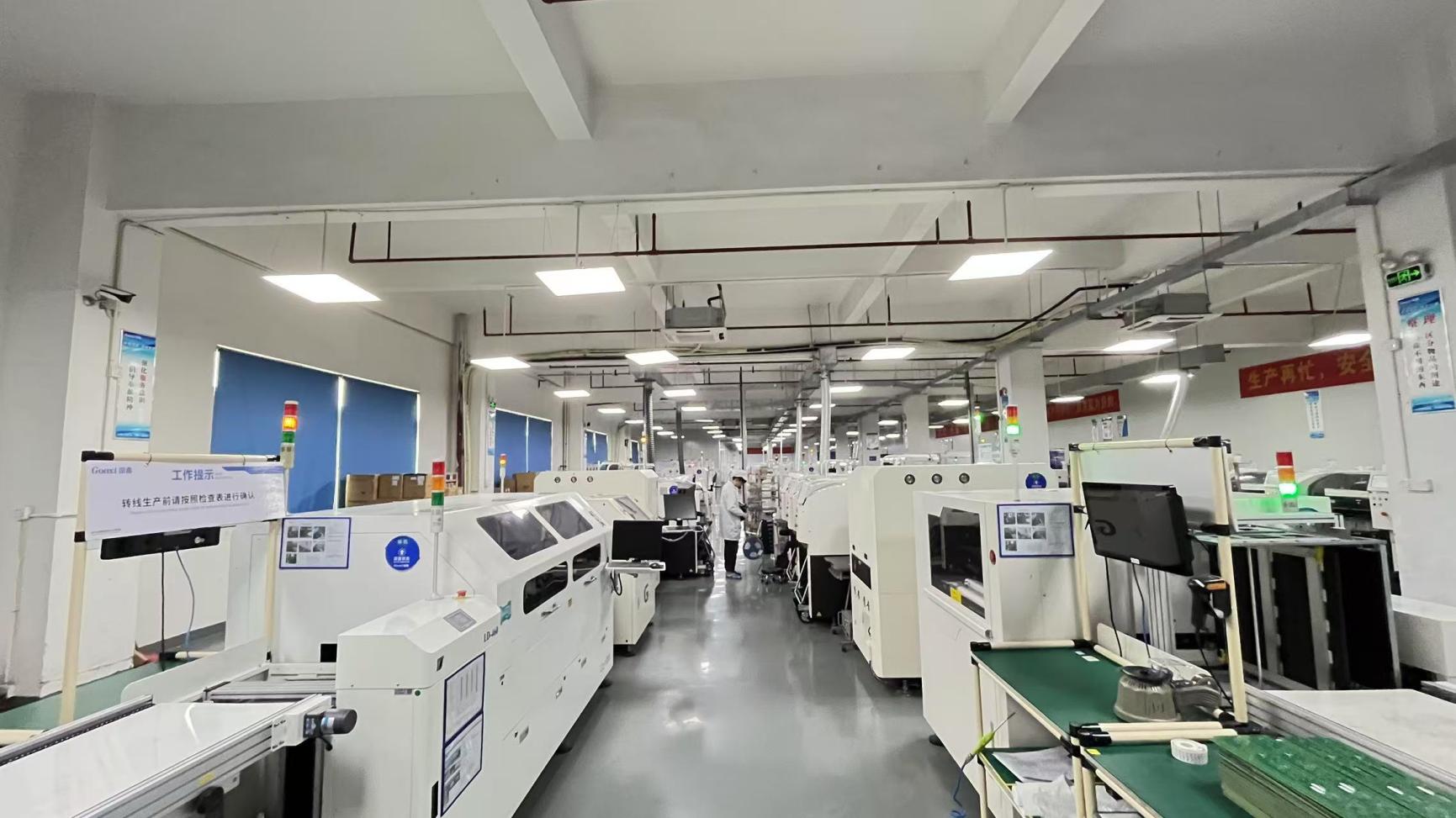
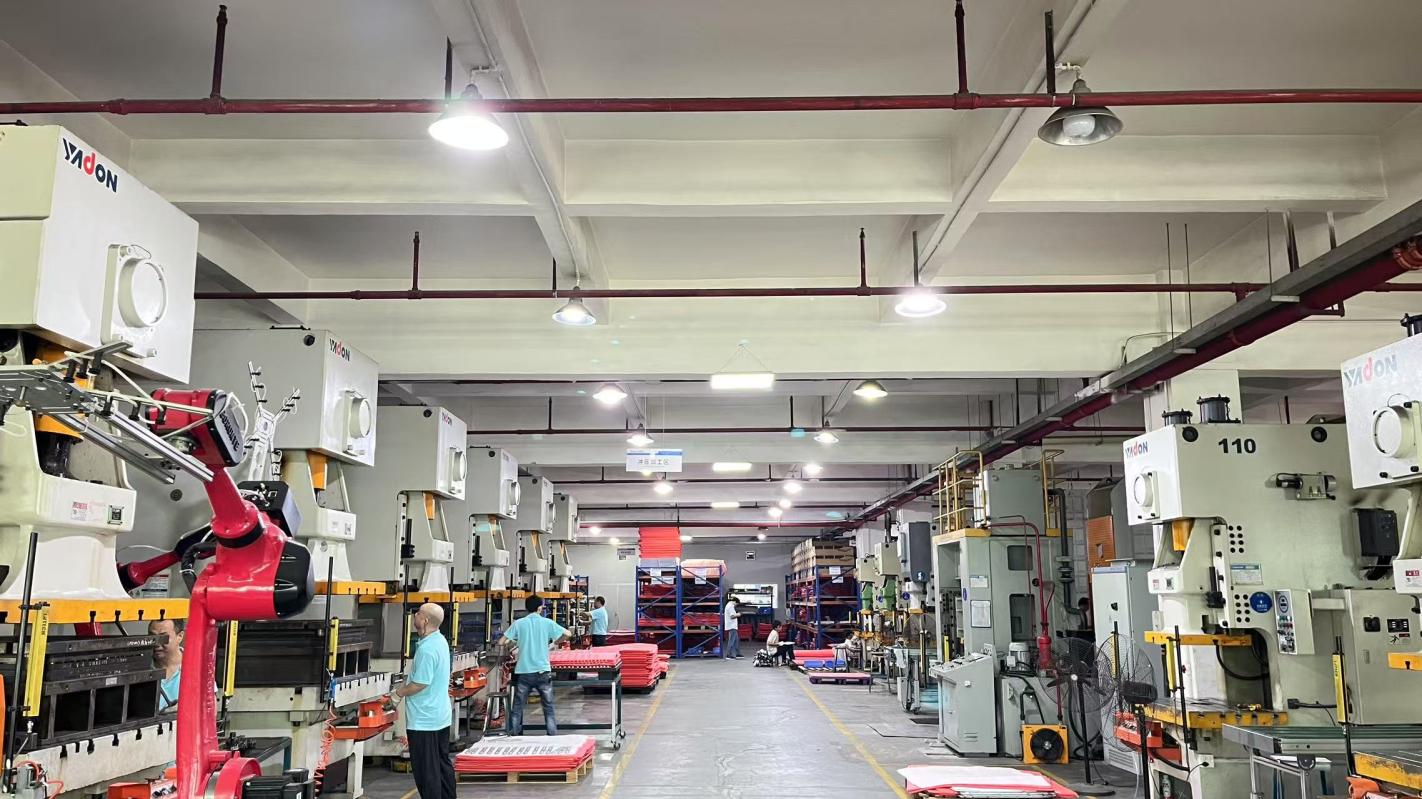
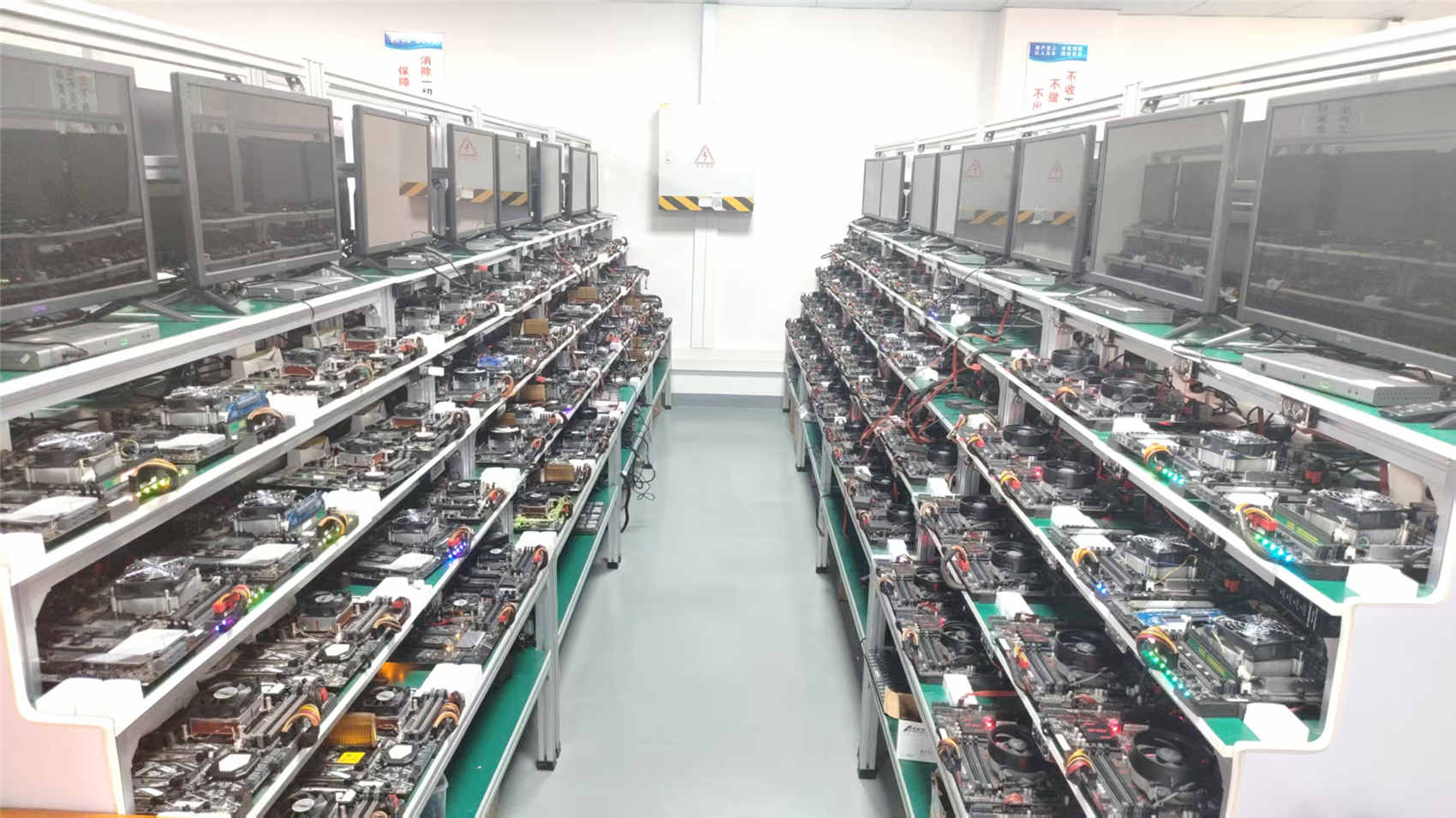
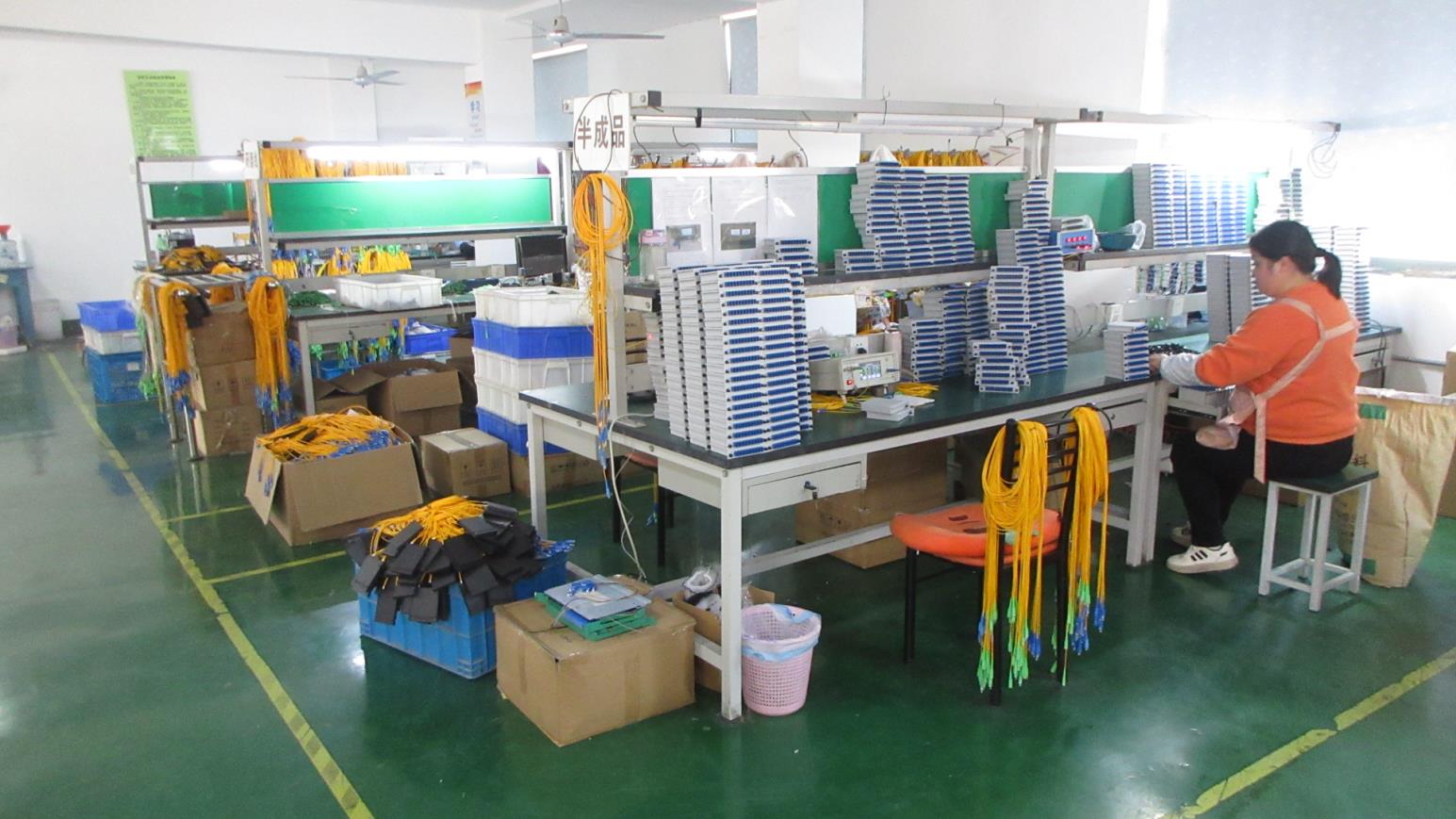
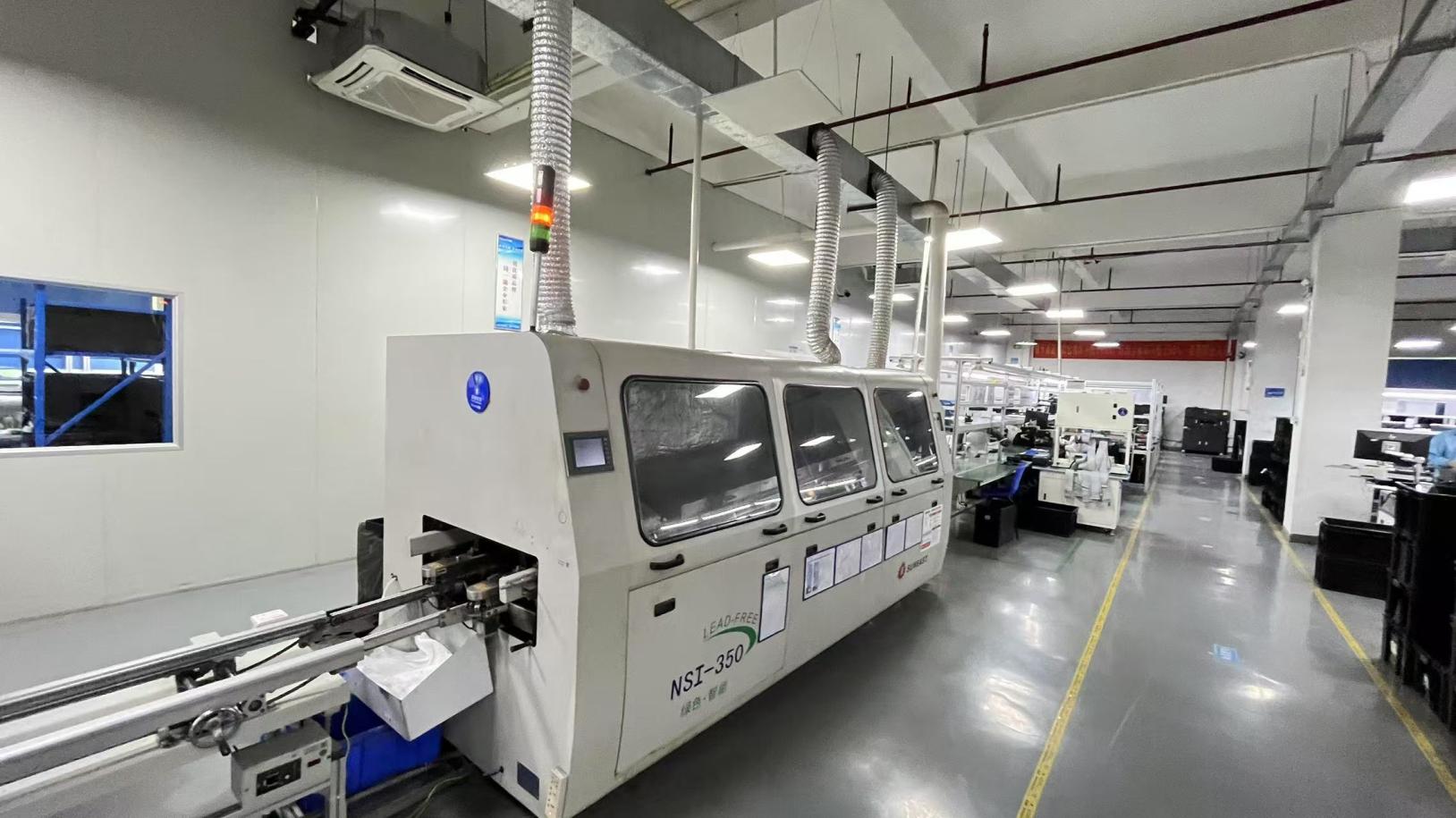
FiberQ operates a state-of-the-art facility optimized for high-capacity manufacturing, assembly, and testing. With 12 years of industry experience in optical communication and 6 years of export expertise, the team delivers highly compatible products designed to meet demanding global metrics.
The company's focus on engineering excellence is supported by a large engineering department that designs custom interfaces, custom wavelengths, and thermally stable enclosures. Over the past year alone, FiberQ launched approximately 180 new products, keeping pace with trends like 400G and 800G optical module configurations, high-density SFP+ cages, and multi-port modular network jacks.
From dense municipal distributions to deep-sea installations, optical networks rely on ruggedized splitter enclosures and robust transceivers.
Fiber-to-the-Home networks demand split configurations like 1x16, 1x32, or 1x64. FiberQ splitters fit easily inside outdoor distribution boxes and pedestals, maintaining low insertion loss to preserve optical budgets across long local loop lines.
Within large-scale data centers, passive splitters divide light paths to monitor traffic and enable redundant data paths. These splitters connect directly with SFP28/SFP+ optical modules, helping to optimize system uptime and support link health.
Next-generation mobile radio units require high-capacity, low-latency links. FiberQ's active transceivers work in tandem with passive splitting systems to run multiple virtual network channels over single-mode fiber links, helping to control infrastructure costs.
When purchasing equipment for major network rollouts, sourcing teams rely on strict engineering specifications to ensure long-term performance and minimize field maintenance. Standardized components must meet key compliance benchmarks:
FiberQ meets these standards through rigorous testing protocols. Our quality assurance team includes 62 experienced inspectors who run interferometric checks, automated optical performance testing, high-temperature aging cycles, and manual inspections. This attention to detail ensures that every transceiver, SFP cage, and RJ45 connector we ship meets the performance standards required by global network operators.
As traffic volumes increase, the design of active transceivers and passive routing splitters continues to advance.
Space in optical distribution frames (ODF) is limited. System designers are focusing on micro-optical packages and high-density connectors (such as MPO/MTP interfaces and stacked SFP cages) to maximize channel capacity in standard rack space.
To reduce power consumption, industry leaders are moving toward co-packaged optics (CPO), integrating laser sources and routing waveguides directly onto silicon chips. This trend requires high-precision optical splitters with low loss tolerances to maintain signal strength.
With edge computing expanding into outdoor cabinets and remote industrial sites, passive splitters must operate reliably across extreme temperatures (typically from -40°C to +85°C) without suffering from signal drift or structural breakdown.
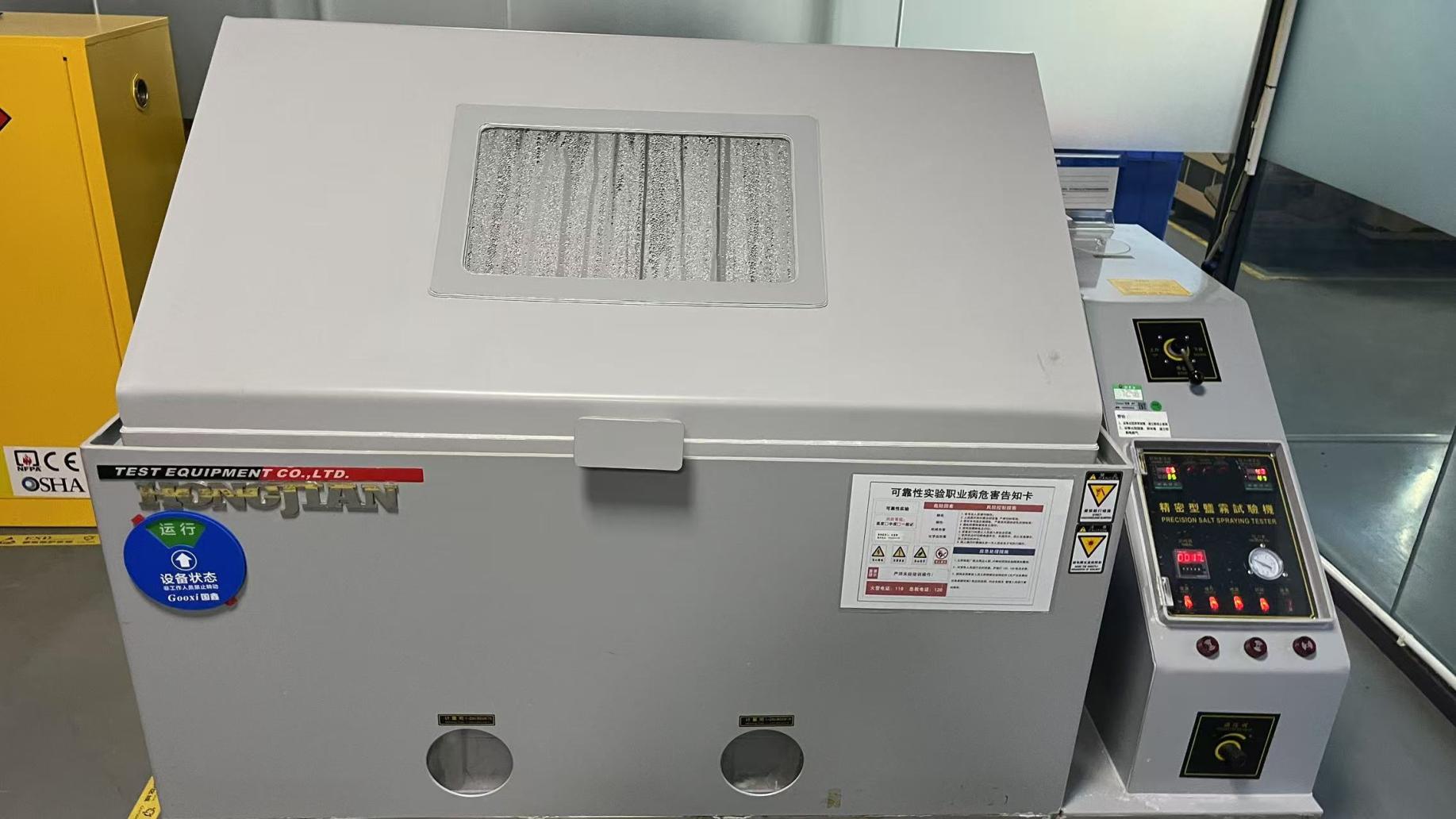
A look inside our 12,600㎡ facility in China, designed for stable assembly, precision testing, and high-volume export shipping.
Common technical and commercial questions about optical networks, active transceivers, and ordering from our China factory.
PLC (Planar Lightwave Circuit) splitters use a micro-optical chip to divide input signals uniformly across multiple output channels, offering stable performance across a wide wavelength range (1260nm-1650nm) and higher split ratios (up to 1x128). FBT (Fused Biconical Taper) splitters are made by fusing two fibers together. They are typically used for simpler, lower-ratio splits (like 1x2 or 1x4) and are limited to specific wavelengths, though they are generally more cost-effective for simple applications.
Our R&D team uses a comprehensive EEPROM coding database and tests transceivers with major switch, router, and OLT platforms. We can customize the firmware of our optical modules to match the security and compatibility requirements of your network equipment.
Our quality control process includes environmental chamber testing, which subjects components to dry heat, damp heat, thermal cycling (ranging from -40°C to +85°C), and water immersion. This process helps ensure compliance with Telcordia GR-1209 and GR-1221 specifications, protecting against signal loss over time.
Yes. Through our OEM/ODM services, we design and manufacture custom split ratios (such as asymmetric 10/90 or 20/80 splits) as well as custom fiber lengths, specialized jackets (such as LSZH, plenum, or armored), and specific connector ends (SC/APC, LC/UPC, etc.) to fit your network design.
Standard components are typically produced and packaged within 2 to 3 weeks, depending on order size. Our connections with approximately 1,450 supply chain partners help us maintain stable access to raw materials and keep production schedules on time.
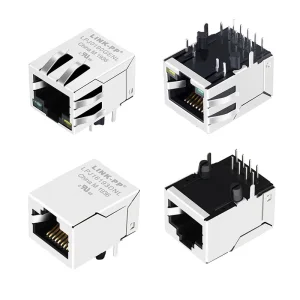
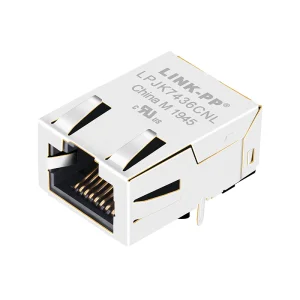
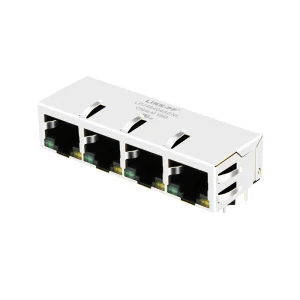
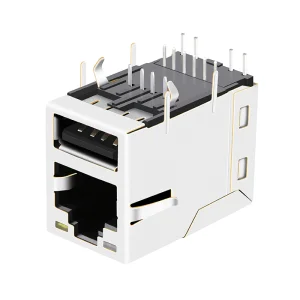
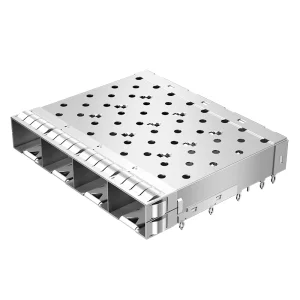
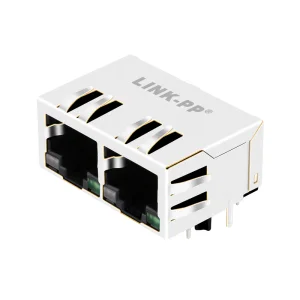
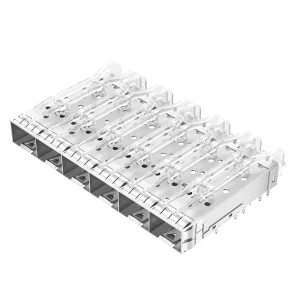
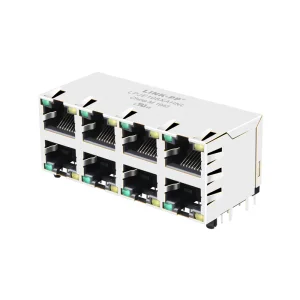
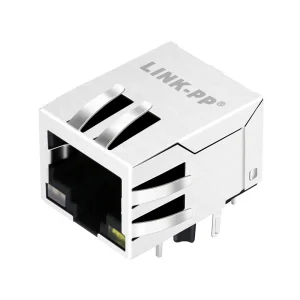
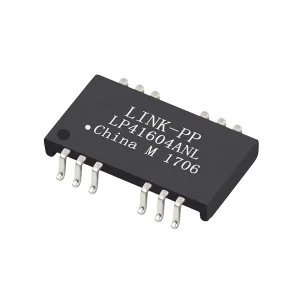
Standard-compliant EMI cages, multi-port RJ45 receptacles, and LAN filters designed to prevent signal degradation in high-speed hardware layouts.