FiberQ
FiberQ
FiberQ
Explore our high-performance transceivers, connectors, and patch cable interfaces.
In the era of hyper-scale cloud computing, artificial intelligence workloads, and 5G network expansion, the integrity of physical optical layers is more critical than ever. As a leading specialized manufacturer of optical transport components, FiberQ Photonics Technology Co., Ltd. produces industry-compliant solutions engineered to eliminate packet drop rates and insertion loss variations in high-performance computing (HPC) networks. Since our founding in 2015, we have optimized our optical engineering pipelines to deliver the low insertion loss and high return loss specifications required for critical fiber-to-the-x (FTTx), metropolitan area network (MAN), and data center architectures.
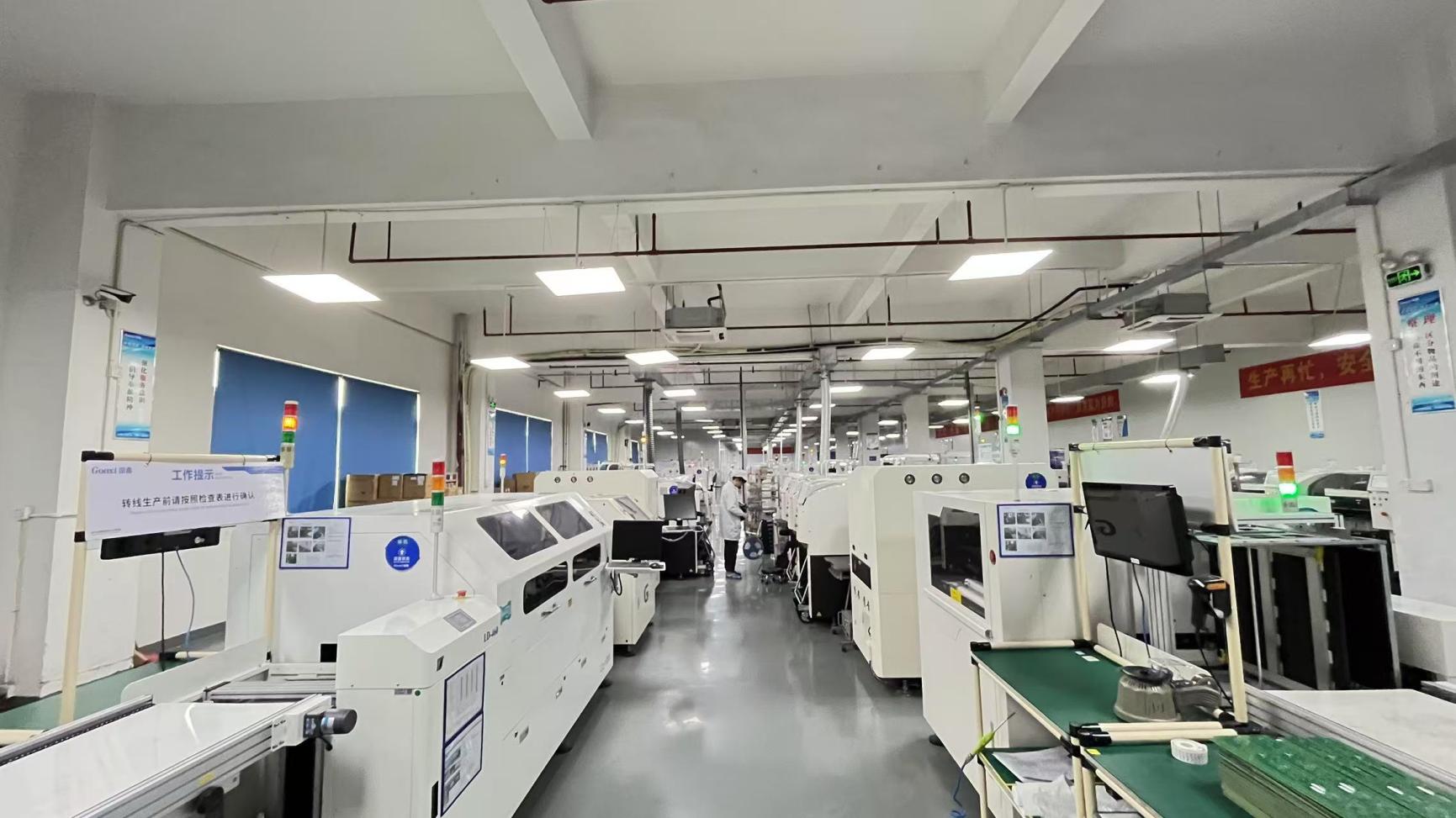
Our comprehensive catalog spans high-density multi-fiber push-on (MPO/MTP) trunks, duplex single-mode OS2 patch leads, and OM3/OM4/OM5 multi-mode patch cords. Operating from a state-of-the-art 12,600㎡ manufacturing facility, we integrate automated assembly lines with advanced interferometry and end-face testing systems, ensuring each fiber optic patch cord meets or exceeds Telcordia GR-326-CORE and IEC 61753 standards. Whether sourcing standard patch cords or customized cabling architectures, global enterprises leverage our deep optical engineering expertise to future-proof their network architectures.
Understanding the exact geometric and physical properties of a fiber optic connection is key to minimizing overall optical path attenuation. The diagram and breakdown below showcase the specific quality parameters integrated into FiberQ Photonics components:
Our patch cords maintain an average insertion loss of < 0.15 dB (standard) and < 0.10 dB (low-loss selection), significantly below the standard IEC requirement of 0.30 dB. This preserves signal integrity over long-span optical paths.
We deploy high-precision Ultra Physical Contact (UPC) and Angled Physical Contact (APC) polishing configurations. APC configurations achieve a return loss of > 65 dB, preventing back-reflections from damaging high-powered laser diodes.
100% of production runs pass 3D interferometer testing. We verify apex offset (0 to 50 μm), radius of curvature (7 to 25 mm), and fiber undercut/protrusion (-100 to +50 nm) to guarantee long-term operational stability.
"In fiber networks, structural parameters are non-negotiable. A micron-level offset in the ferrule concentricity can increase attenuation by over 0.5dB under mechanical tension. Through automated alignment and high-density zirconium ceramic ferrules, our patch cords deliver sustained performance in high-stress data center applications." — FiberQ R&D Engineering Panel
China is the global center for optoelectronic manufacturing, hosting an advanced ecosystem of raw material producers, precision component manufacturers, and logistics networks. FiberQ Photonics capitalizes on this concentrated industrial base to offer unmatched manufacturing flexibility and cost-efficiency. Our facility collaborates with approximately 1,450 trusted supply chain partners, guaranteeing a steady supply of premium components—including high-quality Japanese zirconium ferrules, Corning optical fiber glass, and flame-retardant LSZH/OFNP jacketing compounds.
This deep supply chain integration enables us to run high-volume manufacturing without sacrificing customization flexibility. While typical boutique optical shops require long lead times for custom breakout configurations or specialized lengths, FiberQ executes custom OEM/ODM specifications rapidly. Supported by an export footprint of USD 9.5 million annually, our processes are optimized for global delivery, ensuring smooth customs processing and predictable freight pathways to major logistics hubs in North America, Europe, and Asia.
A statistical look at our production capacity, quality controls, and research development infrastructure.
Global procurement teams must balance component costs with strict regulatory compliance, technical compatibility, and supply chain reliability. Utilizing cheap, uncertified patch cords often leads to network latency, micro-cracks in glass fibers, and physical degradation under high operating temperatures. FiberQ mitigates these risks by providing full traceabiliy for every batch, offering testing reports for insertion and return loss, and ensuring absolute mechanical compatibility with major transceivers and active networking hardware.
Furthermore, vendor lock-in poses a challenge in optical transceiver deployments. Active equipment manufacturers often program proprietary keys to prevent the use of third-party optical modules. Our R&D team addresses this by developing custom firmware and protocol codes. This ensures that FiberQ transceivers are 100% compatible with Cisco, Juniper, Arista, Dell, and HP hardware, giving clients the flexibility to scale their networks without proprietary cost premiums.
All fiber materials are RoHS and REACH compliant, and jacket compounds comply with UL94-V0 and LSZH standards to meet strict building safety codes.
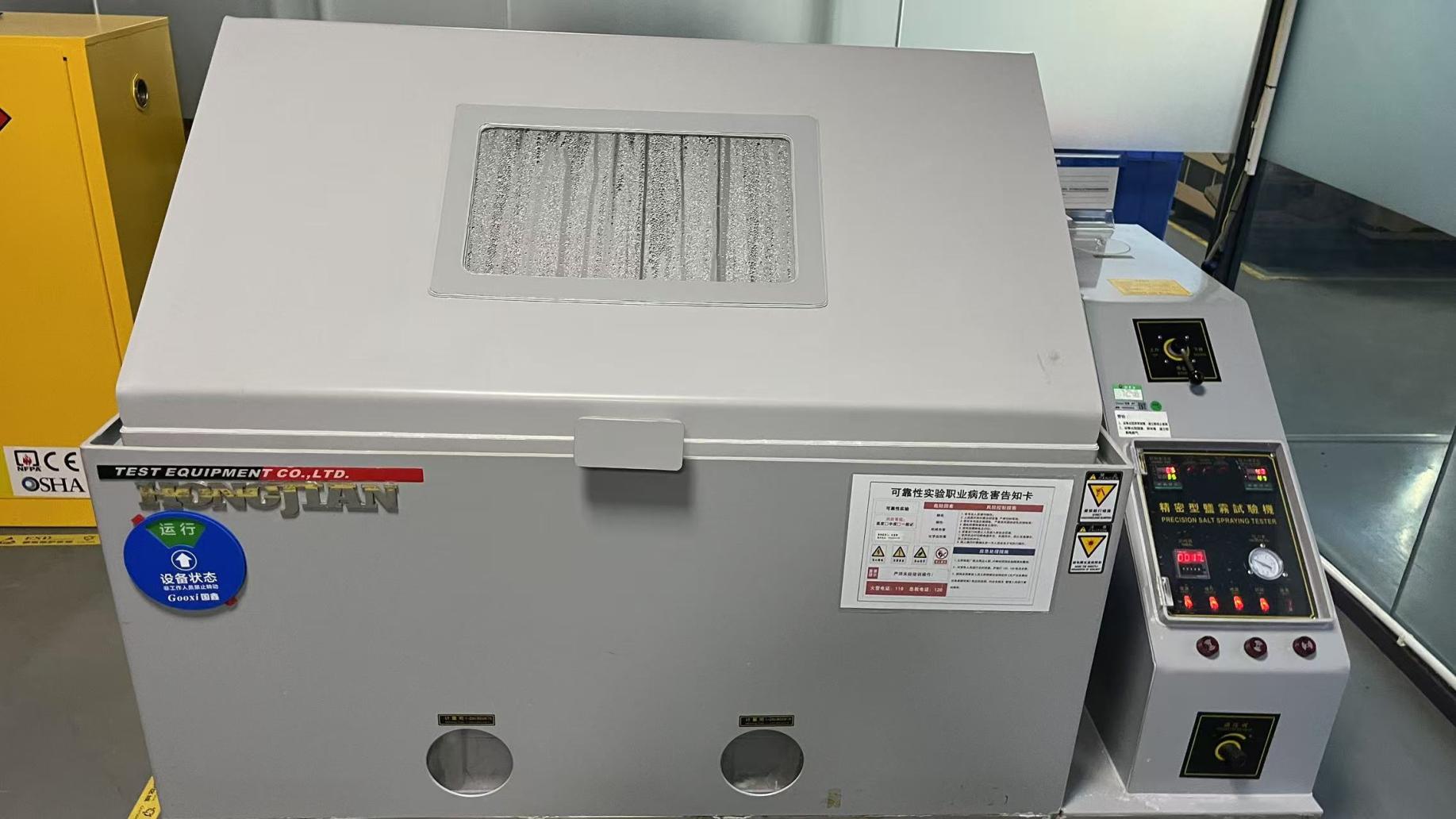
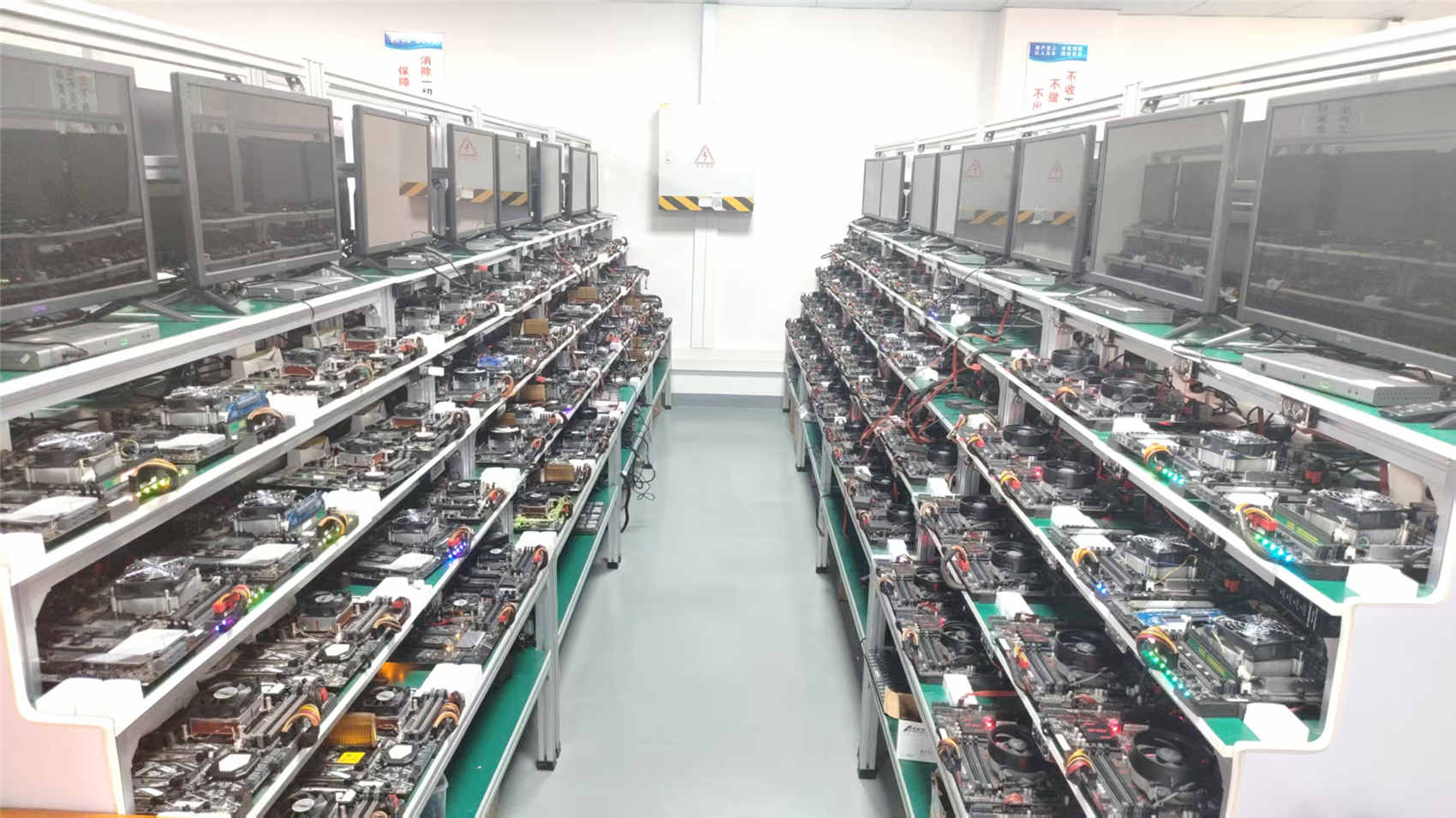
Our 62 QC inspectors use automated optical testing and high-temperature aging chambers to ensure performance in harsh industrial environments.
We provide full customization for polarities (A, B, or C), custom fiber lengths, and specialized pull-tabs for high-density patch panels.
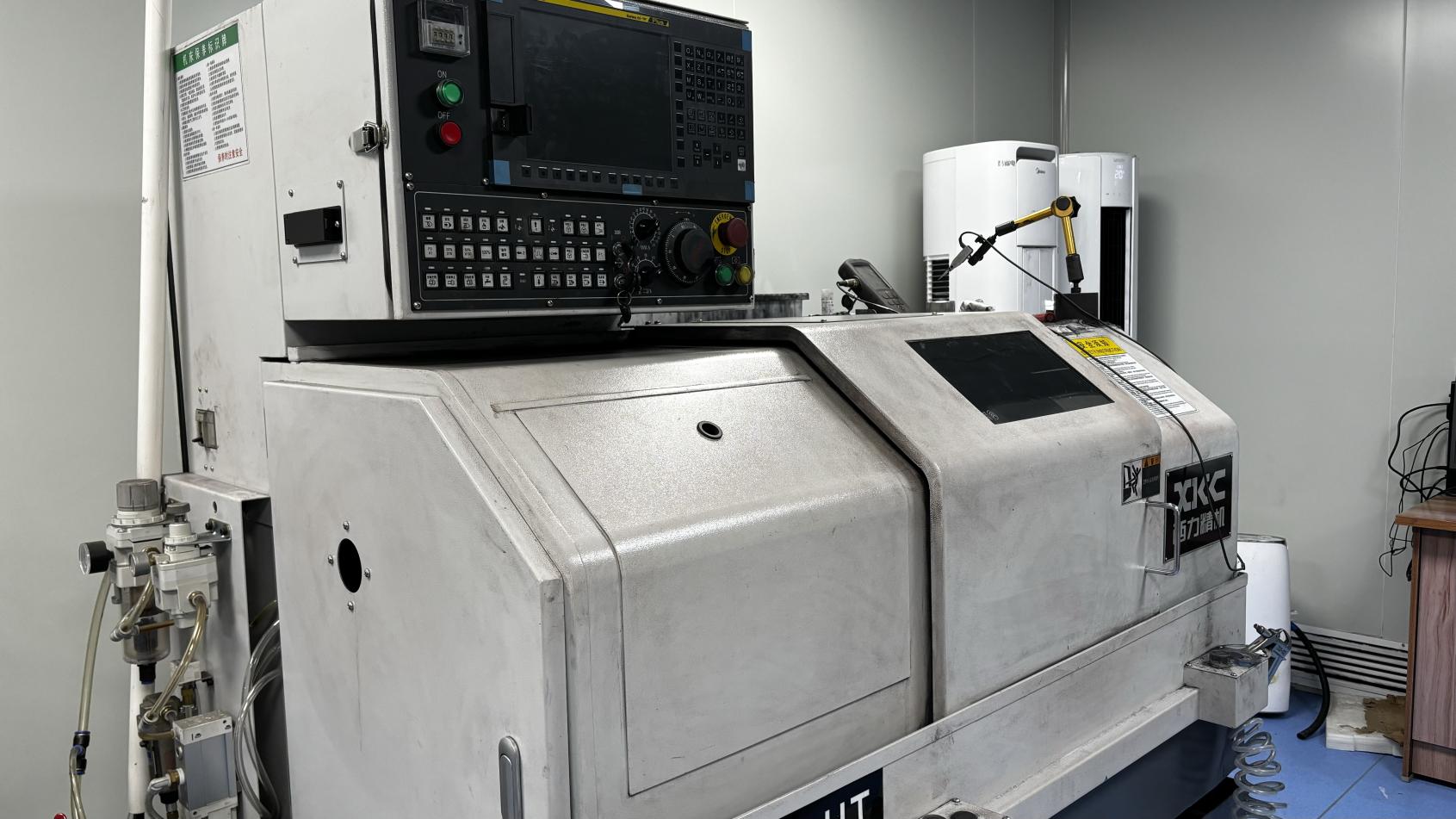
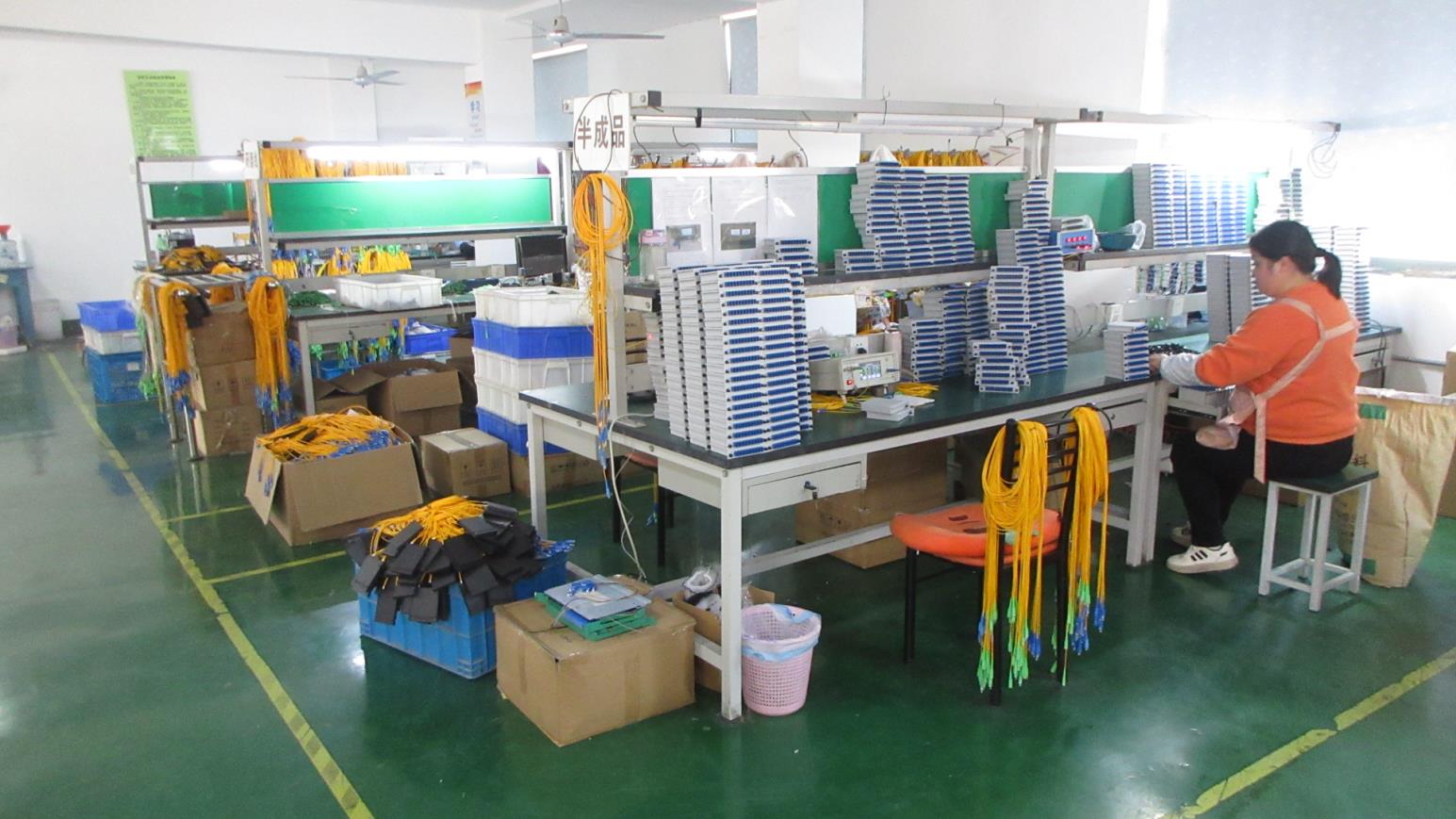
Direct view into our production lines, testing laboratories, and shipping warehouse operations.


As computing requirements grow, legacy network interfaces face thermal and bandwidth challenges. Traditional copper interconnects are largely obsolete for runs longer than a few meters in AI clusters. This has accelerated the transition to high-speed optical transceivers (like QSFP28, QSFP-DD, and OSFP) coupled with ultra-low-loss single-mode fiber patch cords. Moving from 100G and 200G to 800G and 1.6T requires strict control over chromatic dispersion and connector cleanliness.
Additionally, modern optical setups increasingly rely on Silicon Photonics (SiPh) and Co-Packaged Optics (CPO). This architecture brings optical engines directly onto the ASIC substrate, reducing trace lengths and power draw. FiberQ continues to invest in these emerging technologies, offering specialized high-density optical interfaces (including SN, MDC, and MT ferrules) that connect modern active processing units directly to optical distribution frames.
Fiber optic patch cords are not commodity items; their design is dictated by their operating environment. Below are the key scenarios where FiberQ components are deployed:
Expert answers to common technical, procurement, and deployment questions.
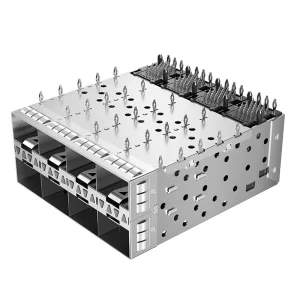
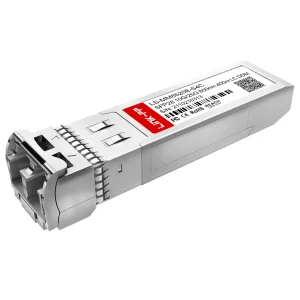
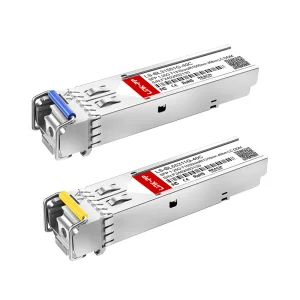
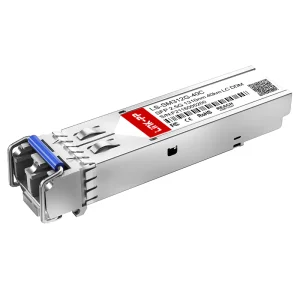
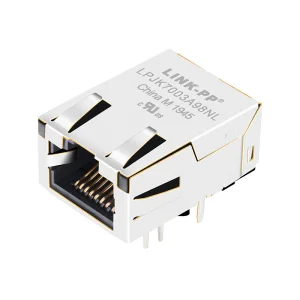
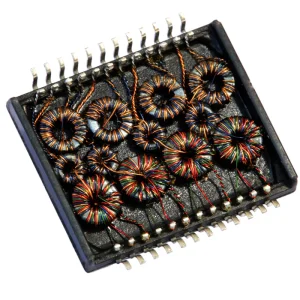
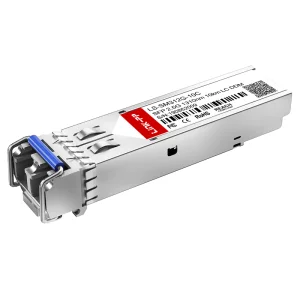
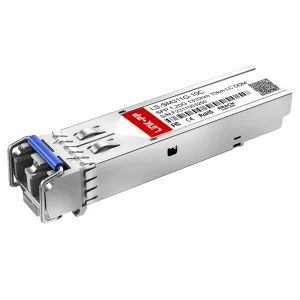
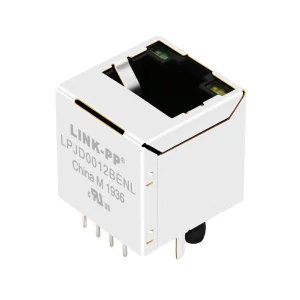
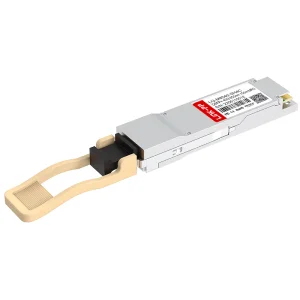
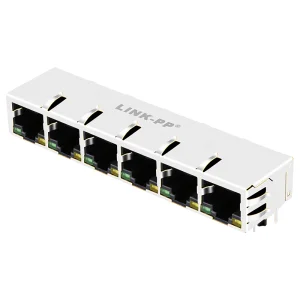
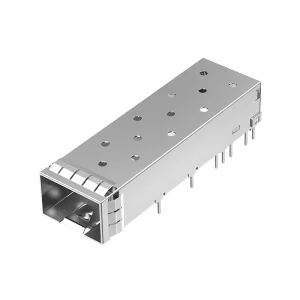
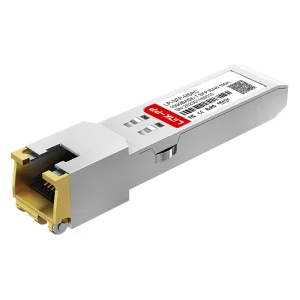
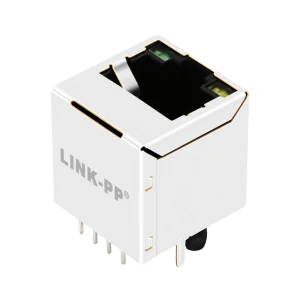
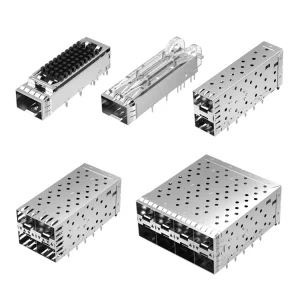
High-reliability SFP cages, RJ45 modules, and optical transceivers for continuous operation.