FiberQ
FiberQ
FiberQ
Explore our leading selection of optical transceivers, RJ45 modules, and high-frequency connectors engineered to minimize insertion loss and maximize signal accuracy.
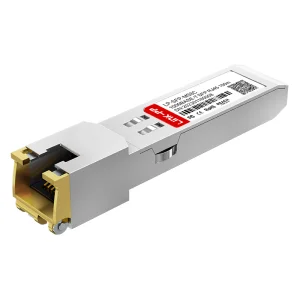
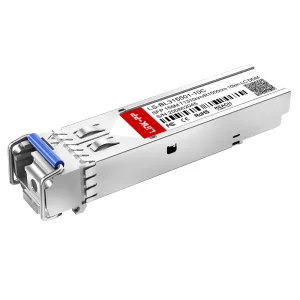
As enterprise networks expand and data centers migrate toward 400G and 800G optical architectures, the demand for highly reliable physical layer infrastructure becomes non-negotiable. FiberQ Photonics Technology Co., Ltd. (founded in 2015) has established itself as an authoritative manufacturer and global exporter of high-performance fiber optic transceivers, structured copper connectors, and advanced photonic communication components.
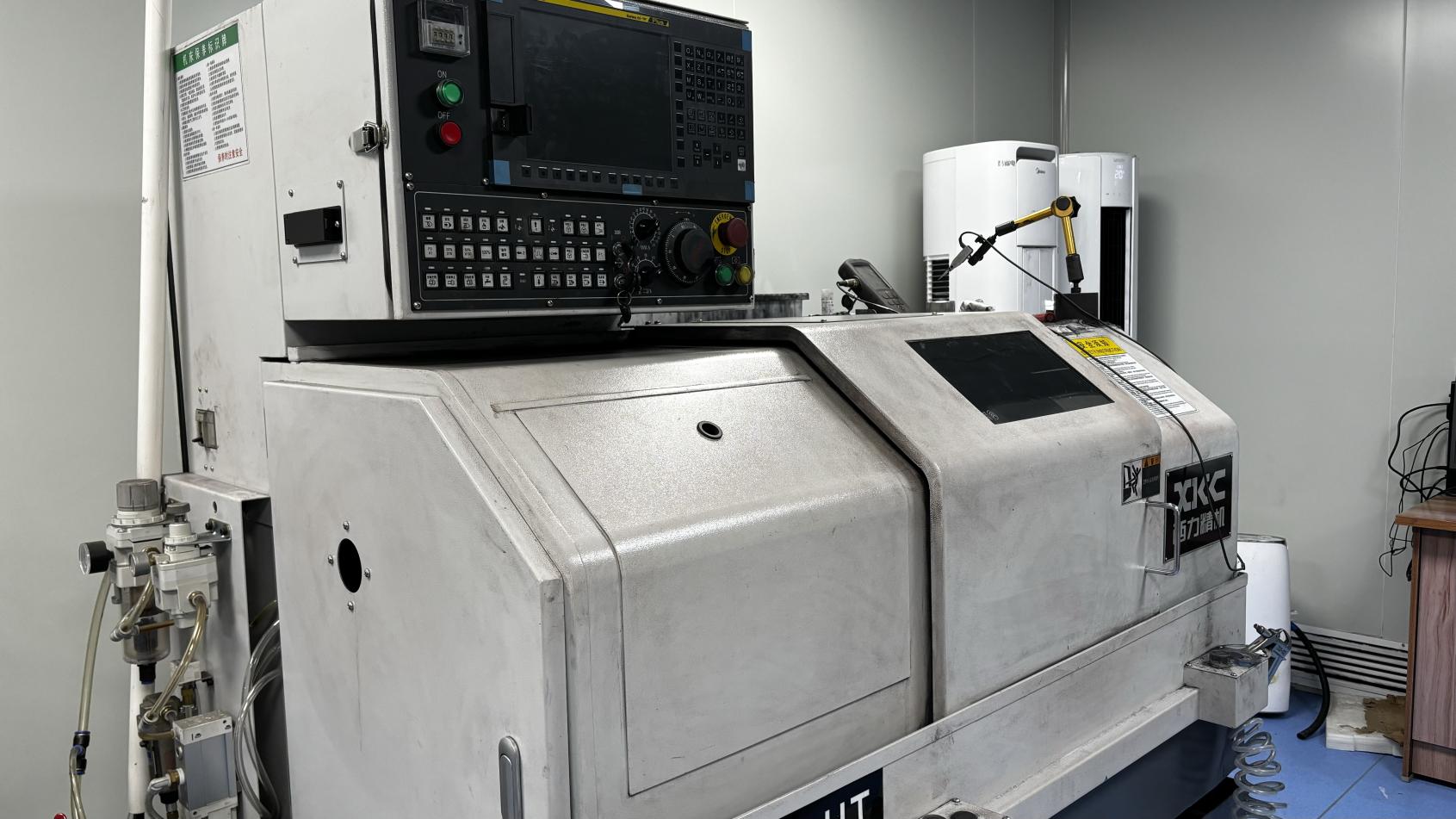
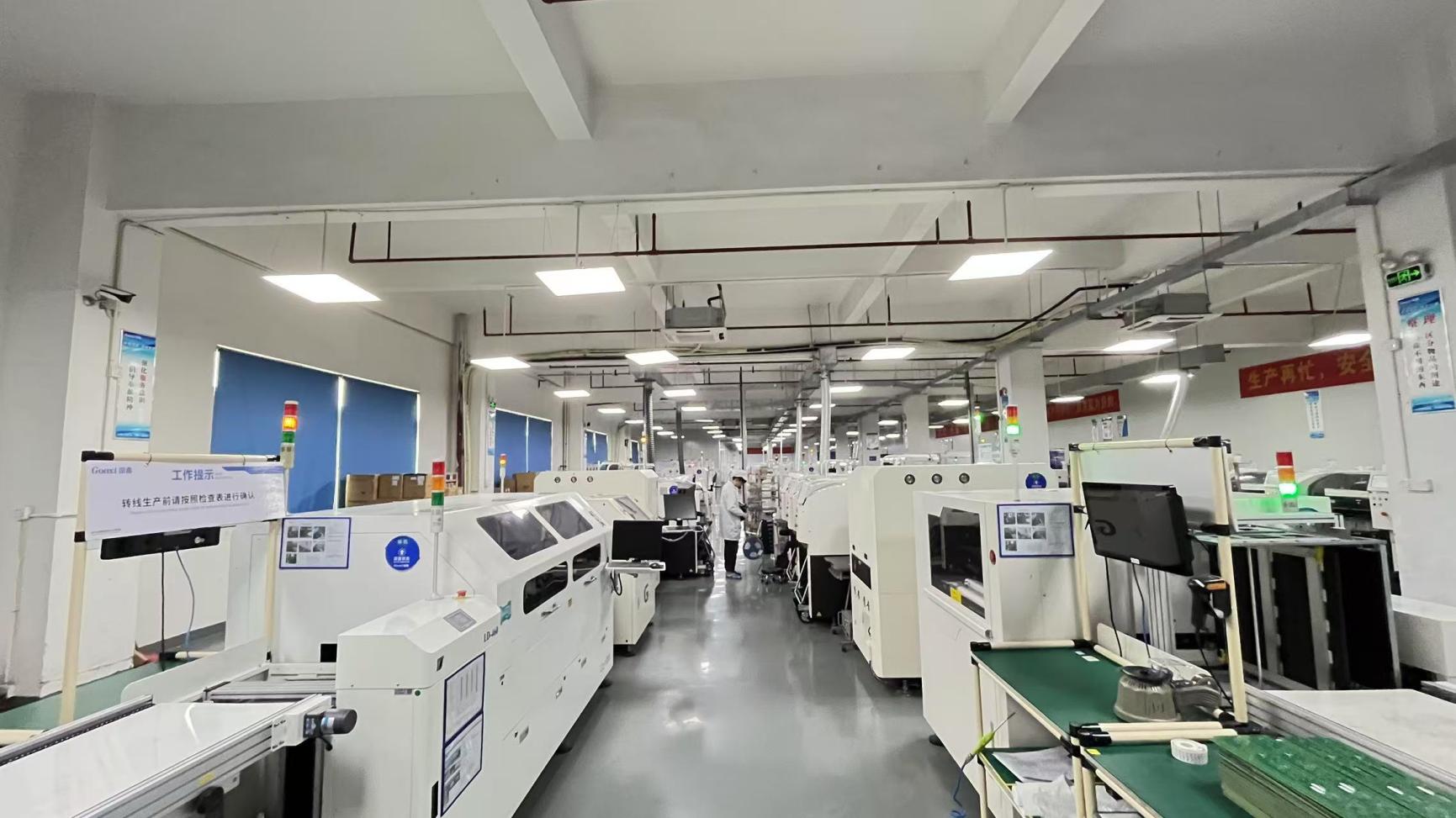
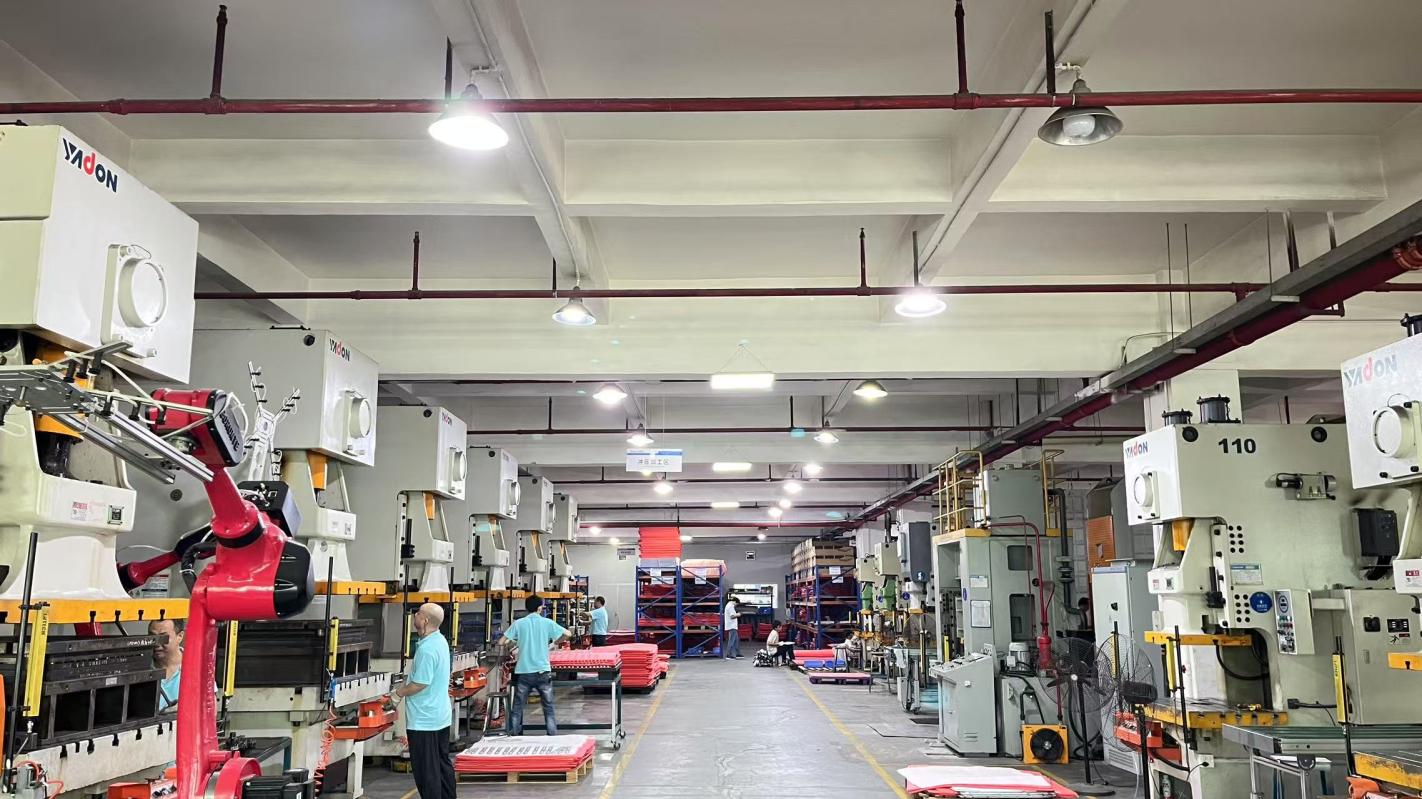
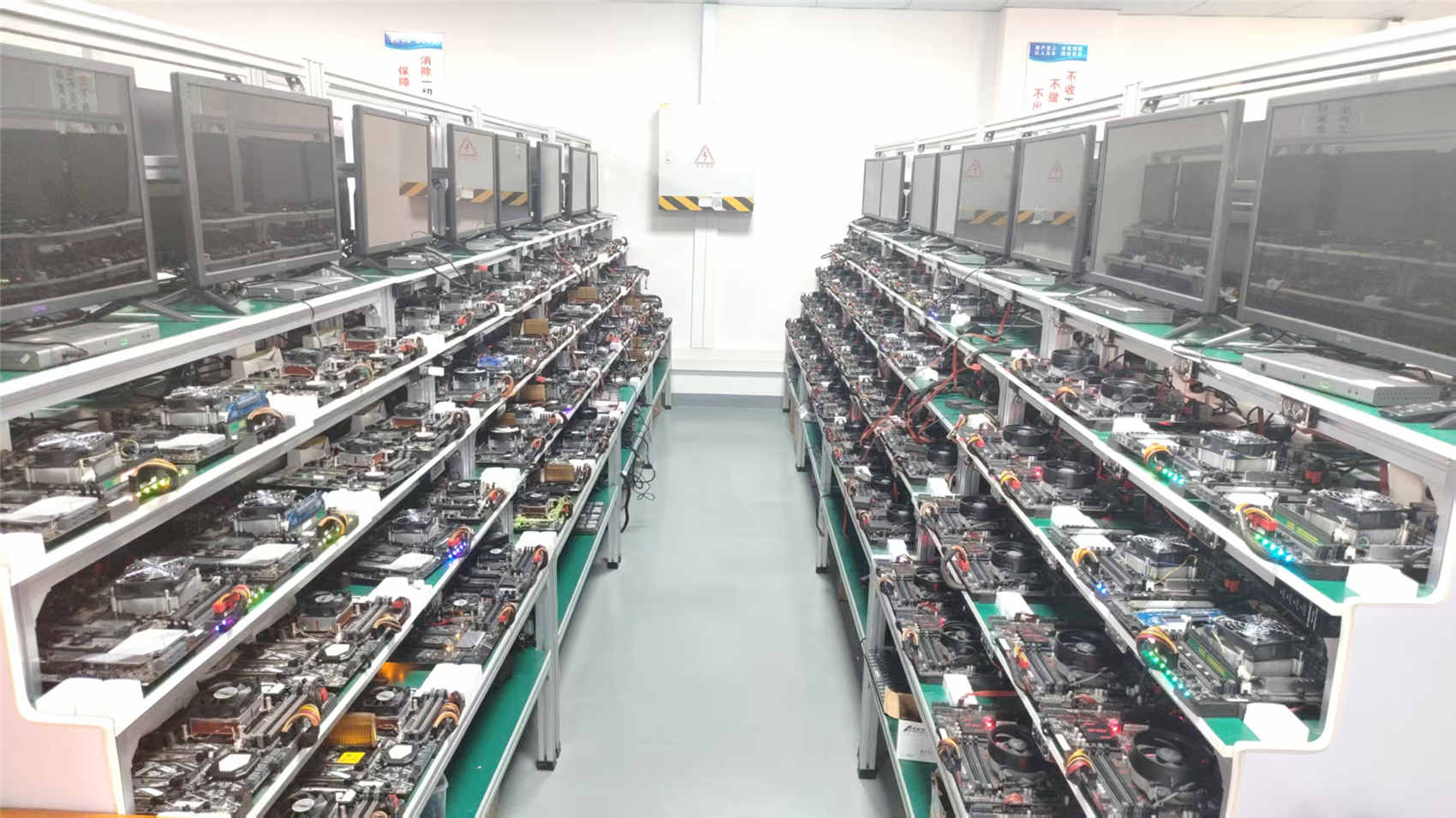
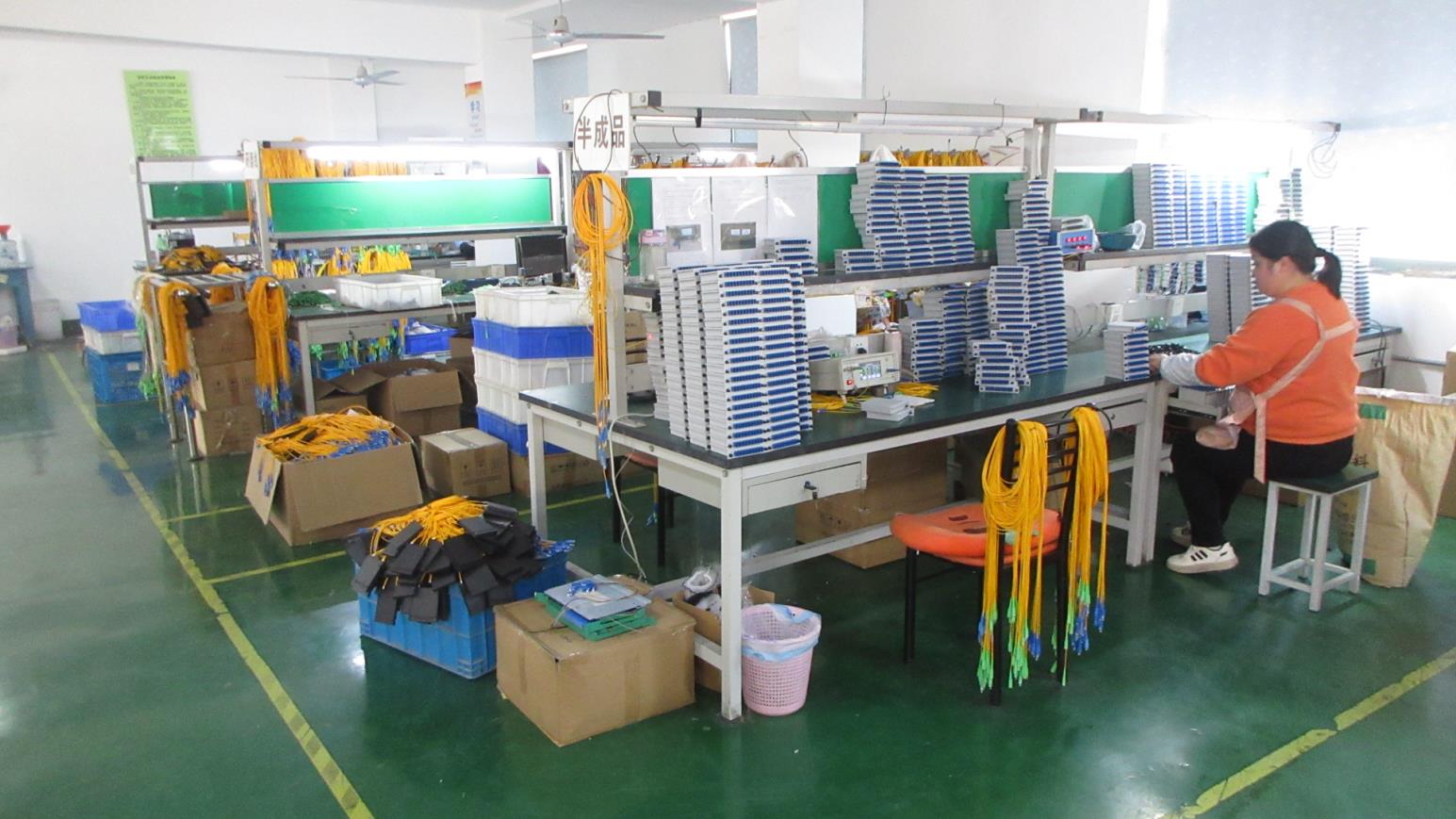
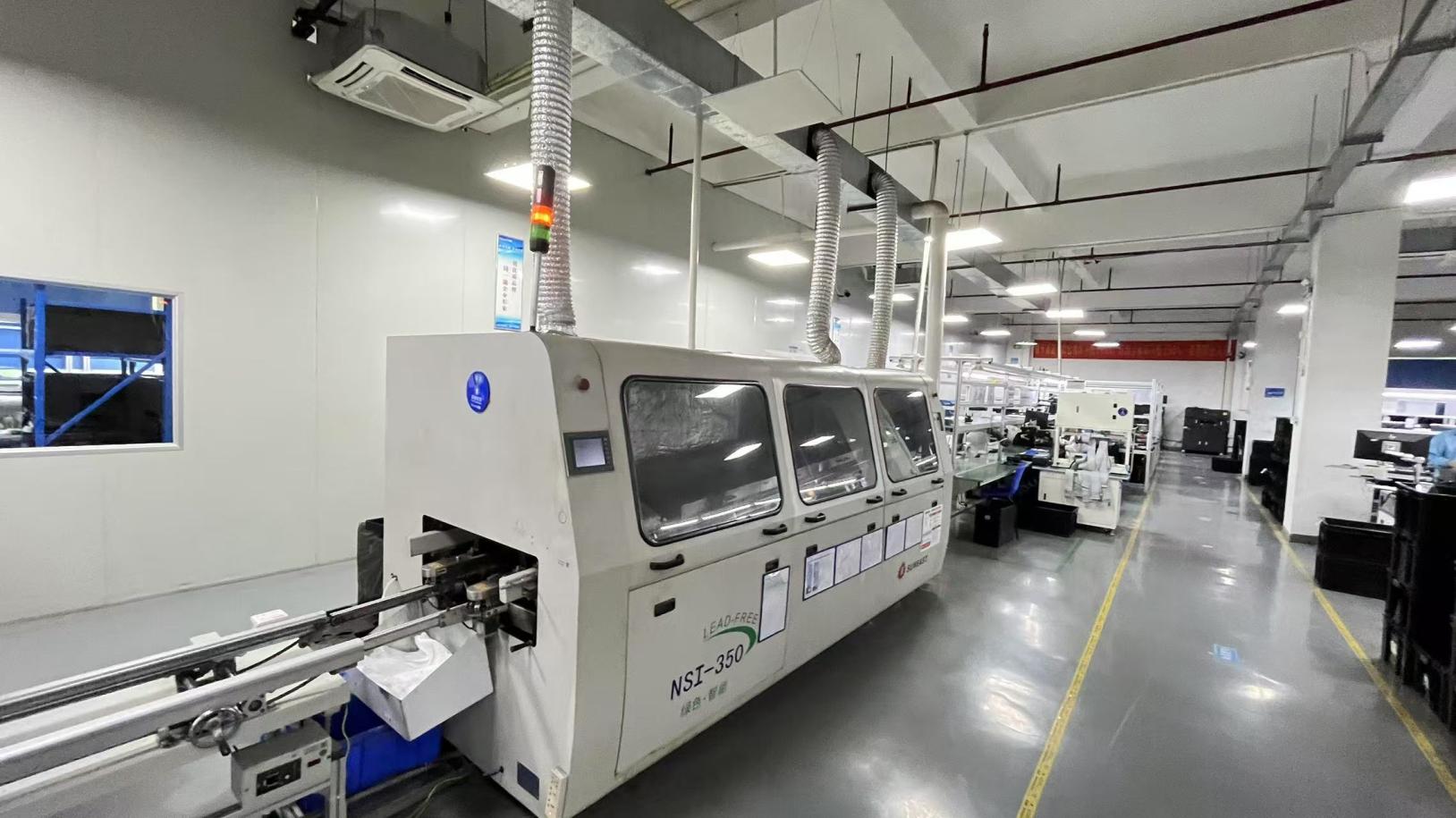
Operating a modernized, precision-engineered manufacturing facility covering approximately 12,600㎡, our infrastructure is designed to handle custom OEM and ODM requirements with high repeatable accuracy. By marrying strict automated validation with advanced material science, we ensure that every RJ45 extension cable assembly, magnetic modular jack, and optical transceiver meets the strict electrical and optical metrics demanded by international telecommunication standards.
Our robust presence across North America, Europe, Japan, and Southeast Asia reflects our commitment to bringing stable, low-latency, and CE-certified network components directly to network engineers and enterprise procurement directors worldwide.
Analyzing structural modifications, shielding efficacy, and high-frequency signal propagation inside modern copper networks.
In high-density server environments, spatial planning often demands physical offsets, making high-performance RJ45 extension cables crucial. However, introducing an extension link within a high-frequency channel (such as Cat6 or Cat6A operating up to 250 MHz and 500 MHz respectively) introduces a potential point of signal degradation. Near-End Crosstalk (NEXT), Far-End Crosstalk (FEXT), and Return Loss must be thoroughly mitigated through precision twist-ratio calculations, high-grade shielding, and impedance matching.
Historically, basic patch cords and couplers suffered from impedance mismatches at the mating interface, causing signal reflection and packet drop. Modern CE Certified RJ45 Extension Cable Factories utilize structural shielding designs—such as STP (Shielded Twisted Pair) or FTP (Foiled Twisted Pair)—using pure oxygen-free copper conductors. This structural evolution prevents electromagnetic interference (EMI) and radio frequency interference (RFI) from disrupting data integrity, even when routed adjacent to power lines or high-density network switches.
Furthermore, the integration of Power over Ethernet (PoE, PoE+, and PoE++ / IEEE 802.3bt) has shifted the technical specifications of RJ45 cables. Modern extensions must carry up to 90W of power, demanding thicker conductor gauges (such as 23 AWG or 24 AWG) and heat-resistant jackets (LSZH - Low Smoke Zero Halogen) to minimize heat buildup within cable bundles. Choosing a certified exporter like FiberQ Photonics ensures your cabling infrastructure is structurally capable of carrying both multi-gigabit data streams and heavy PoE currents without performance drops.
Incorporating dual-shielded aluminum foil (AL-Mylar) and dense tinned copper braiding to block high-frequency electromagnetic interference, ensuring clean eye diagrams and low packet error rates in electrically noisy environments.
Maintained at a strict 100 ohms (±15%) throughout the connector-to-cable transition. This prevents internal signal reflections and reduces Return Loss to meet Category 6 and 6A standards.
Engineered using high-purity solid copper cores to support up to 90W Power over Ethernet (IEEE 802.3bt). Heat generation is carefully managed using premium halogen-free insulation compounds.
Evaluating the E-E-A-T framework behind B2B procurement of infrastructure components.
For B2B procurement managers, network integrators, and telecom distributors, sourcing interconnect equipment requires verification of quality compliance. Standard raw materials will not suffice. Electrical infrastructure must hold recognized certifications like CE, FCC, RoHS, and REACH. The CE certification signifies that our RJ45 extension cables and optical modules comply with the essential health, safety, and environmental protection legislation of the European Economic Area.
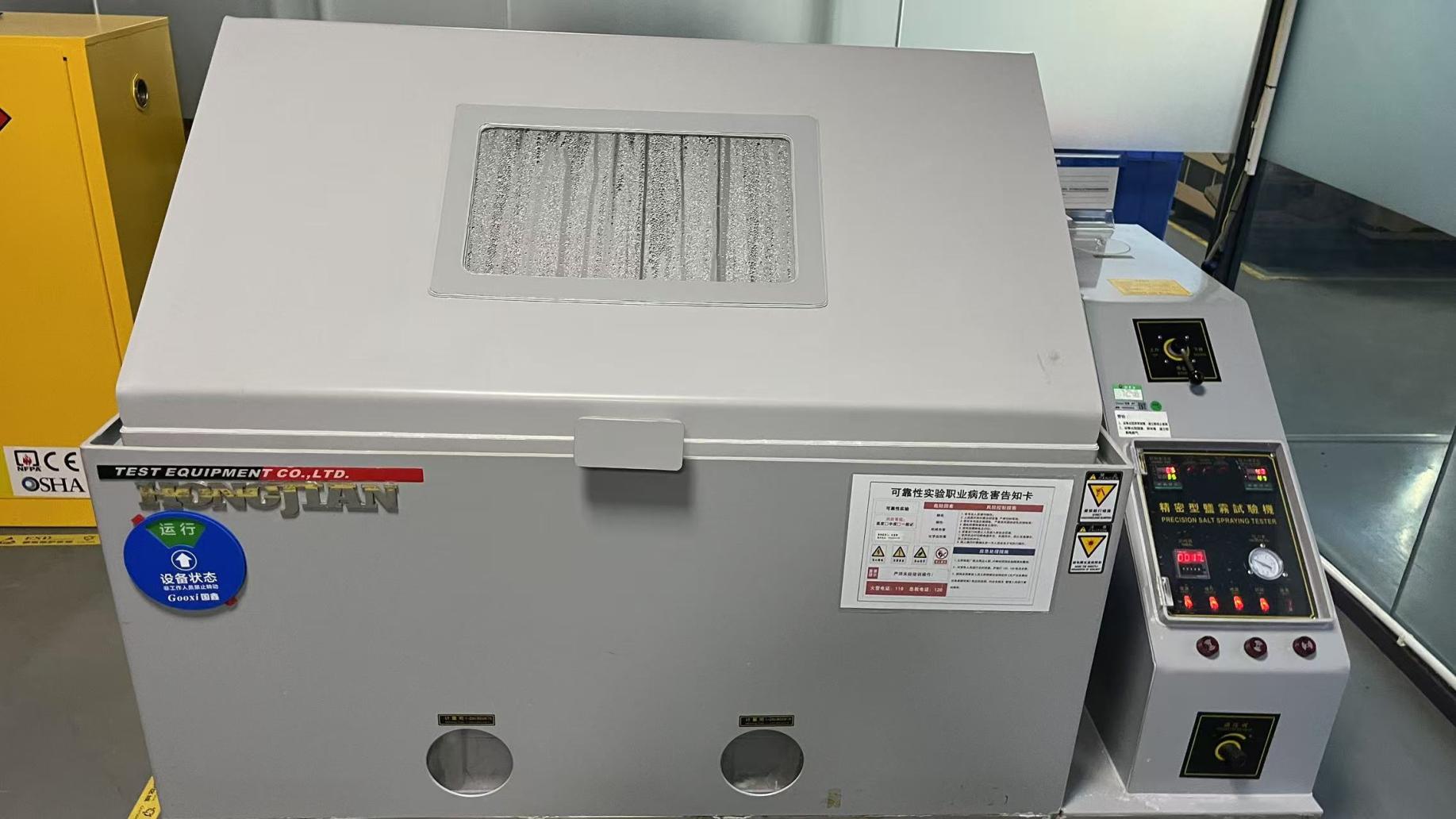
FiberQ Photonics ensures compliance through rigorous testing and robust supply chain integration. Collaborating with approximately 1,450 supply chain partners, we procure trace-verified raw materials, from high-grade phosphor bronze terminal pins to high-density polyethylene insulation. Our QA department, staffed by 62 dedicated quality inspectors, leverages automated optical testing, interferometric inspection, and environmental aging chambers to verify compliance before shipment.
Whether deploying high-speed network interfaces in North America or standardizing routing equipment in Japan, our global enterprise buyers receive standardized documentation and verified test reports with every shipment, ensuring simple customs clearance and field installation.
Bridging Copper and Fiber Technologies in Modern Hyperscale Datacenters.
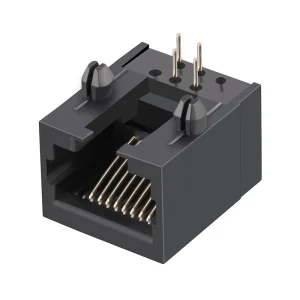
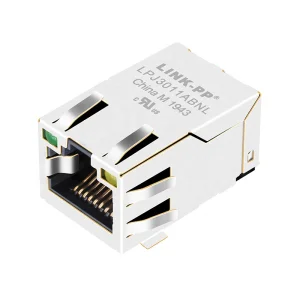
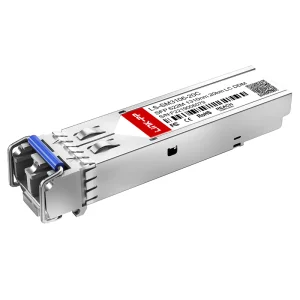
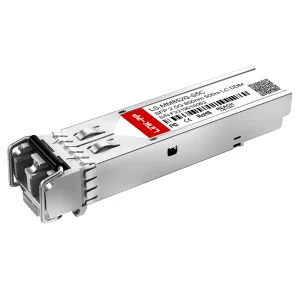
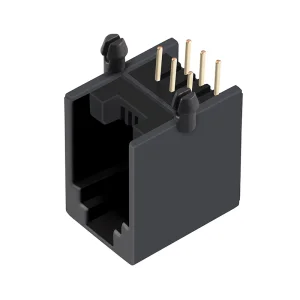
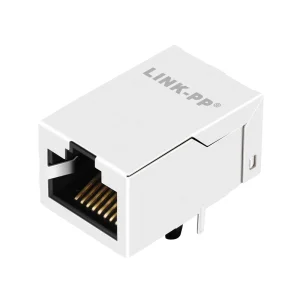
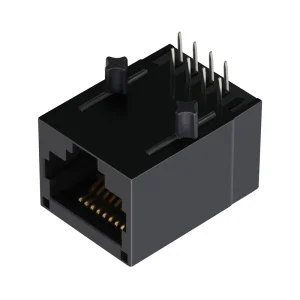
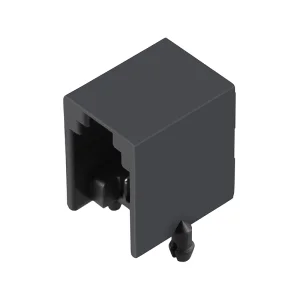
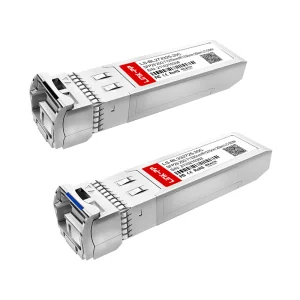
Modern data communications operate as a hybrid ecosystem where copper networks and fiber optics complement each other. While fiber transceivers (such as our 25G BiDi SFP28 or 622M Single Mode SFP) handle long-reach trunk links over kilometers, copper connections remain dominant for short-distance inter-rack patching, server-to-switch interfaces, and top-of-rack (ToR) switch designs. Our copper components, including modular RJ45 female connectors and HPE Aruba compatible copper SFP transceivers, enable seamless copper-to-fiber media conversion.
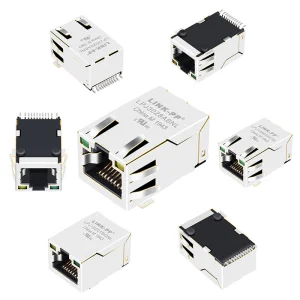
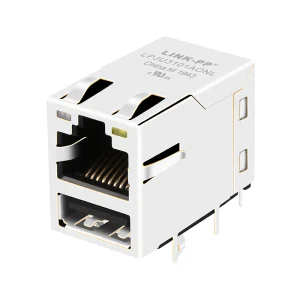
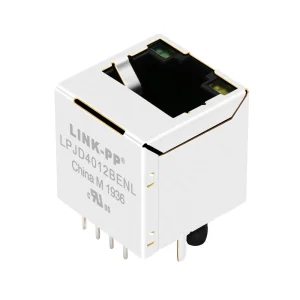
Integrating these systems requires precise alignment of bandwidth protocols and electrical matching. When extending local RJ45 connections, the physical contact resistance, latch durability, and magnetic isolation inside modular jacks must hold up under continuous workload stresses. By utilizing advanced engineering simulations, we optimize the layout of our magnetic RJ45 connectors to integrate common-mode filtering, safeguarding sensitive network controller ASICs from voltage surges and ground loop issues.
How our engineering team designs solutions to resolve tomorrow's bandwidth bottlenecks.
With an active development pipeline led by 240 R&D engineers, FiberQ Photonics consistently updates its solutions matrix. Over the past fiscal year alone, our engineering team launched approximately 180 new products. Key development domains include:
Furthermore, our customizable structural options allow for tailor-made lengths, custom pin configurations, and specialized jacket material compounds. By maintaining complete control over mechanical design, board-level layout, and final assembly, we shorten development cycles. This allows our OEM and ODM clients to bring customized interconnect products to market quickly, backed by certifications that guarantee long-term field stability.
Our commitment to continuous innovation is coupled with an environmental mandate. We actively reduce plastic usage in our packaging, source lead-free soldering components, and optimize our assembly line energy consumption to help our global clients achieve their corporate sustainability goals.
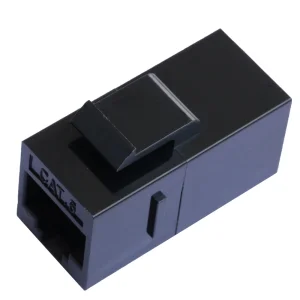
Explore our field-proven network connectors, unshielded modular jacks, and high-frequency keystones built for high scalability.
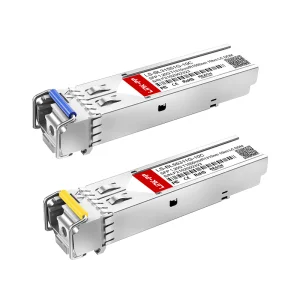
How we achieve reliability and performance across copper and optical product classes.
At FiberQ Photonics, our quality control strategy operates on a zero-defect principle. We understand that a single faulty network link can cause costly downtime in cloud and enterprise networks. To maintain reliability across our entire product range, we employ a multi-layered testing regimen:
This systematic testing is implemented by our team of 62 QC inspectors, ensuring that every shipped item matches the physical and electrical specifications stated on its datasheet. This level of quality verification is why leading network system integrators and telecommunication providers trust us as a long-term supply partner.
Direct, engineering-focused answers to the questions global B2B procurement professionals ask.
Take a visual tour inside FiberQ Photonics' modernized manufacturing and testing floor.