FiberQ
FiberQ
FiberQ
Engineered for signal integrity, EMI suppression, and absolute standards compatibility in telecom and enterprise networks.
In high-speed physical layers, networking infrastructure relies on mechanical reliability and electro-magnetic compatibility. The standard 8P8C (Eight Position Eight Contact) system, commonly termed the RJ45 interface, serves as the bottleneck or baseline for data transmissions up to 10G Base-T and PoE++ applications. For network equipment designers, system integrators, and global procurers, ensuring components are CE Certified is not simply a legal requirement for entering the European Economic Area (EEA); it is a metric of mechanical integrity and signal compliance.
Choosing compatible RJ45 solutions from certified suppliers ensures compliance across multiple vectors:
When sourcing from compatible suppliers in China, look beyond mechanical fit. The standard electrical compatibility matrix requires strict control over contact resistance (max 20 mΩ), insulation resistance (min 500 MΩ at 500V DC), and return loss profiles up to 250 MHz for Gigabit systems and 500 MHz for 10G networks. Superior factories design internal magnetic windings (MagJacks) with precision common-mode chokes to suppress electromagnetic interference (EMI) without degrading high-frequency signal packets.
Why global telecom leaders consolidate their OEM/ODM operations within the Yangtze River Delta and Pearl River Delta hubs.
Chinese suppliers maintain direct alignment with core component manufacturers. From high-grade phosphor bronze stamping to precision injection molding of polymer housings, the entire workflow is centralized, reducing production cycles.
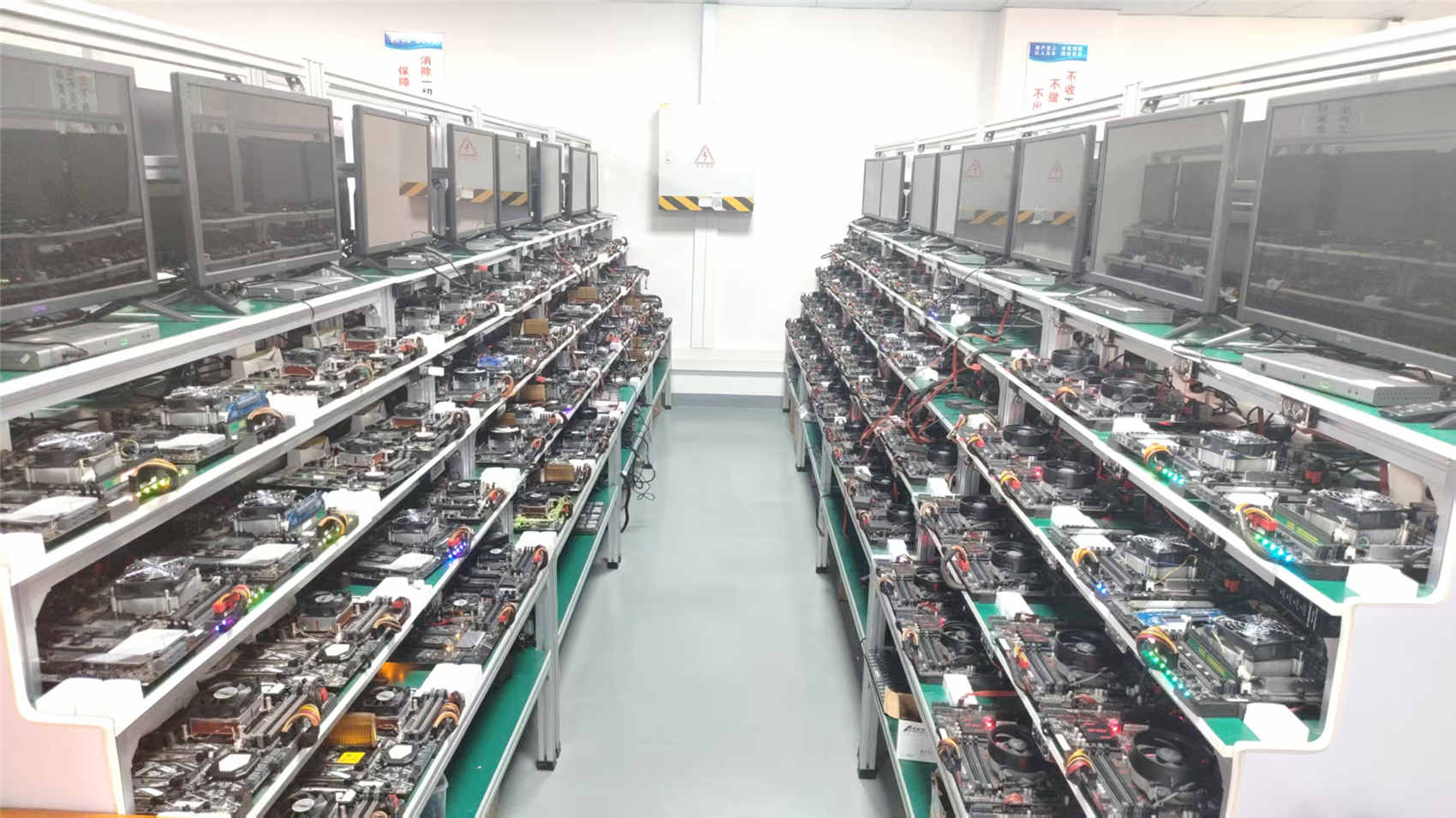
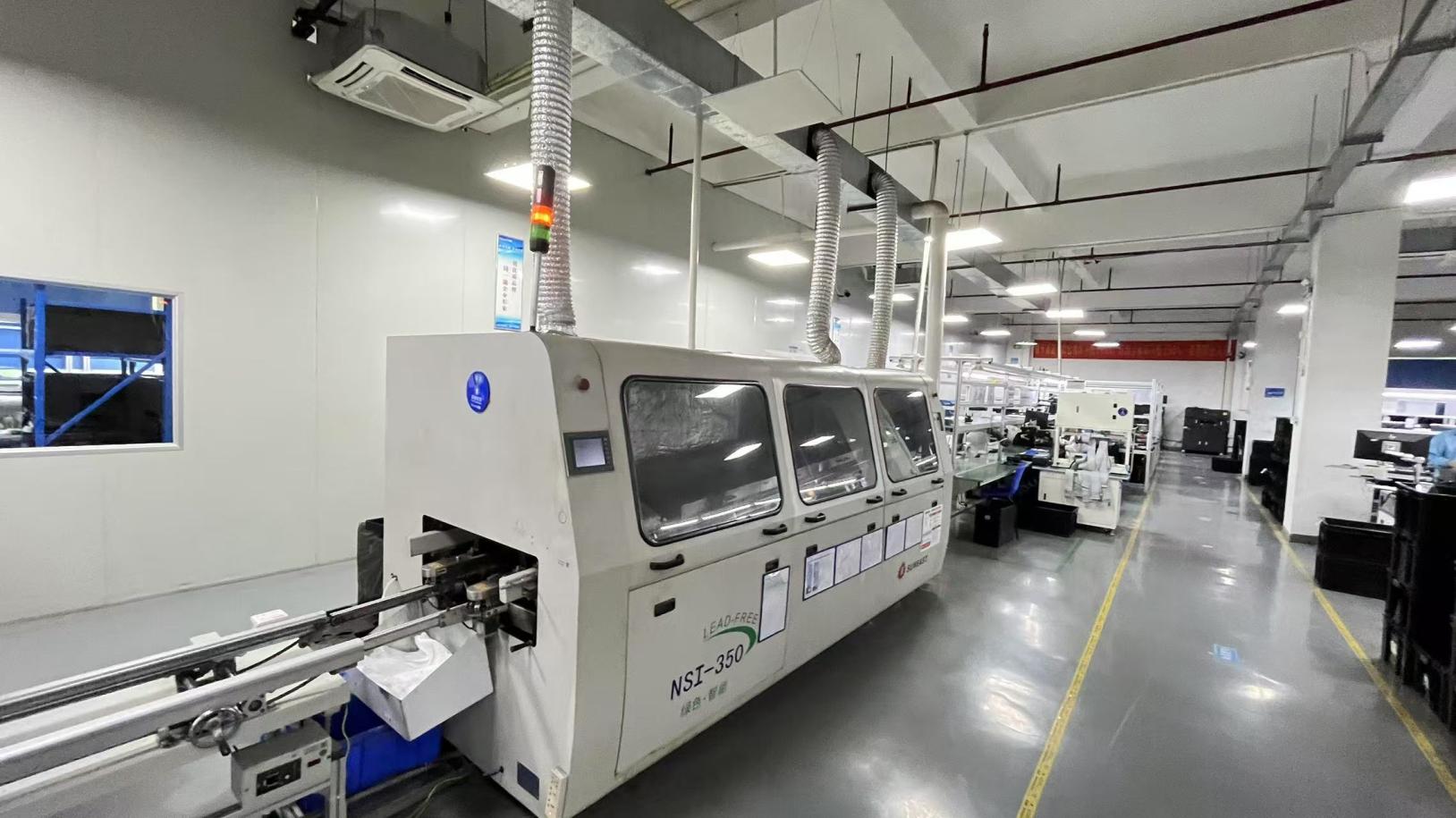
Top-tier factories deploy fully automated winding, assembly, and testing systems. Optical detection systems verify pin alignments with micron precision, ensuring zero-defect targets before shipping.
Chinese manufacturers rapidly configure custom footprints, LED indicator colors, shield grounding tab setups, and specialized pin styles (SMT vs. Through-Hole) to support specialized PCB layouts.
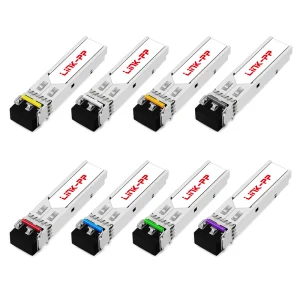
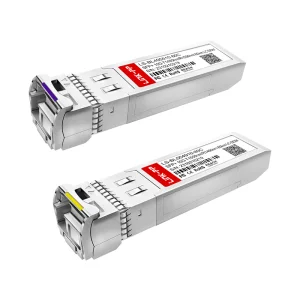
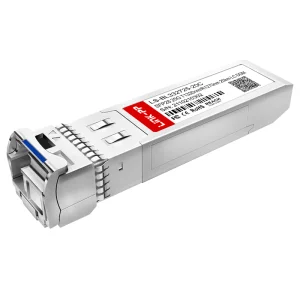
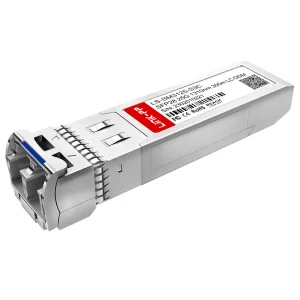
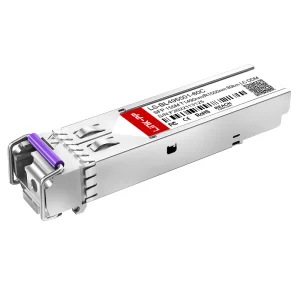
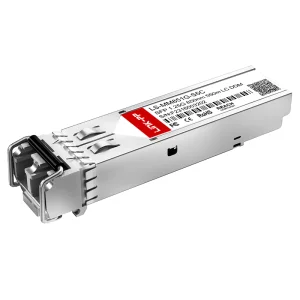
As server and storage processing speeds scale upwards, standard networking frameworks face challenges. While fiber-optic cabling (utilizing SFP28, QSFP, and optical transceivers) serves as the primary medium for long-haul networks and backplane data transfers, copper-based Ethernet remains essential for edge connectivity. Modern network nodes deploy a hybrid configuration: SFP cages with integrated copper connectors bridging high-frequency optical signals to copper physical layers (PHYs).
Key development paths in this domain include:
Understanding how physical-layer interfaces fit into enterprise network designs.
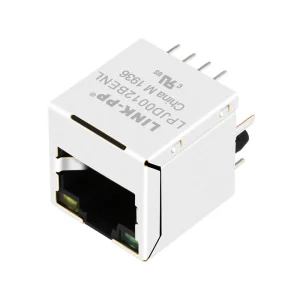
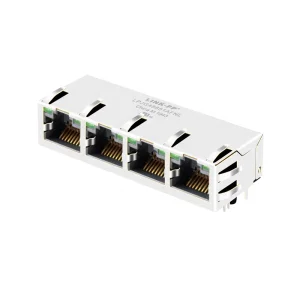
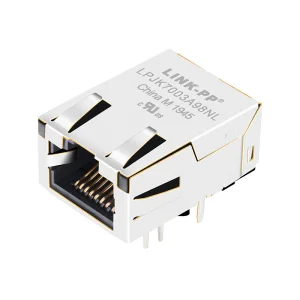
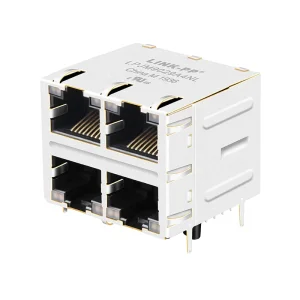
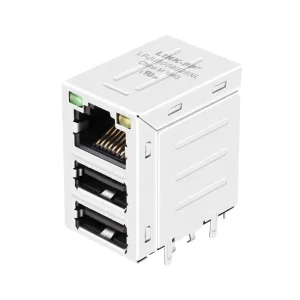
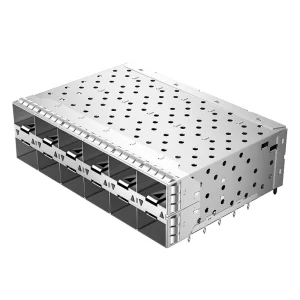
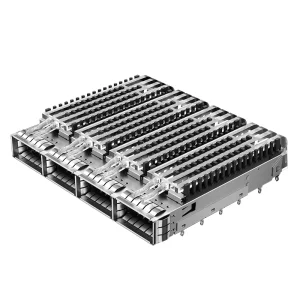
Using high-density multi-port RJ45 modular jacks (2x2, 2x6, or stacked structures) alongside SFP+ cages. The SFP interface manages high-speed switches, while shielded RJ45 modules provide out-of-band management console links.
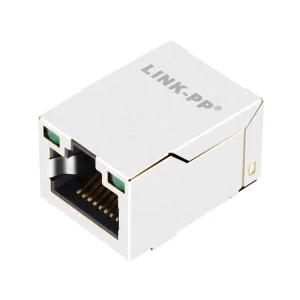
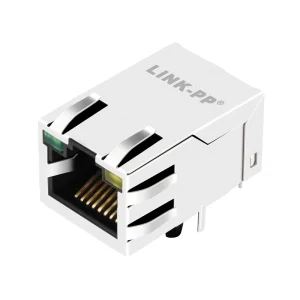
For smart factories, factory floors produce heavy EMI from motors and machinery. Implementing shielded, right-angle, tab-up RJ45 connectors with integrated LEDs ensures system integrators maintain connection integrity and local status visibility.
Deploying CE-compliant interfaces inside broadband terminal nodes and baseband units. Compatibility with global specifications ensures modular field-swaps, minimizing downtime and maintaining service agreements.
FiberQ Photonics Technology Co., Ltd. is a professional manufacturer specializing in high-performance fiber optic transceivers and advanced photonic communication solutions for data centers, telecom networks, and high-speed interconnect applications. Founded in 2015, the company has grown into a trusted global supplier with strong engineering and export capabilities.
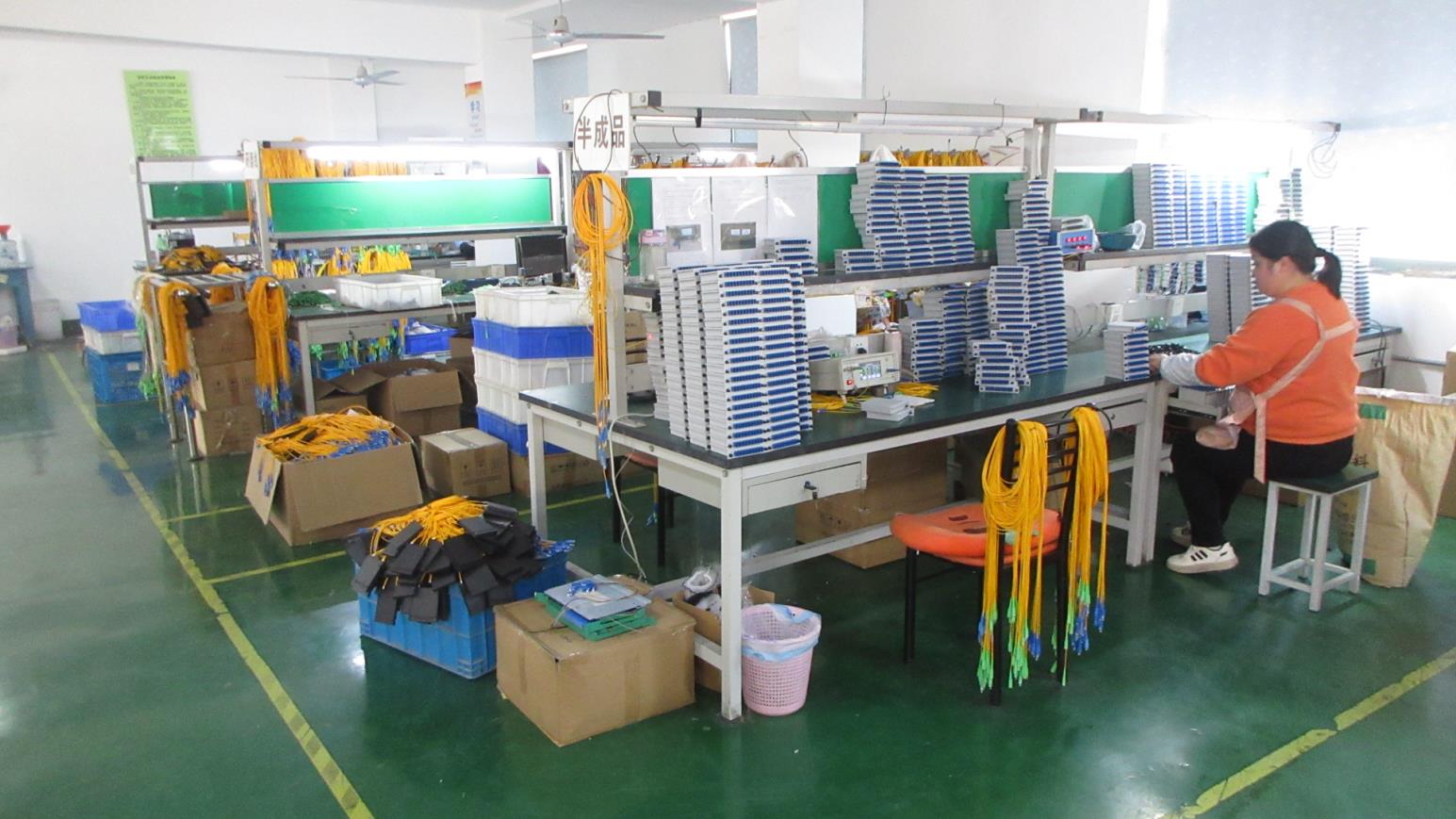
The company operates a modern production facility covering approximately 12,600㎡, enabling scalable manufacturing, precision assembly, and strict quality control processes. With annual export revenue reaching around USD 9.5 million, FiberQ has accumulated 6 years of export experience and 12 years of industry expertise in optical communication technologies.
Quality assurance is ensured through a combination of automated optical performance testing, interferometric inspection, high-temperature aging tests, and manual quality checks. The quality control team consists of 62 experienced inspectors dedicated to maintaining product reliability and compliance with international standards. FiberQ maintains a strong trade background focused on OEM and ODM partnerships. Its primary markets include North America, Europe, Japan, and Southeast Asia, serving telecom operators, cloud service providers, and enterprise network integrators.
The company collaborates with approximately 1,450 supply chain partners to ensure stable procurement of core components and efficient production scheduling. With strong R&D capabilities, FiberQ supports advanced customization including protocol compatibility (100G/200G/400G/800G), wavelength engineering, thermal optimization, and form-factor adaptation. The company employs around 240 R&D engineers focused on optical design, signal integrity, and high-speed hardware development. In the past year, FiberQ launched approximately 180 new products, reflecting its continuous innovation in next-generation optical communication solutions.
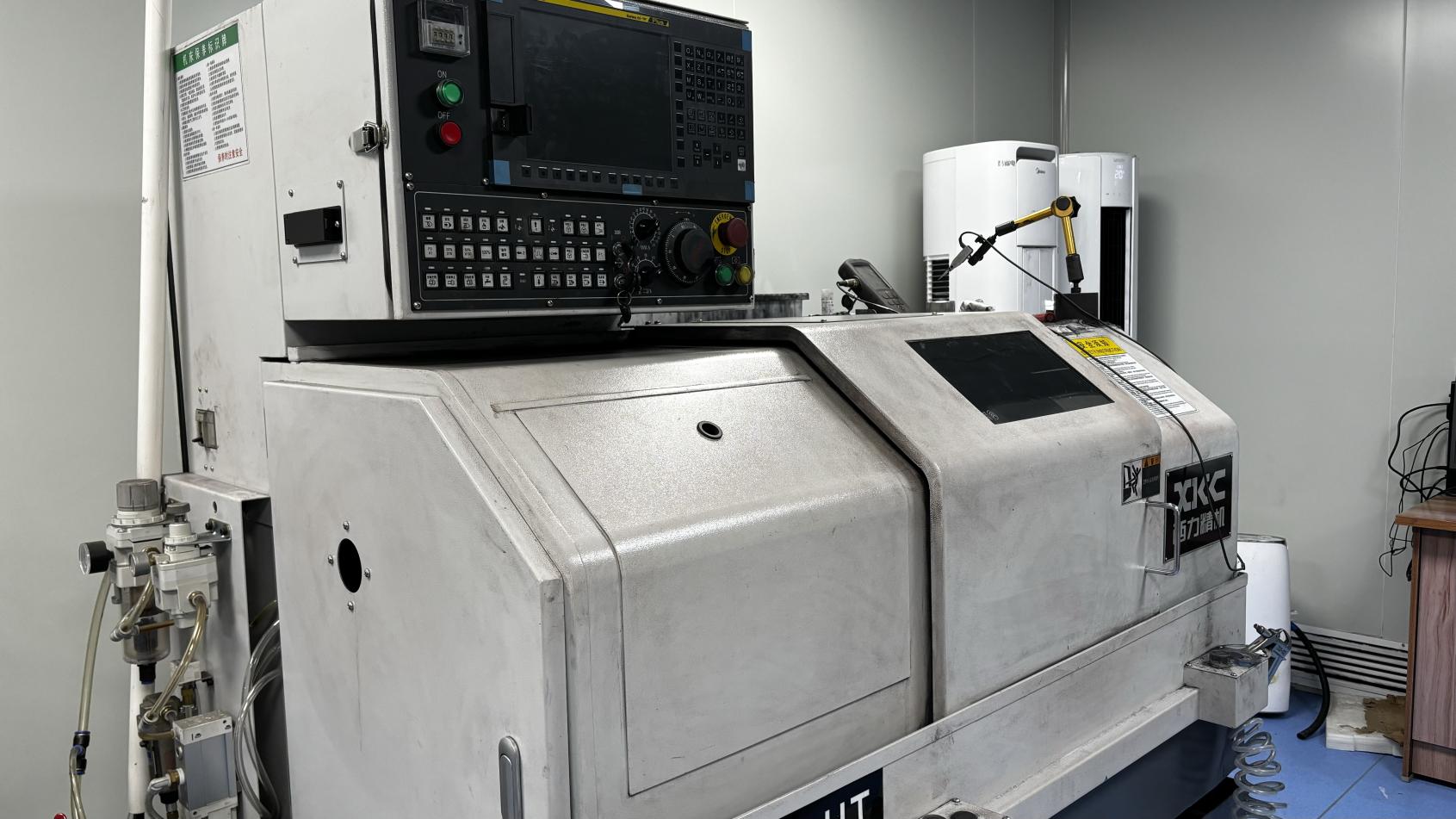
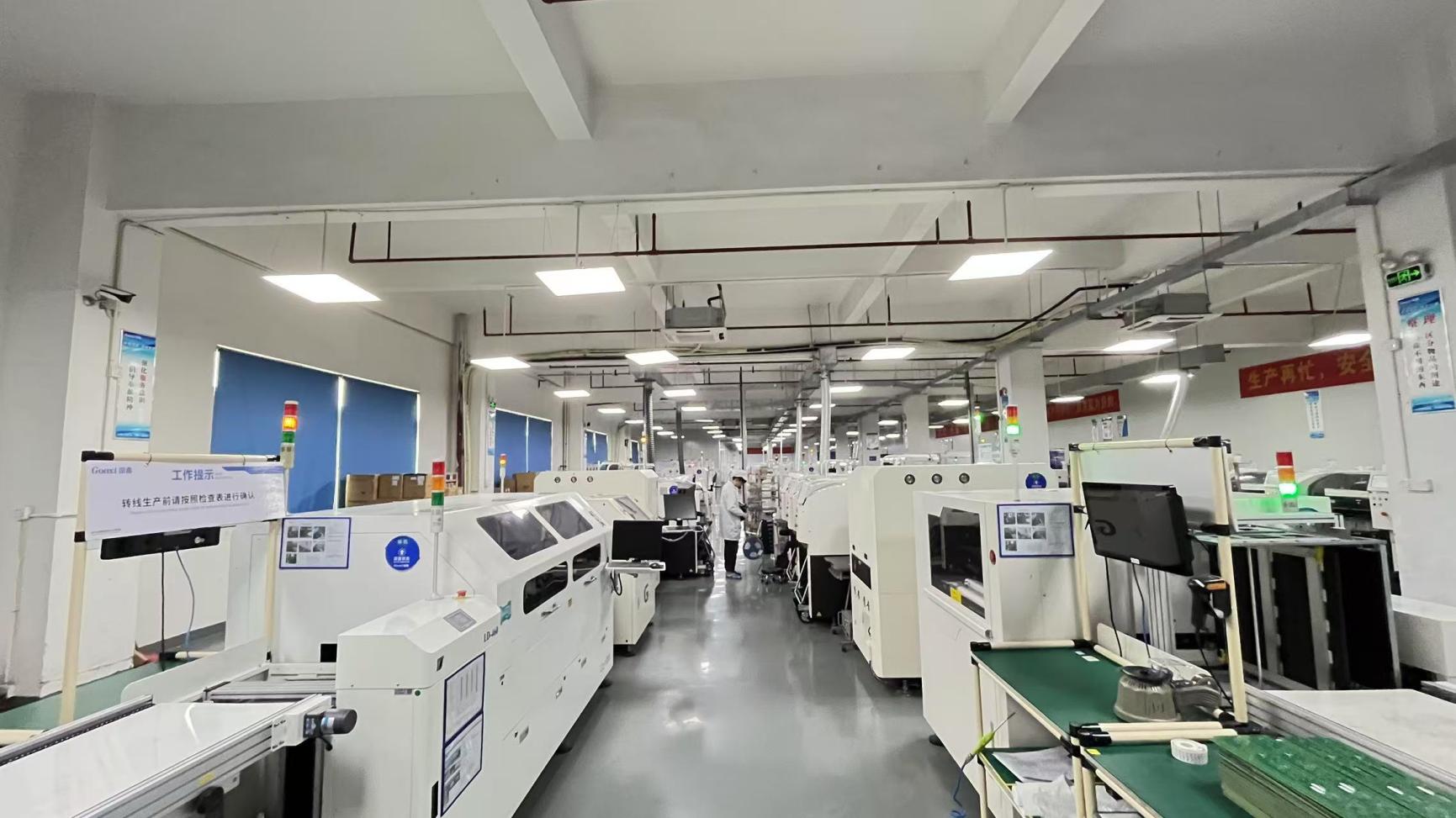
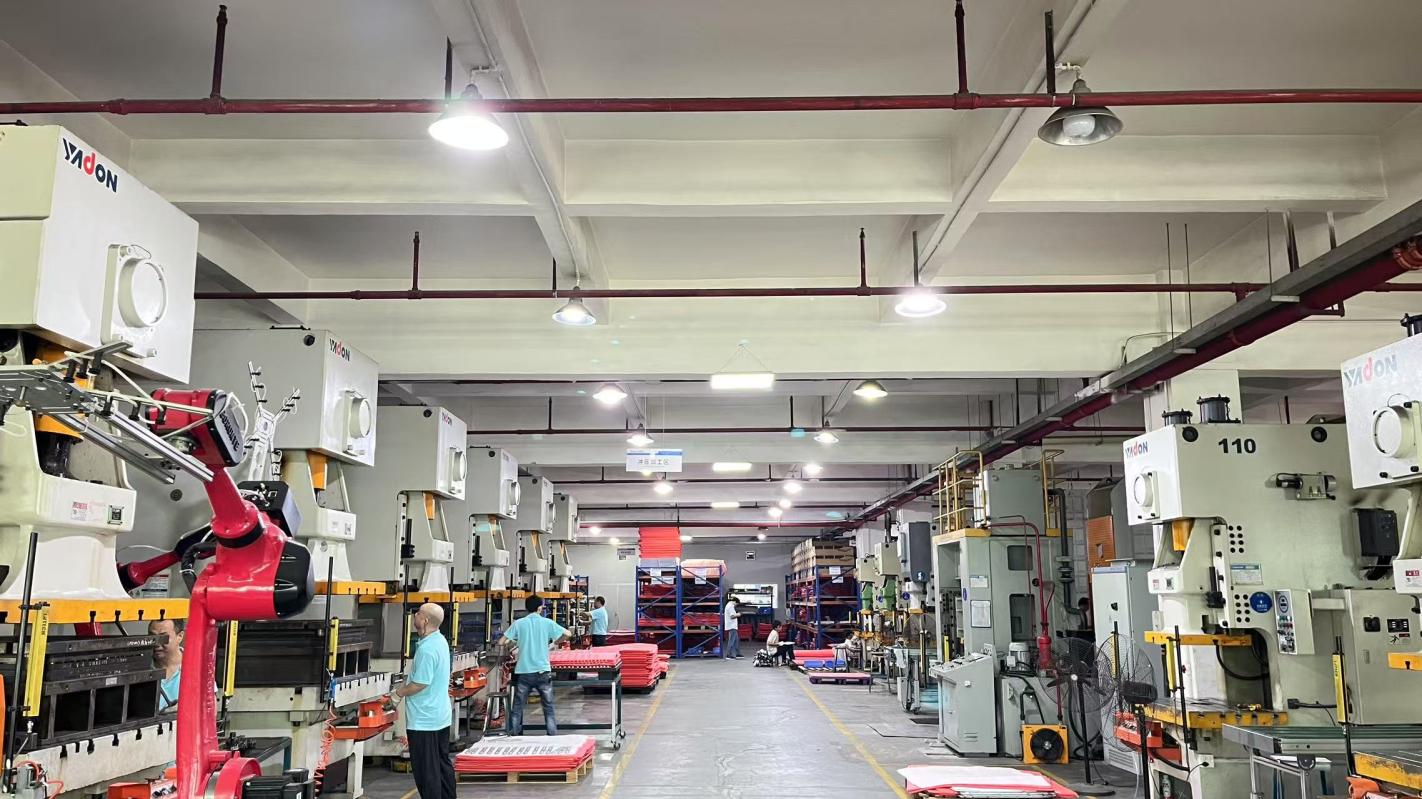
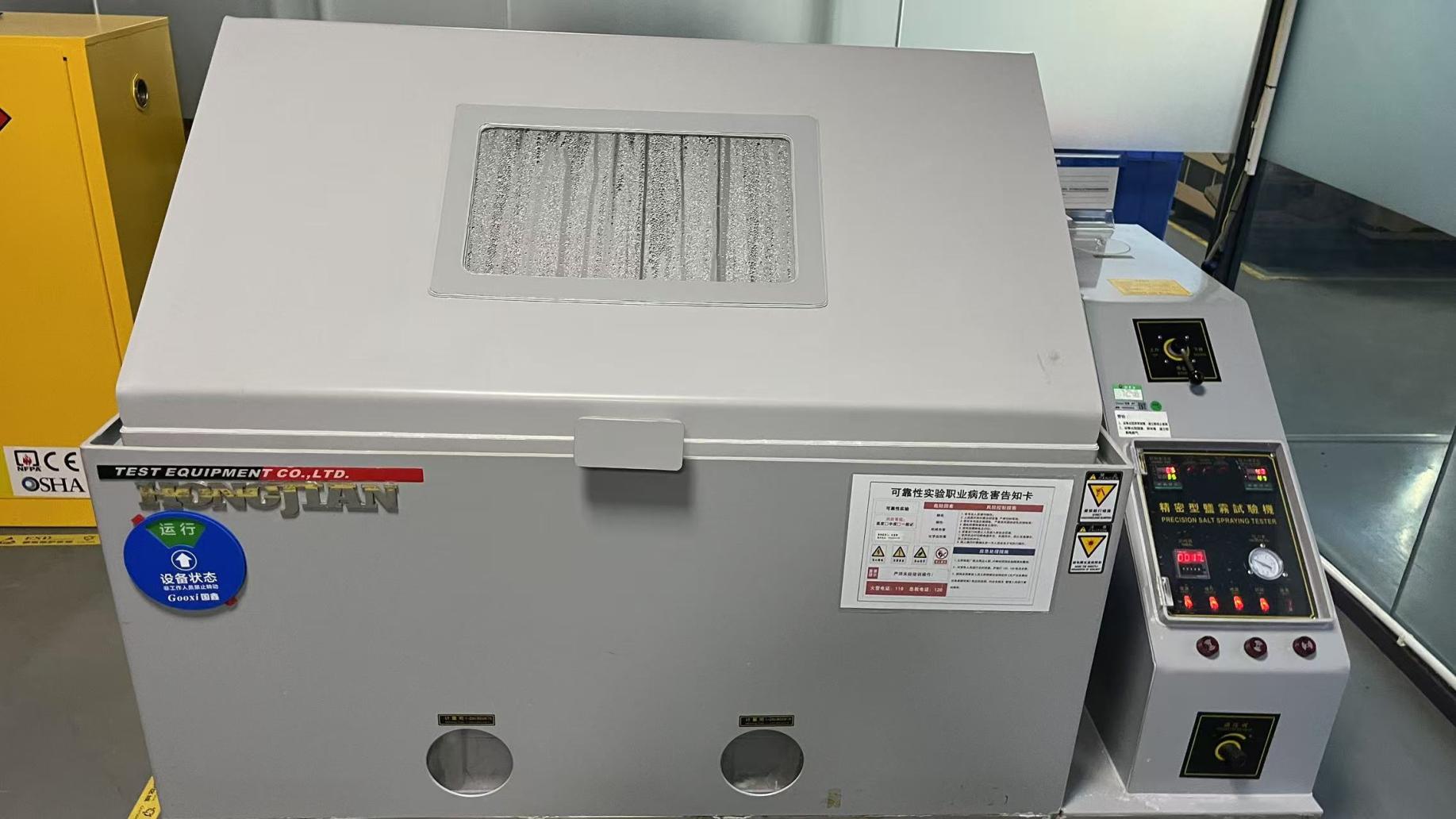
When procurement managers negotiate supply contracts with Chinese factories, they must establish objective criteria to verify claims. The standard checklist for industrial RJ45 connectors includes:
Verify gold plating thickness on contacts via X-ray fluorescence (XRF) inspection. For high-reliability telecommunications networks, 50 micro-inches (μ") of gold over nickel is recommended to prevent oxidation. Lower-grade connectors (e.g., flash gold or 15μ") may show increased contact resistance within 12 to 18 months, leading to packet loss.
Ensure suppliers provide comprehensive documentation for RoHS (Restriction of Hazardous Substances) and REACH compliance. These certificates must confirm that the plastics, solders, and plating materials do not contain hazardous levels of lead, cadmium, mercury, or polybrominated biphenyls.
For surface-mount technology (SMT) or through-hole reflow (THR) applications, coplanarity is a critical parameter. Pin coplanarity must remain within 0.1mm (0.004 inches) to ensure that every terminal makes contact with the PCB solder pad during the reflow phase, reducing post-soldering failures.
Answers to common engineering and regulatory questions regarding RJ45 and SFP compatibility.
Explore our full line of compatible vertical entries, SMT jacks, and SFP28 high-speed transceivers.