FiberQ
FiberQ
FiberQ
Pre-engineered for Czech Republic's high-reliability telecommunication networks and precision machinery
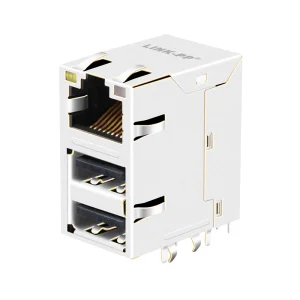
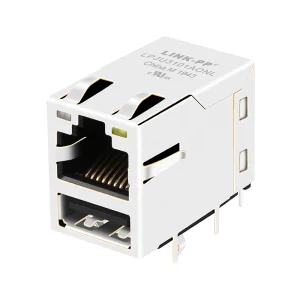
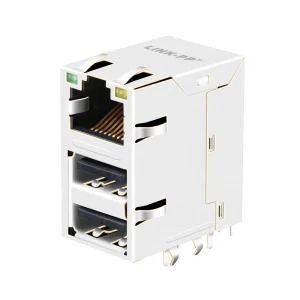
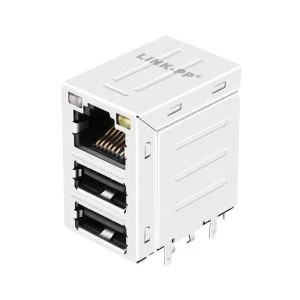
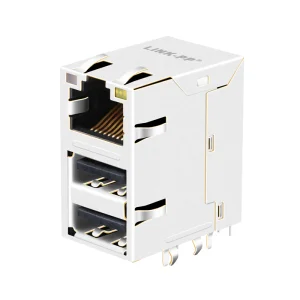
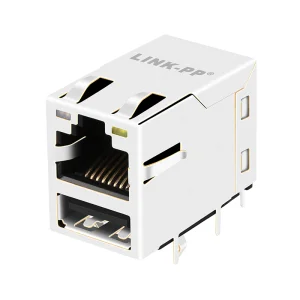
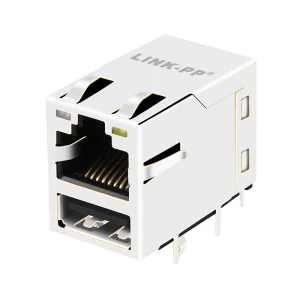
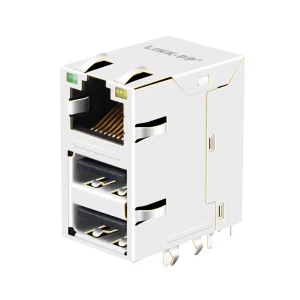
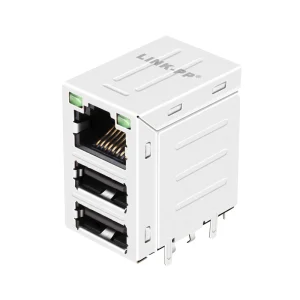
In the rapidly advancing landscape of industrial computing, telecom architecture, and embedded electronics, physical space on printed circuit boards (PCBs) is increasingly at a premium. Hardware engineers frequently confront the challenge of delivering both high-speed network connectivity (via RJ45 interfaces) and versatile peripheral interfacing (via USB protocols) within restricted cabinet enclosures or low-profile chassis. The development of the integrated RJ45 Connector with USB Combo represents a major milestone in high-density PCB engineering. By vertically or horizontally stacking these disparate signal lines into a single, shielded component housing, engineers achieve up to a 50% reduction in board real estate compared to discrete interface installations.
This whitepaper addresses the mechanical, electrical, and thermal paradigms associated with deploying stacked RJ45 and USB connectors, with a specific focus on the industrial demands of the Central European manufacturing corridor, led by the Czech Republic.
Unlike separate components, combining Gigabit Ethernet signaling (operating at high carrier frequencies) and USB 3.0 SuperSpeed data lines (running at 5 Gbps with transmission frequencies up to 2.5 GHz) in close proximity introduces risk of electromagnetic interference (EMI) and near-end crosstalk (NEXT). Our design engineers employ advanced inner-shield partitions—specifically, a solid nickel-plated copper alloy divider—to mechanically and electromagnetically isolate the RJ45 magnetic transformer from the adjacent USB contact lines. This reduces cross-coupling by more than 15dB compared to generic unshielded alternatives.
The Czech Republic is a powerhouse of European industrial production, driven by a dense network of automotive factories, machinery plants, and advanced logistics hubs across regions like Central Bohemia, Moravia-Silesia, and the Prague metropolitan area. The nation's formal adoption of "Průmysl 4.0" (Industry 4.0) protocols has accelerated the deployment of smart systems, distributed control systems (DCS), and edge computing units on factory floors.
Our connectors are optimized for local environmental and system integration requirements:
| Standard Voltage Isolation | 1500 Vrms (IEC 60603-7) |
| Vibration Tolerance | 10-500Hz (MIL-STD-202G) |
| Operating Temp Range | -40°C to +85°C (Industrial Grade) |
| Compliance | CE, RoHS, REACH, ČSN EN Standards |
On a global scale, the demand for dual-purpose interface ports has risen alongside the growth of edge AI computing and 5G small cell deployments. Network equipment providers are consolidating their physical layouts. While optical fiber handles long-haul backplane data transmission (often requiring specialized transceivers), copper interfaces remain the standard for local diagnostic loops, power delivery (PoE), and user-end pluggability.
The integrated RJ45 + USB module bridges this gap by offering a hardwired Ethernet interface alongside universal serial bus power and communication lines. As factories globally transition from legacy serial fieldbuses to industrial Ethernet (EtherCAT, PROFINET, Modbus TCP), these combo connectors serve as the primary physical access port for system programmers, maintenance staff, and automated sensor arrays.
Developing an integrated RJ45 with USB connector requires careful layout planning of the internal contact leads. The USB 3.0 differential pairs (TX+/TX- and RX+/RX-) require a tightly controlled differential impedance of 90Ω ± 10%, while the RJ45 twisted pair copper channels require a 100Ω ± 15% differential impedance.
Without strict layout geometry, the proximity of these traces within the plastic housing can lead to impedance discontinuity, resulting in signal reflections and increased return loss. Our design utilizes automated 3D electromagnetic field solvers to optimize the layout of PCB footprints, pin patterns, and internal lead frames. This keeps crosstalk between the USB and RJ45 circuits below -40dB at frequencies up to 250 MHz.
For industrial applications, basic mechanical RJ45 sockets are insufficient. The RJ45 portion of our combo connectors is equipped with built-in magnetic modules (transformers and common-mode chokes). This integrated design serves multiple purposes:
With USB ports increasingly used for power delivery (up to 2.1A for USB charging configurations), thermal management becomes critical. High-current power lines generate heat within the plastic connector body. Because our connector utilizes liquid crystal polymer (LCP) and high-grade nylon housing materials, it can withstand continuous operation at +85°C without deformation or signal degradation, meeting the requirements of compact, sealed enclosure systems.
| Connector Type / Series | Ethernet Class | USB Port Configuration | Shielding Type | Primary Industrial Use Case |
|---|---|---|---|---|
| RJSE1Z / RJSE4A Series | CAT6 (10G/1000Base-T) | Dual USB 3.0 Stacked | Full Shielded with EMI Tabs | Embedded PC Panels & HMI interfaces |
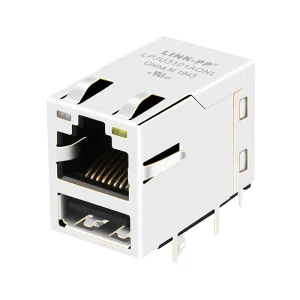
| C892 / C893 Series | Gigabit (10/100/1000Base-T) | Single USB 2.0 / 3.0 | Shielded without LEDs option | PLC Controllers & Diagnostic Modules |
| RUC-161 / RU3 Series | 1000 Base-T (Gigabit) | Stacked Triple / Dual USB | Full Metal Shell with LEDs | Telecom Routers & Industrial Gateways |
| Tab Down Magnetic Series | CAT5e / CAT6 | Single Port USB | Shielded, Internal Magnetics | Outdoor Power Substations & IoT Nodes |
Importing components into the European Union requires compliance with strict safety and environmental standards. As a primary manufacturer serving the Czech Republic, we guarantee complete alignment with European regulatory frameworks:
Delivering engineering excellence and robust supply security to Central Europe
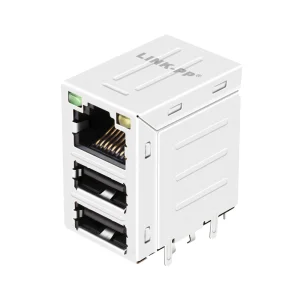
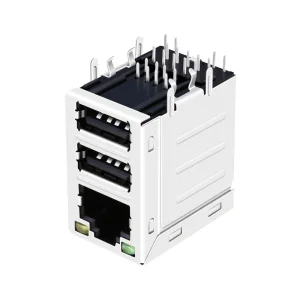
A complete selection of single-port, multi-port, and stacked high-density connectors
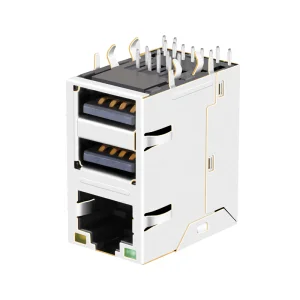
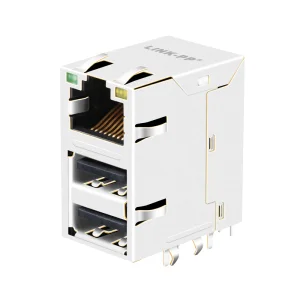
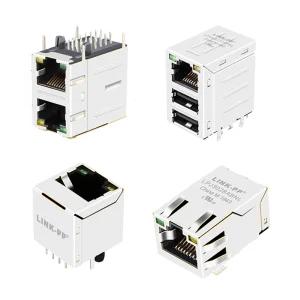
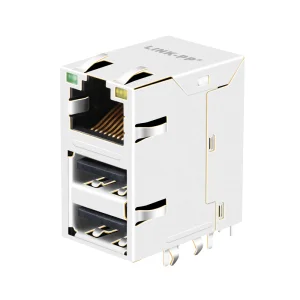
FiberQ Photonics Technology Co., Ltd. is a professional manufacturer specializing in high-performance fiber optic transceivers, advanced copper-to-fiber media components, and high-density integrated interconnect solutions for modern data centers, industrial telecom networks, and high-speed embedded applications. Founded in 2015, the company has grown into a trusted global supplier with strong engineering and export capabilities, serving customers in Central and Western Europe, North America, and Japan.
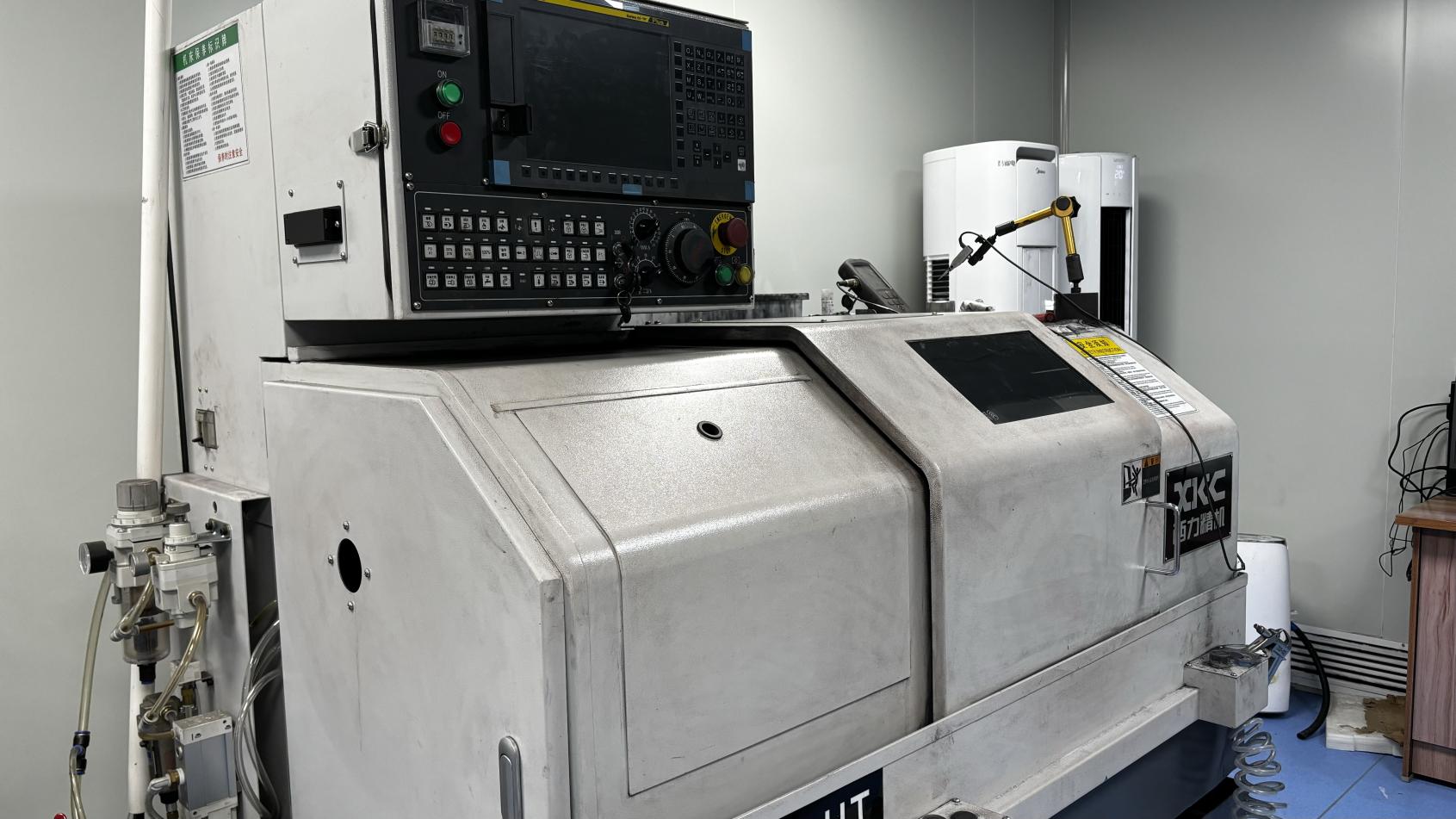
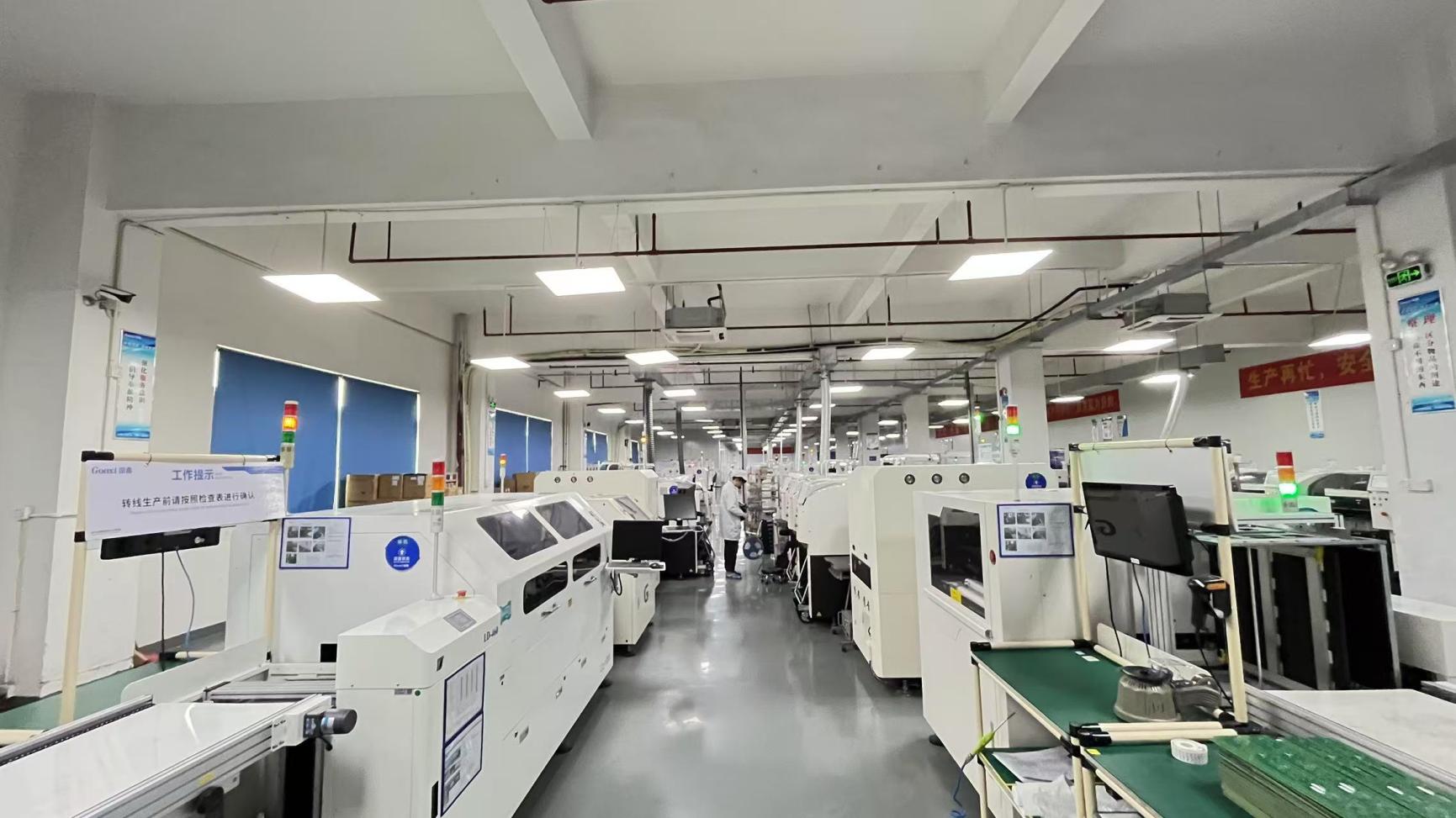
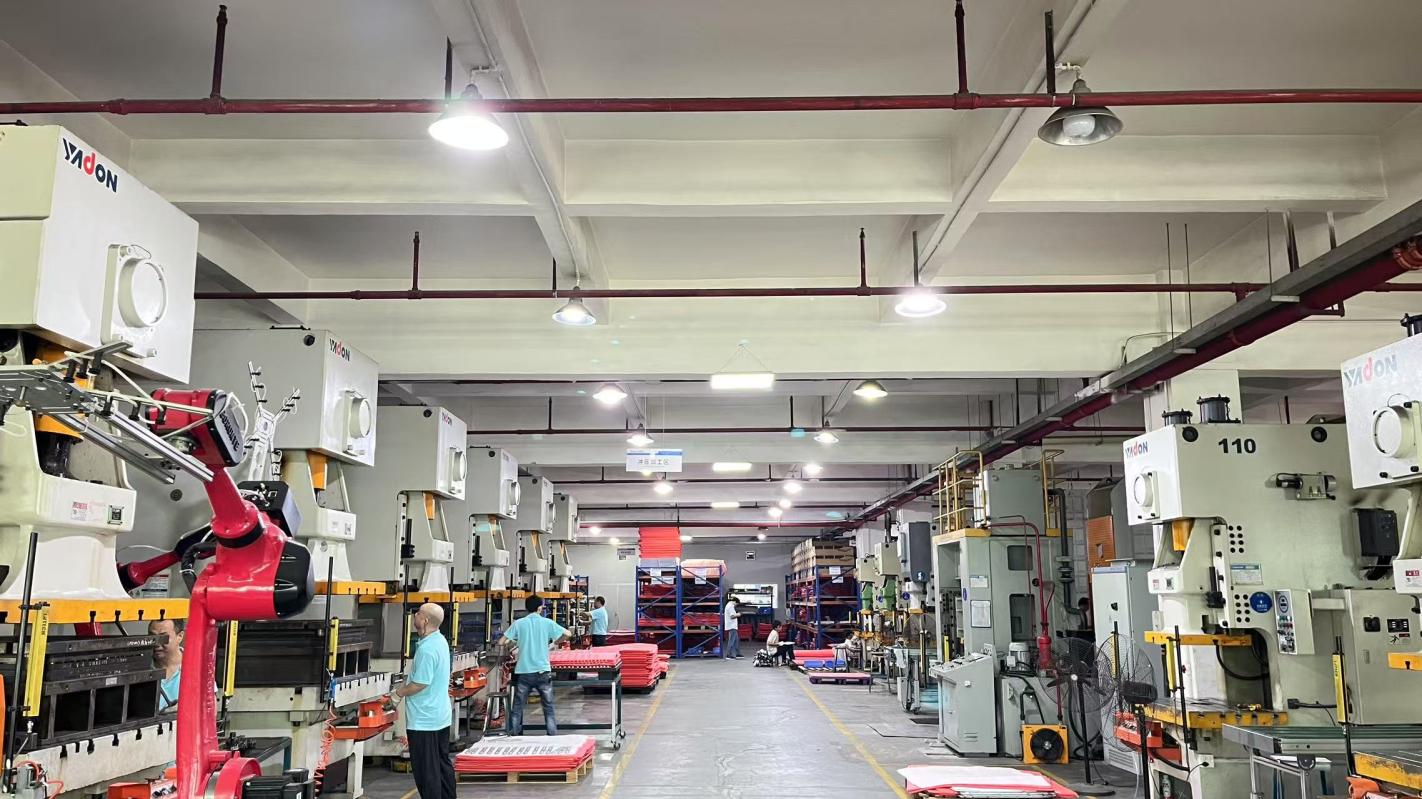
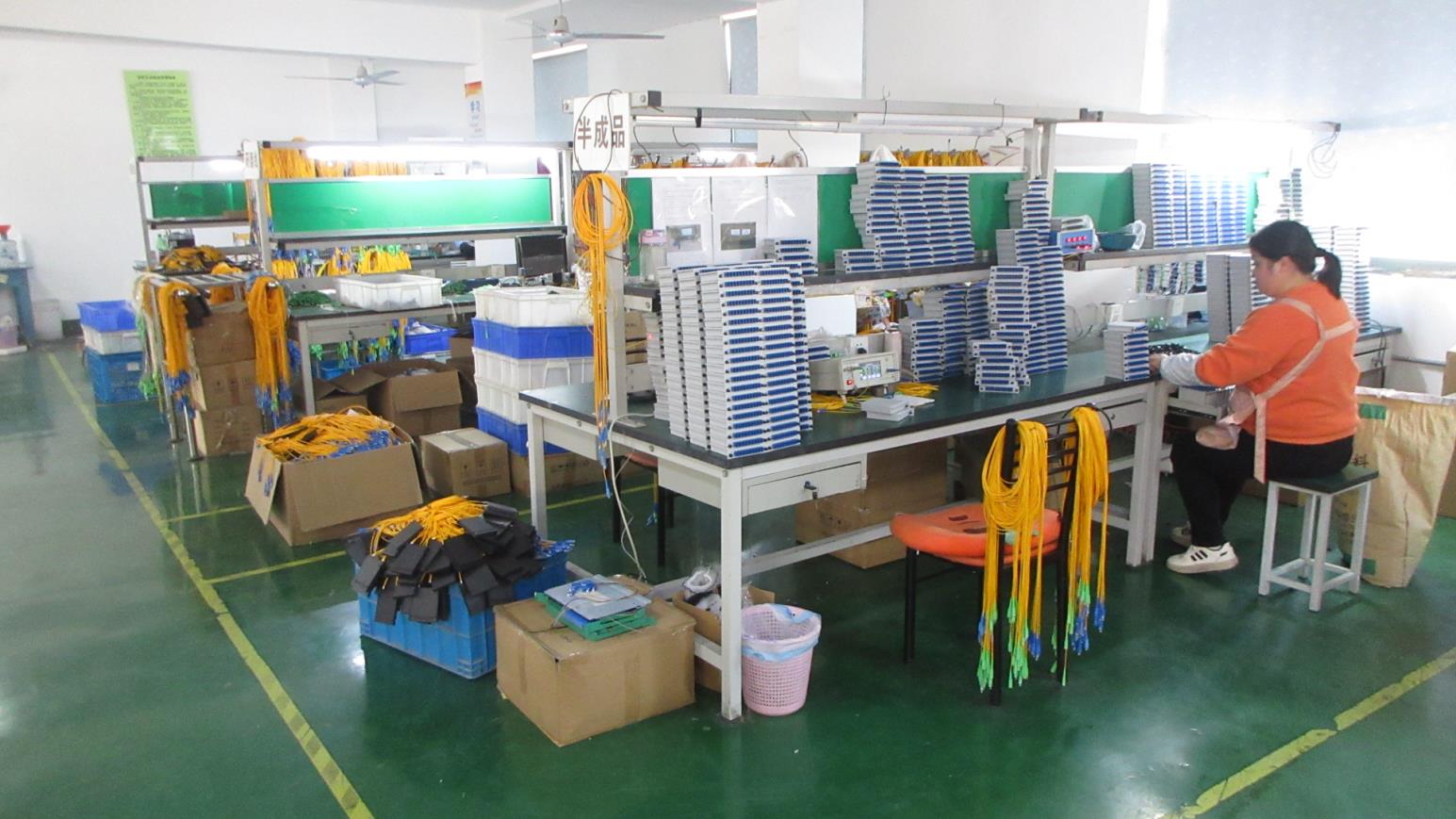
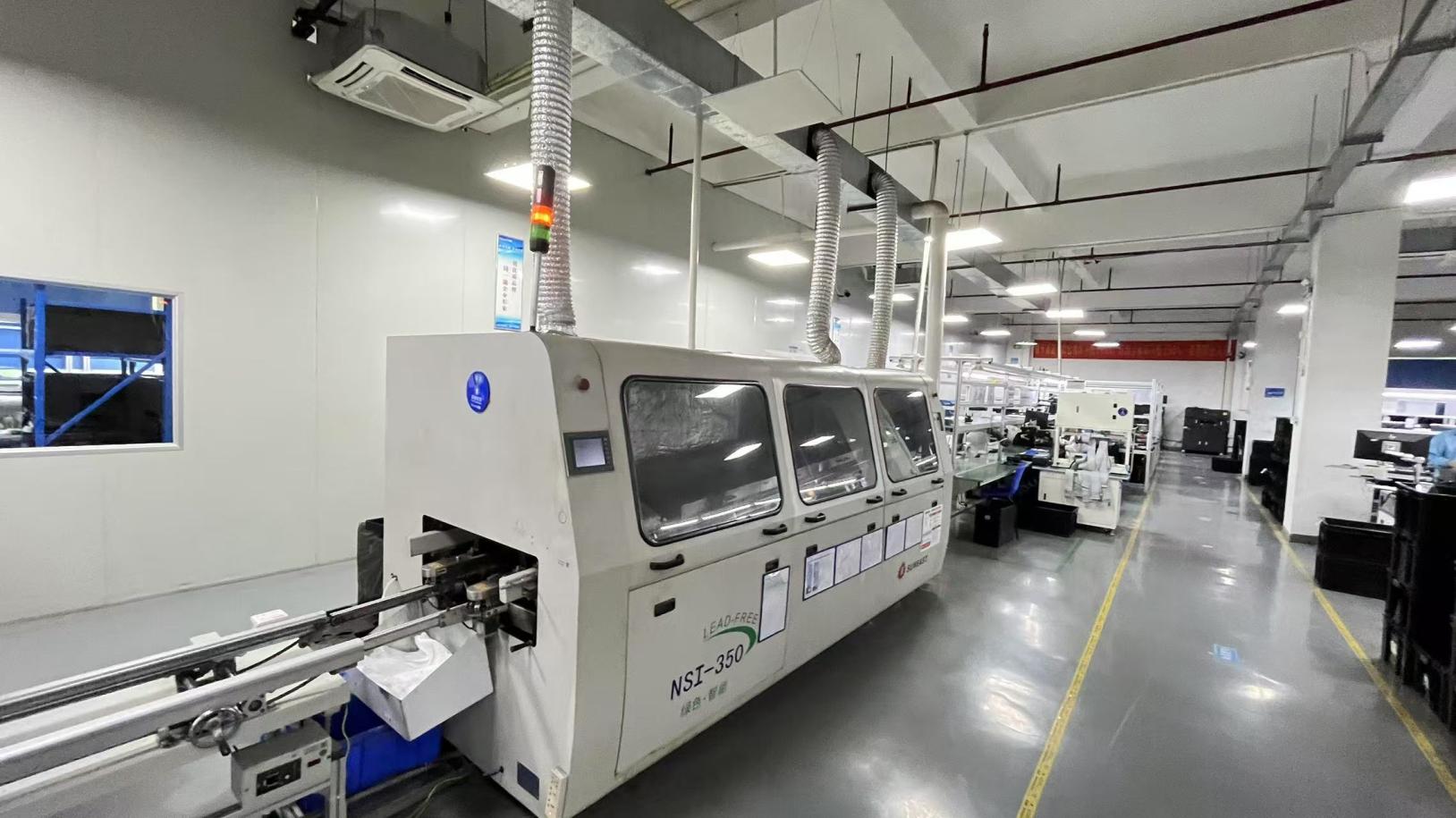
The company operates a modern production facility covering approximately 12,600㎡, enabling scalable manufacturing, high-precision assembly, and strict quality control processes. With an annual export revenue reaching around USD 9.5 million, FiberQ has accumulated 6 years of export experience and 12 years of industry expertise in designing and manufacturing high-density connectors.
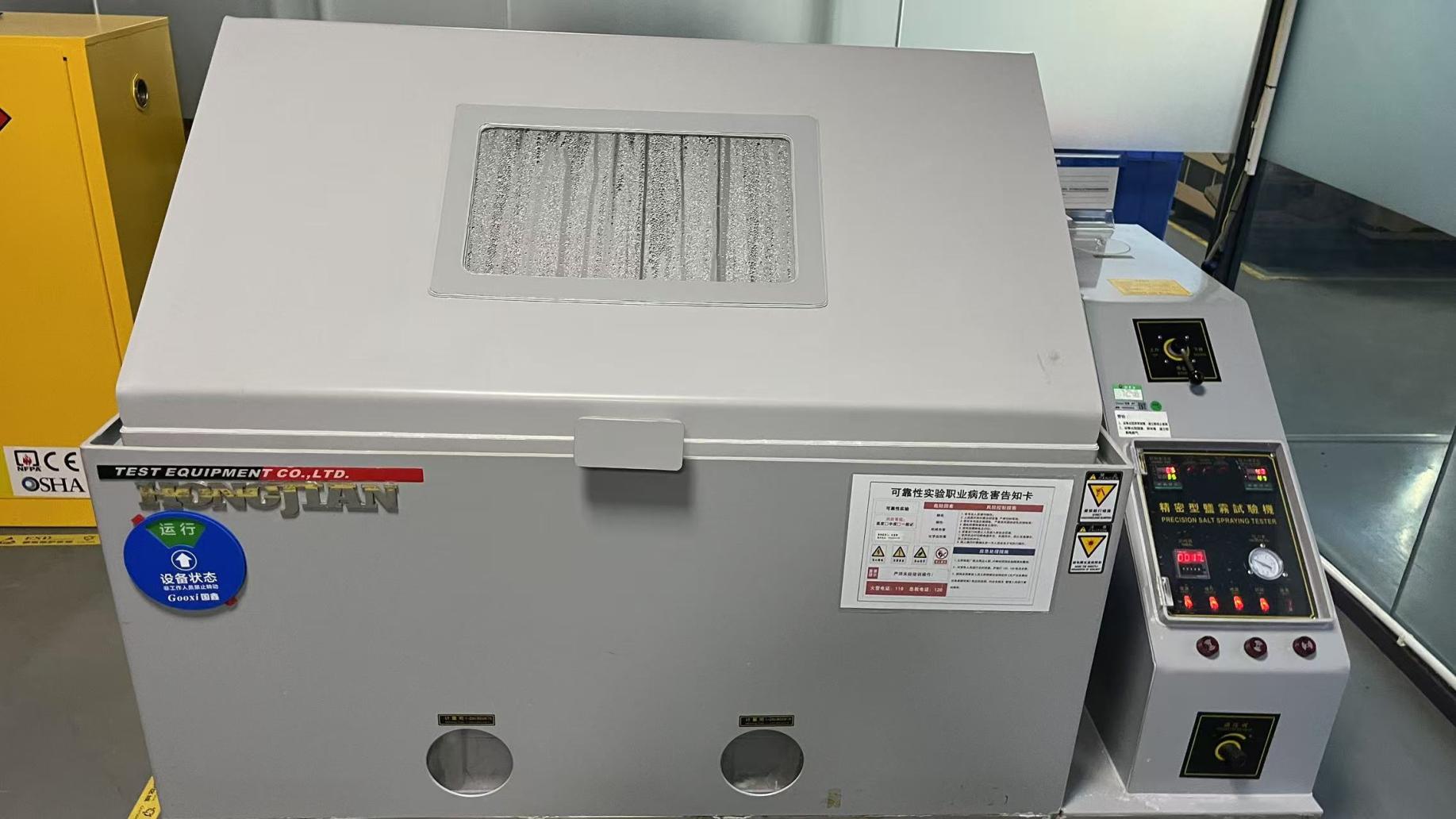
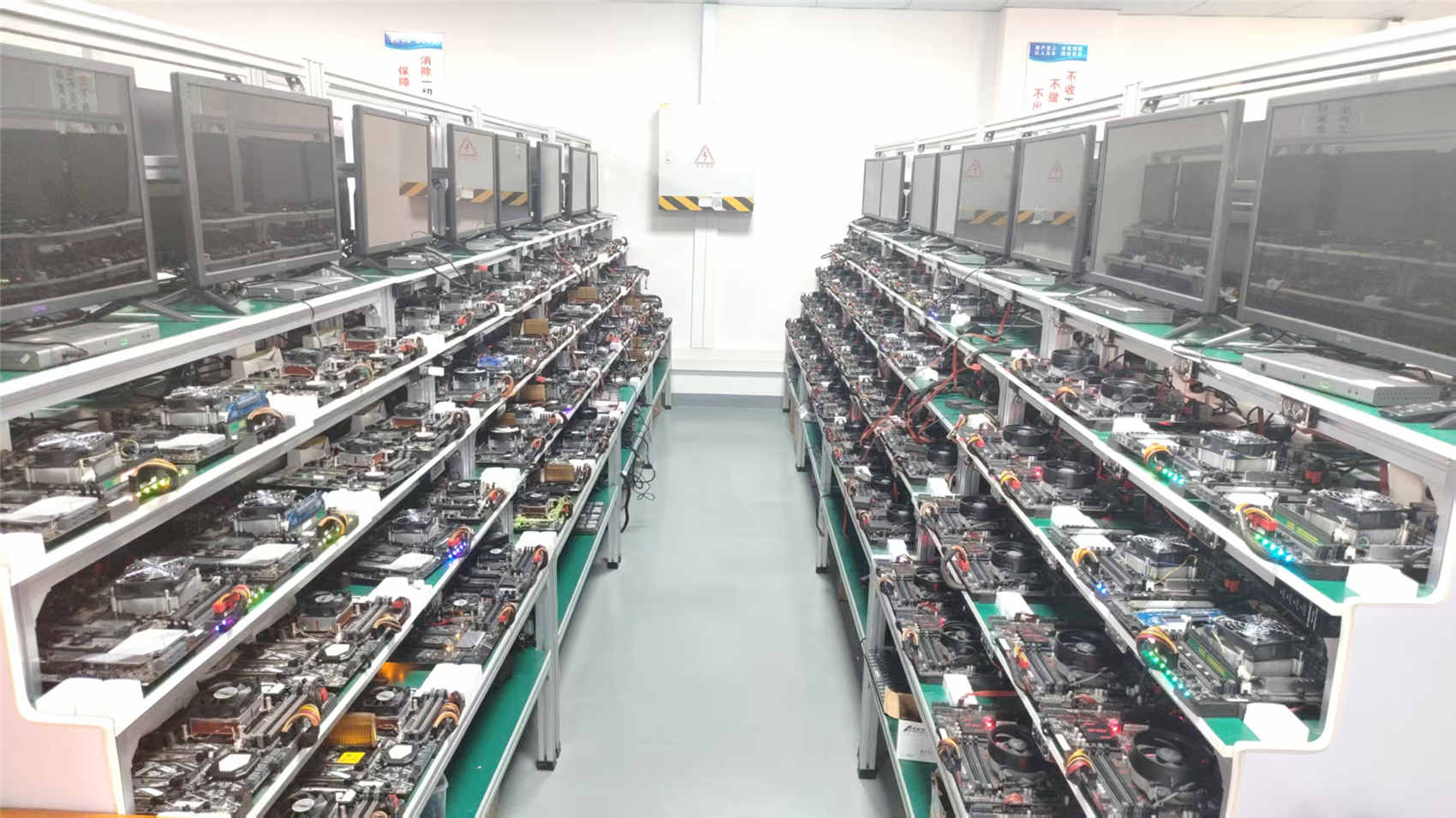
To maintain high reliability, our quality assurance processes combine automated optical performance testing, interferometric inspection, high-temperature aging chambers, and rigorous manual checks. Our quality control department includes 62 experienced inspectors dedicated to maintaining product reliability and compliance with international standards.
FiberQ maintains a strong manufacturing focus on OEM and ODM partnerships. We work closely with client engineering teams to adapt connector housings, pin configurations, LED indicators, and magnetics configurations to match custom PCB layouts.
We collaborate with approximately 1,450 supply chain partners to ensure stable procurement of core raw components—such as gold-plated contact pins, nickel-plated copper alloy shields, and high-temp plastic housings. This resilient supply chain model ensures stable production scheduling and reliable lead times for our partners in the Czech Republic.
With strong R&D capabilities, FiberQ supports advanced hardware customization, including high-speed protocol compatibility, wavelength engineering, thermal optimization, and custom form-factor adaptations. Our design group comprises around 240 R&D engineers focused on optical design, signal integrity, and high-speed hardware development. Reflecting our focus on product development, FiberQ launched approximately 180 new products in the past year alone.
As industrial communications move toward higher speeds and power requirements, the integration of RJ45 and USB interfaces must evolve. Our engineering roadmap focuses on three main developments:
Standard USB Type-A connectors remain common in industrial systems, but the industry is transitioning toward USB Type-C. USB-C supports higher data rates (up to 40Gbps under USB4) and delivers up to 100W/240W of Power Delivery (PD). Our upcoming products will combine CAT6A RJ45 ports (10 Gbps) with vertical USB-C interfaces, enabling high-speed data transmission and device charging through a single connector.
With the growth of the Internet of Things (IoT) in industrial automation, Single Pair Ethernet (IEEE 802.3cg) is gaining ground. SPE transmits data over a single twisted pair at speeds up to 10 Mbps over distances up to 1000 meters. We are developing compact interfaces that stack SPE ports alongside USB ports, offering a smaller footprint than standard RJ45 designs for compact sensor networks.
To meet the demands of outdoor telecom cabinets, transportation systems, and heavy industrial settings, we are expanding our line of IP67-rated waterproof and dustproof RJ45+USB connectors. These designs feature silicone gaskets, bayonet locking mechanisms, and corrosion-resistant plating to ensure reliable operation in harsh environments.
Common technical questions regarding integrated RJ45 + USB connectors in industrial systems
Get in touch with our team for component datasheets, 3D CAD models, PCB layout footprints, and custom price quotes. We provide reliable delivery and support to manufacturing partners across the Czech Republic.
Send Inquiry Now