 FiberQ
FiberQ
FiberQ
High-performance SFP/SFP+ standard interconnect solutions designed for maximum density and low signal attenuation. Fully tested and customized for Lahore, Karachi, and Islamabad network hubs.
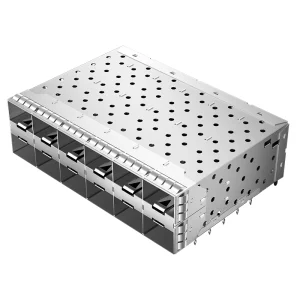
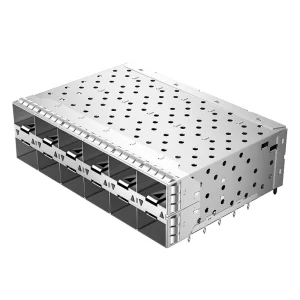
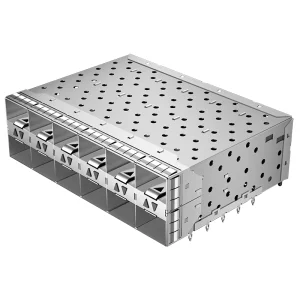
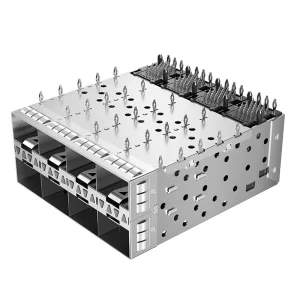
As Pakistan experiences a rapid digital transformation, driven by initiatives like the Special Technology Zones Authority (STZA), and the deployment of massive fiber-to-the-home (FTTH) and 5G testbeds by major operators like PTCL, Jazz, and Nayatel, network designers are facing an urgent challenge: bandwidth density. Traditional single-row SFP cages are no longer sufficient to meet the physical port density required by next-generation edge routers, telecommunications switches, and cloud server farms located in Karachi and Lahore.
The core technical bottleneck lies in PCB space utilization. The 2xN (Stacked Ports) architecture addresses this challenge directly. By vertically stacking two rows of ports, optical engineers and system integrators can double the port density on a standard line card. A 2x6 stacked configuration, for example, delivers 12 physical optical connections within a horizontal profile that would normally support only 6 single ports. This is key to driving down the Total Cost of Ownership (TCO) for data centers that are scaling rapidly across Pakistan’s commercial centers.
Operating telecommunication equipment in Pakistan poses severe environmental challenges. Summer temperatures regularly exceed 45°C in central Punjab and Sindh provinces. Dust, humidity, and thermal strain are the primary failure points for active fiber optic transceivers and their passive mechanical interfaces.
To ensure reliability under these operating conditions, FiberQ’s range of 2xN stacked ports features integrated light pipes for visual status monitoring, and advanced EMI elastomeric gaskets. The press-fit termination technology establishes a robust gas-tight seal on the PCB, preventing dust entry and oxidation under harsh, non-airconditioned environment scenarios common in rural Pakistan telecom towers. Furthermore, our cages are optimized with integrated heatsink pathways that permit enhanced thermal dissipation, mitigating optical wavelength drift under extreme temperatures.
Under the China-Pakistan Economic Corridor (CPEC) digital infrastructure projects, cross-border optical fiber links are transforming backhaul bandwidth capabilities. System integrators building out the Gwadar-to-Kashgar fiber pathway require components that comply with stringent global standards (such as Telcordia GR-1217-CORE). Our compatibility with industry standards ensures seamless replacement and upgrade paths without costly re-engineering of current telecom hardware layout designs.
Scale, reliability, and precision engineered to support global high-speed optical network integrations.
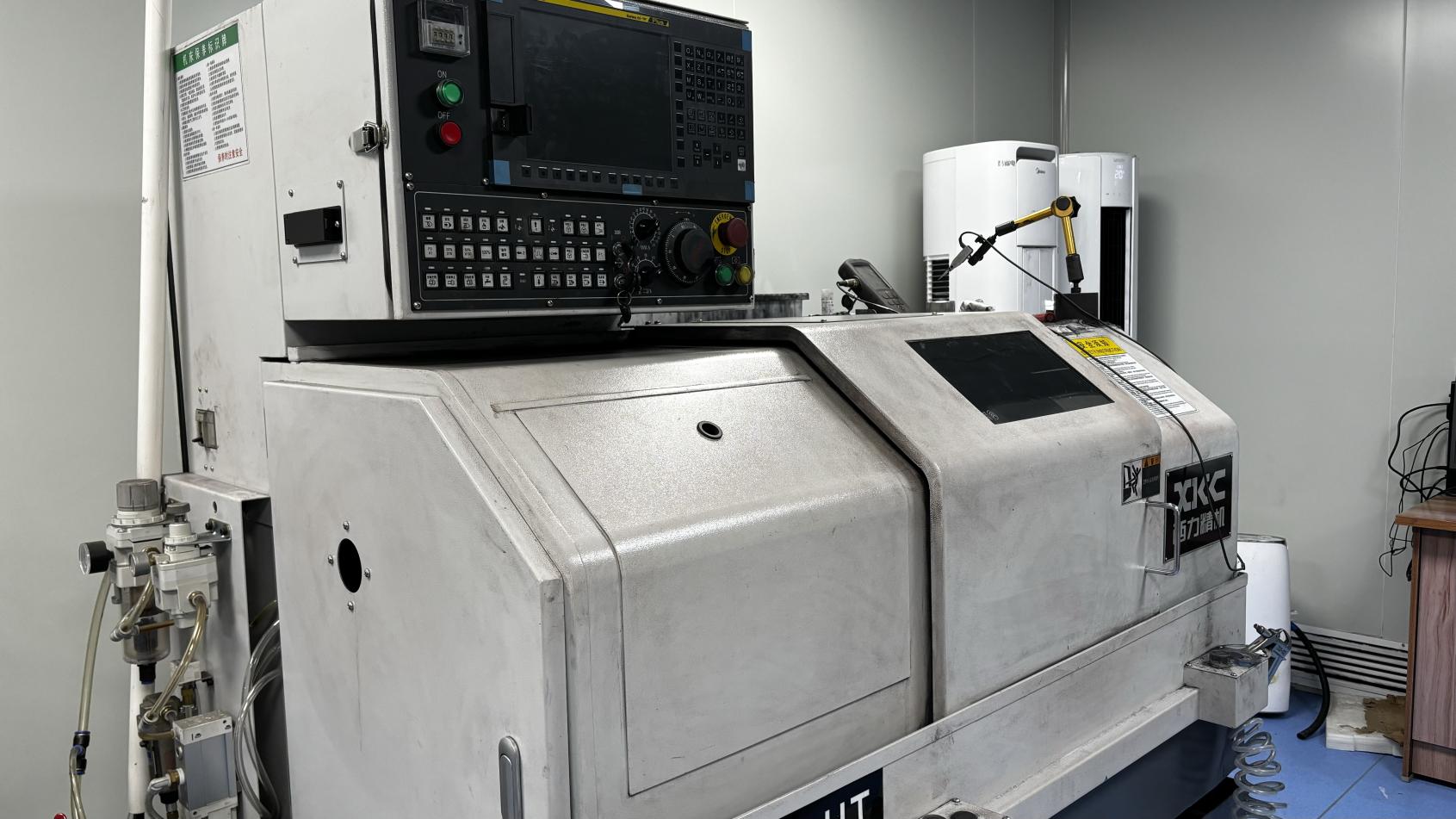
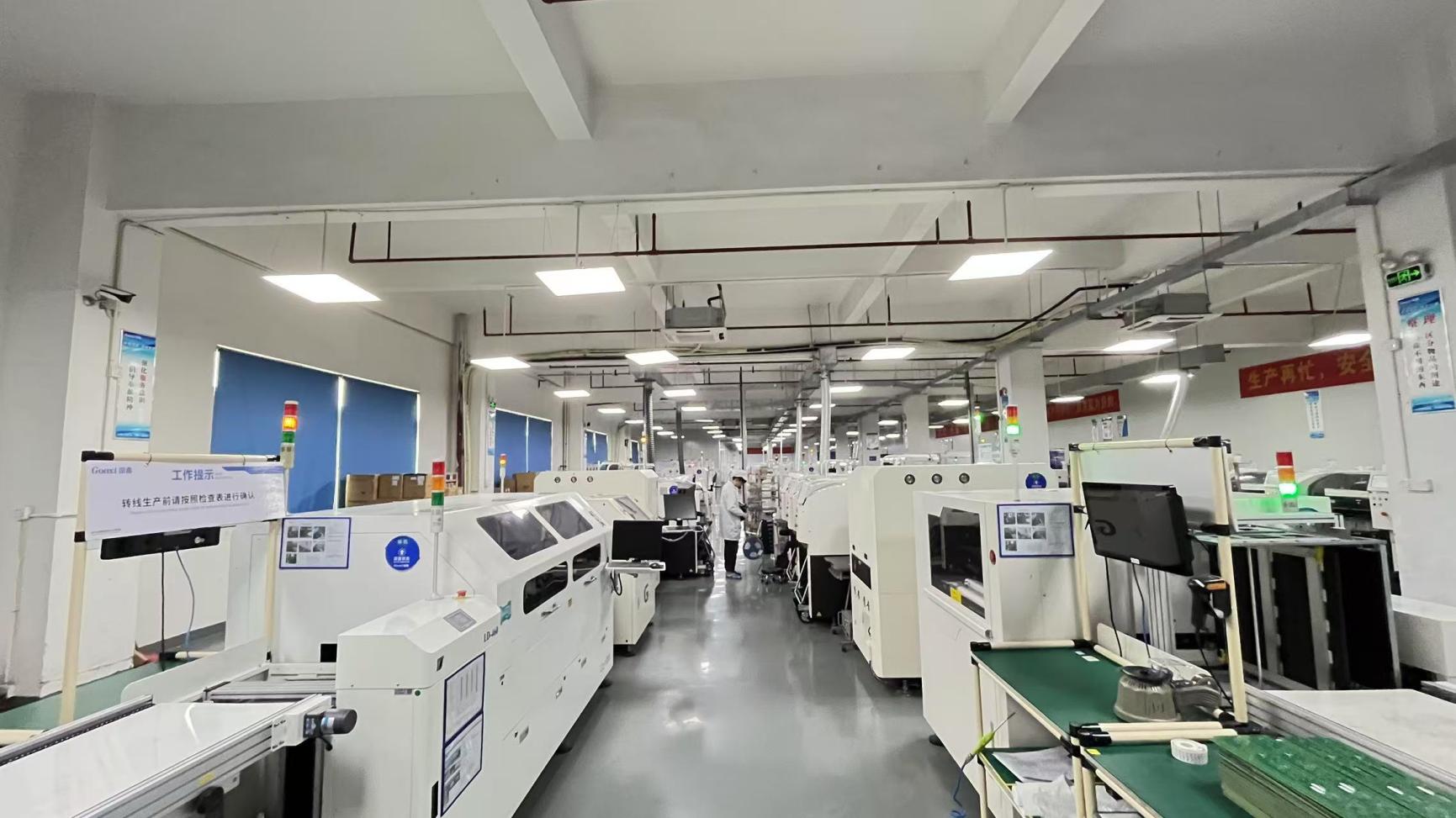
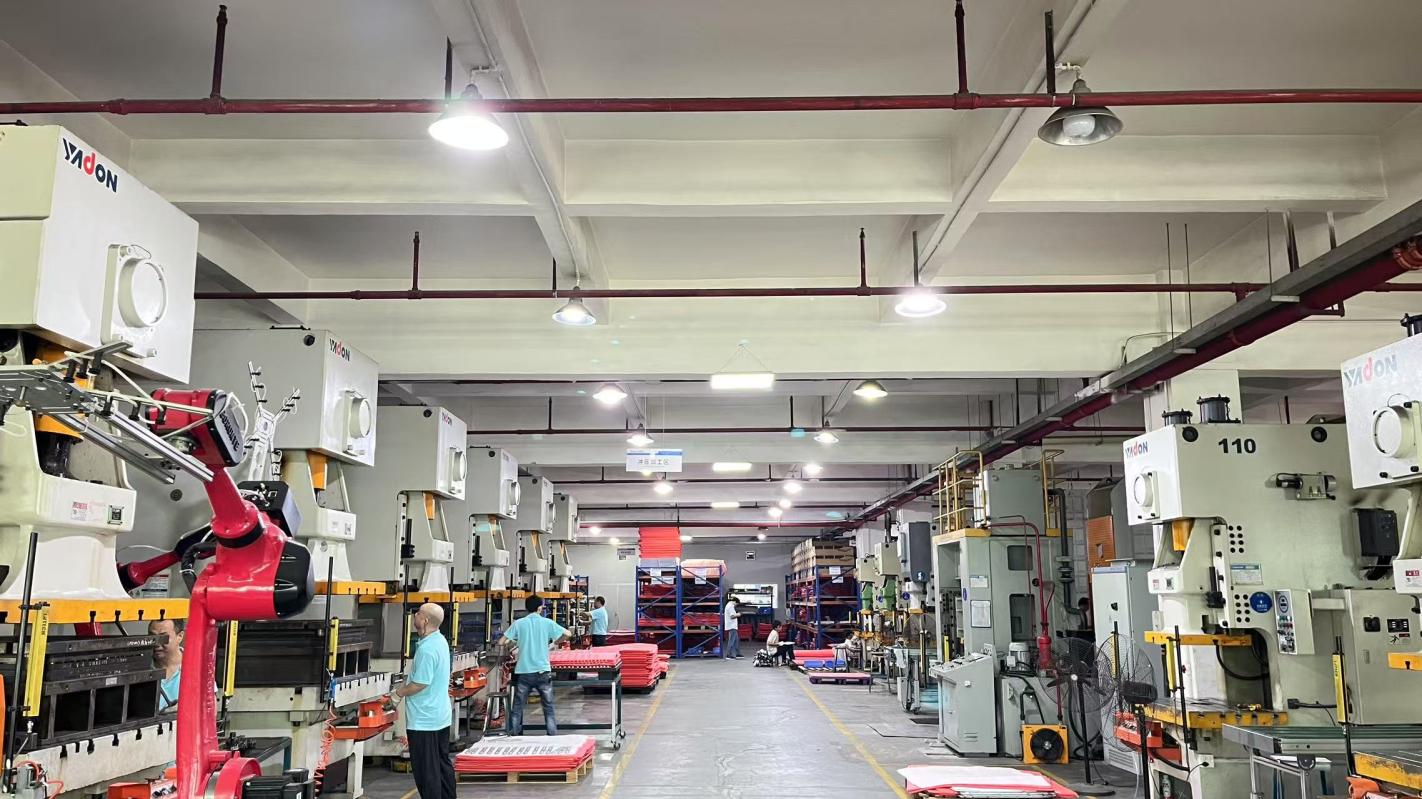
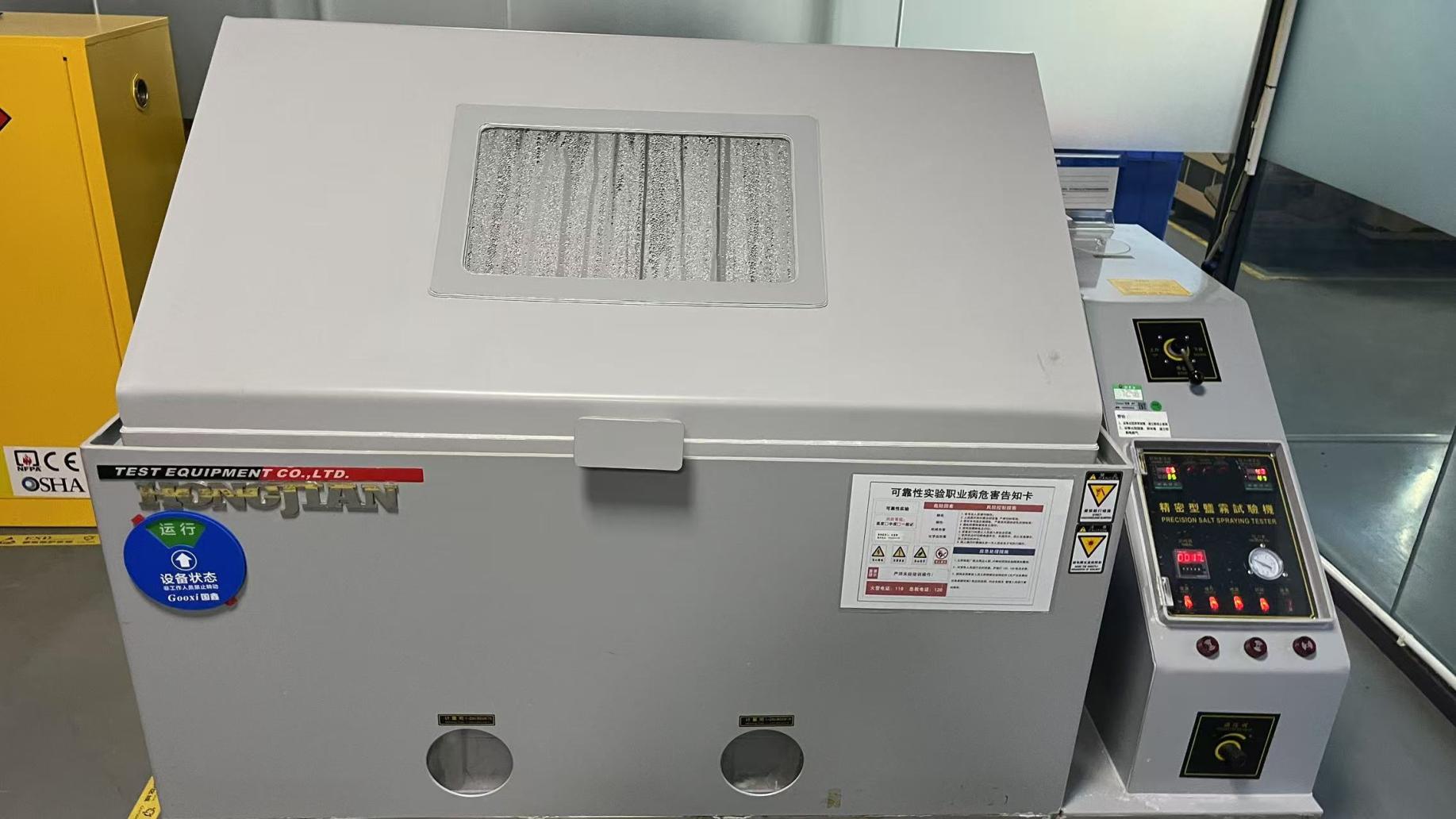
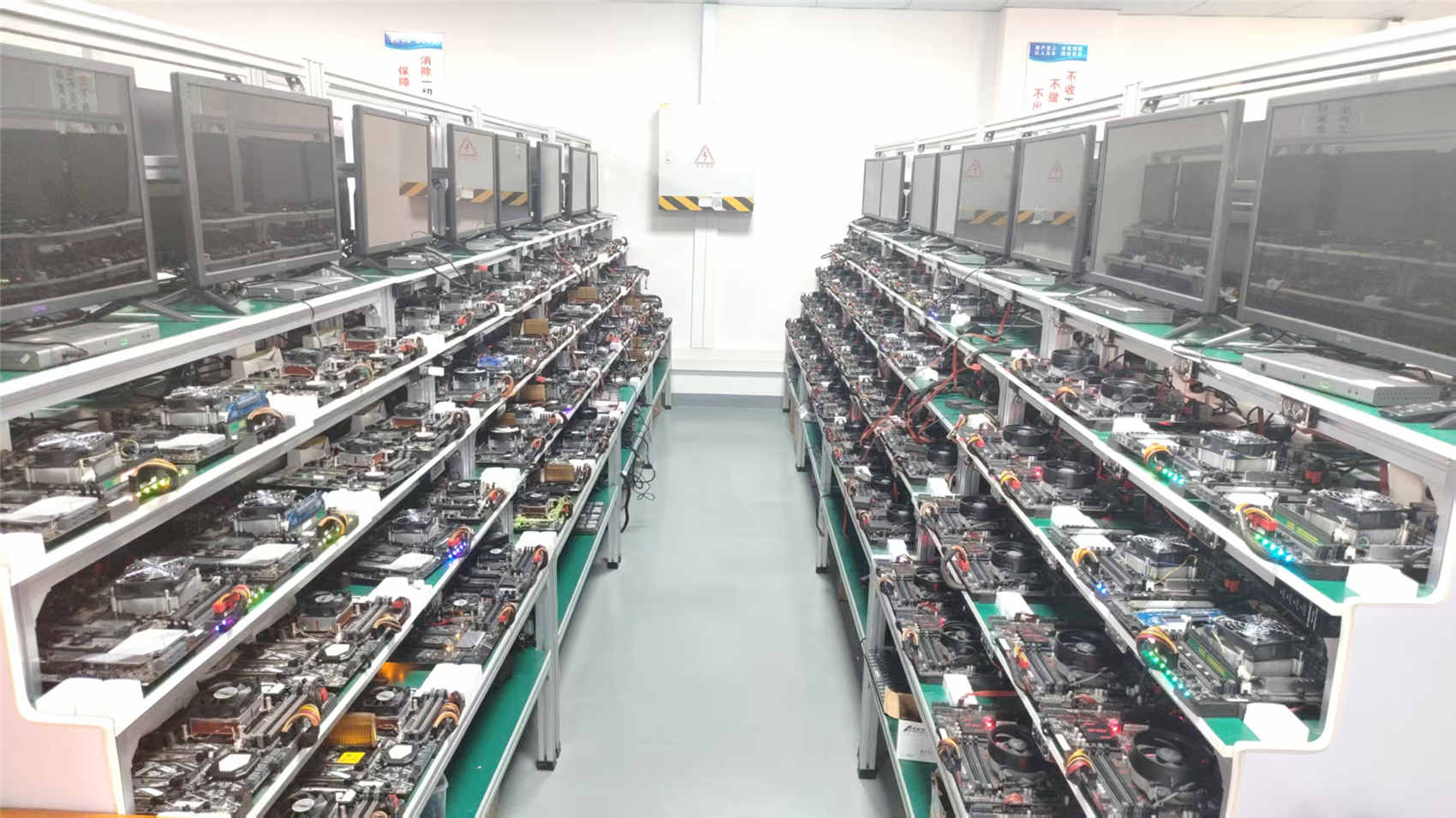
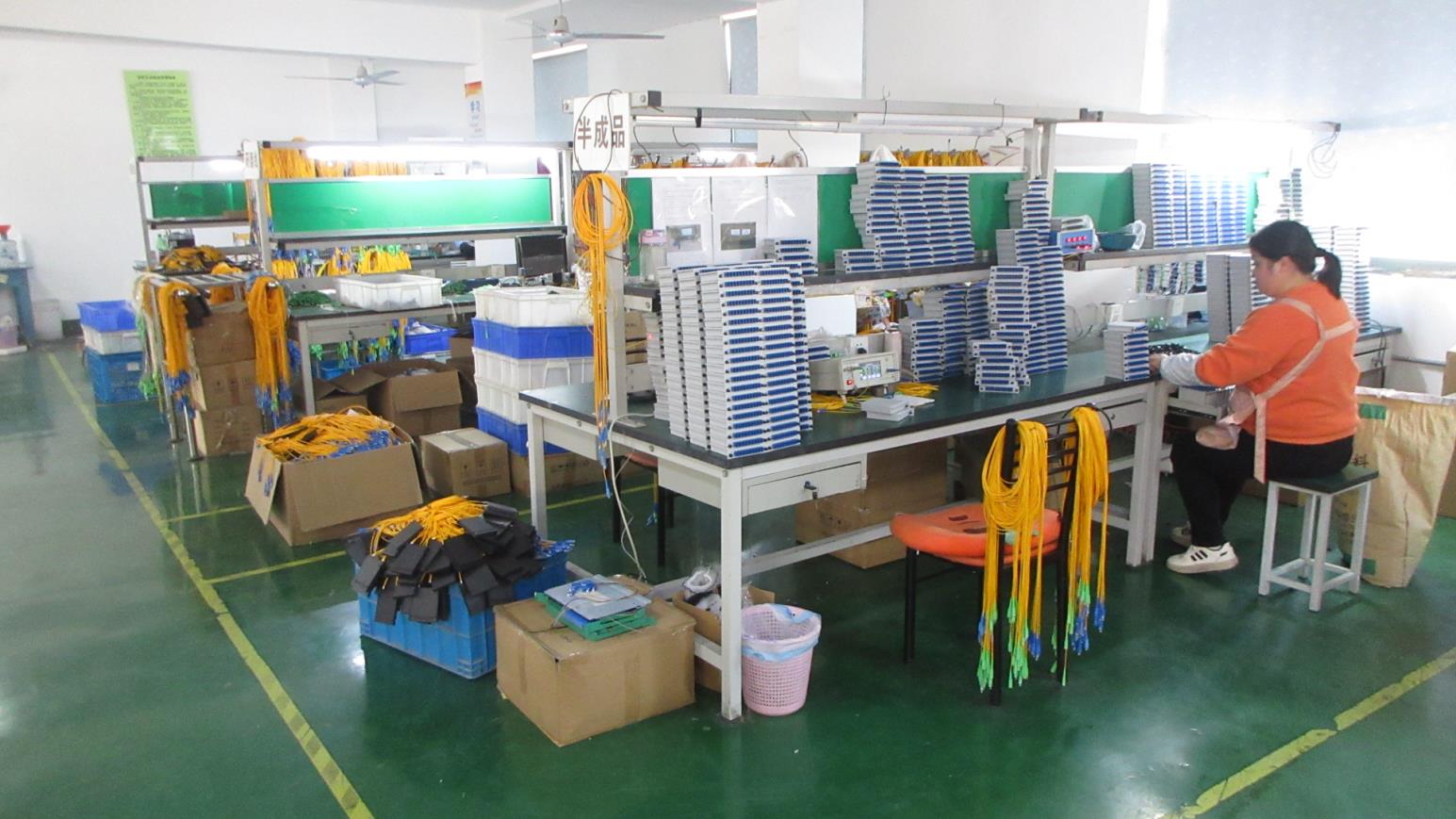
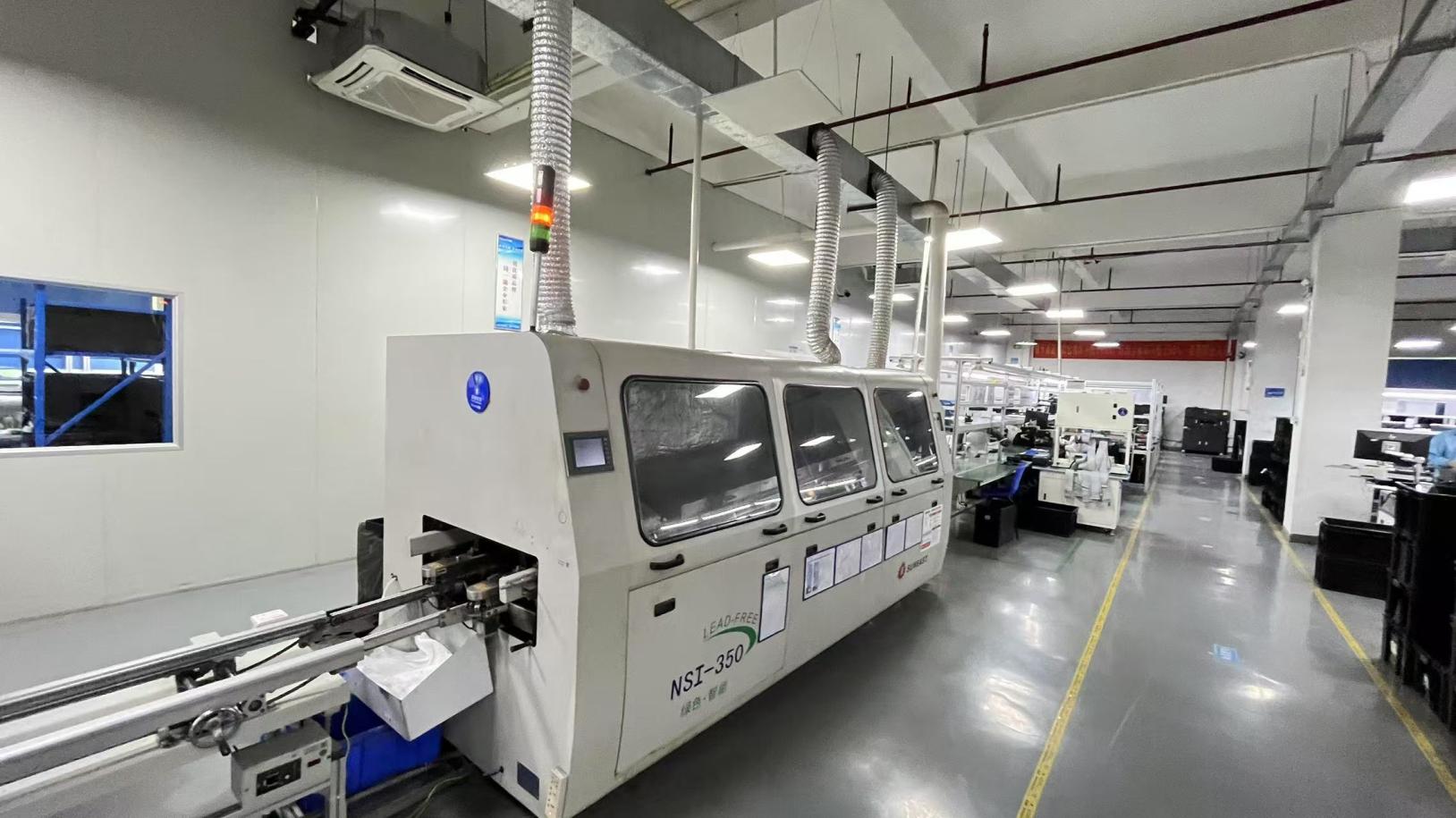
In today's volatile global supply chain environment, electronic components face prolonged lead times, resulting in project delays and cost overruns. FiberQ resolves this issue by integrating Factory 4.0 methodologies. From automated inspection lines to raw material supply tracking, we maintain production stability even under fluctuating demand cycles.
Our robust supply chain consists of approximately 1,450 trusted supply chain partners, guaranteeing a steady supply of premium base metals and high-conductivity plastics (such as LCP) for our connector elements. We offer OEM/ODM customization services to adapt configurations to non-standard board geometries, making FiberQ a reliable manufacturing partner for custom telecom equipment.
Furthermore, we utilize rapid shipping routes via the China-Pakistan land border (Karakoram Highway) and major maritime sea lanes from Shenzhen to Karachi Port. This multi-channel logistical strategy ensures that telecom rollouts in Lahore, Islamabad, or Karachi receive components within minimized shipping timeframes, bypassing global congestion hotspots.
Full catalog of direct replacements for major global brands. Tested for absolute impedance matching and robust signal transmission in long-haul network switchboards.
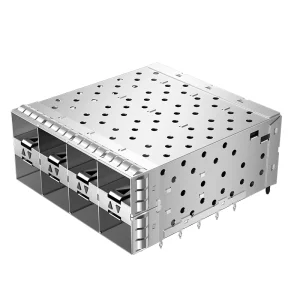
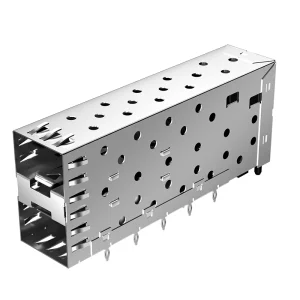
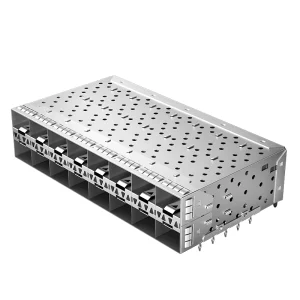
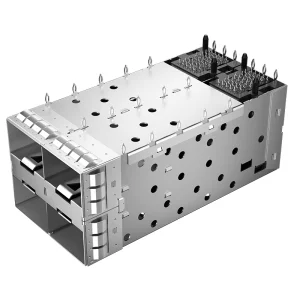
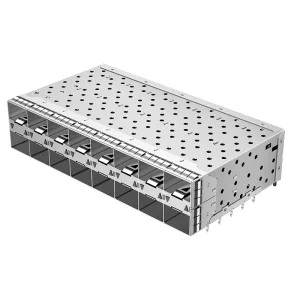
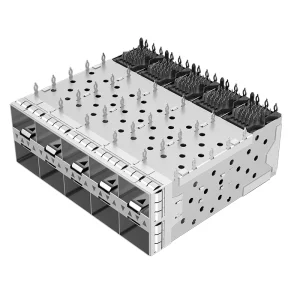
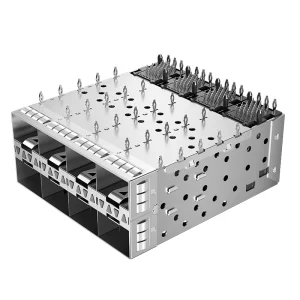
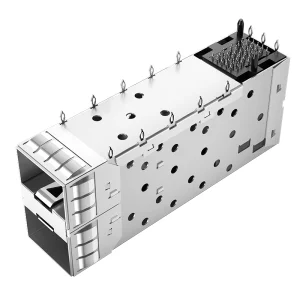
Additional low-latency, EMI-shielded cage formats including Molex compatibles and high-speed zSFP+/zQSFP+ standards.
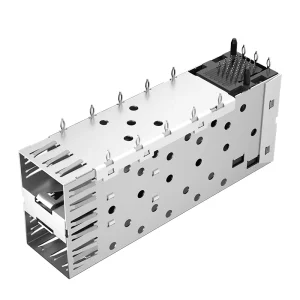
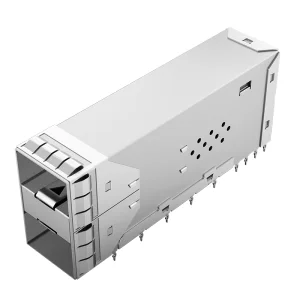
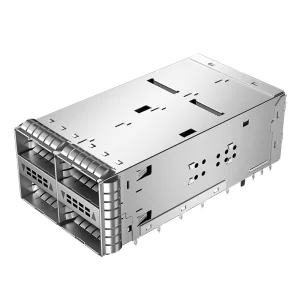
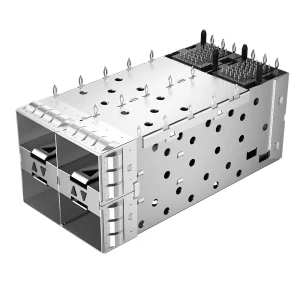
For system hardware design engineers developing networks in Pakistan and abroad, matching exact electrical parameters is critical to avoiding return loss and cross-talk.
The mechanical interface between the PCB and the SFP/SFP+ cage is critical for high-speed signal pathways. Press-fit (elastic eye-of-the-needle) contact designs eliminate the need for wave soldering, preventing thermal damage to sensitive copper trace patterns near the connector pins.
This is crucial when transmitting signals up to 28 Gbps per channel (SFP28). Proper drill dimensions and plating thickness (typically tin-lead over nickel) must be rigorously maintained on the PCB to guarantee a gas-tight electrical contact that withstands high-vibration industrial environments.
With higher port densities, crosstalk and EMI leakage become prominent design challenges. Stacked cages are particularly vulnerable at the bezel interface. FiberQ utilizes a combination of metal EMI gaskets and conductive springs to ground the chassis effectively. Our 2xN stacked SFP+ cages provide at least 15 dB of EMI attenuation up to 10 GHz, ensuring compliance with FCC Part 15 and EN 55022 regulations.
Maintenance teams in telecom centers across Pakistan rely on optical indicator paths to diagnose link states. FiberQ’s integrated light pipes redirect LED signals from the PCB surface to the front bezel of the cage assembly. This mechanical integration maintains structural cage integrity while preserving critical path clearances for optical fiber plug mechanisms.
Addressing common queries regarding direct replacement compatibility, logistics, and performance parameters for the Pakistani market.
Connect with FiberQ’s engineering team for design reviews, free physical sample kits, and optimized volume pricing tailored for projects in Pakistan and globally.